Top 4-Burner Gas Grills with Rotisserie for Backyard Cooking Enthusiasts
Discover the best 4-burner gas grills equipped with rotisserie features to elevate your outdoor cooking experience.
In This Article
Enhanced Cooking Versatility
Consistent Heat Distribution
Durable Construction
Introduction: Elevate Your Backyard Cooking with a 4-Burner Gas Grill with Rotisserie
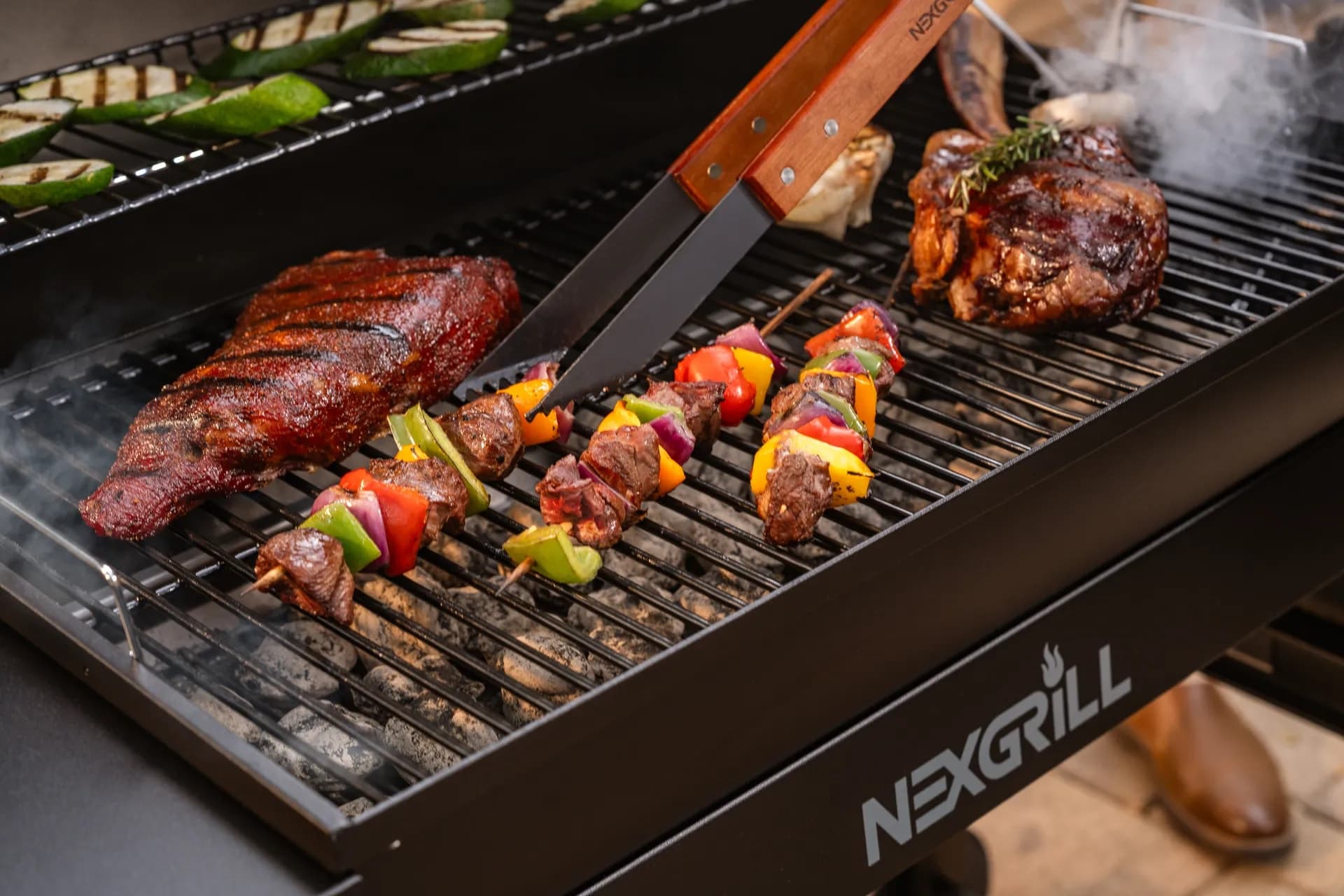
A 4-burner gas grill with rotisserie is a very specific kind of backyard tool, and that specificity is exactly what makes it so useful. It is not just a bigger grill with more knobs. For the backyard cooking enthusiast, it is the sweet spot between weeknight practicality and weekend ambition: four burners give you enough room to set up direct and indirect heat zones, while a rotisserie kit adds slow, even cooking for whole chickens, roasts, and other center-of-table proteins. The result is a grill that can sear steaks on one side, hold vegetables on the other, and still turn a bird evenly over the flames without constant babysitting.
Nexgrill’s brand philosophy fits this style of cooking well. The company’s messaging centers on gathering people together, making outdoor cooking accessible, and creating a welcoming place around the fire rather than a technical proving ground for experts only. That matters here because rotisserie cooking naturally encourages shared meals. It is a format built for a crowd: a whole chicken carved at the table, a pork roast for Sunday dinner, or a rotating leg of lamb that becomes the focal point of the backyard. If you like cooking for family and friends without turning every meal into a complicated production, this category is worth your attention.
The best 4-burner gas grill with rotisserie should do three things well. First, it should distribute heat evenly so the rotisserie motor can work with stable, predictable conditions. Second, it should offer enough total cooking area to handle side dishes or a second item while the rotisserie runs. Third, it should be built with the kind of durability that makes sense for outdoor use in the United States, where a grill may face humid summers, dry heat, salt air, or winter storage depending on the region. A good purchase here is not just about raw power; it is about control, layout, and how the grill fits real backyard habits.
Create true multi-zone cooking for rotisserie plus side dishes
In practice, that means this grill category works especially well for cooks who have outgrown a simple two-burner setup but do not want to jump to oversized, restaurant-scale equipment. The rotisserie feature changes the entire rhythm of outdoor cooking: instead of managing every surface at once, you can prepare and season food early, let the spit handle the main protein, and use the remaining burners to keep accompaniments warm or finish them at the last minute. That is a huge advantage when you want food to arrive together and still taste fresh.
Because rotisserie grilling is slower than direct grilling, the grill’s construction matters more than many shoppers realize. A flimsy lid can leak heat; a poorly arranged firebox can create hot spots; and a cramped interior can make setup awkward. The ideal 4-burner unit gives you enough space to position the meat centered over balanced heat, while also leaving workable room for the rotisserie fork, drip management, and accessory storage. That combination is what turns a good-looking grill into a practical backyard performer.
Key Features to Consider in a 4-Burner Gas Grill with Rotisserie
When you compare grills in this category, start with the cooking layout rather than the marketing headline. Four burners are valuable because they let you build a cooking system, not just heat one flat surface. With rotisserie cooking, you want the food to spin through a stable thermal environment, so burner placement, lid height, and grate configuration all affect results. If the grill includes a dedicated rear burner, that is a major advantage for rotisserie use because it helps deliver radiant heat to the back of the food while the main burners create surrounding heat zones. If there is no rear burner, you can still use a rotisserie, but you will rely more heavily on indirect heat management from the main burners.
Another important factor is usable cooking space. A 4-burner grill can have enough room for a family meal and still feel crowded if the primary grate is poorly laid out. Look for a design that gives the spit rod enough clearance, especially above the grates and below the lid. You should be able to mount and remove the rotisserie assembly without fighting the lid or scraping against the burners. That small detail makes a surprising difference after a few uses. Backyard cooks usually remember the grill that made setup easy, and they remember the one that turned a simple chicken dinner into a mechanical puzzle.
| Feature | Why it matters for rotisserie grilling | What to look for |
|---|---|---|
| Burner layout | Determines how evenly heat surrounds the spinning food | Balanced spacing, reliable low-to-medium control |
| Rear burner | Adds direct radiant heat behind the roast or chicken | Included on many rotisserie-friendly models |
| Cooking area | Provides room for side dishes and indirect heat zones | Enough usable space for family meals |
| Lid height | Helps accommodate the rotating food without contact | Tall enough for whole chickens and roasts |
| Build materials | Affects durability in outdoor conditions | Stainless steel accents, solid cart, stable frame |
Temperature control is another major decision point. Many backyard cooks assume more heat is always better, but rotisserie food often benefits from controlled, moderate heat rather than aggressive flame. The best 4-burner gas grill gives you room to adjust one or two burners down while keeping the cooking chamber stable. That reduces the risk of over-browning the exterior before the inside is done. If you regularly cook chicken, pork loin, or bone-in roasts, this flexibility matters more than a high BTU number on a spec sheet.
Tip: For rotisserie cooking, pay closer attention to lid clearance, burner zoning, and accessory mounting than to headline BTU numbers alone.
Top 4-Burner Gas Grills with Rotisserie for Backyard Cooking Enthusiasts
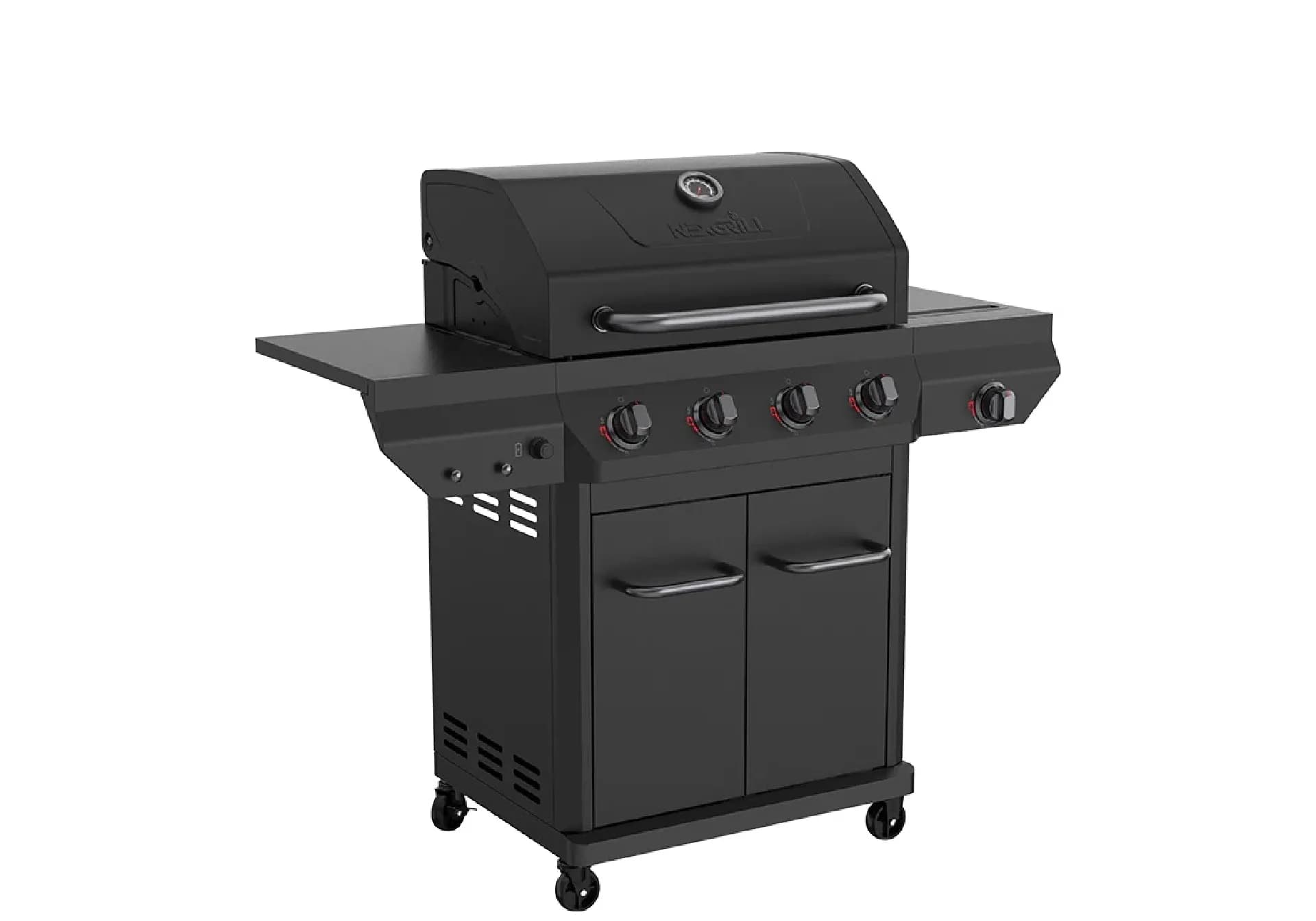
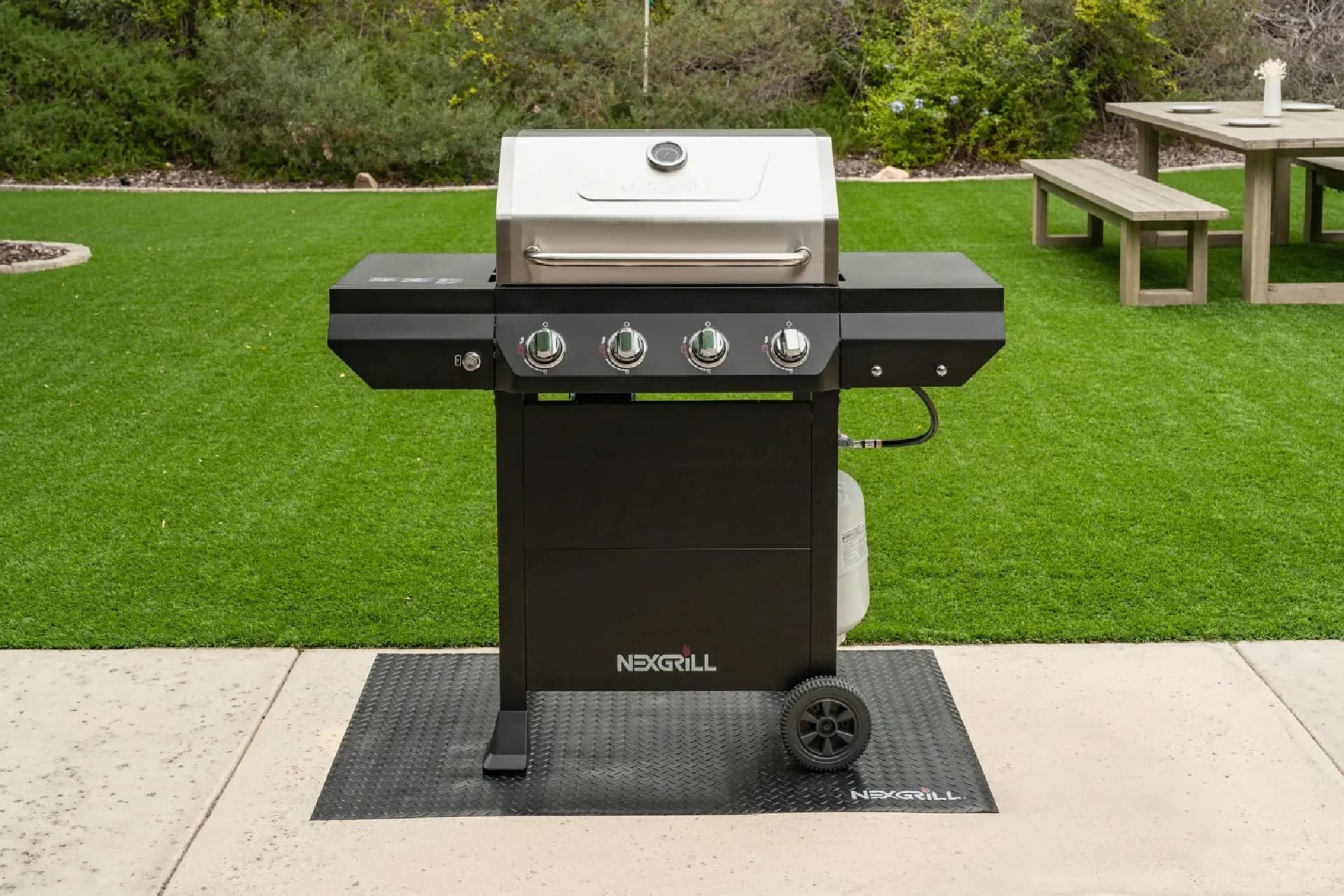
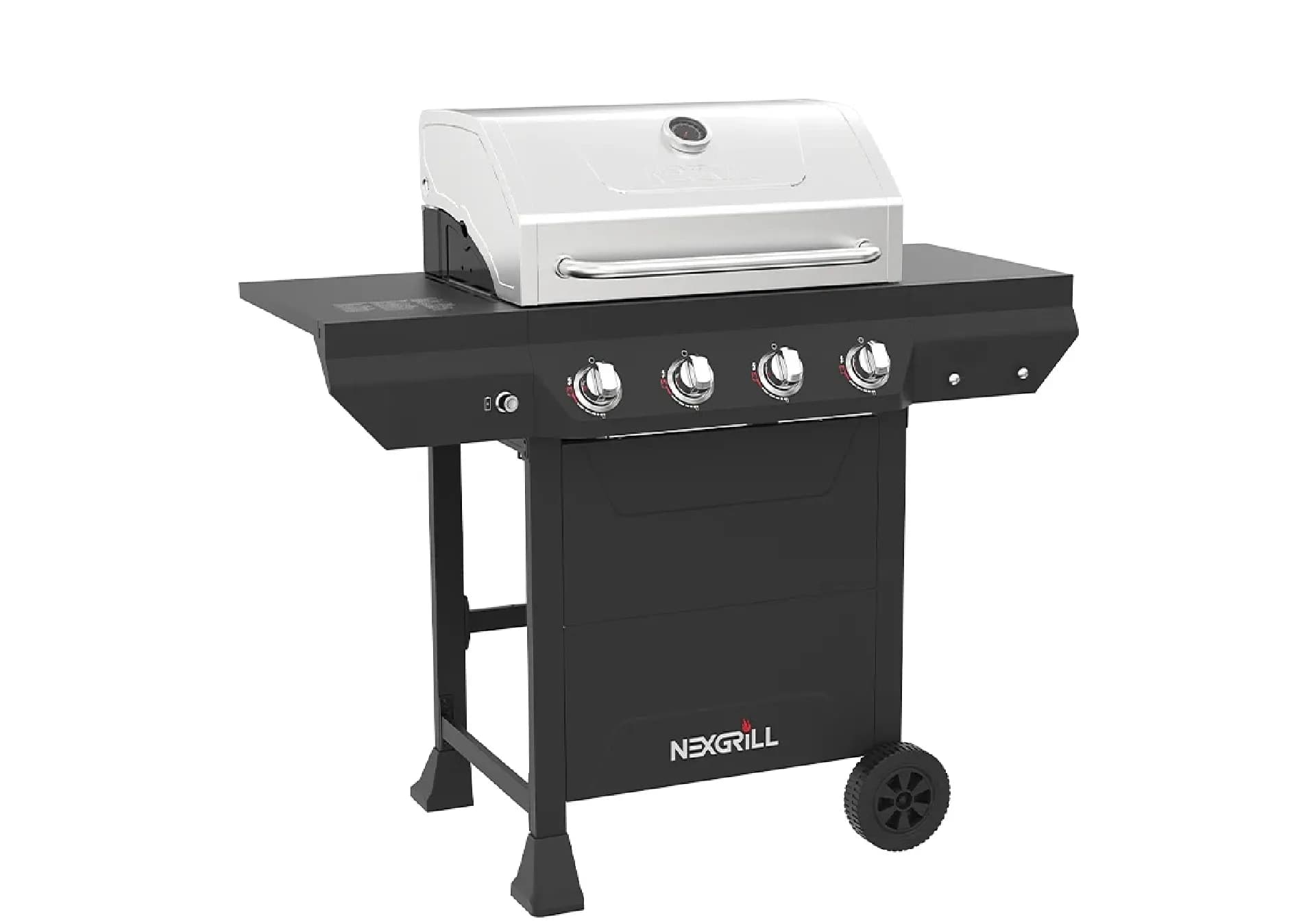
The strongest options in this category are the ones that make rotisserie cooking feel like a natural extension of the grill, not an afterthought. Nexgrill’s 4-burner propane gas grill in black with a stainless steel main lid is a good example of a layout that suits backyard versatility. The four-burner configuration gives you the heat zones needed for indirect cooking, while the sturdier lid design helps retain the consistent heat that rotisserie proteins need. For cooks who want a straightforward gas grill that can handle everything from weeknight burgers to a Sunday roast chicken, that kind of flexibility is essential.
A second strong fit is the 4-burner gas grill with side burner in black. The side burner does not directly improve the rotisserie itself, but it improves the full meal workflow. While the spit turns a chicken or roast, you can make a sauce, warm vegetables, or finish a skillet dish without taking up the main grate. For backyard hosts, that matters because rotisserie cooking tends to create a centerpiece protein, and the side burner helps you build the rest of the meal around it. In that sense, the grill becomes less like a single appliance and more like a small outdoor kitchen station.
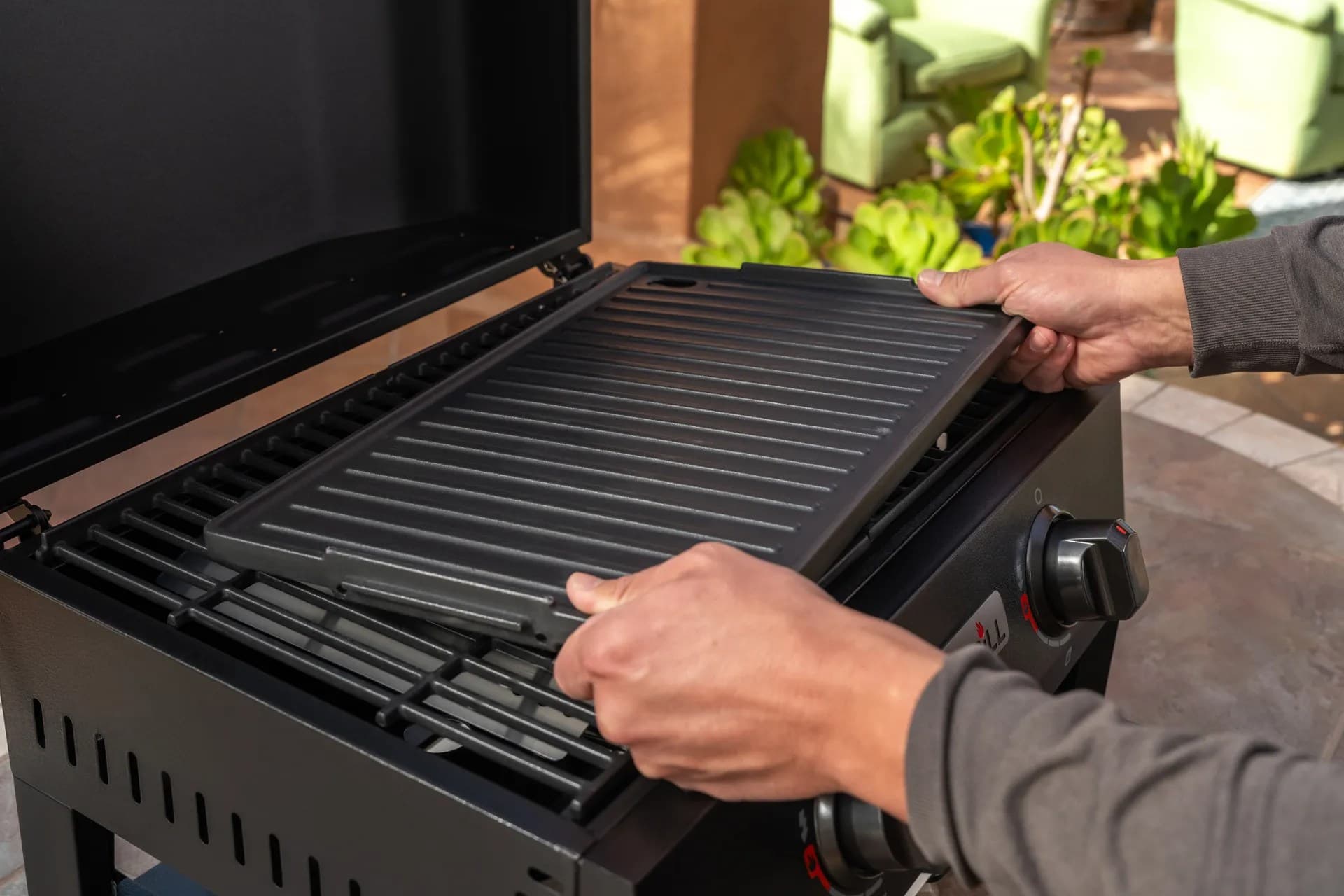
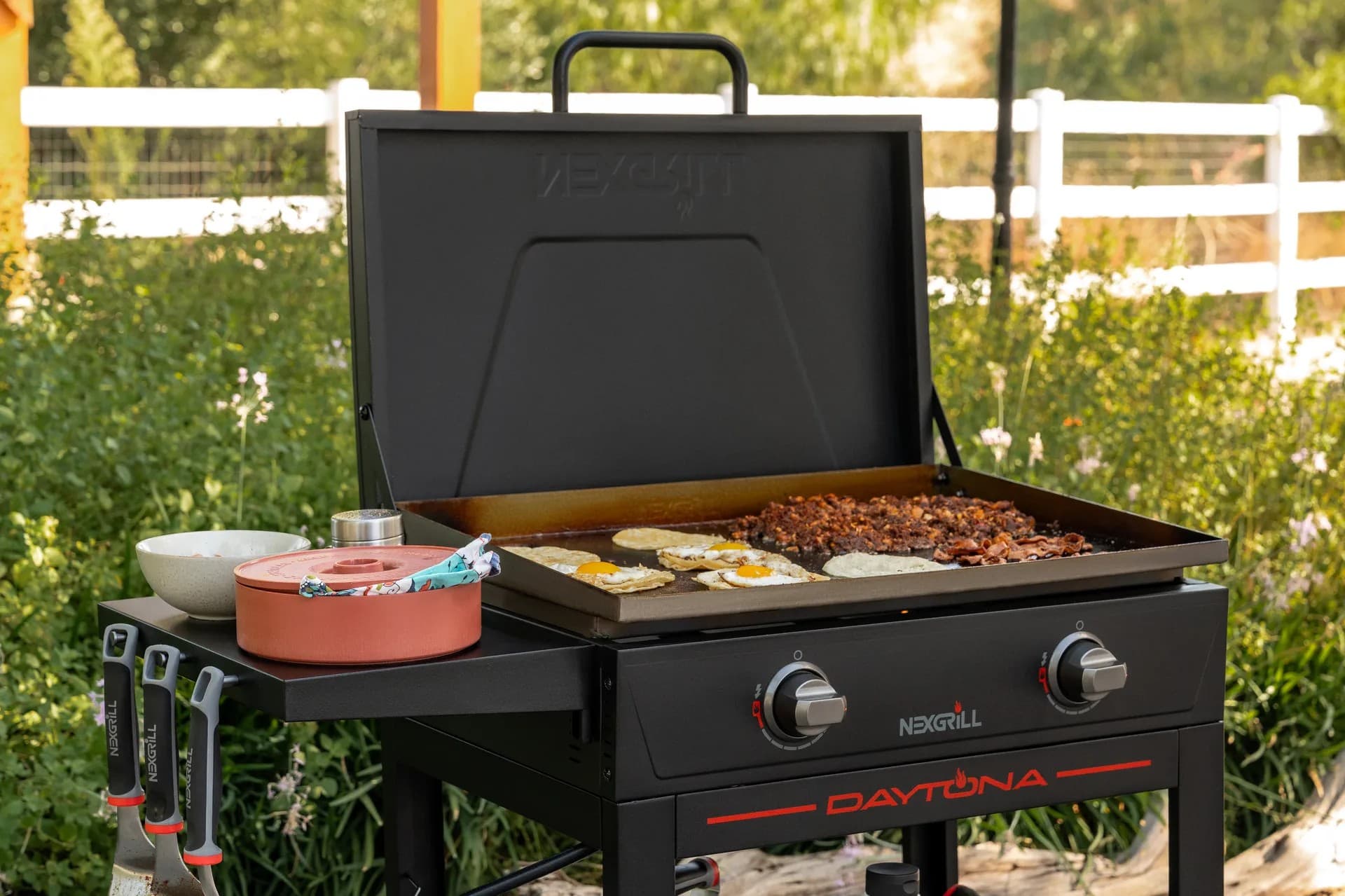
For cooks who want a broader outdoor cooking footprint, the Daytona 4-burner propane gas griddle in black is not a rotisserie grill by itself, but it is a useful benchmark for shoppers comparing whether they truly need a rotisserie-specific setup or a broader flat-top surface. If your meals often involve breakfast, smash burgers, vegetables, and mixed sides rather than whole roasts, a griddle may be more practical. That contrast is helpful because the best rotisserie grill is only the best choice if whole, spinning proteins are truly part of your routine. Otherwise, you may be buying features you will rarely use.
The Oakford Pro 875 Pellet Smoker Grill belongs in a separate mental category because it serves a slower smoke profile rather than a gas-and-rotisserie workflow. It is useful as a comparison point for buyers deciding whether they want the hands-on drama of rotisserie cooking or the lower-and-slower set-up of pellet smoking. If you want crisp skin, even browning, and a showpiece roast in a more active backyard cooking style, a 4-burner gas grill with rotisserie support is usually the better fit. If you want more smoke flavor and longer cook times, another product family may be more appropriate.
| Model type | Best use case | Why it stands out |
|---|---|---|
| 4-burner gas grill with stainless lid | Everyday grilling plus rotisserie dinners | Balanced heat retention and backyard versatility |
| 4-burner gas grill with side burner | Hosts who cook sauces and sides outdoors | Improves full-meal workflow |
| Rotisserie-ready gas grill with rear heat support | Dedicated roast and chicken cooking | Best heat environment for even spinning cooks |
Warning: If a grill seems too compact for the rotisserie kit or does not leave enough lid clearance, the accessory can be frustrating in practice even if the spec sheet looks impressive.
Maintenance Tips for Your 4-Burner Gas Grill with Rotisserie
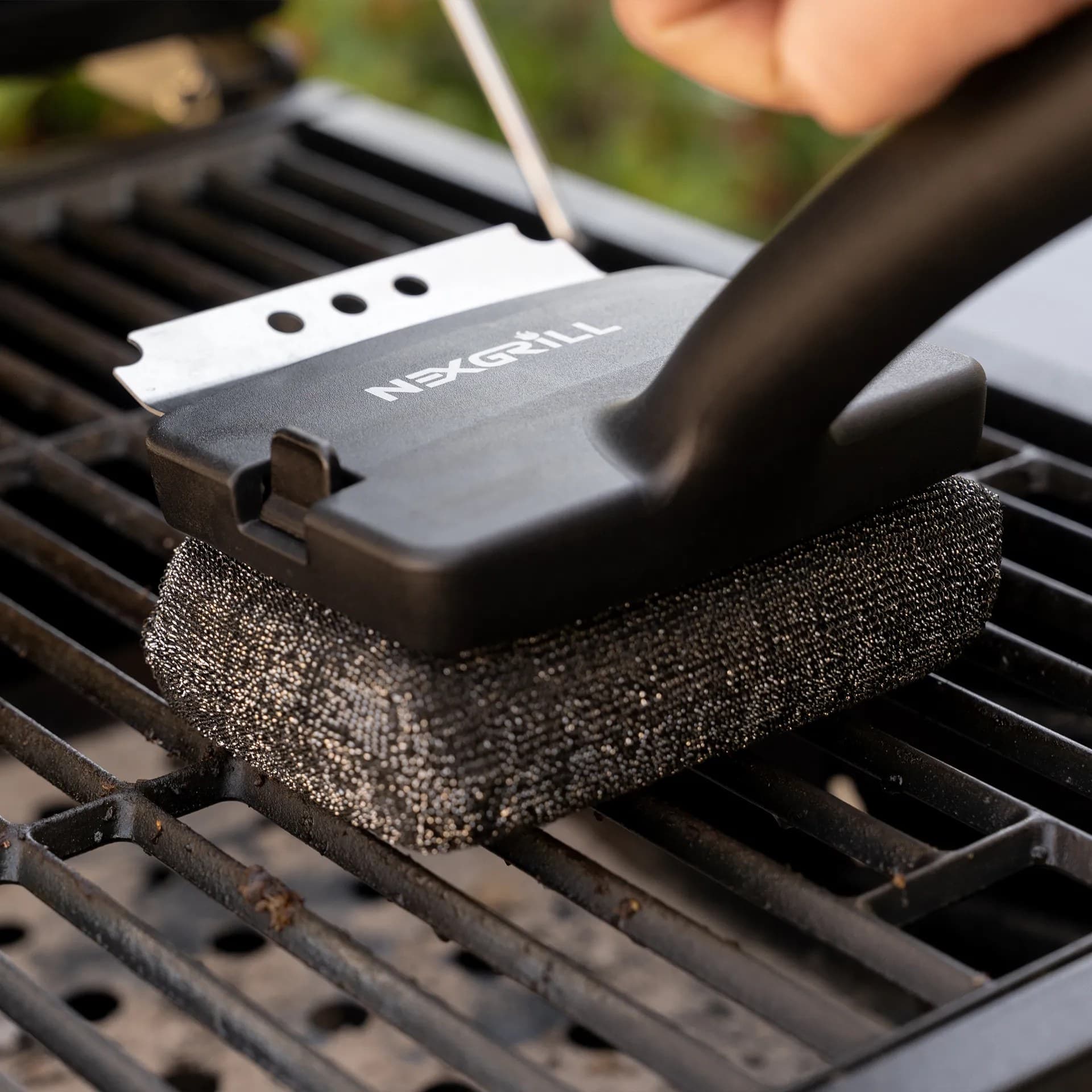
A rotisserie grill has a few more parts to maintain than a basic gas grill, and regular care pays off quickly. Start with the usual essentials: clean the grates, empty the grease tray, and inspect the burners after heavy use. Because rotisserie cooking often exposes one portion of the grill to prolonged drips, you should be especially diligent about cleaning the drip path and any surfaces directly beneath the spinning food. Grease accumulation can affect flavor, airflow, and cleanup time the next time you cook.
The rotisserie motor and spit rod deserve attention too. Wipe them down after each use, check that the forks tighten securely, and verify that the motor turns smoothly before the next cook. A noisy motor or sticky rotation is not something to ignore. It often means residue has built up or the unit has been stored poorly. Since the rotisserie system is what makes this grill category special, keeping that mechanism reliable is just as important as maintaining the burners themselves.
Outdoor storage matters more than many owners expect. Even in mild climates, dust, moisture, and temperature swings can shorten the life of grill components. A fitted cover helps protect the lid, side shelves, control panel, and rotisserie hardware. If you live in a region with heavy rain, snow, or coastal humidity, covering the grill after it cools is not optional if you want consistent performance season after season. It is a small habit that can save you from premature wear and annoying startup problems later.
Burner health is another part of long-term care. With four burners, you have more control, but you also have more surfaces that can become partially blocked by food debris or grease. Periodically remove the grates and inspect for uneven flame patterns. If a burner is running weak or produces irregular flame, address it before your next rotisserie cook. Uneven heat is especially noticeable on a spinning roast because the food passes through every part of the fire pattern; a problem that seems minor on a quick steak can become obvious during a long chicken cook.
A practical maintenance routine for this grill type is simple enough to remember: clean after each cook, inspect monthly during heavy season use, and store it with protection whenever possible. That cadence keeps the grill ready for both everyday grilling and showpiece rotisserie meals without making upkeep feel like a second job.
Tip: Run the rotisserie briefly before cooking to confirm smooth rotation and proper balance, especially after cleaning or moving the grill.
Conclusion: Choosing the Perfect Grill for Your Outdoor Culinary Adventures
If your goal is to cook memorable backyard meals with enough flexibility for both everyday dinners and larger gatherings, a 4-burner gas grill with rotisserie capability is one of the most satisfying choices you can make. It gives you the control to grill steaks and vegetables, the surface area to manage sides, and the specialized rotisserie function to create a centerpiece roast with very little guesswork. That combination is ideal for backyard cooking enthusiasts who want food that feels a little more special without requiring a separate smoker, oven, or outdoor appliance collection.
The best model for you will depend on how often you use the rotisserie, whether you want a side burner, and how much cooking space you actually need for your household. For many buyers, the sweet spot is a sturdy four-burner gas grill with thoughtful heat control and enough room to keep the rotisserie running while other parts of the meal come together. That is where the category really shines: it allows one grill to do the work of several cooking formats, while still feeling approachable and manageable for home use.
Try comparing two products side by side below to see which fits best:
Understanding the Benefits of Rotisserie Cooking in Gas Grills
Once you have compared two options side by side, the next step is understanding why rotisserie cooking changes the way a backyard gas grill behaves. The biggest benefit is consistency. When meat turns steadily over a controlled heat source, the exterior is exposed more evenly than it would be if it sat in one position on grates. That rotation helps reduce the chance of one side drying out while the other side lags behind. For backyard cooks who care about carved chicken with crisp skin, evenly browned pork loin, or a roast that looks as good as it tastes, that even exposure is the whole point.
Rotisserie cooking is also efficient in a social sense. A 4-burner gas grill gives you the range to keep other foods moving while the main protein rotates, so the grill supports a complete meal rather than only the centerpiece item. You can hold corn, peppers, bread, or vegetables in a warmer zone while the roast finishes. That matters for U.S. backyard gatherings because the timing of a meal often matters as much as the menu itself. Guests do not want a perfect roast if the side dishes have gone cold by the time the food is ready.
Another overlooked advantage is visual feedback. With rotisserie cooking, you can literally watch the food change as it turns. That makes it easier to spot underbrowned areas, spot-drip issues, or uneven balance before they become serious problems. It is a more transparent cooking method than a closed oven, and that visibility builds confidence for home cooks. The best 4-burner gas grill with rotisserie support turns that transparency into control rather than stress. If the burners are well spaced and the lid seals heat effectively, you can create a stable environment that behaves more predictably from one cook to the next.
Helps produce balanced browning and reliable carving results
Rotisserie cooking also helps backyard cooks get more value from a gas grill because it expands the appliance’s role. A standard grill can handle burgers, chops, and vegetables; a rotisserie-ready four-burner setup adds a new class of meals that feel more substantial and celebratory. In practical terms, that means the grill sees more use across the year. Instead of being limited to quick weeknight cooking, it becomes a tool for weekend entertaining, holiday meals, and special occasions. That is a good test of value in any outdoor appliance: does it expand what you are willing to cook, or just duplicate what you already had?
Comparing Top Models: Features, Performance, and Value
When comparing top 4-burner gas grills with rotisserie features, it helps to think in terms of use profile rather than trying to crown one universal winner. If your household mainly cooks for four to six people and wants a reliable weekend grill, a model with four burners, solid heat retention, and a compatible rotisserie kit is usually enough. If you host larger gatherings or like to run multiple food zones at once, the added convenience of a side burner or more spacious prep area may be worth prioritizing. The real trade-off is not simply price versus performance; it is whether the grill’s layout matches the way you actually cook.
| Buyer profile | Best feature mix | Why it fits |
|---|---|---|
| Weekend entertainer | Four burners, side burner, roomy prep space | Lets the rotisserie handle the main dish while sides stay active |
| Family meal planner | Stable four-burner layout and easy cleanup | Reliable enough for repeated chicken and roast cooks |
| Flavor-focused hobbyist | Rotisserie support with strong heat control | Better control over browning, skin crisping, and doneness |
Performance is often shaped by the balance between direct and indirect heat. A grill that can drop the center burners low while maintaining heat around the edges gives you a better rotisserie environment than one that simply runs hot everywhere. This is why a four-burner layout can outperform a smaller grill even if the smaller model has a higher advertised BTU number. The four-burner unit gives you more ways to build a controlled heat field. In that sense, the value comes from flexibility, not just output.
Value should also be viewed through the lens of ownership, not just purchase price. A grill that is easy to clean, simple to balance, and well suited to regular use may be a better long-term buy than a cheaper unit that frustrates you during every rotisserie cook. Backyard enthusiasts usually care about repeatability. They want to know that the second chicken will cook about like the first one, with the same browning, the same motor behavior, and the same easy cleanup. That repeatability is worth paying attention to because it is what transforms a grill from a novelty into a dependable family appliance.
For readers researching the broader market, independent reviewers often emphasize the importance of even heat, durable construction, and practical features when evaluating gas grills. Consumer-oriented reviews from outlets such as Consumer Reports, Wirecutter, and CNET consistently focus on build quality, temperature control, and cooking performance as the real differentiators rather than flashy extras alone. Those priorities align well with rotisserie shopping because a spit accessory is only as effective as the grill underneath it.
Warning: A rotisserie accessory is most useful when the grill’s heat zones are predictable. If a model overheats one side or leaves the center too cool, the rotating food will reveal that weakness quickly.
User Experiences: Real-World Insights on 4-Burner Gas Grills with Rotisserie
In real backyard use, the appeal of a 4-burner gas grill with rotisserie usually becomes obvious the first time someone cooks for a group. Home cooks often describe the learning curve as lighter than they expected: once the meat is trussed, balanced, and secured, the grill does most of the work. That makes rotisserie cooking especially satisfying for people who like the process of outdoor cooking but do not want to hover over the food every minute. The grill becomes a low-drama centerpiece for the gathering, which fits Nexgrill’s broader focus on shared meals and approachable outdoor cooking.
A common user insight is that whole chicken is the best starting point. It is forgiving, relatively affordable in the U.S. market, and gives immediate feedback on whether the grill’s heat is balanced. Once a cook has success with chicken, they often move to pork loin, tri-tip, or leg of lamb. Another recurring theme is that guests tend to gather around the grill when the rotisserie is running. The spinning meat creates anticipation, and that visual motion makes dinner feel like an event rather than an ordinary meal. That social effect is part of the value, even though it is difficult to measure on a spec sheet.
Some owners mention that the most useful feature is not the rotisserie itself but the combination of rotisserie with four burners. They use one or two burners for the spit, one burner for finishing vegetables, and another for warming buns or sauces. That ability to juggle tasks without leaving the grill is where the format shines. In busy households, it reduces kitchen back-and-forth and keeps the cook outdoors with the rest of the group. For families that cook several times a week, that convenience is often what makes the grill feel worth the footprint on the patio or deck.
Another practical observation is that cleanup is easiest when the cook plans for drips ahead of time. Users who line up a drip tray or position the heat zones carefully tend to enjoy rotisserie cooking much more than those who treat it like a regular direct-grill session. That is why real-world experience matters: the best results come from matching the food, the heat, and the hardware rather than expecting the grill to solve every variable on its own.
Advanced Maintenance and Care for Longevity
A 4-burner gas grill with rotisserie support deserves a slightly more deliberate maintenance routine than a basic grill because there are more moving parts, more heat exposure, and more grease migration. Start by separating routine cleanup from deeper seasonal care. Routine cleanup should happen after most cooks: remove food residue from the grates while they are still warm, empty the grease management system, and wipe the rotisserie rod and forks before storage. That prevents buildup from hardening and protects the surfaces that get the most direct exposure during long cooks.
Seasonal care should focus on the burners, ignition system, and motor. Inspect the burners for clogged ports, especially if you notice uneven flame patterns during a rotisserie session. Check the ignition for consistent startup because repeat starting is common when you are testing heat zones before a long cook. The motor should turn smoothly without strain. If the spit starts to wobble or the motor seems to labor, stop and rebalance the load rather than forcing the system. A balanced roast is not just better for appearance; it is kinder to the equipment and safer for the cook.
Storage habits can make a major difference in the life of the grill. A dry cover is helpful, but so is a location that avoids direct, repeated weather exposure. If the grill sits in a coastal or humid area, wipe down metal parts after use to reduce corrosion risk. In colder climates, shut off the propane supply, disconnect accessories if the model design calls for it, and ensure moisture is not trapped before covering the grill for the season. These are simple habits, but together they preserve the fit and finish of the unit and keep the rotisserie hardware ready for the next cookout.
If you want an easy mental checklist, think in terms of flame, motion, and protection. Keep the flame consistent by inspecting burners. Keep the motion smooth by cleaning and balancing the rotisserie system. Keep the grill protected with responsible storage. That three-part routine is enough to cover most ownership issues without overcomplicating things.
Tip: Before a long rotisserie cook, run a short dry test with the spit installed to confirm clearance, balance, and motor rotation.
Final Thoughts: Making an Informed Decision for Your Backyard Setup
The best 4-burner gas grill with rotisserie is the one that matches your cooking style, not just your wish list. If your backyard life revolves around shared meals, carved meats, and the satisfaction of serving something that looks and tastes a little more special than standard grilled fare, this category delivers real value. Four burners provide the control you need to build zones, the rotisserie adds a centerpiece technique, and the overall format makes the grill useful for both everyday and celebratory cooking.
For most backyard enthusiasts, the smartest purchase is the grill that balances a stable cooking chamber, workable rotisserie clearance, and enough extra flexibility to handle sides or sauces. That is where you get the most from the investment. It is also where the experience becomes more enjoyable, because the equipment supports your plans instead of forcing you to adjust them. When the grill is chosen well, rotisserie cooking becomes less of a special project and more of a regular part of how you host and feed people.
If you are still choosing between two models, think about the dishes you actually make most often. Do you want to do whole chickens and roasts on repeat? Then prioritize rotisserie balance and heat consistency. Do you want more complete meal building? Then a side burner or broader prep layout may matter more than an extra feature elsewhere. Once you define that use case clearly, the right grill usually reveals itself. And if you already know you like bringing people together around the fire, this category fits that rhythm especially well.