The Best 3-Burner Gas Grills with Side Burners for Your Outdoor Cooking
A detailed comparison of top 3-burner gas grills featuring side burners, focusing on performance and value.
In This Article
Optimize Your Grilling
Understand BTU Ratings
Material Matters
Introduction: Who This Guide Is For
If you are comparing a 3-burner gas grill with a side burner, you are probably looking for the sweet spot between size, output, and everyday usefulness. That format works well for households that cook for four to eight people, want enough main grate space for weeknight dinners or weekend burgers, and still need a side burner for sauce pans, corn, beans, or a quick sauté. This guide is built for shoppers who want a practical buying path, not a generic roundup: you will see what to prioritize, where the real tradeoffs are, and how to separate useful extras from marketing noise.
For Nexgrill buyers in particular, the big advantage of a 3-burner layout is flexibility. Three burners give you enough room to create direct and indirect heat zones, and a side burner keeps you from running back and forth to the kitchen for a skillet or reduction. That matters when you are cooking on a real timeline, not staging a photo shoot. A good grill in this class should balance cooking area, heat control, durability, and price without forcing you into a massive cart footprint or premium-tier spend.
The best 3-burner grill is not the one with the biggest BTU number. It is the one that gives you steady heat across the grate, enough surface area for your typical meals, and a side burner you will actually use.
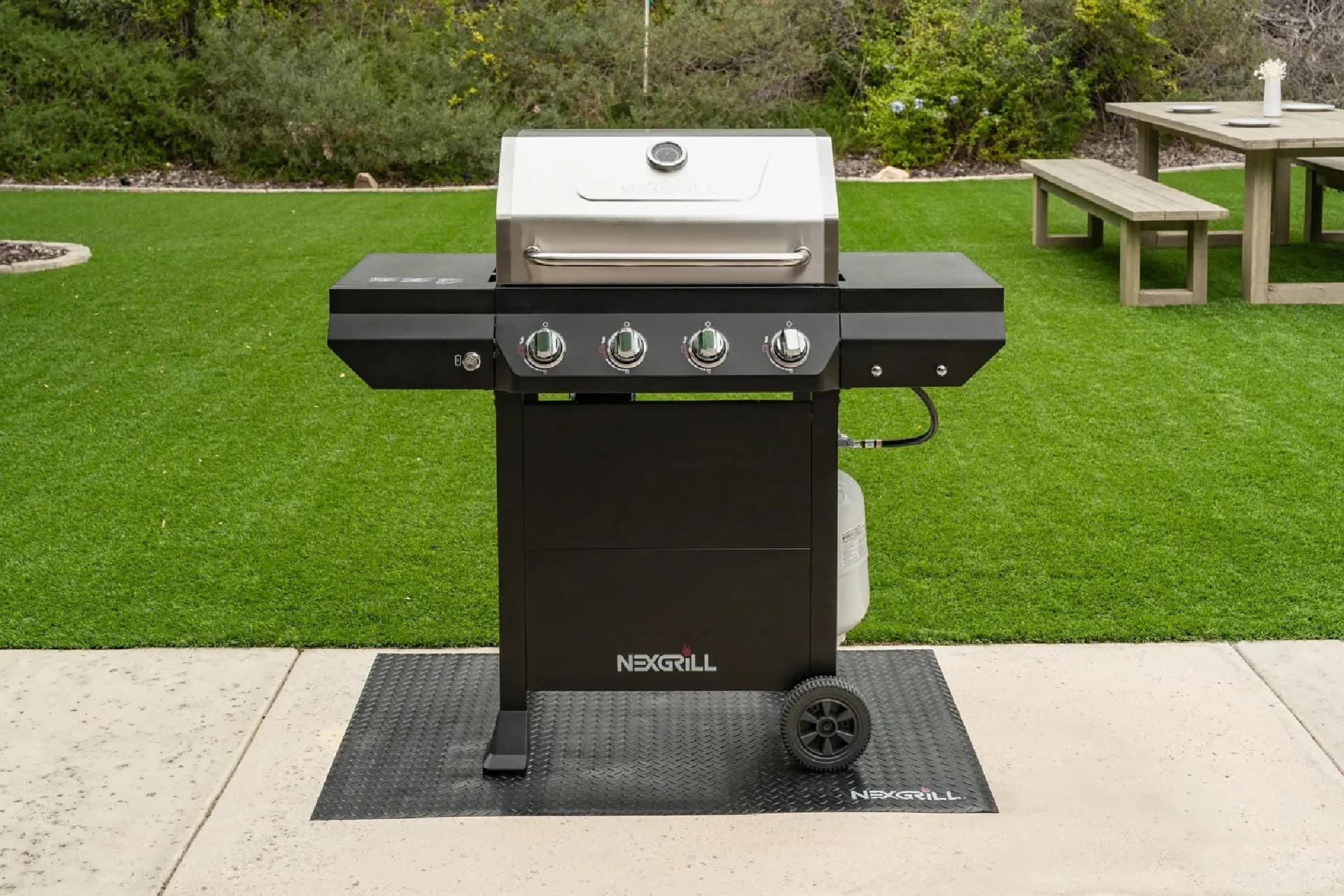
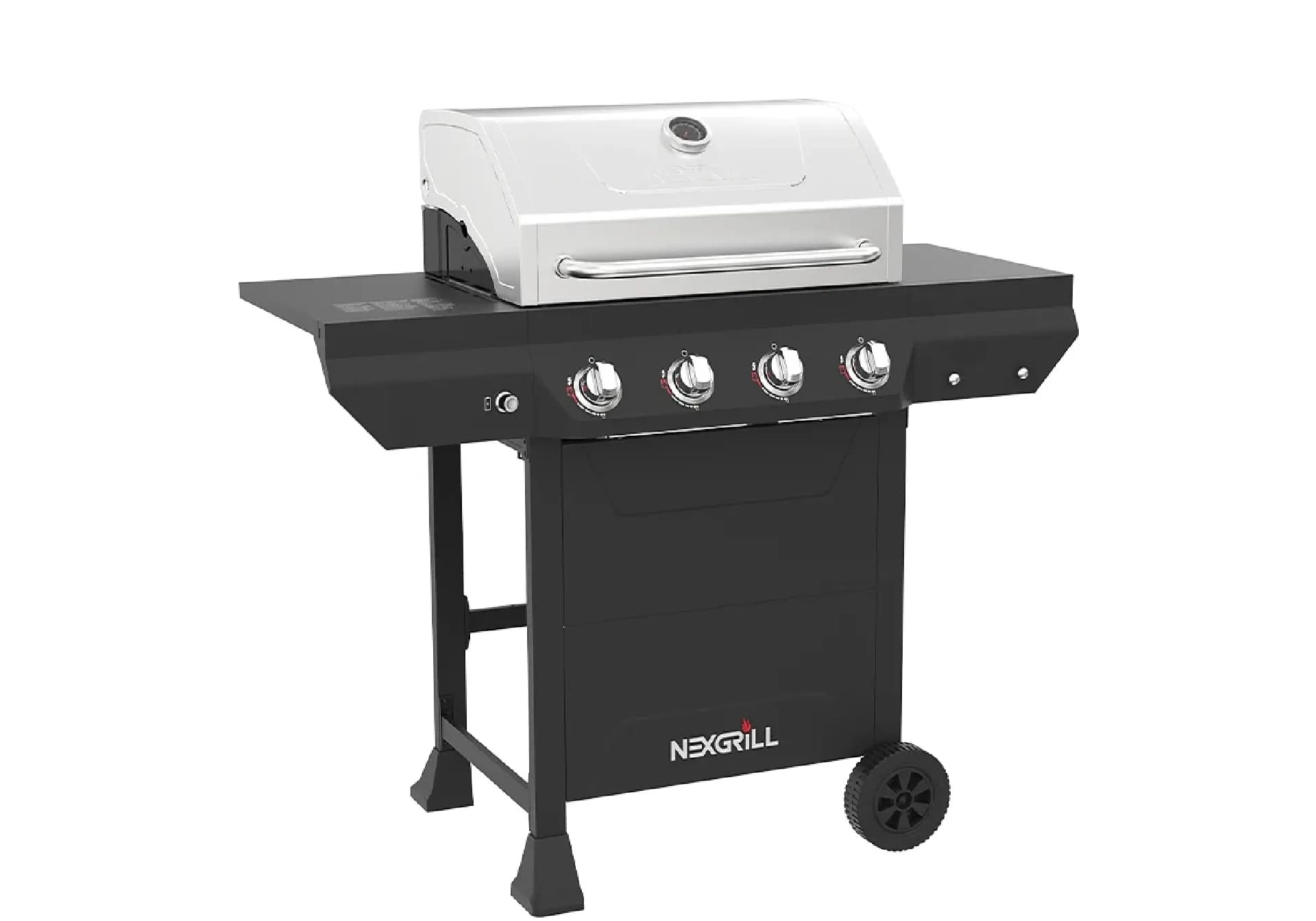
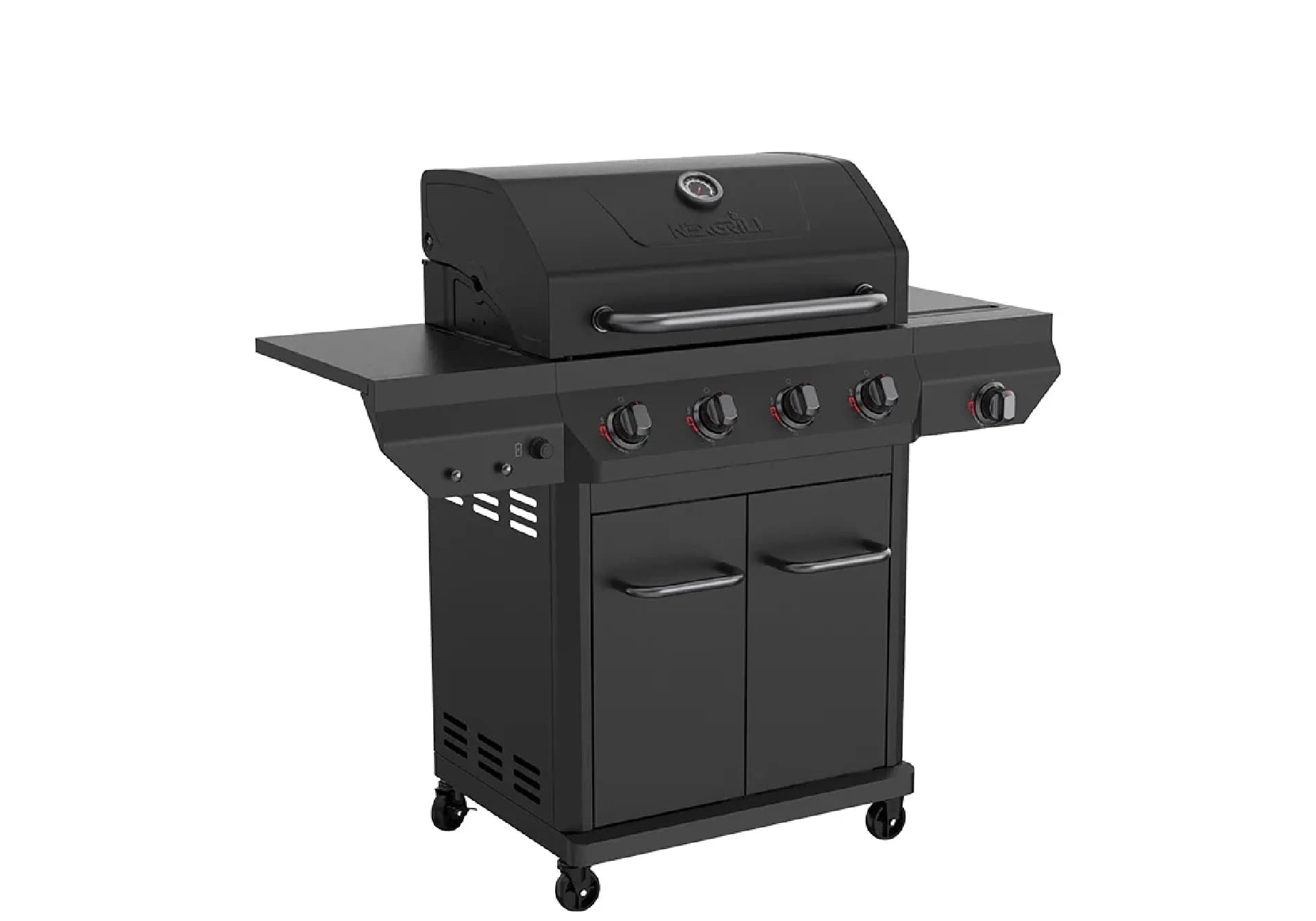
A 3-burner main cooktop plus side burner creates more cooking flexibility than many buyers expect.
How We Selected the Best Grills
We compared grills the way most buyers actually use them: searing burgers, holding steady heat for chicken, simmering a side dish, and cleaning up after the meal. The focus was on models and brands that are commonly shopped in the U.S. market, including Nexgrill, Weber, Char-Broil, Dyna-Glo, MASTGOAL, and ROVSUN. The selection criteria prioritized cooking area, BTU output, burner layout, material quality, warranty clarity, and whether the side burner felt genuinely integrated rather than tacked on.
We also paid close attention to uneven heat complaints, because that is where many 3-burner grills rise or fall. A high BTU rating can still disappoint if the firebox design, burner spacing, or grate material causes hot spots. Likewise, a side burner is only valuable if it can support a saucepan or skillet with stable flame control. That is why the review leans toward practical performance over spec-sheet bragging rights.
What mattered most in our comparison
- Primary cooking area in square inches, not just total surface area
- Burner consistency and control across the grate
- Side burner output and real-world usefulness
- Material quality on the lid, firebox, and cooking grates
- Assembly complexity, cart stability, and propane setup
If two grills look similar, compare the primary grate dimensions first. Some listings mix in warming racks or side shelves and make the cooking area seem larger than it is.
Top Budget Picks for 3-Burner Gas Grills with Side Burners
Budget shoppers should look for a grill that keeps the fundamentals solid: stable burners, a serviceable side burner, and a finish that can handle regular outdoor use. In this tier, the strongest value often comes from simpler designs with fewer decorative extras. For Nexgrill buyers, that usually means checking the product’s cooking footprint and construction quality before getting distracted by a long feature list.
Best budget fit: Char-Broil-style value grills
Char-Broil tends to be a common starting point for shoppers who want a recognizable brand and a lower upfront cost. These grills often hit the essentials: 3 burners, a compact cart, and enough side-burner space for a small skillet or sauce pot. The tradeoff is that lower-cost finishes can show wear sooner, and heat distribution may be less even than on more carefully built mid-range models. If you grill a few times a month and want dependable basics, this is a reasonable lane to explore.
Best compact value: ROVSUN and MASTGOAL
ROVSUN and MASTGOAL are worth a look for buyers who want a lower price and do not need a large cart footprint. Their appeal is usually straightforward: simple assembly, smaller overall dimensions, and enough power for everyday grilling. They can be attractive for patios, apartments with approved outdoor spaces, or secondary cook stations. The caution is that entry-level grills can be more sensitive to wind, uneven propane flow, or inconsistent grate heat, so they are best for cooks who manage food actively rather than expecting precision on autopilot.
Budget tip: spend for better grates or better burners before paying for cosmetic stainless accents. Those parts affect cooking results more than trim details.
Top Mid-Range Options for 3-Burner Gas Grills with Side Burners
Mid-range is where most shoppers find the best balance of price and performance. This is the category where you start to see stronger lids, more usable side shelves, better ignition systems, and better heat retention. If you cook on weekends, host family meals, or want a grill that handles both burgers and more delicate foods, the mid-tier is often the safest buy.
Best overall mid-range lane: Nexgrill 3-burner configurations
Nexgrill’s appeal in this category is practical value. The brand is built around accessible outdoor cooking, and its product mix is designed for buyers who want a usable grill without overspending on features they may never use. In a 3-burner setup with a side burner, that usually translates to a good everyday balance: enough main-cook flexibility to zone cook, plus a side station for sauté pans, sauces, or warming side dishes. For many households, that is the most efficient upgrade from a basic two-burner grill.
Why Weber matters in the comparison
Many shoppers ask whether Weber makes a 3-burner grill with a side burner. The more important question is whether the layout and price fit your needs, because Weber’s 3-burner lineup often emphasizes core grilling performance and durability first, with side burners less common in some ranges than in value-focused competitors. If side-burner convenience is a must-have, compare the exact model rather than assuming every premium brand offers the same configuration. Weber can be strong on long-term build and consistency, but you may pay more for that reputation and still need to verify burner layout carefully.
Mid-range strengths to expect
- Better lid heat retention for more consistent searing
- More usable cooking area for mixed meals
- Improved ignition and burner control
- More stable carts and side shelf workspace
Top Premium Choices for 3-Burner Gas Grills with Side Burners
Premium does not only mean larger. In this category, you are paying for sturdier materials, more refined heat management, and a grill that should feel more confident under regular use. If you care about durability, cook year-round, or want better recovery after opening the lid, premium builds can be worth the investment.
Best premium value: higher-end Weber and select Dyna-Glo models
Weber and Dyna-Glo often sit near the top of the consideration set for buyers who want stronger brand recognition and more polished cooking control. Weber usually earns attention for build consistency and a reputation for stable performance, while Dyna-Glo can appeal to buyers who want a feature-rich cart or a larger-feeling footprint at a more approachable price than top luxury lines. For premium shoppers, the key question is whether the grill gives you actual performance gains, not just shinier steel.
Premium side-burner verdict
The side burner becomes most useful in premium models when it is paired with sturdy shelf space and enough main-burner control to let you cook multiple components at once. That is especially helpful for sauces, cast-iron vegetables, or finishing seafood while the main grate holds steaks. If you cook full meals outdoors often, this feature can shorten the distance between prep and plating in a meaningful way.
| Tier | Best For | Typical Strength | Tradeoff |
|---|---|---|---|
| Budget | Occasional grilling and low upfront cost | Simple controls and smaller footprint | Less even heat and lighter materials |
| Mid-range | Most families and frequent weekend cooking | Best value balance of features and durability | May not match premium finish quality |
| Premium | Frequent use and better heat control | Stronger construction and consistency | Higher price per square inch |
Buying Guide: Key Features to Consider
Once you have compared a few models side by side, the best next step is to check whether the grill matches how you cook at home. Start with the cooking surface you need, then examine the burner layout, construction, and whether the side burner will actually earn its space. A grill can look appealing on paper yet frustrate you in practice if the shelves are too small, the lid leaks heat, or the grate layout forces constant shuffling.
Which option suits you?
- Budget buyer: choose a compact 3-burner grill only if you grill occasionally and can accept a simpler finish.
- Family buyer: choose a mid-range Nexgrill-style model if you want the best balance of space, heat control, and value.
- Frequent host: choose a premium model if you cook often enough to appreciate better recovery, sturdier materials, and smoother ignition.
Understanding BTU Ratings and Heat Distribution
BTU numbers get a lot of attention, but they are only one piece of the story. A grill with a high BTU rating can still cook unevenly if the burners are poorly spaced or the firebox traps too much heat in one zone. For most 3-burner grills, the more useful question is how the BTUs relate to the grate area and how the heat is spread from front to back and side to side. In practical terms, you want enough power to preheat quickly and recover after the lid opens, but not so much that the grill becomes difficult to manage.
Rule of thumb: judge BTU alongside cooking area. A moderate BTU rating over a well-designed grate often performs better than a huge rating over a hot-spot-prone box.
For many buyers, a 3-burner grill in the rough range of 350 to 500 square inches of primary cooking area is the practical target. That size is usually enough for a family meal without making the grill feel oversized. If you regularly cook for a crowd, you may want a larger primary area plus a warming rack, but do not confuse total advertised space with actual main cooking space. That distinction matters more than many spec sheets admit.
Material Quality: Stainless Steel vs. Enamel
Material choice affects how long the grill looks good and how well it handles repeated exposure to heat, grease, and weather. Stainless steel usually brings better corrosion resistance and a more premium feel, especially on the lid and certain trim parts. Enamel-coated steel can be more affordable and still cook well, but it can show chips or wear if it is knocked around. The best choice depends on how you store the grill and how often it lives outdoors uncovered.
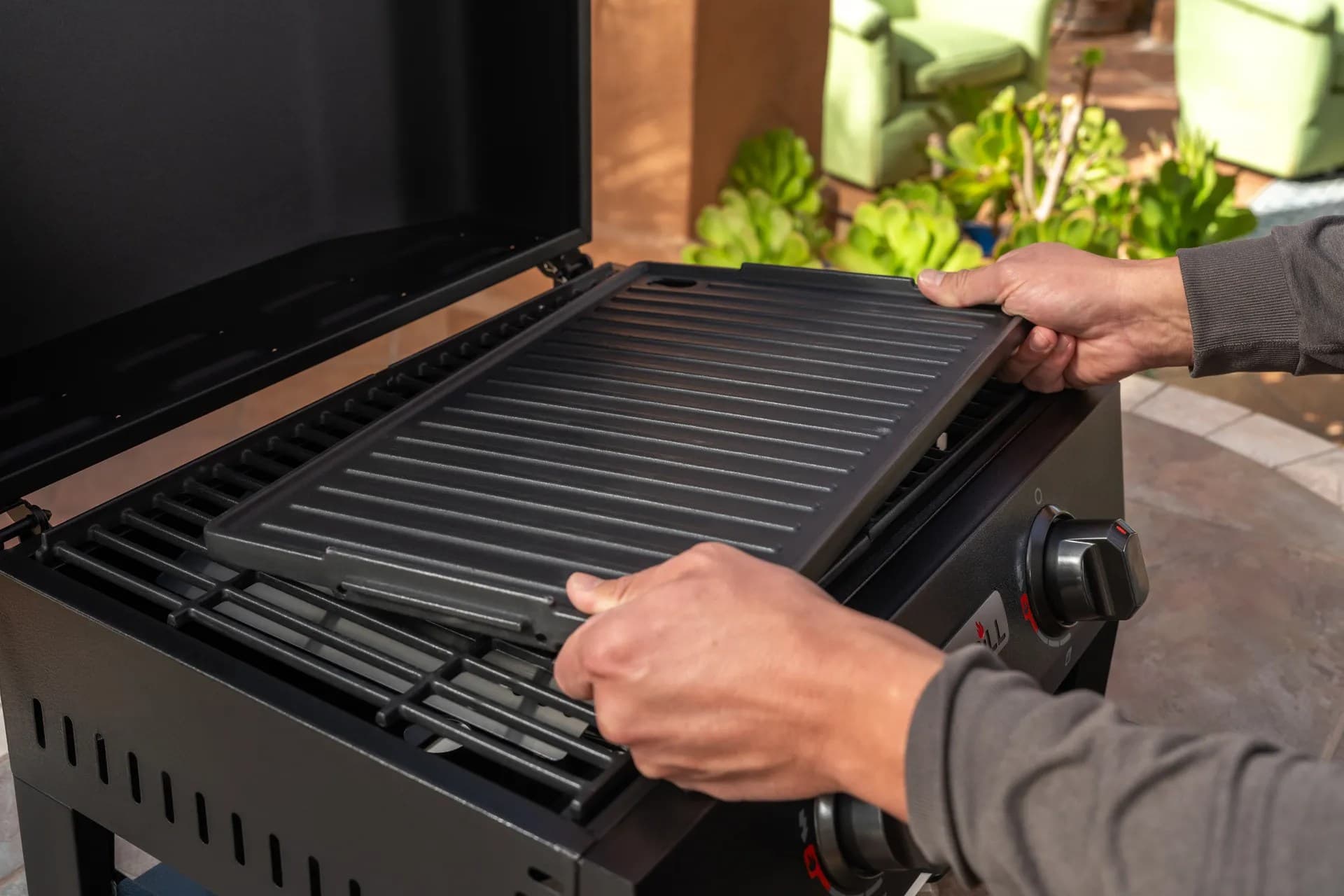
Grates matter too. Cast iron often holds heat well and can deliver stronger sear marks, while stainless steel grates are generally easier to maintain and better at resisting corrosion. If you cook often and want less fuss, stainless surfaces can be the simpler ownership experience. If your priority is aggressive searing, cast iron may be the better fit, provided you are willing to care for it properly.
The Value of Side Burners in Cooking
A side burner is most valuable when it shortens your workflow. It is ideal for barbecue sauce, vegetables in a skillet, melted butter, beans, or a pan sauce while the main burners handle proteins. For some households, that means the side burner gets used almost every cookout. For others, it becomes an occasional helper. If you already cook most sides indoors, the burner may be a convenience rather than a necessity.
Best use case: keep the main grate for proteins and use the side burner for anything that needs a steady low simmer or a quick sauté.
Common Mistakes to Avoid When Buying a Grill
- Buying based on BTU alone instead of heat distribution.
- Overlooking primary cooking area and only reading total surface area.
- Choosing a side burner without checking shelf stability and flame control.
- Ignoring assembly difficulty and cart durability.
- Assuming a premium badge automatically means a better layout for your cooking style.
Frequently Asked Questions
Is a side burner worth it?
Yes, if you regularly cook sauces, vegetables, or side dishes outdoors. If you rarely use pans outside, it may be a nice extra rather than a must-have.
Does Weber make a 3-burner gas grill with a side burner?
Weber offers 3-burner grills in several ranges, but the side burner is not universal across the lineup. Check the exact model listing before assuming the feature is included.
What BTU level is enough?
There is no single ideal number. Look for BTU output that matches the grill’s cooking area and review whether the grill reaches and holds heat evenly.
Final Verdict: Choosing the Right Grill for You
The best 3-burner gas grill with side burner is the one that matches your cooking style, not just your wish list. If you want the lowest upfront cost, shop budget models carefully and accept some tradeoffs in finish and heat consistency. If you want the strongest overall value, a well-built mid-range Nexgrill-style grill is often the smartest lane because it gives you enough space, better burners, and a side burner you will actually use. If you grill often and care deeply about long-term fit and finish, premium options from Weber or Dyna-Glo are worth a closer look, provided the side-burner layout is exactly what you need.
Try comparing two products side by side below to see which fits best. Then choose based on the full picture: cooking area, heat management, materials, and how often that side burner will earn its keep.