The Best 2-Burner Gas Grills with Rotisserie Features
Explore top picks and essential tips for choosing your ideal grill.
In This Article
Top Picks for 2026
Key Features to Consider
User Experiences
Introduction to 2-Burner Gas Grills with Rotisserie
A two-burner gas grill with a rotisserie sits in a sweet spot that many backyard cooks eventually search for: it is compact enough to fit on a normal patio, but capable enough to handle more than the usual weeknight burgers and vegetables. For a lot of households, the appeal is not just “smaller grill, lower price.” It is the way a rotisserie setup changes what a two-burner grill can do. With the right burner layout, a drip tray, and a sturdy motorized spit, a modest footprint can turn into a practical roasting station for chicken, pork loin, prime rib, or even a pair of smaller birds. Nexgrill’s brand philosophy around approachable outdoor cooking fits that use case well, because the point is to make grilling feel welcoming and flexible, not intimidating. That is exactly what a good two-burner rotisserie grill should deliver: simple operation, dependable heat, and enough versatility that different skill levels can use it confidently.
This category is especially useful for cooks who do not want to jump straight to a large four- or six-burner setup. Two burners are easier to learn, cheaper to fuel, and often easier to maintain. At the same time, adding rotisserie capability moves the grill beyond basic direct grilling. Instead of cooking only over flame, you can roast with constant rotation and more even self-basting, which is why many buyers think of the rotisserie accessory as a “small grill, big meal” upgrade. The trade-off is that not every two-burner model is equally suited for rotisserie work. A shopper has to think about lid clearance, rear or side burner support, spit clearance, and whether the grill can hold a stable indirect heat zone long enough for a whole roast. The best picks are the ones that make those details feel natural rather than forced.
A practical two-burner grill should create a hot side and a cooler side for rotisserie roasting.
If you are comparing the best 2-burner gas grill with rotisserie options in 2026, the real question is not only which grill gets hot fastest. It is which grill manages heat most evenly, supports the accessory cleanly, and feels like it was designed for actual backyard cooking rather than a spec sheet. That matters because rotisserie cooking exposes weak points quickly. If the lid is too shallow, a whole chicken may scrape the ceiling. If the firebox layout is cramped, fat drips can flare up and ruin the skin. If the motor mount feels flimsy, the spit can wobble during a long cook. A well-built two-burner grill avoids those frustrations and gives you more usable results from a smaller platform.
For Nexgrill readers, the value conversation is also important. Nexgrill’s brand identity emphasizes accessible pricing and dependable outdoor cooking for real households, not just experts, which makes two-burner rotisserie grilling a natural fit for this audience. The ideal buyer may be a first-time homeowner, a family with limited patio space, or an experienced griller who wants a secondary cook box for roasts and smaller gatherings. In each case, the rotisserie feature should feel like a smart extension of the grill, not an expensive add-on that is hard to justify. That is why the evaluation needs to go beyond generic “best of” lists and focus on cooking geometry, build quality, and how the grill behaves once the food is actually on the spit.
Top Recommendations for 2026
The best two-burner rotisserie grills in 2026 tend to fall into three practical tiers: budget-friendly models that include the essentials, midrange grills that balance materials and feature depth, and premium compact grills that prioritize stronger construction and steadier heat control. Because rotisserie kits are sometimes sold separately, it helps to compare both the grill itself and the accessory ecosystem. A model can look affordable until you add the spit, forks, counterweight, and motor assembly. In other cases, a slightly higher-priced grill may already have the clearances and support points that make rotisserie cooking much more enjoyable. That is why value should be measured by the complete cooking experience, not just the base price.
| Model type | Why it stands out | Best for | Value note |
|---|---|---|---|
| Budget two-burner gas grill with add-on rotisserie | Keeps the entry price low while letting buyers experiment with spit roasting | New grill owners and smaller patios | Best when the motor kit is priced fairly and the lid is tall enough |
| Midrange enamel or stainless steel two-burner grill | Usually better heat retention, sturdier hardware, and smoother rotisserie support | Families who grill weekly | Often the sweet spot for long-term ownership |
| Premium compact grill with rotisserie-ready design | More stable heat zones and stronger fit-and-finish for repeated roasting | Enthusiasts who want consistent roast results | Worth it if you roast often, not occasionally |
Among the best-known comparison points, the Weber Spirit E-210 is often mentioned because it reflects the compact, dependable two-burner format that many people want in this category. Its appeal is usually tied to straightforward operation and a familiar footprint, which matters when buyers want predictable weeknight grilling and occasional rotisserie use. By contrast, a model like a Mesa 200-style grill is often discussed as a value-oriented choice for shoppers who care more about accessible pricing and practical basics than premium hardware. The right pick between those approaches depends on whether you want a more refined long-term grill or a lower-cost entry into rotisserie cooking. If you use the spit only a few times per season, the budget route can make sense. If you think rotisserie chicken may become a regular Sunday habit, sturdier controls and a better lid seal start to matter more.
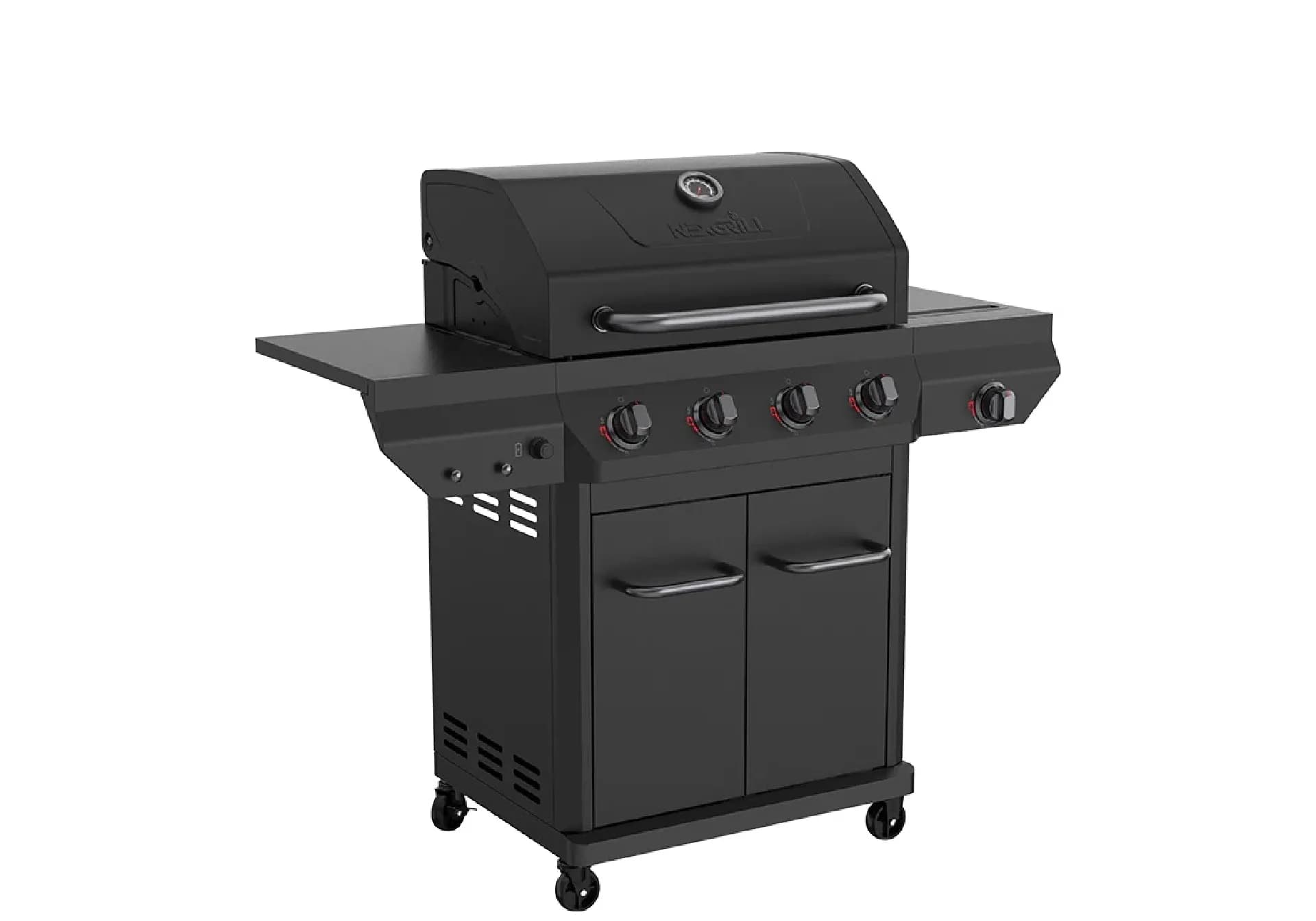
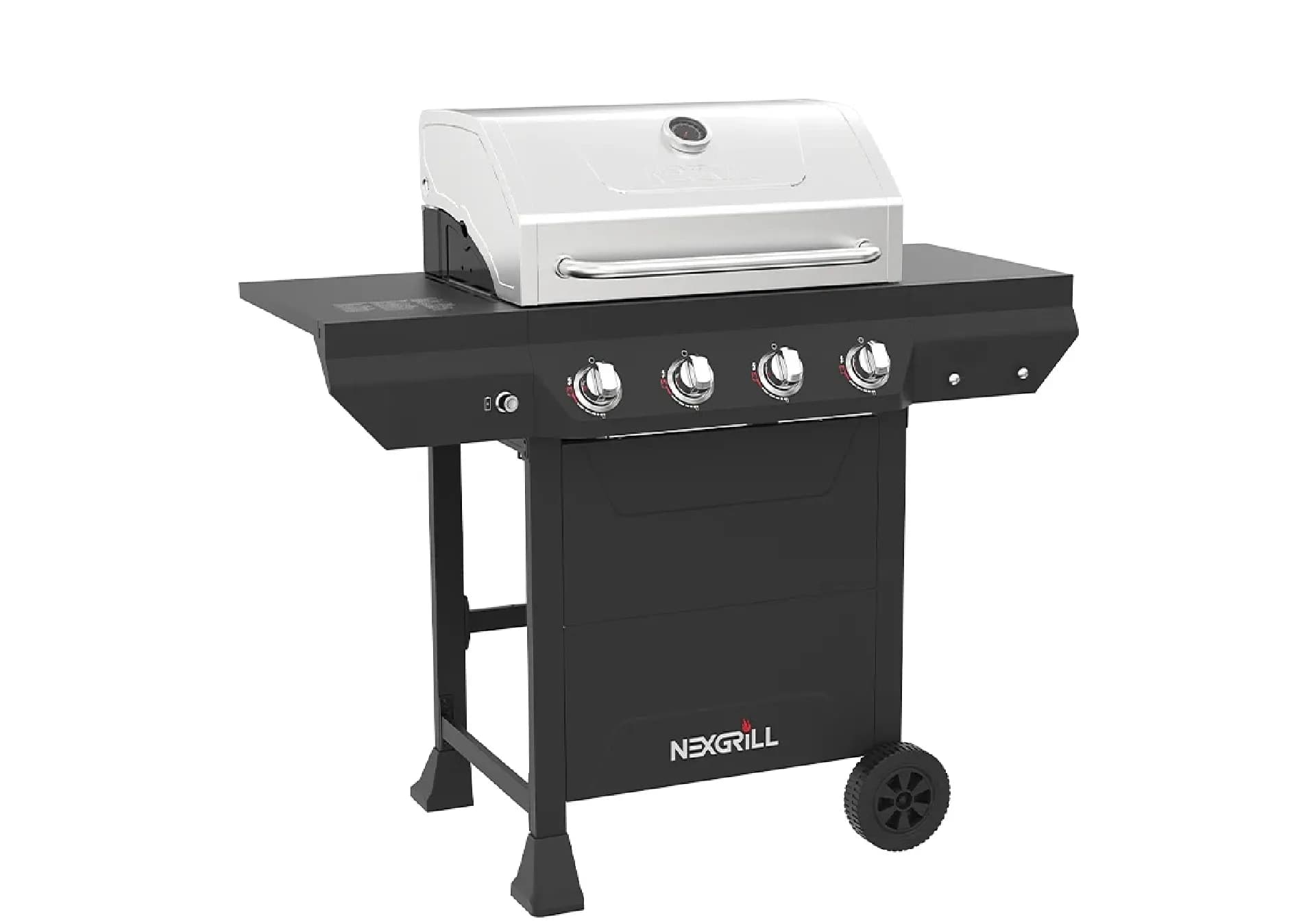
A strong two-burner recommendation list should also account for Nexgrill’s own lineup philosophy. Grills such as the Deluxe 2-Burner Gas Grill and the 4-Burner Gas Grill with Side Burner in Black show how the brand approaches practical outdoor cooking with a balance of accessible pricing and usable features. Even when the rotisserie function is not the headline feature on every model, the larger point is that shoppers can evaluate compact and mid-sized grills by how naturally they support the cooking style. For rotisserie buyers, that means looking closely at cooking space, lid height, burner layout, and whether the grill can hold stable indirect heat without constant babysitting. That kind of comparison helps narrow the field much faster than chasing vague star ratings.
Tip: If you roast chicken more often than steak, prioritize lid height and heat stability over extra side features.
Key Features to Look For
The most important feature in a rotisserie-ready two-burner grill is not the burner count by itself; it is whether the grill can create a stable indirect zone while still holding enough heat to roast efficiently. With only two burners, you want enough flexibility to run one side hotter and the other side cooler, then rotate the spit so the food browns evenly. A grill that overheats one side and drops temperature too quickly on the other will make rotisserie cooking frustrating. Heat distribution matters more here than a simple BTU headline, because rotisserie cooking often runs longer than direct grilling and exposes any weak spots in burner design.
Build quality is the second major filter. A rotisserie setup adds moving parts, so the grill needs a lid, firebox, and support surfaces that feel solid rather than thin. Stainless steel components can help resist corrosion, while porcelain-coated parts may offer a lower entry price with decent everyday durability. In practical terms, you are looking for a frame that does not flex when the spit turns, burner knobs that feel consistent, and a lid that closes without scraping the roast. If you plan to cook whole chickens, consider the internal height of the cook chamber. A grill can have adequate square inches on paper but still fail if the food is too close to the lid or too near the flame.
| Feature | Why it matters | What to check in the store or listing |
|---|---|---|
| Rotisserie kit compatibility | Determines whether the motor and spit fit cleanly | Motor mount position, spit length, fork style |
| Lid height | Prevents contact with tall roasts or whole poultry | Interior clearance measured with lid closed |
| Burner control | Helps maintain indirect heat without flare-ups | Independent burner knobs and stable low settings |
| Grease management | Important for cleaner rotisserie cooking | Drip tray access and easy cleanup path |
For 2026 buyers, the smartest comparison is a feature stack, not a feature count. A rotisserie kit is only useful if the grill can support it cleanly. That means checking whether the accessory is included, sold separately, or recommended by the manufacturer. It also means paying attention to the small things that affect long cooks: ignition reliability, cart stability, and whether the side shelves give you room to season, truss, and rest the bird before and after the roast. A two-burner grill can be simple and still feel premium if those details are executed well.
Warning: A higher BTU number alone does not make a better rotisserie grill. Heat control and chamber design matter more than raw output.
User Reviews and Feedback
User feedback on two-burner rotisserie grills tends to cluster around a few repeat themes. Owners like compact grills when they are easy to light, easy to clean, and dependable enough to use without a long setup ritual. The positive reviews usually describe rotisserie chicken that browns evenly, a spit motor that runs quietly, and a cook box that holds temperature without constant adjustment. People also appreciate when the grill feels manageable for one person to operate, because a two-burner format is often chosen by cooks who want convenience as much as capability. In that sense, the best reviews are usually about confidence: buyers feel they can roast dinner without needing a big commercial-style unit.
The criticism is just as useful. Common complaints include motors that feel underpowered, forks that do not grip food firmly, and grease flare-ups when the drip path is poorly designed. Some users also say they underestimated how important lid clearance would be until they tried a larger bird or a thick roast. Another frequent issue is wanting a rotisserie after the fact on a grill that was not designed for it, which can lead to awkward accessory fitting or uneven cooking. That is why the best user experiences come from people who bought a grill with rotisserie use in mind from the start. They are less likely to fight the hardware and more likely to focus on seasoning, timing, and heat balance.
From a value perspective, users often split into two camps. Budget shoppers praise affordability and occasional use, especially if the grill handles chicken and smaller roasts well. Premium-minded reviewers are usually more demanding, but they also tend to appreciate stronger lid construction, smoother ignition, and steadier turning on longer cooks. For Nexgrill’s audience, that split is important because it maps directly to how people actually buy outdoor cooking gear: some want a dependable starter grill, while others want a more capable platform that will stay in rotation for years. Try comparing two products side by side below to see which fits best:
Buying Guide for 2-Burner Gas Grills
Once you've weighed two options against each other, the next step is to decide which grill actually matches how you cook at home. Two-burner rotisserie grills are best judged by use case, not by a single spec. If you mainly cook for two or three people, a compact grill with a rotisserie attachment can be perfect for weekend chicken dinners and simple sides. If you host family gatherings, the same grill may feel cramped unless the lid height, cooking surface, and drip management are all well thought out. The goal is to avoid paying for features that look impressive in a product photo but do not help the way you cook in the United States context of typical patios, decks, and smaller backyards.
A practical buying guide starts with the question of how often you will use the rotisserie. If the answer is “a few times a year,” a budget-friendly grill with a compatible kit may be enough. If the answer is “almost every weekend,” you should care about motor quality, fork strength, and how easy it is to balance the load. Whole chickens are forgiving, but unevenly trussed roasts can stress a weak motor. You should also look at whether the grill’s cooking area is arranged for indirect roasting, because a rotisserie works best when the burners can be run low or off on one side while the spit turns above the heat. That gives the skin time to render and crisp without scorching.
Price is another key filter, but it should be considered as total ownership cost. A low sticker price can be misleading if you need to buy the rotisserie kit, replacement burner parts, a better cover, or a sturdier drip tray later. In practice, budget options are best when they are simple, mechanically solid, and easy to replace if you outgrow them. Premium options are better when they save time, feel more stable during long cooks, and are likely to stay useful for more than one season. The sweet spot for many households is a midrange model with good heat consistency and decent materials, because it gives you enough room to grow as a griller without locking you into a large, expensive footprint.
| Buyer profile | Best choice | Why it fits |
|---|---|---|
| Budget-conscious beginner | Entry-level two-burner grill with add-on rotisserie | Lower upfront cost and simpler learning curve |
| Weekend family cook | Midrange two-burner with sturdy lid and better heat balance | Handles chicken, vegetables, and mixed dinners more reliably |
| Frequent rotisserie user | Premium compact grill with stronger accessory support | More stable for longer cooks and repeated use |
If you are comparing Nexgrill options, think about how the brand’s broader grill lineup reflects different needs. Models like the Deluxe 2-Burner Gas Grill are attractive to buyers who want a straightforward, approachable cooking platform, while larger units such as the 4-Burner Gas Grill with Side Burner in Black show the way additional cooking zones can expand flexibility. Even if your focus is specifically on two burners, these examples help frame the decision: do you want a compact grill that keeps the experience simple, or do you want a setup with more room to grow? For rotisserie cooking, the answer usually comes down to whether the grill supports indirect heat gracefully and whether the cart, lid, and spit mount feel stable under real use.
Info: For rotisserie grilling, a steady indirect zone is more useful than chasing the highest BTU number in the category.
Maintenance Tips for Longevity
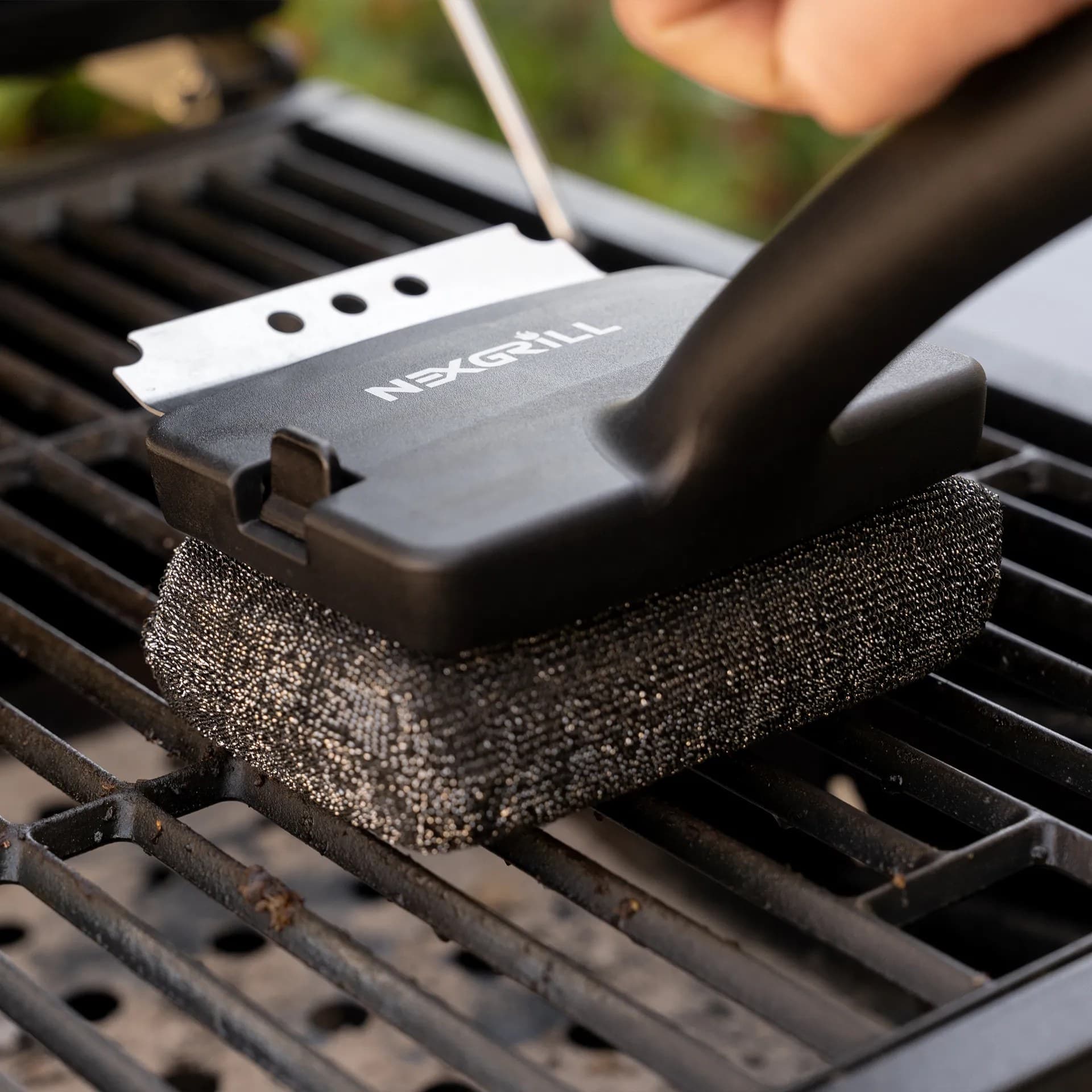
Two-burner gas grills with rotisserie hardware need a little more care than a basic grill because they combine heat, grease, and moving parts. The good news is that routine maintenance is not complicated. After each use, let the grill cool slightly, then clean the grates while they are still warm enough to release residue. Wipe down the spit rod, forks, and motor housing after each rotisserie session so grease does not harden in the threads or around the mount. If your grill uses a removable drip tray, empty it regularly rather than waiting for buildup to create smoke or odors on the next cook.
Burner care matters as well. Check ports for clogs, especially if you cook fatty cuts often. A blocked burner can create uneven flames, which hurts both direct grilling and rotisserie roasting. Once or twice a season, inspect the ignition system, hose connections, and hardware on the rotisserie kit. If a spit fork loosens during operation, tighten it before the next cook rather than trying to “make do” with a shaky setup. For many owners, the cover is the best low-effort investment they make, because weather exposure is one of the fastest ways to shorten the life of a compact grill on an exposed patio or balcony.
Tip: Store the rotisserie motor indoors when not in use. It is one of the easiest parts to protect and one of the most annoying to replace.
Cooking Tips for Rotisserie Grilling
Rotisserie grilling rewards patience and balance. Start by trussing poultry tightly so the bird rotates evenly and stays compact. Weight the spit carefully so the load turns smoothly, because an off-balance chicken can strain the motor and leave one side undercooked. Preheat the grill with the burners set for indirect cooking, then adjust until the heat is steady rather than aggressive. In many cases, steady medium heat produces better results than a very hot chamber that browns the outside too quickly. If you want extra browning, increase heat near the end rather than rushing the whole cook.
Plan for flavor, too. A dry rub with salt, pepper, garlic, and herbs works well because the slow rotation helps build a crisp exterior. If you want a more savory finish, baste lightly during the final phase instead of early in the cook, when too much moisture can delay crisping. Keep a meat thermometer handy and use it by cut, not by guesswork. Rotisserie chicken, for example, should be evaluated by internal temperature in the thickest part rather than by the color of the skin alone. The best results come when you treat the rotisserie as a precision tool, not just a novelty accessory. That mindset is what separates a one-time experiment from a repeatable backyard technique.
Conclusion
The best 2-burner gas grill with rotisserie is the one that fits your space, your budget, and how often you plan to roast beyond the basics. Budget models can be a smart starting point, but the strongest long-term value usually comes from grills that deliver stable heat, solid hardware, and enough lid clearance to make rotisserie cooking comfortable. If you are deciding between two close options, compare the accessory fit, the balance of the cook chamber, and how the grill behaves during a long roast, not just the headline price.
Nexgrill’s broader approach to outdoor cooking is built around making that decision feel approachable. Whether you are shopping for your first compact grill or upgrading to a more capable backyard setup, the right choice is the one that makes it easy to cook well, gather people around the table, and enjoy the process as much as the meal.