The Ultimate Guide to 6-Burner Gas Grills with Griddles
Explore the features, benefits, and top models of versatile outdoor cooking solutions.
In This Article
Versatile Cooking Options
High BTU Output
Spacious Cooking Area
Introduction to 6-Burner Gas Grills with Griddles
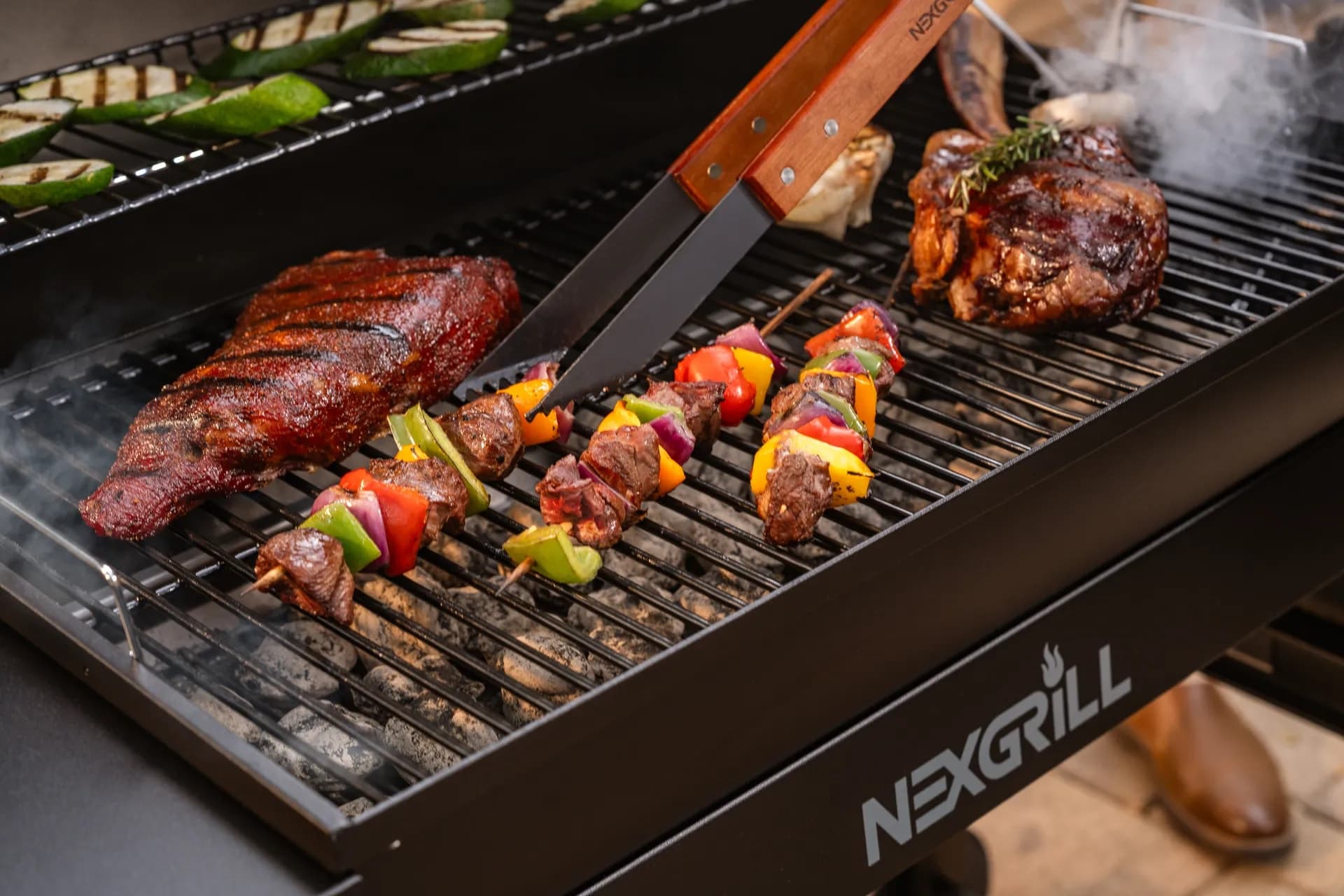
A 6-burner gas grill with a griddle is built for households that cook like they host: big breakfasts, mixed menus, and enough flexibility to keep several dishes moving at once. The appeal is straightforward. Six burners give you the heat zones and surface coverage needed for crowd-sized cooking, while the integrated griddle adds a flat, high-contact surface for foods that do not belong directly on open grates. That means you can sear steaks on one side, toast buns on another, and cook eggs, bacon, vegetables, or fried rice on the griddle without changing equipment mid-meal.
For many buyers, the biggest advantage is not just size. It is control. A 6-burner setup lets you create distinct temperature zones, which matters when you are juggling delicate items like shrimp or asparagus beside thicker cuts of meat. The griddle section expands that versatility even further because flat-top cooking distributes heat differently than traditional grilling. Instead of relying on grate marks alone, you can use the surface for smash burgers, pancakes, chopped vegetables, fajita fillings, or reheating tortillas while the grill handles the main proteins.
Nexgrill’s brand approach is rooted in togetherness and practical outdoor cooking, and that makes this category especially relevant for backyard hosts. The company’s own messaging emphasizes that grilling is about bringing people together and making outdoor cooking accessible to a wide range of users, not just experienced grill masters . A 6-burner gas grill with griddle fits that philosophy well because it supports both everyday family meals and larger gatherings without forcing the cook to choose between styles of cooking. If the question is whether one appliance can handle a cookout, breakfast, and a weeknight dinner rotation, this category is designed to answer yes.
This guide focuses on what actually matters when evaluating one of these combo units in the United States: usable cooking area, heat distribution, material quality, griddle size, and how easy the system is to operate when the menu gets complicated. Rather than treating burner count as the only metric, it helps to think about how the grill will behave in real use. A six-burner design can be impressive on paper, but the best choice is the one that gives you dependable cooking space, fast recovery after opening the lid, and enough flexibility to move from grilling to griddling without hassle.
For large family gatherings and mixed-menu entertaining, a 6-burner gas grill with griddle is less about novelty and more about reducing bottlenecks at the cooktop.
Another reason this category has become so popular is that it shortens the distance between planning and cooking. A standard grill can handle burgers and chicken well, but it is less convenient for breakfast foods, hibachi-style vegetables, or meals that benefit from a flat surface. A dedicated griddle can do those jobs, but pairing both in one system gives you the best of both worlds. If you often cook for groups in the 6-to-10-person range, or if you simply like making several foods at once, the combination is especially practical. That is also why shoppers researching this category usually want a comparative guide rather than a simple product pitch: the details determine whether the setup feels roomy and intuitive or merely large.
Key Features of 6-Burner Gas Grills
When shoppers compare six-burner grills, the obvious starting point is heat output, but BTUs only tell part of the story. What matters more is how the grill uses that heat. A well-designed six-burner system should let you run hot zones for searing, moderate zones for finishing, and low zones for holding food warm. The griddle side adds another layer of control because flat-top surfaces tend to reward steady, even heat rather than extreme flare-up-prone intensity. Together, those zones create a cooking environment that is much more adaptable than a smaller grill.
Cooking area is the next major consideration. In this category, the useful surface is not just the overall footprint but how much of it you can truly use without crowding. If the grill includes a separate griddle insert or integrated flat-top area, ask whether the layout allows you to keep grill and griddle tasks separate during the same session. That matters for food safety, timing, and workflow. For example, you may want one side for burgers and another for onions and peppers, or one griddle zone for breakfast and a second for finishing tortillas and vegetables. Large families and hosts benefit most when the appliance has enough real estate to avoid constant shuffling.
Materials also deserve more attention than they usually get. Stainless steel components, sturdy burners, and a durable lid and cart structure help a grill survive the daily realities of grease, heat, and weather exposure. Nexgrill’s brand documentation repeatedly stresses dependability, approachable use, and products built for actual backyard life, not just showroom appeal . That idea is important here because a big grill only feels useful if it remains easy to live with after the first season. Sturdy knobs, intuitive ignition, stable side shelves, and accessible grease management all improve the experience as much as raw burner count does.
Lets you run multiple heat settings at once for grilling, griddling, and holding food.
Another feature to watch is ignition reliability. On a grill this size, a slow or inconsistent startup becomes frustrating fast, especially when you are cooking for a group and timing matters. Also check for lid design and grease handling. A griddle benefits from an easy-to-manage grease path, while the grill side needs heat control that does not create unnecessary flare-ups. The best appliances in this category are designed so the griddle and grill do not fight each other. Instead, they complement each other: the griddle handles fragile or small items that might fall through grates, while the burners under the grill section deliver browning and char for proteins and vegetables.
If you are comparing models, think in terms of workflow. How far is the prep shelf from the main cook zone? Can you move food from the griddle to the grates without crossing over hot surfaces awkwardly? Is there enough room to stage cooked food while you finish the rest of the meal? These usability details often separate a grill that feels simply large from one that feels genuinely well engineered. Try comparing two products side by side below to see which fits best:
Benefits of Combining Grill and Griddle Functionality
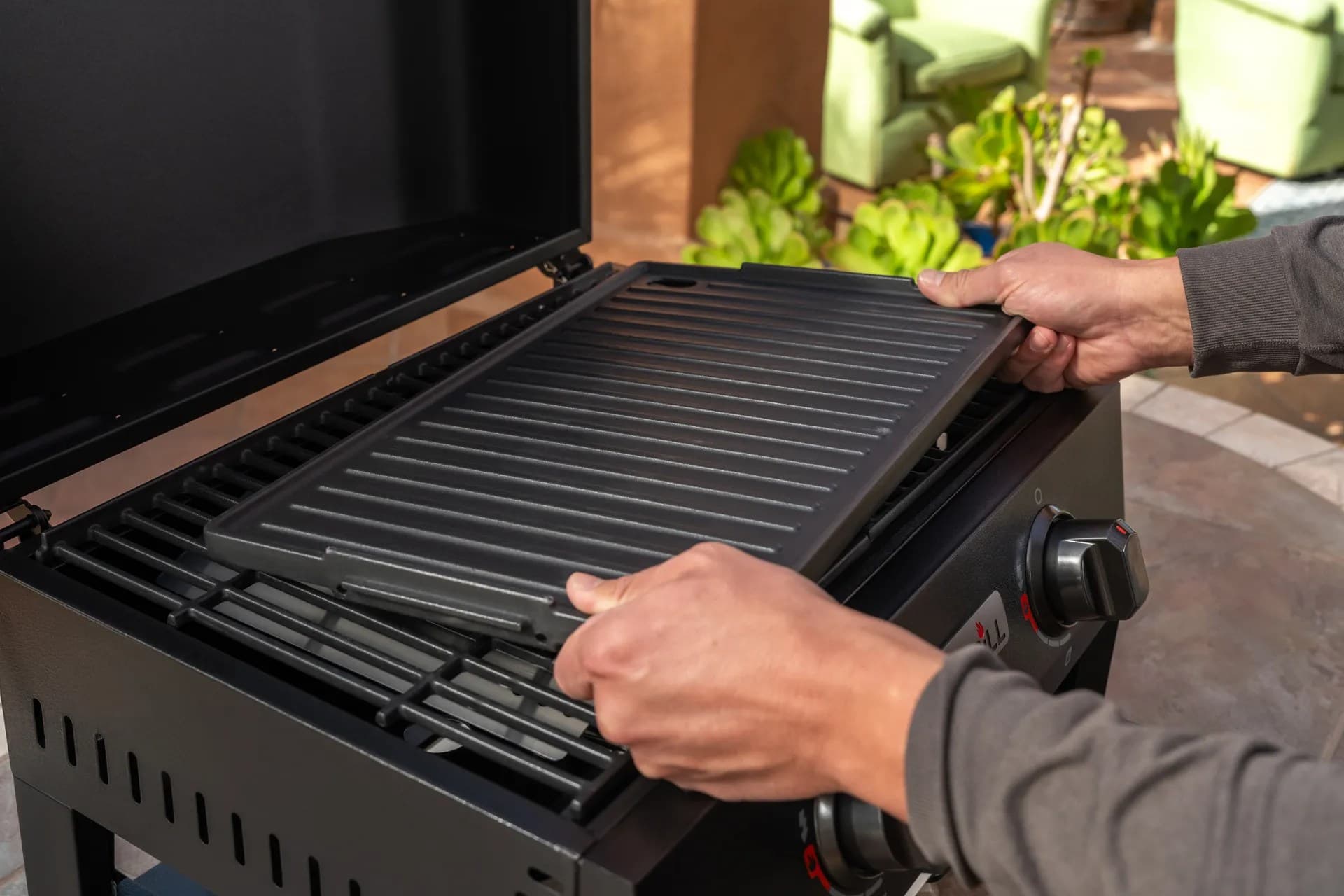
The biggest advantage of a combined grill-and-griddle setup is menu freedom. Many outdoor cooks run into the same limitation: some foods are better suited to grates, while others perform better on a flat top. A 6-burner gas grill with griddle solves that by giving you both surfaces in one station. That means you can cook bacon or eggs on the griddle, then slide over to burgers, chicken, or vegetables on the grill without changing appliances or interrupting the flow of a meal.
This flexibility is especially valuable for weekend entertaining in the U.S. market, where outdoor cooking often centers on group meals that start with breakfast and end with dinner. A griddle is ideal for morning service because it handles eggs, pancakes, sausage, potatoes, and French toast with even contact heat. Later in the day, the same surface can turn out smash burgers, quesadillas, grilled onions, or chopped stir-fry style vegetables. Meanwhile, the gas grill side handles the char and smoke notes people expect from traditional backyard cooking. The result is one appliance that works across more occasions than a standard grill alone.
There is also an efficiency benefit. Because six burners let you divide the cooking environment into zones, you spend less time waiting for one item to finish before starting another. Hosts can keep cooked items warm while the next batch finishes, and that lowers the risk of overcooking food while guests are arriving or serving lines are forming. In practical terms, the combo setup can simplify cooking for teams too: one person can manage the griddle side while another handles burgers or chicken on the grate side. That mirrors Nexgrill’s “Everyone’s Invited” spirit, where the grill becomes a gathering point rather than a one-task appliance .
From a purchasing standpoint, the combined format can also be a smarter value than buying separate large-format equipment. If your patio or deck has room for only one major outdoor cook station, this category delivers a broader menu in the same footprint. It is not just about saving space; it is about reducing decision fatigue. You do not have to choose between a griddle for breakfast and a grill for dinner. You already have both. That is particularly useful for families that rotate between quick weeknight meals and full weekend spreads. A well-designed 6-burner system keeps pace with both without making you adapt your menu to the appliance.
The main trade-off is footprint. A combo unit solves menu limitations, but it should still fit your patio layout and storage habits comfortably.
For many buyers, the real win is confidence. When you know the grill can handle breakfast sandwiches, lunch service, and dinner proteins, it becomes easier to host without overplanning. You can adapt to weather, guest count, and changing appetites on the fly. That is why this category appeals to both casual backyard cooks and more experienced hosts who want fewer constraints. It is a flexible, high-capacity solution for people who want to cook more kinds of food outdoors, not just more of the same food.
Top Models Comparison
Once you have compared two options side by side, the next step is to think about how a six-burner grill with a griddle actually fits the way you cook. The best purchase is not always the highest output or the largest surface. It is the model that matches your menu mix, storage space, and how often you entertain. In the Nexgrill lineup, shoppers usually gravitate toward large-format gas grills and griddles rather than one-size-fits-all promises, because that approach gives them more control over cooking style. Nexgrill’s product mix reflects that practical mindset, offering multiple outdoor cooking formats under one brand umbrella.
| Model | Best Use | Key Strength | Trade-Off |
|---|---|---|---|
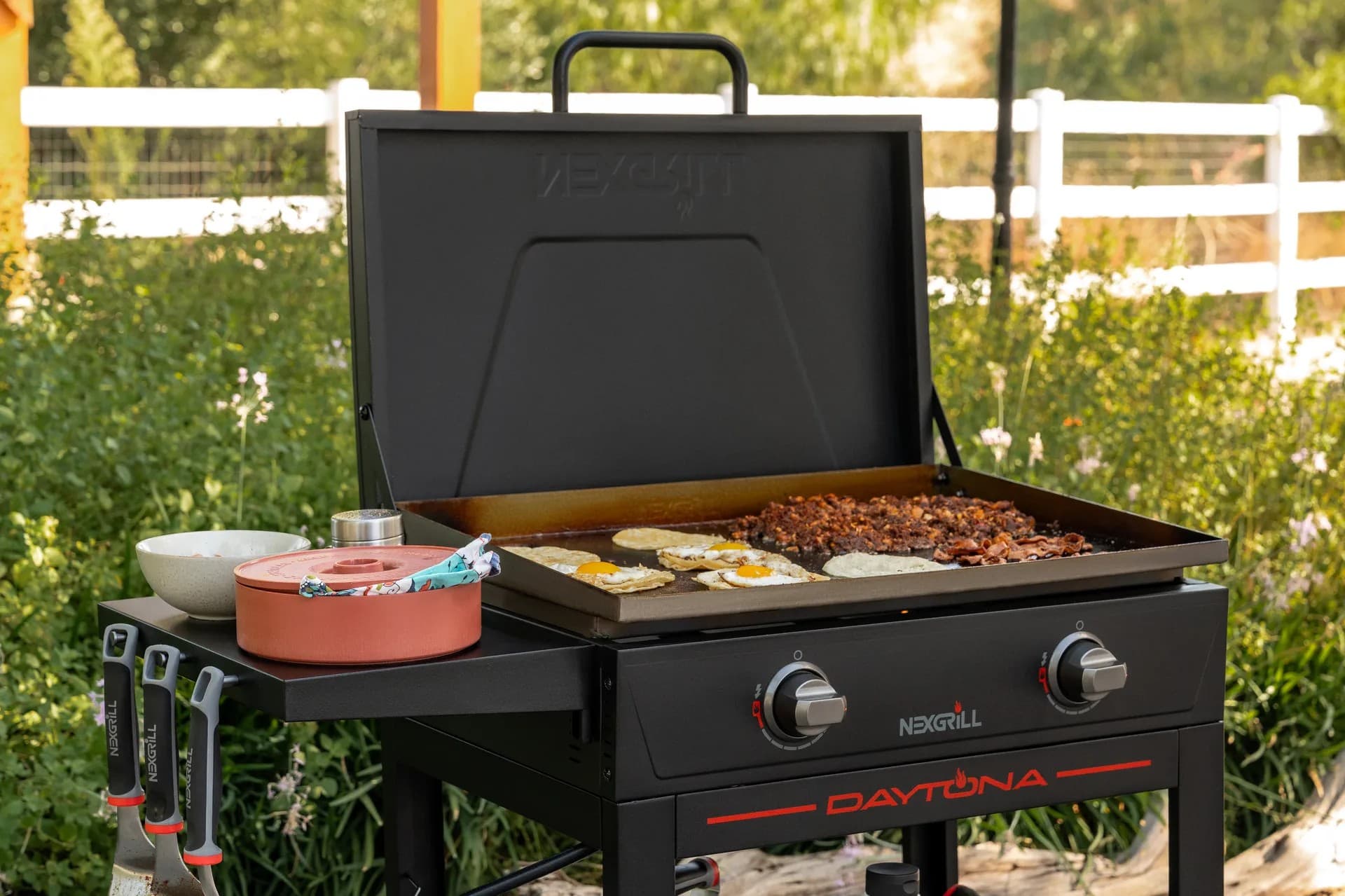
| Daytona Pro 5 Burner Nitroguard Propane Gas Griddle | Heavy breakfast service, smash burgers, and flat-top batch cooking | Wide griddle-first layout built for even surface cooking | Less traditional grill-space focus than hybrid units |
| Daytona 4-Burner Propane Gas Griddle in Black | Families wanting a large flat-top with simpler operation | Broad cooking zone and straightforward griddle workflow | Not the same direct-grilling feel as a true combo station |
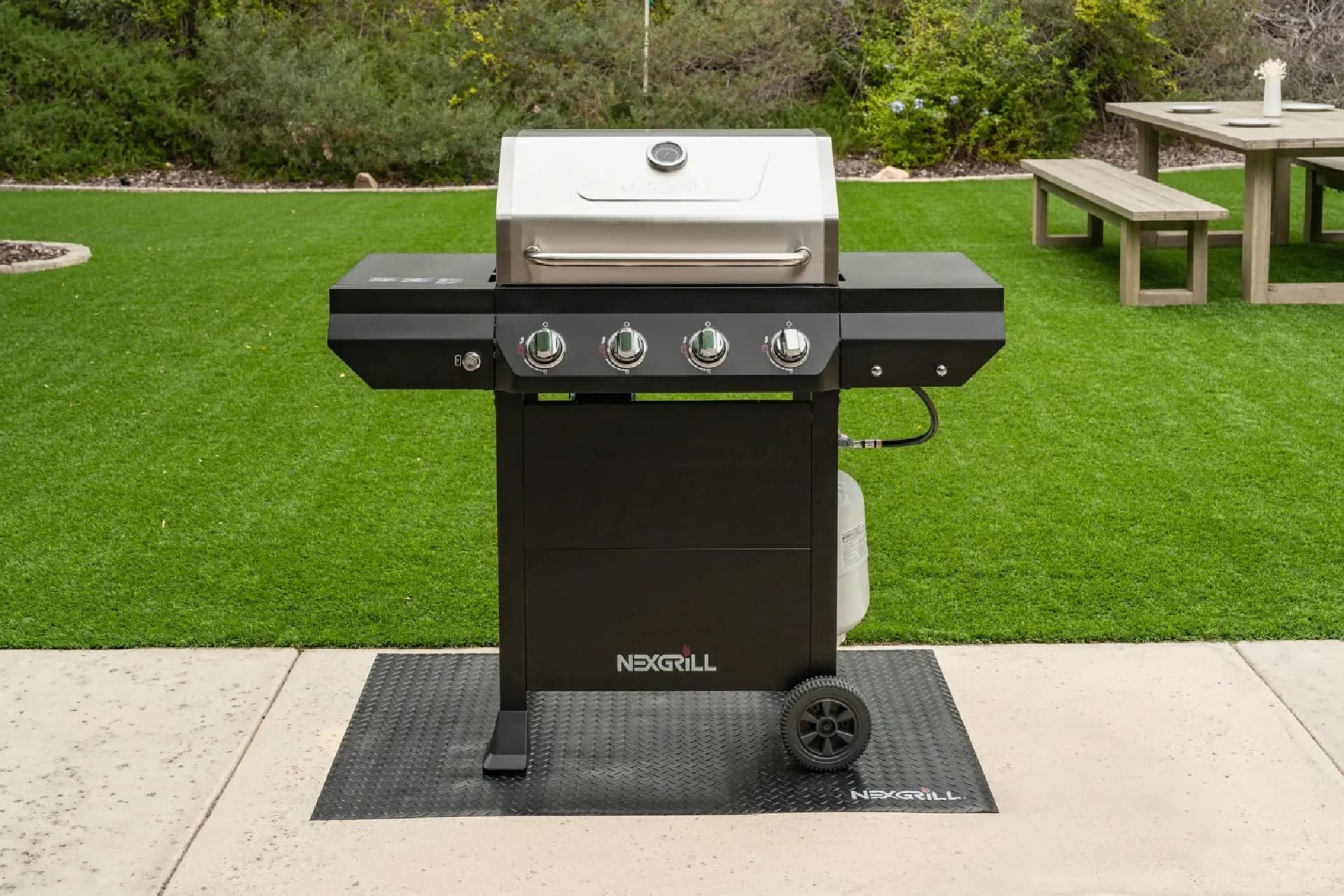
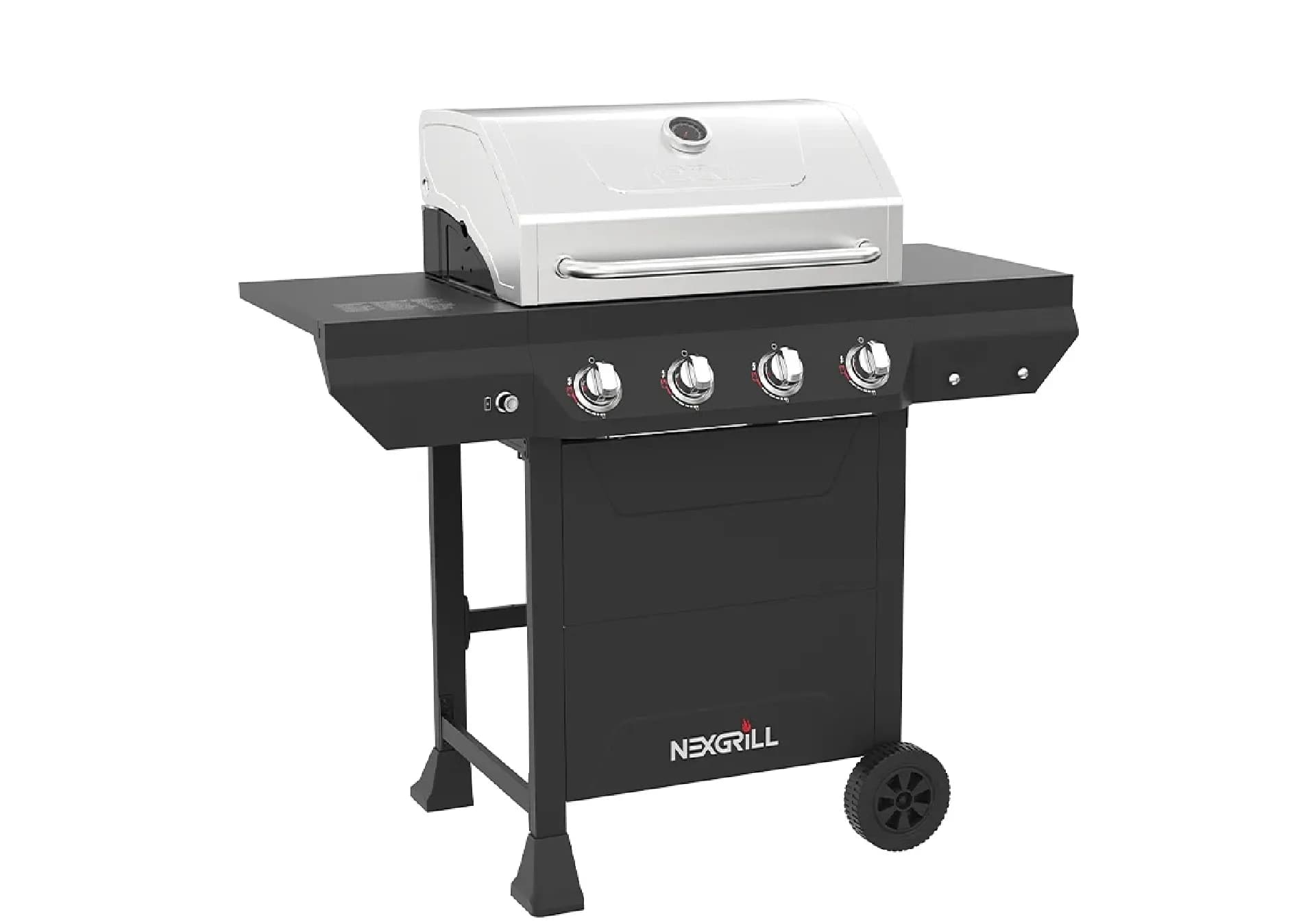
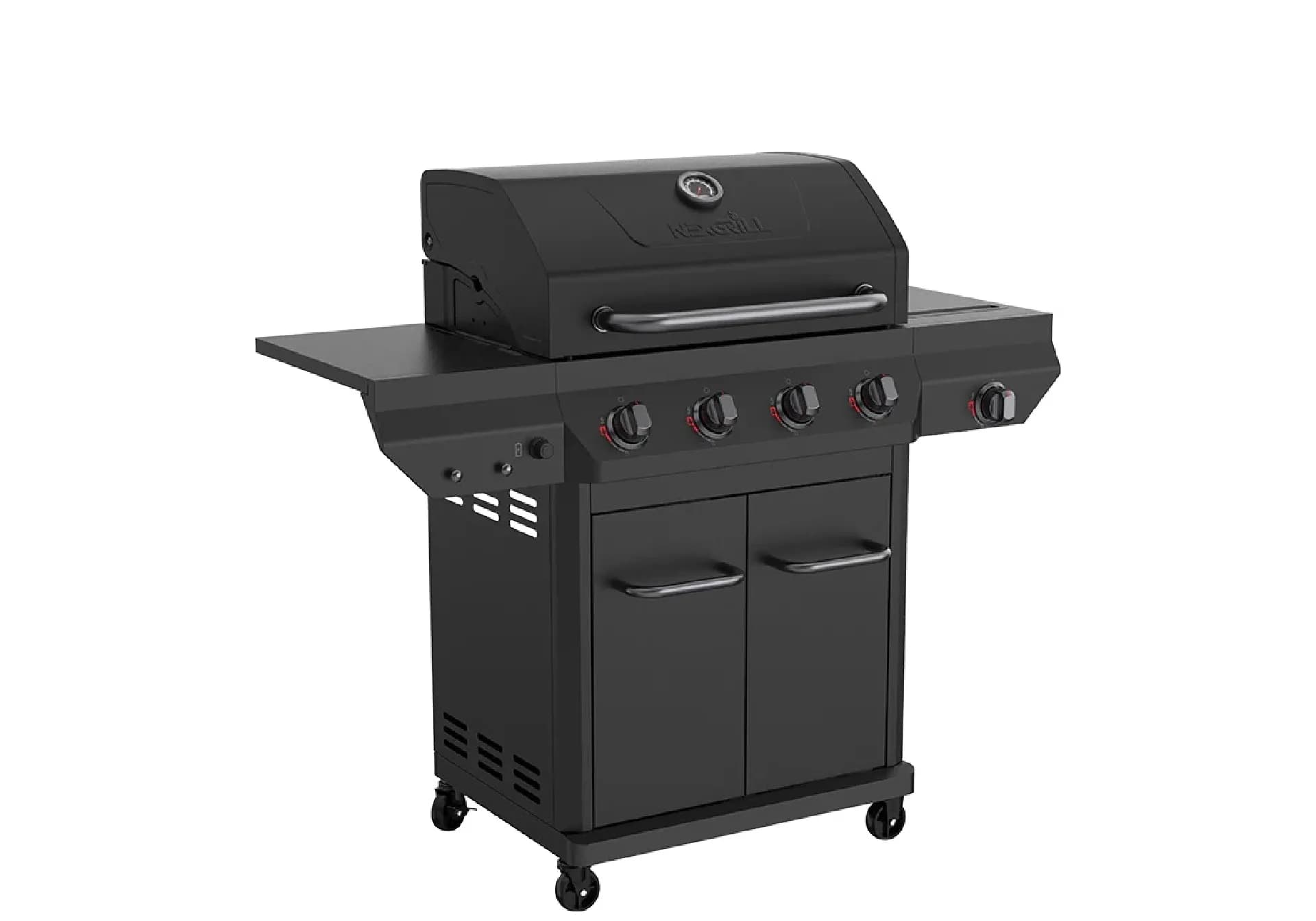
| 4-Burner Gas Grill with Side Burner in Black | Grillers who want open-grate cooking plus sauce prep | Traditional grill behavior with extra burner flexibility | Side burner is not the same as a full griddle surface |
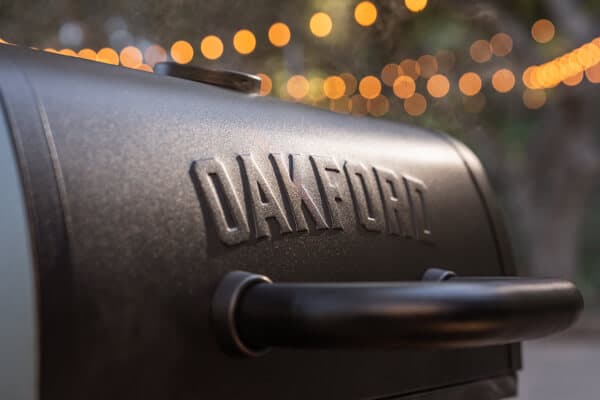
| Oakford Pro 875 Pellet Smoker Grill | Low-and-slow smoking with strong flavor development | Smoke-forward performance for long cooks | Different cooking style; not a griddle-centric solution |
In practical terms, the Daytona griddle models are the closest match if your priority is flat-top versatility for a crowd. The Daytona Pro 5 Burner Nitroguard Propane Gas Griddle is a strong fit for cooks who want lots of usable griddle room and value fast batch cooking. The 4-burner Daytona griddle is a simpler choice for households that still want broad cooking coverage but do not need the added complexity of a hybrid or smoker setup. By contrast, a traditional gas grill with a side burner gives you sauce prep or pot work, but not the same all-over cooking surface that a griddle provides. That distinction matters when you are feeding a group that wants breakfast-for-dinner, a hibachi-inspired spread, or a burger night with onions, mushrooms, and buns toasted together.
For buyers who prefer a true barbecue identity, the Oakford Pro 875 Pellet Smoker Grill is a useful comparator even though it serves a different purpose. It is built for flavor development and low-and-slow cooking, which makes it excellent for smoking brisket, ribs, or chicken. But if your main goal is griddle flexibility plus grill capability, a pellet smoker is a different investment. This is why the top-model conversation should not be reduced to “best overall” in a vacuum. It should be about what role the cooker plays in your kitchen outdoors. A model that handles breakfast and burgers with equal ease is going to feel more useful to a large family than one that excels only at smoked meats.
For a buyer in the United States, price is often judged by how much routine use a cooker will get. A combo grill with a griddle may make sense if you plan to use it several times a week across multiple meal types. If it will only be used for occasional steaks, a simpler grill may deliver better value. That value calculation is especially important for patios, apartment decks, and suburban backyards where space is finite. The best choice is the appliance that earns its footprint every month, not the one with the biggest headline feature list.
User Reviews and Expert Insights
User feedback on large combo cookers tends to split into two camps: people who love the flexibility and people who underestimated the learning curve. The positive reviews usually focus on how much easier it is to cook a full spread once a griddle is included. Owners appreciate being able to make breakfast items, sauté vegetables, and warm tortillas without using extra pans indoors. They also like the feeling of control a six-burner system provides when guests arrive early or the menu changes at the last minute.
Expert buying guides reinforce a few consistent principles. Consumer-focused grill guidance generally points shoppers toward cooking space, heat control, and build quality rather than raw power alone. That is useful advice here because a six-burner grill with griddle can look impressive but still disappoint if heat is uneven or the griddle section runs too hot in one area and too cool in another. Expert writers also tend to recommend checking how easy it is to clean, because heavier use quickly reveals whether the grease management and surface materials were thoughtfully designed. Consumer Reports’ grill buying guidance is especially useful for reminding buyers to consider the whole ownership experience, not just the first cookout.
A good review of a six-burner combo grill should mention even heating, recovery after lid openings, cleanup effort, and whether the griddle surface is actually useful in daily cooking.
One recurring insight from experienced cooks is that griddles change how people use the grill. Instead of treating the appliance as a weekend-only steak station, owners often start using it for weekday meals because flat-top cooking is faster to plan and easier to adapt. That can increase the value of the purchase over time. Another common point in reviews is that larger grills become more enjoyable once the cook learns to stage food intentionally: raw ingredients on one zone, finishing and warming on another, and plated food off heat. This is especially true for crowd cooking, where organization matters as much as firepower.
If you are reading reviews, pay more attention to the substance than the star rating alone. Comments about ignition consistency, lid fit, side shelf stability, and grease handling are often more useful than generic praise. The best user stories describe specific meals: smash burgers for a neighborhood party, pancakes and bacon for a family brunch, or fajita vegetables that finish on the griddle while chicken sears beside them. Those examples reveal whether the grill truly supports mixed-use cooking. That is the real promise of this category, and it is the reason buyers keep searching for a 6-burner gas grill with griddle rather than settling for a basic grill.
Maintenance and Care Tips
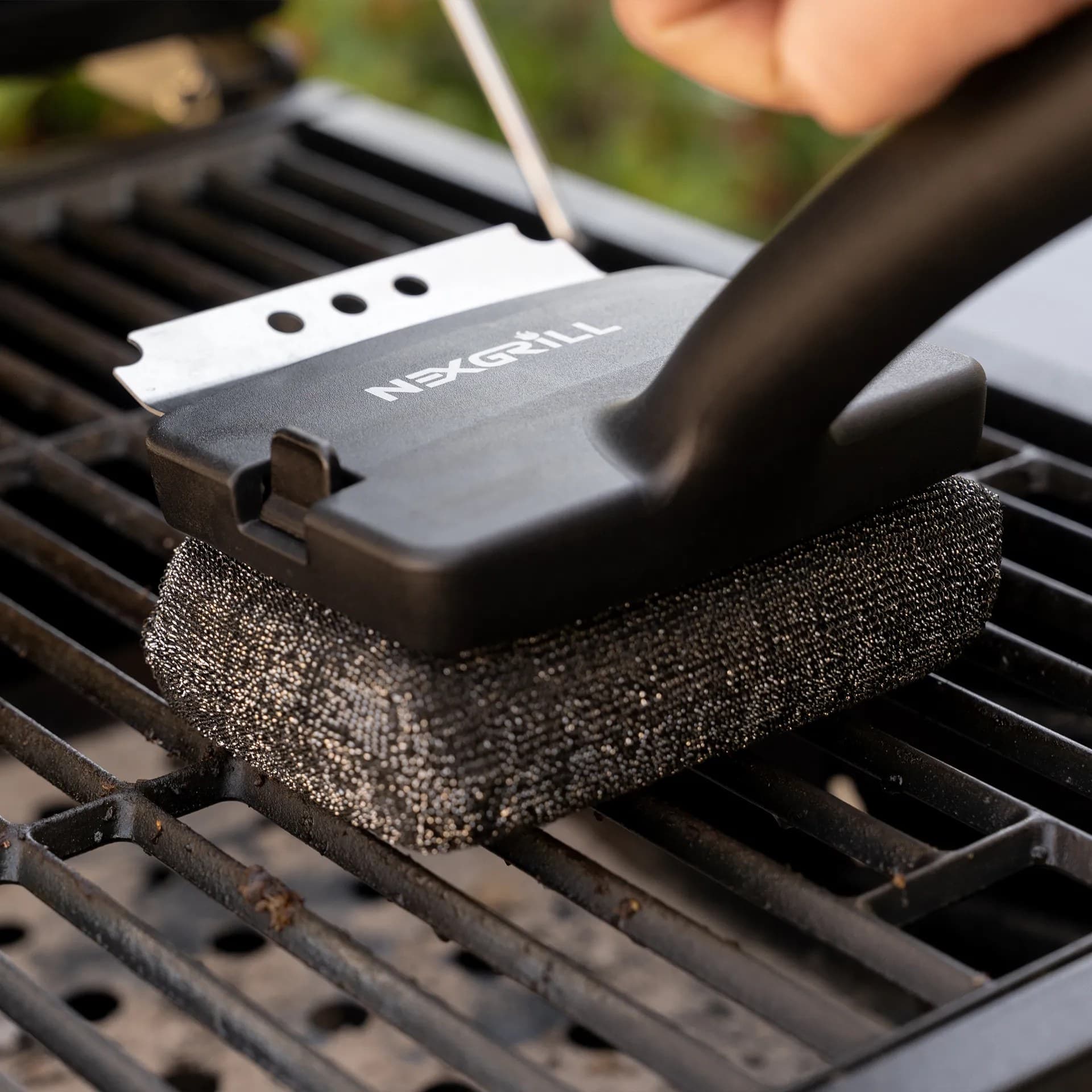
A large combo grill stays enjoyable only if maintenance is part of the routine. Start with the griddle surface: after cooking, while it is still warm, scrape away residue and wipe it down with an appropriate scraper or cloth. A light conditioning layer may help protect the surface depending on the material, but the key is consistency rather than overcomplication. For the grill side, clean grates after each session and clear out grease paths before buildup hardens. Because the unit is larger, skipping cleanups creates problems faster than on a small grill.
Burner care matters too. Check for blocked ports, uneven flame patterns, and ignition problems before busy weekends. If one burner is running differently from the others, that unevenness will show up across the griddle and grill zones in ways that affect food quality. It is also worth inspecting connection points and exterior surfaces regularly, especially if the grill remains outdoors through changing weather. Nexgrill’s brand guidance emphasizes dependable, real-world use, which aligns with the practical reality that good equipment lasts longer when owners protect it from moisture and grime.
Do not let grease sit on the griddle or in the drip path for days. On a high-use combo grill, buildup affects flavor, airflow, and cleanup time.
A cover is also worth the investment in the United States climate, where sun, rain, and humidity can vary widely by region. Even if the grill is stainless steel in some areas, a cover protects knobs, ignition components, and the flat-top surface from unnecessary exposure. Before a new season starts, do a full check: burners, griddle surface, gas connection, fasteners, and cart stability. That short inspection can prevent a mid-cook interruption when guests are already waiting.
For day-to-day care, the simplest habit is to reset the cooker after each use. Turn everything off, let the surfaces cool in a safe way, clean the active cooking areas, empty any removable catch trays, and put tools back where they belong. That small routine keeps the grill ready for the next meal and reduces the chance of unpleasant smoke or flare-ups later. On a unit this size, care is not a burden; it is what preserves the value of having all that cooking capacity in the first place.
Conclusion
A 6-burner gas grill with griddle is a smart choice for cooks who want broad menu flexibility, strong heat control, and enough room to manage large or mixed meals without juggling multiple appliances. The combination is especially useful for families, entertainers, and anyone who wants a single outdoor station that can handle breakfast, lunch, and dinner with equal confidence. If you care about versatility more than novelty, this category delivers real utility.
As you compare models, focus on cooking layout, durability, ease of cleaning, and whether the griddle section will genuinely fit your style of cooking. The best choice will not just look powerful; it will make outdoor meal prep easier every time you use it. If you are ready to narrow the field further, compare your top options by cooking surface, burner design, and how the griddle and grill zones work together in daily use.