Understanding the Price of 5-Burner Stainless Steel Gas Grills
A comprehensive guide to pricing, features, and maintenance tips for 5-burner stainless steel gas grills.
In This Article
Price Ranges
Key Features
Maintenance Tips
Introduction to 5-Burner Stainless Steel Gas Grills
When shoppers search for a 5-burner stainless steel gas grill price, they are usually trying to solve a very practical problem: how much should a capable backyard grill cost, and what should that price include? A five-burner setup sits in a sweet spot for many U.S. households. It is large enough to support family meals, weekend entertaining, and multi-zone cooking, yet still common enough that buyers can compare a wide range of models without drifting into commercial-grade territory. Stainless steel adds another layer to the decision because it can improve corrosion resistance and cleaning convenience, but not every stainless steel grill is built the same way. The real question is not simply “What does it cost?” but “What does this price level buy me in burner quality, cooking space, materials, and real-world durability?”
For many buyers, a 5-burner stainless steel gas grill represents a step up from entry-level two- or three-burner models without requiring the footprint or complexity of a premium outdoor kitchen appliance. In Nexgrill’s market position, that middle ground matters. The brand has long emphasized accessible pricing and a broad range of outdoor cooking options, which aligns well with shoppers who want dependable performance without overpaying for features they may never use . That is especially important in the stainless steel category, where polished surfaces and added features can make prices look similar at first glance even when internal components, cooking area, and heat control differ significantly.
A five-burner grill is not automatically a better purchase than a three-burner grill. It is better only if you actually need more cooking zones, more surface area, or more flexibility for guests and larger meals.
This guide focuses on price, but it treats price as a signal rather than the whole story. A lower price can be attractive if you are buying a basic grill for occasional use, while a higher price can be justified by better burner materials, heavier grates, stronger cabinetry, side-burner functionality, and more thoughtful heat management. Consumer research on gas grills consistently points buyers toward evaluating cooking performance, construction quality, and ease of use together instead of chasing a single spec. That is why it helps to read pricing alongside feature sets and user feedback rather than in isolation.
Usually signals a mid-to-large cooking platform for U.S. backyard grilling
If you are comparing models online or at a retailer, the best starting point is to ask how you cook. Do you grill burgers, chicken, vegetables, and corn all at once? Do you need a dedicated warming or indirect-heat zone? Do you host bigger groups, or do you mainly cook for two to four people? Those answers affect whether the extra cost of a stainless steel five-burner model is justified. The value of the grill is not found in the number of burner knobs alone; it is found in how comfortably the grill fits your space, your cooking style, and your budget.
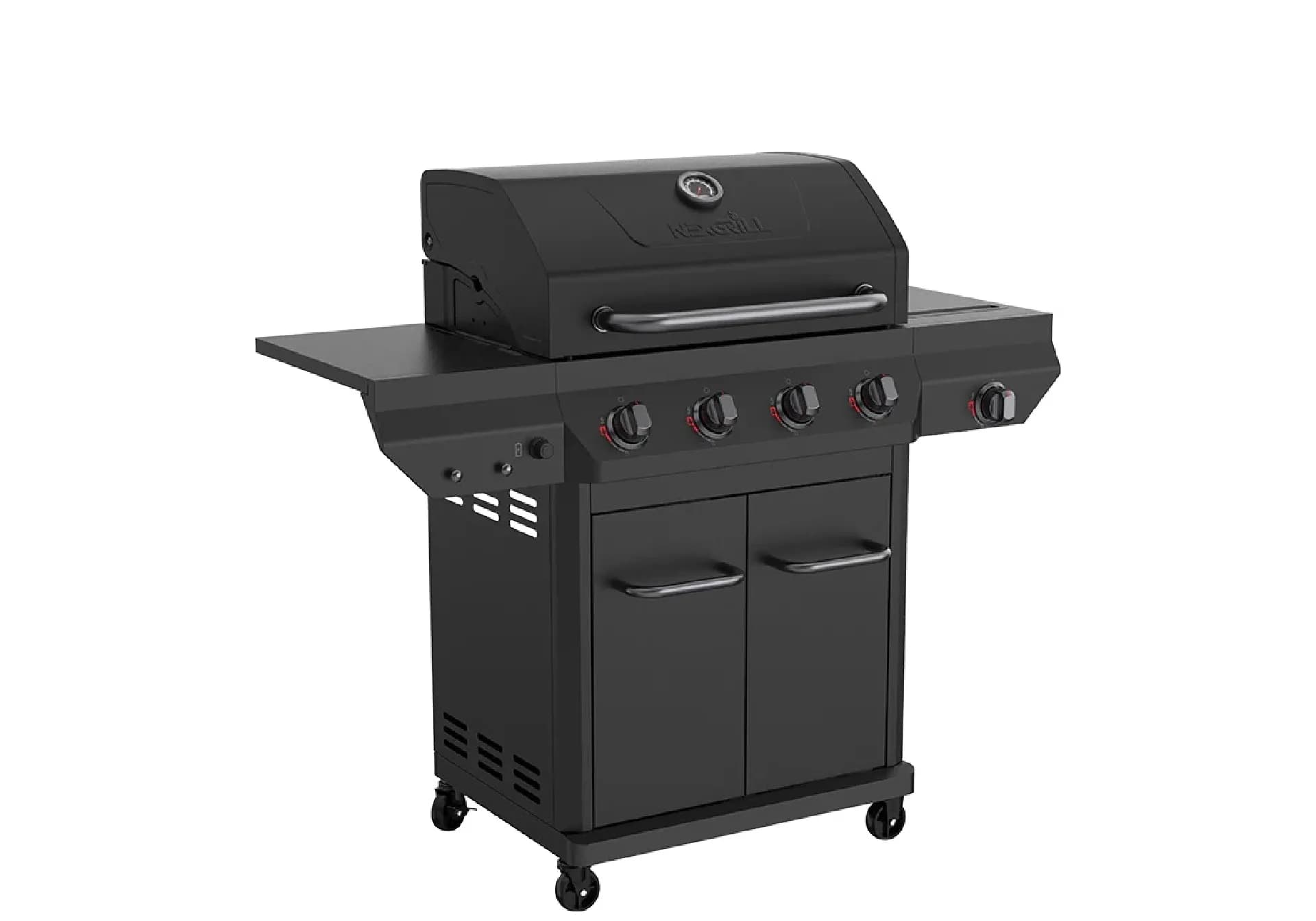
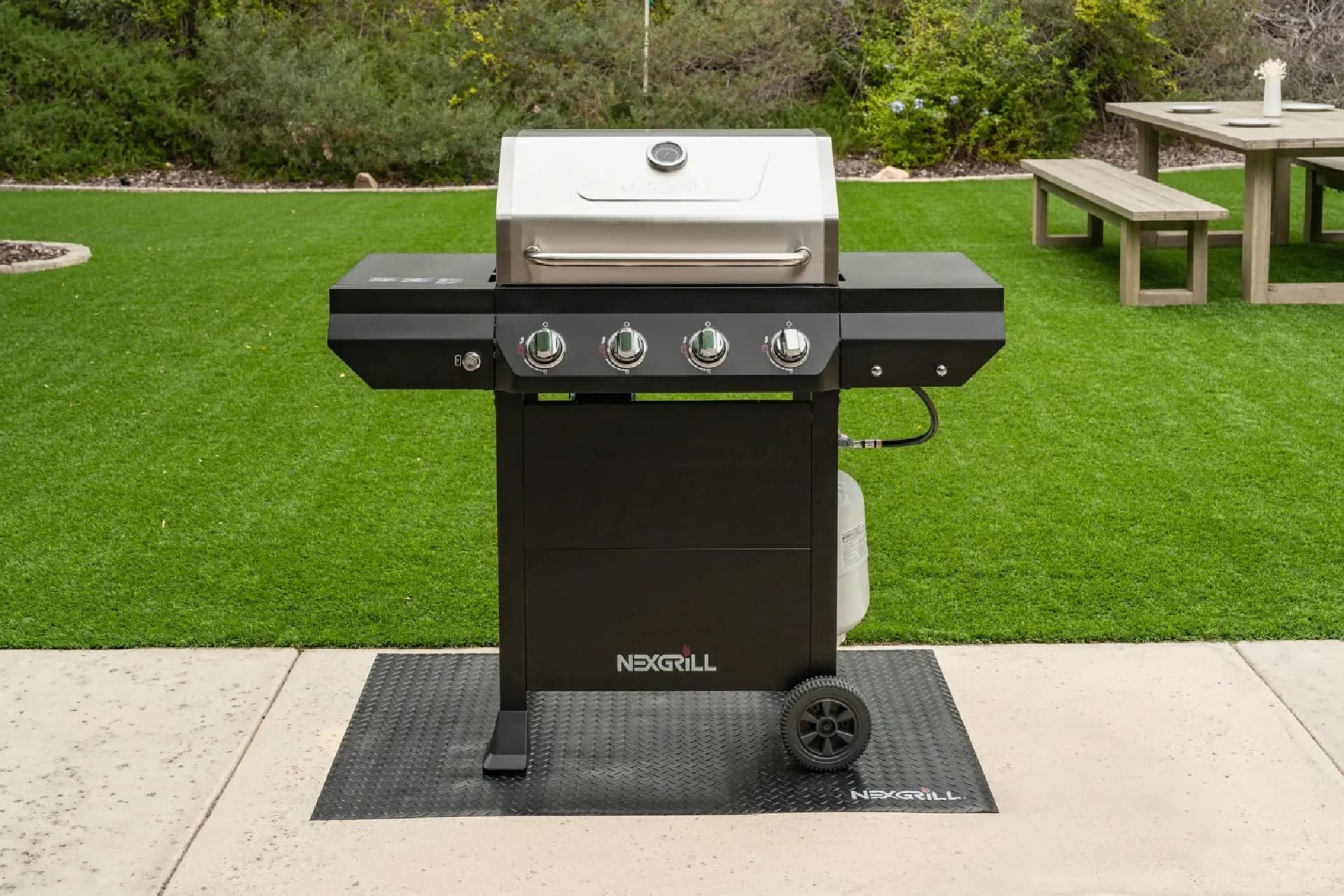
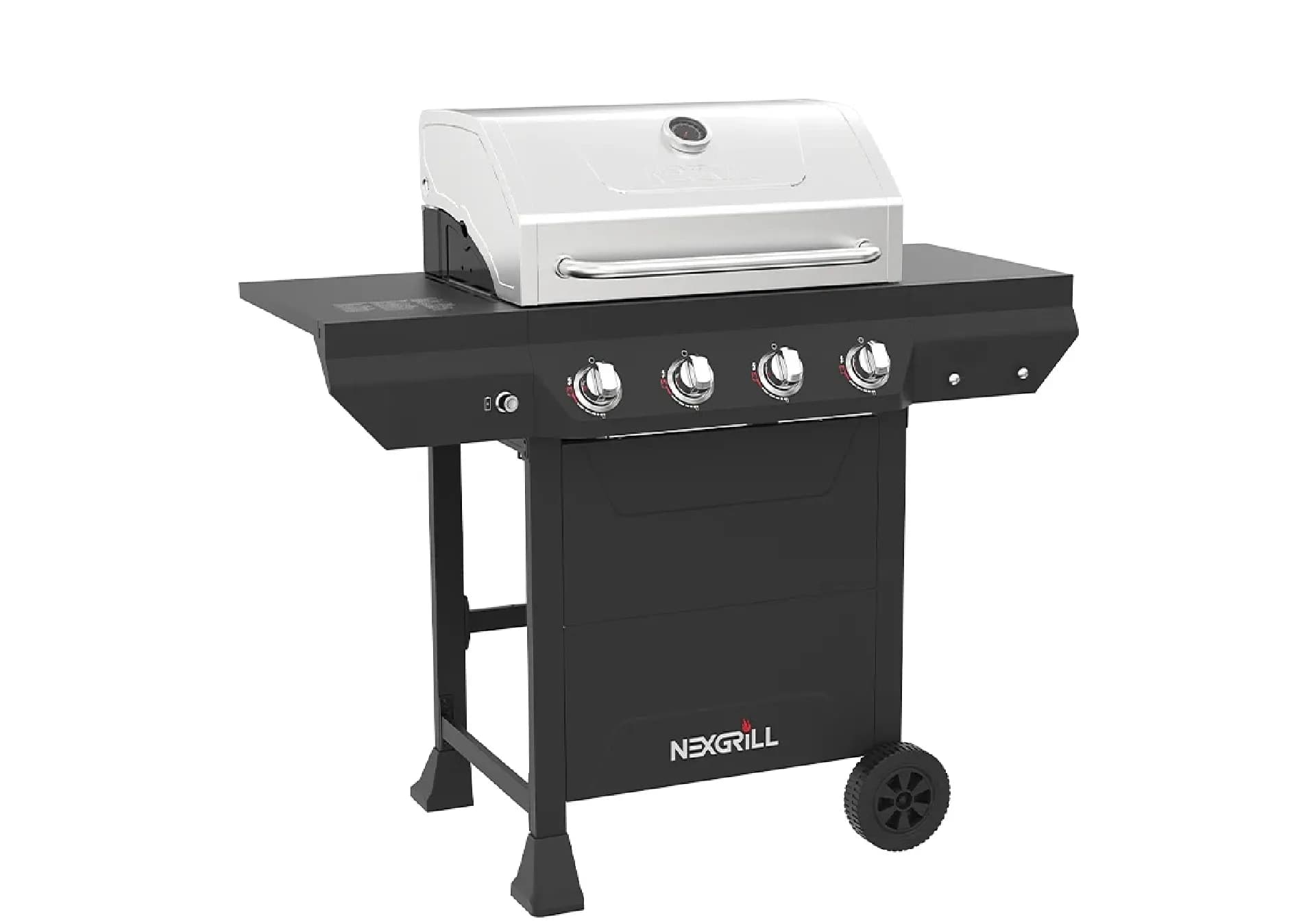
Another reason this category is so widely searched is that stainless steel is often associated with a cleaner look and easier wipe-downs. That can matter to buyers who keep their grill on a patio or deck where appearance matters just as much as output. But stainless steel finishes can vary from polished exteriors to mixed-material builds that only use stainless steel on the lid or control panel. Understanding those differences is essential before comparing prices. A model that looks premium in photos may not use the same grade or amount of stainless steel throughout the entire build.
Price Overview of 5-Burner Gas Grills
In the U.S. market, the price of a 5-burner stainless steel gas grill can vary widely depending on construction, included features, and retailer positioning. In practical terms, entry-to-midrange models often cluster in the lower several-hundred-dollar range, while more fully equipped stainless steel grills can move into the upper hundreds. Some premium versions with heavier-duty hardware, larger cooking areas, or advanced extras can go higher. The price spread is wide enough that the difference between two five-burner grills may be larger than the difference between a four-burner and a five-burner grill from the same brand.
| Price band | What you usually get | Best fit |
|---|---|---|
| $250-$400 | Basic stainless accents, smaller cooking area, simpler ignition and fewer extras | Occasional grillers, smaller budgets, first-time buyers |
| $400-$700 | More balanced construction, better burner layouts, side shelves, often a side burner or warming rack | Most families and regular weekend cooks |
| $700-$1,200+ | Heavier stainless steel use, larger cooking surface, upgraded grates and controls, stronger cabinet build | Frequent entertainers and buyers prioritizing durability |
Retail pricing also shifts with seasonal demand. In the United States, spring and early summer usually bring broader selection and more promotional activity, while late summer and holiday weekends can produce short-term discounts on closeout models. Major retailers like Home Depot frequently show a wide spread of gas grill price points across brands and feature sets, which makes it easier to compare category pricing in one place. Nexgrill’s all-products collection is also useful for seeing how the brand positions different outdoor cooking products and price tiers within its broader lineup .
A higher sticker price does not automatically mean a better grill. Pay attention to how much of the grill is truly stainless steel, not just the lid or front panel.
Two models at the same price may not deliver the same experience. One grill might save money with thinner steel and lighter grates, while another spends the budget on better burners or a more efficient layout. That is why price should be tied to the features that matter most to your cooking style. For example, if you do not use side burners, paying extra for one may not be worthwhile. On the other hand, if you regularly cook sauces, beans, or side dishes outdoors, the added cost can create real convenience. In a category as crowded as this one, the smartest shopper is not the buyer who finds the lowest price, but the buyer who understands why the price is what it is.
Key Features of 5-Burner Stainless Steel Gas Grills
The features inside a 5-burner stainless steel gas grill are what usually explain the price difference between a bargain unit and a more satisfying long-term purchase. The first spec most buyers notice is BTU output, but BTUs alone do not tell the full story. A grill with a high BTU number can still cook unevenly if the burners are poorly spaced or the firebox retains heat inconsistently. The better question is whether the grill creates usable heat where food actually sits. That includes the grate material, the coverage of the flame system, and whether the grill gives you enough room to set up direct and indirect heat zones.
| Feature | Why it matters | Price impact |
|---|---|---|
| Burner configuration | Affects heat zoning and flexibility for larger meals | Higher if burners are thicker or better spaced |
| Stainless steel coverage | Impacts appearance and resistance to rust on exposed parts | Higher when more components are stainless |
| Cooking surface | Determines how much food fits at once | Usually increases with larger size and price |
| Side burner | Helpful for sauces and side dishes | Adds to price, especially in midrange models |
| Ignition system | Affects startup convenience and reliability | Modest but noticeable price difference |
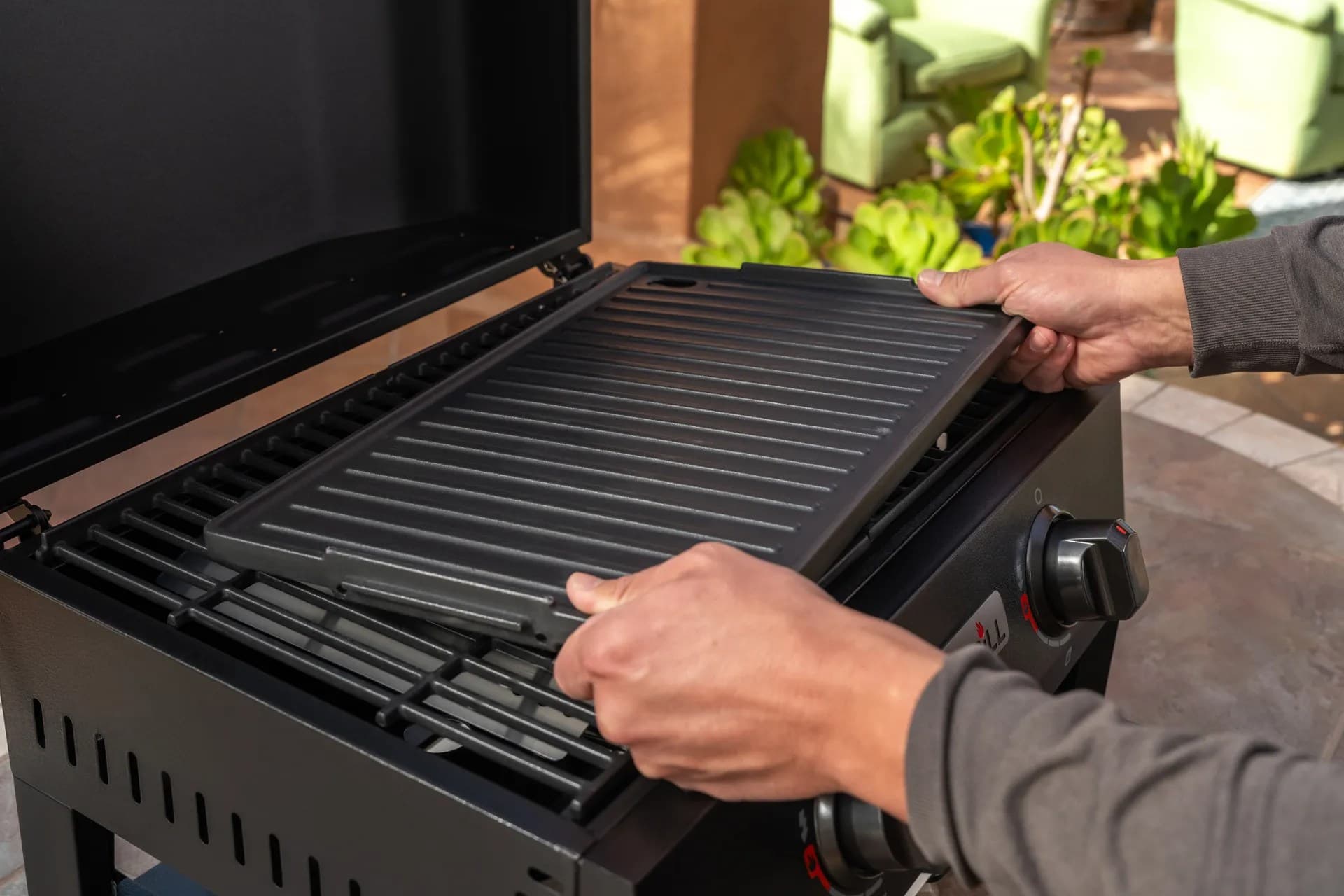
A five-burner grill often makes sense when you need cooking flexibility rather than just raw size. For example, if you are cooking chicken thighs on one side, vegetables on another, and keeping buns warm on a higher rack, multiple burners let you manage those tasks with more control. Stainless steel can also be useful here because it tends to clean easier after greasy or high-heat sessions, although surface quality and steel grade still matter. Buyers should look for details like porcelain-coated cast-iron grates, stainless steel rod grates, or heavy-duty fireboxes because those elements often influence how the grill feels after the first season of use.
If you cook for more than four people on a regular basis, prioritize cooking layout and grate quality over flashy knobs or cosmetic trim.
Propane and natural gas versions also affect the buying decision. Propane models are usually easier for homeowners who want flexibility and do not want to run a permanent gas line. Natural gas models can be more convenient for homes already equipped for it, because they remove the need to swap tanks. The grill itself may be priced similarly between fuel types, but accessories, hookup requirements, and conversion options can affect the total cost of ownership. Buyers should also check whether the grill includes foldable side shelves, storage cabinets, or a lid thermometer, since those features often influence daily convenience more than headline BTUs.
For shoppers focused on value, the best feature checklist is straightforward: solid burner construction, even heating, enough cooking area for your meals, and enough stainless steel to support easier maintenance without overpaying for unnecessary styling. More expensive grills tend to justify themselves when they solve multiple problems at once: easier cleanup, better airflow, improved heat control, and a more durable body. That is the kind of feature package that can be worth the premium, especially if you grill several times a week.
Comparative Analysis of Popular Brands
Comparing brands is where price becomes more meaningful, because different manufacturers emphasize different parts of the product experience. Some brands try to lead with low entry pricing, while others put more of the budget into cooking space or stainless steel components. In a category like this, shoppers often compare Nexgrill, Royal Gourmet, Kenmore, and store-brand options sold through major retailers. That comparison should go beyond the box price and into build approach, warranty language, parts availability, and how often owners mention heat consistency in reviews.
| Brand | Typical buyer appeal | Price-positioning note |
|---|---|---|
| Nexgrill | Value-focused outdoor cooking with a broad product range | Often competitive for feature set and size |
| Royal Gourmet | Feature-rich entry and midrange grills | Often attractive on upfront price, but construction varies by model |
| Kenmore | Mainstream shoppers shopping through big-box retail | Often positioned around recognizable retail value |
| Store-brand retail models | Price-first comparison shoppers | May be the lowest visible price but not always the best long-term value |
Nexgrill stands out in this comparison because the brand has a broad outdoor cooking portfolio that includes gas grills, griddles, pellet smokers, and charcoal models. That matters to shoppers who want to stay within one ecosystem over time, because it suggests a stronger focus on outdoor cooking as a category rather than one isolated product. The brand’s emphasis on accessible pricing and welcoming product range also fits buyers who are trying to balance affordability with dependable features .
Royal Gourmet can appeal to shoppers who like feature density for the dollar, but the buyer should read the fine print on materials and customer support. Kenmore often benefits from retailer visibility and familiar branding, which can make the purchase feel safer for shoppers who prefer a name they know. Store-brand grills may show a tempting sale price, but buyers should compare replacement parts, ignition design, and the sturdiness of the cart or cabinet before deciding. The most important takeaway is that brand reputation is helpful, but it is not a substitute for reading the actual product spec sheet and owner feedback.
If two grills look similar online, compare the thickness of grates, the amount of stainless steel used, and whether the cart feels stable. Those details usually separate a bargain from a regret.
Nexgrill shoppers can also use the brand’s all-products collection and retailer listings to see how different grills sit within the company’s broader lineup and market strategy. That makes it easier to compare a 5-burner stainless steel option against a smaller gas grill or a griddle if your actual cooking habits are changing. Try comparing two products side by side below to see which fits best:
User Reviews and Real-World Performance
Once you have compared two options side by side, the next question is how these grills behave after the first few cookouts. User reviews matter because stainless steel appearance and burner count can look impressive in a product listing, but day-to-day ownership reveals the details that pricing alone can hide. Reviewers usually comment on ignition reliability, heat spread, assembly time, grate thickness, rust resistance, and whether the grill feels sturdy when the lid is opened and closed repeatedly. For buyers researching a 5-burner stainless steel gas grill price, those comments can be just as valuable as the spec sheet because they help separate cosmetic value from functional value.
Consumer Reports is a strong benchmark source because it evaluates gas grills through structured testing rather than just star ratings, and that is useful when you are trying to understand why one grill costs more than another. Their reviews tend to reinforce a simple truth: cooking performance comes from the whole system, not from stainless steel alone. Heat consistency, control, and reliability matter more than shiny surfaces when you are actually cooking dinner for a family on a weeknight or preparing multiple proteins for a gathering. Retail reviews on large marketplaces can still be helpful, but they should be read with caution because they often reflect assembly frustration, shipping damage, or a narrow time window rather than long-term ownership.
| Review theme | What it often means in practice | How to interpret it |
|---|---|---|
| “Heats evenly” | The grill is easier to use for mixed meals and fewer hot spots | A strong sign that the burner layout and firebox design are working well |
| “Assembly took time” | The box may be large or instructions may be detailed | Not always a dealbreaker unless fit and finish are also poor |
| “Rust after one season” | Finish quality or care routine may be weak | Important for stainless steel buyers who expect outdoor durability |
| “Ignites quickly” | Convenience and repeatability are strong | A good sign for regular use and weekday grilling |
Real-world performance often depends on how well the grill matches the buyer’s habits. A reviewer who cooks once a month may love a budget model, while a family cooking four nights a week may notice flare-ups, uneven zones, or thin grates much sooner. That is why price should be evaluated against expected usage. If you are the kind of buyer who plans to grill every weekend, a modest jump in price for sturdier stainless steel, better burners, or a more stable cart can pay off in less frustration over time. If you only need something for summer holidays and occasional burgers, a lower-priced five-burner grill may still be enough.
The best review is the one that matches your use case. A “great for parties” rating means less if you mainly cook for two people on a small patio.
Price often tracks owner satisfaction when the grill delivers what the buyer expected. In other words, users are happiest when a grill feels sturdy, heats predictably, and is easy to clean after repeated use. Stainless steel surfaces help with cleanup, but they still need care to stay attractive and functional. Buyers should also pay attention to the cooking-grid material in reviews because this directly affects searing performance and cleaning difficulty. A grill that gets praise for “solid grates” and “easy start-up” often ends up feeling like a better deal than a cheaper model that saves money in the short term but disappoints in active household use.
The most useful way to read reviews is to sort them by themes rather than star counts. Look for repeated mentions of heat distribution, fit and finish, and longevity. A pattern of comments about uneven burners or thin cabinet metal should weigh more heavily than one or two complaints about assembly. Likewise, repeated praise for strong customer satisfaction around cooking performance is a useful signal that the grill earns its price in daily use. If you want a value-driven decision, prioritize the reviews that talk about what happens after the novelty of the purchase wears off.
Maintenance Tips for Stainless Steel Grills
Stainless steel grills can look excellent for a long time, but only if they are cleaned and protected correctly. Stainless steel is resistant to corrosion, not immune to it, and neglect can dull the finish or cause pitting over time. For a five-burner grill, maintenance is especially important because the larger cooking area produces more grease, more residue, and more surfaces that can collect moisture. Simple habits after each cookout can do a lot to preserve the value you paid for at purchase.
| Maintenance task | How often | Why it helps |
|---|---|---|
| Brush grates while warm | After most cookouts | Removes residue before it hardens and affects flavor |
| Empty grease management areas | Regularly | Reduces flare-ups and smoke buildup |
| Wipe stainless surfaces with a soft cloth | Weekly or as needed | Preserves finish and removes fingerprints and splatter |
| Inspect burners and ignition | At the start of the season | Helps catch wear or blockage early |
| Use a fitted cover | Whenever the grill is stored outdoors | Limits exposure to rain, dust, and UV |
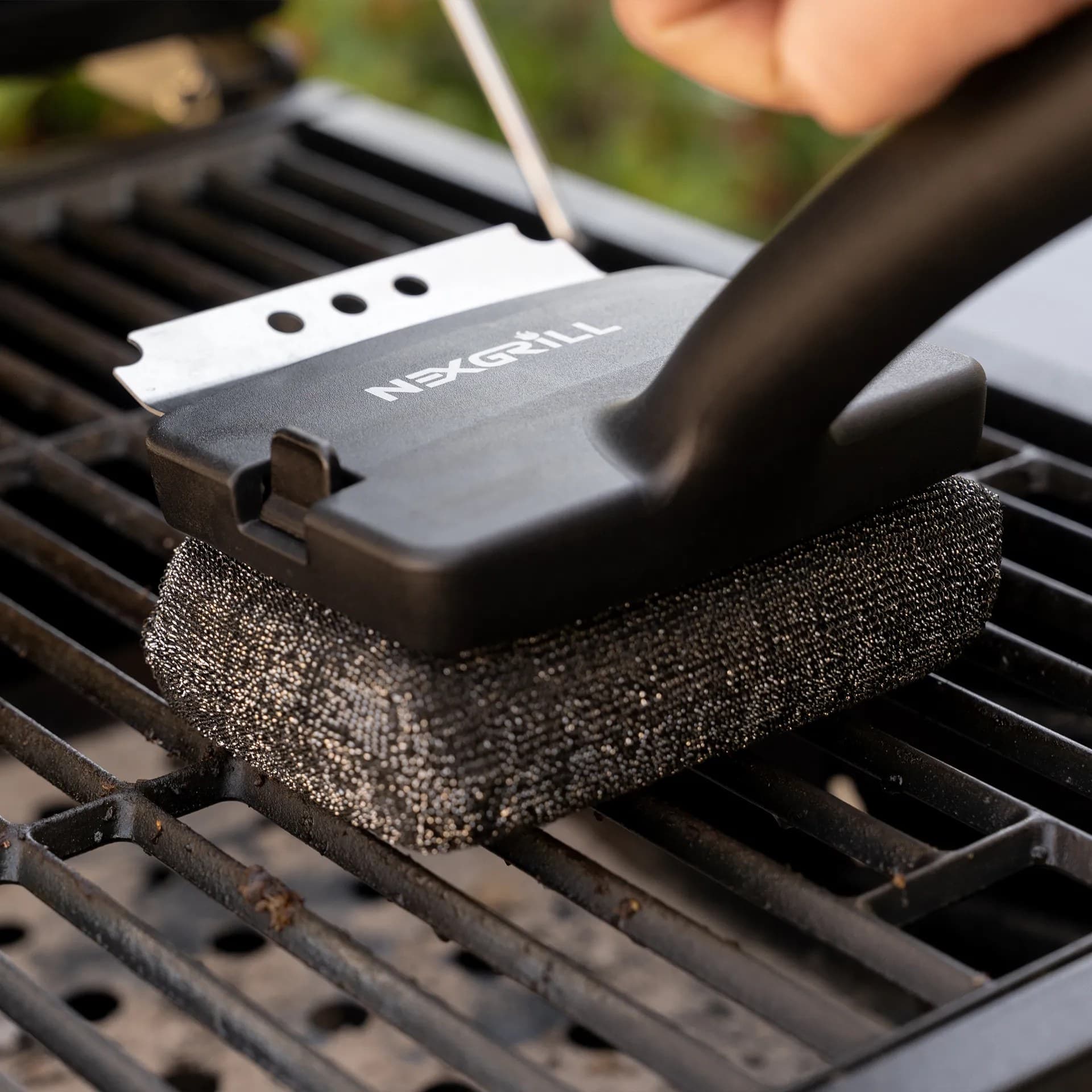
A good stainless steel cleaning routine starts with the grates and the grease tray. Food residue left behind can shorten the life of components and make the grill harder to use the next time. Warm surfaces are easier to clean, so brushing the grates shortly after cooking is usually more effective than waiting until everything cools. For the exterior, use a soft microfiber cloth and a cleaner made for stainless steel rather than abrasive pads that can scratch the finish. It is also wise to wipe in the direction of the grain when possible so the surface stays more uniform.
Do not let salty moisture or standing water sit on stainless steel surfaces for long periods. Even corrosion-resistant materials need routine drying and protection outdoors.
Internal care matters just as much as cosmetic care. Burners can become blocked by grease, spider webs, or debris, especially if the grill sits unused for weeks at a time. Checking burner ports and ignition components before peak grilling season can prevent frustrating startup issues. If your grill includes a side burner, that area should be cleaned too because sauce spills and food drips can harden quickly. Over time, a well-maintained grill also tends to feel safer and more predictable, which is one more reason the maintenance routine directly protects value.
If you want to extend the life of a higher-priced stainless steel model, think of maintenance as preserving resale value as well as performance. A clean grill that ignites reliably and still looks cared for is easier to enjoy season after season. That is especially true in the U.S. where outdoor cooking equipment is often used heavily from spring through fall and then stored through colder months. The better you protect the grill during downtime, the more likely it is to reward you when the next grilling season starts.
Conclusion: Value vs. Features in Your Purchase Decision
The best way to judge a 5-burner stainless steel gas grill price is to connect it to the experience you want after the purchase. If you want convenience, speed, and enough space to cook multiple dishes at once, a five-burner design can be a smart fit. If you want the easiest ownership path, choose a model with enough stainless steel to simplify cleaning, enough burner quality to stay consistent, and enough build strength to feel stable during regular use. That balance is where real value lives.
Nexgrill’s brand philosophy centers on approachable outdoor cooking and accessible pricing, which is useful for shoppers who want to compare value without overcomplicating the decision . But no single brand automatically wins for every buyer. The right choice depends on whether you care more about the lowest upfront cost, the most impressive feature list, or the best mix of durability and usability over time. For many households, the most satisfying purchase is the one that feels slightly more substantial than the cheapest model but stops short of paying for premium features that will rarely be used.
If you are deciding today, focus on three things: the amount of stainless steel used, the quality of the burners and grates, and whether the grill layout actually matches your cooking habits. Those factors will tell you more about value than the sticker price alone. Once you have narrowed your choices to two models, it becomes much easier to compare them side by side and see which one truly earns the extra dollars.