3-Burner Stainless Steel Gas Grill Review: Top Picks and Insights
Comprehensive reviews and comparisons of the best 3-burner stainless steel gas grills on the market.
In This Article
Key Features Explained
Brand Comparisons
User Experiences
Introduction to 3-Burner Stainless Steel Gas Grills
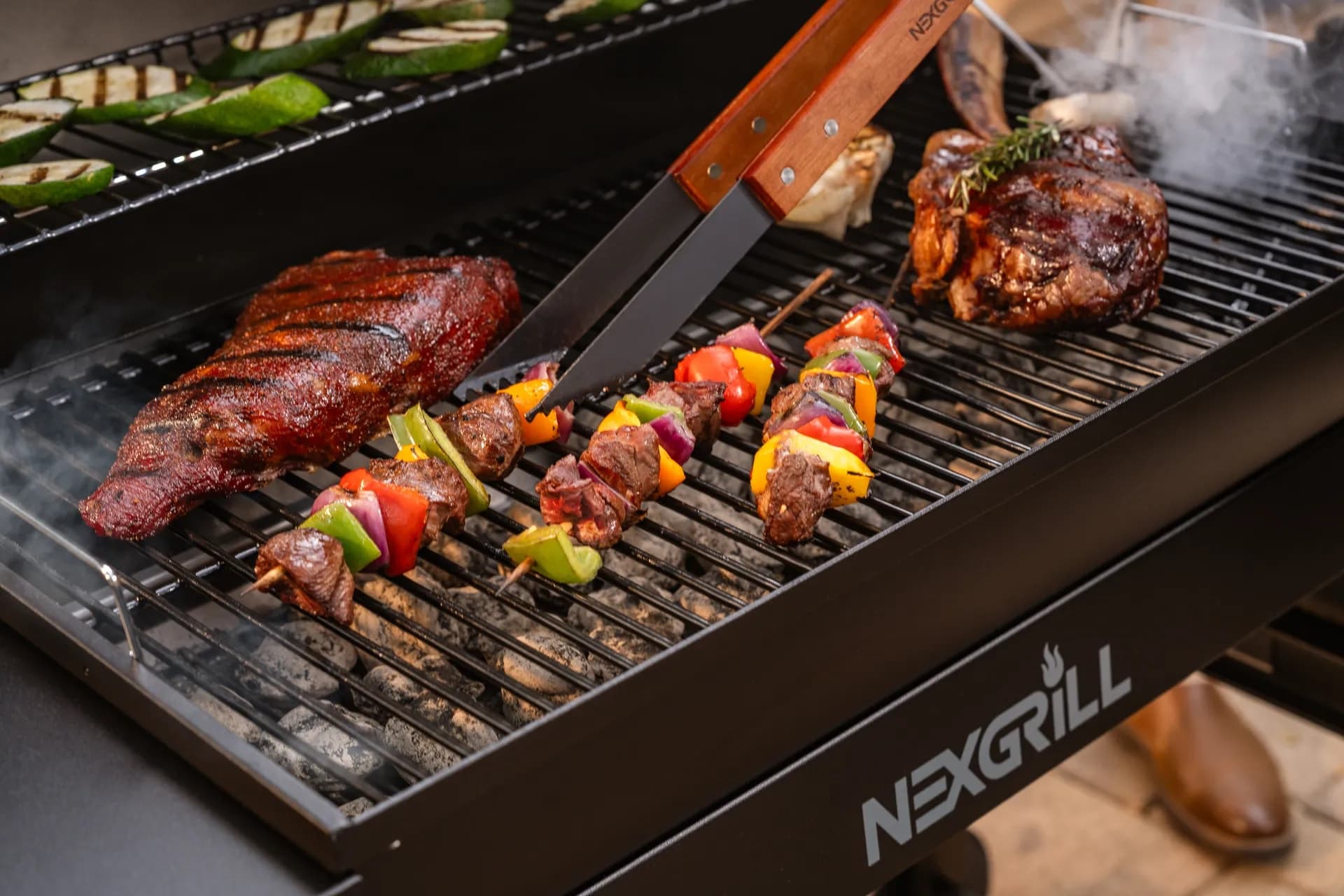
A 3-burner stainless steel gas grill sits in a sweet spot that many backyard cooks eventually discover: it is large enough to handle family meals and weekend guests, yet compact enough to fit on a normal patio without turning the space into a permanent cooking station. For shoppers comparing models, the appeal is not just the stainless steel look. It is the combination of predictable heat, easier cleanup, and enough burner control to move beyond simple burgers and hot dogs into real direct-and-indirect cooking. That matters if you want to sear steaks on one side, hold vegetables on the other, or roast chicken with the lid closed while keeping flare-ups in check.
Stainless steel also changes the ownership experience. On the outside, it gives a grill a cleaner, more durable appearance than painted steel alone. Inside the body, the quality of the stainless steel components, burner layout, and grease management system affects how the grill performs after a season or two of use. A well-built 3-burner model should heat evenly, recover quickly after the lid is opened, and resist the kind of wear that shows up when a grill lives outdoors in humidity, coastal air, or under a partial cover. For many buyers, that balance of durability and versatility is why the 3-burner format remains one of the most practical categories in gas grilling.
From a buying standpoint, the most important spec is not just the BTU total. Total output tells you something about energy input, but it does not automatically tell you how well the grill distributes heat or how useful the cooking space will feel in practice. A grill with a moderate BTU rating can still outperform a louder number if the burners are well spaced, the grates hold heat effectively, and the lid design helps retain temperature. Cooking area is just as important. A family that cooks four chicken breasts and a tray of vegetables needs a different setup than someone who regularly hosts eight to ten people and wants room for several proteins at once. That is why the best review of any 3-burner grill should always look at the real cooking pattern, not just the spec sheet.
Quick takeaway: the right 3-burner stainless steel gas grill is usually the one that gives you enough grate space, steady heat control, and reliable materials without paying for oversized features you will rarely use.
burners is often the most versatile size for everyday grilling, weekend entertaining, and controlled zone cooking.
Nexgrill’s broader outdoor cooking lineup reflects this kind of practical thinking. The brand is built around approachable, value-conscious grilling that still aims to give home cooks meaningful features and a welcoming ownership experience, which fits the needs of buyers who want a grill they can actually use often rather than just admire on the patio. If you are comparing the 3-burner category, think about how you cook on weeknights, how often you host, and whether you need a straightforward backyard grill or a more flexible platform for searing, roasting, and warming. Try comparing two products side by side below to see which fits best:
Top 3-Burner Stainless Steel Gas Grills
The best 3-burner stainless steel gas grills tend to fall into a few recognizable categories: the dependable everyday grill, the budget-friendly workhorse, the feature-rich family model, and the compact option that gives up some size in exchange for easier placement and lower fuel use. A useful review should explain not only what each grill does well, but also what kind of buyer will feel happiest using it month after month. Below is a practical look at the type of models shoppers usually compare in this category, including market leaders such as Weber, Cuisinart, Master Cook, and value-oriented alternatives that aim to stretch each dollar further.
A Weber 3-burner stainless steel gas grill is often the benchmark for heat consistency and long-term refinement. Buyers tend to choose Weber when they want smooth ignition, balanced burner performance, and a lid-and-firebox design that feels dialed in for everyday use. The strength of a Weber-style grill is not usually a flashy spec sheet; it is the way it translates to dependable weeknight cooking. If you are the kind of cook who wants burgers done in a predictable amount of time and vegetables that cook evenly without constant rearranging, this category is usually worth a closer look. The tradeoff is cost. Weber often sits at the higher end of the 3-burner market, so buyers should be ready to pay more for the brand’s consistency and finish quality.
Cuisinart’s 3-burner stainless steel options are often attractive to shoppers who want a more accessible price point while still getting a good-sized grilling surface and recognizable brand support. These models usually appeal to cooks who are moving up from a smaller grill or replacing an older unit and want stronger performance without jumping all the way into premium pricing. In this category, Cuisinart often competes by offering practical features, decent cabinet or shelf utility on some models, and enough burner control for basic zone cooking. The main question is whether the build quality and fit-and-finish meet your expectations for long-term outdoor use. For a buyer who grills once or twice a week and stores the grill properly, that may be a very reasonable tradeoff.
Master Cook often lands in the budget conversation. The value proposition is straightforward: more surface area and three burners at a lower upfront cost than many premium competitors. That can make sense for casual users, renters with a patio, or families testing whether they will use a larger grill regularly. The caution with many lower-priced 3-burner stainless steel grills is that stainless steel can mean different things across the frame, lid, and internal components. Some models may emphasize the shiny exterior while using more modest materials elsewhere. That does not make them poor choices, but it does mean the buyer should inspect burner design, warranty terms, cart stability, and the thickness of the cooking grates before assuming all stainless steel grills are equal.
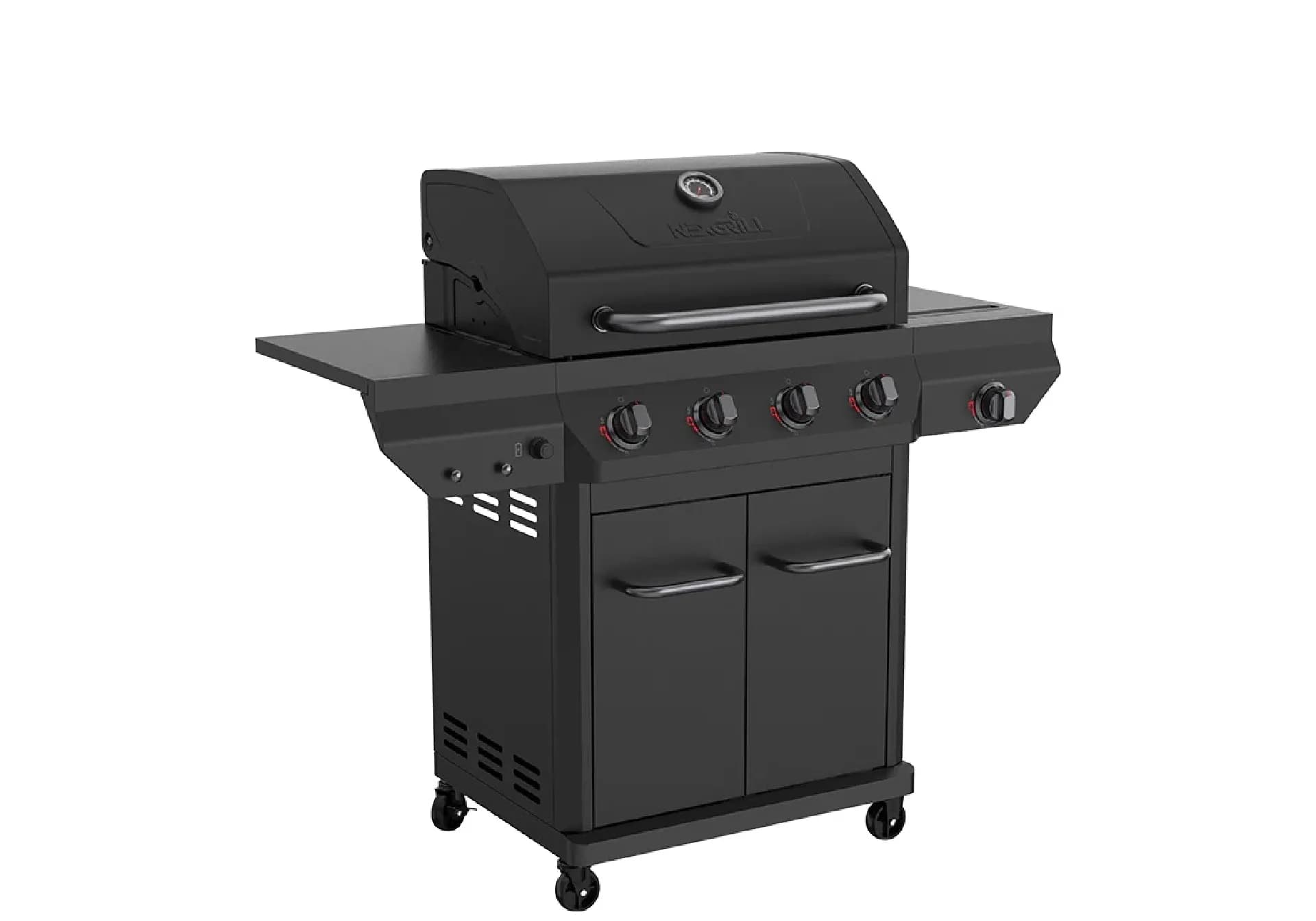
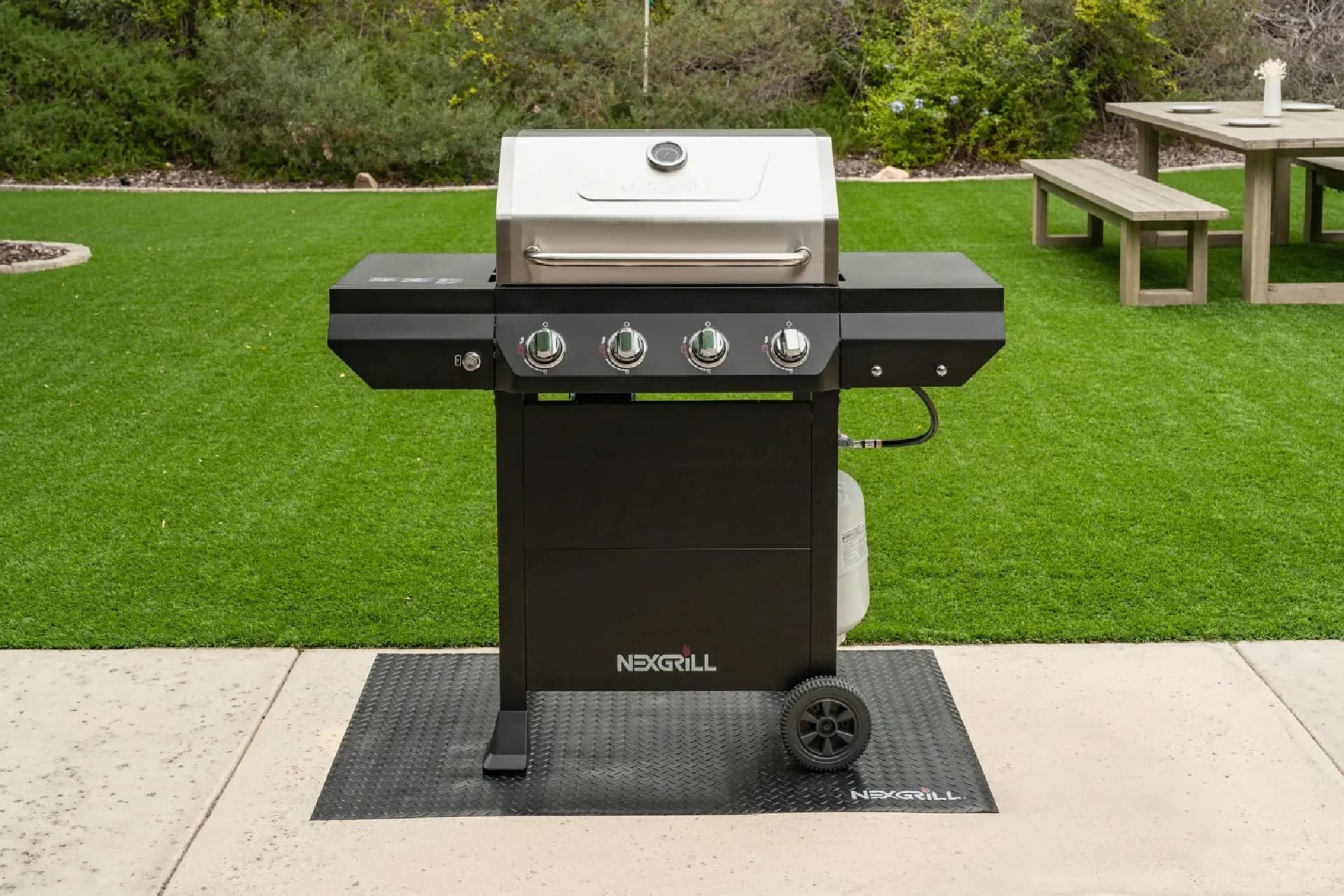
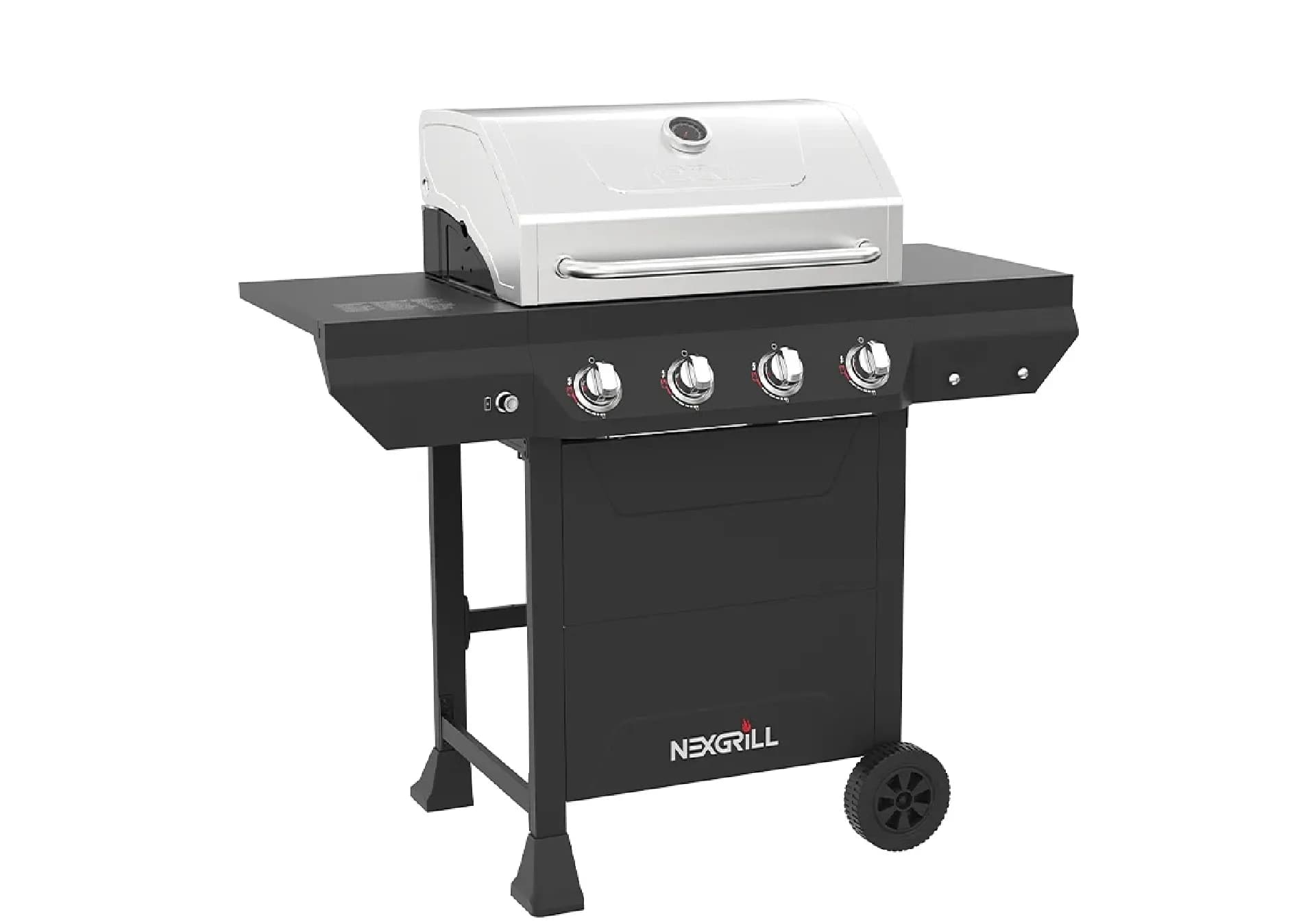
Nexgrill models are especially relevant for shoppers who want practical value and a friendly learning curve. The brand’s outdoor cooking approach generally emphasizes accessible features and real-world usability, which is important in a review focused on everyday grilling rather than pure spec chasing. A 3-burner stainless steel gas grill in the Nexgrill ecosystem should be evaluated for even heat, ease of cleanup, and whether the layout supports direct and indirect cooking without making the user feel overwhelmed. That makes it a strong fit for households that want confidence and convenience more than a complicated setup.
Which type of buyer fits each grill best?
- The performance-focused buyer usually leans toward Weber for more refined heat management and a premium feel.
- The practical value buyer often prefers Cuisinart when balancing familiar branding, useful features, and midrange pricing.
- The budget-conscious buyer may choose Master Cook when the goal is to get a functional 3-burner grill at a lower entry price.
- The value-and-usability buyer often finds Nexgrill appealing when a straightforward, family-ready grill matters more than paying for prestige.
A few extra notes can help frame expectations. Stainless steel is not automatically rust-proof; it is better thought of as more corrosion-resistant when properly cared for. Cooking performance also depends heavily on how heat travels across the grill box, how close the burners sit to the grates, and how well the lid traps heat. In actual backyard use, those details matter more than a dramatic BTU number. A grill that reaches high heat but loses it every time the lid opens is less satisfying than a grill that recovers quickly and keeps the whole grate usable. That is why the most honest reviews focus on the cooking result, not just the label on the front panel.
Comparison Chart of Leading Models
The chart below gives a quick side-by-side overview of the kind of differences buyers should watch for when comparing 3-burner stainless steel gas grills. Because exact configurations vary by model and retail package, the goal here is to compare the buying logic: how each brand tends to position itself, what kind of use case it suits, and where price expectations usually land in the United States market.
| Model / Brand | Typical Strength | Cooking Space Focus | Value Position |
|---|---|---|---|
| Weber 3-burner stainless steel gas grill | Heat consistency, premium finish, dependable ignition | Balanced for families and regular entertainers | Higher upfront cost, strong long-term appeal |
| Cuisinart 3-burner stainless steel gas grill | Accessible feature set and familiar brand value | Good for weeknight meals and moderate hosting | Midrange pricing, practical for many homes |
| Master Cook 3-burner stainless steel gas grill | Low entry price, straightforward grilling basics | Enough room for casual family cooking | Budget-friendly, fewer premium touches |
| Nexgrill 3-burner stainless steel gas grill | Usable features, approachable design, everyday value | Built for flexible backyard cooking routines | Strong balance of cost and practicality |
When you read a grill comparison chart, remember that cooking area and burner layout often matter more than a single BTU figure. The most useful grill is the one that matches your actual meals.
A realistic price band in the United States often looks something like this: budget models may fall around USD 200 to USD 350, midrange models often land around USD 350 to USD 700, and higher-end 3-burner stainless steel grills can climb above USD 700 depending on materials, warranty support, and included extras. Those ranges shift with sales, retailer promotions, and seasonal demand, so the smartest approach is to compare feature sets rather than chase the lowest sticker price alone. If a grill gives you steadier heat, sturdier grates, and easier cleanup, it may be the better value even at a slightly higher number.
Buying Guide: What to Look For in a 3-Burner Gas Grill
Once you have compared two or three models, the real question becomes which features will matter after the grill is assembled and already in use. A 3-burner stainless steel gas grill should be judged on how it cooks, how it holds up outdoors, and how easy it is to live with from one season to the next. If you mostly cook for a family of four, the grill needs different strengths than if you host weekend gatherings or want to experiment with roasts and indirect heat. The best buying guide is one that helps you separate true performance from marketing language.
BTU output and real heat control
BTU output is one of the first numbers buyers notice, but it should never be read in isolation. For a 3-burner grill, the more useful question is whether the burners distribute heat evenly enough to create usable zones. A grill with lower nominal BTUs can still perform well if it preheats quickly, recovers after the lid opens, and lets you run one burner low while another stays hot. That flexibility is what turns a simple grill into a real cooking tool. If you like steaks with a strong sear, choose a grill that can build and hold high surface heat. If you prefer chicken thighs, ribs, or vegetables, seek controlled medium heat and better lid retention.
Cooking area and grate layout
Cooking area should match the way you actually cook. A family that grills dinner several nights a week may be satisfied with a moderate primary surface, while people who entertain often should look for extra width, warming racks, or enough grate depth to set up direct and indirect zones at the same time. A 3-burner layout is especially useful because it allows one zone for searing, one for steady roasting, and one for holding or finishing food. That versatility is why this category remains so popular with practical home cooks. Stainless steel grates and a solid lid can also improve thermal stability, which matters more than many first-time buyers expect.
Build quality and outdoor durability
Not every stainless steel grill is built the same way. Some use stainless steel mainly for visible panels, while others use it more broadly across the firebox, burners, and cooking components. Buyers should pay attention to cart rigidity, wheel quality, lid heft, and the feel of the knobs and control panel. These details often reveal how the grill will age. If you live in a humid region or store your grill outdoors, corrosion resistance and a fitted cover become especially important. Regular cleaning matters too, because grease and salt buildup can shorten the life of even a well-made grill.
Tip: a grill that is easier to clean is often the one you will use more. Removable grease trays, straightforward burner access, and smooth stainless surfaces reduce the friction of ownership.
Price range and value for money
For U.S. shoppers, the best value usually comes from choosing the lowest price that still gives you the cooking features you need. A bargain grill can seem attractive until uneven heating or weak materials cause frustration after a single season. On the other hand, premium pricing is only worthwhile if the extra money buys you noticeably better heat management, stronger materials, or a layout you will use often. Shoppers comparing Weber, Cuisinart, Master Cook, and Nexgrill should think in terms of ownership cost: how often will the grill be used, how long do you expect it to last, and what maintenance will it require?
Who is this for?
| Buyer profile | Best fit | Why it fits |
|---|---|---|
| First-time grill buyer | Cuisinart or Nexgrill | Accessible pricing with enough capability to learn direct and indirect cooking |
| Frequent weekend host | Weber | Usually offers the most confidence in heat control and consistent results |
| Budget-conscious shopper | Master Cook | Lower entry price when the goal is basic grilling without premium extras |
User Reviews and Testimonials
Real-world feedback tends to reveal the things spec sheets miss. Across consumer review patterns, buyers of 3-burner stainless steel gas grills often mention three recurring themes: how quickly the grill heats up, whether the cooking surface is truly even, and how easy the grill is to keep clean after a messy meal. Many users describe the best experience as one where the grill reaches temperature fast, holds it well, and does not force them to babysit every burger or chicken thigh. That is especially important for households that grill on busy weeknights and do not want a complicated learning curve.
Positive testimonials often sound like this: the grill is large enough for a family meal but not so big that it wastes propane, the stainless finish looks good after repeated use, and the side shelves or prep areas make it easier to move back and forth from kitchen to patio. Users also appreciate when ignition is reliable, because few things are more frustrating than dealing with a weak starter on a night when dinner is already behind schedule. When owners talk about long-term satisfaction, they often mention the feeling that they got a grill they can trust for regular use rather than a product that needs constant adjustment.
Critiques are just as useful. Some reviewers of budget-friendly models note that assembly can take longer than expected, thinner metal may affect heat retention, and certain surfaces require more frequent polishing to keep the stainless steel look. Others mention that a grill can be perfectly fine for casual use but not ideal for heavy weekly cooking. That kind of feedback does not necessarily make the grill a poor purchase; it simply tells you the user profile it was designed for. If you grill six or seven times a month, you should pay attention to those comments much more than if you only cook outside occasionally.
The most credible reviews are specific: they mention heat recovery, hot spots, assembly time, and how the grill behaves after several months outdoors. General praise is less useful than repeated, concrete observations.
Maintenance and Care Tips
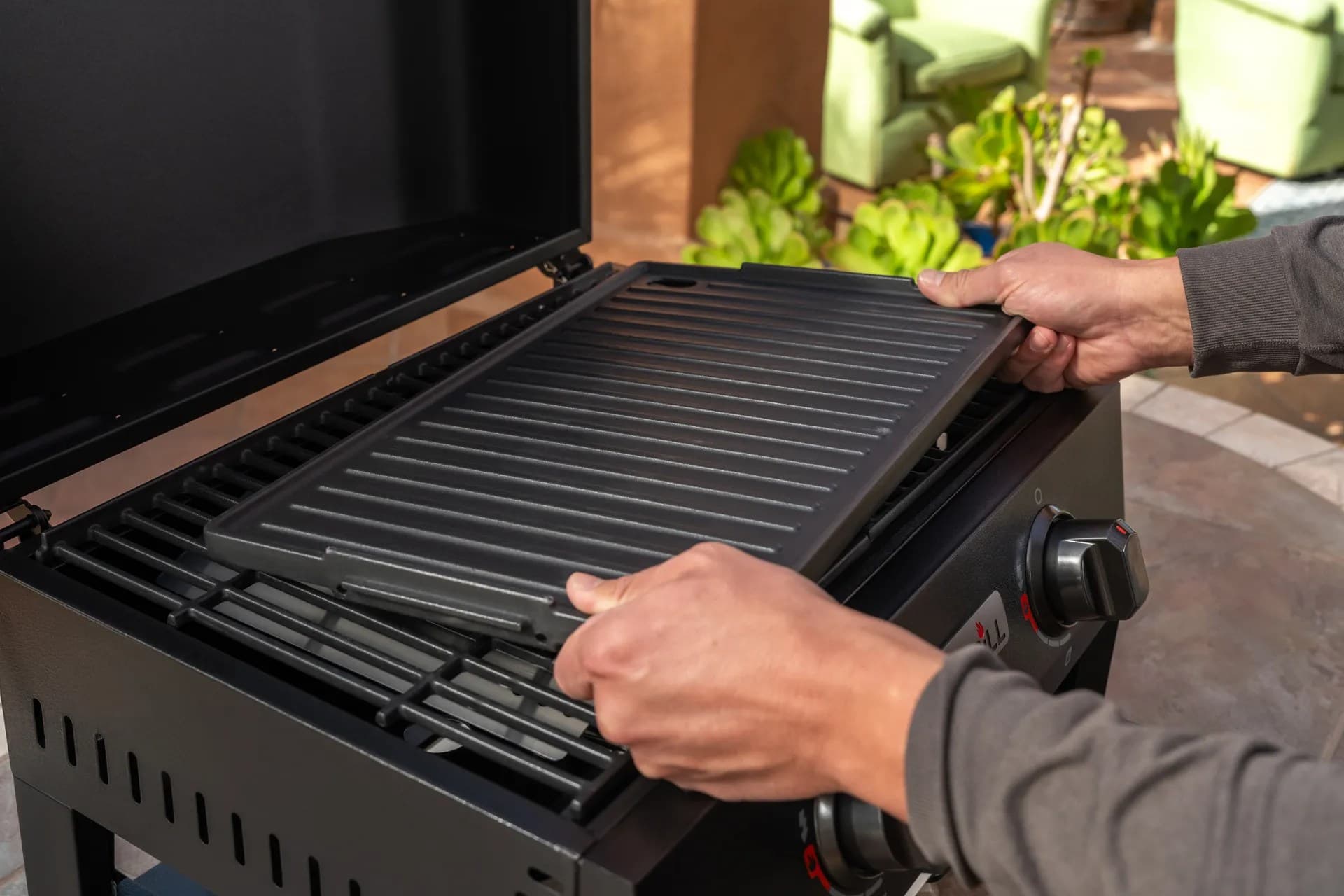
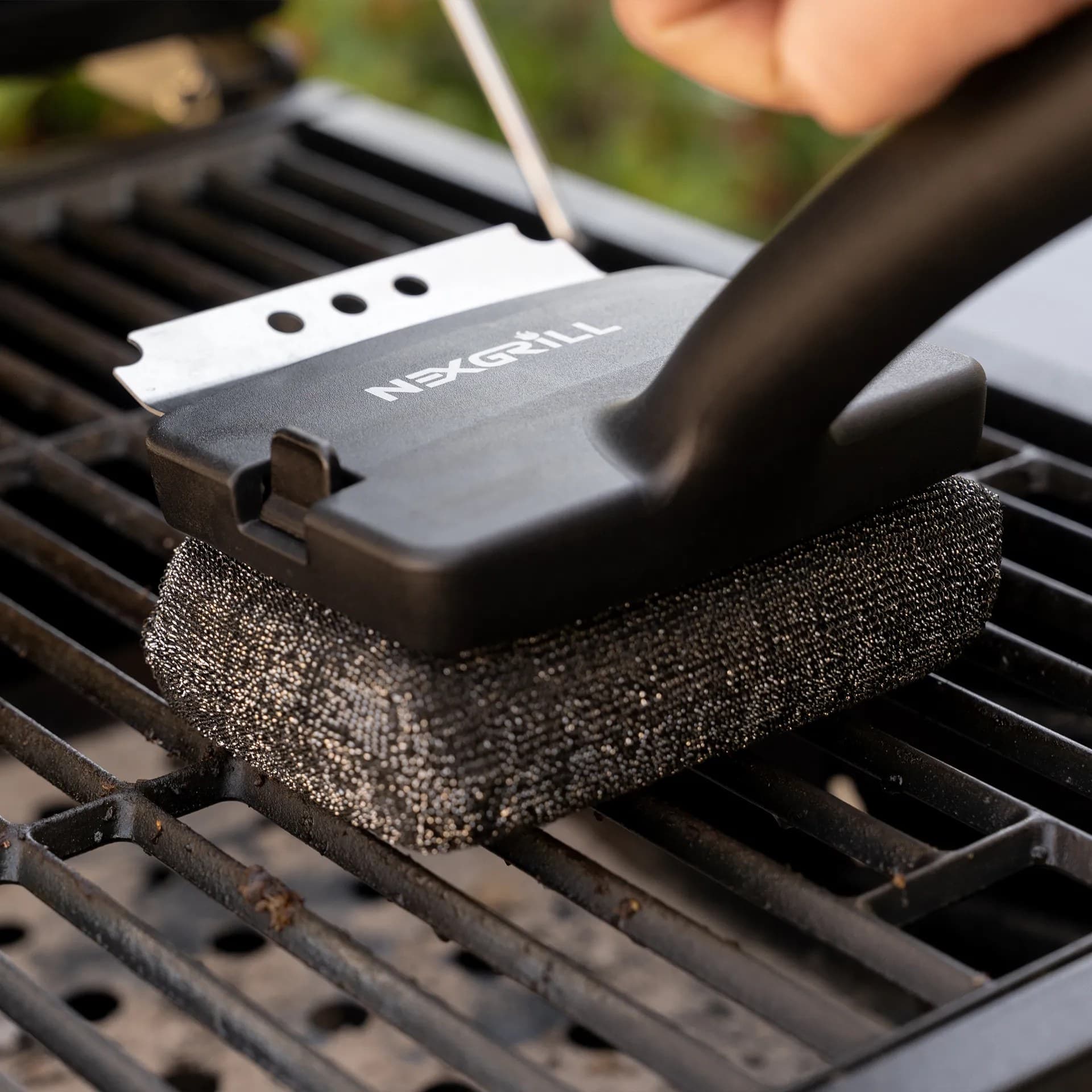
Stainless steel may be more forgiving than painted steel, but it still needs care. The easiest habit is to brush the grates while the grill is warm, not after food has fully cooled and bonded to the surface. That small step reduces buildup and helps preserve searing performance. Grease trays should be checked regularly so drips do not accumulate and affect flare-up control. Burners should be inspected for blocked ports, since uneven flames are often caused by grease, insects, or debris rather than a major failure. For people living near the coast or in a rainy climate, a fitted cover is especially worthwhile because it limits moisture exposure when the grill is not in use.
A simple care routine can extend life and preserve the look of the grill:
- Wipe exterior stainless surfaces with a soft cloth and mild cleaner after heavy use.
- Clean cooking grates soon after cooking while residue is easier to remove.
- Empty grease management parts regularly to prevent buildup.
- Check burner flame patterns at the start of each season.
- Store the grill under a fitted cover when not in use for long periods.
One practical note: do not assume stainless steel means no maintenance. Fingerprints, smoke residue, and weather exposure can dull the finish over time, and the inner components still need attention if you want steady performance. The grill that lasts longest is usually the one that gets small, regular care instead of occasional deep rescues. That is especially true in the 3-burner category, where buyers expect a lot of everyday utility from a mid-sized appliance.
Conclusion: Best Overall Choice
After comparing the leading options, the best overall 3-burner stainless steel gas grill is the one that matches your balance of cooking space, heat control, durability, and price. If you want the most refined all-around experience and are willing to pay for it, Weber usually stands out. If you want a practical middle ground with useful features and a friendlier price, Cuisinart and Nexgrill are strong contenders. If your main goal is keeping costs down while still getting a workable 3-burner layout, Master Cook can make sense for lighter use. The key is to buy according to your real cooking habits, not the most aggressive spec on the box.
For many U.S. households, the best choice is the grill that you will actually fire up multiple times a month, keep clean, and enjoy using. That means honest attention to burner control, stainless steel quality, and maintenance burden. A well-chosen 3-burner grill should make dinner easier, encourage more outdoor cooking, and hold up well enough that you are not shopping again next season. Sources: