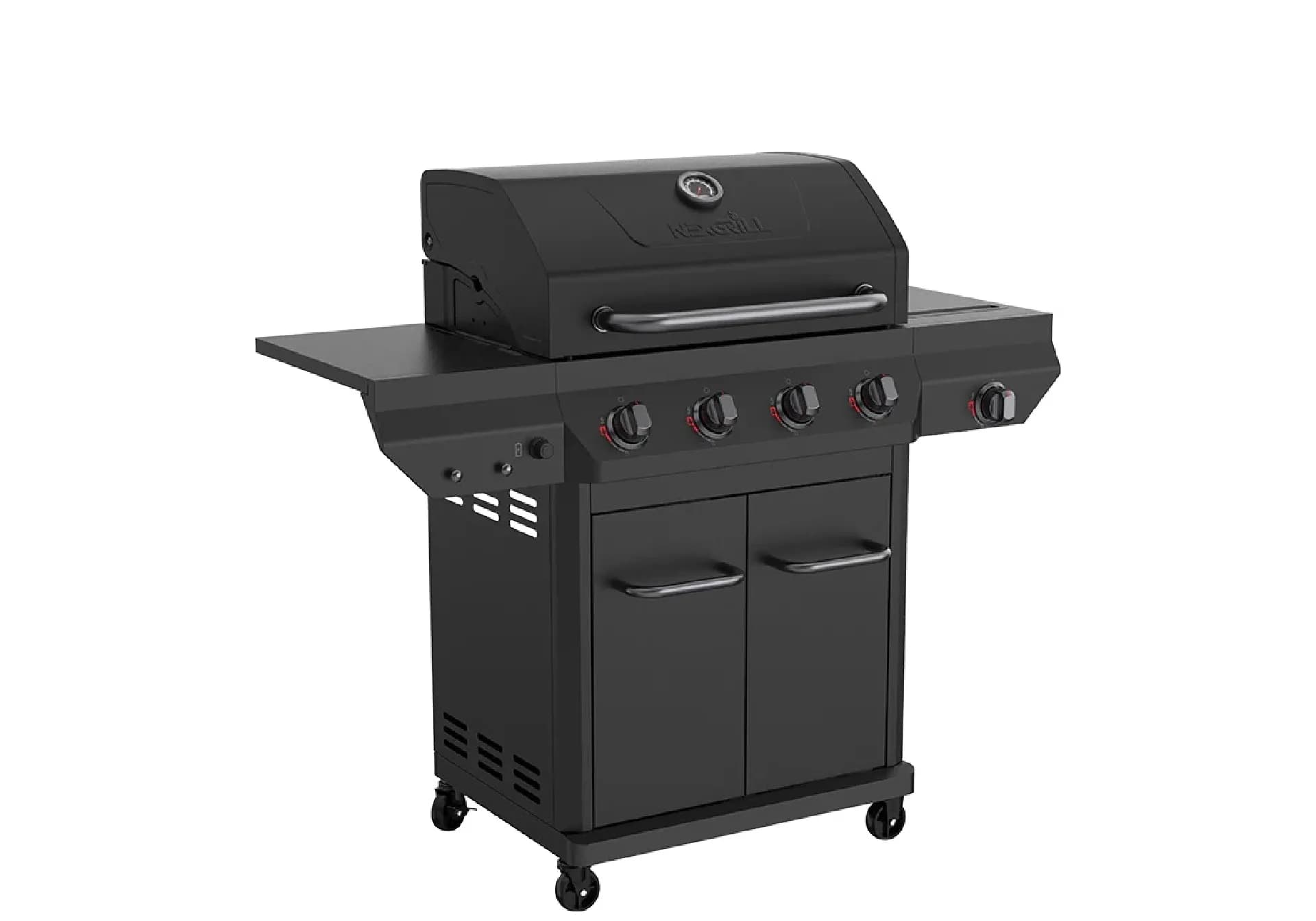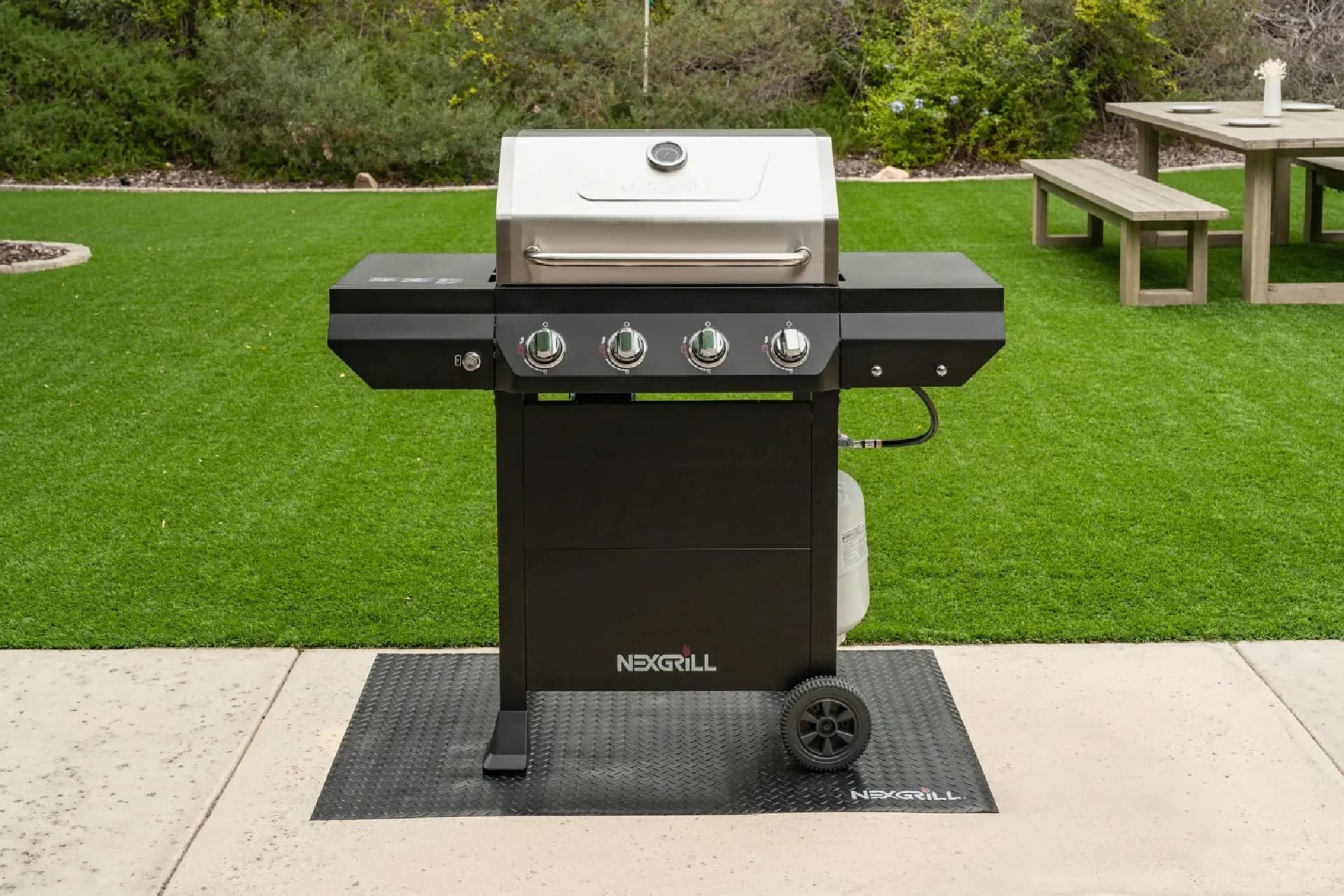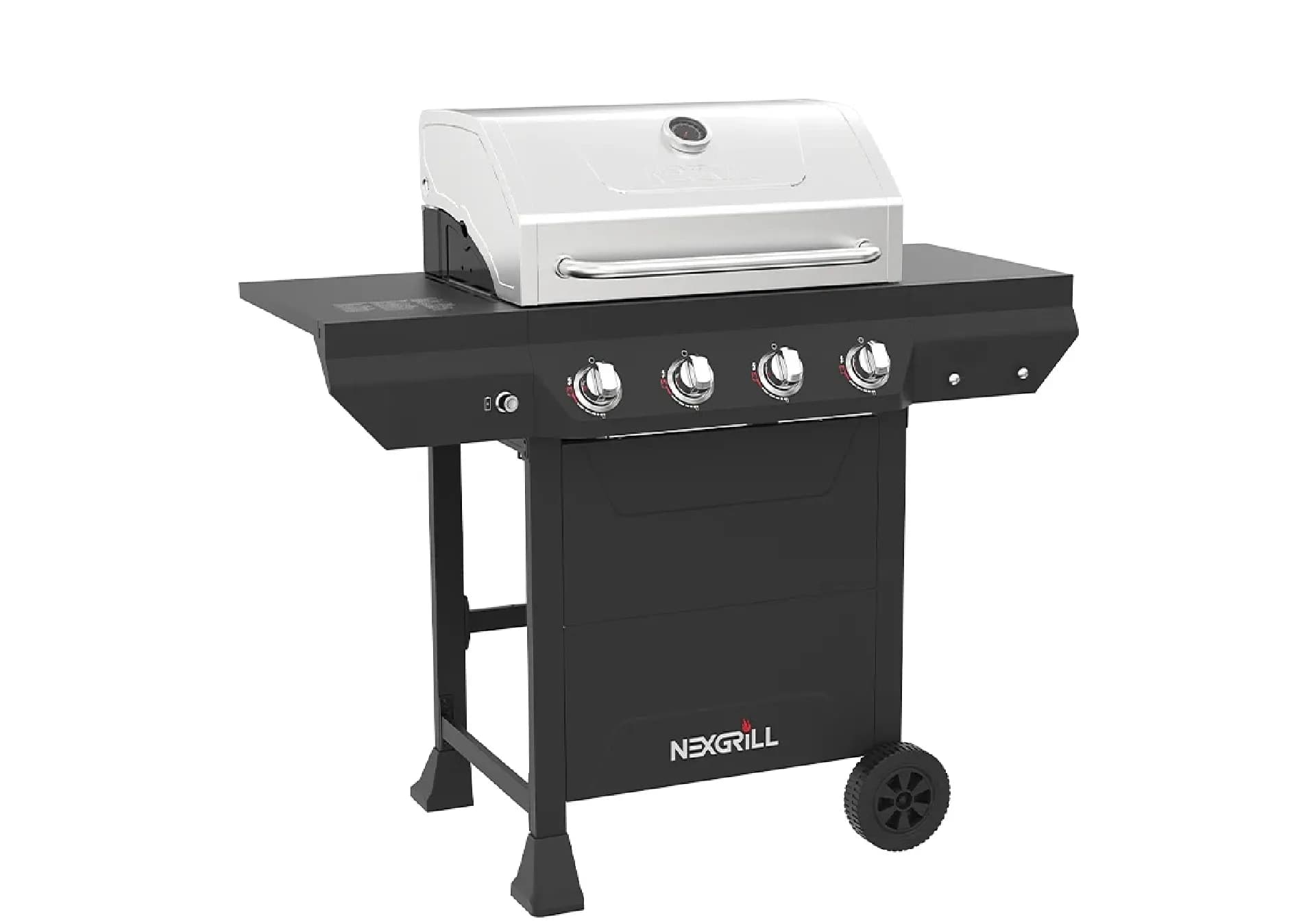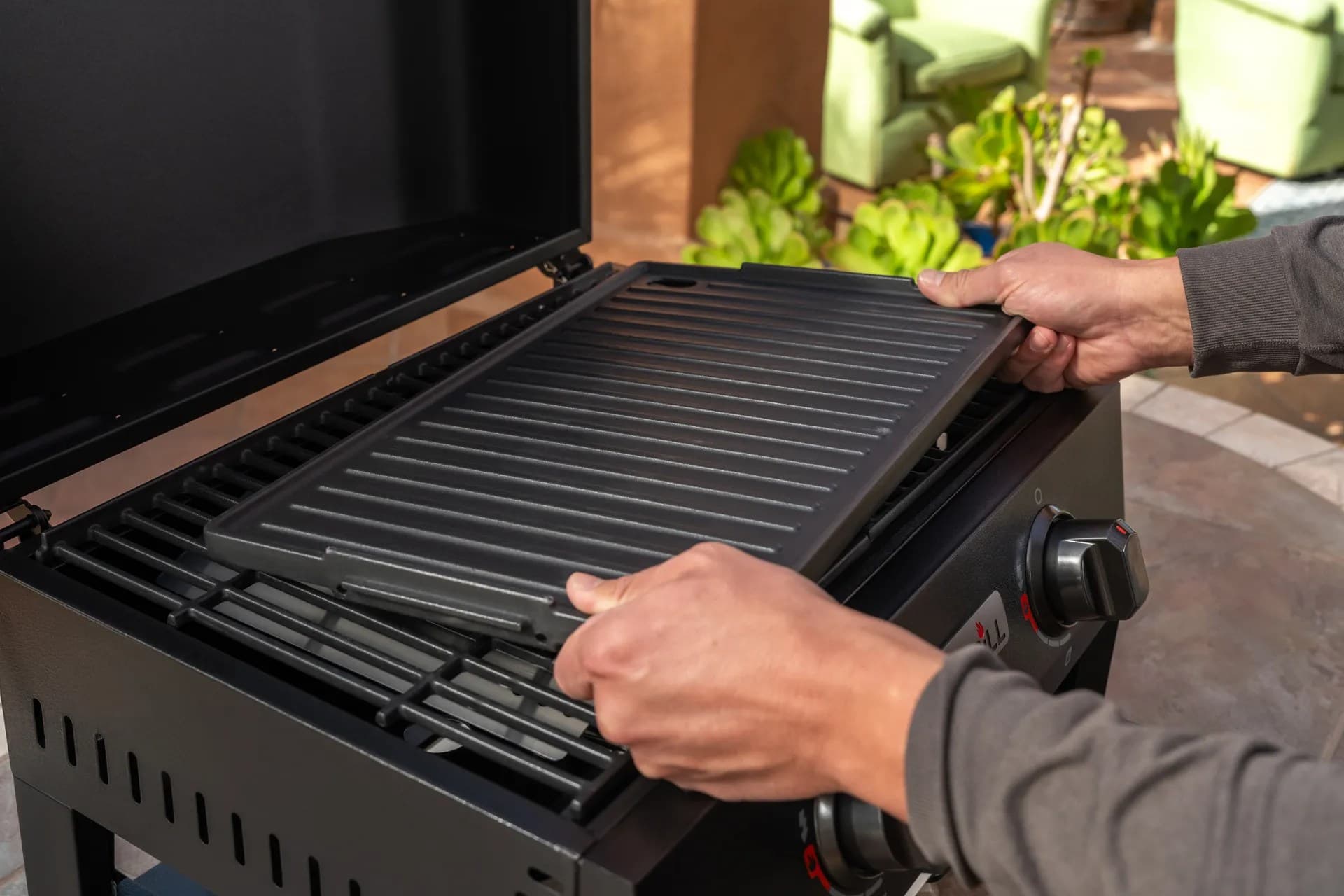
The Definitive Guide to 3-Burner Stainless Steel Gas Grills
Explore key features, top brands, and maintenance tips for your next grill.
In This Article
Key Features
Brand Comparisons
Maintenance Insights
Introduction to 3-Burner Stainless Steel Gas Grills
A 3-burner stainless steel gas grill sits in a very useful middle ground for U.S. backyard cooking. It is large enough to handle weeknight dinners for a family, weekend burgers for friends, and a few side dishes at the same time, but it usually avoids the bulk, fuel use, and patio footprint of a bigger 4- or 5-burner model. For many buyers, that balance matters more than chasing the biggest grill on the block. The stainless steel construction adds another layer of appeal because it can resist corrosion better than painted steel when it is cared for properly, which is important in humid climates, coastal areas, or any backyard that sees frequent weather changes.
If you are shopping for a 3-burner stainless steel gas grill, you are probably trying to solve a practical problem: you want dependable heat, enough cooking space to feed people comfortably, and a build that does not look tired after one season outdoors. That is why this category is often evaluated less like a luxury purchase and more like an everyday workhorse. The best models in this space are not only judged by how hot they get, but by how evenly they cook, how easy they are to clean, and how well the parts hold up when grease, moisture, and repeated heating cycles start to test the finish.
A good 3-burner grill should feel simple to live with: quick ignition, enough zone control for direct and indirect cooking, and materials that do not demand constant babying.
Brand positioning also matters here. Nexgrill’s own brand story emphasizes approachable outdoor cooking, dependable products, and a welcoming grilling experience for different budgets and skill levels, which fits the practical expectations most shoppers have in this category. Nexgrill describes itself as an outdoor cooking brand built around inclusion, togetherness, and accessible value, rather than a niche luxury identity . That perspective is useful because many 3-burner buyers are not searching for one-off showpieces; they want a grill they can actually use often.
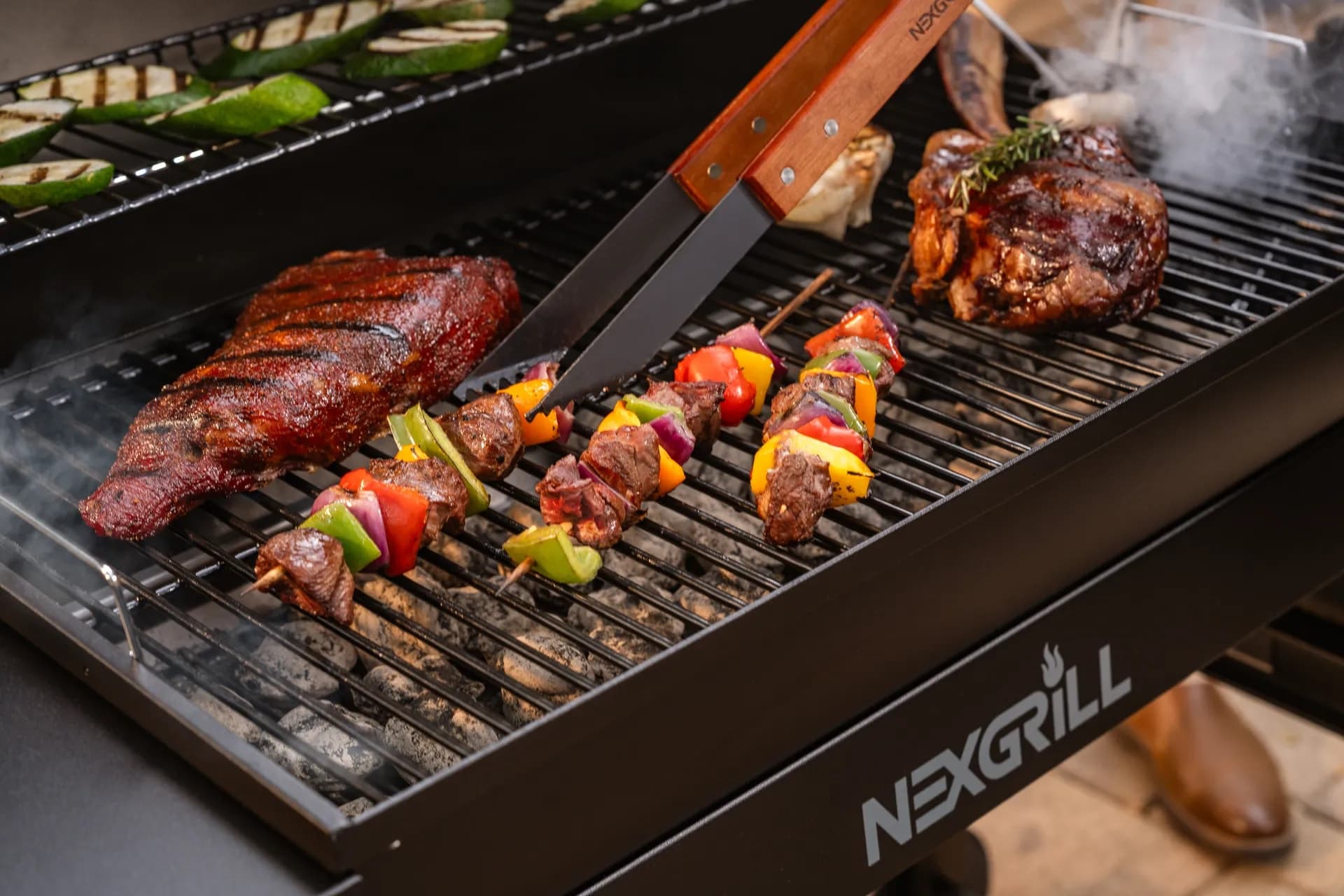
The most helpful way to think about this category is to view it as a daily-use platform. A 3-burner stainless steel gas grill should give you flexibility to sear steaks on one side, keep vegetables warm on another, and still have room for buns or sauce pans without feeling cramped. The stainless steel body and lid often improve the perceived quality, but the real test is whether the grill delivers repeatable results after the honeymoon phase fades. That is where burner layout, grate quality, and heat management become more important than flashy specifications.
Key Features to Consider
When buyers compare 3-burner stainless steel gas grills, three features usually decide whether a model feels like a smart buy or a compromise: cooking area, heat output, and the quality of the materials you touch every time you grill. A compact 3-burner grill can still be excellent if it gives you a usable layout, stable grates, and enough shelf space to manage the cook without crowding the food. In practice, the most satisfying grills are the ones that make common tasks easy: preheating, flipping, moving food to a cooler zone, and cleaning up afterward.
Cooking area is more important than many spec sheets suggest. A grill can advertise a respectable number, but what matters is usable grate space. For a family of four, a 3-burner gas grill typically offers enough room for several steaks or chicken breasts plus vegetables. For larger gatherings, the better units are the ones with a warming rack, a thoughtfully shaped hood, and side shelves that let you stage food without creating clutter. Stainless steel grates or porcelain-coated cast iron grates can both work well, but stainless steel is often favored by shoppers who want easier cleanup and less rust anxiety over time.
| Feature | Why it matters | What to look for |
|---|---|---|
| Burner layout | Controls heat zones for searing and indirect cooking | Three independently controlled burners |
| Cooking surface | Determines how much food fits at once | Enough room for full family meals and staging space |
| Stainless finish | Improves corrosion resistance and appearance | Thicker stainless on the hood and key touchpoints |
| Ignition system | Affects startup reliability | Push-button or electronic ignition with solid backup lighting method |
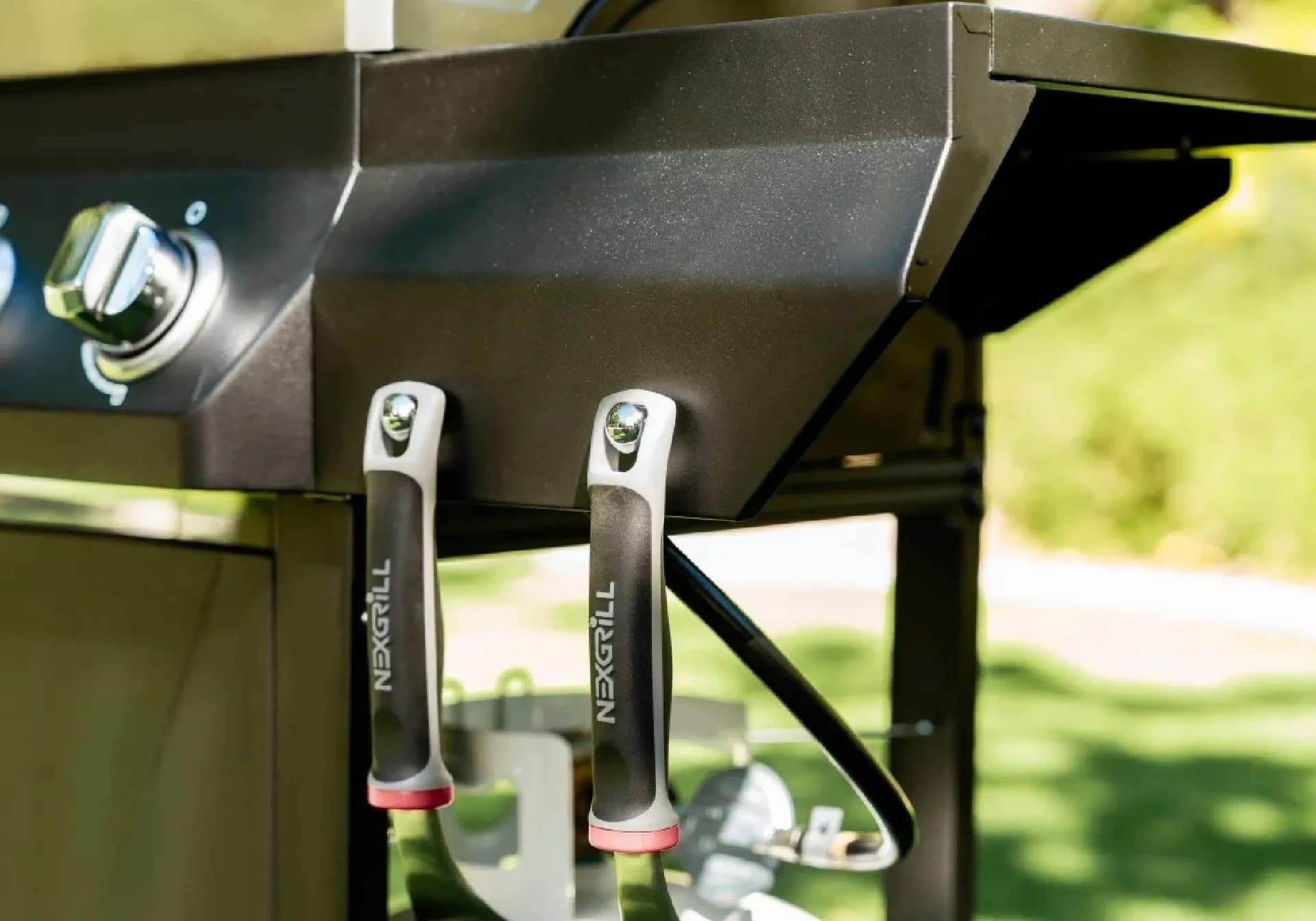
Another practical feature to evaluate is the hood shape. A deeper hood can help with taller foods and better heat circulation, which matters when you are roasting chicken parts or finishing thicker cuts. Side shelves may seem minor, but they become essential when you are carrying platters, seasonings, thermometers, and tongs. On a 3-burner grill, these details often separate a model that feels cramped from one that feels genuinely usable. In U.S. retail shopping, buyers often discover that the grill they thought was “big enough” on paper becomes uncomfortable once they try to cook multiple items at once.
Do not judge a grill only by its outer stainless steel panels. The hood, firebox, burner construction, and internal fasteners matter just as much for long-term satisfaction.
Understanding BTU Ratings and Cooking Area
BTU ratings get a lot of attention, but they are only one part of the story. BTU, or British thermal units, measures heat output, not cooking quality by itself. A higher number can be helpful if it is paired with solid burner design and a lid that retains heat well, but a weakly built grill with a flashy BTU number may still cook unevenly. In the 3-burner category, the goal is not simply raw heat. It is enough heat, delivered consistently, across a cooking surface that makes sense for the meals you actually prepare.
A practical way to evaluate BTUs is to look at how they relate to cooking area. If the burners are underpowered for the size of the grate, preheating can feel slow and searing may be inconsistent. If they are too aggressive without proper heat control, food can scorch before it cooks through. For most shoppers, the sweet spot is a grill that can reach searing temperatures in a reasonable preheat window while still holding a moderate indirect zone for chicken, vegetables, or thicker cuts. That is why you should always compare BTU numbers alongside grate dimensions, burner spacing, and hood retention rather than using BTUs as the deciding metric.
Heat delivery, hood design, and grate efficiency matter just as much as output on paper.
For example, two grills can both advertise similar burner output, but one may preheat more evenly because it has better flame spread and a more efficient firebox design. The other might create hot spots near the center and cooler edges, forcing you to rotate food more often. That difference becomes obvious when you cook something like bone-in chicken thighs or a mixed tray of vegetables and sausage. The better grill makes the food easier to manage, which is exactly what most home cooks want.
Cooking area should also be considered in relation to your routine. If you mainly grill for two to four people, a 3-burner grill with a compact but efficient surface may be perfect. If you frequently entertain, look for a layout that can hold several mains and sides without stacking food on top of itself. The most useful 3-burner models are the ones that let you create at least two meaningful heat zones: hot for searing, medium for finishing, and cooler for holding or indirect roasting. Try comparing two products side by side below to see which fits best:
Build Quality and Durability
Stainless steel can signal durability, but not all stainless steel grills are built the same. The difference between a grill that ages gracefully and one that looks worn quickly is often found in thickness, weld quality, fasteners, and how much of the grill is actually stainless versus simply stainless-looking. A well-made 3-burner grill should feel sturdy when you open the lid, move the cart, and clean the grates. The doors, knobs, and shelves should not flex excessively, and the burner tubes should be positioned so they are easier to inspect and service over time.
For shoppers in the U.S., durability also depends on climate. In dry inland regions, a stainless steel grill may hold up very well with basic cleaning and cover use. In coastal or humid areas, the advantage of stainless steel becomes more noticeable because rust resistance matters more. Still, stainless steel is not a magic shield. Grease, salt air, and moisture can leave marks if the grill is left uncovered or cleaned too infrequently. The best purchase is one that combines corrosion-resistant materials with realistic expectations about care.
A sturdy cart, solid caster wheels, and well-fitted hardware are signs that the manufacturer thought about long-term use, not just showroom appeal.
A grill’s lifespan is also affected by how serviceable it is. Replacement burners, grates, ignition parts, and grease trays make ownership easier if something wears out. When you compare brands, look beyond the exterior finish and ask whether the grill is designed for straightforward upkeep. This matters because the strongest value often comes from a grill that can be maintained rather than one that must be replaced at the first sign of wear.
From a Nexgrill perspective, the broader brand philosophy around accessible value and dependable outdoor cooking is relevant to this discussion because many buyers are balancing quality against budget, not trying to buy the most expensive model available . That makes build quality especially important: the grill needs to earn its keep across many weekends, not just impress at delivery.
Top Brands Comparison
Once you have weighed a few models side by side, brand differences become easier to spot. In the 3-burner stainless steel gas grill category, buyers often compare Royal Gourmet, Monument, Kokomo, and Nexgrill because each brand approaches value, styling, and feature depth differently. The best choice depends on whether you want the lowest practical entry point, a more polished feature set, or a brand with a broad outdoor cooking lineup and approachable price-to-performance positioning.
Royal Gourmet is often considered by shoppers who want a feature-rich package at an accessible price. Their 3-burner stainless steel grills commonly emphasize quick setup and useful extras, which can be attractive for first-time owners. Monument, by contrast, is frequently looked at by buyers who want a more premium-looking exterior and a strong presence on the patio. Kokomo is usually discussed in the same conversation by shoppers who prioritize straightforward grilling and a familiar burner-based format. Nexgrill stands out because its brand identity is built around accessible outdoor cooking and a wide range of products that support different budgets and use cases, from casual backyard meals to more feature-driven setups .
| Brand | Typical buyer fit | Strength | Trade-off |
|---|---|---|---|
| Royal Gourmet | Budget-focused shoppers | Feature density for the money | May require more attention to fit and finish details |
| Monument | Style-conscious buyers | Clean stainless presentation | You may pay more for appearance and branding |
| Kokomo | Straightforward grill users | Simple burner-based cooking | Fewer standout extras on some models |
| Nexgrill | Value-oriented families | Broad lineup and approachable design | Model-by-model comparison still matters |
Price ranges in the United States change with retailer promotions, seasonality, and included features, but a practical shopper should expect the 3-burner stainless steel category to span roughly the budget-to-midrange segment rather than premium luxury pricing. A lower-priced model may be enough if you grill a few times a month and want a basic stainless appearance. A midrange model makes more sense if you want sturdier casters, better ignition, improved grate material, or more usable shelf space. If you are comparing brands at a home center or online retailer, focus on the exact spec sheet of the individual grill instead of assuming every product from a given brand behaves the same way.
When brand names look similar on paper, compare the warranty language, burner material, and replacement-part availability before you compare the logo.
Benefits of Stainless Steel Grills
The biggest reason shoppers choose stainless steel is simple: it can stay attractive and serviceable longer than many painted or less corrosion-resistant finishes when it is maintained properly. Stainless steel also tends to look at home in modern patios and outdoor kitchens. For many buyers, that visual appeal is not trivial. A grill is a functional appliance, but it also becomes part of the backyard’s furniture and visual rhythm. Stainless steel gives the grill a clean, neutral look that pairs easily with stone, composite decking, or a simple paver patio.
There are practical advantages too. Stainless steel is easier to wipe down after a cook, especially around exterior panels and lid surfaces where smoke residue and fingerprints collect. It also handles heat exposure well in the areas where temperature swings are frequent. That does not mean every component is equally durable, but it does mean you are starting with a material that is better suited to repeated outdoor use than basic painted steel. For buyers who grill often, the difference shows up in how the grill looks after one, two, or three seasons.
That said, the term stainless steel can cover a range of quality levels. Some grills use stainless steel heavily on the lid and front panel while relying on lesser metals elsewhere. Others may use thinner sheets that are more cosmetic than structural. So while stainless steel is a strong advantage, you should still inspect the whole grill. The value is greatest when the stainless finish is paired with a practical burner system, reliable ignition, and parts that are easy to clean.
Choose it for corrosion resistance, easy wipe-down cleaning, and a cleaner look over multiple seasons.
Maintenance Tips for Stainless Steel
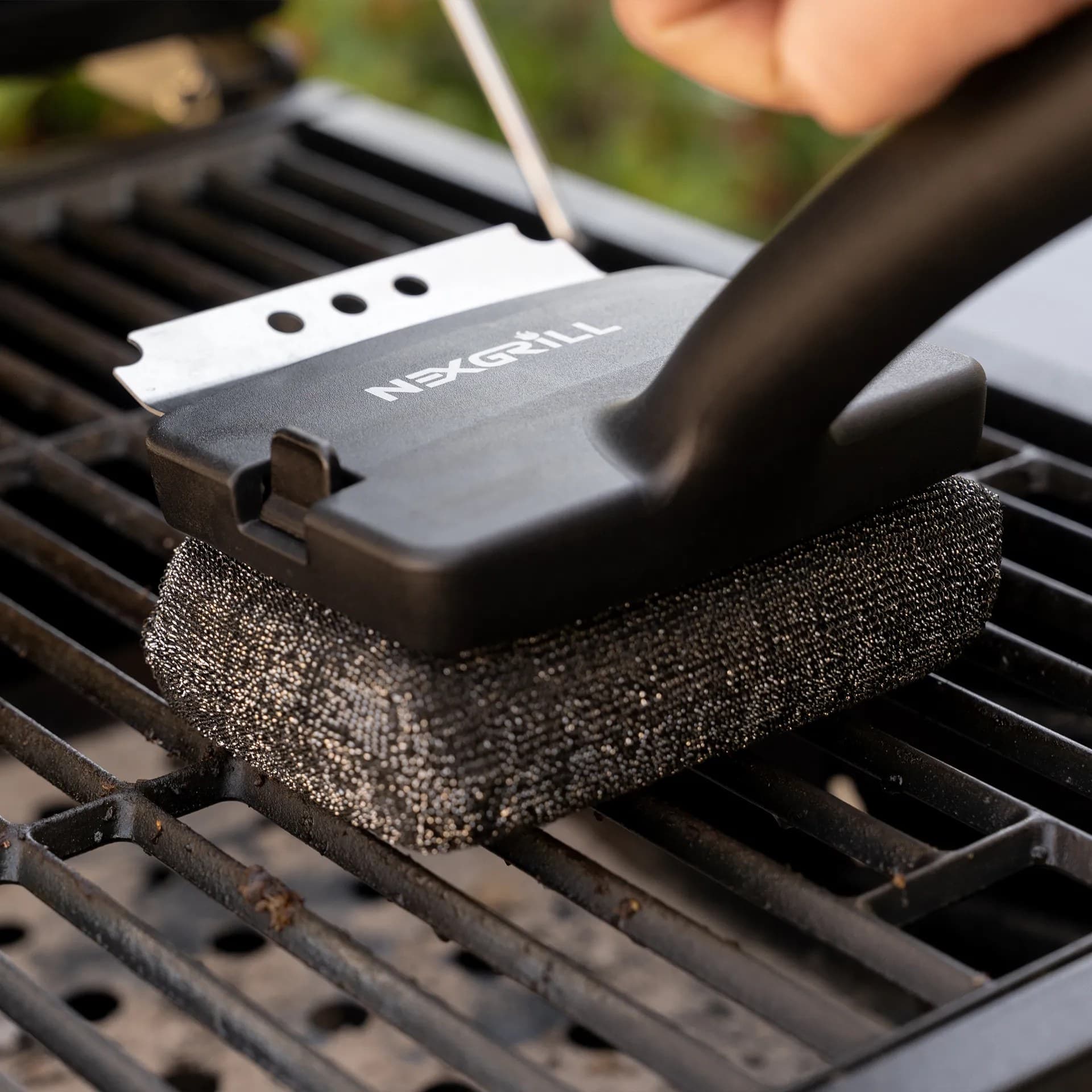
Maintaining a stainless steel grill is not difficult, but it does require consistency. The most important habit is to clean while the grill is still warm, not fully cold, because grease and food residue are easier to remove then. Use a soft brush or grill-safe scraper on the grates, and wipe the exterior with a damp microfiber cloth after the grill cools enough to handle safely. Avoid harsh abrasives that can scratch the finish or leave the surface looking dull over time.
For tougher spots, use a mild soap solution and rinse thoroughly so residue does not remain on the metal. If you live in an area with hard water or heavy pollen, a final dry wipe helps prevent spots from developing. Grease management matters as much as surface polishing. Empty drip trays regularly and check that channels are not blocked. This is especially important for 3-burner grills because the compact size means grease buildup can affect airflow and cleanup faster than on larger appliances.
Do not use steel wool or aggressive cleaners on stainless surfaces unless the manufacturer specifically allows it. Scratches can trap grime and make future cleaning harder.
Seasonal care is also smart. Before storing the grill for a long period, clean the burners, inspect hoses and connections, and make sure moisture is not trapped under the cover. If you grill year-round, the cover itself should be breathable and fitted so condensation does not become a hidden problem. In wet or coastal regions, this extra attention is one reason a stainless grill can hold up well: the material helps, but the owner’s habits make the larger difference.
If you want a simple routine, think of it this way: clean after each cook, inspect monthly during active grilling season, and give the grill a deeper refresh before winter or long breaks. That rhythm keeps a 3-burner stainless steel gas grill looking better and performing more predictably.
User Reviews and Recommendations
User reviews for 3-burner stainless steel gas grills often cluster around the same real-world themes: whether the grill heats evenly, whether the ignition works reliably, whether the stainless finish stands up to weather, and whether assembly was manageable. Those are the questions that matter most because they affect everyday ownership. A grill can look excellent in product photos but still frustrate buyers if the lid flexes, the knobs feel flimsy, or the burners are hard to light consistently.
A helpful way to read reviews is to look for patterns rather than isolated extremes. If multiple buyers mention quick preheat, solid searing, and easy cleanup, that is more informative than a single five-star review. Likewise, if several reviews mention missing hardware, uneven flame distribution, or difficulty aligning parts during assembly, those are warning signs worth taking seriously. The best user feedback usually comes from people who describe how they actually cook: steak nights, chicken dinners, vegetables, and mixed meals for family gatherings.
| Reviewer priority | What positive feedback looks like | What negative feedback signals |
|---|---|---|
| Heat performance | Even searing and steady burner output | Hot spots or weak center flames |
| Durability | Stainless surfaces hold up with routine care | Rust on hidden parts or peeling trim |
| Ease of use | Simple ignition and clear controls | Confusing assembly or unreliable startup |
For recommendations, the safest choice is to buy for your actual cooking style. If you want value and do not need a large footprint, look for a 3-burner grill with solid burner control and enough side shelf space to work comfortably. If you care most about appearance and patio presence, a more polished stainless finish may be worth paying for, provided the internal construction is still respectable. If you live near the coast, prioritize corrosion resistance and easier part replacement over fancy extras you may not use.
Conclusion: Choosing the Right Grill
The right 3-burner stainless steel gas grill is the one that fits your real cooking habits, your outdoor space, and how much upkeep you are willing to do. Look first at cooking area and burner layout, then judge BTU in context, and finally inspect the build quality rather than assuming stainless steel alone tells the whole story. If you want a reliable family grill that can handle most backyard meals without becoming a maintenance headache, this category is often the sweet spot.
For shoppers comparing options in the U.S., it also helps to think in terms of value over time. A grill that is easier to clean, easier to light, and easier to keep rust-free will feel like a better purchase long after the delivery day excitement fades. That is why stainless steel 3-burner models remain so popular: they offer a practical mix of appearance, durability, and everyday cooking flexibility. Before you decide, compare two models side by side, read several real user reviews, and choose the grill that fits the way you actually cook.