In-Depth Review of 3-Burner Propane Gas Grills
Explore performance, features, and user insights for the best 3-burner grills.
In This Article
Performance Metrics
User Experiences
Comparative Insights
Introduction to 3-Burner Propane Gas Grills
A 3-burner propane gas grill sits in the sweet spot for a lot of backyard cooks: it is large enough to handle dinner for a family or a small gathering, but not so oversized that it becomes hard to heat, clean, or store. That balance is exactly why many shoppers land on this category after comparing smaller two-burner carts and bigger four-burner cookers. In practical terms, a 3-burner grill usually gives you enough surface area to split the cooking zone into direct heat, indirect heat, and a warm zone, which matters if you like cooking chicken on one side while keeping vegetables or buns out of the hottest area.
For a Nexgrill audience, the appeal is even more specific: people want useful cooking space, dependable ignition, and a price that still makes sense for a suburban patio or weekend tailgate setup. Nexgrill’s brand philosophy centers on accessible outdoor cooking for a broad range of users, from first-time grill buyers to more experienced backyard hosts, and that matters when you are evaluating a 3-burner model. A good grill in this class should not just burn hot; it should recover heat quickly after the lid opens, maintain stable temperatures across the grate, and make it easy to cook more than one food at once. Those are the details that separate an okay grill from one you will keep using year after year. Nexgrill’s product line also reflects that “Everyone’s Invited” mindset, with equipment built to serve casual family dinners and more ambitious cookouts alike .
A 3-burner layout often gives you one of the best practical setups for direct, indirect, and warming heat.
In reviews, shoppers often focus on BTU numbers first, but that is only part of the story. A 3-burner propane grill with a high BTU rating is not automatically better than a lower-BTU grill with solid construction and good burner placement. Heat retention, lid fit, grate material, and firebox design all influence how the grill performs when the weather is windy or when you are cooking thicker cuts. That is why a careful review should look at the complete package: how many people the grill can feed, how evenly it cooks, how easy it is to assemble, and whether the features are actually useful in daily use.
Another reason this category is popular is flexibility. A 3-burner gas grill can work for weeknight burgers, meal prep, and weekend entertaining without demanding the footprint of a huge six-burner unit. For many households, that means fewer trade-offs between cooking capacity and patio space. It also makes a 3-burner model a more realistic upgrade from an aging two-burner grill, especially if the buyer has started cooking larger proteins, multiple vegetables, or side dishes outdoors.
Key Features to Consider
When you review a 3-burner propane gas grill, focus on the features that actually affect cooking results, not just the spec sheet headline. The first item is usable cooking area. Manufacturers may list the total surface area, but what matters is whether the layout gives you enough room to cook dinner without crowding the grate. A practical benchmark for a family of four to six is a grill that can fit several burgers or chicken breasts on the main cooking surface with a little breathing room for airflow. Crowding leads to uneven searing and makes it harder to manage flare-ups.
Next, look at burner design and control. Three burners should allow zone cooking, but only if the valves respond predictably and the flames are distributed evenly. Side-to-side heat consistency matters more than raw output alone because a grill with excellent control lets you use one burner low, one medium, and one high at the same time. That kind of setup helps when you are searing steak, finishing thicker pork chops, or keeping buns warm without scorching them. Ignition reliability also belongs on the checklist. If a grill is difficult to light, the experience starts badly before cooking even begins.
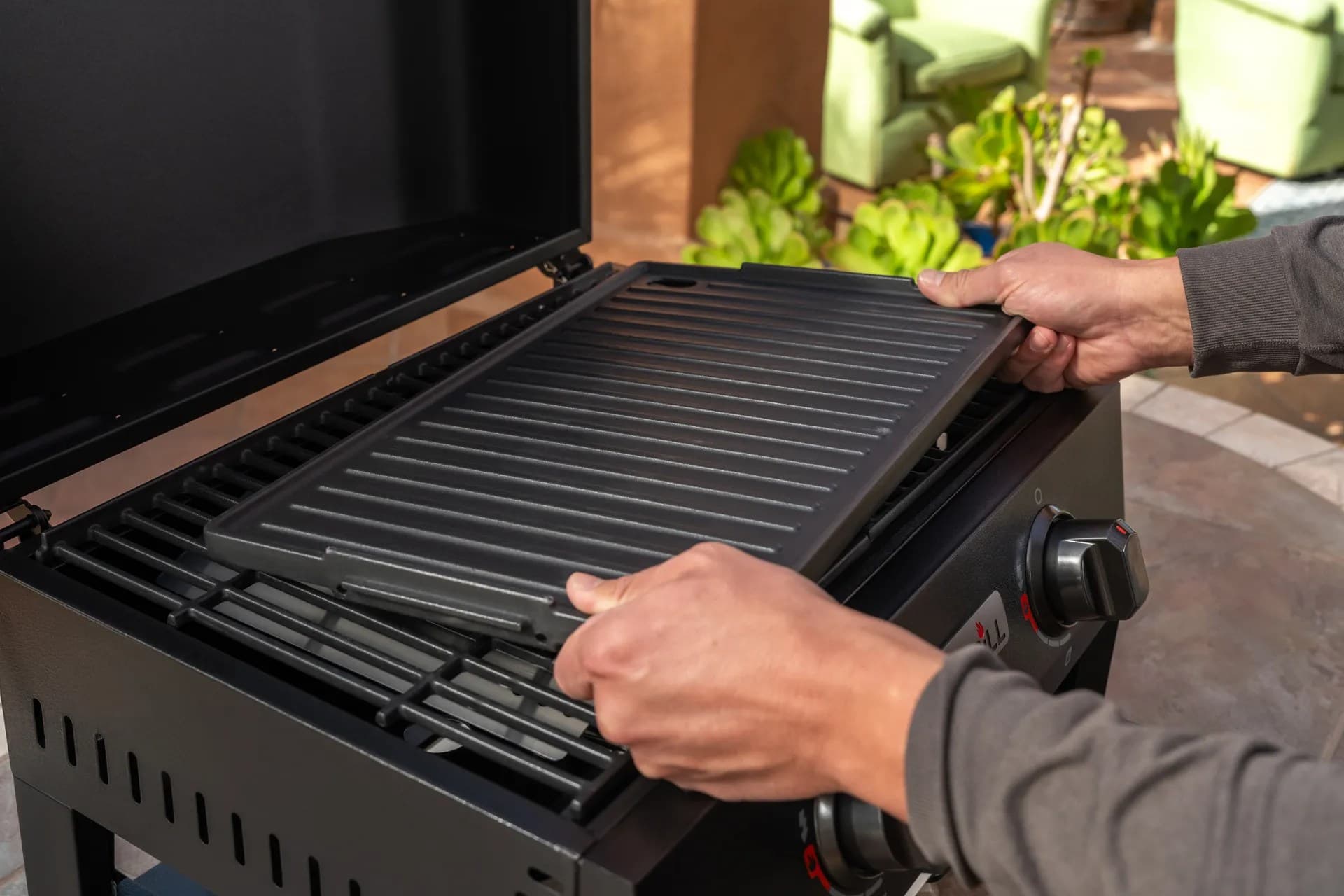
Construction materials come next. Stainless-steel components can improve corrosion resistance, but not all stainless steel is equal, and a grill’s long-term durability depends on the quality of the lid, firebox, cart, and fasteners as a system. Porcelain-coated grates, cast iron grates, and stainless grates each have different strengths. Cast iron holds heat well for marks and searing, while stainless can be easier to maintain. If you live in a humid or coastal area in the United States, material choice matters even more because outdoor exposure can shorten the life of lower-grade components.
| Feature | Why it matters | What to look for |
|---|---|---|
| Cooking area | Determines how much food you can cook at once | Enough room for family meals without crowding |
| Burner layout | Controls direct and indirect heat zones | Three burners that respond independently |
| Grate material | Affects searing and cleaning | Cast iron or stainless steel depending on upkeep preference |
| Lid and body construction | Helps hold heat and improve durability | Tight-fitting lid and corrosion-resistant finish |
Warning: BTU numbers can be misleading if the grill lacks good heat retention or has a leaky lid. Always weigh output against build quality and burner control.
Top Picks for 3-Burner Propane Gas Grills
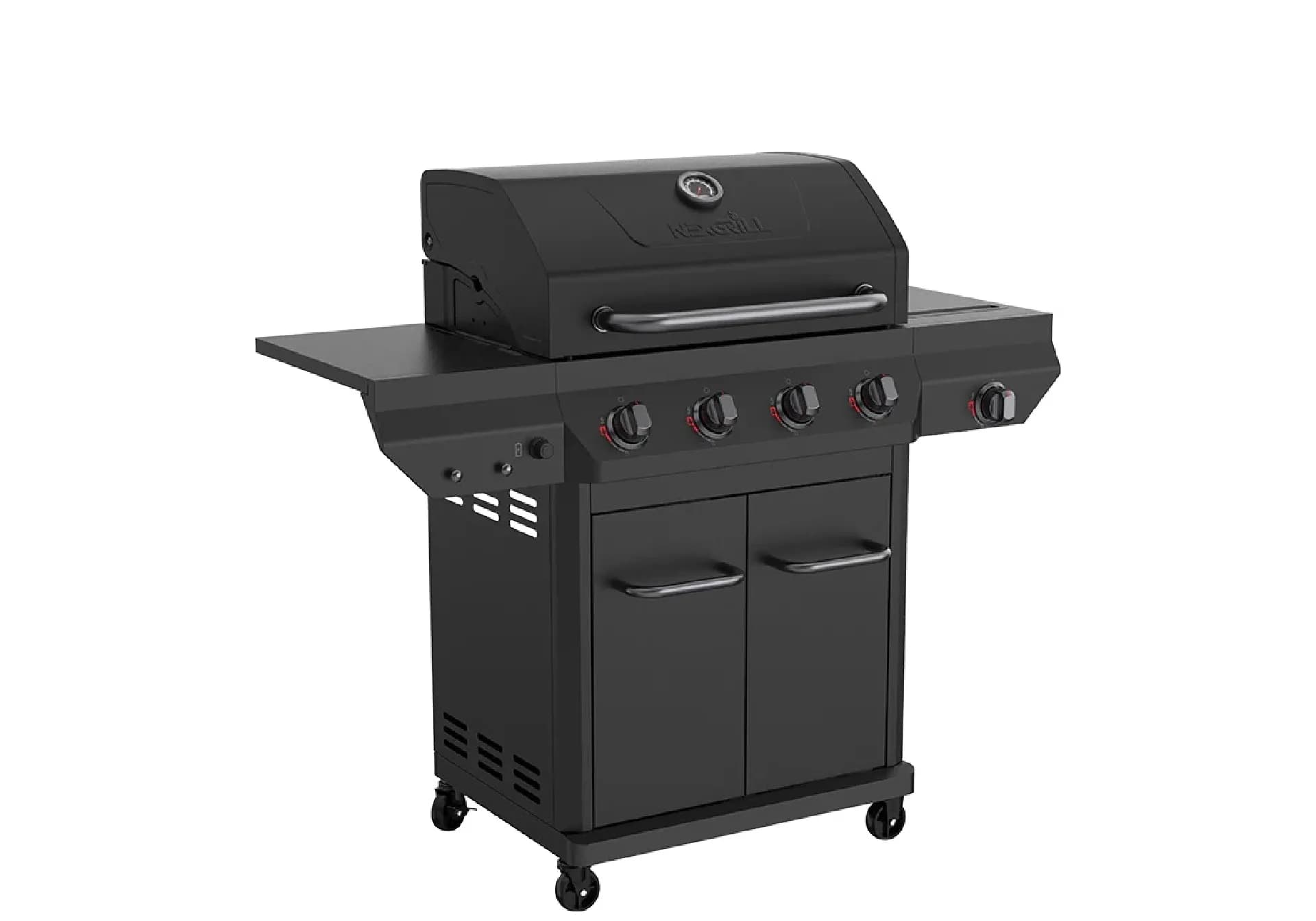
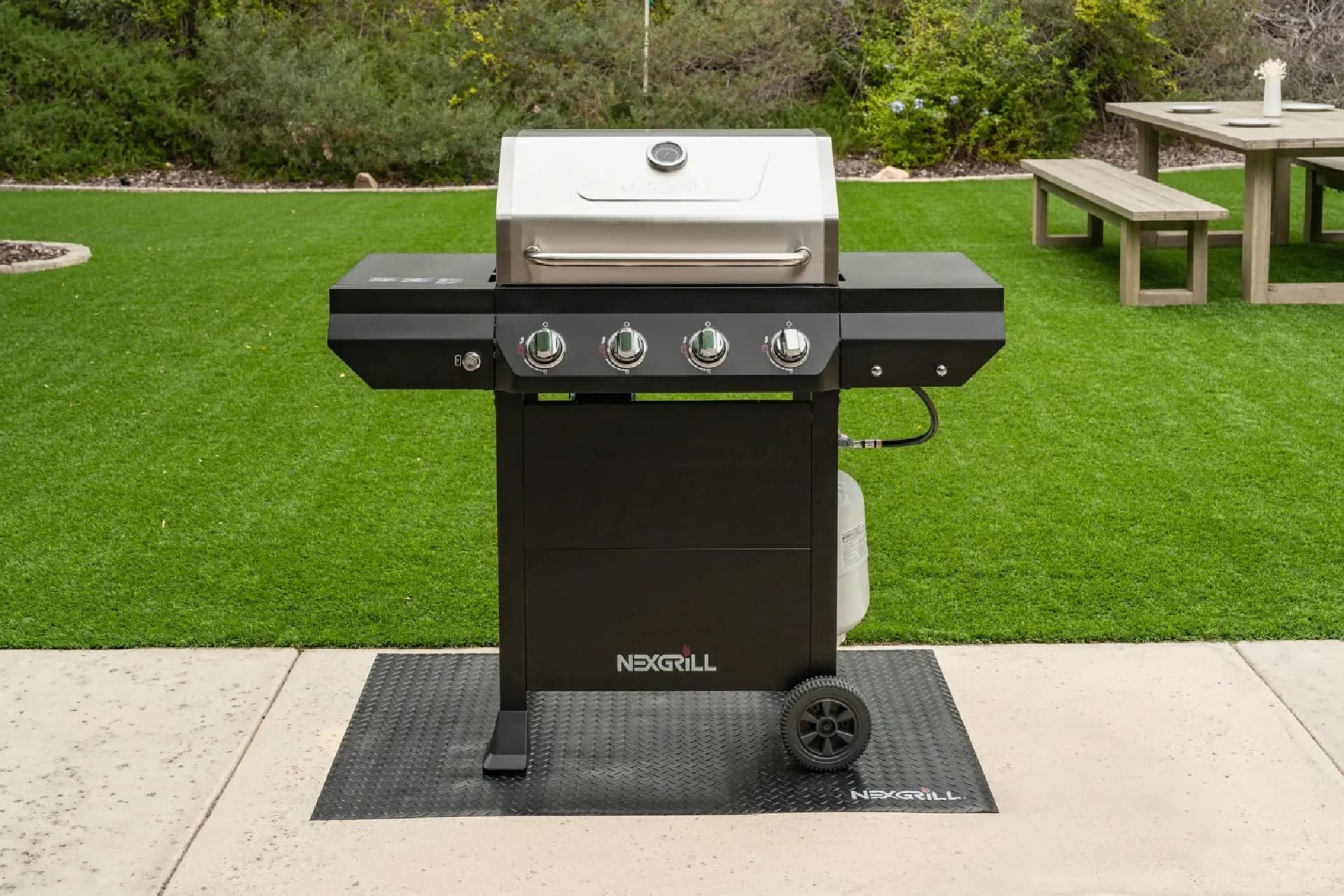
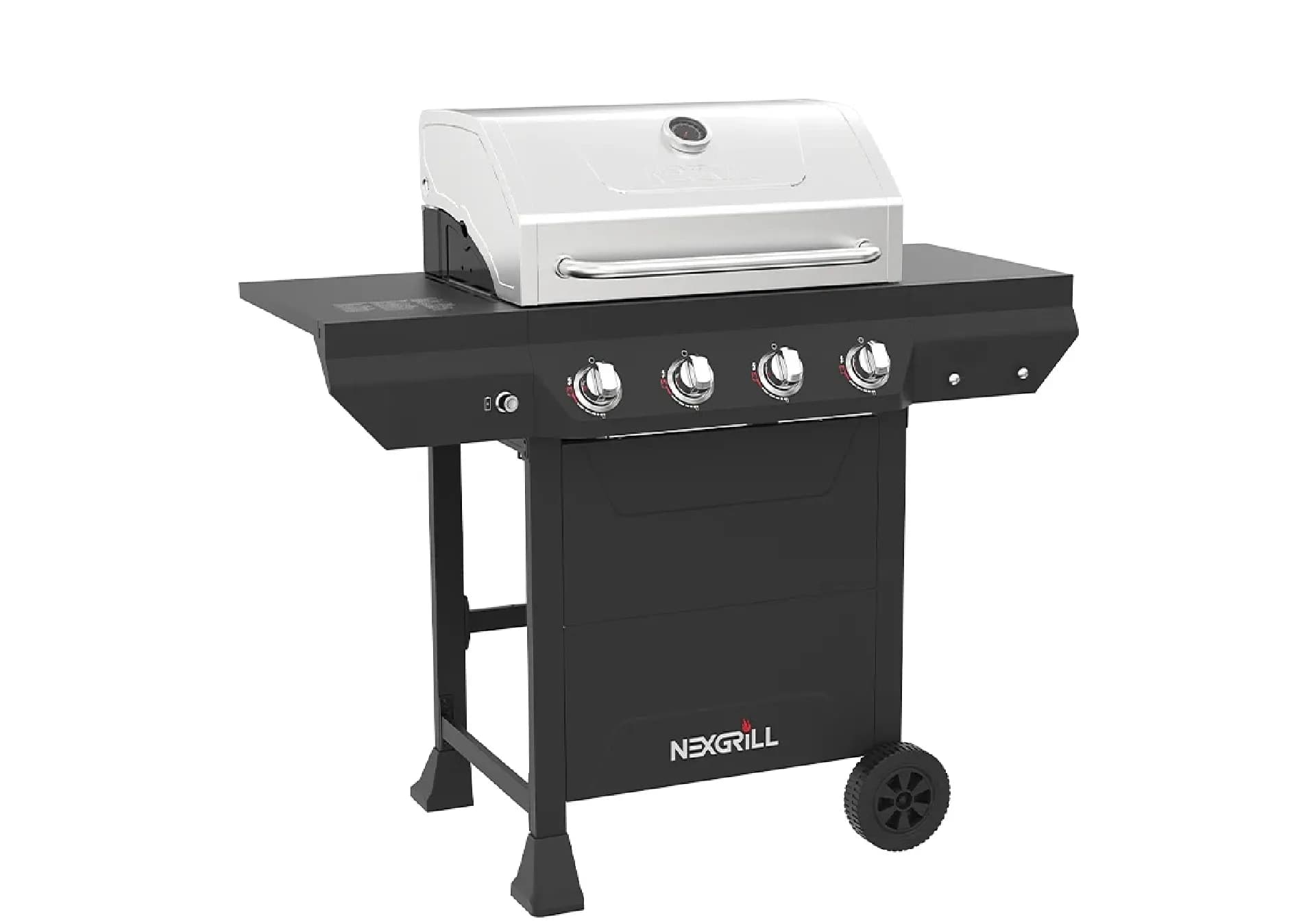
If you want a focused shortlist, the best approach is to compare a few models that represent different buying priorities rather than chasing the highest specs alone. For shoppers who want a straightforward, well-balanced option, the Nexgrill 4-Burner Propane Gas Grill in Black may be more than the 3-burner minimum, but it is a useful benchmark because it shows how Nexgrill packages usable cooking space and practical cart design for everyday backyard cooking. Its bigger footprint can make sense for households that regularly cook for more than four people, while buyers who truly want a simpler footprint can use it as a reference point for what a more compact 3-burner should still do well: reliable ignition, even heat, and straightforward cleanup. Nexgrill’s broader product range makes it easier to think in terms of use case instead of just brand name .
A second useful comparison point is the 4-Burner Gas Grill with Side Burner in Black. Even though it adds another burner, it helps frame what serious buyers expect from this category: a side burner expands the grill’s usefulness for sauces, vegetables, or boiling side dishes, but it also increases size and complexity. If your patio is already tight, a 3-burner model can be the smarter compromise because it gives you enough temperature zones without making cleanup or storage harder than it needs to be. In many U.S. homes, especially townhomes and smaller suburban patios, that balance can matter more than an extra burner you will only use occasionally.
Another strong benchmark is the Deluxe 2-Burner Gas Grill. By comparing a 2-burner to a 3-burner, the gap becomes clear: a 3-burner model offers better control when cooking multiple items with different finish times. You are less likely to juggle food constantly, and you can create a cooler zone for delicate items. The 2-burner can be enough for a couple or a small household, but if you often host friends or prepare mixed meals, the third burner is the difference between manageable and cramped. That is why the 3-burner class is often seen as the “everyday upgrade” category.
| Model benchmark | Best for | Trade-off |
|---|---|---|
| 2-burner grill | Small households and limited space | Less flexibility for zone cooking |
| 3-burner grill | Most families and regular grillers | Slightly larger footprint and fuel use |
| 4-burner grill | Frequent entertainers and bigger meals | More space and more cleaning |
For readers looking specifically at Nexgrill’s selection, the brand’s approach to value is helpful because it often gives buyers practical extras without pushing the grill into a premium price tier. That is important in the 3-burner category, where the best purchase is often the one that stays easy to live with after the excitement of unboxing fades. A review should therefore ask a simple question: will this grill still feel easy to use after month six? If the answer is yes, that is a better sign than a flashy spec sheet.
Performance Comparison: Heat Distribution and Cooking Efficiency
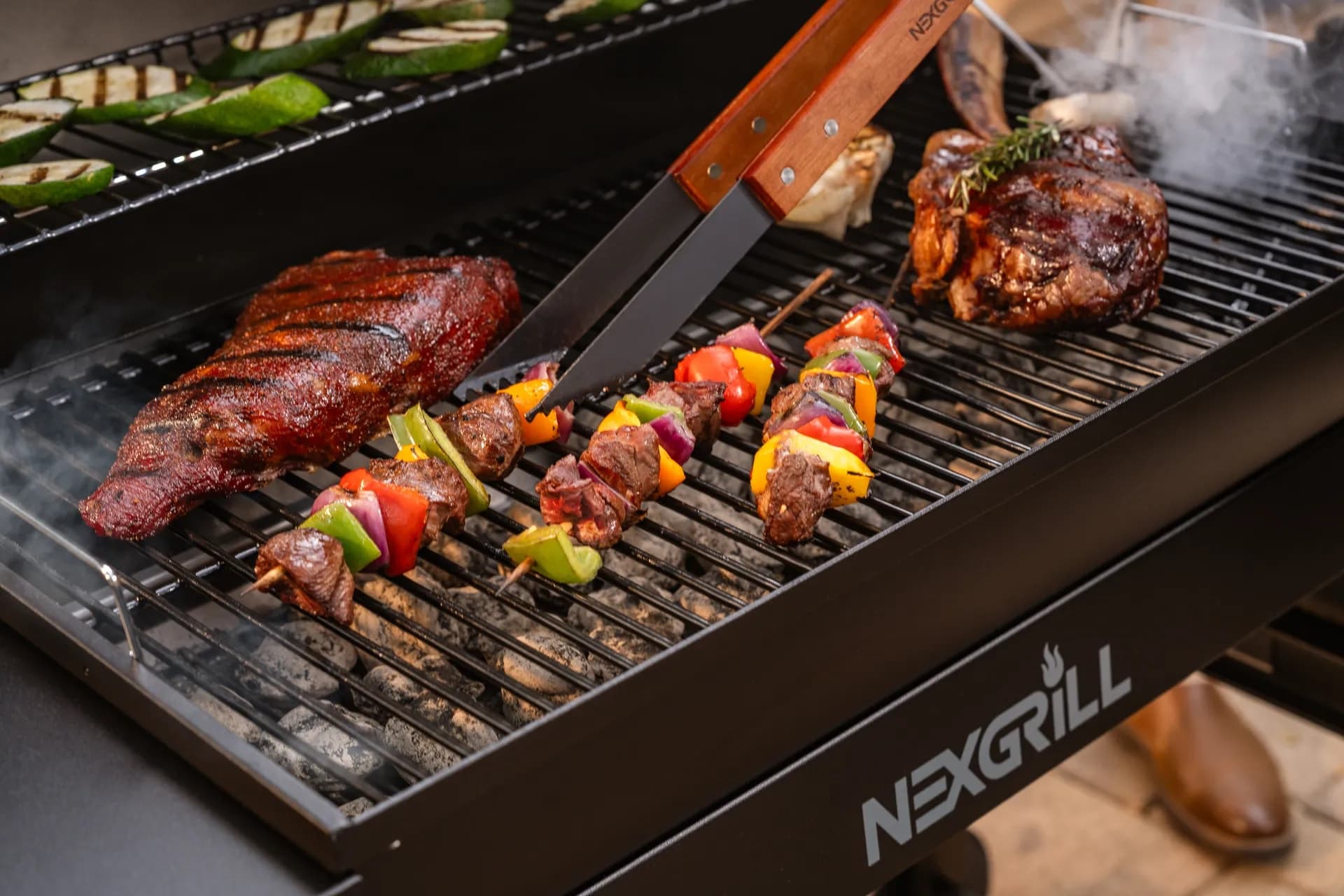
Heat distribution is the real test of a 3-burner propane gas grill. In a good design, the burners create consistent output across the grate, so you do not get one blazing-hot corner and another weak zone that struggles to brown food. The easiest way to judge this is to picture a Tuesday-night dinner: chicken thighs on one side, asparagus in the middle, and buns warming on the third zone. If the grill can hold those different tasks at once without major temperature swings, it passes a practical performance test. If the food on the right burns before the food on the left even finishes, the grill is poorly balanced.
Cooking efficiency is partly about speed, but it is also about how well the grill converts fuel into usable cooking space. A 3-burner unit should preheat in a reasonable amount of time, recover heat after lid openings, and keep the cooking surface responsive when you move from high-heat searing to lower-and-slower finishing. That matters for real households because grill sessions rarely involve only one food. You may start with vegetables, move to protein, then finish with bread or fruit. A responsive grill reduces stress and helps the cook feel in control.
Info: The best 3-burner grills are not just hot. They are predictable, which is what makes them easier to cook on for both beginners and experienced grillers.
A useful rule of thumb is that the most effective 3-burner grills deliver a combination of steady output, sensible grate spacing, and a lid that traps heat without choking airflow. That combination lets you sear steaks, roast bone-in chicken, and manage vegetables without constantly rearranging the food. For users who cook often, the savings come from efficiency in time and propane, not from chasing the biggest BTU label. Real performance means fewer flare-up surprises, less cold-spot frustration, and a smoother rhythm when cooking for a group.
Nexgrill’s broader outdoor cooking lineup underscores that performance should match the use case, not the other way around. A product meant for casual backyard cooks should be simple enough to use on a weekday but capable enough for weekend guests. That is the core standard this category should meet: enough size to be flexible, enough control to cook well, and enough durability to survive regular outdoor use. Try comparing two products side by side below to see which fits best:
Pros and Cons of Popular Models
Once you have compared two grills side by side, the next step is to think about the ownership experience rather than the first impression. A 3-burner propane grill can look excellent on paper and still feel annoying if the cart wobbles, the grease tray is hard to access, or the lid loses heat too quickly. That is why pros and cons matter: they tell you what is likely to feel good after repeated use and what may become a recurring frustration.
For a typical 3-burner model, the biggest pros are balanced capacity, decent zone control, and a footprint that still fits most patios. This is the size where many households stop feeling constrained by the grill. You can cook burgers for a group, run one side cooler for vegetables, and keep part of the grate free for buns or finishing food. In addition, propane ignition is fast, which makes spontaneous cooking easier than with charcoal. For buyers who grill on weekdays, that convenience is a real advantage. On the downside, a 3-burner grill may still feel limited for very large gatherings, and lower-cost models can struggle with heat retention or long-term rust if the materials are thin. The category is forgiving, but it is not immune to shortcuts in build quality.
| Category | Strength | Potential drawback |
|---|---|---|
| 3-burner propane grill | Balanced everyday capacity | Not ideal for very large parties |
| Budget models | Lower upfront cost | May use thinner materials and simpler carts |
| Higher-end models | Better heat stability and construction | Usually costs more and takes up more space |
User Reviews and Ratings Overview
User feedback on 3-burner grills tends to cluster around the same themes: assembly, heat consistency, ignition, and how well the grill handles repeated use over a season. Reviewers who are happy with their purchase usually describe a grill that heats quickly, cooks evenly, and is simple to keep clean. Reviewers who are disappointed often mention uneven burners, hard-to-follow assembly instructions, or parts that feel lighter than expected. In other words, people usually do not complain about the idea of a 3-burner grill; they complain about execution.
A common positive pattern is that buyers appreciate being able to move from a two-burner setup to a more capable grill without jumping into a giant appliance. Many users describe the third burner as the feature that makes weeknight cooking less stressful because they can split food by temperature and stop relying on a single hot zone. Some reviewers also praise compact carts and side shelves because those features make the grill feel more useful without dramatically increasing its footprint. On the negative side, a recurring complaint is that some budget models need more frequent cleaning and inspection to maintain consistent performance.
Tip: When reading reviews, weigh comments about long-term ownership more heavily than one-time assembly reactions. A grill that performs well after six months is usually the better buy.
Nexgrill’s brand positioning around approachable, dependable outdoor cooking fits this kind of review reading well because it encourages buyers to think about everyday usability rather than only premium bragging rights . In practice, that means paying attention to whether owners say the grill stays dependable across multiple seasons, whether it is easy for friends and family to use, and whether the cooking surface gives them enough flexibility for real meals. Those details are often more useful than a single star rating alone.
Maintenance Tips for Longevity
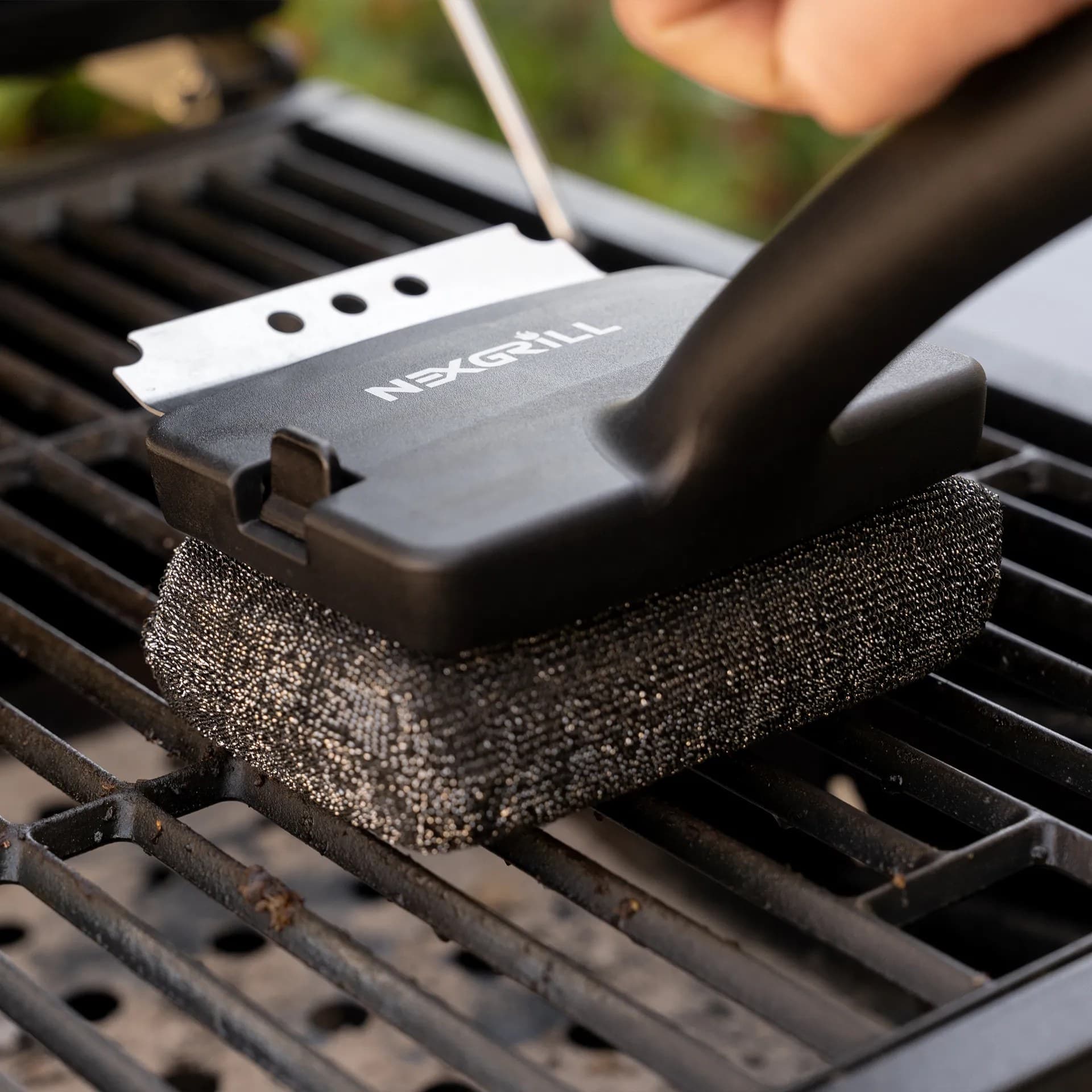
Keeping a 3-burner propane grill in good shape is not complicated, but it does require consistency. The most important habit is cleaning while the grill is still warm enough to loosen residue. Brush the grates after cooking, empty grease trays regularly, and wipe down exterior surfaces so residue does not harden. If you wait until buildup becomes thick, every task gets harder and the grill is more likely to develop hot spots or flare-up issues. A small amount of routine care prevents a lot of frustration later.
Burner care is especially important. Over time, grease drips and debris can block burner ports, which affects flame shape and can cause uneven heating. If one section of the grill starts running cooler than the rest, check for obstructions before assuming the burner has failed. It is also smart to inspect the propane connection, regulator, and hose for wear before a new season begins. If you store the grill outdoors, use a fitted cover and keep it on a level surface to reduce weather damage and moisture pooling. In many parts of the United States, winter freeze-thaw cycles and summer humidity can do more harm than a few extra cooking sessions ever will.
Warning: Never ignore a weak or irregular flame pattern. Small burner blockages can become larger performance and safety problems if left unresolved.
Assembly quality also affects longevity. Tighten fasteners properly during setup, make sure wheels and shelves are aligned, and avoid forcing panels that do not sit squarely. A poorly assembled cart can rattle, strain seams, and make the grill feel less stable than it should. If your model includes a warming rack, side shelf, or grease management system, keep those components clean too, because neglected accessories can make an otherwise good grill feel much older than it is.
Conclusion: Best Choices Based on Needs
If you are shopping for a 3-burner propane gas grill review, the best choice depends on how you cook, how much room you have, and how often you entertain. For the average family that wants dependable weeknight performance, a balanced 3-burner grill is often the smartest purchase because it delivers enough flexibility without creating unnecessary bulk. For the buyer who frequently hosts larger groups, a bigger Nexgrill benchmark such as a 4-burner model may be worth the extra space because it increases zone control and serving capacity. For couples or smaller households, a 2-burner remains the leanest option, but it sacrifices some of the versatility that makes a 3-burner so appealing.
The most important takeaway is that you should not choose based on BTU alone. Look at how the grill distributes heat, how easy it is to clean, what the materials feel like, and whether the layout matches your normal meals. A well-chosen 3-burner grill should feel like a practical extension of your kitchen, not a project you have to manage. If you want a thoughtful, value-driven outdoor cooking setup, this category remains one of the best places to find it.