Comparative Review of Top 3-Burner Gas Grills with Side Burners
An in-depth analysis of leading 3-burner gas grills featuring side burners, focusing on performance, features, and pricing.
In This Article
Comprehensive Grill Comparisons
Feature Breakdown
Pricing Insights
Introduction to 3-Burner Gas Grills with Side Burners
A 3-burner gas grill with a side burner sits in a sweet spot for many U.S. households: it is large enough to handle weeknight dinners for a family, yet compact enough to fit most patios without turning the backyard into an appliance lot. The side burner changes the way the grill gets used. Instead of moving sauces, vegetables, or corn indoors, you can keep the whole meal moving outside. For buyers comparing models in this category, the real question is not simply which grill is biggest or hottest. It is which one gives you the most usable cooking flexibility for the price you expect to pay in USD.
Nexgrill’s brand positioning is built around accessible value and gathering people around food, not around overcomplicated premium jargon. That matters here because the 3-burner format is often purchased by people who want dependable performance without paying for features they will not use every weekend. The right review, then, should focus on practical differences: burner layout, main cooking area, side burner output, lid construction, cleaning convenience, and whether the cart and shelf design actually make the grill easier to live with. Nexgrill’s own brand guidance emphasizes approachable, dependable outdoor cooking for a wide range of users, from casual grillers to experienced cooks, which is exactly the audience shopping this category .
A 3-burner layout can support direct heat, indirect heat, and a dedicated side-burner task at the same time.
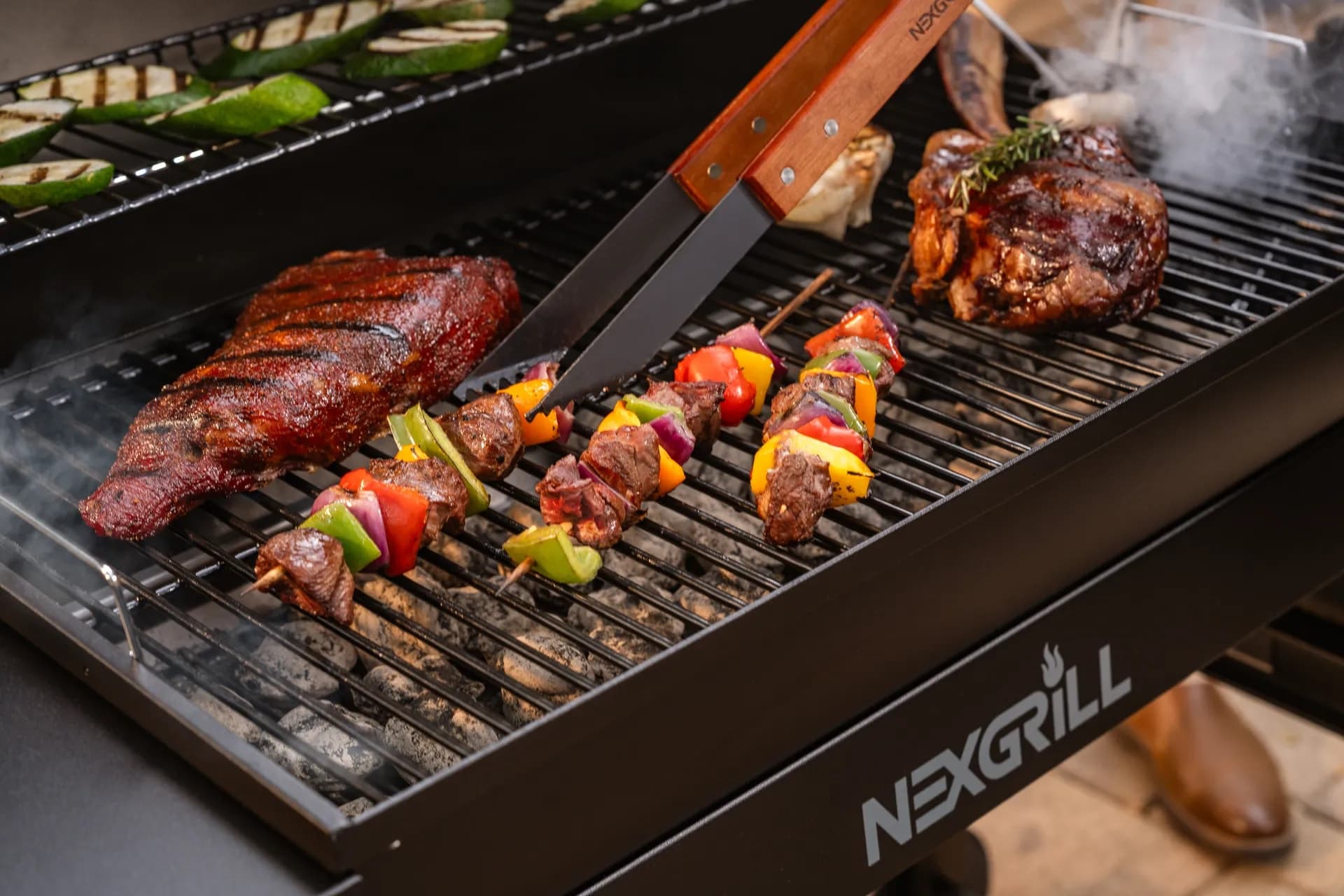
That flexibility is the main reason this category deserves a closer comparison. A side burner is not just a bonus feature for simmering sauce. It can hold a cast-iron pan for sautéed peppers, keep beans warm, or let you finish a glaze while the main grates are occupied. In practical terms, that means a 3-burner gas grill with side burner often replaces more than one cooking surface during a backyard cookout. If you routinely grill protein, finish vegetables, and manage a sauce all at once, the side burner becomes part of your workflow, not an accessory.
At the same time, buyers should not assume every 3-burner grill with a side burner delivers the same experience. Some models prioritize spacious cooking grates and sturdier lids. Others focus on portability or lower price points by trimming the cart, shelf, or ignition features. That is why a comparative review is more helpful than a generic best-buy roundup. You want to compare how the grill behaves in a real backyard, not just how it looks in a product photo.
Key Features to Consider
When you compare a 3-burner gas grill with side burner, start with cooking layout rather than headline size. The number of burners tells you little unless you know how much usable cooking space the grill offers and how the heat is distributed across that space. A well-spaced 3-burner system should let you create at least two temperature zones on the main grate while reserving the side burner for separate cookware. That setup matters more than raw burner count alone, especially if you cook mixed meals with protein, vegetables, and finishing sauces.
| Feature | Why it matters | What to look for |
|---|---|---|
| Main cooking area | Determines how many burgers, chicken pieces, or steaks you can cook at once | Enough space for your normal guest count, not just the occasional big event |
| Side burner | Lets you keep sauces and sides outdoors without crowding the main grates | A stable burner with enough room for a skillet or saucepan |
| Ignition system | Affects startup reliability and convenience | Simple, repeatable lighting with minimal fuss |
| Cart and shelves | Impacts prep space and everyday usability | Side shelves that actually hold platters, tools, and seasoning |
| Lid and body materials | Influence durability and heat retention | Materials that feel solid and resist outdoor wear |
Burner shape and spacing also deserve attention. If the main burners create consistent heat patterns, you can sear steaks on one side and hold chicken on the other. If the heat is uneven, you may find yourself rotating food more often than you should. For U.S. buyers comparing price tiers, this is where value shows up. A grill that costs a little more but gives better heat balance can be more satisfying than a cheaper model that forces constant babysitting.
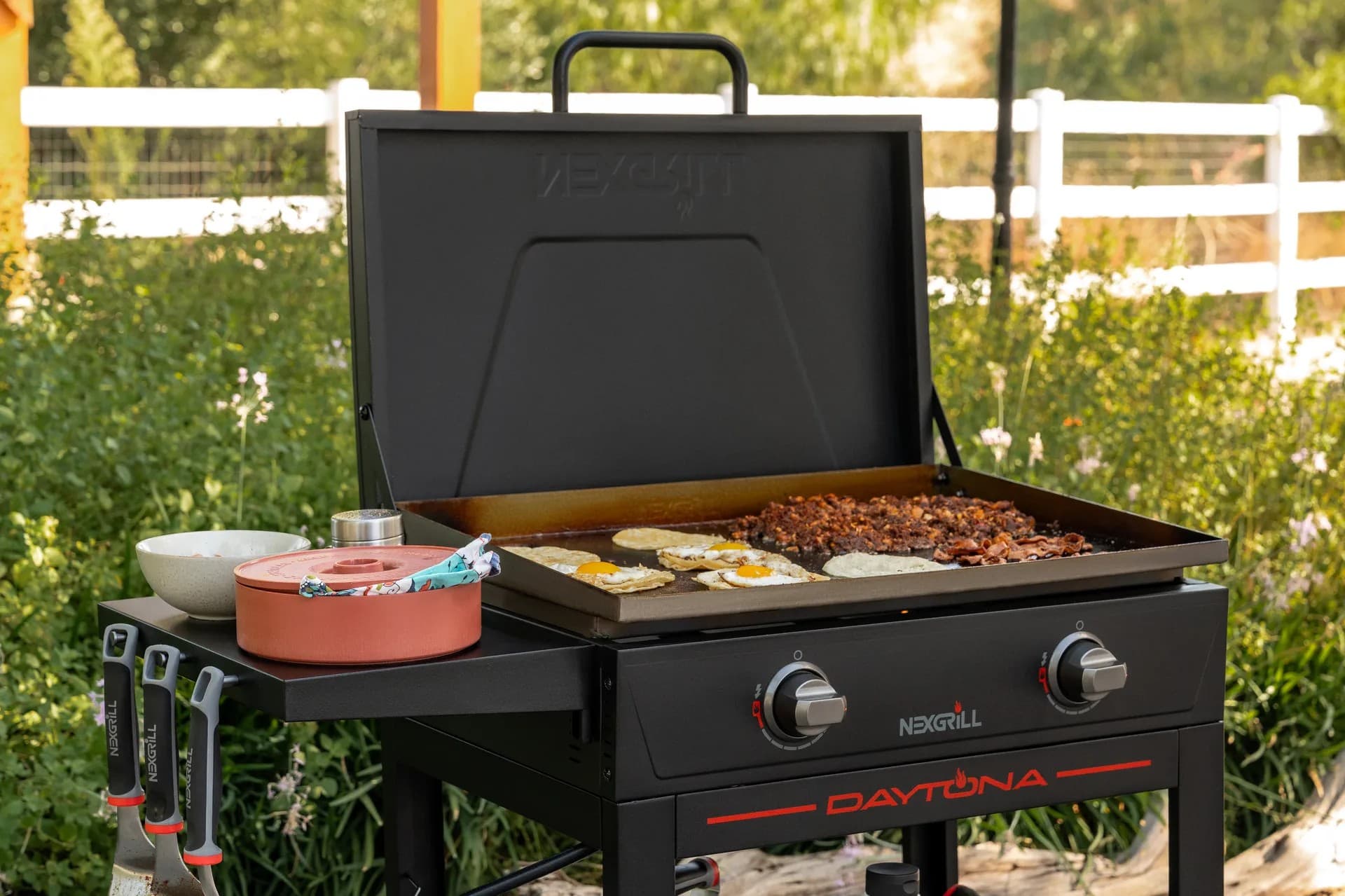
Side burner quality is another point that often gets overlooked. Some buyers focus on the main grates and treat the side burner as a minor extra, but the burner needs to be functional enough for real tasks. A side burner that is too weak can barely hold a simmer, while one that is placed too close to the main body may be awkward to use with larger pans. This is especially important for households that cook sauces, sautéed vegetables, or breakfast items outside. A good side burner should feel like a second work zone, not a token add-on.
Watch for grills that advertise a side burner but do not clearly explain its size, placement, or intended use. If the burner cannot comfortably hold everyday cookware, it adds less value than you might expect.
Top Models Comparison
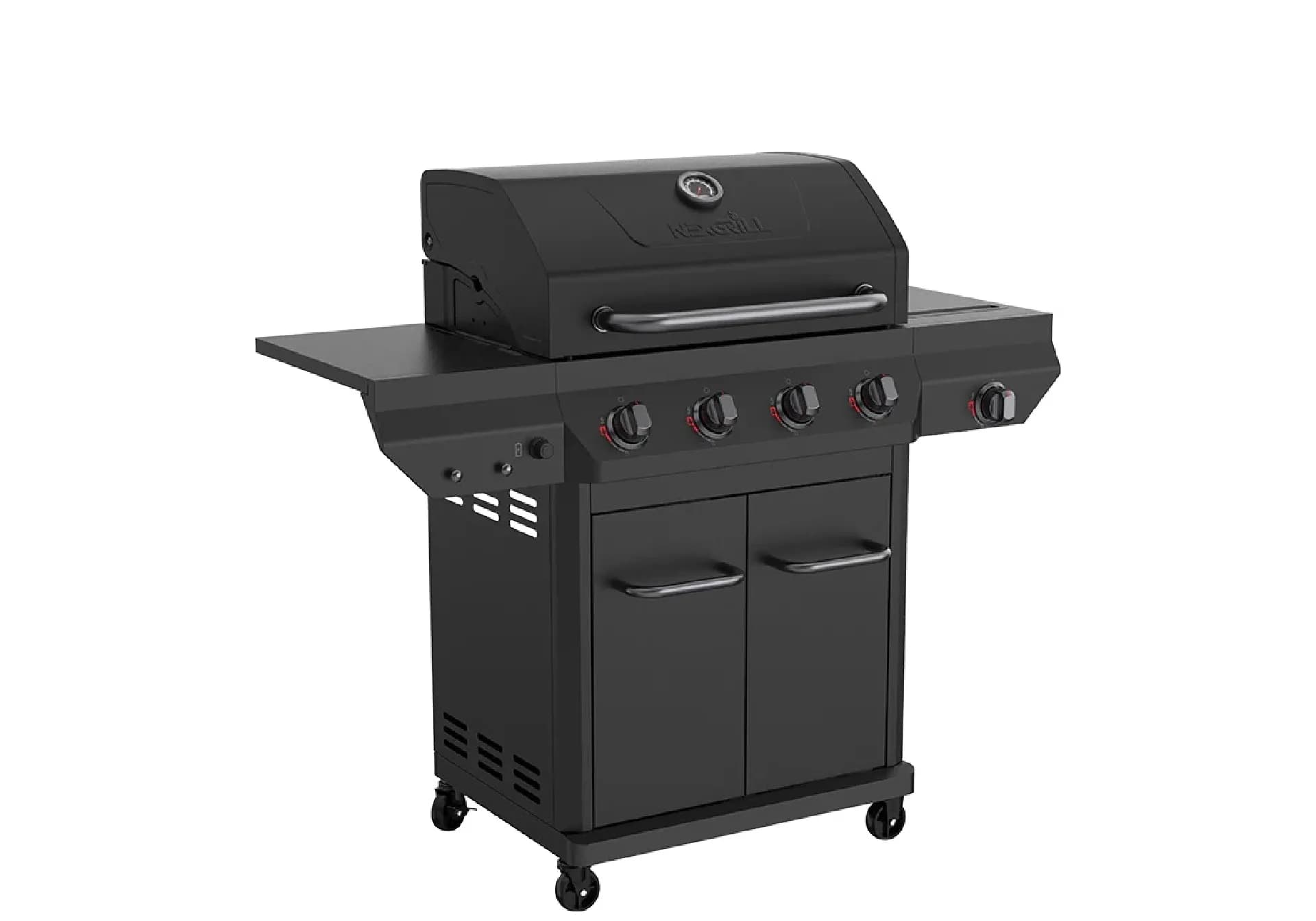
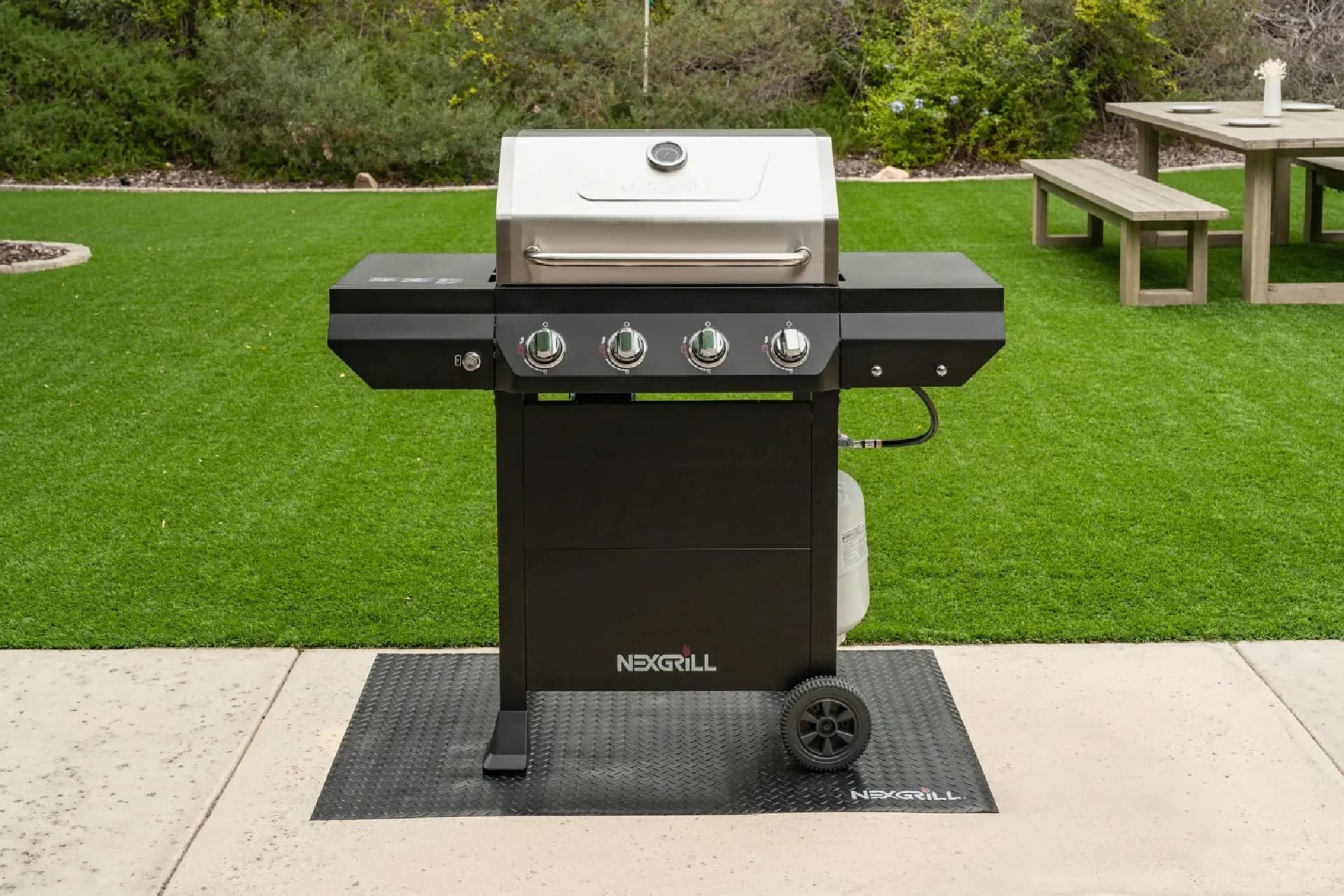
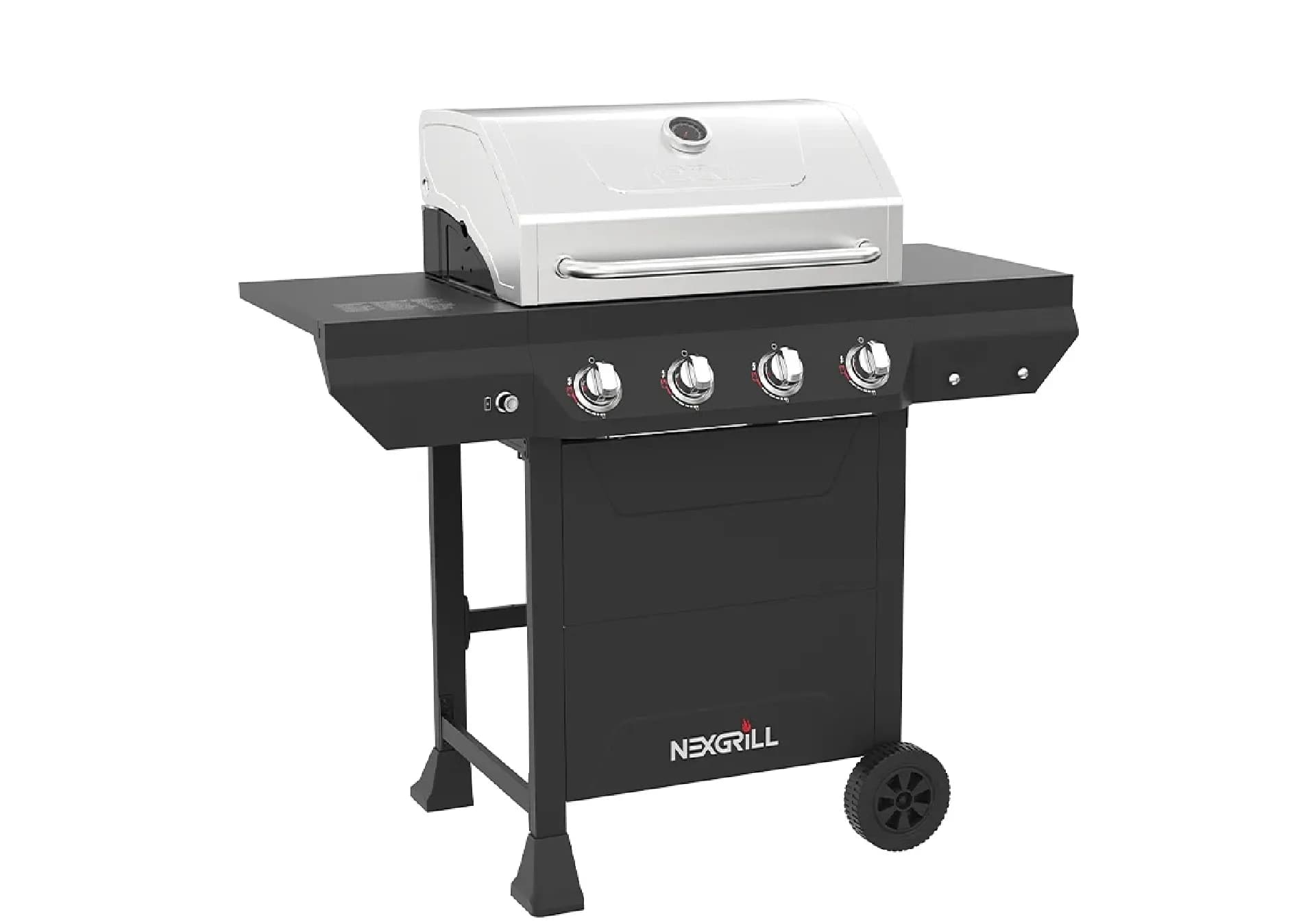
Because pricing and feature sets change over time, the smartest comparison is to look at how each model solves a different problem. In the current Nexgrill gas-grill lineup, the closest decision-making alternatives for buyers seeking 3-burner behavior with side-burner-style utility are the 4-Burner Gas Grill with Side Burner in Black, the 4-Burner Propane Gas Grill in Black with Stainless Steel Main Lid, the Deluxe 2-Burner Gas Grill, and the 2-Burner Gas Grill. The four-burner models are the most direct fit for shoppers specifically seeking the side-burner setup, while the two-burner units can still make sense for smaller households that want lower cost and less footprint. Nexgrill’s product range is broad enough that buyers can compare these configurations by cooking need rather than by brand name alone .
| Model | Best fit | Notable trade-off |
|---|---|---|
| 4-Burner Gas Grill with Side Burner in Black | Families and frequent backyard hosts who want the most versatile setup | Larger footprint and typically higher price than simpler grills |
| 4-Burner Propane Gas Grill in Black with Stainless Steel Main Lid | Buyers prioritizing a more refined lid finish and full-size grilling capacity | Less of a compact-value play, so space and budget matter more |
| Deluxe 2-Burner Gas Grill | Smaller households and patios where simplicity matters more than volume | No true side-burner workflow and less simultaneous cooking space |
| 2-Burner Gas Grill | Entry-level buyers and occasional grillers | Fewer zones and fewer ways to manage a full meal outdoors |
The 4-burner Gas Grill with Side Burner in Black is the clearest answer for shoppers whose search intent matches this keyword. It is the closest fit when you want a primary grilling zone plus an auxiliary burner for sauce pans or side dishes. That matters if your usual meal is not just meat on grates, but a coordinated dinner. The stronger the case for multi-course outdoor cooking, the more likely this model earns its spot.
The 4-Burner Propane Gas Grill in Black with Stainless Steel Main Lid may appeal to buyers who want a cleaner visual finish and may expect a sturdier lid presentation. It is less about novelty and more about choosing a grill that feels like a long-term fixture on the patio. By contrast, the Deluxe 2-Burner Gas Grill and the standard 2-Burner Gas Grill are better viewed as budget-conscious alternatives. They are easier to place and easier to justify financially, but they do not deliver the same level of simultaneous cooking control that a true side-burner setup offers.
If your cooking style involves steaks on the main grate and a sauce or vegetable side on the same night, move the side-burner model to the top of your list. If you mostly cook for one or two people, the smaller grills may be the smarter spend.
Pricing Analysis
For U.S. shoppers, the price of a 3-burner gas grill with side burner is usually shaped by four things: total cooking surface, burner count, lid and cart materials, and the quality of the side burner assembly. Since Nexgrill’s live product pricing can change, the best way to think about price is as a tiered decision rather than a fixed number. In general, grills that add a side burner and a more robust cart will sit above simple two-burner models and below larger premium outdoor kitchens. That difference is the cost of cooking flexibility.
A practical way to frame value is by comparing what the grill does at dinner time. If a lower-priced model forces you to finish food indoors, then its lower upfront cost may not reflect your actual use case. If a slightly higher-priced model lets you keep the entire meal outside, it can justify the step up. That is especially true for families who cook often, entertain on weekends, or prefer to prepare multiple items without constant shuffling between kitchen and patio.
| Price tier | What you usually get | Typical buyer |
|---|---|---|
| Entry-level | Smaller frame, fewer extras, simpler controls | Occasional grillers who want to spend less |
| Mid-range | Better cart design, stronger prep space, more consistent everyday use | Most families and regular weekend cooks |
| Upper mid-range | More refined materials, easier workflow, broader multi-dish capability | Frequent hosts and buyers who value convenience |
For comparison-shopping, a side burner should be treated as a functional upgrade, not a decorative line item. If the grill costs meaningfully more than a 2-burner model, the price is only justified when you use the extra zone regularly. If you do not cook sauces, vegetables, or skillet items outdoors, you may be paying for capability that sits unused. But for buyers who love to prepare full meals outside, the premium often feels modest after a few cookouts.
Consumer product review guidance also tends to emphasize real-world usability over flashy specs, which is a sensible way to evaluate grill value. In the United States, that means looking for steadiness, usable prep space, and predictable heat rather than chasing a single number on the box. A grill that performs consistently across burgers, chicken, and vegetables will usually feel like a better buy than one with bigger claims but less everyday ease .
Conclusion
The best 3-burner gas grill with side burner is the one that matches how you actually cook. For the average U.S. backyard, the appeal is straightforward: enough main grilling space for family meals, plus a side burner that keeps sauces, sides, and small pans outdoors where they belong. If your hosting style leans toward bigger groups and more complex meals, the side-burner models in Nexgrill’s lineup deserve the closest look. If your needs are simpler, a smaller two-burner alternative may save money and space without sacrificing the basics.
A good comparison should leave you with a clear answer on three points: which grill gives you the right cooking zones, which one fits your patio or deck, and which price tier makes sense for your budget. Once you know those three answers, the decision becomes much easier. Try comparing two products side by side below to see which fits best:
Introduction
Once you've weighed two options against each other, the next step is to judge which grill will hold up in daily use, not just which one wins on paper. That matters especially in the 3-burner gas grill with side burner category, where a small difference in layout or cart design can change how often you actually enjoy using the grill. A strong review looks beyond marketing claims and asks a practical question: does this grill make outdoor cooking easier, faster, and more flexible for a typical U.S. household?
This article stays focused on comparison. Rather than treating all grills as interchangeable, it separates the models by use case: the full-size choice for frequent hosts, the value pick for budget-minded shoppers, and the smaller alternative for patios where footprint matters more than capacity. That structure is useful because side burners are most valuable when they solve a specific problem. If you already cook sauces in the kitchen and do not need an extra zone, you may not need to pay for one. But if you often prepare mixed meals outdoors, the side burner can become one of the most useful parts of the whole setup.
Nexgrill’s brand voice is built around accessibility and shared outdoor cooking, and that perspective is relevant here. The company emphasizes dependable products for people at different experience levels, which aligns with how buyers actually shop for grills: some want straightforward value, while others want a more capable backyard centerpiece. That makes a comparative review the right lens, because it reveals which model supports the way you cook instead of simply chasing the most features on the spec sheet .
Key Features to Consider
In this category, the first feature to evaluate is how the grill divides heat across the main cooking surface. Three burners can be enough for excellent control if the layout supports a hot zone, a medium zone, and a cooler area for indirect cooking. That gives you the freedom to sear steaks, finish chicken safely, or hold vegetables without burning them. If the grill’s burner spacing is uneven or the grate area is awkwardly sized, the number of burners becomes less meaningful. Usable zones matter more than raw labels.
The side burner should also earn its keep. On a good grill, it adds a separate work surface for sauce pans, skillets, or small pots without stealing space from the main cooking area. On a weak grill, it merely checks a box. Buyers should ask whether they want that burner for occasional warming or for regular meal prep. That distinction helps clarify whether the feature justifies the jump in price. For example, a family that serves grilled chicken with a warm pan sauce and sautéed vegetables will use the side burner far more than someone who only grills burgers on weekends.
| Evaluation point | Why it changes the buying decision | Buyer priority |
|---|---|---|
| Heat consistency | Determines whether food cooks evenly from edge to edge | High for anyone cooking multiple items at once |
| Side burner usability | Affects whether you can actually cook sides outdoors | High for full-meal outdoor cooks |
| Shelf space | Impacts prep flow, plating, and cleanup | High for families and entertainers |
| Frame and lid quality | Affects durability and how the grill feels over time | High for long-term ownership |
A second consideration is the cart. In this price range, the cart can influence whether the grill feels stable and organized or flimsy and cramped. Side shelves should be useful enough to hold tongs, trays, and seasoning without forcing you to work from a tiny ledge. This is one reason the comparison should focus on how the grill supports cooking, not just on its fuel source. For many households, the most annoying part of a bad grill is not weak heat; it is poor workflow.
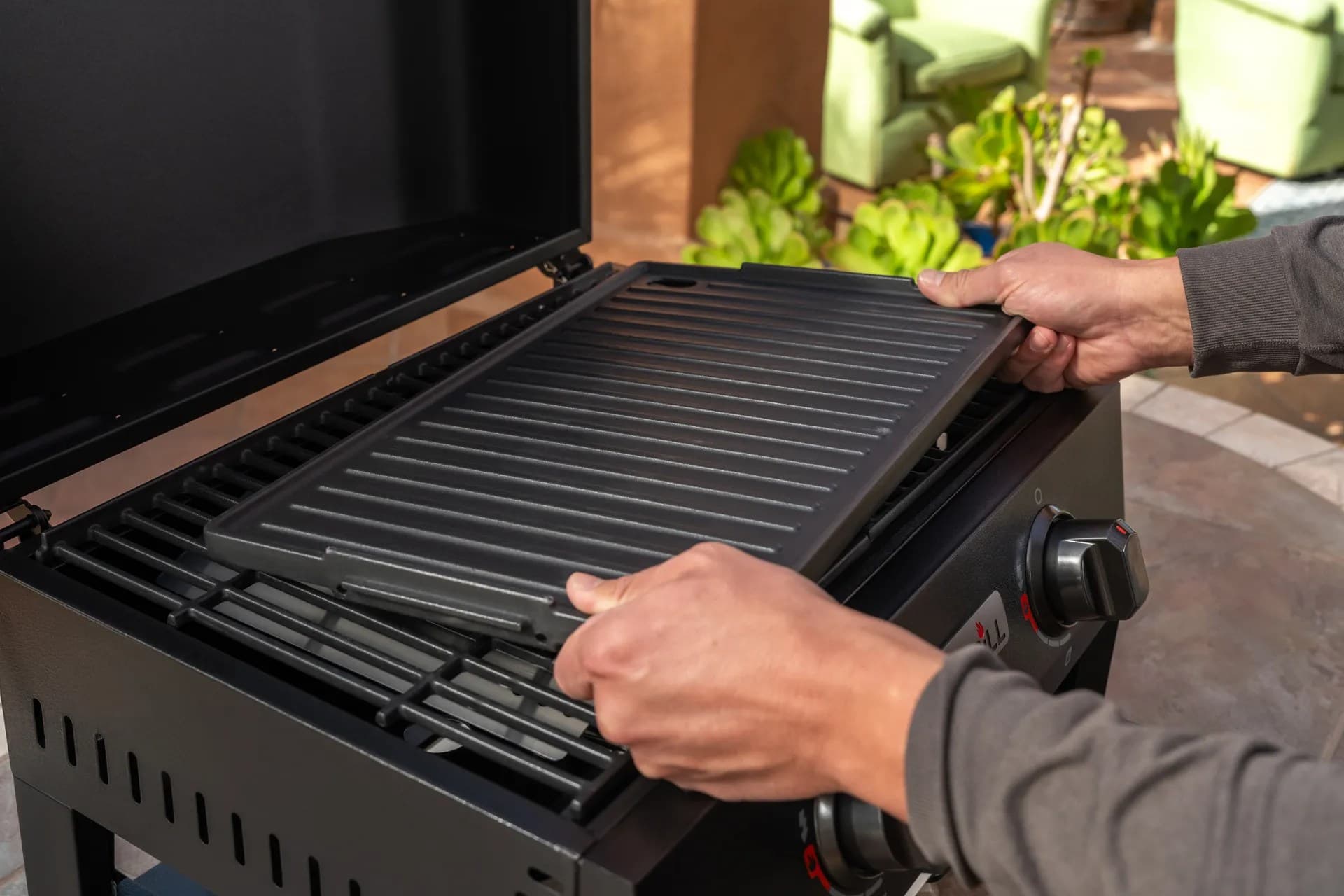
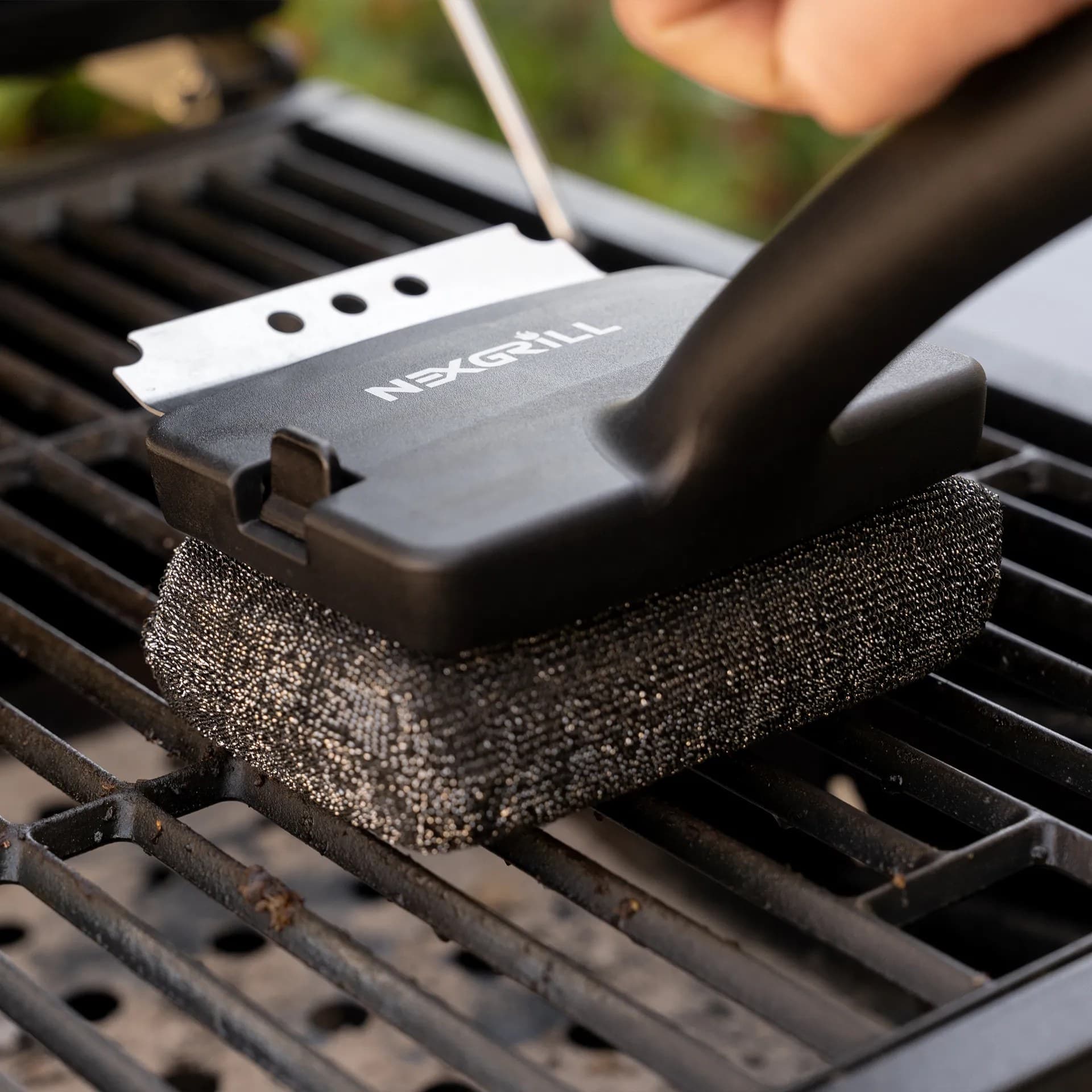
Cleaning is another practical factor. Grease management, grate access, and the ability to reach burner areas all affect how willing you are to keep the grill in good shape. A grill that is difficult to clean often becomes a grill that gets used less. That is a hidden cost of ownership that rarely appears in a sticker price. If the grill is easy to clean, it tends to stay in better working order and feel better to use for longer.
Top Models Comparison
For shoppers searching specifically for a 3-burner gas grill with side burner, the nearest meaningful Nexgrill comparisons are the 4-Burner Gas Grill with Side Burner in Black, the 4-Burner Propane Gas Grill in Black with Stainless Steel Main Lid, the Deluxe 2-Burner Gas Grill, and the 2-Burner Gas Grill. The two 4-burner options are the strongest matches for buyers who value the side-burner workflow. The two 2-burner models remain useful comparison points because they help define the cost and space savings you give up when you step away from the more versatile setup.
| Model | Strength | Limitation |
|---|---|---|
| 4-Burner Gas Grill with Side Burner in Black | Best overall match for full-meal backyard cooking | Takes more patio space and usually costs more |
| 4-Burner Propane Gas Grill in Black with Stainless Steel Main Lid | Strong choice if you want a polished lid and roomy cooking style | Less compact, so it needs committed outdoor space |
| Deluxe 2-Burner Gas Grill | Lower-effort, smaller-footprint option for modest use | Not as capable for side-by-side meal prep |
| 2-Burner Gas Grill | Lowest-complexity option in the group | Least flexible for hosting and multi-item cooking |
The 4-Burner Gas Grill with Side Burner in Black stands out because it most directly fits the way people use a side burner. It supports a main grill session while keeping a secondary pan within arm’s reach. That makes it the best all-around pick for families who grill proteins and sides together or for hosts who want to keep the meal outside until plating. The 4-Burner Propane Gas Grill in Black with Stainless Steel Main Lid is the nearby alternative for buyers who care about a more refined lid finish and a slightly different presentation on the patio.
The Deluxe 2-Burner Gas Grill and the standard 2-Burner Gas Grill are more compact, which can be a benefit if your patio is small or if you only grill occasionally. But they are easier to outgrow. If your cooking habits are expanding, the cost savings of a smaller grill can disappear quickly when you start wanting more zones and more simultaneous cooking control. In that sense, their main value is restraint: they save money and space now, but they ask you to give up the flexibility that makes the side-burner category attractive.
For this keyword, the most decisive comparison is not “gas vs gas.” It is “do I need the side burner enough to justify the bigger, more flexible platform?”
Pricing Analysis
Pricing in this segment usually tracks versatility. A grill that can do more zones, hold cookware on the side burner, and offer a more comfortable cart layout will generally sit above a simpler two-burner option. That does not automatically make it expensive in the broader outdoor-cooking market, but it does mean the buyer should think in terms of value per use. If you cook outdoors weekly, the price spread is easier to justify than if you only light the grill a few times a summer.
For U.S. shoppers, the most useful pricing question is whether the additional burner and side burner change the meal experience enough to matter. If the answer is yes, a mid-range or upper-mid-range purchase can make sense. If the answer is no, a lower-cost 2-burner grill may be the more rational buy. It helps to think of price as a trade between upfront cost and cooking convenience. When a grill keeps you from running back and forth to the kitchen, the time saved and the smoother workflow are part of the value.
| Price tier | Typical feature pattern | When it makes sense |
|---|---|---|
| Lower | Simpler frame, fewer extras, smaller cooking footprint | Light users and tight budgets |
| Middle | Balanced cooking space and everyday convenience | Most families |
| Higher | More flexible grilling zones and a better all-in-one patio setup | Frequent hosts and serious backyard cooks |
Because live pricing changes, the best move is to compare current product pages at the time of purchase and look at what each dollar buys you in real-world use. A side burner is only worth paying for if you will use it often enough to matter. For households that make marinades, warm sauces, or sautéed vegetables outdoors, that extra zone can be a genuine upgrade. For simple burger-and-hot-dog grilling, it may be unnecessary spending.
Consumer review guidance often reinforces this practical approach by encouraging buyers to look beyond one specification and evaluate construction, ease of use, and cooking results together rather than separately . That is especially important in this category, because the cheapest grill is not always the least expensive over time if it frustrates you into replacing it early.
Conclusion
A comparative review of top 3-burner gas grills with side burners should leave you with a simple answer: buy the model that best matches how you cook, not the one with the most impressive headline. For many U.S. households, the side burner is the feature that turns a grill from a burger machine into a true outdoor cooking station. If you regularly prepare a full meal outside, that flexibility is worth serious attention.
For a first-pass decision, the strongest path is to compare the most flexible full-size model against the smaller, lower-cost alternatives and judge the trade-off honestly. Decide how often you will use the side burner, how much patio room you can spare, and how much you are willing to spend in USD for convenience that you will actually feel every weekend. After that, the right choice becomes much clearer.