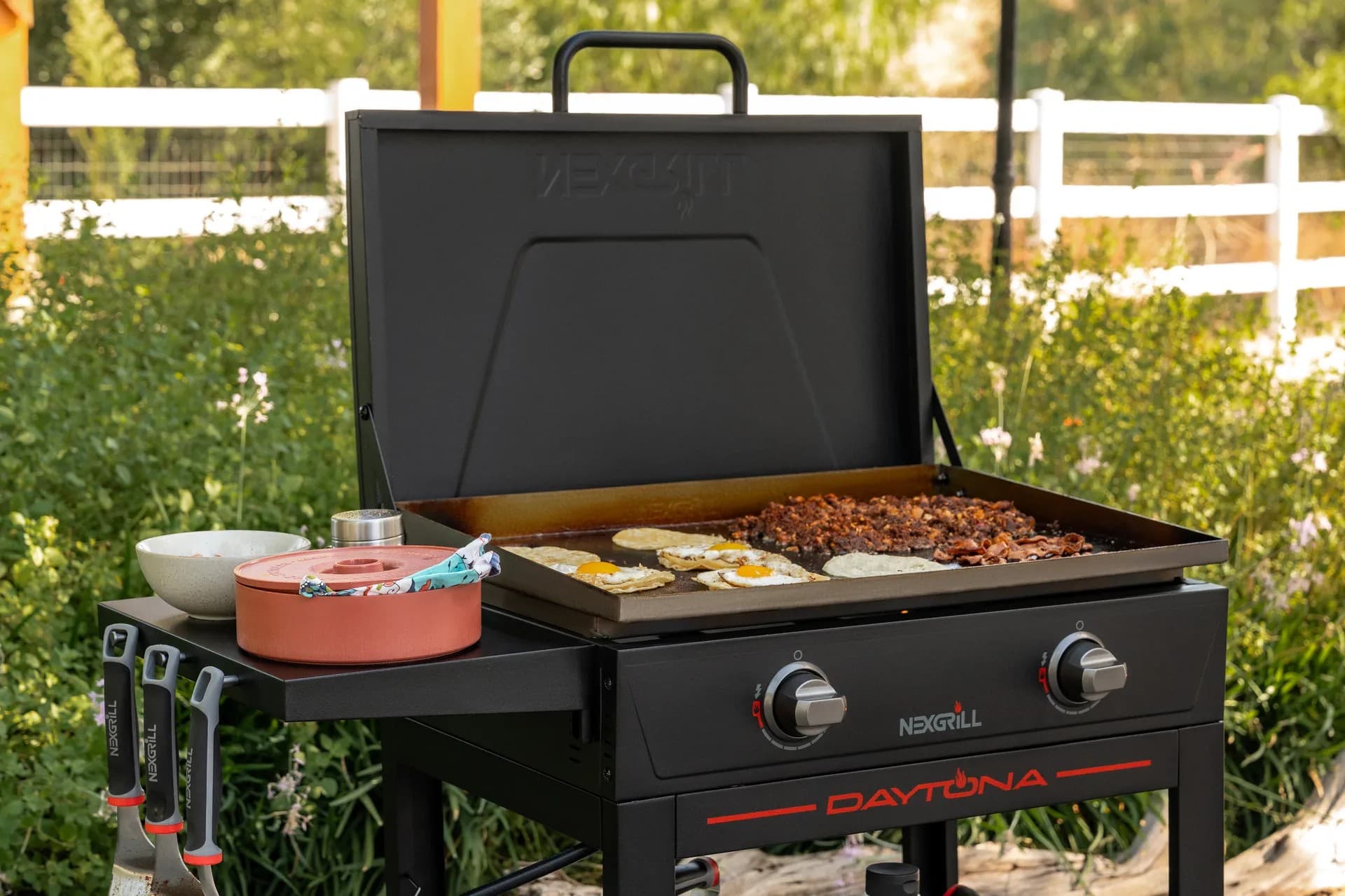
Mastering the 3-3-3 Rule for Grilling
A comprehensive guide to enhancing your grilling technique with the 3-3-3 rule.
In This Article
Timing Precision
Rest for Flavor
Advanced Techniques
Understanding the 3-3-3 Rule
The 3-3-3 rule is a grilling technique designed to simplify the process of achieving perfectly cooked meats, particularly steaks. It's a method that balances time and technique to ensure consistent results, making it a favorite among both novice and experienced grillers. The rule refers to three minutes on one side, three minutes on the other, followed by three minutes of resting. While it sounds straightforward, the true effectiveness of this method lies in understanding its nuances and applying it effectively.
Why Timing Matters
Timing is crucial in grilling, as it influences the texture, flavor, and juiciness of the meat. The initial three minutes on each side allow the meat to cook evenly and develop a flavorful crust through the Maillard reaction, a chemical reaction that occurs when proteins and sugars in the meat are exposed to high temperatures. This crust locks in juices, enhancing flavor and tenderness.
Tip: Use a timer to ensure precision and avoid overcooking.
The Importance of Resting
Resting meat after cooking allows the juices to redistribute, resulting in a more tender and flavorful dish. During the final three minutes off the grill, the residual heat continues to cook the meat gently, a process known as carryover cooking. This period also helps the meat fibers relax and reabsorb the juices, preventing them from spilling out when cut.
| Step | Action |
|---|---|
| 1 | Grill on one side for 3 minutes |
| 2 | Flip and grill other side for 3 minutes |
| 3 | Rest off grill for 3 minutes |
Adapting the 3-3-3 Rule to Different Cuts
While the 3-3-3 rule is a great starting point, different cuts of meat may require adjustments. Thicker cuts like ribeye may need additional searing time, while thinner cuts like flank steak may require less. Adjusting the grilling time ensures that each cut achieves the desired level of doneness without becoming dry or overcooked.
Factors Influencing Cooking Time
- Meat thickness: Thicker cuts need longer cooking times to reach the desired internal temperature.
- Grill heat: Consistent temperature is key; use a thermometer to monitor grill heat.
- Meat starting temperature: If the meat is chilled, it might need a bit more time.
Tip: Always allow meat to reach room temperature before grilling for more even cooking.
Try comparing two products side by side below to see which fits best:
Enhancing Your Grilling Experience
Once you've weighed two options against each other, here's what else matters when applying the 3-3-3 rule to elevate your grilling skills. Beyond timing, it's essential to understand the role of seasoning, grill maintenance, and technique in achieving the perfect grill.
Perfecting Seasoning Techniques
Seasoning is more than just adding flavor; it's about enhancing the natural taste of the meat. A simple blend of salt and pepper can suffice, bringing out the meat's natural juices and complementing the smoky grill flavor. For those seeking more depth, consider adding garlic powder or a dash of cayenne for a spicy kick.
Warning: Over-seasoning can mask the natural flavors; balance is key.
Maintaining Your Grill for Optimal Performance
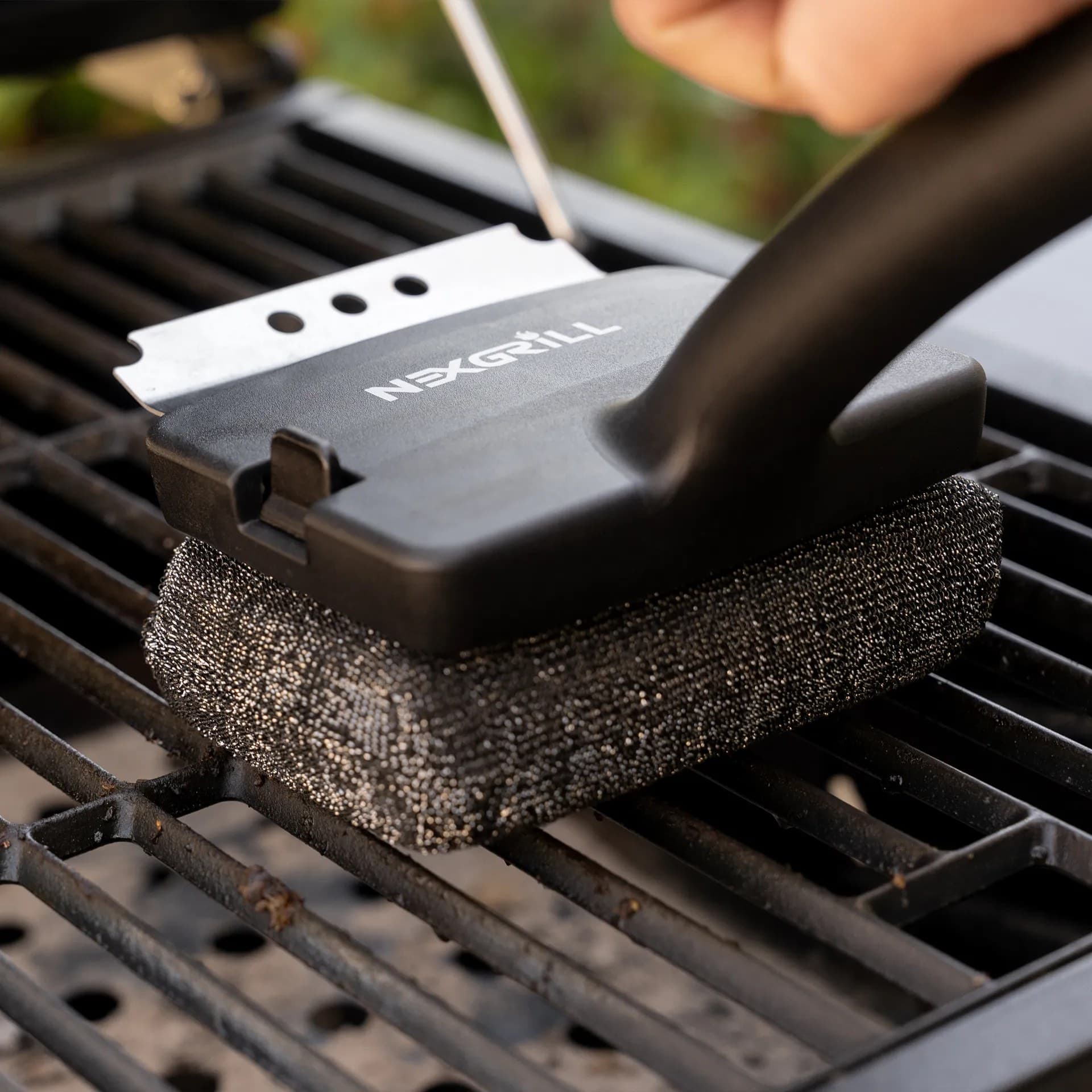
A well-maintained grill not only performs better but also extends its lifespan. Regular cleaning of grates prevents build-up that can affect heat distribution. Inspect burners for blockages and check gas lines regularly to ensure safety and efficiency. For more insights, check our article on outdoor grilling tips.
| Maintenance Task | Frequency |
|---|---|
| Clean grates | After each use |
| Inspect burners | Monthly |
| Check gas lines | Before each season |
Advanced Grilling Techniques
To further enhance your grilling, consider incorporating advanced techniques such as reverse searing or using a two-zone setup. Reverse searing involves slow-cooking the meat before finishing it with a high-heat sear, providing more even cooking. A two-zone setup allows for direct and indirect cooking, giving you more control over the cooking process.
Info: Experiment with wood chips to add unique flavors to your grilled meats.
Conclusion
Mastering the 3-3-3 rule is about more than just timing; it's about precision, adaptation, and understanding the nuances of grilling. By integrating these insights, you can elevate your outdoor cooking and consistently deliver mouth-watering results.