A detailed guide to recognizing, preventing, and addressing gas leaks in grills.
Here's what sets us apart from the competition
We position ourselves as delivering high-end outdoor cooking features and performance without premium-brand pricing, emphasizing “Quality Grills. Unbelievable Value.”
We offer gas grills, pellet grills, griddles, smokers, pizza ovens, portable/tabletop grills, electric grills, accessories, and replacement parts — allowing customers to stay within one ecosystem for all outdoor cooking needs.
We differentiate ourselves through smart grilling products like the Oakford smart pellet grill, including app-connected cooking controls and modern outdoor cooking technology.
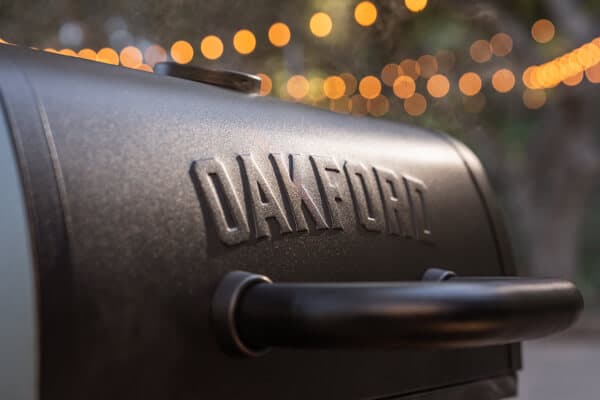
Expert tips, buying guides, comparisons, and inspiration for choosing and getting the most out of your grill.
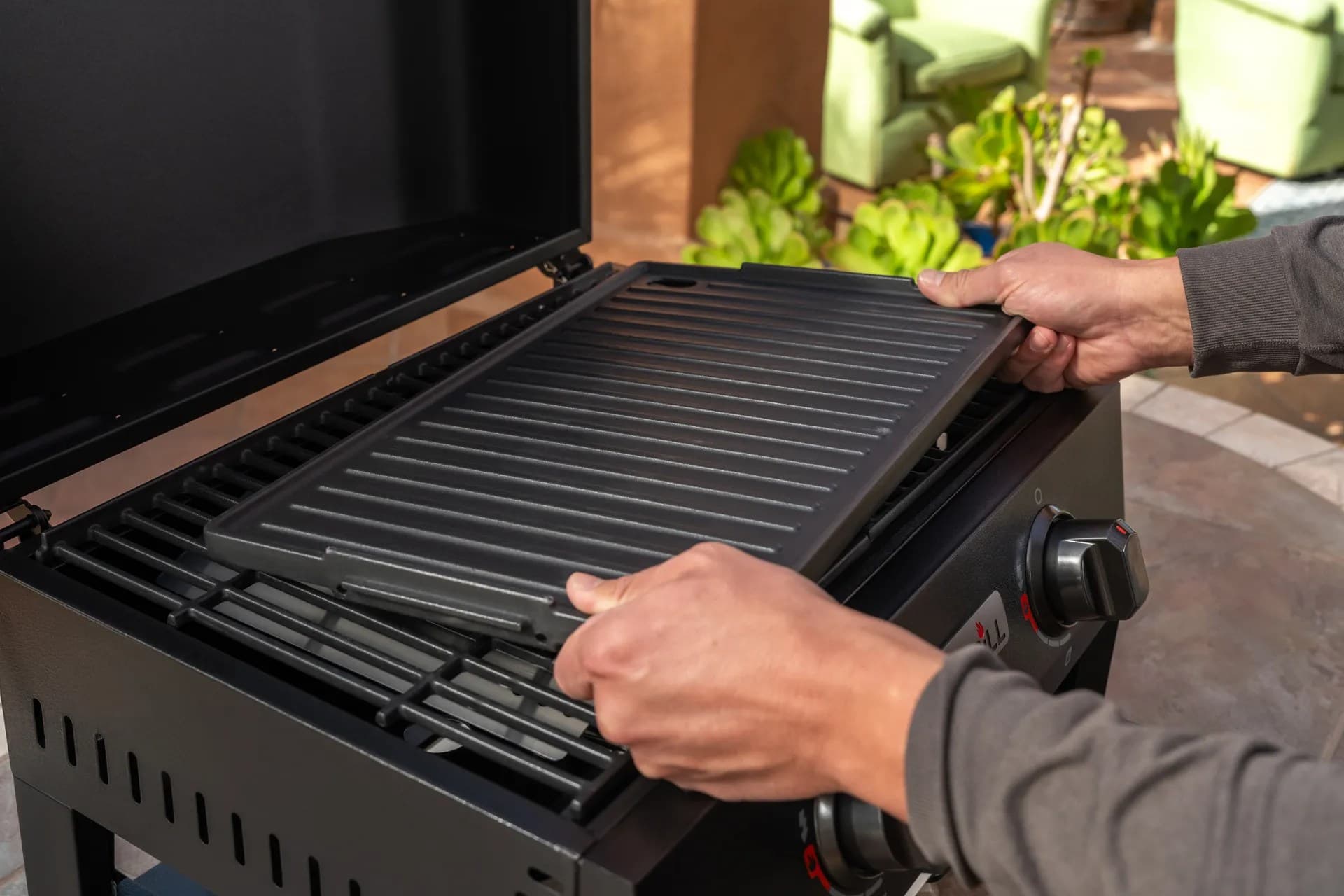
Practical guides for cleaning, maintenance, common grill issues, and performance optimization.
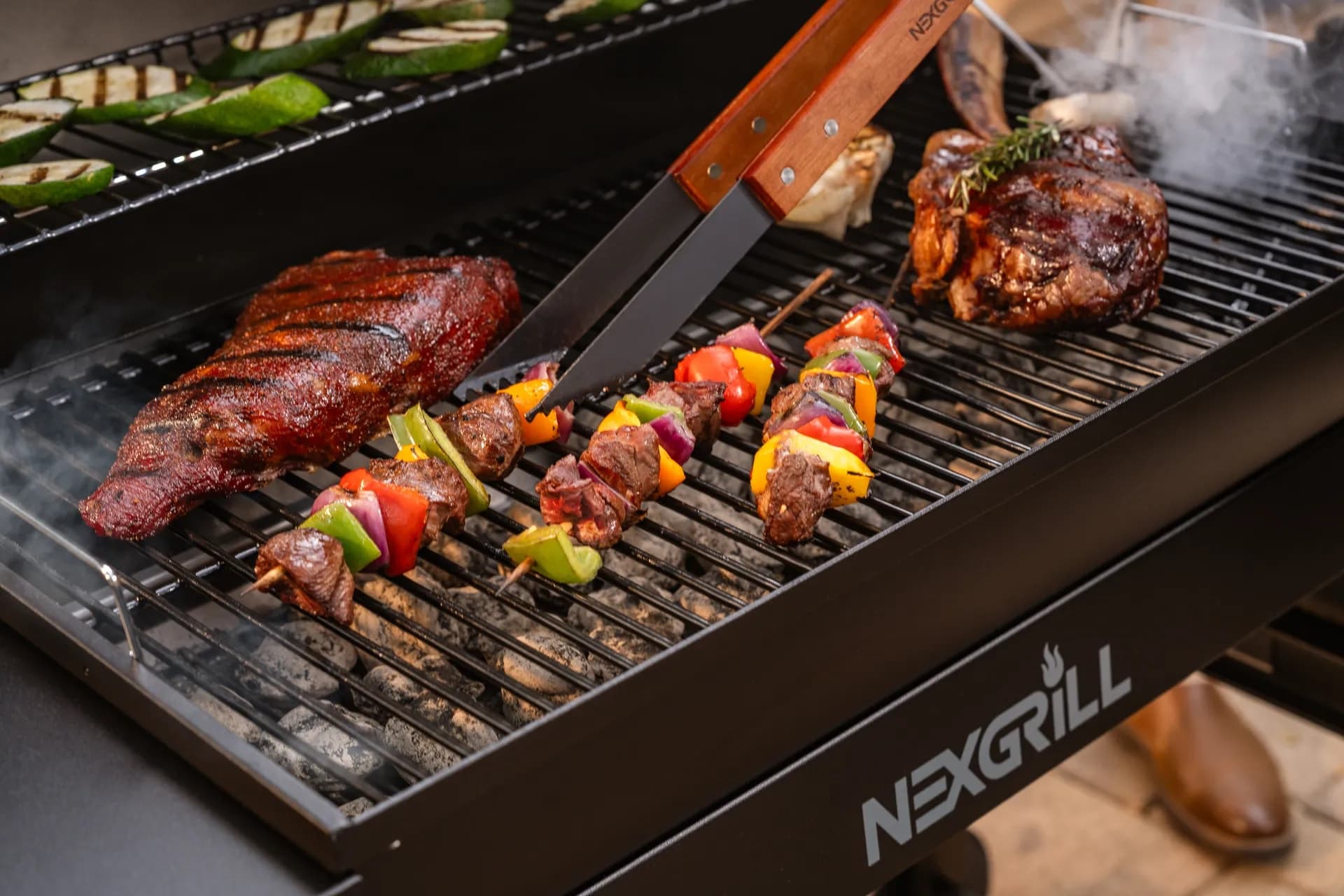
Step-by-step grilling recipes, cooking techniques, and meal ideas for every occasion and skill level.

Backyard entertaining ideas, seasonal grilling inspiration, and stories that celebrate outdoor cooking culture.
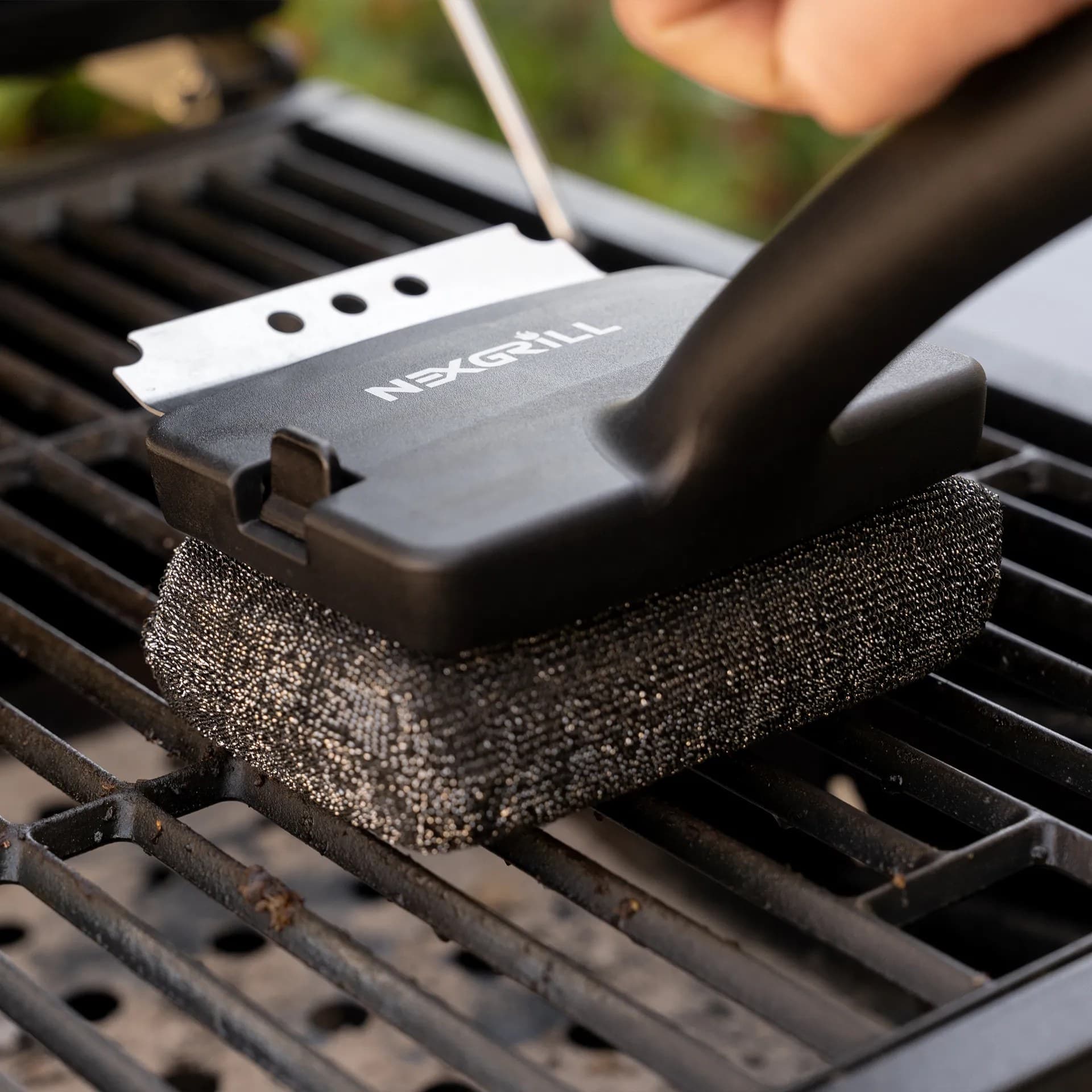
Helpful articles covering grilling tools, cookware, maintenance gear, and must-have accessories for outdoor cooking.
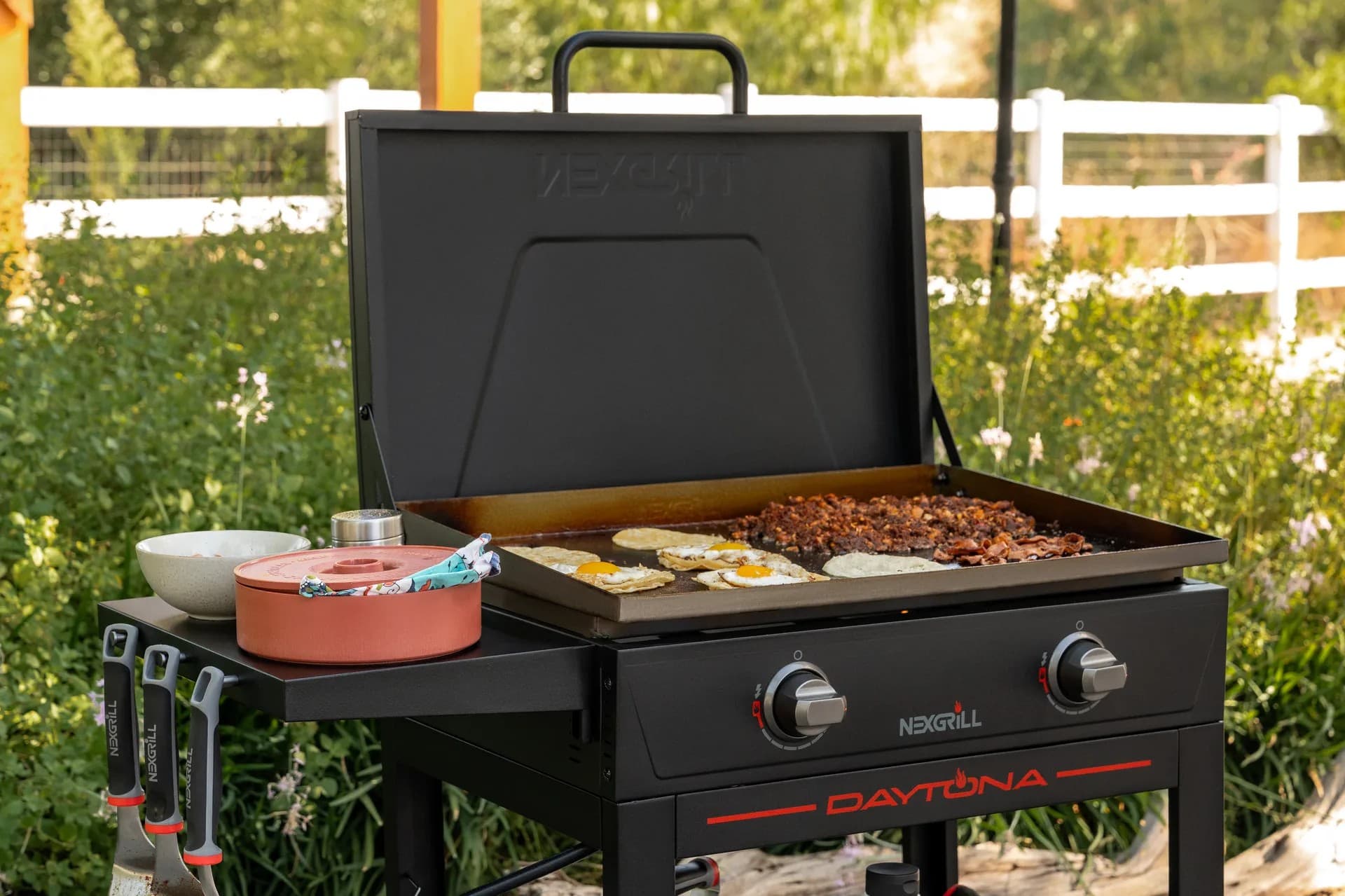
Find griddle recipes, cooking techniques, cleaning tips, and outdoor meal ideas designed for Nexgrill griddles.
Find answers to common questions
To clean your Nexgrill grill, ensure it is cooled down first. Use a grill brush to scrub the grates, and wipe down the exterior with warm, soapy water. For deeper cleaning, disassemble parts as per the user manual's instructions.
If your grill won't light, check that the propane tank has gas and that all connections are secure. Ensure the ignition switch is functioning and that there are no obstructions in the burners. Refer to the troubleshooting section of your manual for specific steps.
It's recommended to perform regular maintenance checks after every use, such as cleaning grates and checking gas connections. In addition, a thorough inspection and cleaning every few months can prolong the life of your grill and ensure optimal performance.
To store your grill during the off-season, clean it thoroughly and ensure it is dry to prevent rust. Cover it with a grill cover designed for your model, and store it in a dry, sheltered location if possible.
Uneven heat may occur due to clogged burners or worn-out flame tamers. Check for blockages in the burner ports and clean them as necessary. Additionally, ensure that the grill is level and properly assembled for consistent heat distribution.
In This Article
Identify Gas Leaks
Preventive Measures
Professional Help
Gas grills have become a staple in many backyards, offering convenience and efficiency in outdoor cooking. Understanding the components and operation of a gas grill is essential for ensuring safety and performance. A typical gas grill consists of burners, a grill body, cooking grates, and a gas supply system. The gas supply is usually propane or natural gas, which is controlled through a regulator and distributed to the burners.
Gas grills work by igniting the gas flowing through the burners, which then heats the cooking grates. This setup allows for quick and even cooking. However, the complexity of these components can lead to potential risks if not handled properly, such as gas leaks.
Average incidents related to gas grills annually in the U.S.
Gas leaks in grills can occur due to various reasons. These include damaged hoses, loose connections, faulty regulators, or aged components. Regular inspection and maintenance can help identify these issues early, preventing potential hazards.
Tip: Always perform a leak test after setting up your grill or replacing the propane tank.
Identifying a gas leak early is crucial for safety. Common signs include the smell of gas (often described as a rotten egg or sulfur odor), hissing sounds near the gas source, or visible bubbles if soapy water is applied to suspect areas. Immediate action should be taken if any of these signs are observed.
One practical method to check for leaks is the soapy water test. Mix water with dish soap and apply it to the connection points of the grill. If bubbles form, this indicates a leak, and repairs should be made before using the grill again. This method aligns with essential safety tips for safe grilling.
| Sign | Description |
|---|---|
| Odor | Smells like rotten eggs or sulfur. |
| Sound | Hissing noise near the gas supply. |
| Bubbles | Bubbles form when soapy water is applied. |
For more comprehensive guidance, it is recommended to follow manufacturer instructions and safety guidelines. Regular maintenance checks and professional inspections can significantly reduce the risk of gas leaks and enhance the longevity of your grill.
Preventing gas leaks involves regular maintenance and proper handling of the grill. Key preventive measures include checking the integrity of hoses and connections, ensuring the regulator is functioning correctly, and replacing any worn-out parts immediately. Keeping your grill clean also helps prevent buildup that could lead to blockages and leaks.
It is essential to store propane tanks properly, away from heat sources and in an upright position. Regularly inspect the tank for any signs of damage or rust, which can compromise its integrity. Using a grill cover can protect the grill components from environmental factors that may cause wear and tear.
If a gas leak is detected, immediate action is required. Turn off the gas supply at the source and evacuate the area. Avoid using any electrical devices, which could ignite the gas. Ventilate the area and contact a professional to assess and rectify the situation.
Warning: Never attempt to repair a gas leak without professional assistance. Improper handling could increase the risk of an explosion.
Understanding the correct procedures for handling gas leaks not only ensures your safety but also protects your property and those around you.
Even with regular home maintenance, professional inspections are advisable at least once a year. Professionals have the expertise to identify potential issues that may not be visible to the untrained eye. They can perform pressure tests, examine the regulator, and ensure all components are functioning as intended.
Investing in professional maintenance services can prevent costly repairs in the future and provide peace of mind, knowing that your grill is in safe operating condition.
| Inspection Task | Frequency |
|---|---|
| Hose Inspection | Monthly |
| Regulator Check | Annually |
| Professional Inspection | Annually |
Educating yourself and others about the potential risks associated with gas grills can significantly reduce the likelihood of accidents. Awareness programs and resources are available from manufacturers and safety organizations, providing valuable information on safe grill operation and emergency procedures.
For more detailed guidelines and safety tips, access online resources or consult your grill’s user manual. Regularly updating your knowledge on grilling safety is a proactive step towards a safer grilling experience.
Info: Many manufacturers offer online videos and tutorials on grill safety. Utilize these resources for visual guidance.
Here's what sets us apart
We position ourselves as delivering high-end outdoor cooking features and performance without premium-brand pricing, emphasizing “Quality Grills. Unbelievable Value.”
We offer gas grills, pellet grills, griddles, smokers, pizza ovens, portable/tabletop grills, electric grills, accessories, and replacement parts — allowing customers to stay within one ecosystem for all outdoor cooking needs.
We differentiate ourselves through smart grilling products like the Oakford smart pellet grill, including app-connected cooking controls and modern outdoor cooking technology.
Don't just take our word for it
Keep reading
From our catalog