Mastering the Tabletop Grill with Independent Burners
Explore the versatility and benefits of independent burners for your outdoor cooking.
In This Article
Enhanced Heat Control
Versatile Cooking Options
Popular Models Reviewed
Introduction to Tabletop Grills with Independent Burners
A tabletop grill with independent burners is built for cooks who want more than a simple hot surface. Instead of relying on one uniform flame zone, these grills let you manage multiple heat areas on a compact, portable cooking platform. That matters when you are trying to sear one item hard, hold another item gently, and keep a third batch warm without overcooking it. For backyard cooks, tailgaters, apartment patio users, and anyone who values flexibility in a small footprint, independent burners turn a tabletop grill into a far more precise tool.
The real appeal is control. A basic tabletop grill can cook dinner, but a model with separate burner controls can do much more. You can run one side hotter for steak or burgers while keeping the other side at a lower temperature for vegetables, flatbreads, or delicate seafood. That gives you the same kind of workflow many people like in a full-sized backyard setup, only in a form that is easier to carry, store, and set up on a smaller deck, campsite table, or outdoor prep station.
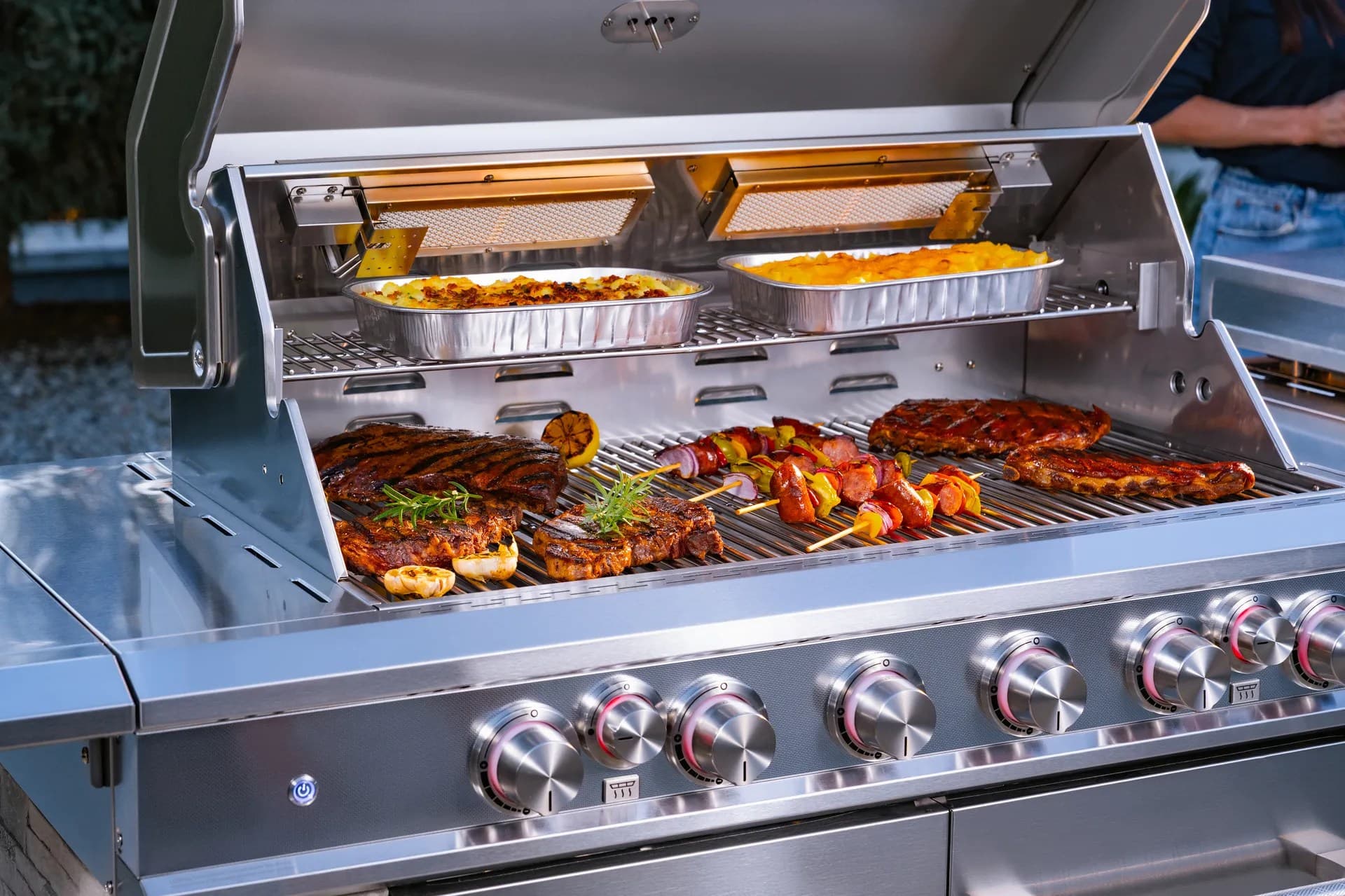
Independent burners are especially useful when your cooking timing is uneven. Instead of waiting for every item to finish at the same pace, you can build a simple hot zone and cool zone strategy right on the tabletop.
Separate burner zones can change how the same compact grill handles multiple foods at once.
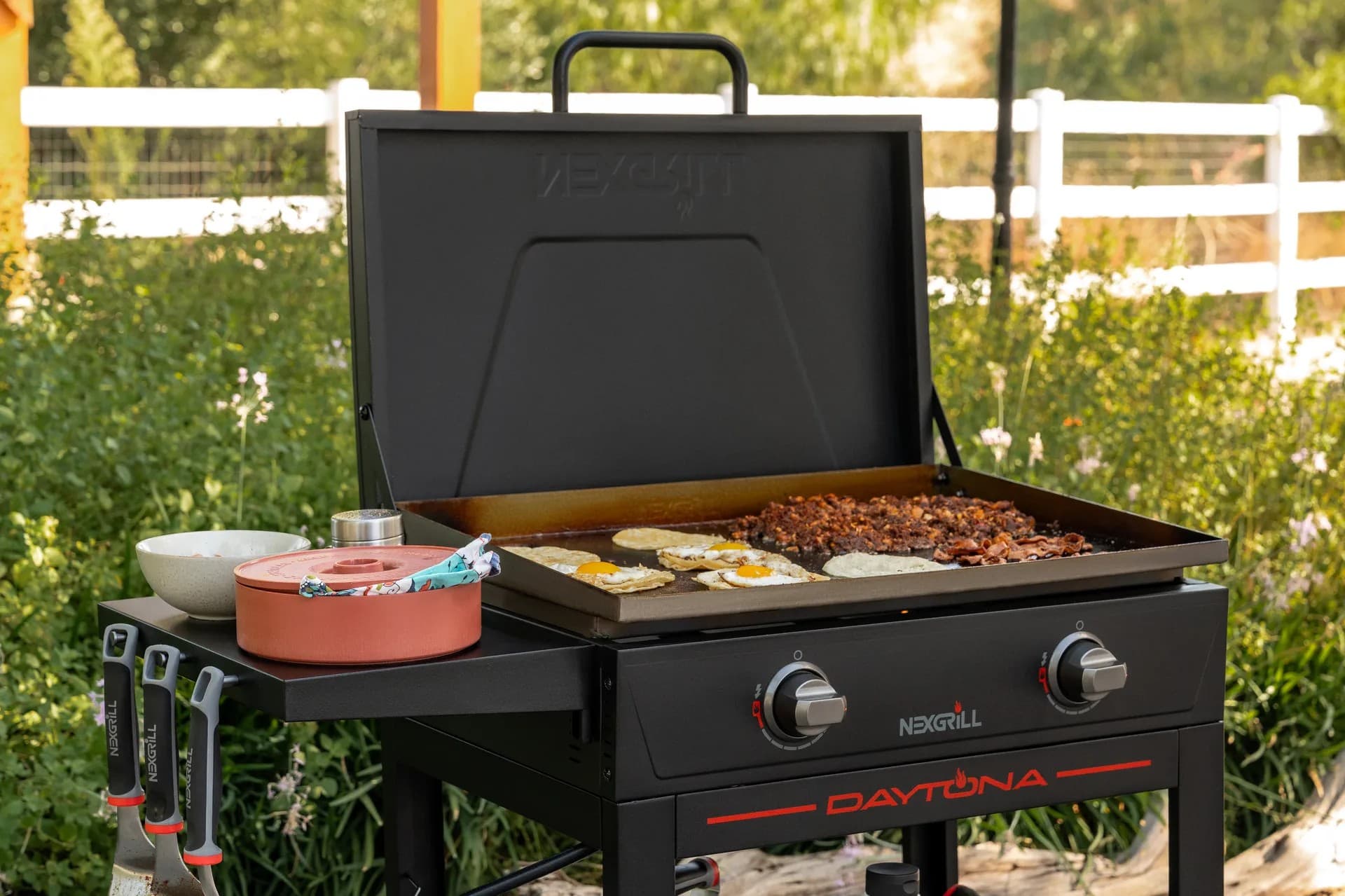
Nexgrill’s approach to outdoor cooking has long emphasized practical versatility and approachable performance, which is why the tabletop-grill-with-independent-burners category makes sense for value-conscious shoppers who still want real cooking flexibility. The best models do not just heat food; they help you organize a meal. That might mean holding tortillas on one side while charing vegetables on the other, or cooking breakfast items at a gentler pace while keeping bacon crisping without burning. When a grill offers separate controls, it becomes easier to match the cooking tool to the food instead of forcing every ingredient to adapt to the same burner output.
This article is designed to help you understand not only what independent burners do, but also how to judge whether a specific tabletop grill is worth the investment. The details matter because a portable grill can look similar from the outside and still perform very differently once you start cooking. Burner layout, BTU output, materials, size, and cleaning access all influence whether the grill feels nimble or frustrating in actual use.
Benefits of Independent Burners in Grilling
The main benefit of independent burners is temperature separation. On a one-burner tabletop unit, every inch of the grate tends to behave similarly once preheated. That works fine for quick burgers, but it limits you the moment your menu becomes more varied. Independent burners let you create a high-heat side for direct cooking and a lower-heat side for finishing, resting, or warming. That is useful for weeknight meals and especially helpful when you are cooking for people with different preferences, such as steaks for one guest and vegetables for another.
Another benefit is better timing control. On smaller grills, food can move from perfect to overdone in a matter of minutes. With separate burners, you can keep one section ready while the other section finishes. If one batch is done early, you do not have to remove it from the grill entirely and lose heat. Instead, you can slide it to the cooler burner or turn that burner down and keep the food in a safer holding zone. That helps with texture, moisture retention, and serving everything closer together.
A higher burner count is only valuable when the controls are truly separate. Two burners that act like one hot zone do not give you the same flexibility as independent, adjustable heat zones.
Independent burners also broaden the kinds of food you can cook outdoors. A tabletop grill with one hot zone can handle searing, but a unit with multiple independently controlled burners can handle grilling, warming, toasting, and gentler finishing at the same time. That matters for foods like fish, skewers, peppers, onions, naan, shrimp, and thin-cut vegetables, which often need a lighter touch than thick steaks or sausage. It also makes the grill more useful for breakfast and brunch, where you may want one section hot for eggs or breakfast meats and another section moderate for pancakes or tortillas.
There is also a practical efficiency angle. Independent burners can reduce the need to run the entire grill at maximum heat just because one item needs a hot sear. In real-world use, that may mean better fuel management and less wasted heat, especially on propane units. More importantly, it gives the cook better confidence. Instead of constantly moving food on and off the grill, you can make small adjustments and keep the meal flowing naturally.
Types of Tabletop Grills Available
Tabletop grills come in several fuel types, and the right choice depends on how you cook, where you cook, and how much control you want. Gas tabletop grills are the most direct fit for independent burner setups because each burner can usually be adjusted separately. That makes gas a strong choice for cooks who want fast ignition, quicker preheat times, and immediate temperature changes. If you like being able to turn one side down while keeping the other side hot, gas is usually the most intuitive option.
Charcoal tabletop grills offer a different kind of experience. They can deliver excellent flavor and strong searing, but burner independence is not part of the format in the same way. Instead, heat control comes from coal placement, airflow, and cooking zone arrangement. If your priority is hands-on fire management and smoky flavor, charcoal can still be compelling, but it is not the most direct match for the independent-burner idea.
Electric tabletop grills exist too, and they are often chosen for convenience in spaces where open flame or propane use is limited. They are simple to operate and can be easy to clean, but they generally do not offer the same kind of burner-by-burner control as a gas tabletop grill. For shoppers specifically researching independent burners, electric is usually more of a comparison point than the primary target.
| Type | Control Style | Best Use | Typical Trade-Off |
|---|---|---|---|
| Gas tabletop grill | Separate burner controls, fast adjustment | Multi-zone cooking, frequent use | Requires fuel handling and setup |
| Charcoal tabletop grill | Heat shaped by coals and airflow | Flavor-focused cooking | Slower start, less instant control |
| Electric tabletop grill | Temperature setting on one heating surface | Convenience in limited spaces | Less direct burner-style zoning |
For many buyers, the best answer is a compact gas model with independent burners, because it bridges portability and cooking flexibility. It is the category most likely to satisfy a user who wants one grill that can travel, store easily, and still behave like a serious outdoor cooking station when needed.
Understanding BTU Ratings and Their Importance
BTU, or British Thermal Unit, is a measure commonly used to describe heat output. In tabletop grills, the number can help you compare power potential, but it should never be treated as the only measure of performance. A higher BTU figure may indicate more heat available, yet actual cooking quality also depends on burner design, heat distribution, cooking surface size, grate material, and how effectively the grill holds and directs heat.
For independent burner grills, BTU matters because it helps you understand whether each zone can maintain enough energy for the type of food you want to cook. A grill with weak output per burner may struggle when you try to run two zones at once, especially if wind or cold weather is involved. A more balanced design can let you sear on one side while holding a gentler temperature on the other side without a dramatic drop in performance.
When comparing tabletop grills, look at BTU in context of size. A compact grill with moderate BTU can feel more responsive than a larger unit with a higher total number but poor heat retention.
A practical way to think about BTU is to ask whether the grill can recover heat after you open the lid or add cold food. Good recovery matters for burgers, chicken, and vegetables because it helps the surface stay active instead of sagging in temperature. If independent burners are part of the design, you also want each burner to have enough range to shift from low to high without awkward jumps. That kind of control is more useful in real cooking than a headline number alone.
For U.S. shoppers comparing models, it helps to view BTU as one ingredient in a broader decision. Consider how often you cook, whether you expect to grill for two people or a larger group, and whether you need the grill to handle searing, warming, or multi-course cooking in the same session. Once you start thinking in terms of cooking behavior rather than raw power alone, independent burners become much easier to evaluate.
Try comparing two products side by side below to see which fits best:
Comparative Analysis of Popular Tabletop Grill Models
Once you have compared two options side by side, the next step is to judge how those differences show up in real cooking. A tabletop grill with independent burners should be evaluated by more than size or sticker price. The better question is whether the grill gives you useful control in the situations you actually face: a quick weeknight dinner, a patio breakfast, a tailgate, or a campsite meal where you need one surface to sear and another to hold. That is where model differences become meaningful.
Among popular tabletop-grill-with-independent-burners options, the strongest entries usually share three traits: separate heat zones that are genuinely adjustable, enough total output to keep both zones active, and a cooking surface that is manageable on a table without feeling cramped. Shoppers often gravitate toward compact propane units because propane gives fast startup and simple zone control. If you care about preparing multiple foods at different temperatures, that format is usually more practical than a single-zone portable grill. It also tends to be easier for beginners to understand, because burner adjustments are immediate and visible.
User reviews frequently point to the same make-or-break details. First, people like grills that preheat quickly and recover heat after the lid is lifted or food is added. Second, they notice whether the grate has even hot spots or whether one burner overwhelms the other. Third, they care about cleanup. A compact grill can be highly attractive until grease channels, drip trays, or grate surfaces become difficult to manage. That is why a model that seems modest on paper can outperform a more powerful one if it is easier to live with over time.
| Model Factor | What Strong Performance Looks Like | Why It Matters |
|---|---|---|
| Independent burner response | Each burner changes heat quickly and predictably | Lets you build true hot and cool zones |
| Total heat output | Enough output to cook on more than one zone at once | Prevents sluggish recovery during meal prep |
| Cooking surface layout | Space that fits a practical meal, not just one showpiece item | Improves meal timing and batch cooking |
| Portability | Reasonable weight and stable handle or body design | Makes the grill easier to move, store, and use outdoors |
A helpful way to compare models is to think about the food you cook most often. If you prepare steaks, vegetables, and tortillas in the same session, choose a grill with clean zone separation and enough grate area to avoid crowding. If your use case is mostly searing two or three items at a time, a lighter model may be all you need. If you expect to cook for a group, prioritize a layout that supports simultaneous cooking without forcing everything into the same heat profile. Those differences show up immediately in user satisfaction.
Price also deserves context. Budget-friendly tabletop grills can be a smart purchase if they offer true independent controls and are easy to maintain, while a mid-range model may justify the extra cost if it includes better ignition, sturdier grate material, or a more refined burner layout. The goal is not to buy the most powerful grill in the category. The goal is to buy the one whose burner design matches your routine.
Which option suits you?
If you are a casual griller who wants straightforward weekend cooking, choose a compact gas tabletop grill with two independently controlled burners and an easy-to-read control layout. It gives you enough flexibility without overwhelming you with complexity. If you are a more experienced cook who likes managing different foods at the same time, select a model with stronger recovery, a more durable grate, and enough surface area to create a real two-zone setup. If portability is your top priority, look for a lighter tabletop unit that still has burner independence but does not sacrifice stability on a picnic table or outdoor cart.
User feedback also tends to reward grills that are intuitive to set up. A good tabletop design should not require a long learning curve before it becomes useful. The best models feel like they extend your cooking instincts rather than forcing you to fight the hardware. That is especially important in the independent-burner category, where the point is to make cooking easier, not more technical.
Maintenance and Care Tips for Longevity
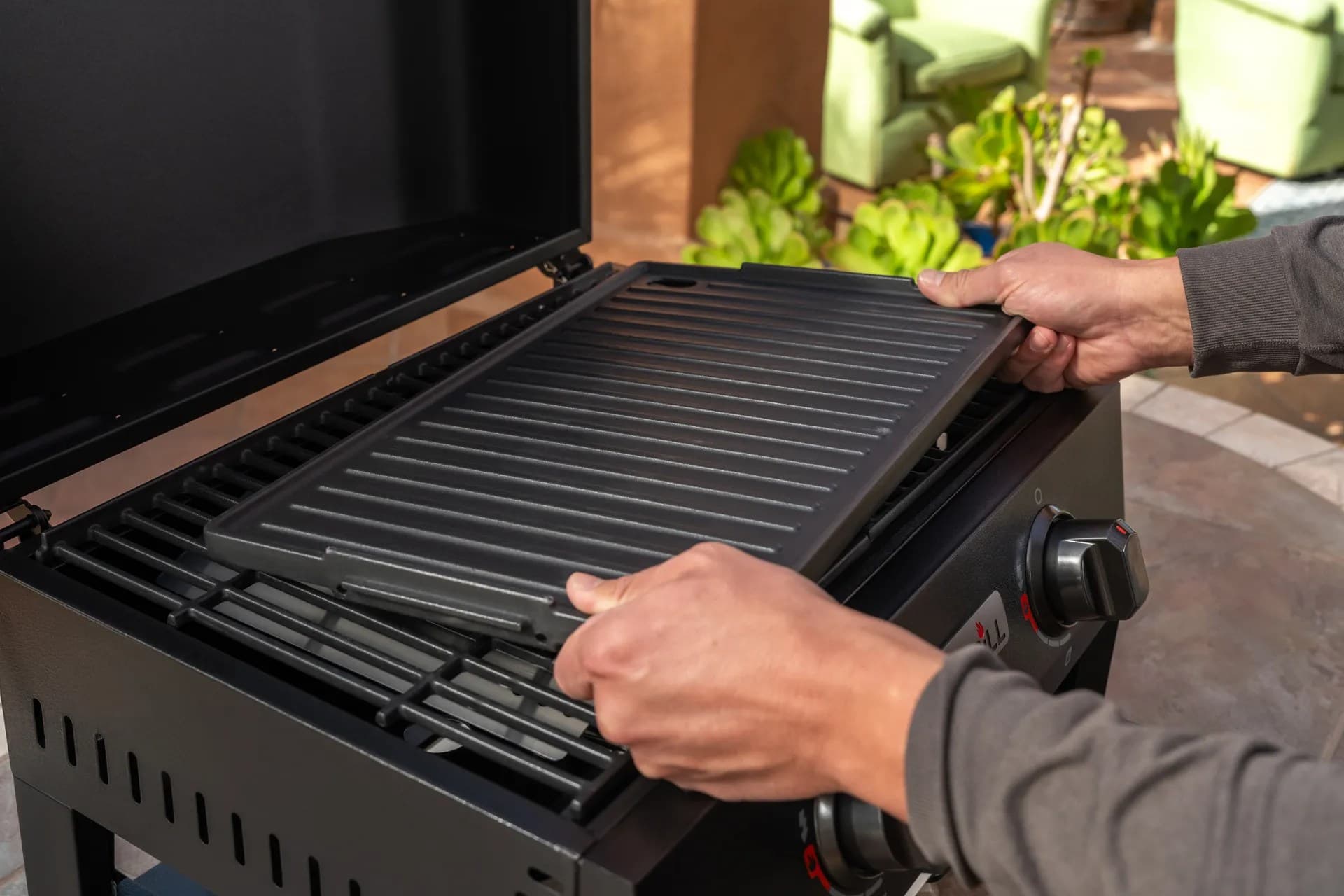
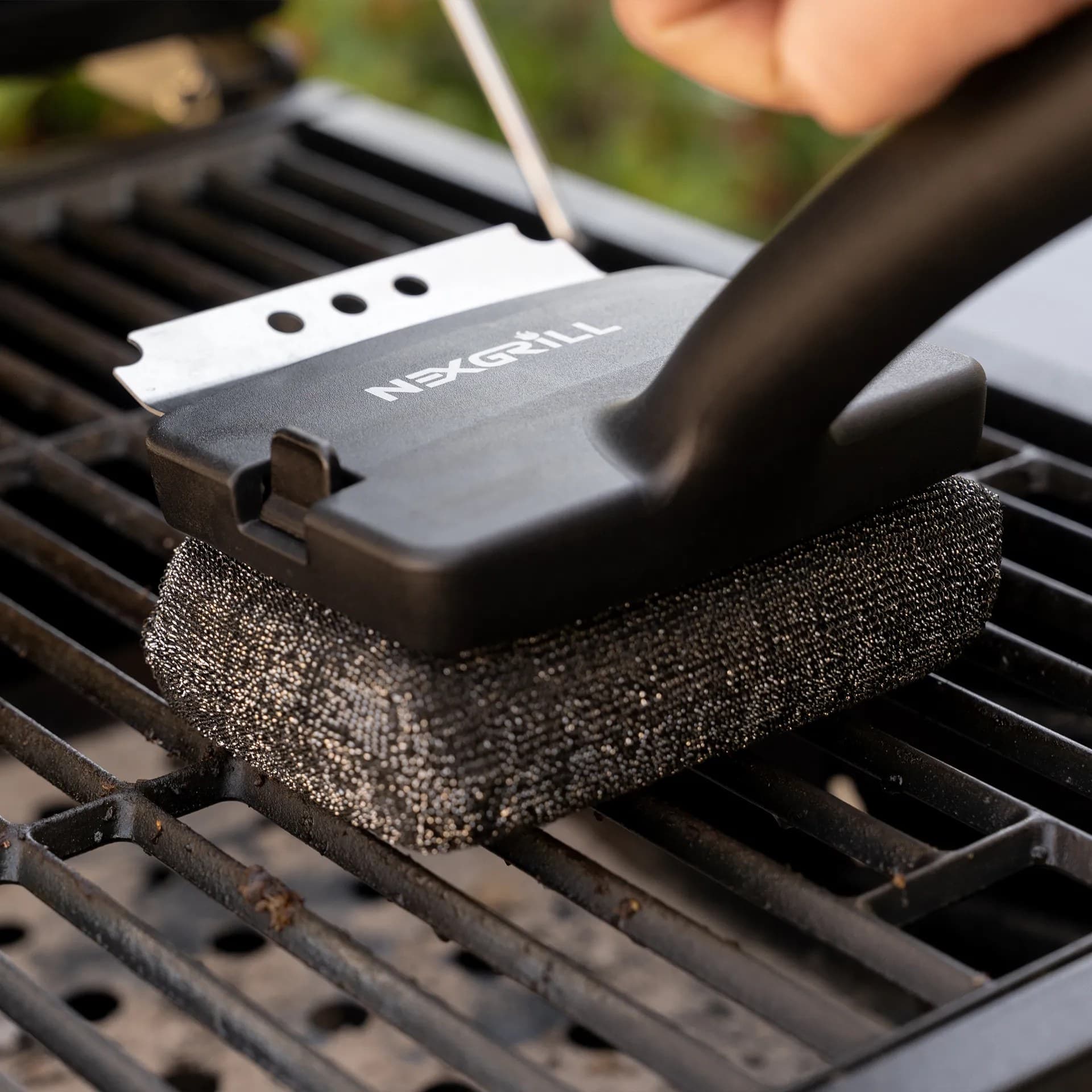
A tabletop grill with independent burners lasts longer and performs more consistently when it is cleaned and stored with care. Because the grill is compact, grease and residue can affect cooking performance quickly if they are ignored. After each cook, brush the grates while they are still warm enough to loosen residue, then wipe down accessible surfaces once the grill has cooled. This simple routine helps preserve heat transfer and prevents old buildup from affecting flavor.
Burner care matters just as much. Independent burners should be checked periodically for blocked ports, uneven flame behavior, or visible wear. If one burner seems weaker than the other, the grill may not be delivering balanced temperatures, which is exactly the problem independent zones are supposed to solve. Keeping vents, ignition components, and grease management parts clean helps the grill stay responsive and safer to use.
If your tabletop grill lives outdoors, a fitted cover and dry storage between uses can make a real difference in preserving ignition reliability and finish quality.
For long-term care, inspect hoses, fittings, and connection points before each season, especially on propane models that are moved frequently. Tabletop grills get bumped, carried, and re-positioned more often than full-size units, so small leaks or loose fittings can become easy to miss. On charcoal or hybrid units, remove ash and debris promptly so airflow stays open and surfaces do not corrode from lingering residue. The more regular your cleaning habit, the less likely you are to lose the temperature control that made the grill appealing in the first place.
Safety Precautions When Using Tabletop Grills
Safety starts with placement. A tabletop grill should sit on a stable, heat-resistant surface with enough clearance on all sides. That sounds basic, but it is especially important with independent burners because users often stand closer to the grill while adjusting zones or moving food around. Keep the grill away from railings, low branches, overhangs, and anything that can be damaged by heat or flare-up.
Ventilation matters too. Gas tabletop grills should be used outdoors in open air, never in enclosed areas such as garages or screened spaces that do not allow heat and exhaust to disperse properly. If you are using propane, check the connection before lighting, and make sure the tank and hose are positioned so they will not be pinched or tipped. For charcoal models, allow coals to cool completely before disposal, and keep ash contained in a safe, nonflammable container.
Do not assume a tabletop grill is safer simply because it is smaller. Compact size can make the cooking area feel closer and more concentrated, so careful handling is still essential.
It is also wise to resist overcrowding the cooktop. Too much food can trap grease, slow airflow, and increase the chance of flare-ups. With independent burners, the advantage is flexibility, not cramming the entire surface full. Leave room to move food from one zone to another. Use long-handled tools, heat-resistant gloves, and common-sense timing, especially when children, pets, or guests are nearby. These habits protect both the cook and the food.
Conclusion: Choosing the Right Grill for You
A tabletop grill with independent burners is a smart choice when you want portability without giving up serious cooking control. It is especially appealing if you regularly prepare more than one type of food at once, or if you want a small grill that can still behave like a flexible outdoor cooking station. The key is to prioritize useful burner separation, practical BTU output, manageable cleanup, and a size that fits your routine.
If your goal is simple, reliable outdoor cooking with more control than a single-zone portable grill can offer, this category deserves a close look. Choose the model that matches your space, your cooking style, and how often you expect to use it, and you will end up with a tabletop grill that feels genuinely useful instead of merely compact.