Exploring the Versatility of Tabletop Grills with Cast Iron Grates
Unlock the potential of your outdoor cooking with the benefits of cast iron grates.

In This Article
Heat Retention Benefits
Flavor Enhancement
Maintenance Tips
Introduction to Tabletop Grills with Cast Iron Grates
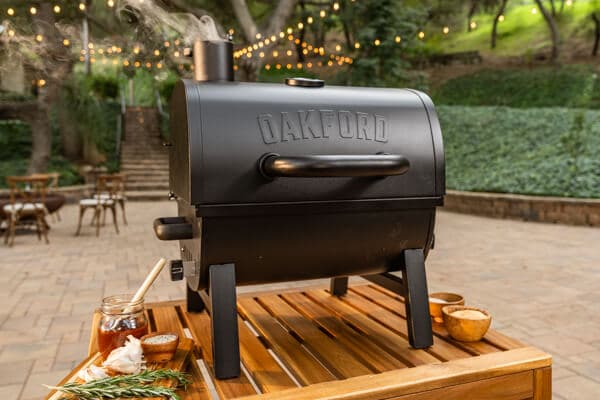
Tabletop grills are an increasingly popular choice for outdoor cooking enthusiasts who value portability and convenience. Among the various features that set these grills apart, cast iron grates stand out for their exceptional heat retention and durability. Whether you're grilling in your backyard, at a campsite, or during a tailgate party, tabletop grills with cast iron grates offer a unique combination of performance and flavor enhancement that appeals to both novice and experienced grillers.
Benefits of Cast Iron Grates
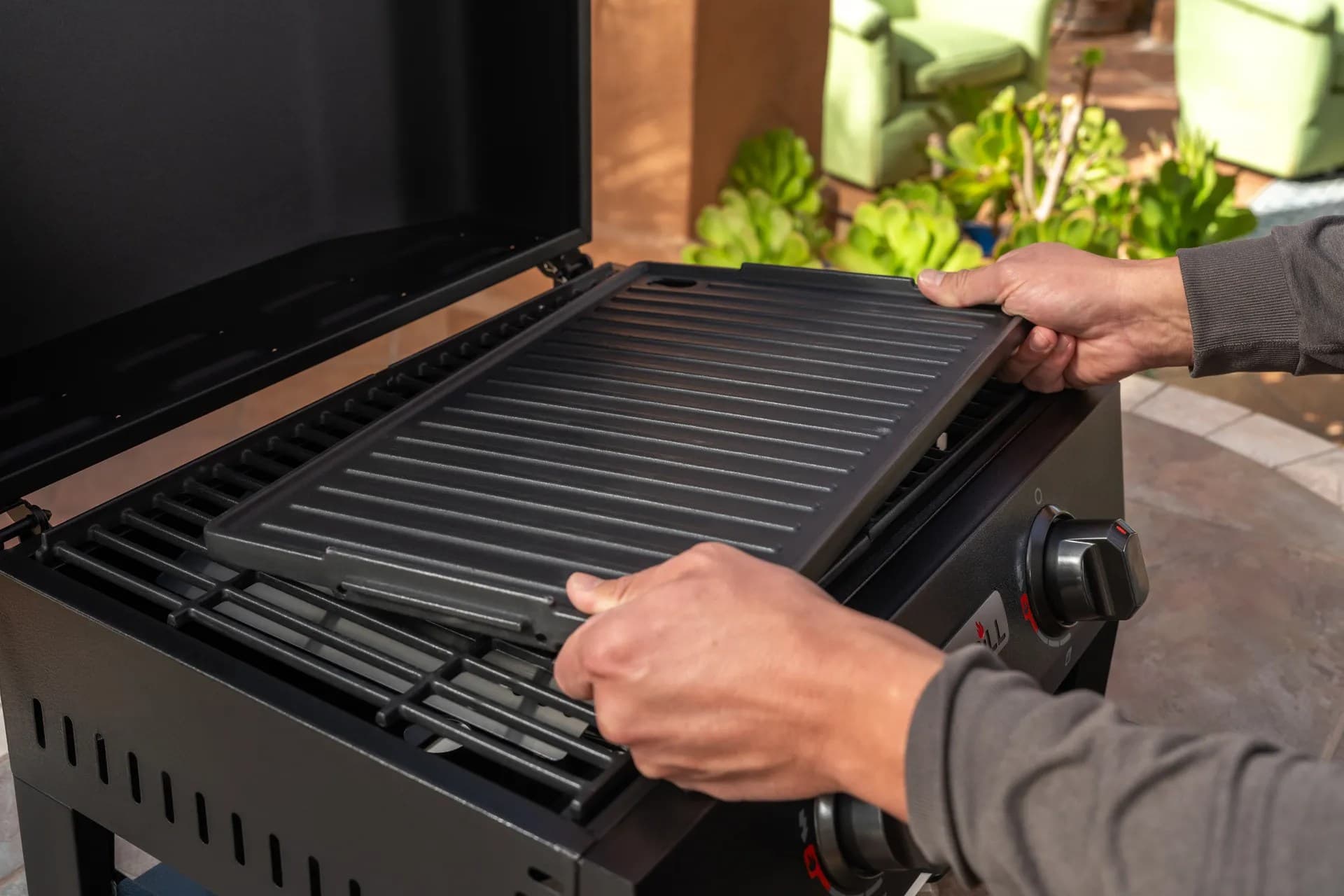
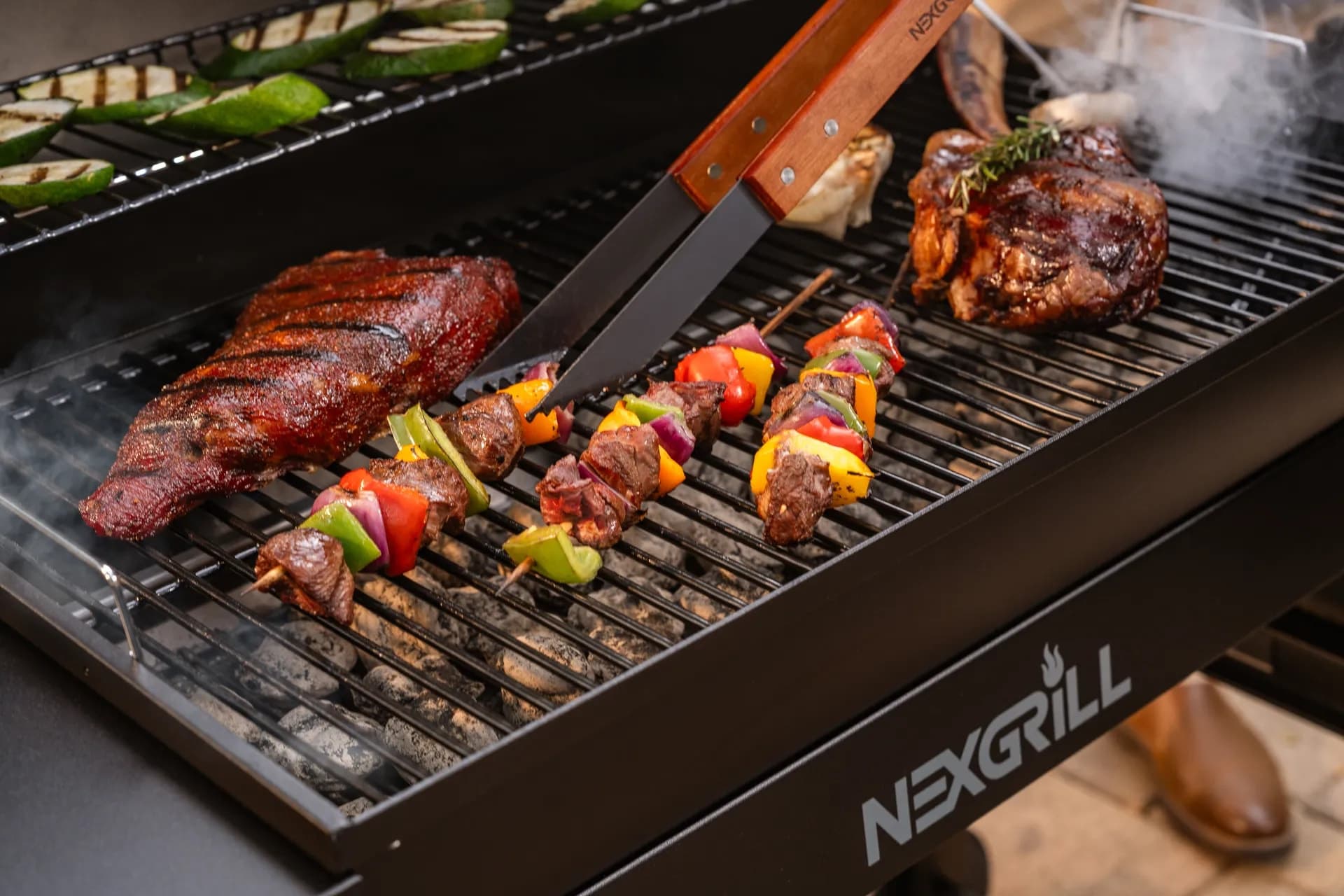
The primary advantage of using cast iron grates is their superior heat retention. Cast iron quickly absorbs heat and maintains it, providing consistent and even cooking temperatures across the grill surface. This feature is particularly beneficial for searing meats, as it creates the perfect crust while locking in juices, resulting in a flavorful and tender bite. Additionally, cast iron grates contribute to flavor enhancement by creating distinct grill marks and allowing for the development of rich, smoky flavors that are difficult to achieve with other materials.
Tip: Preheat your cast iron grates thoroughly before grilling to ensure optimal heat retention and searing.
Beyond performance, cast iron grates are known for their durability. With proper maintenance, they can last for many years, making them a cost-effective choice for regular grillers. Seasoning the grates with oil helps prevent rust and adds a protective layer that enhances non-stick properties over time.
Comparing Cast Iron with Other Grate Materials
When choosing a grill, it's essential to compare different grate materials to determine which best suits your needs. Cast iron, porcelain-coated cast iron, and stainless steel are among the most common options. Each material has its own set of advantages and trade-offs.
| Material | Heat Retention | Flavor | Maintenance |
|---|---|---|---|
| Cast Iron | Excellent | Rich | Requires seasoning |
| Porcelain-Coated | Good | Moderate | Easy to clean |
| Stainless Steel | Moderate | Mild | Low maintenance |
Porcelain-coated grates provide a non-stick surface, reducing the need for oiling and seasoning. However, they do not retain heat as well as pure cast iron, potentially impacting searing performance. Stainless steel grates are praised for their resistance to rust and ease of cleaning, but they often require more frequent replacement due to wear over time. Ultimately, the choice between these materials depends on your grilling style, maintenance preference, and the type of flavor profile you wish to achieve. Try comparing two products side by side below to see which fits best:
Maintenance Tips for Cast Iron Grates
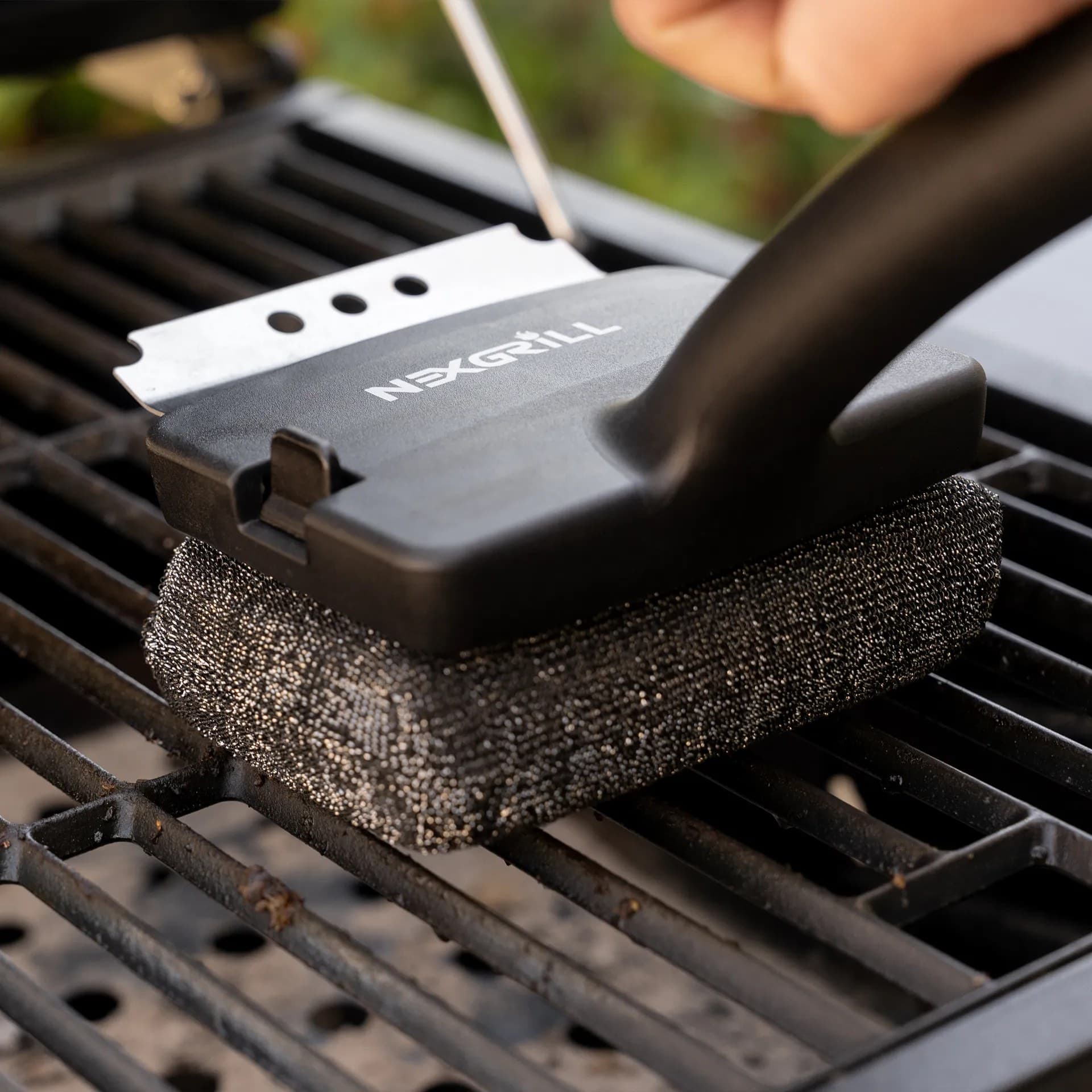
Maintaining cast iron grates properly is crucial to prolonging their lifespan and ensuring optimal cooking performance. Regular cleaning and seasoning are key practices that every grill owner should master. After each use, clean the grates with a grill brush while they are still warm to remove food residue and grease. This prevents buildup that could affect flavor and cooking efficiency.
Info: Avoid using soap or harsh chemicals on cast iron grates, as they can strip away the seasoning.
Seasoning involves applying a thin layer of oil to the grates and heating them until the oil forms a protective coating. This not only prevents rust but also enhances the non-stick surface. Re-season the grates periodically, especially if you notice food sticking or signs of rust.
Top Tabletop Grill Models with Cast Iron Grates
Several brands offer high-quality tabletop grills with cast iron grates, each with unique features that cater to different grilling needs. The Weber Q1200 is a popular choice known for its compact design and reliable performance. It features a 189 square inch cooking area and a built-in thermometer for precise temperature control.
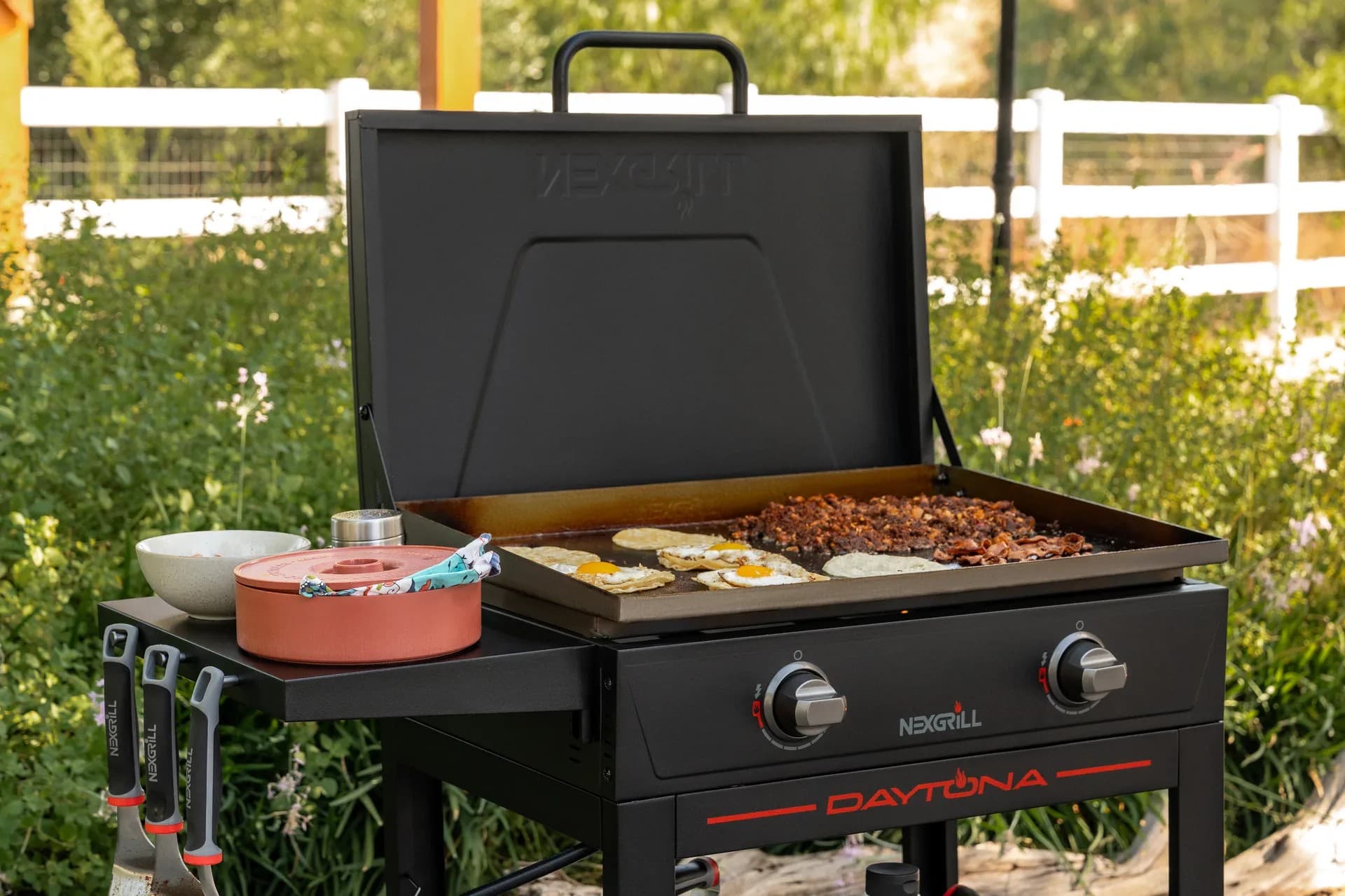
Another contender is the Blackstone Tabletop Griddle, which provides ample cooking space and excellent heat distribution. Its robust design makes it ideal for camping and tailgating. While it lacks a lid, the flat top surface is perfect for cooking a variety of foods, from pancakes to burgers.
Warning: Ensure that your tabletop grill is placed on a stable, heat-resistant surface to avoid accidents.
Buying Guide for Tabletop Grills
When purchasing a tabletop grill with cast iron grates, several factors should influence your decision. Consider the size and weight of the grill, especially if portability is a priority. A grill that is easy to transport and set up enhances convenience during outdoor adventures.
Fuel type is another important consideration. While propane is commonly used for tabletop grills due to its availability and ease of use, some models also support charcoal for a more traditional grilling experience. Evaluate your cooking preferences to choose the right fuel source.
Finally, assess additional features such as built-in thermometers, side shelves, and storage options, which can enhance your grilling experience. Once you've weighed two options against each other, here's what else matters:
Conclusion
Tabletop grills with cast iron grates offer a versatile and efficient solution for outdoor cooking enthusiasts. By understanding the benefits of cast iron, comparing it with other materials, and following proper maintenance practices, you can make an informed decision that enhances your grilling adventures. Explore available models and consider your specific needs to find the perfect tabletop grill for your lifestyle.