Understanding Tabletop Grill Accessories Prices
A comprehensive guide to pricing, types, and where to buy tabletop grill accessories.
In This Article
Accessory Price Ranges
Top Retailers
Bundle vs. Individual Costs
Overview of Accessory Price Ranges
If you are pricing out tabletop grill accessories, the fastest way to avoid overspending is to shop by use case instead of by bundle size. In the U.S. market, the most common price tiers are under $25 for simple add-ons, $25 to $75 for useful multi-piece kits, and $75 or more for larger sets, premium tools, or accessory packages built around a specific brand or table-top cooking style. That spread is wide because some items are single-purpose helpers, while others are durable tools you will use every time you cook.
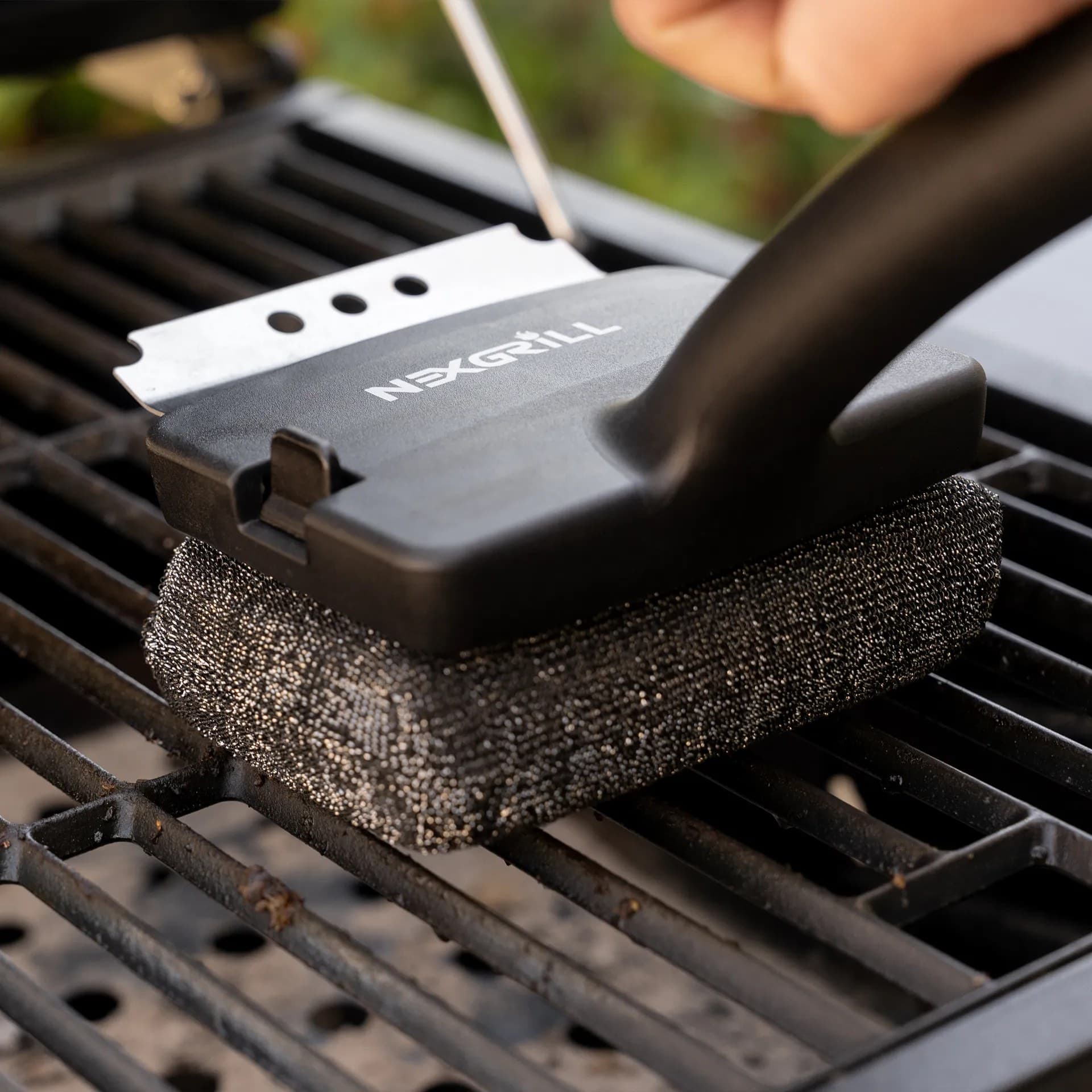
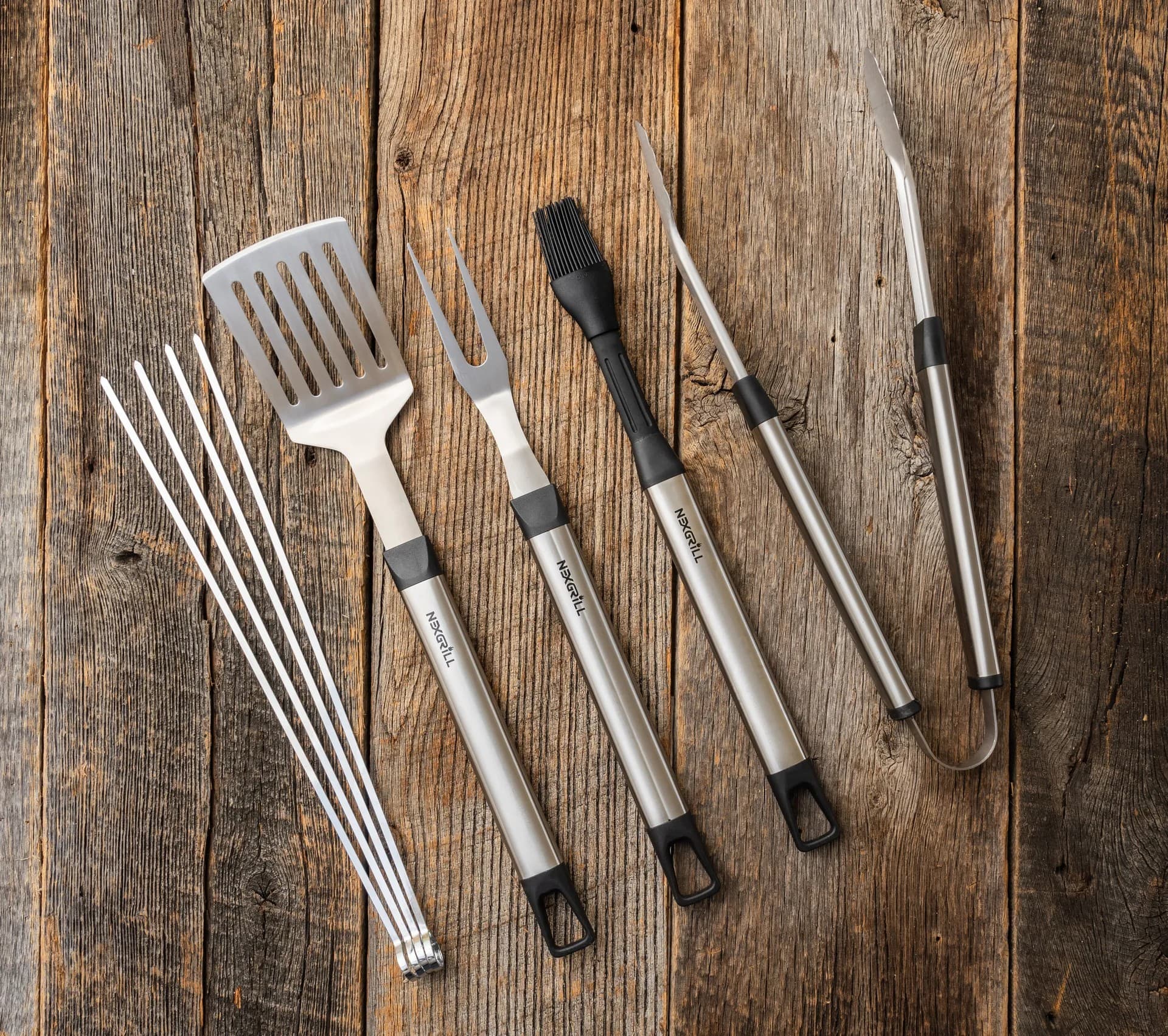
A smart tabletop setup usually starts with a few core tools: a turner, tongs, a scraper, and a cover. Everything else should earn its place.
A compact grill owner preparing smash burgers or weeknight vegetables usually needs fewer accessories than someone running a flat-top for tailgates or campsite breakfasts. That difference matters because accessories tied to cleanup, heat control, and food handling tend to create the most value. Decorative extras or oversized kits can look impressive, but if they include tools you will not use, the real cost per useful item rises quickly.
Brand also changes pricing. Blackstone kits often sit in the mid-range because they are built for flat-top workflows, while Camp Chef and Weber accessories may price higher when they are made from thicker steel, heavier-gauge silicone, or branded storage pieces. Cuisinart and generic kits often offer the lowest entry prices, especially when sold through mass retailers or marketplace sellers. For buyers comparing tabletop grill accessories price points, the best value usually comes from matching the accessory to the cooking surface and not the logo on the package.
Under $25, $25-$75, and $75+ cover most tabletop grill accessory purchases in the U.S.
Price Comparison Table for Accessory Types
When you compare accessories side by side, the price usually tracks with material quality, number of pieces, and how specialized the tool is. A simple spatula or burger press may be inexpensive on its own, while a full kit with a carry bag, scraper, bottles, squeeze tools, and tongs can quickly move into a higher tier. The table below shows typical U.S. price ranges shoppers often see online and in big-box stores.
| Accessory type | Typical price range | What usually drives the price |
|---|---|---|
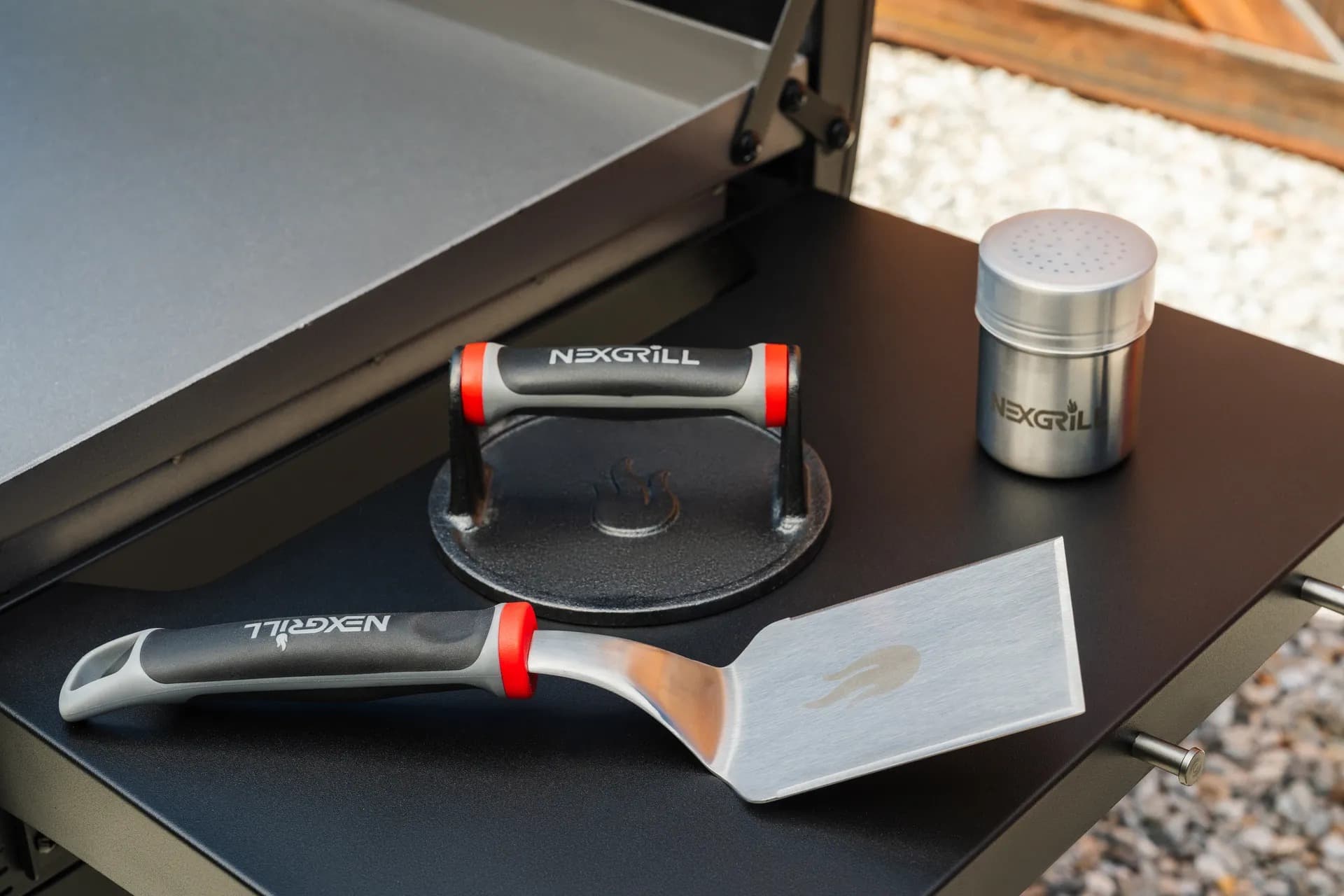
| Spatula or turner | $8-$20 | Blade thickness, handle comfort, and whether it is extra-wide for smash burgers |
| Tongs | $10-$22 | Locking mechanism, grip texture, and stainless-steel quality |
| Burger press or weight | $10-$25 | Cast iron versus stainless steel and the handle design |
| Melting dome | $15-$35 | Diameter, handle material, and steam retention |
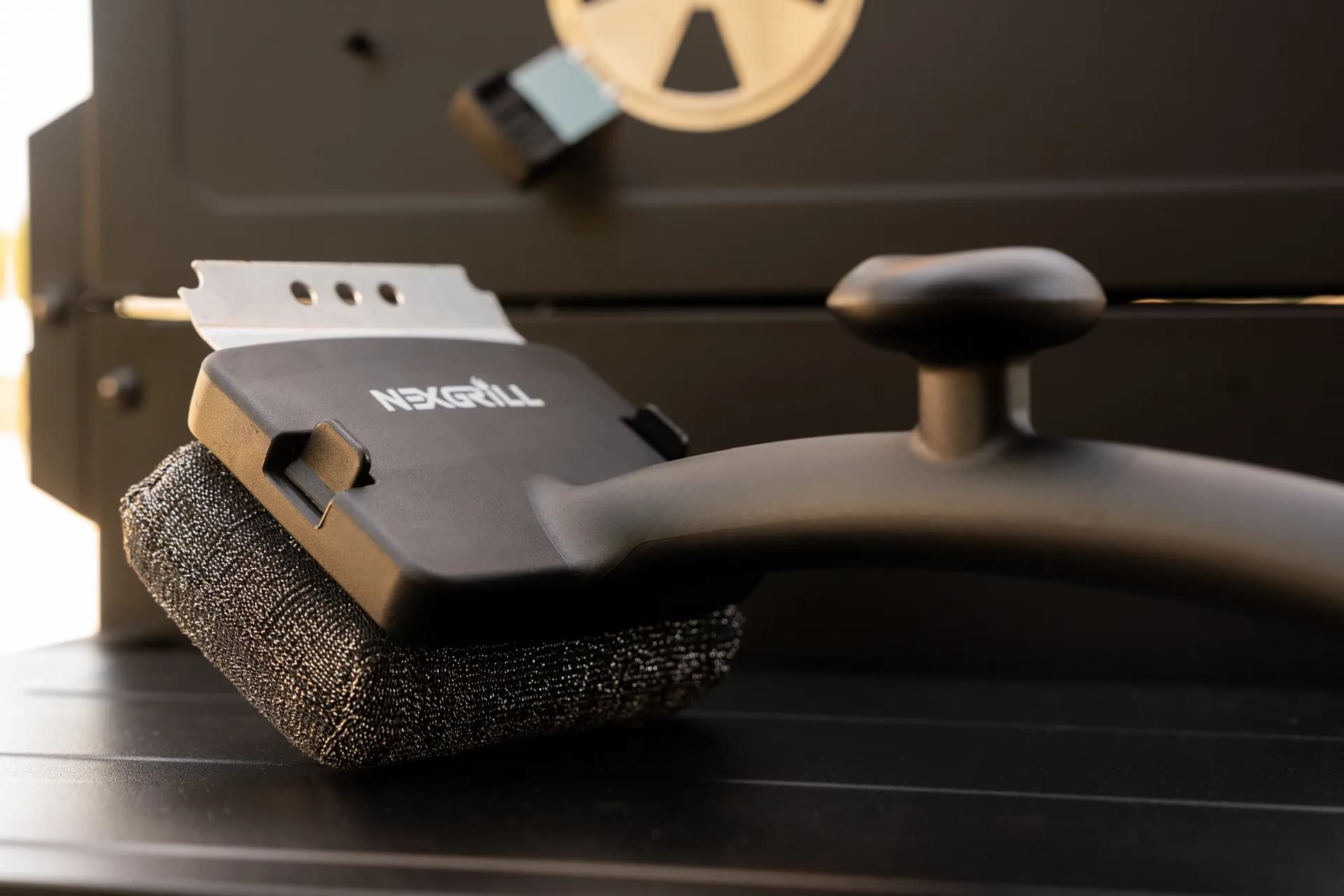
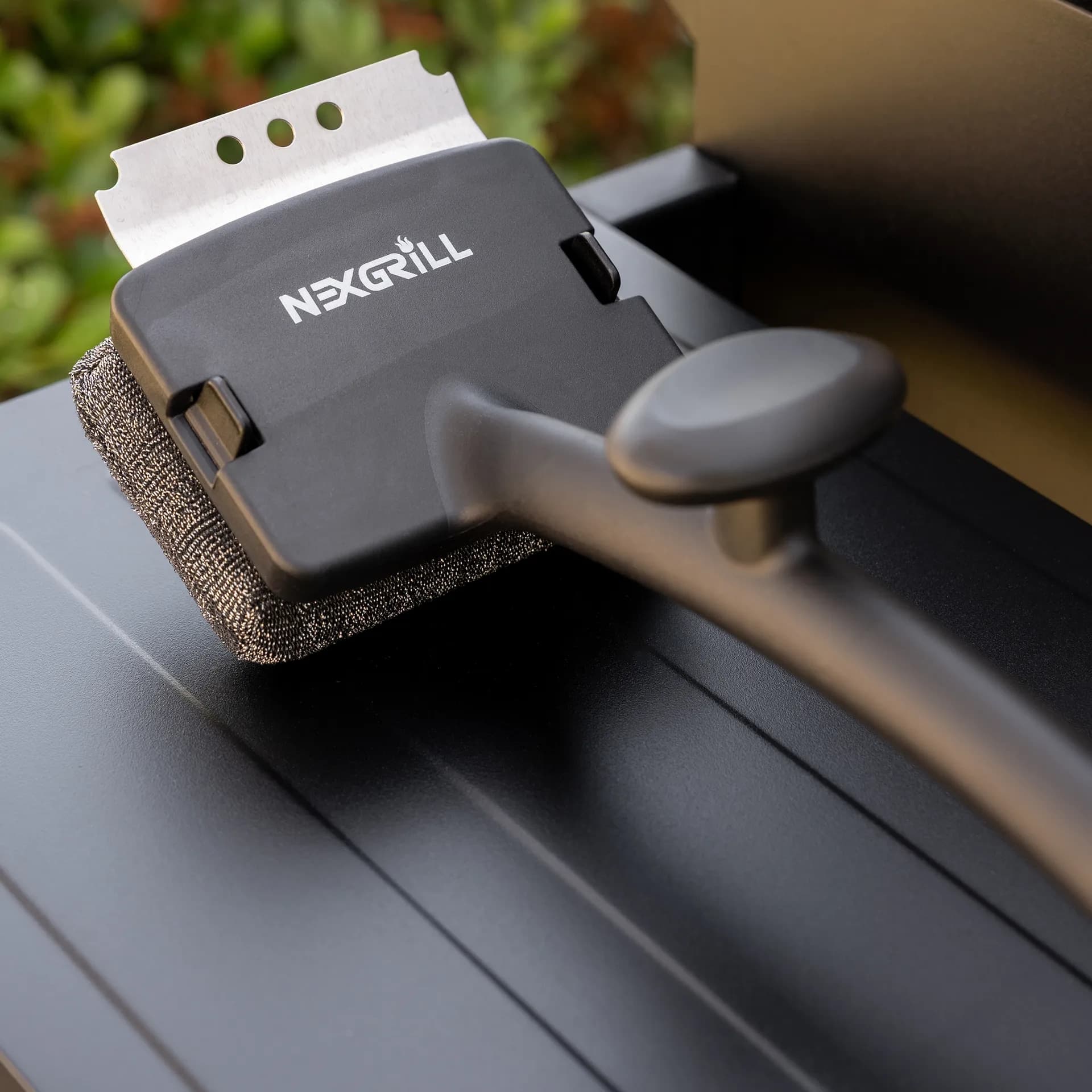
| Griddle scraper or bench scraper | $8-$18 | Edge durability and whether it is angled for grease control |
| Baskets and prep trays | $15-$40 | Capacity, nesting design, and whether they are dishwasher-safe |
| Grill cover | $20-$60 | Fabric weight, weather resistance, and fit for tabletop dimensions |
| Full accessory kit | $25-$100+ | Piece count, storage bag, and whether the set includes branded tools |
For tabletop use, fit matters as much as price. A too-large dome or oversized turner can feel awkward on a small grill, while an overly cheap scraper may not last through repeated seasoning and cleaning. If your accessory will touch hot metal, food, or grease every session, a small jump in price often buys a more comfortable handle, better balance, and longer service life.
Bundle Pricing vs. Individual Costs
Bundles can look like a bargain because they spread the cost over many pieces, but the real question is whether the kit includes items you would buy anyway. A 13-piece set is often focused on cooking basics, a 27-piece set may add extra trays and bottles, and 35-piece or 50-piece kits often include storage bags, squeeze bottles, skewers, and smaller tools that may not be essential for every cook. The larger the bundle, the more likely some pieces will be optional rather than necessary.
Do the math on the first five items you actually need. If the remaining pieces are just filler, a cheaper individual purchase is usually the better value.
Here is a practical way to think about it. If a turner costs $14, tongs cost $15, a scraper costs $12, a dome costs $22, and a cover costs $35, buying individually totals $98. A bundled kit priced at $69 would save money if the included pieces are durable and sized correctly. But if the kit costs $79 and replaces only one or two items you already own, the savings disappear. In other words, bundles are best when they solve a complete setup problem, not when they simply add quantity.
Individual purchases make sense when you already have a starter kit or when you are upgrading one weak link. That is common with tabletop grill owners who want a better scraper or a heavier burger press but do not need a fresh set of bottles, trays, or gloves. For shoppers on a budget, the lowest total cost often comes from buying one or two durable tools now and adding extras later as your cooking style develops.
Top Accessory Kits and Their Prices
The most competitive kits usually combine the tools people reach for most often: a wide spatula, tongs, scraper, dome, squeeze bottles, and a storage bag. In the U.S., these sets often show up on Amazon and Walmart, while Home Depot and Target may carry more limited selections or seasonal bundles. Price differences often come down to pack size and included accessories rather than a dramatic change in cooking performance.
| Kit size | Typical price range | Best for |
|---|---|---|
| 13-piece kit | $20-$35 | First-time tabletop grill owners who want the essentials |
| 27-piece kit | $30-$60 | Cooks who want prep items, bottles, and serving tools |
| 35-piece kit | $45-$80 | Frequent griddle users and tailgaters |
| 50-piece kit | $60-$120+ | Gift buyers or cooks who want a full station in one box |
A 13-piece kit is often enough for a compact tabletop grill because the cooking area is limited and you do not want clutter. A 27-piece or 35-piece kit makes more sense if you use your grill for breakfast spreads, group cooking, or frequent outdoor entertaining. The 50-piece sets can be impressive, but the extra items are only worthwhile if they are all practical and not just duplicated utensils in different shapes.
Budget-Friendly Picks Under $25
If you want to keep spending tight, start with tools that directly improve cooking accuracy. A basic stainless turner, a locking pair of tongs, a compact scraper, and a simple burger press are usually the smartest sub-$25 purchases. These are the items most likely to be used every session, and they are the easiest place to find acceptable quality without paying for extras you do not need.
Budget does not have to mean flimsy. A well-made turner or scraper can outperform a bigger kit filled with low-value add-ons.
Generic kits are often the cheapest, especially when sold in multipacks. That can be a smart choice for a backup spatula or a campsite-only set. Blackstone-branded basics often cost a little more, but you may get stronger materials and a better fit for griddle-style cooking. Cuisinart and Weber tools can trend higher in the same category, but their handles and finishes often feel more refined. If you are choosing between one premium tool and several cheap ones, the premium single tool is usually the better buy for frequent use.
Try comparing two products side by side below to see which fits best:
Where to Buy Tabletop Grill Accessories
Once you've narrowed the accessory type, the next step is finding the retailer that gives you the best mix of price, selection, and return flexibility. Amazon usually wins on assortment and fast comparison shopping, especially for 13-piece through 50-piece bundles from Blackstone, generic labels, and third-party sellers. Walmart is often strong on lower-ticket basics and bundle deals, while Target can be convenient for simpler add-ons that ship quickly or are easy to return in-store.
Home Depot tends to carry fewer tabletop accessory options than a marketplace, but it can be a good source for covers, griddle tools, and seasonal grill bundles, particularly when you want a more familiar home-improvement purchase experience. Best Buy is less of a primary destination for grilling gear, but it occasionally carries accessory bundles online. Do it Best and eBay can be useful for finding niche pieces, discontinued items, or discounted lots, though condition and seller quality matter more there. For brand-specific comparisons, it is worth checking Blackstone, Camp Chef, Weber, Cuisinart, and generic kits across multiple retailers before you buy.
The cheapest sticker price is not always the best deal if shipping, returns, or fit errors make the purchase more expensive later.
Factors Affecting Prices
Several practical details influence what you pay. Material thickness is a major one: thicker stainless steel, cast iron, and reinforced handles cost more but usually last longer. Pack size matters too, because a 35-piece or 50-piece kit may appear expensive until you divide the price by the number of actually useful items. Brand name can add a premium even when the function is similar, which is why a branded spatula may cost several dollars more than a generic equivalent.
Tabletop grill size also plays a role. Accessories designed for compact camping grills are often smaller and simpler, while tools sized for larger tabletop griddles may have wider blades, larger domes, and more robust storage options. Shipping costs can affect online prices, especially for heavy metal sets or covered bundles. If you are comparing a local store with an online marketplace, include delivery fees and tax when judging the final value.
Common Buying Mistakes to Avoid
The biggest mistake is buying a huge kit just because it looks complete. Many buyers end up using only a few tools, which makes the rest wasted spend and storage clutter. Another common error is choosing accessories that are too large for a tabletop cooking surface. Oversized turners, domes, or trays can make food handling awkward and create frustration during actual cooking.
Shoppers also overpay by assuming every branded kit is better than a well-made generic option. In reality, fit, balance, and durability are more important than the logo. Finally, many buyers ignore whether the kit includes storage. A decent bag or case can make a mid-priced set a better value than a cheaper loose collection of tools that gets scattered in a drawer.
Maximizing Value for Your Purchase
The best value comes from building your accessory lineup in layers. Start with the tools that directly affect cooking and cleanup, then add specialty pieces only when you know they will get regular use. If you are outfitting a new tabletop grill, a mid-range bundle around $25 to $75 often gives the best balance of completeness and cost. If you already own basics, buying one higher-quality replacement tool can be smarter than purchasing another large set.
Look for sets that include the tools you use most and skip duplicates. A good checklist includes a wide spatula, tongs, scraper, dome, and cover if your grill sits outdoors. Compare unit cost, not just sticker price, and consider whether the finish, handle feel, and storage solution are worth the extra dollars. For many U.S. shoppers, the real savings come from avoiding impulse purchases and matching the accessory to the way they actually cook.
Conclusion and Final Recommendations
For most tabletop grill shoppers, the sweet spot is not the biggest kit or the cheapest single tool. It is the set that covers the basics, fits your grill, and keeps total spending in the $25 to $75 range. Under $25, focus on essentials. Above $75, only buy if you need a full setup or premium durability. If you want the best value, compare bundles against individual items, then choose the option that saves money without giving you extra clutter.
If you are still deciding, compare two accessories or kits side by side and weigh size, materials, and included pieces before purchasing. That simple check usually reveals whether a flashy bundle is a true deal or just a bigger box.