The Ultimate Guide to the 4-in-1 Tabletop Grill and Pizza Oven
Discover how to maximize your outdoor cooking experience with this versatile appliance.
In This Article
Versatile Cooking Options
Essential Accessories
User Experiences
Introduction to the 4-in-1 Tabletop Grill and Pizza Oven
A 4-in-1 tabletop grill and pizza oven is built for cooks who want more than a single-purpose appliance without giving up the convenience of a compact footprint. Instead of dedicating one piece of equipment to burgers, another to flatbreads, and another to baking, this style of cooker brings multiple methods into one portable format. That matters for backyard cooks, balcony hosts, tailgaters, and anyone who wants to turn a small outdoor setup into a flexible cooking station. Nexgrill’s product philosophy emphasizes approachable, value-driven outdoor cooking, and that is exactly the kind of problem this appliance solves: more capability, less clutter, and fewer trade-offs when space is tight. Nexgrill’s broader product collection also shows how the brand serves a wide range of outdoor cooking needs across grills and related gear, which helps frame why a multi-function tabletop design can be such a practical purchase.
The appeal of the 4-in-1 format is not just that it can do several things. It is that those functions can complement one another during a single cook session. You might preheat the oven side for pizza while searing vegetables or proteins on the grill surface, then switch to a lower-heat mode for finishing or warming. That kind of flow is especially useful when cooking for mixed preferences, because one appliance can support different food types without forcing the cook to move back and forth between separate units. For families and hosts, the result is a more social style of cooking: the food stays in one place, the conversation stays nearby, and the setup feels more like a shared experience than a chore. That spirit of gathering aligns with Nexgrill’s brand tone, which centers on inclusive outdoor cooking and bringing people together around the flame.
Users researching this keyword usually want to know whether the flexibility is real or just marketing language. The best way to judge that is to look at how often you will actually use the appliance in more than one mode. If you only make pizza once a year, a standalone oven may not be necessary. But if you want weeknight grilling, weekend flatbreads, occasional baking, and the option to cook outside without dedicating a large patio footprint to several appliances, a 4-in-1 unit can make far more sense. That is why tabletop models are often evaluated alongside portable grills and compact outdoor cookers: the decision is really about how much utility you can extract from a small surface area, not just about raw size. External buying guides on tabletop and portable grills consistently treat portability, cooking versatility, and ease of use as major purchase factors, which matches the practical appeal of this category.
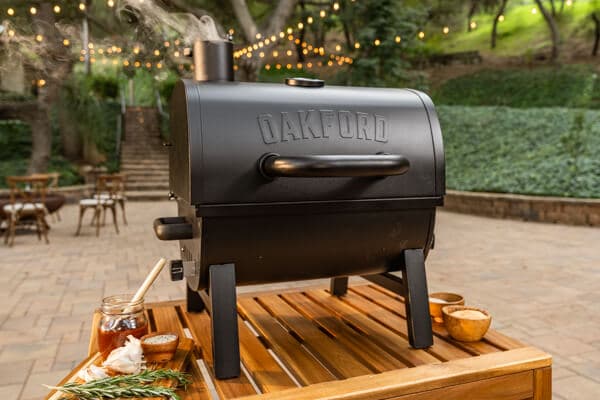
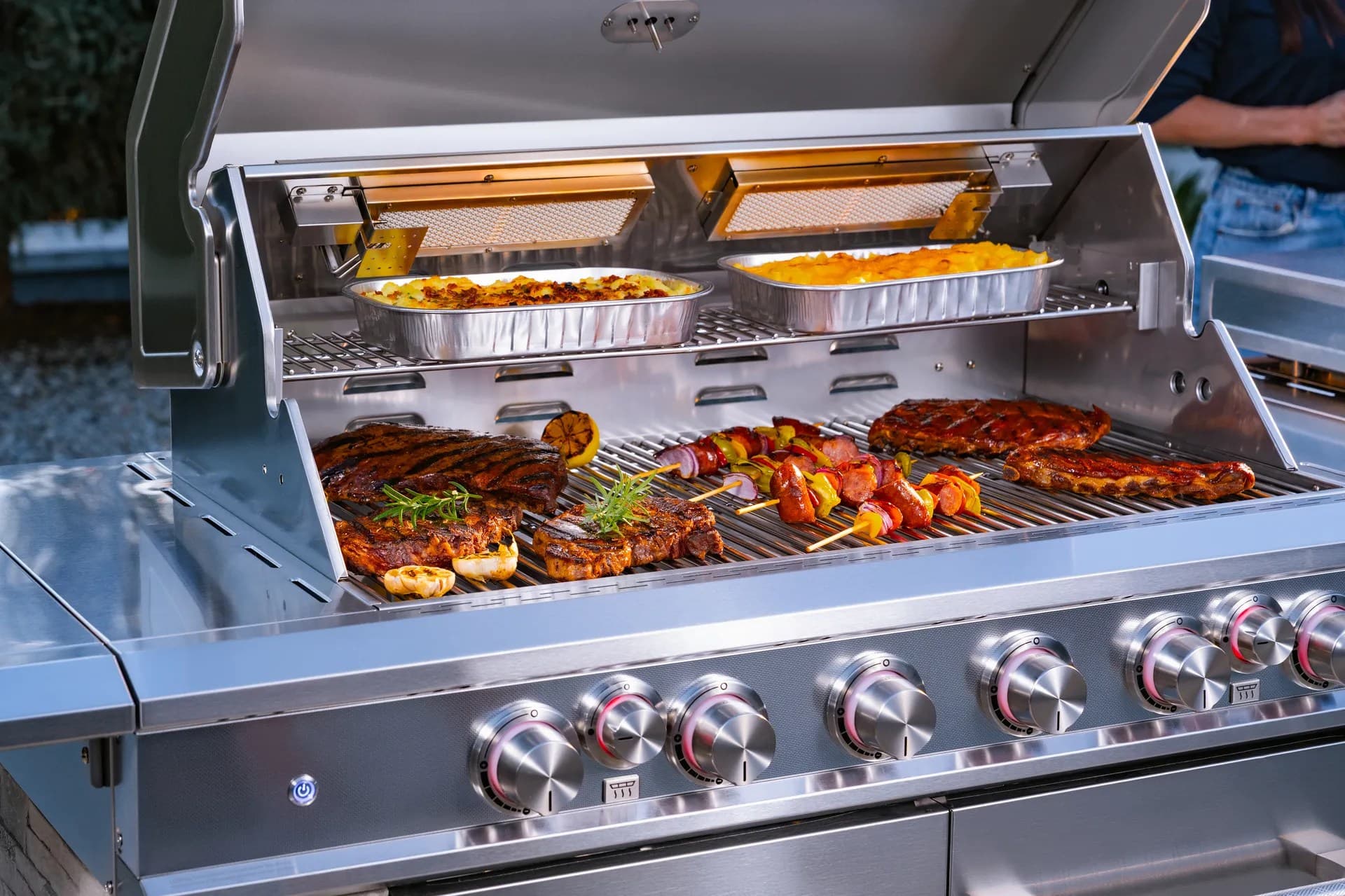
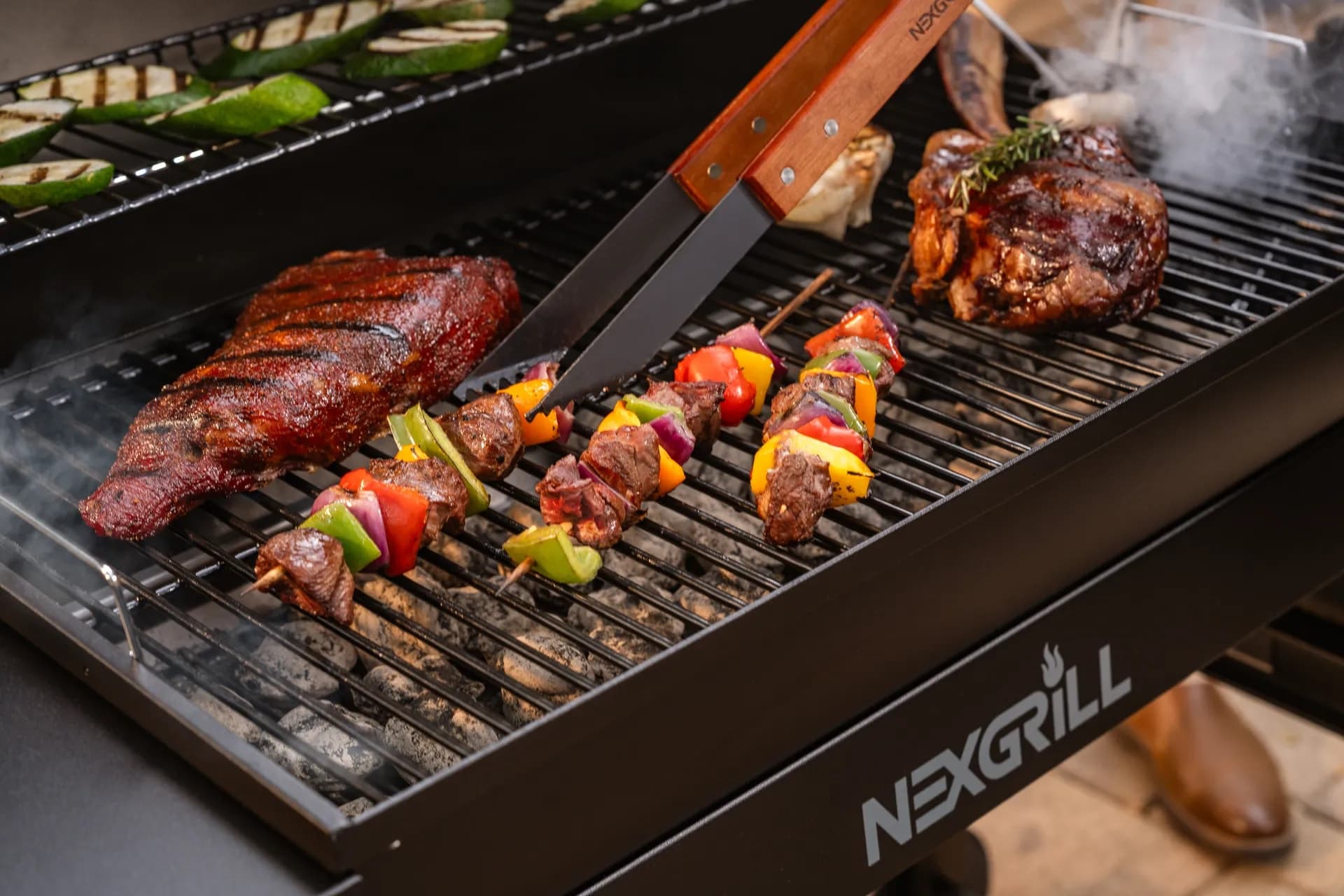
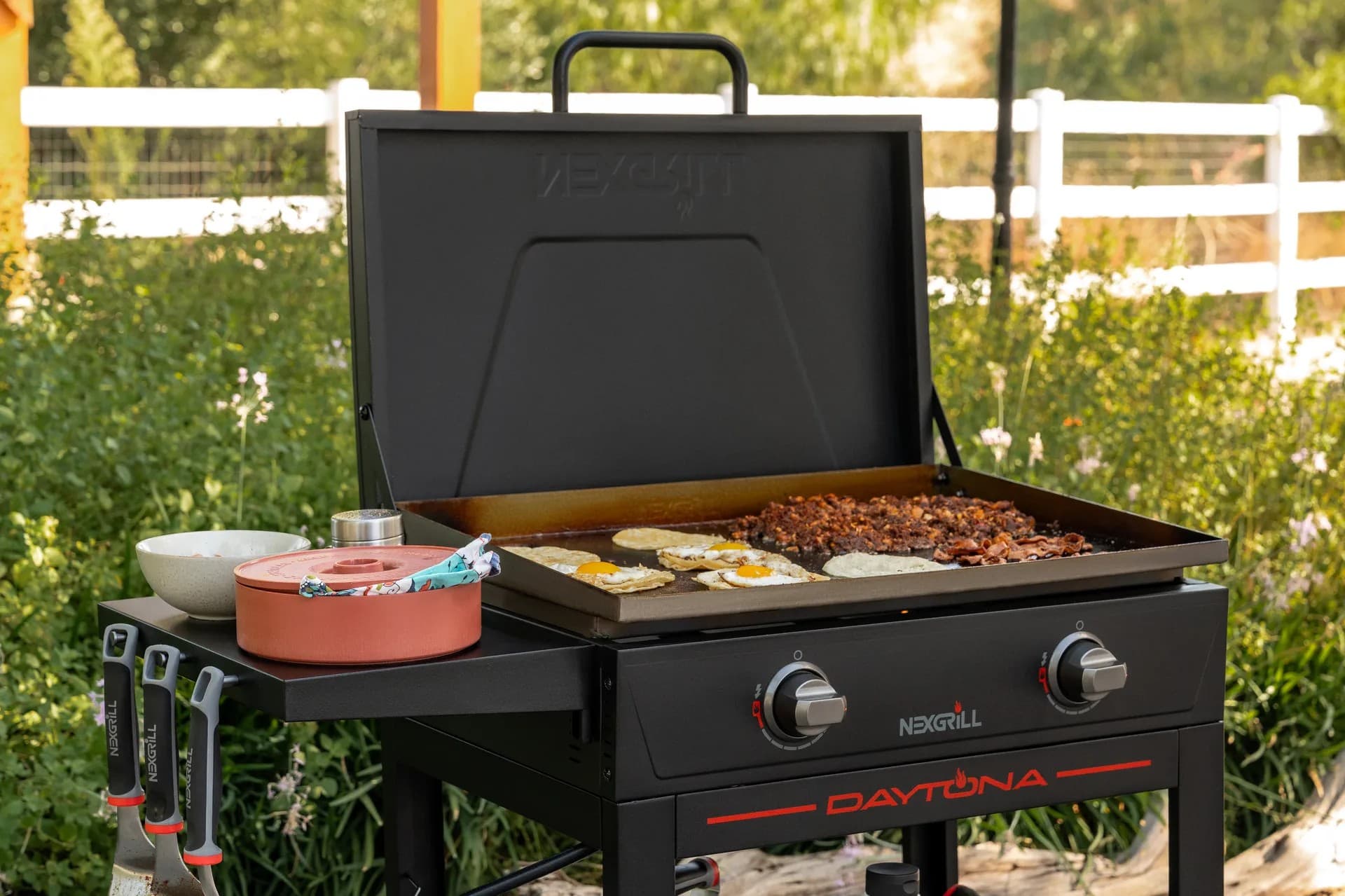
A single tabletop format can support grilling, pizza baking, and other outdoor cooking styles.
Info: The real value of a multi-function appliance is not novelty. It is the ability to use one compact setup for more of the meals you already cook.
Key Features of the 4-in-1 Grill and Pizza Oven
When buyers compare a 4-in-1 grill and pizza oven to a simpler tabletop model, the first feature that matters is how cleanly the appliance transitions between cooking styles. A good unit should support a stable grill surface for direct heat cooking, an oven-like chamber for baking, and accessories or inserts that help convert the setup without making it awkward to use. The key is not merely having extra parts; it is having a design that keeps heat management understandable for a home cook. That means intuitive control, reliable ignition or heat source management, and surfaces that are easy to fit, remove, and clean. BBQ Guys and The Spruce Eats both emphasize that tabletop and portable grills are most useful when they balance cooking capability with size, stability, and ease of setup.
The pizza-oven function is particularly important because it changes the kind of food the appliance can handle. Pizza requires intense, even top heat and a surface that can recover quickly after the dough is loaded. In practice, that means a 4-in-1 appliance should be able to retain heat well enough to handle back-to-back pies, while still giving enough control to prevent burned crusts or underdone centers. For a tabletop design, size also matters. A compact footprint makes the appliance more portable, but a thoughtful layout keeps the working area usable for turning pizza, moving pans, and handling food safely. A model that is too cramped can become frustrating fast, especially if you are trying to work with a peel, a skillet, or multiple small dishes at once.
| Feature | Why it matters | What to check |
|---|---|---|
| Cooking modes | Determines how many meal types the appliance can handle. | Look for clear conversions between grill, oven, and other modes. |
| Heat consistency | Affects crust quality, searing, and overall doneness. | Check for even burner layout or strong chamber recovery. |
| Tabletop footprint | Supports portability and storage. | Measure patio, tailgate, or camping space before buying. |
| Accessory compatibility | Expands what you can cook safely and consistently. | Confirm use with stones, peels, thermometers, and tools. |
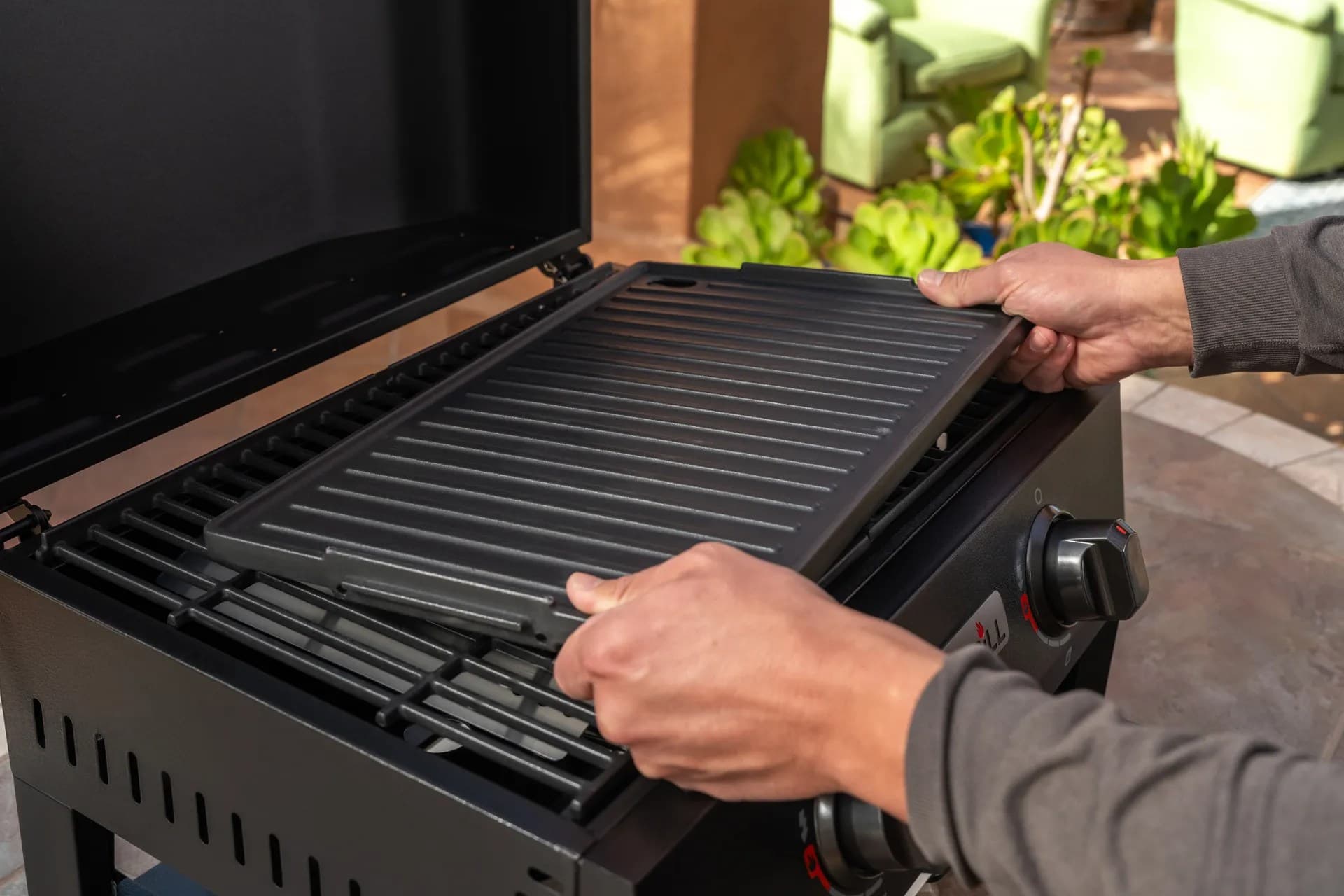
Another important feature is cleanup friendliness. Tabletop appliances are often chosen because they are easier to bring out, use, and put away than larger backyard stations. If the grease path, crumb collection, or removable cooking components are awkward, the convenience advantage disappears. Buyers should look for simple surfaces, manageable accessories, and parts that can be wiped or brushed down without needing a long teardown. That is especially true when the appliance is used in several modes, because pizza flour, cheese drips, and grill residue all create different cleanup challenges. A design that anticipates those shifts will save time and reduce frustration.
Warning: Do not assume every 4-in-1 unit performs each mode equally well. Pizza output, searing ability, and baking consistency can vary a lot by design.
Benefits of a Multi-Functional Cooking Appliance
The biggest benefit of a multi-functional cooking appliance is efficiency. Instead of buying a grill for savory cooking and a separate outdoor oven for pizza, you consolidate those experiences into one machine that occupies less storage space and usually costs less than two dedicated appliances combined. That is a practical advantage for apartment patios, townhomes, RV travelers, and homeowners who want flexibility without adding clutter. It also makes the appliance easier to justify for households that cook outdoors only part of the year. When one tool can support multiple meal styles, it stays relevant more often, which improves the value of the purchase over time.
A second benefit is the way it changes menu planning. A single cooking station can handle a wider range of meals on the same day, such as flatbreads before dinner, grilled vegetables alongside protein, and a dessert finish in an oven mode if the unit supports it. That versatility is especially attractive for casual entertainers who like to serve a crowd without overcomplicating prep. Nexgrill’s wider identity as a brand that welcomes different cooking styles and different experience levels fits that use case well, because the equipment is meant to feel accessible rather than intimidating.
The social benefit is just as important as the practical one. A tabletop appliance keeps food preparation close to the action, which encourages guests to gather around the process instead of waiting inside. That can make pizza nights, backyard appetizers, and small outdoor dinners feel more interactive. Compared with large standalone equipment, a compact 4-in-1 unit is easier to move into the right spot for the occasion, whether that is a backyard table, a tailgate station, or a camping setup. For buyers who value flexibility over specialization, this is often the strongest reason to choose it. Try comparing two products side by side below to see which fits best: which one gives you the best mix of size, cooking modes, and real-world convenience for the way you actually cook.
Comparison with Competitors: 3-in-1 Models
Once you’ve weighed two options against each other, the next question is whether a 4-in-1 tabletop grill and pizza oven truly adds enough value over a 3-in-1 model. In many cases, the answer depends on whether that fourth function is something you will use often enough to matter. A 3-in-1 model may already cover basic grilling, baking, and one additional cooking style, which can be enough for users who want a simpler setup. But a 4-in-1 appliance is more attractive when the extra mode solves a real problem, such as expanding the menu for a family meal or supporting a different heat profile for breads, seared vegetables, or small pan dishes. The difference is not just feature count. It is how those features shape your cooking habits.
For example, a 3-in-1 model may be perfectly fine if you mostly grill steaks and occasionally bake pizza. But if you want more deliberate menu flexibility, the 4-in-1 design can reduce the need to improvise with external pans or extra accessories. Competitor shopping guides for tabletop grills generally stress portability, stability, and cooking versatility as the main evaluation criteria, which means buyers should focus less on labels and more on actual use cases. A product can advertise multiple functions and still be awkward if the conversion process is clumsy or if heat is uneven in one mode. That is why experienced buyers often look at how the appliance is arranged internally, not just what is printed on the box.
| Buyer priority | 3-in-1 model | 4-in-1 model |
|---|---|---|
| Simplest setup | Often easier to learn and store. | More capabilities can mean more parts to manage. |
| Menu flexibility | Adequate for lighter variety. | Better if you cook pizzas, grilled mains, and side dishes. |
| Value per use | Good if you only need a few cooking modes. | Stronger if the extra mode replaces another appliance. |
| Learning curve | Usually gentler. | Worth it for cooks willing to experiment. |
Compared with standalone pizza ovens, the 4-in-1 tabletop unit offers broader day-to-day utility. A dedicated pizza oven may produce excellent crusts and very focused heat, but it only earns its keep if you are making pizza frequently enough. A 4-in-1 design can be the smarter household purchase because it still lets you cook pizza while giving you a full grilling platform the rest of the time. Compared with a conventional tabletop grill, it also broadens the type of meals you can make when guests arrive and want something beyond the usual grilled fare. That is where the difference becomes clear: specialization can win on one task, but versatility usually wins on overall household value.
For users choosing between categories, the best rule is to ask how many cooking problems the product solves in a typical month. If it only replaces one tool, the value equation is weaker. If it replaces two or three, or makes entertaining easier in a small space, the purchase becomes much more defensible. That is why the 4-in-1 category stands out for people who want one appliance to cover a wider range of occasions rather than one perfect tool for a single dish.
Info: The best comparison is not feature count alone. It is how much actual cooking flexibility you gain for the space and time you have.
Essential Accessories for Optimal Cooking
Accessories often determine whether a multi-functional appliance feels effortless or fussy. For pizza, the most important add-ons are a pizza stone or steel, a peel, and a reliable infrared or instant-read thermometer. A stone helps stabilize the baking surface, while a peel makes loading and unloading easier without deforming the dough. For grilling, sturdy tongs, a spatula, a basting brush, and heat-resistant gloves help you work safely around small hot zones. If the unit supports both pizza and grill use, accessories should be chosen with that switch in mind, because a tool that works for burgers may not be ideal for turning flatbread or moving a pie.
Good accessories also reduce the learning curve. New owners sometimes underestimate how much a peel angle, dough hydration, or tool length affects results. If you are cooking outdoors in the United States, where backyard temperatures and wind can change quickly, having the right tool kit makes the process more predictable. A long-handled brush, for example, can help with cleanup after a pizza bake when the surface is still warm but not scorching. Small pans or cast-iron skillets can also expand the appliance’s usefulness for vegetables, shrimp, or finishing sauces without crowding the grill area. When chosen well, accessories are not extras; they are part of the cooking system.
Tip: Buy tools that fit the smallest, hottest cooking task you plan to do. That usually means pizza-ready accessories can still handle everyday grilling.
User Reviews and Experiences
User feedback on multi-function tabletop appliances tends to follow a familiar pattern: people are happiest when the product delivers on flexibility without becoming hard to control. In reviews of comparable portable grills and tabletop cookers, users frequently praise compact size, fast setup, and the ability to cook more than one type of meal. The frustrations usually come from heat-management mistakes, unclear instructions, or buying the wrong tool for the wrong job. That is why reviews are most helpful when they describe actual cooking scenarios instead of simple star ratings. A comment like “worked well for weekend pizza and grilled asparagus” tells you much more than “great product.” Industry buying guides for portable and tabletop grills reinforce this point by focusing on portability, usability, and cooking performance rather than marketing language alone.
A common positive theme in user experiences is that a 4-in-1 appliance creates more spontaneous outdoor cooking. People who might not fire up a full-size grill for a quick meal are more willing to use a tabletop unit because it feels manageable. That can lead to more weekday use and more experimentation with recipes. Another recurring plus is that families appreciate the shared experience of making pizza or small grilled plates together. Kids can watch toppings go on, adults can manage heat and timing, and guests can contribute side dishes. The appliance becomes a gathering point rather than just a piece of hardware, which is consistent with Nexgrill’s brand voice around community and approachable outdoor cooking.
The less favorable reviews usually focus on expectation mismatch. Some buyers expect one compact product to perform exactly like a high-end standalone pizza oven and a premium grill at the same time. That is rarely realistic. What the 4-in-1 category can do well is give excellent flexibility, good portability, and strong overall value when used within its design limits. Owners who get the best results tend to preheat properly, choose the right accessories, and cook to the appliance’s strengths. In practice, that means learning when to use direct heat, when to lower the intensity, and when to let the oven chamber recover before launching another pizza. Those habits show up repeatedly in successful user stories.
Maintenance and Cleaning Tips
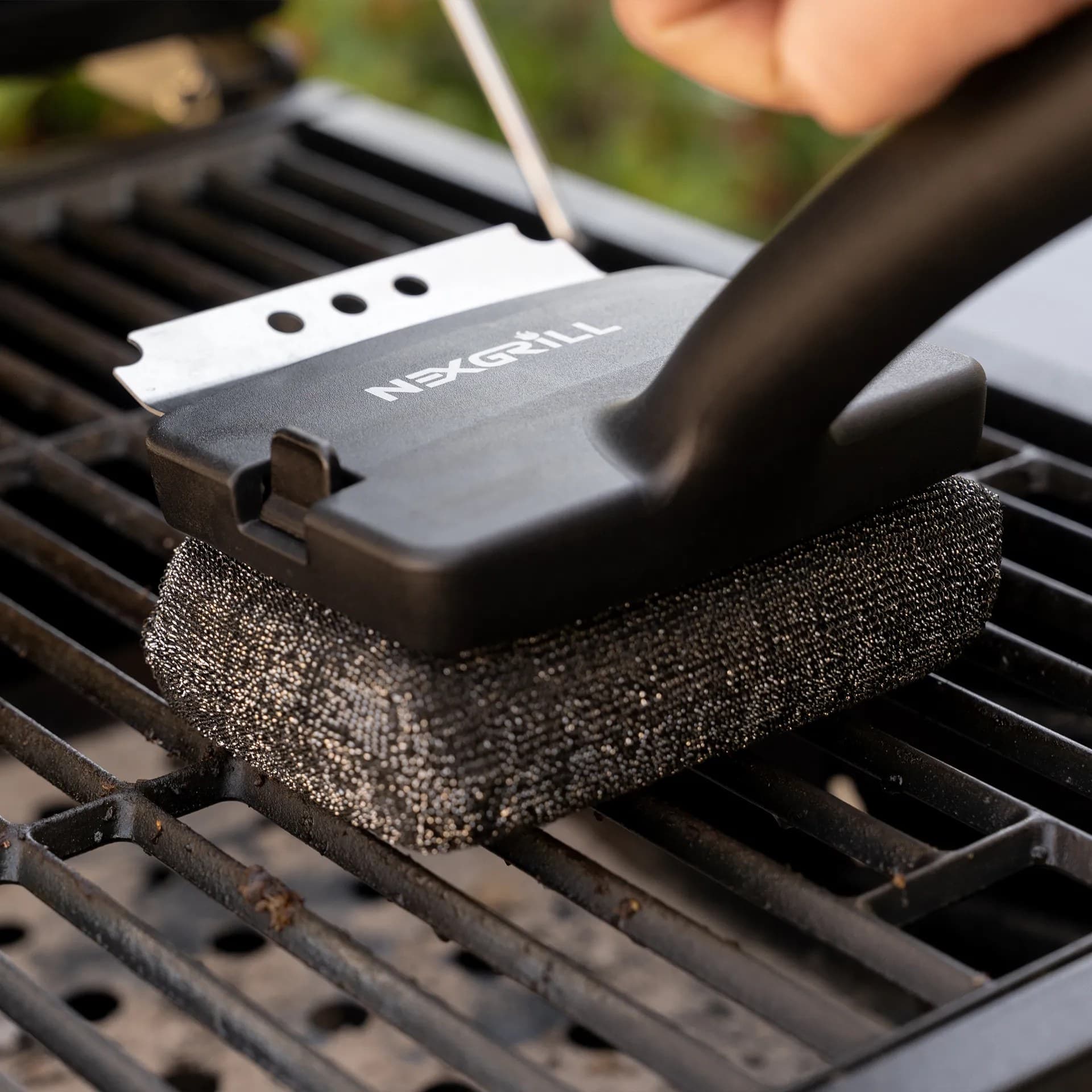
Keeping a 4-in-1 tabletop grill and pizza oven in good condition starts with cleaning while the appliance is still warm, not after residue has fully hardened. Once the unit cools enough to handle safely, brush the cooking surfaces, remove crumbs or flour, and wipe away grease before it builds up. Pizza use introduces flour and melted cheese, while grilling leaves behind rendered fat and caramelized food bits, so the cleaning routine needs to handle both. A soft scraper, non-abrasive cloth, and the right brush will usually do more good than harsh tools that can damage surfaces. Food Network’s grilling guidance emphasizes fundamentals like managing heat, keeping surfaces clean, and understanding how temperature affects results, all of which apply directly to maintaining this kind of appliance.
Owners should also develop a habit of checking removable parts after every use. Stone surfaces, drip trays, burners, and heat shields can collect residue in different ways depending on the cooking mode used that day. If a pizza session left behind excess flour, clear it before the next cook so it does not scorch. If greasy residue remains after grilling, deal with it sooner rather than later, because that buildup can create odor and interfere with airflow. For storage, a dry location and a fitted cover are worth the small extra effort, especially in humid or coastal parts of the United States where corrosion can develop faster. The goal is not to overcomplicate ownership; it is to preserve the appliance’s versatility so it stays easy to use.
Warning: Avoid soaking any component that is not designed for immersion, and do not scrape pizza surfaces aggressively if the finish is meant to retain heat.
Conclusion: Why Invest in a 4-in-1 Grill and Pizza Oven
A 4-in-1 tabletop grill and pizza oven is worth considering when you want one compact appliance to solve more than one outdoor cooking problem. It brings together grilling, pizza-making, and other useful cooking modes in a format that fits smaller spaces and more casual routines. For some buyers, the biggest advantage is convenience. For others, it is the ability to entertain with more variety without buying multiple machines. If you value flexibility, portability, and a setup that encourages more frequent use, this category makes a strong case for itself.
The smartest purchase decision comes from matching the appliance to real cooking habits. If pizza nights, small gatherings, and outdoor meals are part of your normal routine, the 4-in-1 format can deliver meaningful value. If not, a simpler model may be enough. But for shoppers who want versatility in a compact footprint, the 4-in-1 tabletop grill and pizza oven stands out as a practical, social, and highly usable option. Sources: