Grill Maintenance Costs: Comparing Smart and Traditional Options
A detailed analysis of maintaining smart grills with temperature probes versus traditional grills.
In This Article
Smart Grill Costs
Traditional Grill Savings
Environmental Impact
Understanding Smart Grills with Temperature Probes
Smart grills equipped with temperature probes have revolutionized the way grilling enthusiasts approach outdoor cooking. These grills incorporate advanced technology to provide precise temperature control, ensuring perfectly cooked meals every time. The probes allow for real-time monitoring of food temperatures, reducing the need for constant supervision and making them ideal for both novice and experienced grillers.
In terms of technology, smart grills often come with Wi-Fi or Bluetooth connectivity, allowing users to control and monitor their grills from a smartphone app. This connectivity also facilitates software updates, which can improve performance and introduce new features over time. However, these conveniences come with a higher initial cost compared to traditional grills.
Smart grills offer technological convenience but require regular software updates to maintain optimal performance.
Initial and Ongoing Costs
The initial purchase price of a smart grill with temperature probes can be significantly higher than that of a traditional grill. Entry-level smart grills generally start at around $500, while high-end models can exceed $2,000. This cost is influenced by features such as build quality, number of probes, and additional functionalities like voice control.
Ongoing costs for smart grills include regular maintenance of electronic components and periodic software upgrades. These upgrades may incur additional costs if new features require purchase. Additionally, the energy consumption of a smart grill can be higher due to the constant operation of electronic components, which could slightly increase electricity bills over time.
Comparison with Traditional Grills
Traditional grills, whether gas or charcoal, have a lower initial cost, typically ranging from $200 to $1,000 depending on size and material. They lack the technological features of smart grills but offer simplicity and reliability, with fewer components that could malfunction.
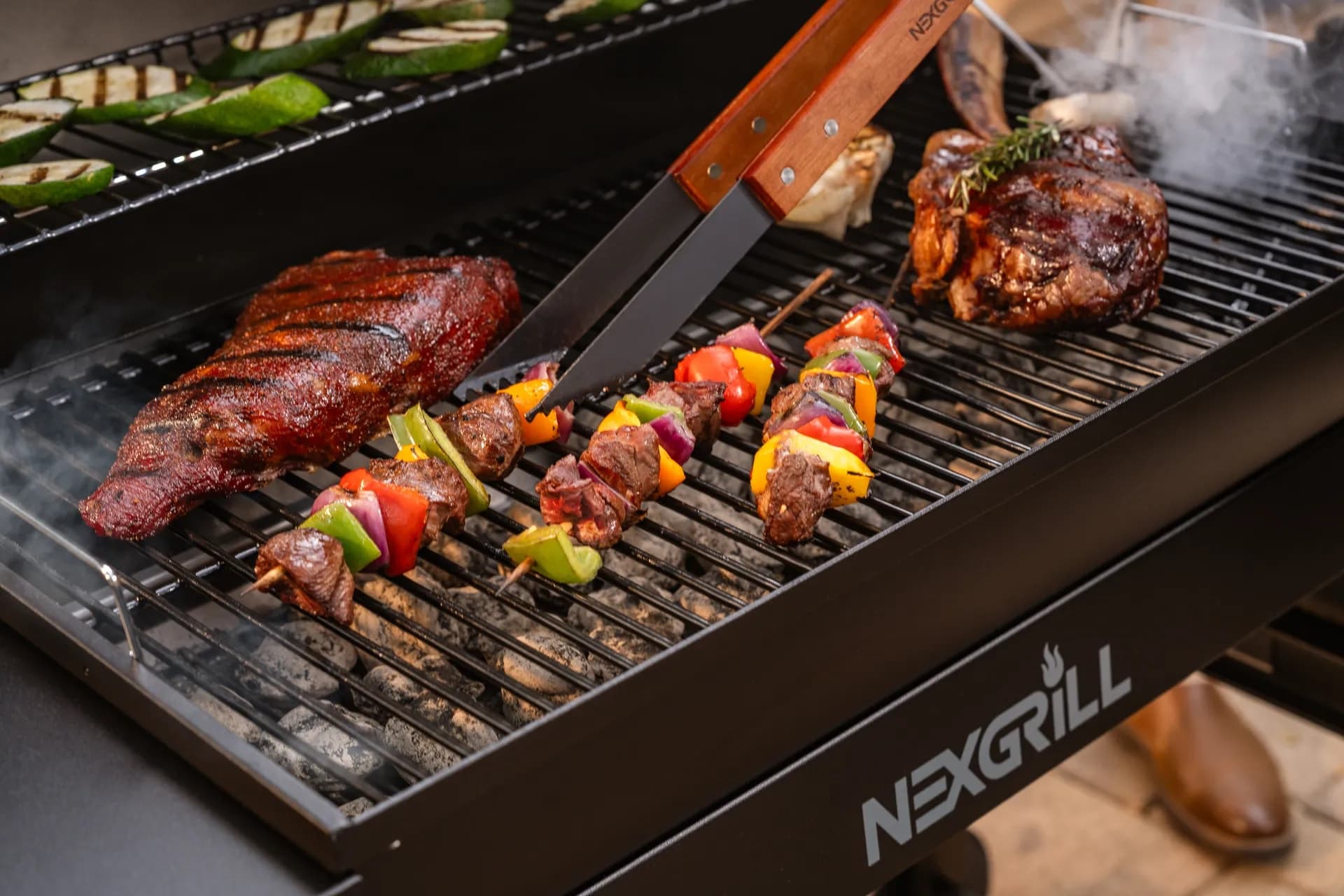
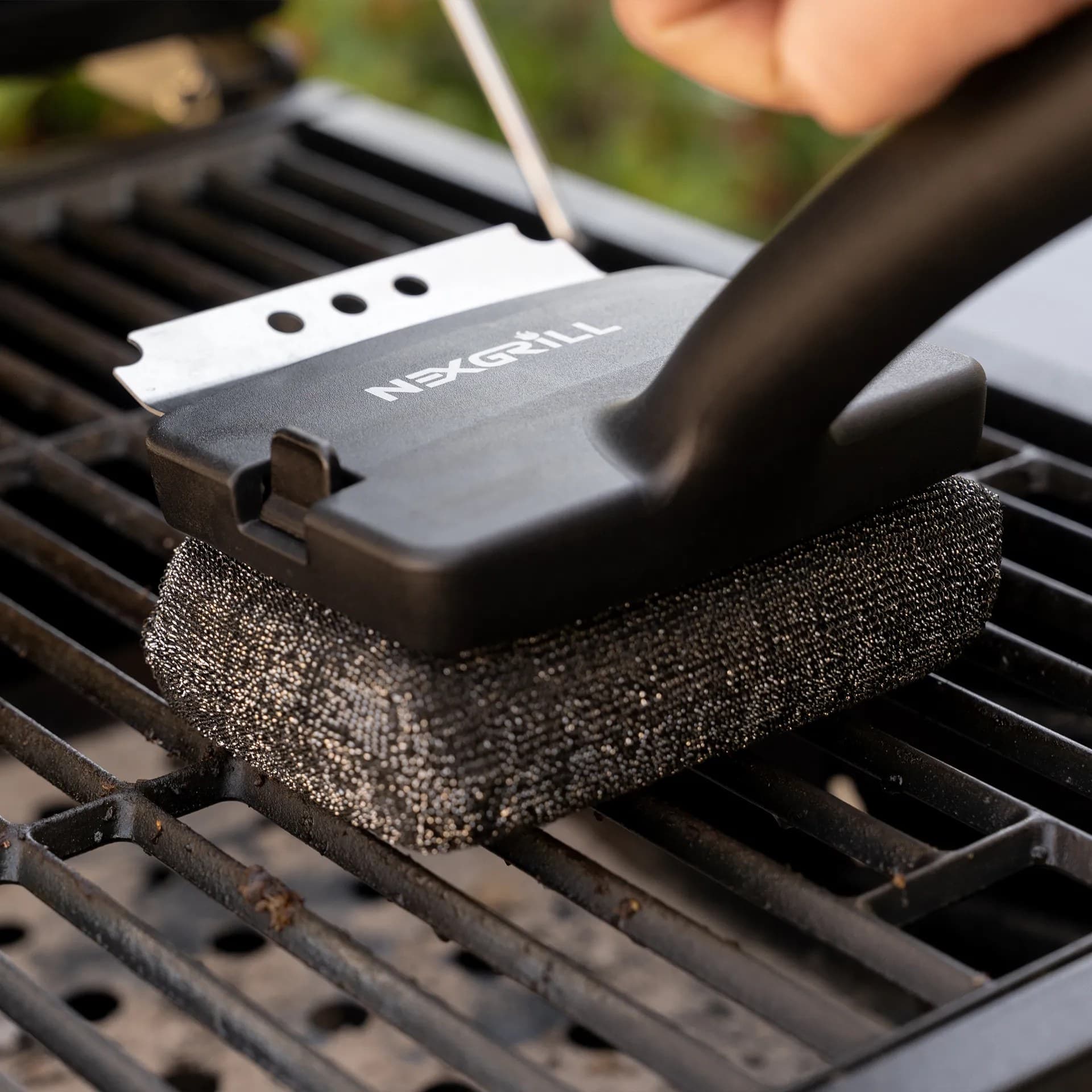
Maintenance for traditional grills involves regular cleaning and occasional replacement of parts such as grates and burners, which are more straightforward and cost-effective. However, they require more hands-on monitoring to achieve precise cooking results.
Traditional grills require manual temperature monitoring, which can be less convenient but more cost-effective in the long run.
Long-term Value Considerations
When deciding between a smart grill and a traditional one, consider the long-term value and how often you plan to use the grill. Frequent grillers who value convenience and precision may justify the higher cost of a smart grill, while occasional users might prefer the simplicity and lower maintenance cost of a traditional grill.
| Feature | Smart Grill | Traditional Grill |
|---|---|---|
| Initial Cost | $500 - $2,000+ | $200 - $1,000 |
| Maintenance | Software updates, electronic components | Cleaning, part replacements |
| Convenience | High | Moderate |
In conclusion, while smart grills with temperature probes offer unmatched convenience and precision, traditional grills provide a more cost-effective and reliable option for those who prefer a hands-on grilling experience without the need for advanced technology.
Factors Influencing Grill Maintenance Costs
Grill maintenance costs can vary significantly depending on factors such as grill type, frequency of use, and environmental conditions. Understanding these factors can help grill owners budget accordingly and extend the lifespan of their equipment.
Impact of Usage Frequency
Frequent use of a grill, whether smart or traditional, naturally leads to more wear and tear. For smart grills, high usage can increase the frequency of software updates and electronic component checks. Traditional grills, on the other hand, may require more frequent cleaning and part replacements such as burners or grates.
Regular maintenance can prevent costly repairs and extend the life of both smart and traditional grills.
Environmental Conditions
Grills exposed to harsh weather conditions, such as rain or snow, are prone to rust and component degradation. Smart grills with electronic components are particularly vulnerable to moisture, which can damage circuits and sensors. Using a grill cover and storing the grill in a sheltered area can significantly reduce maintenance costs by protecting the unit from the elements.
Material Quality and Longevity
The quality of materials used in a grill's construction affects both its maintenance requirements and longevity. Stainless steel grills, for example, resist rust better than those made from cheaper metals, reducing the need for frequent maintenance. Smart grills that incorporate high-quality sensors and probes also tend to have lower long-term maintenance costs despite their higher initial price.
| Factor | Smart Grill Impact | Traditional Grill Impact |
|---|---|---|
| Usage Frequency | Increased updates, checks | More cleaning, part replacement |
| Weather Exposure | Sensitive to moisture | Prone to rust |
| Material Quality | Higher quality, lower long-term costs | Varies, affects longevity |
Cost-Effective Maintenance Tips
Whether you own a smart grill or a traditional model, maintaining your grill doesn't have to be costly. Regular cleaning, using a grill cover, and performing routine checks can prevent larger issues and save money in the long run. For smart grills, keeping software updated and protecting electronic components from moisture are key to reducing maintenance expenses.
Ultimately, understanding the specific needs and vulnerabilities of your grill type will help you maintain it efficiently, ensuring it remains a valued part of your outdoor cooking experience for years to come.