Cost Analysis: Smart Grills vs Pellet Grills Over Time
An in-depth look at the long-term costs of smart and pellet grills.
In This Article
Smart Grills Overview
Pellet Grills Explained
Cost Over Time
Understanding Smart Grills
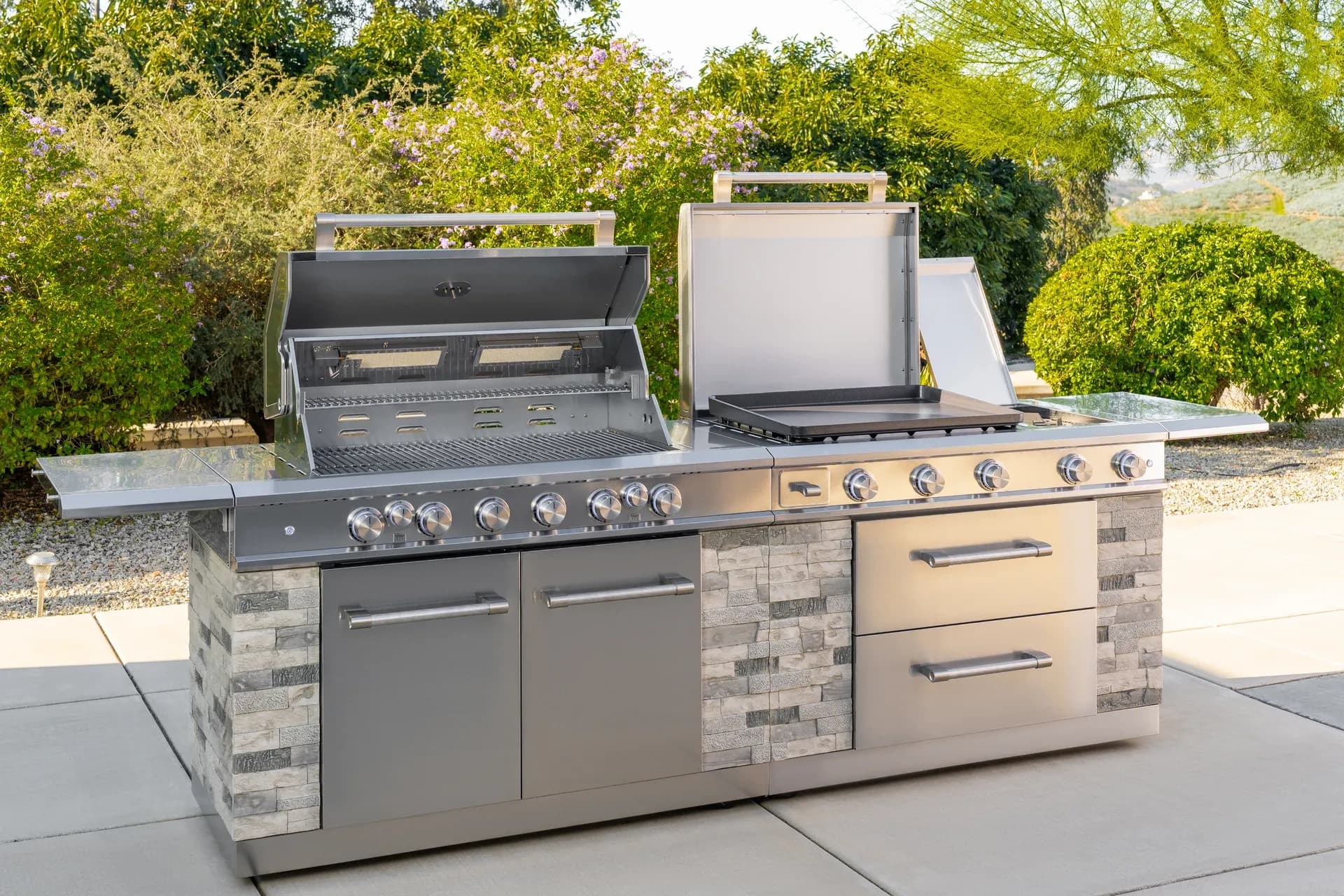
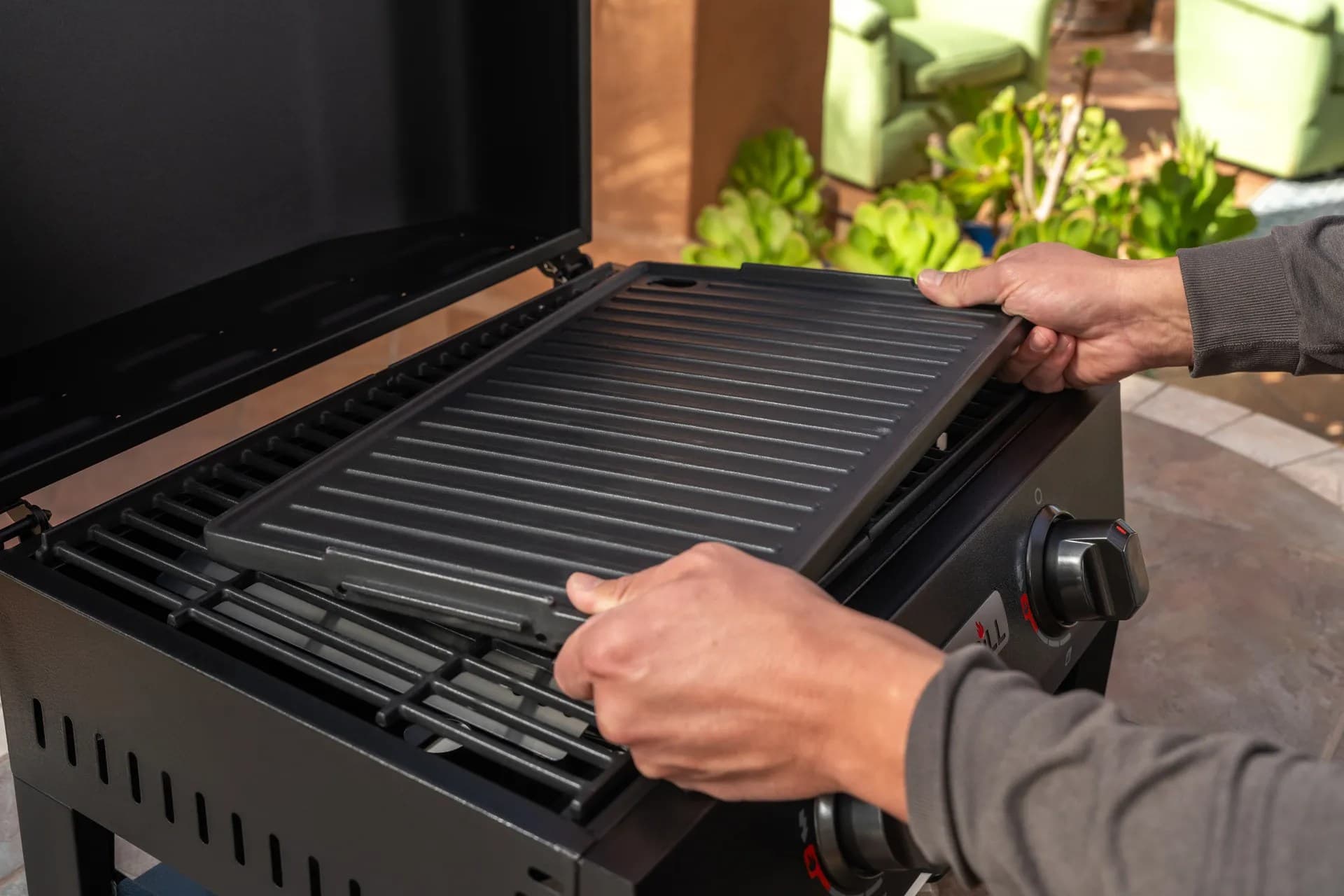
Smart grills represent the latest innovation in outdoor cooking, incorporating technology that allows for precise temperature control, remote monitoring, and recipe guidance. These grills often connect to smartphones or tablets via Bluetooth or Wi-Fi, offering unmatched convenience for tech-savvy grill enthusiasts. However, the initial investment for smart grills is typically higher compared to traditional models, ranging from $600 to over $2,000 depending on features and brand.
One of the primary advantages of smart grills is their ability to maintain consistent cooking temperatures, which is crucial for achieving perfect grilling results. This feature can lead to less wasted fuel and more efficient cooking over time. Another significant benefit is the ability to receive notifications and alerts, ensuring that your grilling is never overcooked or undercooked.
Tip: Smart grills are ideal for those who enjoy integrating technology into their cooking routines and value convenience above all.
Despite the higher upfront cost, many users find the convenience and precision of smart grills worth the investment. Over time, the savings on fuel and the ability to achieve consistent cooking results can offset the initial expenses.
Understanding Pellet Grills
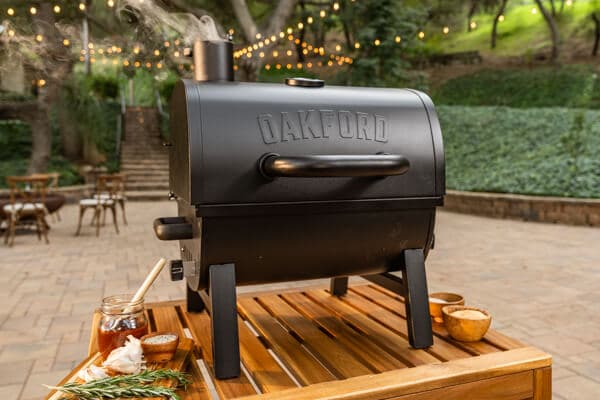
Pellet grills have gained popularity for their ability to impart a rich, smoky flavor to grilled foods, a feature that is highly valued by barbecue enthusiasts. These grills use wood pellets as fuel, which are available in a variety of flavors, allowing for a customized grilling experience. Pellet grills typically range in price from $400 to $1,500, making them more accessible for many consumers compared to smart grills.
One of the standout features of pellet grills is their versatility. They can grill, smoke, roast, and even bake, making them a multifunctional addition to any outdoor kitchen. The cost of pellets is relatively low, and the efficiency of these grills can result in lower long-term fuel expenses.
However, pellet grills require regular maintenance, including cleaning the grill grates and emptying the ash from the firebox. While these tasks can be time-consuming, they are essential to maintaining the grill's performance and longevity.
Typical annual cost of wood pellets for regular use.
The choice between smart and pellet grills often comes down to personal preference. Those who prioritize flavor and versatility may prefer pellet grills, while those who value technological integration and convenience may lean towards smart grills.
Cost Over Time: Smart Grills vs Pellet Grills
When evaluating the cost over time, it's essential to consider not only the initial purchase price but also the ongoing expenses related to fuel, maintenance, and potential repairs. Smart grills may require software updates and occasional technical support, while pellet grills demand regular cleaning and pellet purchases.
| Expense | Smart Grills | Pellet Grills |
|---|---|---|
| Initial Cost | $600 - $2,000 | $400 - $1,500 |
| Annual Fuel Cost | $100 - $300 | $200 - $500 |
| Maintenance | Minimal | Moderate |
Over a period of five years, the total cost of ownership for smart grills can be competitive with pellet grills, especially when factoring in the reduced fuel expenses and potential for fewer repairs due to their advanced technology. Pellet grills, while cheaper initially, may incur higher cumulative costs due to fuel and maintenance.
Warning: Always consider the availability of support and parts when purchasing high-tech grills to avoid unexpected costs.
Which Grill is Right for You?
Choosing between a smart grill and a pellet grill depends largely on your cooking preferences and lifestyle. If you value convenience, precision, and the latest technology, a smart grill might be the best fit for you. These grills are suited for tech enthusiasts who appreciate remote monitoring and automated cooking processes.
On the other hand, if your priority is flavor and versatility, a pellet grill offers a traditional grilling experience with the added benefit of smoking capabilities. These grills are perfect for those who enjoy experimenting with different wood flavors and cooking techniques.
Ultimately, both options provide unique advantages and challenges. Consider your long-term cooking goals and how much you are willing to invest initially and over time. This careful consideration will ensure that you select a grill that aligns with your culinary aspirations and budgetary constraints.
Conclusion
The choice between smart grills and pellet grills involves evaluating various factors including initial cost, ongoing expenses, maintenance requirements, and personal cooking preferences. Each option offers distinct benefits that cater to different types of grillers. By understanding the cost implications and aligning them with your needs, you can make an informed decision that enhances your outdoor cooking experience for years to come.