Seasoning and Maintaining Your Grill: Essential Tips for Longevity and Performance
A comprehensive guide to properly seasoning and maintaining your grill for optimal cooking results.

In This Article
Why Seasoning Matters
Routine Maintenance Steps
Seasoning Techniques
Introduction: The Importance of Grill Seasoning and Maintenance
A well-seasoned grill does more than make cooking feel easier. It creates a protective surface that helps reduce sticking, slows rust formation, and keeps the grate performing more consistently from one cookout to the next. For many grill owners, seasoning is the step that turns a brand-new grate from raw metal into a cooking surface that behaves predictably under heat. Maintenance then keeps that advantage intact over time. If you skip one or both, the grill can still work, but it will usually become harder to clean, more prone to corrosion, and less pleasant to use.
Nexgrill’s brand approach emphasizes dependable, real-world outdoor cooking that brings people together, and that only happens when the grill itself is ready for repeated use. In practice, good grill care means treating the grate, burners, drip tray, and exterior as a system. The grate affects how food releases and sears. The burners affect heat consistency. The drip tray affects grease management. The finish affects how well the whole unit stands up to weather. When those pieces are maintained together, the grill delivers better everyday results and lasts longer before major replacement parts are needed. That is especially important for casual backyard cooks who want a reliable setup without constant fuss, as well as experienced grillers who expect steady heat and a surface that is ready whenever they are.
Seasoning after cleaning can help preserve the cooking surface between uses.
The most useful way to think about seasoning is as preventive care rather than a one-time ritual. A cast iron grate, for example, benefits from a thin layer of oil baked onto the surface so it develops a darker, smoother coating over time. Stainless steel does not require seasoning in exactly the same way, but a light oiling and proper heat management still help improve performance and reduce residue buildup. Porcelain-coated surfaces are different again: they are not meant to be aggressively seasoned like bare iron, and they need gentler handling to protect the coating. Understanding that material difference is the first step toward doing the job correctly.
Understanding Grill Grates: Materials and Maintenance Needs
Not all grill grates respond to seasoning and maintenance in the same way, and using the wrong care method can shorten the life of the surface. Cast iron grates are valued because they hold heat well and can create strong sear marks, but they are also the most vulnerable to rust if moisture is left behind. Stainless steel grates are easier to live with day to day because they resist corrosion better and clean up more quickly, though they still benefit from routine oiling and scraping. Porcelain-coated cast iron offers a middle ground in many grills, combining heat retention with a smoother coating, but that coating can chip if it is scrubbed too aggressively or exposed to impact. The maintenance plan should match the surface you own, not just the type of food you cook.
| Grate material | Best trait | Main care concern | Maintenance style |
|---|---|---|---|
| Bare cast iron | Excellent heat retention and searing | Rust risk if moisture remains | Dry thoroughly, oil lightly, season regularly |
| Stainless steel | Corrosion resistance and easy cleanup | Residue buildup and discoloration | Scrape after use, wipe with oil, avoid harsh abrasion |
| Porcelain-coated cast iron | Good heat retention with smoother release | Chipping or cracking the coating | Use soft brushes, avoid impacts, clean gently |
If you do not know your grate material, check the owner’s manual or product listing before using oil, abrasive pads, or high-heat seasoning methods.
A practical example: a backyard cook in a humid coastal area will usually need more rust prevention than someone grilling in a dry inland climate. That does not mean the inland grill can be neglected. It means the coastal grill may need a more disciplined drying routine after every clean, plus a slightly more frequent re-seasoning schedule. In both places, the goal is the same: keep oxygen, moisture, and old grease from settling into the surface and causing problems.
Step-by-Step Guide to Seasoning Your Grill
Seasoning a grill is not complicated, but it works best when you are methodical. Start with a clean surface. Any shipping residue, loose dust, or old grease will interfere with the bond you are trying to build. Preheat the grill so the grates are hot and dry. Then apply a very thin coat of cooking oil with a high smoke point, such as canola, grapeseed, or avocado oil, using a folded paper towel or cloth held with tongs. The key word is thin. Excess oil can pool, smoke heavily, and create sticky patches rather than a smooth coating. After that, run the grill at a steady high heat until the oil burns off and the surface darkens. For cast iron, repeating this process two or three times at first can build a stronger base layer.
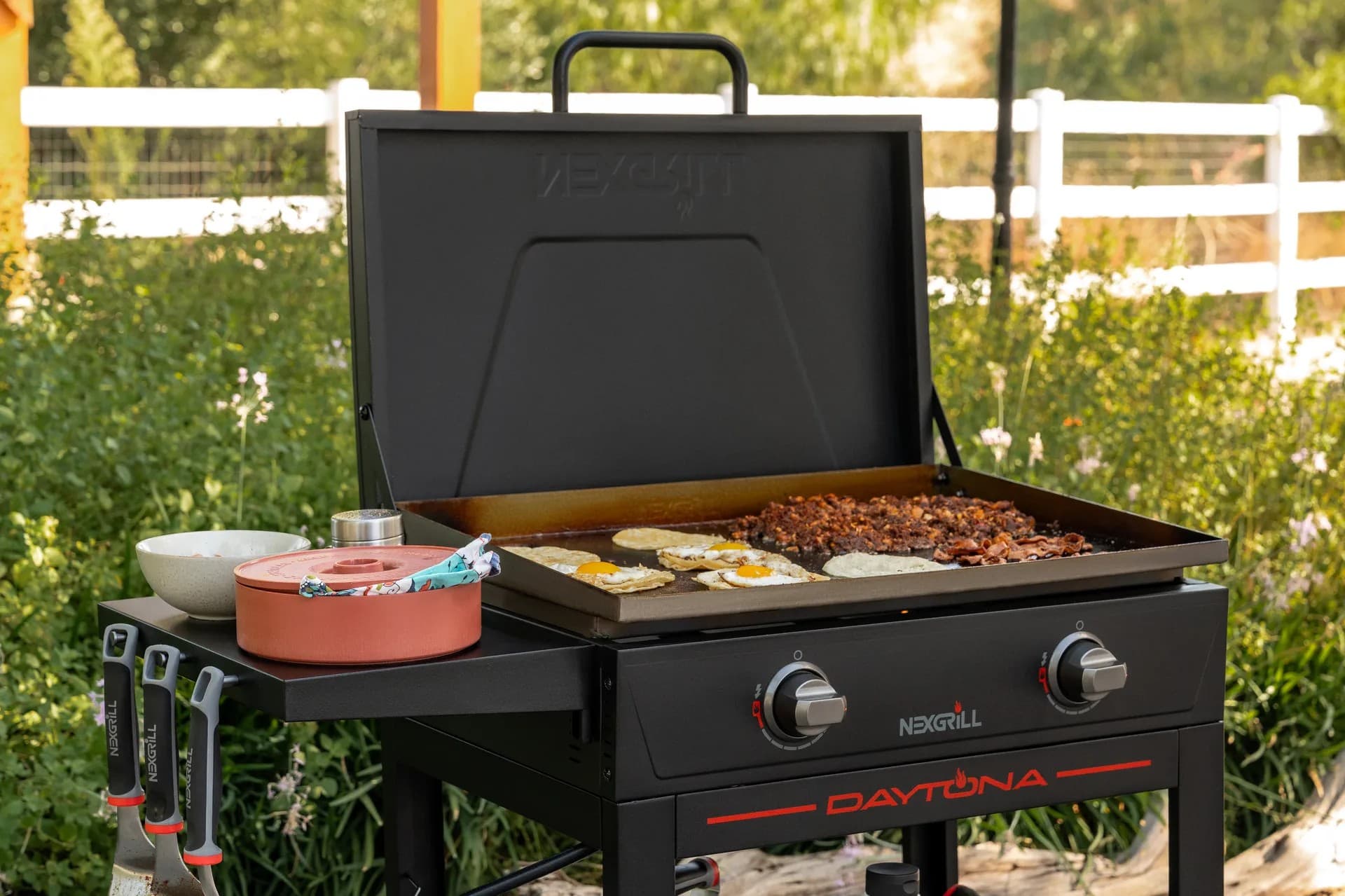
For stainless steel grates, the seasoning process should be lighter. A quick oil wipe before cooking and a clean, warm burn-off afterward are often enough. Stainless steel is less about creating a heavy patina and more about reducing sticking and making cleanup easier. Porcelain-coated grates should be treated gently. Use only a light wipe of oil if the manufacturer allows it, and avoid abrasive methods that can damage the finish. If your grill includes a griddle-style surface or a flat-top section, that surface may need a more intentional seasoning routine similar to cast iron, since the smooth cooking area depends heavily on a protective oil layer.
A better seasoning layer comes from several thin coats, not one heavy coat. Thin layers cure more evenly and leave less sticky residue.
Here is a simple process you can follow for cast iron grates:
| Step | What to do | Why it matters |
|---|---|---|
| 1 | Clean the grate and dry it completely | Removes factory residue and prevents trapped moisture |
| 2 | Warm the grill until the metal is hot | Helps oil spread thinly and bond better |
| 3 | Apply a thin coat of high-smoke-point oil | Creates the protective seasoning layer |
| 4 | Heat until the oil burns off and the surface darkens | Cures the coating and improves release |
| 5 | Repeat with one or two more thin coats | Builds durability and consistency |
If you are seasoning a new grill, do the first burn and oil cycle before cooking delicate foods. That first session is often the difference between food that sticks stubbornly and food that releases cleanly. It also gives you a chance to notice flare points, burner imbalance, or any factory residues that need attention before the grill becomes part of your normal routine.
Routine Maintenance Practices for Longevity
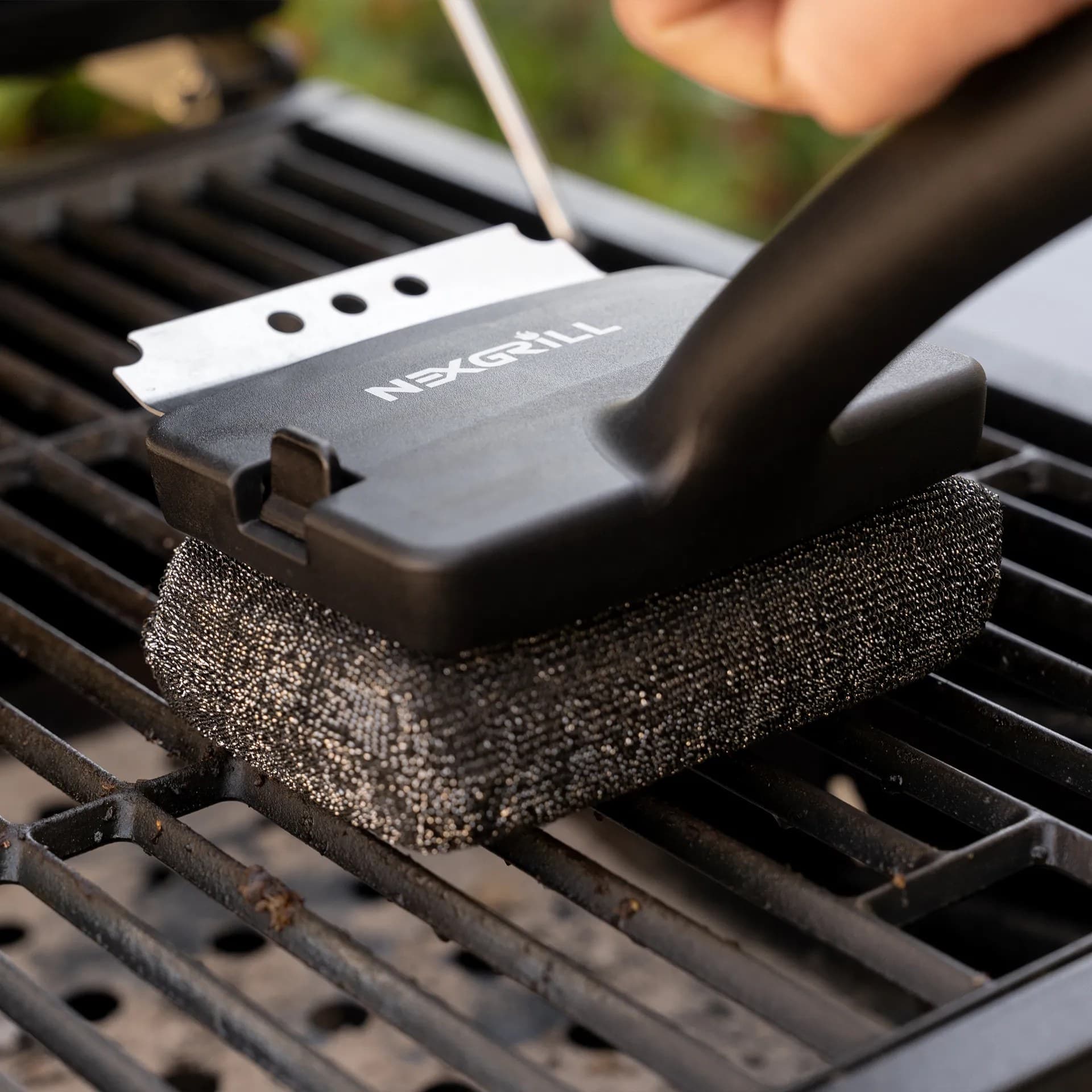
Once the grate is seasoned, maintenance is about preserving what you created. After each cook, while the grill is still warm, scrape away residue with the right tool for your surface. Cast iron usually tolerates a firmer scraper or brush, while porcelain-coated grates need a gentler touch. After scraping, lightly oil the grate if it will sit unused for a while. Empty grease collection components regularly so buildup does not attract pests, smoke excessively, or create unpleasant odors during the next cook.
A full maintenance routine should also include burner checks, interior cleaning, and exterior care. Look for clogged burner ports, uneven flames, or grease around the firebox. If you see one section heating noticeably more than another, that may indicate a partially blocked burner or a heat distribution issue rather than a grate problem. Clean the lid and exterior with non-abrasive materials so you preserve protective finishes. For propane grills, inspect the hose and connections periodically for wear. For charcoal grills, remove ash after it cools because retained ash can hold moisture and speed up corrosion inside the bowl.
Avoid using water to cool hot cast iron quickly. Rapid temperature shock can damage some grate finishes and leaves metal vulnerable to rust if drying is incomplete.
Think of maintenance in three rhythms: after every cook, every few weeks, and at the start and end of the season. After every cook, clean the grate and remove grease. Every few weeks, inspect burners, fasteners, and interior surfaces. At the start and end of the outdoor season, do a deeper refresh that includes a full cleaning, re-seasoning, and cover check. That structure is simple enough for a casual griller to follow, but strong enough to prevent the most common problems before they turn into repairs.
Troubleshooting Common Grill Issues
When a grill starts underperforming, the cause is often visible if you know where to look. Sticking food usually means the grate was not hot enough, the seasoning layer is thin, or the surface still had residue from the last cook. Rust spots usually mean moisture was left on the grate or the grill sat uncovered in damp weather. Uneven browning can point to burner imbalance, a dirty heat shield, or grease buildup under the grate. Sticky black residue often comes from too much oil during seasoning or from repeated low-heat cooking without adequate cleaning between sessions.
If rust appears on cast iron, scrub it off carefully, dry the metal, then re-season right away. If the issue is minor, that can restore the surface before corrosion spreads deeper. If food begins tasting smoky in a bad way, check the grease tray and any hidden drip channels. Old grease can burn during the next preheat and create off flavors that have nothing to do with the food itself. If flames are weak or uneven on a gas grill, inspect burner ports for blockages and make sure the gas flow is unobstructed. Many grill issues that look serious are really maintenance issues that can be solved with a focused cleanup and a fresh seasoning cycle.
Conclusion: Ensuring a Long-Lasting and Efficient Grill
Seasoning and maintenance are not optional extras. They are the operating system for a grill that should feel reliable every time you use it. By learning your grate material, applying thin seasoning layers correctly, and keeping up with regular cleaning, you protect the investment and improve day-to-day cooking performance. The result is a grill that heats more predictably, resists sticking better, and stands up longer to the weather and wear of real outdoor use.
For Nexgrill owners and anyone comparing outdoor cooking equipment, the best approach is to treat grill care as part of the cooking experience itself. A well-maintained grill is easier to trust, easier to cook on, and more rewarding to share with family and friends. Try comparing two products side by side below to see which fits best:
Advanced Maintenance Tips for Seasoned Grillers
Once you have the basic seasoning routine down, the next level of grill care is about reading the signs your equipment gives you. Experienced grillers do not just clean after cooking; they observe how the grill behaves over time. If the center of the grate browns faster than the edges, that may tell you something about heat concentration or burner placement. If the surface looks dry and food begins clinging after only a few uses, the issue may not be the recipe at all. It may be that the seasoning layer needs to be refreshed with a lighter, more frequent oil application rather than a heavy overhaul. That kind of attention prevents small inefficiencies from becoming everyday frustrations.
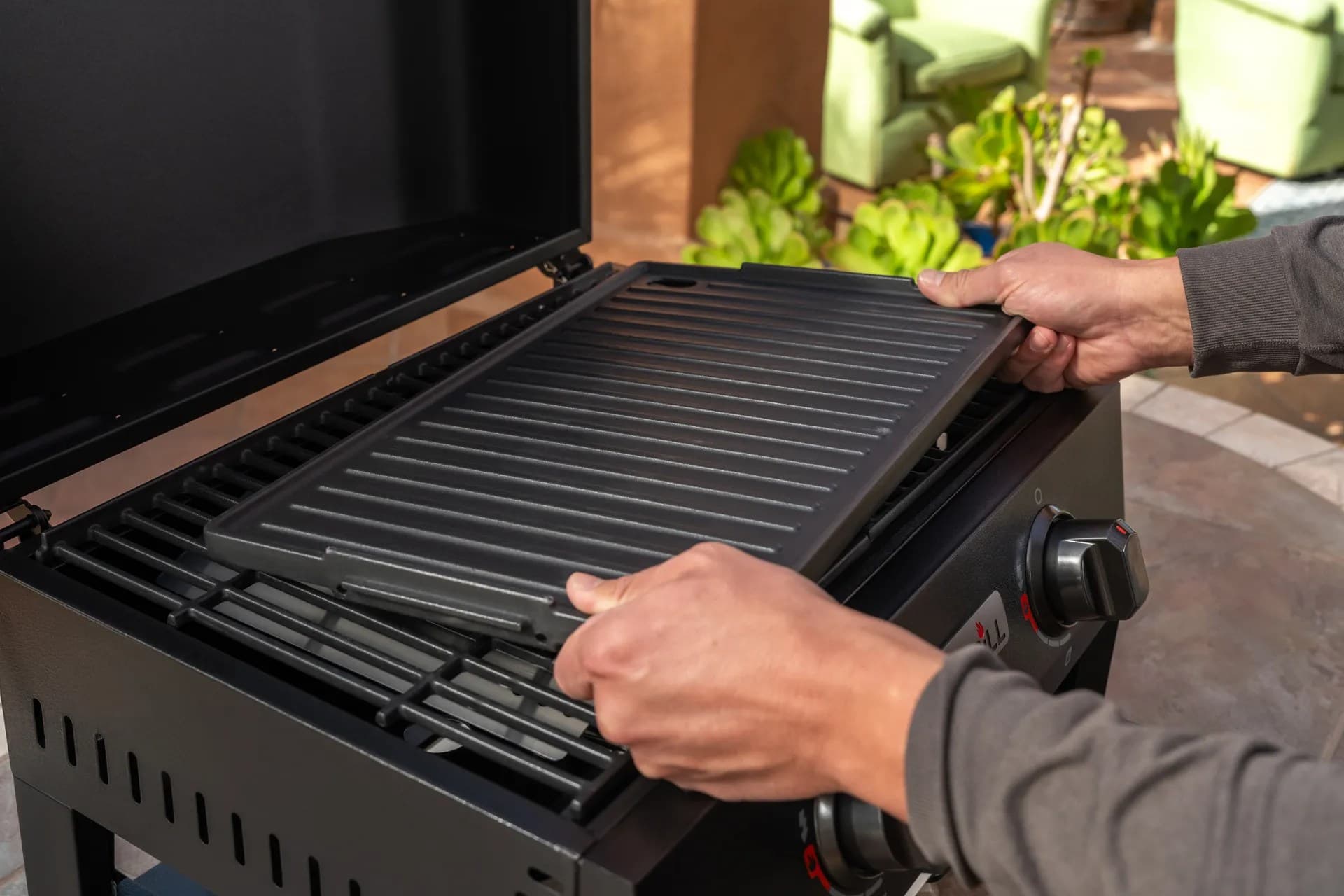
For cast iron in particular, advanced maintenance means controlling the environment as much as the surface. Moisture is the enemy, but so is unnecessary abrasion. Scrubbing too aggressively can remove the protective layer you worked to build. Instead, clean while the grate is still warm, use tools that match the material, and re-oil before storage when the grill will sit idle for several days. On stainless steel, the goal is different: keep the finish clean and the residue light so the grate heats evenly and does not develop baked-on buildup. If your grill has a removable grate or modular insert, take advantage of that design and clean components separately. It is easier to preserve a cooking surface when you can inspect every edge and corner.
A light post-cook oil wipe is often more effective than a heavy re-seasoning session. Frequent, small corrections preserve the surface better than occasional aggressive fixes.
If you are using a pellet, gas, or charcoal setup, the maintenance details will differ, but the principle stays the same: protect hot metal from moisture and residue. The inside lid, firebox, and grease channel deserve as much attention as the grates because neglected buildup often creates the cooking problems people blame on the food. A grill that is cleaned only on the visible surfaces can still flare, smoke excessively, or cook unevenly. That is why a truly seasoned griller thinks in layers: surface, interior, and storage environment.
Seasonal Care: Preparing Your Grill for Off-Season Storage
When grilling season slows down, the goal shifts from daily performance to preservation. The ideal off-season prep starts with a full deep clean. Remove all food residue, empty ash if you use charcoal, and clear grease from trays and catch cups. Once the metal is clean, dry every accessible part thoroughly. For cast iron grates, this is the moment to apply a fresh protective oil coat before the grill is put away. That layer acts like a barrier while the equipment is unused, especially if the grill is stored in a garage, shed, or patio area that sees humidity swings.
Storage location matters. A covered patio is not the same as a dry indoor space, and a breathable grill cover is not the same as wrapping the unit in plastic. Plastic can trap condensation; a proper cover allows protection without creating a sealed moisture chamber. If you live where winter brings freeze-thaw cycles, check the grill periodically during storage. Standing water, melting snow, or windblown debris can work into seams and hardware faster than people expect. A quick inspection every few weeks can prevent you from opening the grill in spring to find rust, odor, or stuck components.
| Off-season task | Cast iron grill | Stainless steel grill | Why it matters |
|---|---|---|---|
| Deep cleaning | Remove residue and ash completely | Wipe down interior and exterior surfaces | Prevents buildup from hardening during storage |
| Drying | Dry heat and air thoroughly | Dry all crevices and fasteners | Reduces corrosion and mildew |
| Protective layer | Apply a very thin oil coat | Optional light oil wipe if recommended | Adds a temporary moisture barrier |
| Covering | Use a fitted, breathable cover | Use a fitted, breathable cover | Keeps dust and weather away without trapping moisture |
A useful trick is to reopen the grill once during the off-season and inspect the grates with a flashlight. If the finish looks chalky, dull, or spotted, you may need a light maintenance cycle before spring. Catching the issue early is much easier than reviving a heavily corroded grate after months of neglect.
Eco-Friendly Cleaning and Maintenance Practices
Eco-friendly grill care is not just about reducing waste. It is also about choosing methods that protect the equipment while using fewer harsh chemicals. Start with mechanical cleaning first. A good scraper, a warm grate, and a damp cloth can remove much of the residue that people typically try to solve with chemical cleaners. For stubborn spots, use a paste of baking soda and water on removable components, then rinse and dry completely. This approach is especially useful for exterior surfaces that do not need abrasive cleaning agents.
When possible, reuse rags instead of single-use wipes, and select brushes or pads that match the finish you are cleaning. Soft-bristle tools often last longer than people expect and reduce the chance of damaging coated surfaces. If you must use a commercial cleaner, look for a product designed for cooking equipment and follow the label carefully so you do not leave residues that affect food. The most sustainable habit, though, is still prevention: removing grease after each cook means you need fewer strong cleaners later.
Do not pour leftover cleaning solution onto the ground or into storm drains. Dispose of it according to the product label and local guidance.
You can also reduce waste by maintaining the grill so parts last longer. A grate that is protected from rust does not need to be replaced as quickly, and a clean firebox puts less stress on burners and igniters. In that sense, careful maintenance is already an eco-friendly practice because it extends the useful life of the equipment you own.
Upgrading Your Grill: When and How to Replace Parts
Even the best-maintained grill eventually needs replacement parts. The question is not whether wear will happen, but whether you will recognize it early enough to act before it affects safety or performance. Grates should be replaced when they are deeply pitted, cracked, badly warped, or flaking in a way that cannot be cleaned out safely. Burners should be replaced when they show repeated clogging, weak flame output, or uneven heating that does not improve after cleaning. Igniters, heat shields, and grease components are also common wear items that can change how the grill performs if they are ignored too long.
Replacement decisions should be based on function, not just appearance. A grate may look dark and used, but that is not a problem if the seasoning is sound and the surface is still intact. By contrast, a grate that is shiny in places, rusted in others, and wobbling under food can quietly make every cook worse. When replacing parts, match the size, shape, and material to the original design as closely as possible so you do not compromise heat balance or fit. If you are unsure, consult the product documentation or the manufacturer’s parts catalog before ordering. A little patience here avoids return headaches later.
Some grillers decide to upgrade only certain components rather than replacing the entire unit. That can be smart if the frame, burners, and firebox are in good shape but the grates have aged out. Others find that repeated part replacement is a signal the whole grill has reached the point where a newer model would be a better value. Either way, the key metric is whether maintenance time is still rewarded with reliable results. If not, it may be time to move from repair mode to replacement mode.
Community Insights: Grilling Enthusiasts Share Their Maintenance Tips
Grill care gets better when it is shared. In Nexgrill’s community-minded grilling culture, the best maintenance advice often comes from people who have learned through repetition, weather, and real backyard use. One common tip is to clean while the grill is still warm, not fully cold. That small timing choice makes residue easier to remove and reduces the effort needed later. Another frequent habit is storing a small oil cloth in a sealed container near the grill so the seasoning step becomes as routine as closing the lid. People who grill weekly tend to succeed because they create a predictable system, not because they use exotic products.
Another useful practice shared by experienced cooks is to label the grill’s trouble spots. If one corner runs hotter, they remember it when laying out food. If one burner is slower to recover after the lid opens, they adjust their cooking plan instead of forcing the grill to behave like a perfect lab instrument. That kind of adaptation keeps the grill experience enjoyable and helps the owner notice when real maintenance is needed. It is also a reminder that good grill care is not only about tools. It is about observation, habit, and a willingness to respond before small issues become major ones.
Final Thoughts: Mastering Grill Care for Optimal Performance
Mastering grill care means understanding that seasoning and maintenance are not separate chores. They are connected parts of the same process. Seasoning protects the cooking surface, maintenance preserves the benefit of that protection, and timely repairs keep the rest of the grill supporting the job. With the right habits, a grill can hold heat better, release food more cleanly, and remain ready for the next cook instead of becoming a project every time you want to use it.
For anyone serious about getting the most from their outdoor cooker, the winning formula is simple: know the material, clean with purpose, season lightly but consistently, store correctly, and replace parts before small failures spread. That approach fits both casual backyard gatherings and more ambitious weekend cooking sessions. Once you have compared your options, the right care routine becomes much easier to commit to.