Understanding Replacement Burners for Nexgrill: Pricing and Options
A comprehensive guide on pricing, types, and installation of Nexgrill replacement burners.
In This Article
Types of Burners
Pricing Insights
Installation Tips
Introduction
When a Nexgrill starts to lose heat, develop uneven flames, or take longer than usual to preheat, the burners are often the first part worth inspecting. Replacement burners are one of the most practical repairs you can make because they restore cooking performance without requiring you to replace the entire grill. For many owners, the real question is not just whether a burner should be replaced, but what replacement burners for Nexgrill price points make sense for the age and condition of the grill. That choice usually comes down to matching the right part to your model, deciding whether OEM or aftermarket makes more sense, and understanding how much lifespan you can still expect from the rest of the grill.
This guide is built for the kind of buyer who wants a clear answer before ordering parts. If you are trying to keep a dependable backyard setup running on a sensible budget, it helps to think of burner replacement as a value decision, not just a repair. Nexgrill’s brand position has long emphasized accessibility and practical value for a wide range of grillers, and that mindset fits replacement-parts shopping well: the goal is to get the grill back to reliable use without overspending on parts you do not need. Nexgrill’s own brand messaging centers on being approachable and attainable for different budgets, which is exactly why replacement part choices should be evaluated carefully rather than rushed.
Common U.S. price range for many Nexgrill replacement burner setups, depending on type and seller
In practical terms, burner replacement is one of the highest-value repairs on a gas grill because the burner directly affects heat output, ignition quality, and flame consistency. A damaged burner can turn a decent grill into a frustrating one fast. The good news is that many Nexgrill owners can restore performance with a straightforward part swap, especially when the firebox, grates, and ignition system are still in usable condition. The challenge is identifying the burner style and price tier that fits your exact grill so you do not buy the wrong part or pay for features you will never use.
Tip: before comparing prices, check the model number on the grill’s rating label. Burner shape, mounting length, and venturi spacing matter more than a generic description.
Types of Replacement Burners
Nexgrill replacement burners are not all the same, and type matters as much as price. The most common setup on backyard gas grills is the tube burner, which runs front to back or side to side depending on the firebox design. Tube burners are popular because they distribute heat across a broad cooking zone and are relatively simple to remove and reinstall. On some Nexgrill models, especially those with a side workstation, you may also see a side burner or auxiliary burner that is used for sauces, pans, or smaller cookware. These parts serve a different role from the main burners and are usually purchased separately.
When shoppers search for Nexgrill replacement burners, they often mean one of three practical categories: main tube burners, side burners, and multi-burner sets. Main burners are usually the core replacement item and may be sold individually or in a set of two, three, or more. Sets are often the better value when the grill is older and multiple burners are showing wear at the same time. Side burners tend to be smaller, simpler parts, but they can still vary in mounting style and gas connection details. If your grill includes a sear burner or infrared-style component, that is a separate compatibility question and should not be substituted with a standard tube burner.
| Burner type | Typical use | Price tendency | Best fit |
|---|---|---|---|
| Tube burner | Main cooking zones for everyday grilling | Low to mid | Most Nexgrill 2- to 5-burner grills |
| Side burner | Sauces, pans, small cookware | Low to mid | Grills with side-burner stations |
| Burner set | Whole-grill refresh | Mid | Older grills with multiple worn burners |
OEM and aftermarket parts can both work, but the best choice depends on how closely you want to match the original fit and finish. OEM burners are designed around the grill’s original geometry, which can reduce guesswork during installation. Aftermarket burners may be less expensive and can be a smart value choice if measurements and port locations match the original part. The key is not the brand name alone; it is whether the burner is designed to fit your specific Nexgrill model, screw pattern, gas inlet position, and total length.
Warning: a burner that is close but not exact can create uneven flames, delayed ignition, or poor gas flow. Small measurement differences matter.
Pricing Overview
Replacement burner prices for Nexgrill grills can vary widely in the United States depending on whether you buy a single burner, a full set, or a specialty component such as a side burner. In general, a single main tube burner may fall in the lower end of the price range, while multi-burner kits or more specialized parts cost more. OEM listings often sit above basic aftermarket options because you are paying for a tighter fit match, brand sourcing, and sometimes better part documentation. Aftermarket sellers can sometimes undercut OEM pricing, especially on marketplace sites, but the savings only matter if the part matches correctly and is made from durable material.
For most shoppers, the practical price comparison looks like this: an individual burner may be a modest repair, a two- or three-burner set is usually a medium-cost refresh, and a full burner replacement on a larger grill can approach the cost of a lower-end replacement grill if several other components are also worn. That is why it is smart to compare not just the sticker price of the part but the total repair value. If your firebox, ignition module, flavorizer bars, and grates are all still serviceable, spending a bit more on a correct burner set may be worthwhile. If multiple structural parts are failing, a cheaper burner may not change the overall economics.
| Purchase option | Typical U.S. price behavior | Value notes |
|---|---|---|
| OEM single burner | $20-$45 | Best for exact fit and simpler installation |
| OEM burner set | $40-$90 | Often strongest value when replacing multiple worn burners |
| Aftermarket single burner | $15-$35 | Lower upfront cost, but verify dimensions carefully |
| Aftermarket burner set | $30-$75 | Can be a good budget play if reviews and measurements align |
| Side burner component | $15-$40 | Usually separate from main burner pricing |
Retail channel matters too. A dedicated parts seller may provide clearer model matching and cleaner part listings, while large marketplaces can offer broader selection and occasional lower pricing. Nexgrill’s all-products collection is a useful starting point for understanding the wider product ecosystem and model family structure, even if the burner itself is sold through a parts channel rather than the main grill page. For comparison shopping, the Grill Parts Nexgrill burners page and marketplace listings can help you gauge current price spreads, but the lowest listing is not always the best purchase if shipping, return timing, or fit uncertainty drives up total cost.
Installation Guide
Once you have weighed two options against each other, the next question is whether the replacement is actually manageable at home. For most Nexgrill gas grills, burner replacement is a practical do-it-yourself job if you are comfortable removing cooking grates, flavorizer bars, and a few fasteners. The exact steps vary by model, but the process is usually straightforward enough for a careful owner with basic hand tools. Before you start, turn off the gas supply, disconnect the propane tank or shut off the natural gas source, and let the grill cool completely. Safety comes first, even for a simple burner swap.
Tip: take a phone photo of the burner layout before disassembly. It makes reassembly faster and reduces the chance of misplacing brackets or clips.
The basic workflow is usually the same. Remove the cooking grates and any heat tents or flame tamers, then unscrew or lift out the old burners. Inspect the venturi openings, gas ports, and igniter electrode area for grease or corrosion while everything is exposed. If the burner tubes are held by retaining pins, clips, or screws, keep those hardware pieces organized so you can reinstall them in the same position. Slide the new burner into place, confirm that the venturi aligns with the gas valve, and make sure the burner holes face upward in the correct orientation. Reinstall the heat distribution parts, then perform a leak and ignition check before cooking.
A simple test after installation is worth the time. Light the burner and watch for a steady blue flame across the length of the tube. Small yellow tips can happen briefly during startup, but persistent lifting, flare pockets, or low flame can signal misalignment or debris inside the gas path. If one burner ignites poorly while the others are fine, check the igniter position, the crossover holes, and whether the burner is fully seated onto the valve. If the grill has multiple burners, test them one at a time before putting the grates back fully in service.
| Step | What to do | Why it matters |
|---|---|---|
| 1 | Shut off gas and cool grill | Prevents injury and accidental ignition |
| 2 | Remove grates and heat shields | Exposes burners and mounting hardware |
| 3 | Lift out old burners | Allows inspection of the valve and firebox |
| 4 | Install and align replacement burners | Ensures proper flame and ignition |
| 5 | Test flame and check for leaks | Confirms safe operation before cooking |
Maintenance Tips
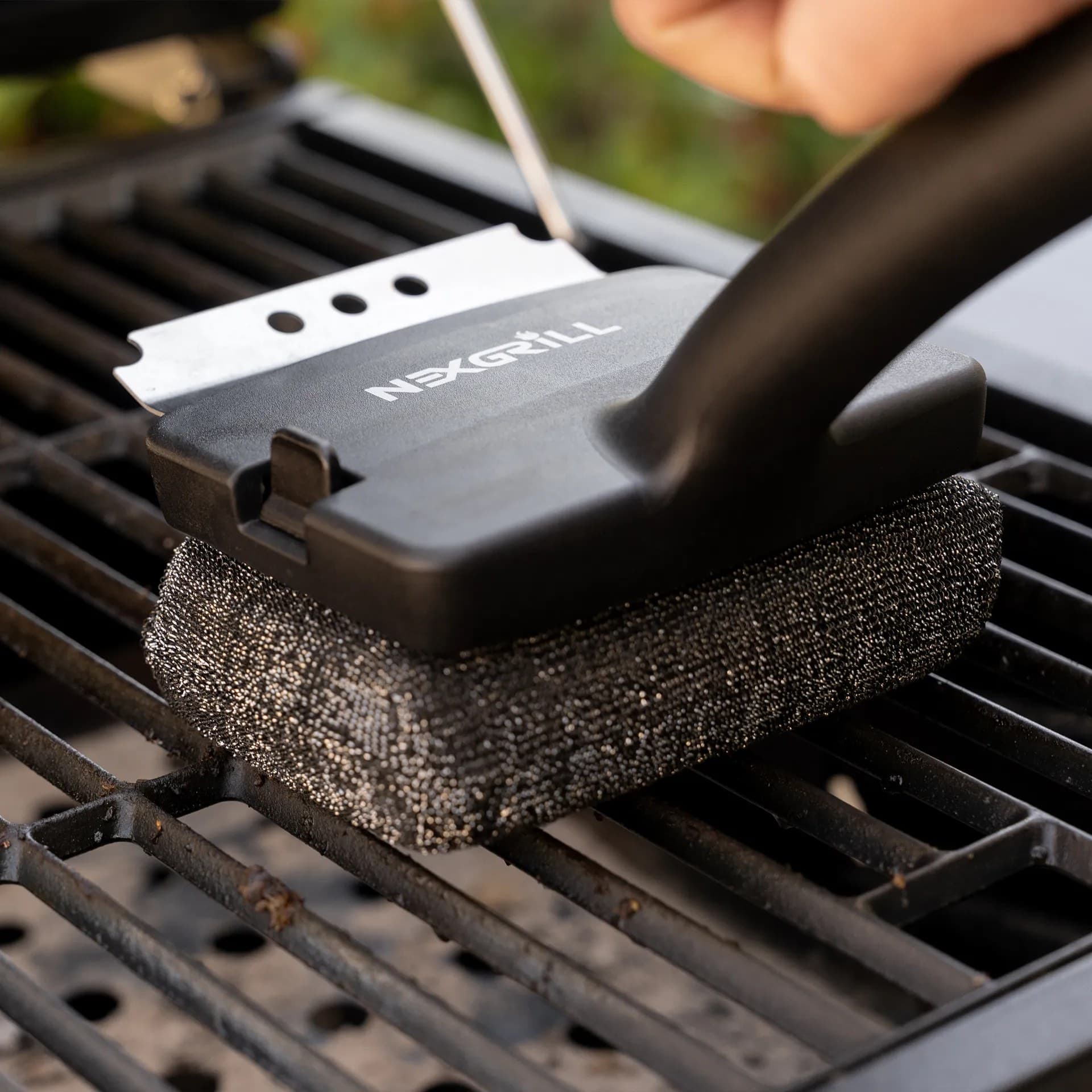
Burner life is heavily influenced by how often you clean the grill and how well you protect it from moisture and grease. After each cook, brush the grates while the grill is still warm so residue does not harden and fall into the burners later. Periodically remove the burners and clear out spider webs, food particles, and carbon buildup from the venturi openings and gas ports. In humid climates or coastal areas, this matters even more because corrosion can shorten burner life faster than normal wear alone.
For a longer-lasting setup, keep the firebox dry, use a fitted cover, and avoid storing the grill with leftover grease that can accelerate rust. If you notice recurring flare-ups, inconsistent heat, or one section of the burner showing heavy corrosion, inspect the burner before the next cook rather than waiting for a total failure. A burner that is only partially damaged may still light, but it can cook unevenly and waste fuel. Replacing it early often saves time and frustration later.
Warning: do not poke enlarged holes in a burner tube as a cleaning shortcut. Damaging the gas ports can permanently alter flame patterns and reduce safety.
For buyers deciding between OEM and aftermarket, maintenance habits should influence the decision. If you keep your grill covered, clean, and dry, a lower-cost aftermarket burner may provide excellent value. If your grill lives outdoors year-round in rough weather or sees frequent weekend use, the tighter fit and part documentation of an OEM-style replacement may be worth the extra cost. There is no one-size-fits-all answer, but there is a better answer for your actual usage pattern.
Conclusion
Replacement burners are a smart repair for many Nexgrill grills because they restore the part of the system that most directly affects heat and flame quality. Price is important, but value comes from matching the correct part, choosing between OEM and aftermarket with clear eyes, and installing it carefully. If your grill otherwise has good bones, a well-chosen burner replacement can extend useful life and bring back the kind of cooking experience that made the grill worth owning in the first place.
The most reliable decision path is simple: identify your model, compare burner dimensions, check seller notes and return policies, and replace only the parts that truly show wear. That keeps the repair focused, the cost controlled, and the grill ready for another season of cooking. For shoppers comparing current availability and broader Nexgrill product context, the Nexgrill product collection, Grill Parts burner listings, and marketplace search results are the best places to validate pricing and fit before buying.