Understanding Replacement Burners: A Comprehensive Guide
Explore options, costs, and installation tips for various burner types.
In This Article
Types of Burners
Installation Tips
Cost Analysis
Introduction to Replacement Burners
Replacement burners are an essential component for maintaining the efficiency and safety of various appliances, including grills, stoves, and ovens. Over time, burners can wear out due to regular use, exposure to elements, and the natural degradation of materials. This guide aims to provide a comprehensive understanding of replacement burners, exploring different types, costs, and the factors to consider when deciding to replace them. Whether you're a casual backyard chef or a seasoned griller, knowing when and how to replace your burners can enhance your cooking experience and ensure safety.
Types of Replacement Burners
The market offers a variety of replacement burners designed for different appliances and cooking needs. Understanding the differences between gas, electric, and BBQ burners is crucial for making an informed choice.
- Gas Burners: Commonly used in both grills and stoves, gas burners provide quick heating and precise temperature control. They are typically made from stainless steel or cast iron, offering durability and resilience against high temperatures.
- Electric Burners: Ideal for indoor cooking appliances, electric burners offer easy installation and maintenance. They are often chosen for their energy efficiency, even heat distribution, and safety features.
- BBQ Burners: Specifically designed for outdoor grills, BBQ burners often incorporate features like infrared technology for even cooking and reduced flare-ups. They are available in various materials, including stainless steel and ceramic.
Cost Analysis of Replacement Burners
Understanding the cost implications of replacing burners is essential for budgeting and decision-making. Costs can vary significantly based on the type of burner, brand, and whether it is an OEM (Original Equipment Manufacturer) or aftermarket product. Choosing between OEM and aftermarket options depends on your budget and the specific needs of your appliance. While OEM parts are typically more reliable and come with warranties, aftermarket burners can be more affordable and offer comparable performance when chosen carefully.
| Burner Type | OEM Cost Range (USD) | Aftermarket Cost Range (USD) |
|---|---|---|
| Gas Burner | $30 - $80 | $20 - $60 |
| Electric Burner | $25 - $70 | $15 - $50 |
| BBQ Burner | $40 - $100 | $25 - $75 |
Choosing between OEM and aftermarket options depends on your budget and the specific needs of your appliance. While OEM parts are typically more reliable and come with warranties, aftermarket burners can be more affordable and offer comparable performance when chosen carefully.
Installation Guide for Replacement Burners
Replacing burners might seem daunting, but with the right tools and guidance, it can be a straightforward process. Here's a step-by-step guide to help you replace your burners effectively:
- Ensure the appliance is turned off and completely cooled down before starting.
- Disconnect any gas or electrical connections for safety.
- Remove the old burner by loosening any screws or clips holding it in place.
- Install the new burner by securing it with screws or clips as needed.
- Reconnect any gas or electrical connections, ensuring they are secure.
- Test the new burner to ensure it's working correctly.
Tip: Consult your appliance's manual for specific instructions related to your model.
Maintenance Tips for Longevity
Regular maintenance can significantly extend the life of your burners. Here are some best practices:
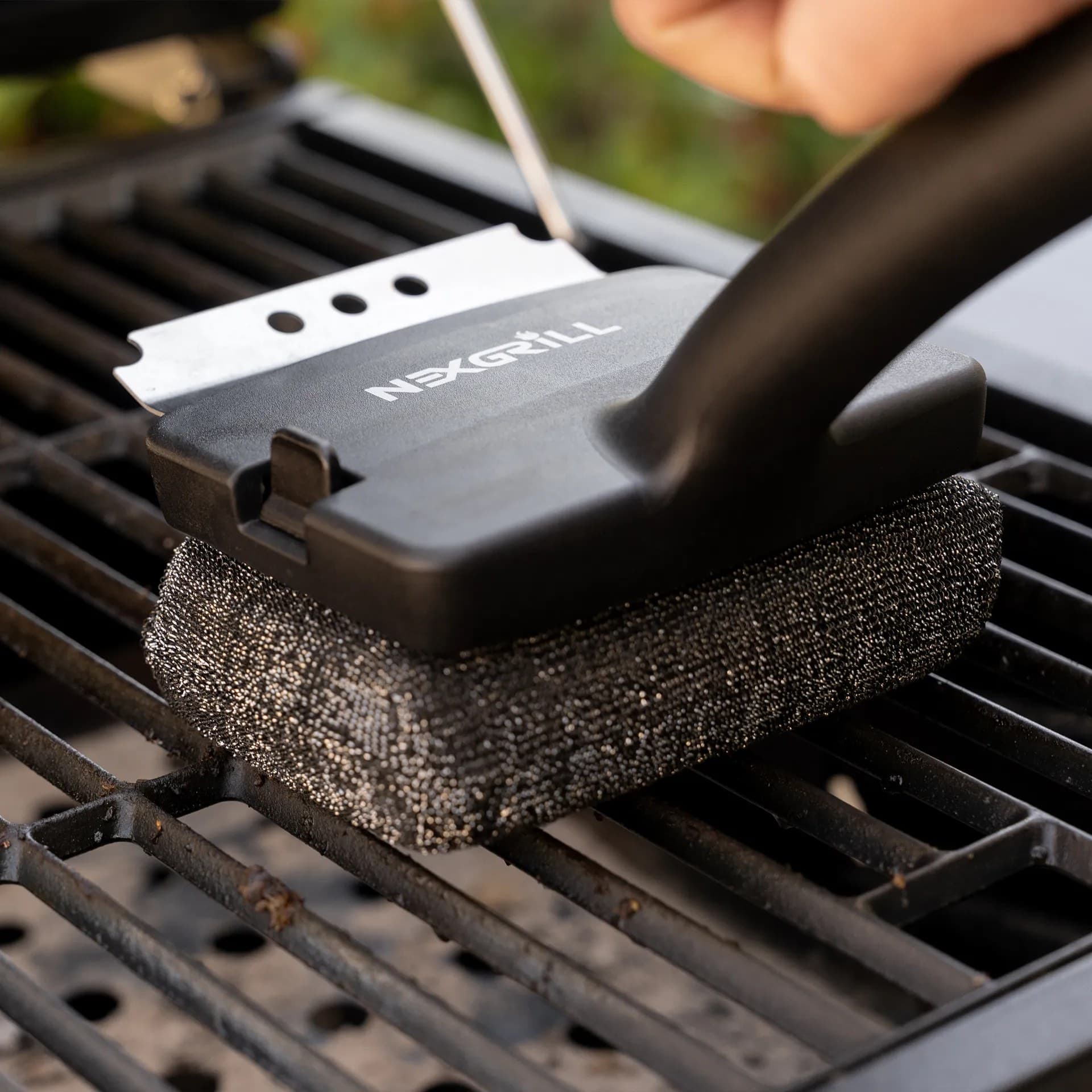
- Clean burners regularly to prevent clogs and ensure even heating.
- Check for signs of rust or damage and address them promptly.
- Store outdoor grills with a cover to protect them from the elements.
- Periodically inspect connections for leaks or wear.
Common Issues and Troubleshooting
Even with regular maintenance, issues can arise. Here are common problems and troubleshooting tips:
- Uneven Heating: This can be caused by clogged ports or uneven gas flow. Cleaning the burner and checking the gas line can often resolve this.
- Flare-Ups: Excessive grease buildup can lead to flare-ups. Regular cleaning can prevent this.
- Burner Won't Light: Check connections and ensure the igniter is functioning properly. Replacing the igniter might be necessary.
Warning: If you're unsure about any step, consult a professional to avoid safety hazards.
Conclusion
Replacement burners are a crucial part of maintaining your cooking appliances. By understanding the types, costs, and installation processes, you can make informed decisions that enhance your cooking experience. Regular maintenance and timely replacements not only ensure safety but also improve the efficiency and longevity of your appliances. Explore your options and invest in quality burners to enjoy uninterrupted cooking sessions.