The Ultimate Guide to Portable Charcoal Tabletop Grills
Explore the best options and tips for grilling on the go.
In This Article
Compact and Convenient
Top Brands Reviewed
Maintenance Tips
Introduction to Portable Charcoal Tabletop Grills
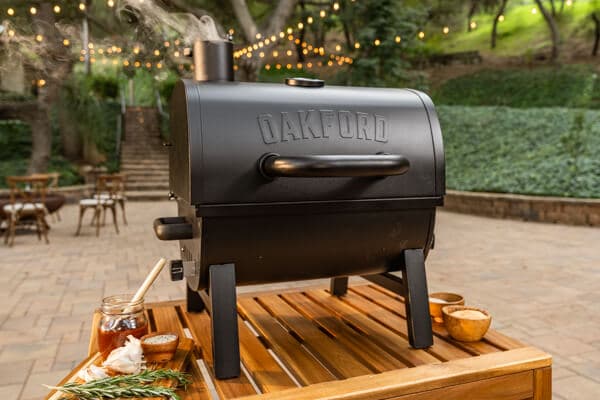
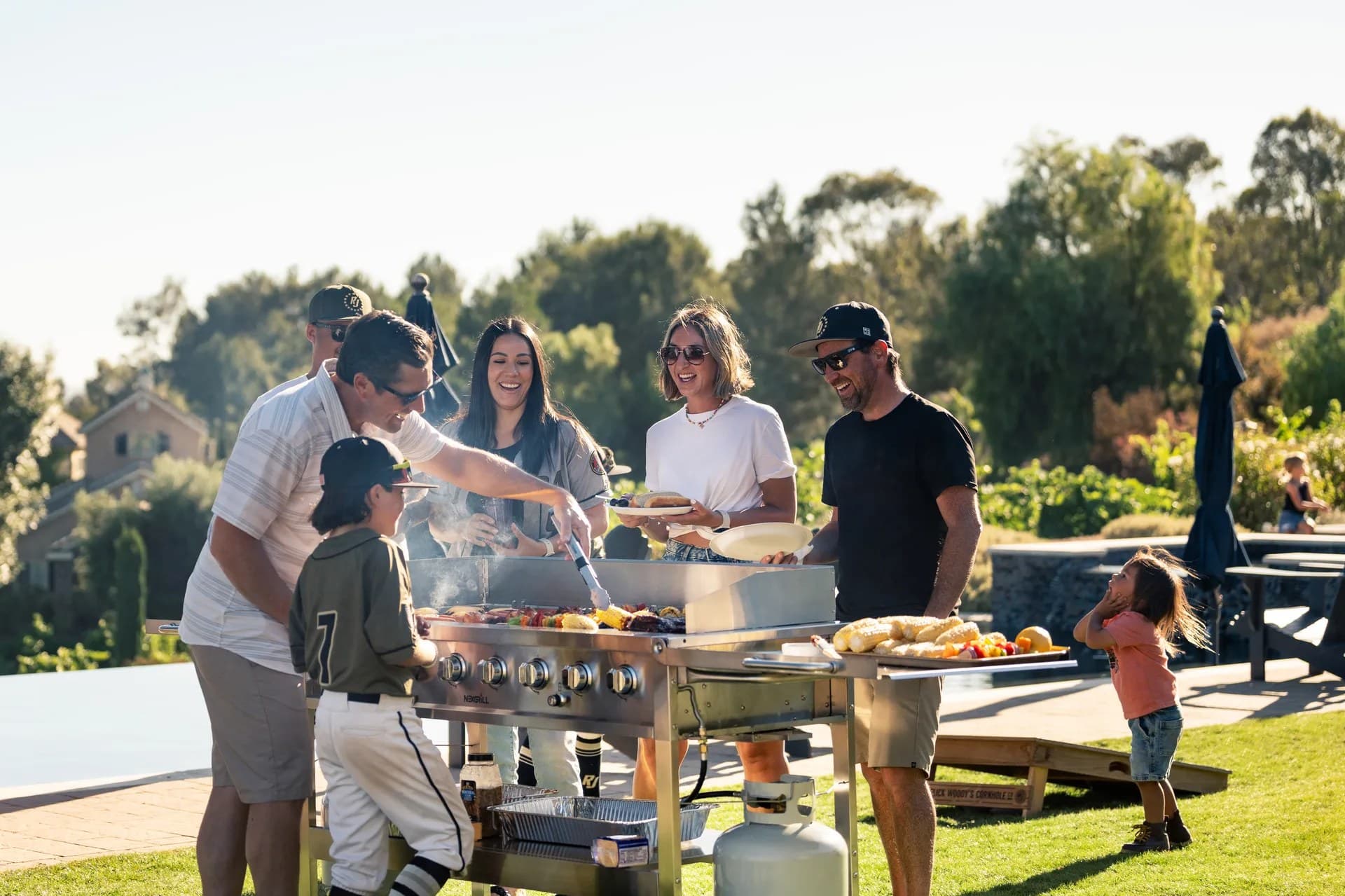
Portable charcoal tabletop grills occupy a sweet spot between full-size backyard cooking rigs and ultra-compact travel cookers. They are small enough to fit on a picnic table, tailgate, balcony table, or campsite prep station, yet they still give you the live-fire flavor and adjustable heat control that charcoal fans want. For many buyers, the appeal is not just size. It is the way these grills turn an ordinary stop on a road trip or an easy weeknight patio dinner into a social event. That fits Nexgrill’s own emphasis on gathering people around the fire, sharing good food, and keeping the experience approachable rather than overly technical .
The portable category is broader than it first appears. Some models are round and minimal, built for quick setup and efficient packing. Others use a hinged lid, a locking base, or folding legs so they can move from trunk to table without feeling flimsy. A few are designed with a wider cooking grate for backyard use but still stay light enough to take on the road. The best choice depends on whether you want a grill for camping meals, tailgating burgers and vegetables, or a small-space patio cooker that can stay out during the season.
What makes tabletop charcoal grills distinct is the balance of heat retention, transportability, and control. Unlike propane units that rely on fuel canisters, charcoal models ask for a little more setup, but in return they deliver a steady radiant heat source and the flavor many grillers still prefer for seared steaks, skewers, vegetables, and simple one-pan meals. The buying decision is often about convenience trade-offs: how fast the grill packs up, how safely it locks closed, how well it vents, and whether it can hold usable cooking temperature without constant fussing.
Portable charcoal grills are usually judged by real-world usability first: stability on a table, cool-touch handling, easy ash cleanup, and how confidently they travel in a car or RV.
The best tabletop grill is the one that feels easy to carry, safe to set down, and predictable to cook on.
If you are comparing portable charcoal tabletop grills for the first time, the main mistake is treating them like shrunken backyard grills. They are not. Their best features are usually practical ones: a secure lid latch, a stable base that resists tipping, a vent layout that helps you manage charcoal without overcorrecting, and a cooking surface that is large enough for the food you actually bring on the trip. A compact grill can be the right answer for one person or a couple, while a wider foldable model may be better for families or group outings.
Top Picks for Portable Charcoal Tabletop Grills
When shoppers ask for top picks, they usually mean models that solve different problems well. One grill may be the easiest to carry. Another may be the most stable on a picnic table. A third may have the best heat retention for searing after a short preheat. Review-style feedback from users tends to focus less on laboratory measurements and more on lived experience: how quickly the grate gets hot, whether the lid stays latched in the car, and whether cleanup is simple enough to make the grill worth taking along again.
| Model type | Best use case | Why it stands out | Typical buyer |
|---|---|---|---|
| Compact round tabletop grill | Solo trips, couple camping meals, tight spaces | Easy to transport and quick to set up | Campers and minimal packers |
| Foldable tabletop grill | Tailgates, family picnics, trunk storage | More stable base and easier loading | Frequent road-trippers |
| Lidded portable charcoal grill | Backyard searing and weather-prone outings | Better heat retention and control | Users who want versatility |
A strong all-around option is the kind of grill that combines a locking lid, a carry handle that does not get in the way, and a vent system that is easy to understand at a glance. Dual venting is especially useful because it gives you more control over charcoal burn rate without forcing you to keep the lid open. In practical terms, that means less guessing when you want a hotter sear or a calmer cook for chicken thighs and vegetables. Shoppers often report that this is one of the features they notice most after the first few uses, because it makes the grill feel less fussy and more repeatable.
Look for user comments that mention stability, latch quality, and how the grill behaves after the second or third cook. Those details usually matter more than brand slogans.
For camping, a lighter model with fewer moving parts is often the smarter choice because it packs quickly and is less likely to rattle loose in transit. For backyard tabletop cooking, a more substantial unit with a larger grate and better lid sealing can be worth the extra bulk. That is where a brand comparison becomes useful. Weber is often associated with dependable compact charcoal design, Everdure with polished styling and portability-minded engineering, and Slow ’N Sear with accessories and add-on cooking flexibility. The right answer depends less on prestige and more on how you cook.
Price is another way to separate short-term convenience from long-term value. Entry-level tabletop charcoal grills can land in the lower price range, while models with stronger latches, better vent hardware, and sturdier construction usually cost more. It is often worth paying a bit extra for a grill that will survive being loaded into a trunk, set on uneven ground, and used repeatedly through a season of outings. If you only grill occasionally, a simpler design may be enough; if you travel often, reliability is usually worth the added spend.
Key Features to Consider When Buying
The right portable charcoal tabletop grill should be judged on the features that directly affect cooking and transport. Start with size and weight, but do not stop there. A grill can be light enough to carry and still awkward if the lid swings open in transit or the base feels unstable when loaded with food. In real use, the best models feel compact without feeling precarious.
| Feature | Why it matters | What good looks like |
|---|---|---|
| Locking mechanism | Keeps the grill secure during transport | Latch that stays closed without wobble |
| Dual venting | Helps manage airflow and charcoal burn | Easy-to-adjust vents you can read quickly |
| Heat retention | Supports even cooking and better searing | Thicker body or lid that holds heat well |
| Cooking surface | Determines how much food fits at once | Enough room for your normal meal size |
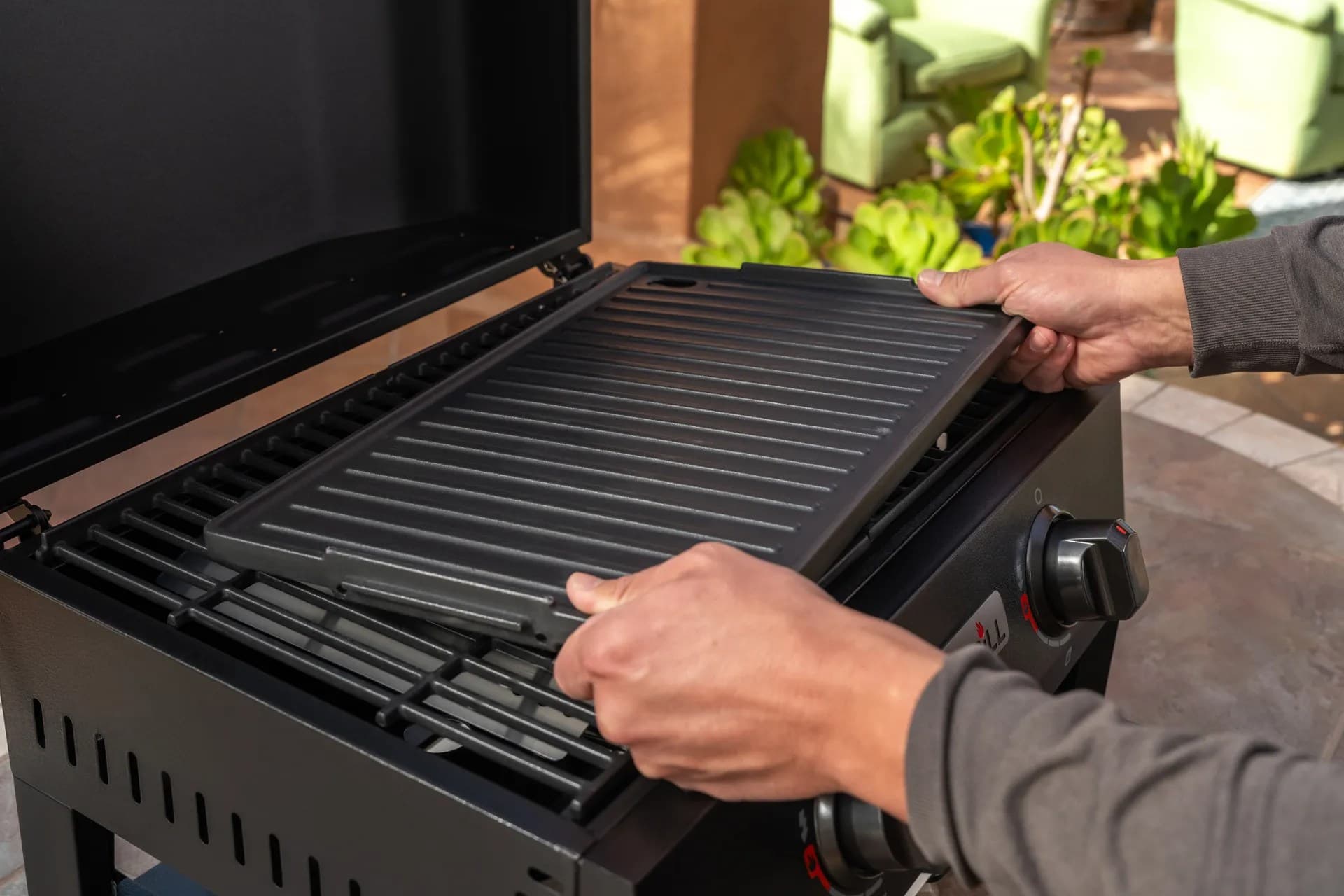
Portability is not only about carrying weight. It also includes setup time, storage shape, and whether the grill can be cleaned and repacked quickly after the meal. A tabletop grill with a nesting ash tray, removable grate, or simple ash catch arrangement usually earns more real-world use than a more complicated design. The reason is simple: if cleanup takes too long, people leave the grill at home the next time.
Another overlooked factor is cooking style. If you prefer hot and fast cooking for burgers, sausages, or skewers, a smaller chamber with good air control may be perfect. If you want to cook thicker cuts, vegetables, or mixed plates for several people, look for a model with enough grate depth and lid volume to create an indirect heat zone. That one detail can separate a toy-like portable unit from a grill that feels like a true outdoor cooking tool.
Avoid choosing only by brand fame or price tag. On tabletop charcoal grills, ventilation, lock quality, and carrying comfort often matter more than the logo.
Try comparing two products side by side below to see which fits best:
Usage Tips for Portable Charcoal Grills
Once you have compared two options, the next step is thinking about how you will actually use the grill in the real world. Portable charcoal tabletop grills work best when setup is deliberate. Start with a level, heat-safe surface that can handle radiant heat and falling ash. A picnic table, trailer tailgate, or outdoor prep station can all work, but the surface should be stable enough that the grill does not rock when you add food or adjust the lid. That matters more than many first-time users expect, especially if the grill has a light body and a small footprint.
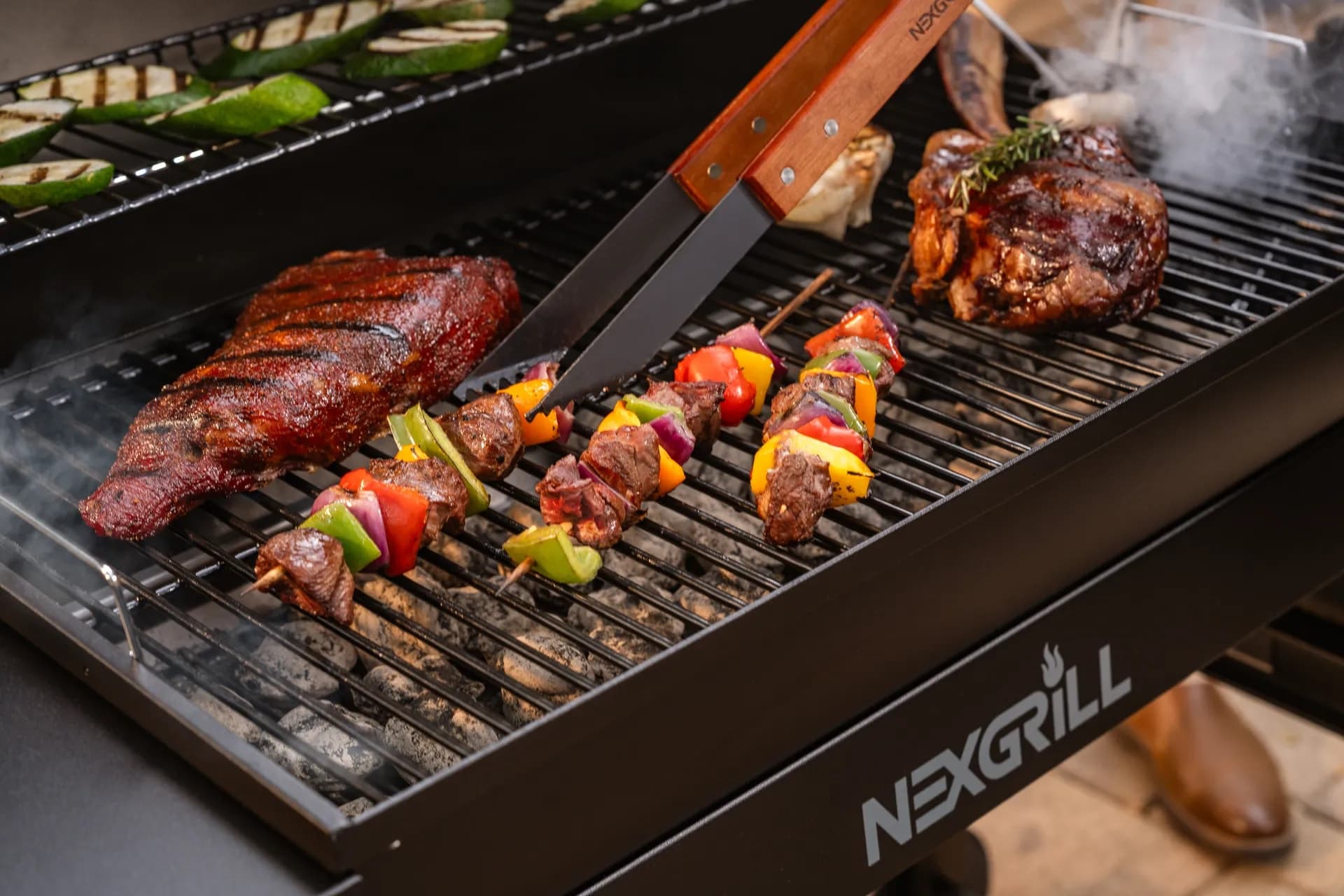
Fuel management is the core skill. Because compact charcoal grills have less chamber space than backyard kettles, charcoal arrangement has a bigger effect on cooking results. Build a small, organized pile for direct high-heat cooking, or split the coals to one side if you want a cooler zone for finishing thicker food. Many users find that this makes the grill feel much more flexible than its size suggests. It is also the reason dual venting is worth paying attention to: a controlled airflow pattern helps the coals burn evenly instead of flaring too aggressively.
A tabletop charcoal grill should be preheated long enough for the grate to come fully up to temperature, which improves searing and reduces sticking.
Safety is especially important when you grill away from home. Keep the unit away from tent walls, vehicle interiors, dry grass, and low-hanging materials. Never move a lit tabletop grill to a new location mid-cook unless the design and instructions clearly allow it, and even then use extreme caution. The compact form factor can make these grills seem casual, but the heat output is not casual at all. Gloves, tongs, and a dedicated landing spot for hot tools help prevent the most common mistakes.
For better results, avoid crowding the grate. Portable grills are often used for social cooking, but overloading the surface blocks airflow and causes uneven browning. Give food a little room, especially if you want visible sear marks. If you are cooking for a group, stage ingredients before lighting the charcoal. That way, you can keep the lid closed as much as possible once the grill is ready, which helps maintain temperature and preserves fuel life.
Maintenance and Cleaning Advice
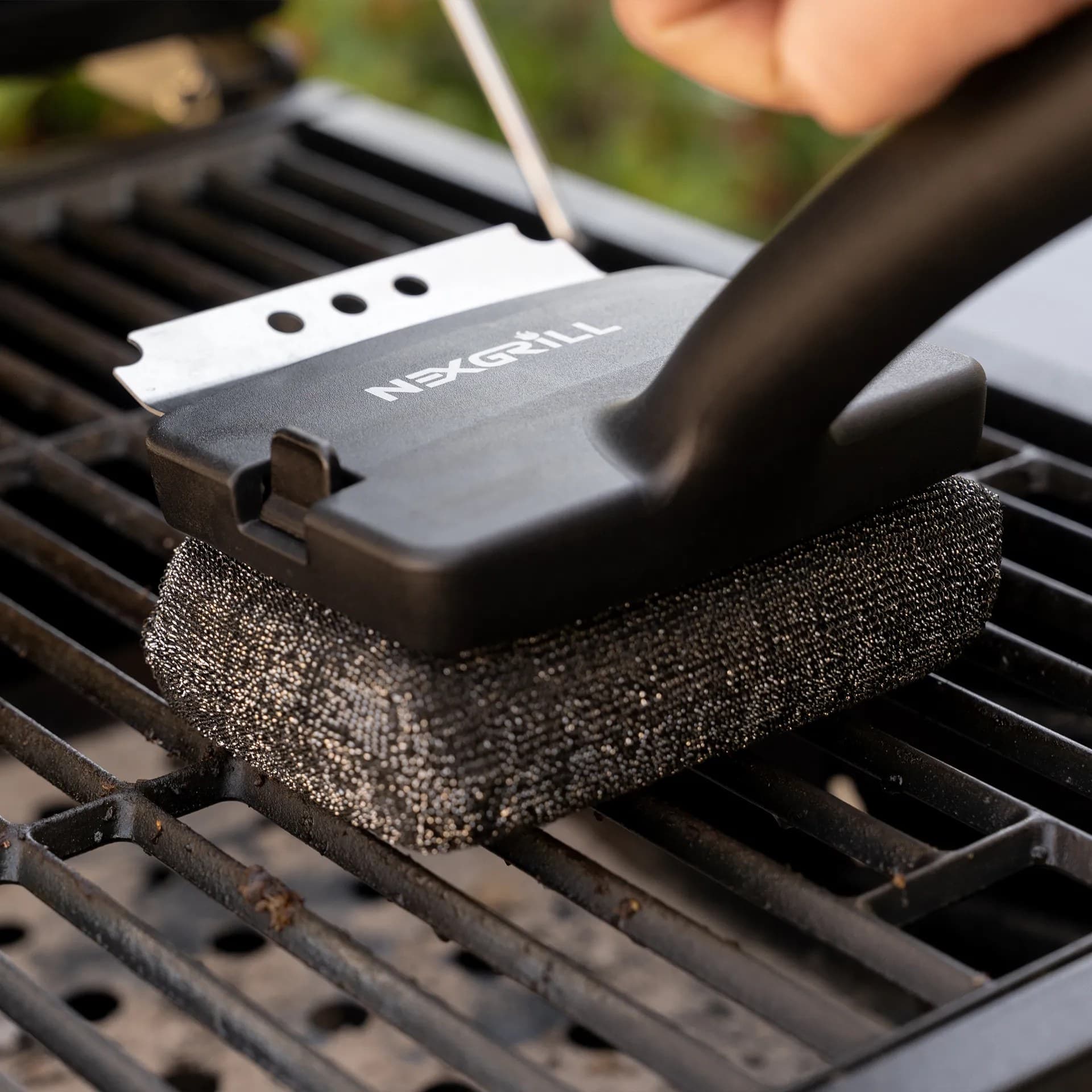
Portable charcoal grills last longer and perform better when cleanup is built into the routine. The goal is not to deep-clean every time; it is to remove ash, grease, and food residue before they collect enough to interfere with airflow or create odors. After the grill has fully cooled, empty the ash tray or chamber and brush the grate with a scraper or grill brush. This simple habit keeps the vent openings clear and helps the next cook start more predictably.
Ash buildup can choke ventilation and make a small grill harder to control.
If your model has a locking lid, inspect the latch regularly. Latches and hinges see more stress in portable use than in stationary backyard cooking because they are opened, closed, and transported more often. A quick check for bent hardware, loose fasteners, or soot buildup around the hinge can prevent a simple annoyance from becoming a broken part during a trip. Likewise, dual vents should move freely. If they feel sticky, clean away ash or grease before storage.
Users who store a grill in a car, garage, or RV should make sure it is completely cool and fully dry before packing it away. Moisture trapped inside a closed lid can accelerate rust or create musty odors. A light coat of food-safe oil on clean grates can also help reduce surface rust between uses, especially if the grill is exposed to humid weather. This is one of those maintenance steps that experienced grill owners mention often in reviews because it pays off over time.
The easiest way to keep a portable charcoal grill ready is to clean it while it is still just warm enough for residue to release easily, then let it dry completely before storage.
Conclusion and Final Thoughts
A good portable charcoal tabletop grill is more than a small version of a backyard classic. It is a travel-friendly cooking tool that should be judged by how confidently it moves, how safely it locks, how well it vents, and how easily it cleans up after the meal. If you choose based on those factors instead of size alone, you are much more likely to buy a grill that actually gets used.
For camping, prioritize compact size and simple setup. For tailgating, look for a sturdy latch and a stable footprint. For backyard tabletops, consider heat retention and a slightly larger grate. The right portable charcoal grill makes live-fire cooking feel easy to bring along, which is exactly why this category continues to appeal to both casual cooks and charcoal enthusiasts.
For more outdoor cooking inspiration and product exploration, visit Nexgrill.