The Ultimate Guide to Portable Barbecue Grills for Travel
Discover how to choose the best portable grill for your outdoor adventures.
In This Article
Types of Portable Grills
Top Portable Grill Recommendations
Safety and Maintenance Tips
Introduction
A portable barbecue grill for travel is less about replacing a backyard cooker and more about expanding where good food can happen. For campers, tailgaters, road-trippers, and anyone who likes to turn a park table or cabin patio into dinner, portability changes the equation. You are balancing compact size, stable heat, simple setup, and cleanup that does not eat into the trip. The best travel grill is the one that fits in the trunk without becoming a burden, heats predictably enough to cook safely in unfamiliar conditions, and is easy to keep clean after being packed, unpacked, and transported again.
At Nexgrill, the travel-grill mindset lines up naturally with the brand’s emphasis on practical outdoor cooking, approachable value, and bringing people together around food. The useful question is not simply “Which grill is smallest?” It is “Which grill actually makes travel cooking easier?” That means considering how quickly the grill starts, what fuel you can realistically bring, how much food it can handle for your group, and whether it is sturdy enough to survive repeated trips. A grill that works beautifully on paper can still be frustrating if the legs wobble on uneven ground or if fuel cartridges are hard to source on the road.
The best portable grill saves room in the car and time at the campsite.
This guide focuses on the real trade-offs travelers face: gas versus charcoal versus electric, what features matter most for mobility, and which product types fit different kinds of trips. If you are picturing a quick beach lunch, a baseball tailgate, or a weekend campsite dinner, you will notice that each scenario rewards a different design. A charcoal kettle may deliver the flavor purists want, while a propane tabletop grill can make a late-arriving tailgate much easier. Electric options can be practical in limited settings, but only when power access is part of the plan.
Try comparing two products side by side below to see which fits best:
Types of Portable Grills
Portable grills generally fall into three categories: gas, charcoal, and electric. The right choice depends on how you travel, what kind of flavor you want, and how much setup you are willing to manage after a long drive. There is no single winner for every trip. The practical answer is to match the fuel type to the travel style.
Gas portable grills: the easiest fit for most road trips
Gas is usually the most travel-friendly option because it combines quick startup, controllable heat, and relatively low cleanup. A propane-powered portable grill is especially useful for tailgating and campground cooking when you want dinner going in minutes rather than waiting for coals to ash over. For families, this matters. A hungry group at a trailhead or lakeside pullout is rarely interested in a 25-minute warm-up routine. Gas grills also make temperature changes simple, which is helpful when you are cooking burgers on one side and vegetables on the other.
Tip: For travel, propane is usually chosen because it is faster to set up and simpler to pack than charcoal accessories.
The trade-off is flavor. Gas will not deliver the same smoky character as charcoal, but for many travelers that is a reasonable exchange for convenience. Gas models also tend to be more predictable in windier conditions, though you still need a sheltered setup and safe clearances. If your trips are short, frequent, and often involve arriving late, gas is usually the smartest default.
Charcoal portable grills: best for flavor-first travelers
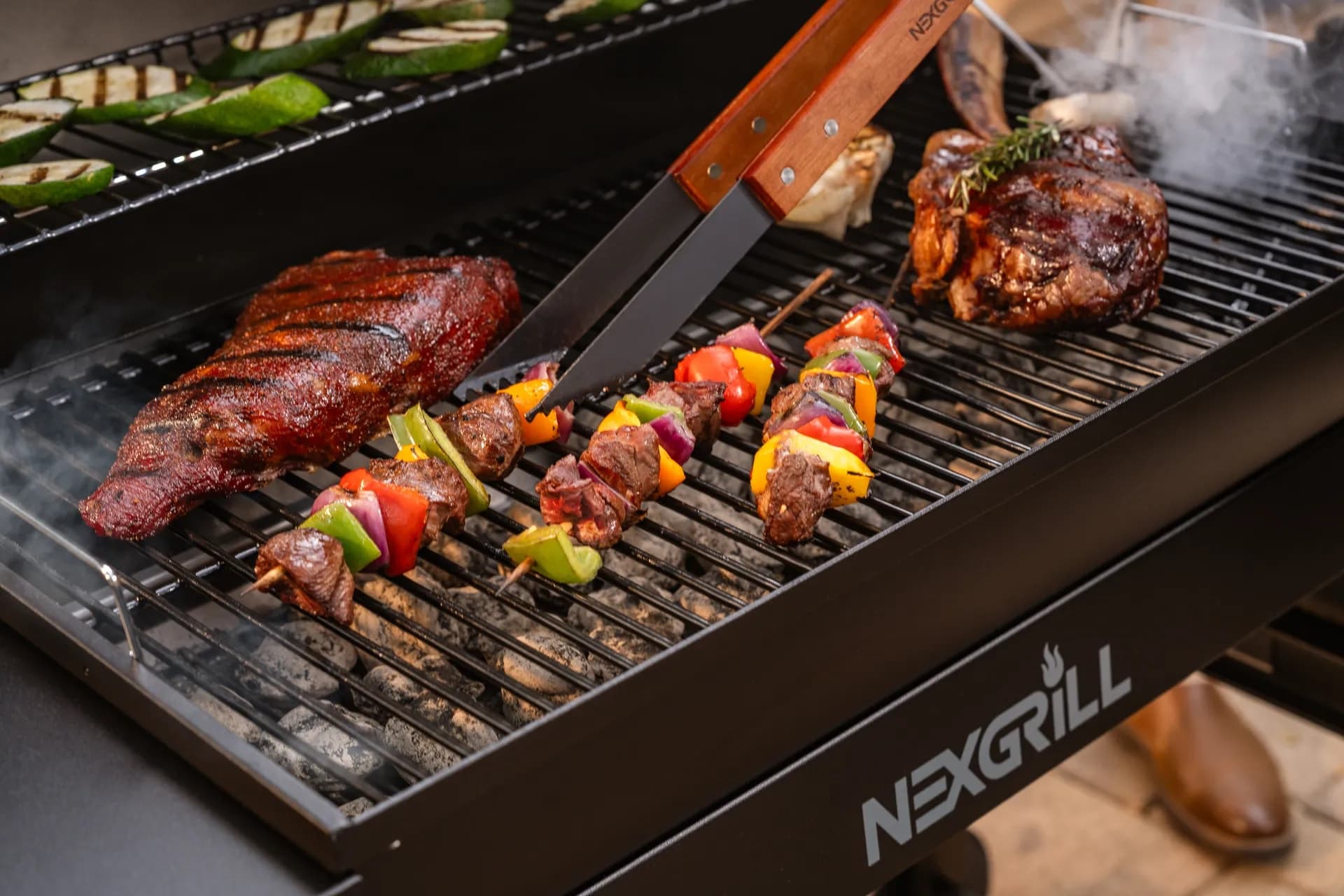
Charcoal remains the pick for travelers who want that classic outdoor-cooking taste and do not mind slower setup. It is particularly appealing for weekend campers who can build cooking time into the experience. The flavor payoff is real, especially for steaks, chicken thighs, vegetables, and anything that benefits from a live-fire profile. A compact charcoal grill can also be a fun social anchor at a campsite because tending the fire naturally becomes part of the rhythm of the meal.
Warning: Charcoal travel cooking creates more ash, more heat management, and more cleanup than gas. Plan extra time before and after the meal.
The downside is obvious to anyone who has tried to barbecue while juggling luggage, coolers, and campsite gear. Charcoal requires fuel storage, ignition materials, and a safe place to dispose of ash. It is less convenient for a one-hour outing, but for a slow-paced fishing trip or a shared campground dinner, the flavor and experience can justify the extra effort. If you enjoy the process as much as the meal, charcoal is worth considering.
Electric portable grills: a niche choice for specific travel situations
Electric portable grills are the most limited of the three in pure travel use, but they can make sense when your trip includes power access and local rules favor electric cooking. They are often attractive for balcony-style spaces, cabin porches, or RV hookups where open-flame fuel is less convenient. The main benefits are clean operation, straightforward controls, and reduced fuel handling. If you are cooking in a setting where propane cylinders are inconvenient or restricted, electric can be a practical compromise.
The limitation is mobility. An electric grill is only as portable as the outlet access around it, and that narrows its travel appeal compared with gas or charcoal. It also tends to be less flexible for true off-grid use. In practice, electric grills are best treated as specialized travel tools rather than all-purpose road companions.
Key Features to Consider
The most useful portable barbecue grill features are the ones that reduce friction in real travel conditions. Size matters, but not by itself. A small grill that tips easily or takes forever to assemble is less useful than a slightly larger one that is stable, quick to fire up, and simple to clean. Think in terms of the entire trip, not just the cooking moment.
| Feature | Why it matters for travel | What to favor |
|---|---|---|
| Weight | Affects lifting, trunk space, and carrying distance from car to site. | Light enough to move alone, but not so light that it feels unstable. |
| Cooking area | Determines whether you can cook for two people or a group in one batch. | Enough space for your typical meal, not just the smallest footprint. |
| Setup time | Important when arriving late, cooking in weather, or managing kids and gear. | Fast assembly with few loose parts. |
| Fuel availability | A grill is only portable if you can actually buy or carry fuel for it. | Fuel that is easy to source near your destination. |
Weight and dimensions are important, but so is packability. A grill that folds flat, nests parts neatly, or stores a propane connection securely is much easier to travel with than one that needs a separate crate of accessories. Cooking surface also deserves attention. For solo travel, a compact cooking area may be enough. For family trips, a slightly larger grill can reduce bottlenecks and make the meal feel less rushed.
Stability deserves special mention because travel cooking rarely happens on perfectly level ground. Picnic tables, gravel pads, and campsite surfaces can all create uneven footing. A portable grill should feel steady enough to let you cook without constantly repositioning it. Look for a design that balances compactness with a secure base, well-fitting lid or cover, and a layout that is easy to transport without rattling loose.
Best Brands and Models
Travel grill shoppers often compare familiar names like Weber, Cuisinart, and Coleman because those brands have broad retail visibility and a range of small-format options. Nexgrill belongs in that conversation as well, especially for shoppers who want value-conscious outdoor cooking gear with a practical feature set. Instead of choosing by brand alone, it helps to look at the actual travel scenario and the style of food you want to cook.
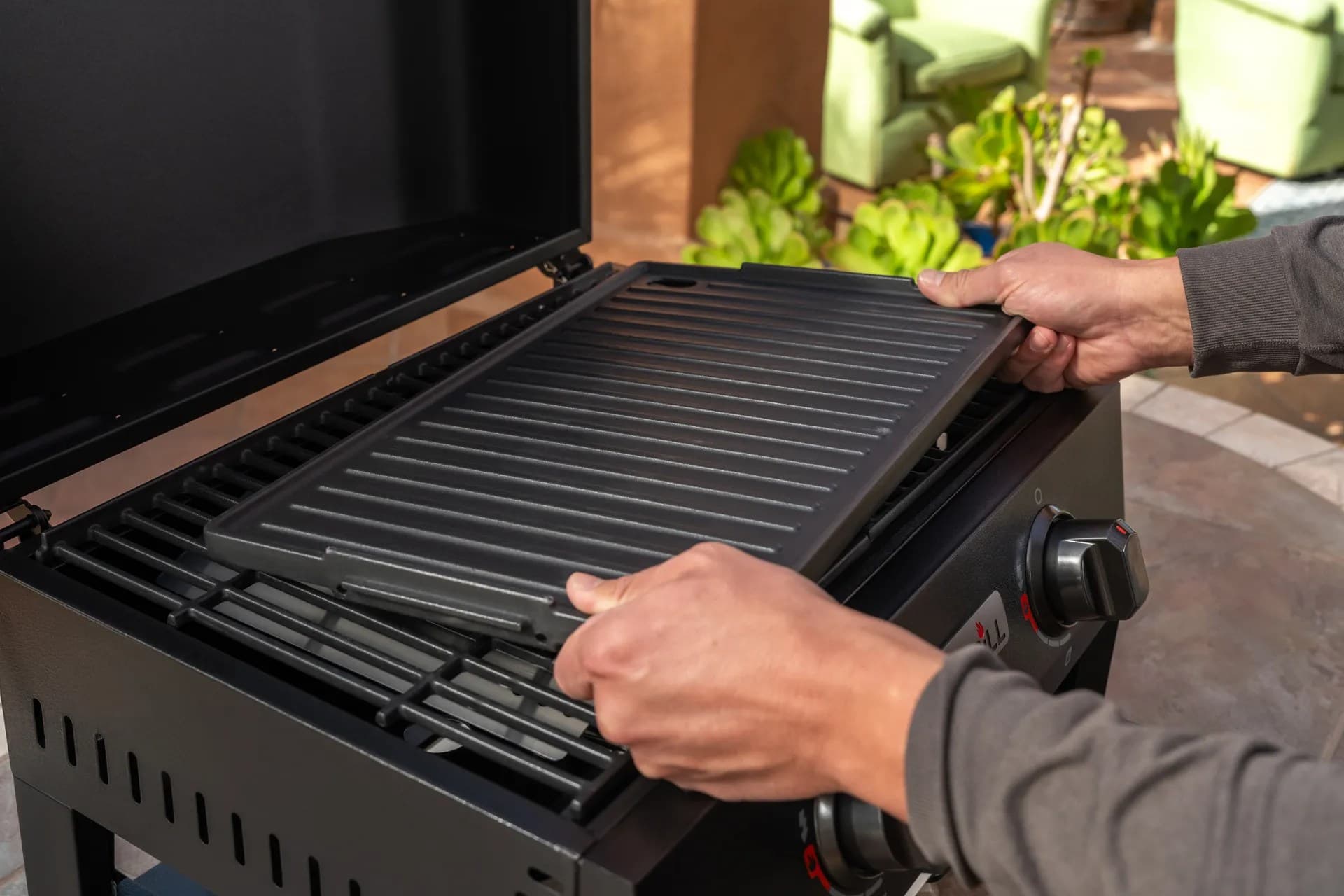
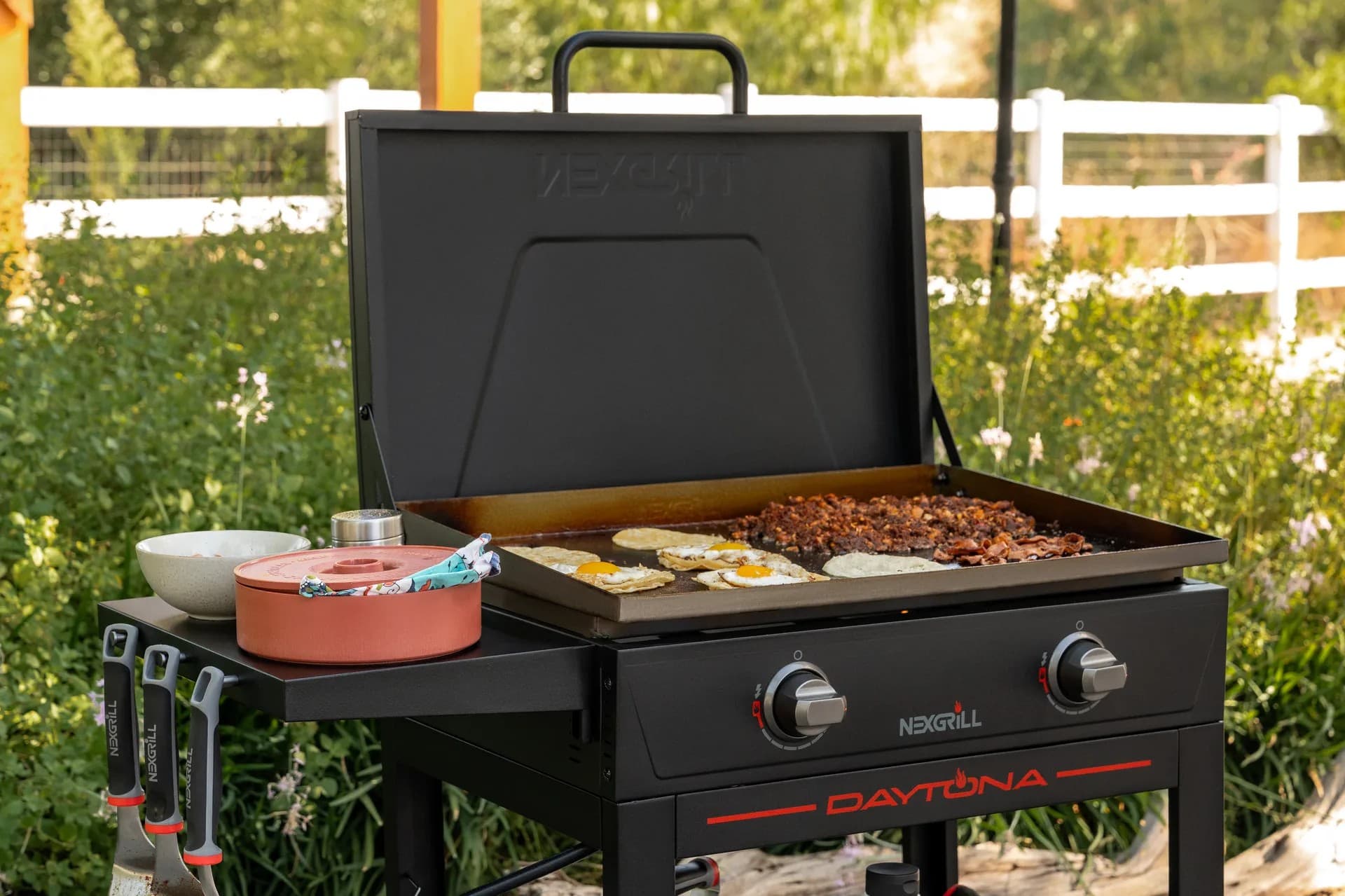
For propane convenience, compact tabletop gas grills are the most common recommendation because they fit tailgates, campsites with a prep table, and trunk-based travel. For flavor-focused trips, a portable charcoal model remains appealing when you have time to manage coals and cleanup. For one-pot style cooking or breakfast-heavy outings, a travel griddle can sometimes beat a traditional grate because it handles pancakes, bacon, eggs, and chopped vegetables more naturally than a narrow cooking surface.
Info: The best portable grill is not always the smallest one. The most useful model is the one that fits your car, fuel supply, and meal plan together.
If you are comparing models, prioritize reliable ignition, easy-to-clean surfaces, and a format that matches your trip length. Weekend campers may appreciate a more versatile setup, while tailgaters usually want quick heat and simple transport. A compact grill that can handle both burgers and vegetables without crowding is often more valuable than an ultra-small unit that forces you to cook in several rounds.
One practical way to think about travel grills is through the meals they support. If you regularly cook for two to four people, a compact gas grill may be enough. If your trips involve a crowd and a social, all-day setup, a larger portable unit or griddle-style cooker may provide better real-world value. The right purchase feels calm and predictable when you are in the middle of a trip, which is ultimately more important than a spec sheet promise.
Browse the latest outdoor cooking products at Nexgrill to compare portable and full-size options before your next trip.
Buying Guide for Portable Grills
Once you have compared a couple of portable barbecue grills side by side, the next step is to judge them against your actual travel routine. A good buying decision starts with trip patterns, not marketing language. Ask where you will use the grill most often, how far you will carry it, how much time you want to spend assembling it, and whether your destination makes fuel access easy or difficult. That process narrows the field quickly and keeps you from buying a grill that looks convenient but is awkward in practice.
Which option suits you?
For a weekend camper who values convenience and fast meals, a compact propane grill is usually the best fit. It starts quickly, works well for simple dinners, and keeps cleanup manageable when the trip already involves tents, coolers, and gear. For a flavor-focused traveler who does not mind managing fuel and ash, a charcoal grill makes more sense because the cooking experience is part of the appeal. For RV travelers or cabin guests with dependable power access, an electric grill may be the simplest low-mess option, though it is less flexible in truly remote settings.
Budget also changes the decision. Entry-level portable grills can be very appealing, but the lowest sticker price is only a good deal if the grill stays reliable after repeated packing and transport. If you travel often, paying a little more for better hinges, sturdier legs, or easier ignition can save frustration later. In travel cooking, durability tends to be the hidden value feature because every trip adds wear.
| Traveler profile | Best grill type | Why it fits |
|---|---|---|
| Quick tailgater | Propane gas grill | Fast ignition and easy heat control. |
| Flavor-first camper | Charcoal grill | Classic smoky taste and hands-on cooking. |
| RV or cabin traveler | Electric grill | Best when power is available and flame restrictions matter. |
How to evaluate price without overpaying
Portable grill pricing in the United States typically rises with materials, cooking area, ignition quality, and included accessories. A modest tabletop unit may be enough for occasional picnics, while a better-built travel grill with a lid, sturdy base, and improved heat control can cost more but also feel substantially easier to live with. Think in terms of cost per use. A grill used every month on trips delivers more value than a cheaper unit that gets left home because it is too inconvenient to move.
Also consider replacement fuel and cleanup supplies. Propane is convenient, but canisters and refills add to trip costs. Charcoal may be less expensive per cook for some users, but it increases packing complexity. Electric cooking may reduce fuel purchases, but only if your destination supports it. The right price is not simply the lowest number; it is the total cost of the way you travel.
Tip: If you camp or tailgate often, spending more on a grill that folds securely and cleans easily usually pays off faster than chasing the lowest price.
Use Cases for Portable Grills
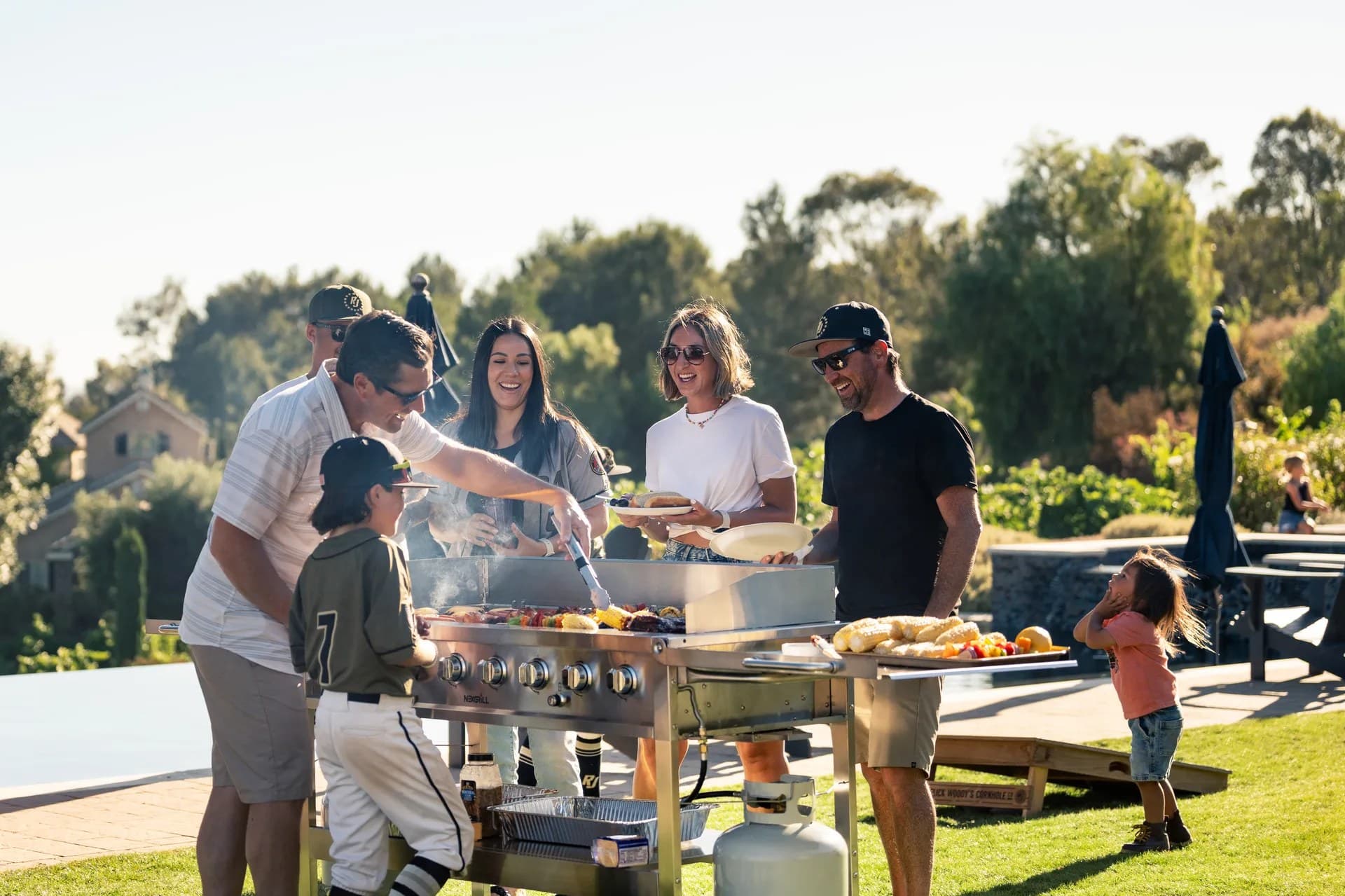
Portable grills shine when the meal is part of the outing. At a campsite, they let you cook without relying on shared facilities. At a tailgate, they make it easy to feed guests while keeping the setup compact enough for a parking spot. At a picnic, they turn a daytime hangout into a more complete meal and give the group a reason to stay a little longer. The best grill for each use case depends on how much time you want to spend cooking versus socializing.
One practical travel scenario: a family road trip that stops at a state park after a long drive. In that case, a propane grill can be a lifesaver because it gets dinner going quickly and keeps the group from spending the last hour of daylight tending coals. Another scenario is a friend group at a football tailgate. Here, a compact grill with a stable base and fast preheat is more valuable than a large, complex unit. You want food moving at the pace of the event, not the other way around.
Some travelers also use portable grills for short-stay cabin weekends or fishing trips, where food options may be limited. In those settings, a grill that can handle breakfast as well as dinner becomes especially useful. This is one reason portable griddles are often underrated: they can cook eggs and bacon in the morning, then switch to burgers or vegetables at night without changing equipment.
Safety Tips for Using Portable Grills
Safety matters more on the road because every destination is different. Read the manufacturer instructions before using the grill, and always place it on a stable, level surface away from tents, vehicles, awnings, dry brush, and overhanging branches. Never operate a grill inside a tent, car, enclosed shelter, or any area without proper ventilation. For propane models, check connections before lighting and keep fuel cylinders stored upright and away from heat.
Warning: Do not use a portable grill in any enclosed space. Carbon monoxide buildup can happen quickly and create a serious hazard.
Weather also changes the risk profile. Wind can affect flame control and can spread embers if charcoal is being used. Keep children and pets at a safe distance, and let the grill cool completely before moving or storing it. If your destination has local rules about open flames or fuel types, follow them even if the grill is small. Travel cooking should make the trip easier, not introduce avoidable risk.
Maintenance and Cleaning Tips
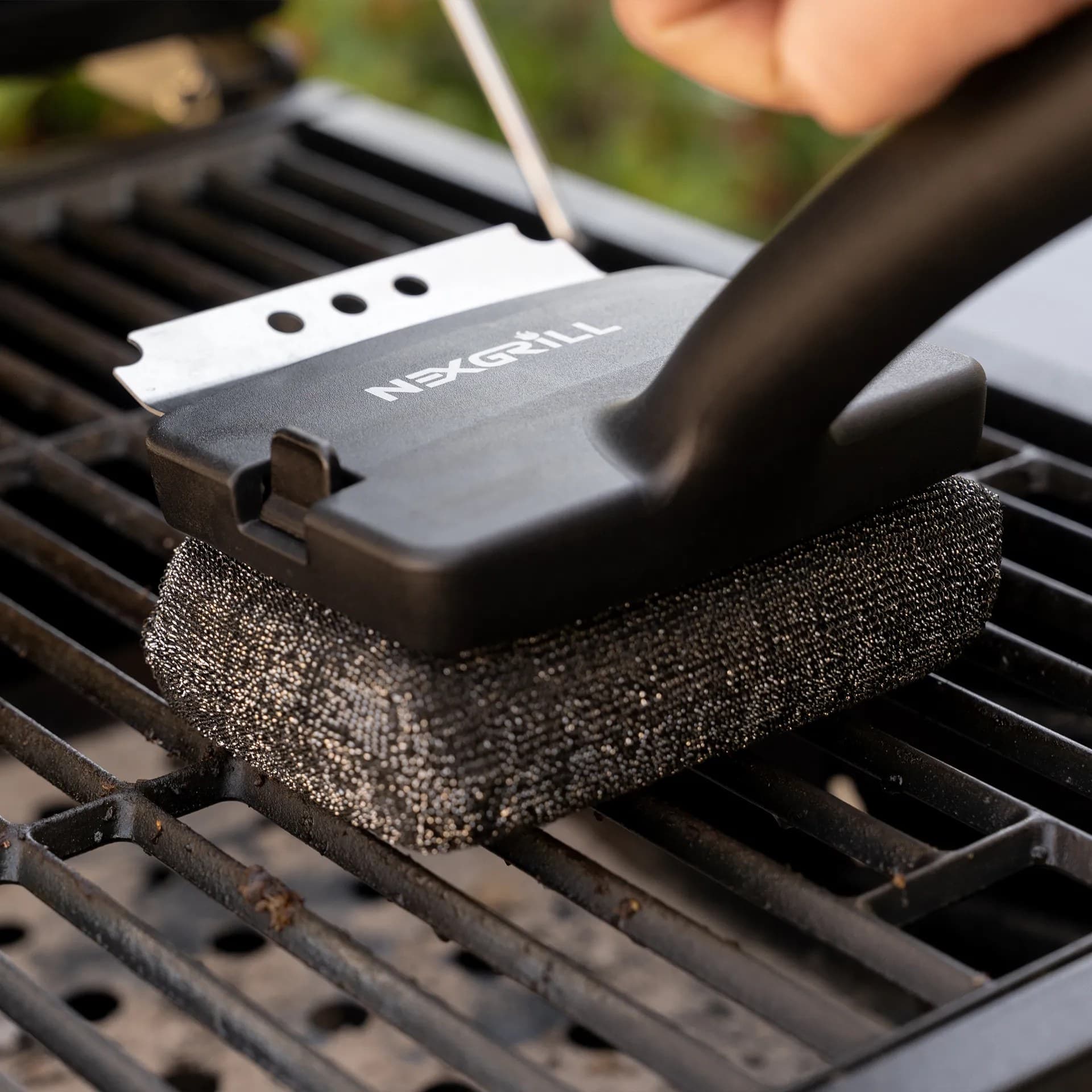
Portable grills last longer when they are cleaned promptly after each trip. While the cooking surface is still warm, brush off residue and empty any grease collection areas safely once the grill has cooled. For charcoal units, fully dispose of ash only after it is cold and no longer producing heat. Wipe the exterior before storing the grill so food residue and moisture do not sit inside the case or storage bag.
Before the next trip, inspect fasteners, handles, ignition parts, and moving joints for wear. Recheck that nothing has shifted during transport. If the grill uses propane, make sure the fuel connection is clean and secure. A few minutes of inspection prevents a lot of trouble when you are far from home. Store the grill dry, covered, and protected from road grime so it is ready for the next outing.
Travel grilling works best when you treat the grill like a repeat-use piece of gear rather than a disposable accessory. Clean it, dry it, pack it carefully, and it will be far more dependable the next time you need a quick meal on the road.
Conclusion
The best portable barbecue grill for travel is the one that matches your destination, fuel access, and style of cooking. Gas usually wins for speed and convenience, charcoal wins for flavor and tradition, and electric has a niche role when power is available. If you focus on stability, setup time, cooking area, and cleanup, you will end up with a grill that feels useful on real trips, not just impressive in a product listing.
For travelers who want dependable outdoor cooking with practical features and approachable value, compare options carefully and choose the model that makes the next trip easier to enjoy. That is the real measure of a portable grill.