Exploring the Benefits of Pizza Ovens with Manual Rotator Knobs
A comprehensive guide to understanding manual pizza ovens and their advantages.

In This Article
Control Your Cooking
Even Heating
Top Brands to Consider
Introduction to Manual Rotating Pizza Ovens
A pizza oven with a manual rotator knob is built for cooks who want direct control over how a pizza moves through the hottest part of the oven. Instead of relying on a fully automated turning mechanism, you guide the rotation yourself with a knob, handle, or dial-style control. That simple difference changes the entire cooking experience. You are not just loading dough and waiting for a machine to finish the job. You are actively managing browning, monitoring the crust, and learning how heat moves across the stone or cooking surface.
That hands-on approach matters because pizza is sensitive to heat imbalance. The side closest to the flame can blister quickly, while the far side may need a little longer to fully set. Manual rotation lets you respond in real time. For home cooks who enjoy learning technique, this can make the oven feel more like a craft tool than a kitchen appliance. It also gives you a practical way to adapt to different dough styles, toppings, and ambient conditions such as wind, outdoor temperature, or the amount of heat already stored in the oven dome.
The main appeal is control: you decide when and how much to rotate, which can help you correct hot spots before they overbrown the crust.
This article is especially useful if you are comparing a manual rotator oven to a more automated model and want a realistic sense of what ownership is like. For many pizza lovers, the question is not whether automation is impressive. It is whether the extra complexity is actually useful for the way they cook at home. Manual rotation often wins for cooks who want a lower-cost entry point, a more tactile experience, and fewer moving parts to think about during cleaning and storage.
There is also a learning benefit that is easy to overlook. Once you start turning the pizza yourself, you begin to notice the timing of the crust, the way cheese melts in relation to the flame, and how toppings behave at different positions in the oven. That feedback loop can make better cooks over time. It is the same reason many people prefer a manual espresso machine or a stick-shift car: the machine is not doing everything for you, so your decisions become part of the result.
For first-time buyers, the most important thing to understand is that manual rotation does not mean outdated or low-end. In many cases, it means more accessible and more transparent operation. You can usually see what the oven is doing, feel how the rotator responds, and make small corrections without navigating extra electronics. For experienced users, that predictability can be a major advantage when you want consistent, repeatable pizzas for family nights, backyard gatherings, or a Friday pizza ritual.
How Manual Rotating Ovens Function
A manual rotating pizza oven combines a high-heat cooking chamber with a rotation control that you operate by hand. The exact hardware varies by model, but the basic idea is consistent: the pizza sits on a stone, tray, or rotating surface, and you use the knob to reposition it so each side receives a similar share of heat. In practical terms, that means the oven is trying to solve one of the oldest pizza problems: one side cooks faster than the other when the flame or heating source is fixed in place.
Some ovens use the knob to move a turntable-like surface, while others use it to adjust a mechanism that lets you pivot the pizza in measured increments. Either way, the knob gives you a tactile method for controlling exposure. A small twist can help you nudge the crust away from intense top heat, while a full turn may be useful once the bottom has set and you want more even topping color. The oven itself may be gas-fired, wood-fueled, or hybrid, but the manual rotation principle remains the same: human judgment drives the timing.
A manual rotator gives you small, repeatable changes instead of forcing a single fixed cooking path.
This matters because pizza is not a static food. Dough expands, cheese bubbles, sauce moisture changes, and toppings can shield or accelerate heat in different spots. When you rotate manually, you are correcting for those changes during the bake instead of hoping the oven will handle everything evenly on its own. That is why skilled operators often prefer manual control when they want to adapt on the fly. A slightly thicker crust might need more time at one edge. A pizza with wet toppings may need a faster turn so the top does not overcook before the base is fully done.
The operation itself is usually straightforward. Preheat the oven fully, launch the pizza, then monitor the first 20 to 60 seconds closely. Once the exposed edge begins to set, rotate the pie a little at a time. If the oven has a knob with resistance or a marked control range, use small, deliberate movements rather than big swings. That helps maintain stability and prevents heat loss. Many users learn a rhythm: launch, check, rotate, check again, then finish with shorter adjustments as the crust rises and colors.
Advantages of Manual Rotation
The clearest advantage of manual rotation is precision. You are not locked into a preset cycle or waiting for a mechanism to decide when the pizza should turn. If the oven is running a little hotter than usual, you can rotate sooner. If the cheese is still pale but the crust looks ready, you can hold position a bit longer. That flexibility is valuable in real backyards, where wind, fuel level, and preheat time are rarely identical from one cook to the next.
Another advantage is simplicity. Fewer automated parts often mean fewer things that can fail, jam, or require specialized replacement. For many buyers, that translates into easier ownership and a clearer relationship with the oven. Cleaning can also be more straightforward because there is less motorized hardware surrounding the cooking area. If you are the kind of user who prefers tools you can understand quickly, manual rotation is naturally appealing.
Manual rotation can also help you improve consistency across different styles of pizza. Thin Neapolitan-style dough, pan pizza, and thicker home-style pies all respond differently to heat. With a manual knob, you can adapt timing and rotation cadence to the style you are making. That means the same oven may feel more versatile than a fixed-speed unit because you are able to match the motion to the dough. Some cooks even find that the process becomes more social. One person launches the pizza, another watches the top color, and a second person turns the knob when the crust reaches the ideal stage.
Manual rotation rewards attention. If you like learning by doing, the oven becomes more intuitive each time you cook.
There is also a subtle flavor and texture benefit. Because you are reacting to the oven instead of relying on fixed movement, you can more easily preserve a balance between char and tenderness. That balance matters in a good pizza. Too little rotation can leave one edge burned and another underdone. Too much or too-fast rotation can prevent proper blistering. Manual control helps you stay in the middle, where the crust has color, the cheese is melted, and the toppings still taste fresh.
Finally, manual ovens often appeal to buyers who want value. Automation adds engineering complexity, and that can push up the cost. If you do not need a powered turning system, you may be better off choosing a manual rotator and spending the difference on better ingredients, a quality peel, or a pizza stone brush. For many households, that is a smarter trade.
Comparison: Manual vs. Automatic Rotating Ovens
Manual and automatic rotating ovens solve the same core problem in different ways. Automatic models aim to reduce effort by turning the pizza for you, often at a steady pace. Manual models keep the control in your hands. If your main goal is convenience, automatic rotation can feel appealing because it lowers the amount of attention required during a bake. If your goal is flexibility, manual control is usually the stronger choice because you can respond to the exact conditions inside the oven.
| Factor | Manual Rotator | Automatic Rotator |
|---|---|---|
| Control | High: you decide timing and speed | Moderate: oven manages rotation |
| Learning curve | Steeper at first, but very teachable | Easier for beginners who want less monitoring |
| Maintenance | Usually simpler, fewer moving parts | Can involve more mechanisms and potential wear |
| Price | Often more approachable | Often higher due to automation |
| Best for | Hands-on cooks, tinkerers, value-focused buyers | Busy users who want reduced attention demands |
A fixed-speed oven sits in a slightly different category. In those models, the heat may be consistent, but the pizza does not automatically turn. That means the user must manually reposition the dough in whatever way the oven allows, which can be fine for some cooks but less convenient when you want a more structured turn. A manual rotator knob sits between fixed and fully automatic experiences. It offers more control than a static oven, but it does not require the full automation hardware of a motorized system.
For many buyers, the right choice depends on how they like to cook. If you enjoy actively managing the bake and want to develop skills, manual rotation gives you more involvement. If you want a near-hands-off experience for entertaining or repeated family batches, automatic rotation may reduce stress. Neither option is inherently better for everyone. The best oven is the one that matches your patience, budget, and preferred level of participation.
Popular Brands and Models
When shoppers look for manual or semi-manual rotating pizza ovens, a few names come up repeatedly because they have strong product ecosystems and active owner communities. Ooni is one of the most recognizable brands in home pizza ovens, and its support materials make it easier to understand how the ovens are used, heated, and cared for. Ooni’s FAQ resources are especially helpful for buyers comparing different fuel types and cooking approaches, since they frame ownership around practical setup and operation rather than marketing language .
Onlyfire is another brand that appears in the rotating-oven and outdoor-cooking space, with a product range that gives shoppers a sense of how different accessories and oven formats are positioned in the market. Browsing its product range can help buyers understand the variety available at different price levels and feature sets .
Pizza Craft also provides useful instructional material for people who want to improve technique. Its pizza oven how-to guidance is useful because it emphasizes real operation rather than theory, which is exactly what manual rotator users need when they are learning how long to preheat, how to launch, and how to manage the first turn .
Model names and hardware details vary widely, so compare whether a product uses a true knob-driven rotation system, a detachable manual tool, or a turn-based accessory before you buy.
In price terms, buyers should expect a wide range depending on fuel type, size, and whether the oven includes extra features such as insulation, a viewing window, or a cart. Entry-level options can be relatively affordable, while premium backyard ovens with stronger materials and more refined rotation controls may cost significantly more. Since the keyword here centers on the manual rotator knob itself, the most important comparison is not just brand prestige but how responsive the control feels in real use. A good manual system should let you turn smoothly, stop accurately, and hold position without fighting the mechanism.
For shoppers who want to compare options side by side, the next section is where the hands-on experience starts to matter most. Try comparing two products side by side below to see which fits best:
User Experiences and Testimonials
Once you've compared two ovens side by side, the next question is what it actually feels like to use a manual rotator in a real backyard. The strongest pattern in user feedback is that manual rotation gives cooks a stronger sense of involvement. Many owners describe the first few cooks as a learning period, followed by a noticeable improvement in timing and confidence. That is not a flaw; it is part of the appeal. The oven teaches you how it behaves, and your results improve because you are paying closer attention to the bake.
A common positive theme is visual control. Users like being able to watch one edge of the crust bubble, twist the knob, then see the color even out without waiting for a motor to complete a full cycle. Home cooks with mixed skill levels often appreciate that the oven does not force a single pace. If they are making one pizza at a time, they can turn more frequently. If they are cooking several pies for a group, they can slow down and use the knob only when the crust or cheese needs correction. That flexibility is especially useful for weekend gatherings where not every pizza is identical.
Some users say the manual system feels more dependable because there is less to go wrong. They are not relying on an automatic mechanism to stay in sync with the heat. Instead, they can adjust if the flame suddenly gets stronger or if a pizza launches a little off-center. Others point out that the manual style is more engaging for families. Teenagers, partners, or guests can help rotate the pizza and learn what doneness looks like. In that sense, the oven becomes part of the social experience, not just the cooking process.
Many owners report that the best results come after two or three practice cooks, once they learn how much rotation the oven actually needs.
There are also honest complaints that help set expectations. Some users find manual rotation a little demanding when they are trying to multitask. If you are answering the door, plating appetizers, or watching several kids in the yard, you may miss the ideal moment to turn the pizza. Others say the learning curve can be frustrating at first because the difference between a perfect turn and an overbaked edge can be small. Those trade-offs are real, which is why manual rotators tend to work best for buyers who enjoy being present and involved during the cook.
A practical takeaway from user experience is that manual rotators reward prep discipline. When the peel is ready, the toppings are balanced, and the oven is fully preheated, the knob becomes easy to use. When the setup is rushed, the control feels less helpful because the cook is already behind. That is why many experienced users treat the manual rotator as part of a repeatable routine rather than a shortcut. Over time, that routine turns into consistency.
Maintenance Tips for Manual Rotating Ovens
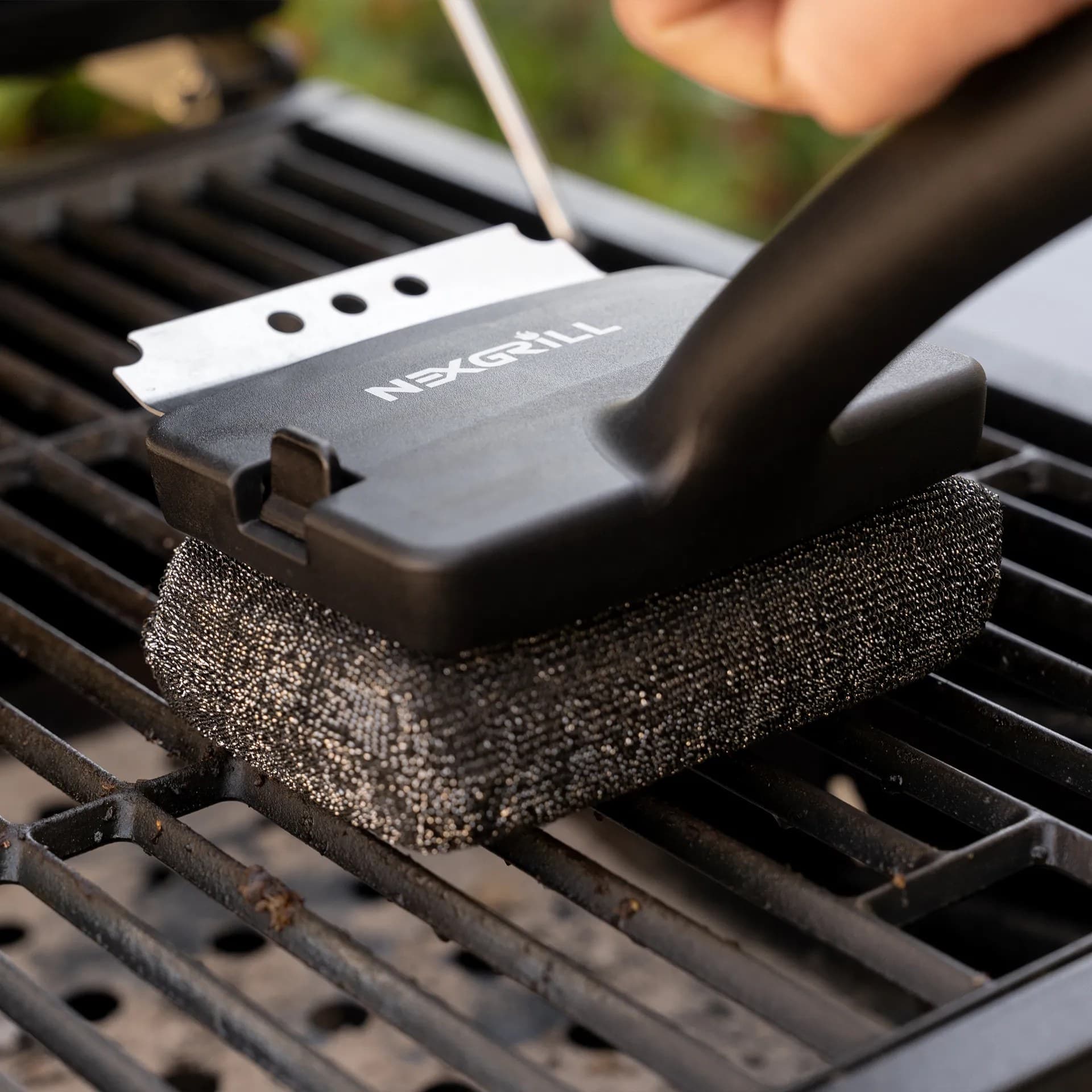
A manual rotator oven is usually easier to maintain than a more complex automated system, but it still needs regular care to perform well. The first rule is to keep the rotation mechanism free of grease, flour dust, and burnt residue. Those materials can build up near moving parts, making the knob feel stiff or uneven over time. After the oven cools, wipe accessible areas with a dry or lightly damp cloth, and use a soft brush for debris around the stone or tray area. Avoid soaking the mechanism or using aggressive cleaners unless the manufacturer specifically allows them.
The cooking surface itself should be treated with care. If your oven uses a stone, allow it to cool gradually before cleaning so you do not create thermal shock. Scrape off stuck food with a gentle tool, then remove loose ash or crumbs. If your model uses a removable plate or tray, inspect it regularly for warping or buildup that could affect how smoothly the oven rotates. A clean surface does more than improve hygiene; it helps the pizza glide or settle more predictably during rotation.
Do not force a stiff knob. If rotation starts to resist, stop and inspect for debris or heat-related expansion before trying again.
Seasonal storage matters too. If you live in a climate with rain, humidity, or winter freeze-thaw cycles, cover the oven when it is not in use and store it in a dry location if possible. Moisture can affect both metal parts and cooking stones. Before the next cook, inspect the knob, bearings, or guide components for smooth movement. If the oven has a removable turntable or accessory, check that it sits level and that no screws or connectors have loosened during transport.
Troubleshooting is often simple. If the rotation feels uneven, first make sure the oven is properly preheated and the surface is clear. If the pizza sticks, improve dough dusting or use a cleaner peel launch. If the knob becomes hard to move during a cook, pause for a moment and check whether heat expansion or residue is creating resistance. Most issues are easier to fix early than after the oven has cooled and residue has hardened.
For reliability, it helps to adopt a short post-cook routine: let the oven cool, remove visible residue, inspect the moving parts, and cover the unit. That five-minute habit can do more for longevity than occasional deep cleaning. Because the manual rotator is partly a tactile tool, keeping it responsive preserves the very feature that makes it useful.
Conclusion: Is a Manual Rotator Right for You?
A pizza oven with a manual rotator knob is a strong fit if you want control, simplicity, and a more engaged cooking experience. It is especially appealing for home cooks who enjoy learning through repetition, adjusting for hot spots, and dialing in a personal pizza style rather than outsourcing the bake to automation. If your ideal pizza night is hands-on and you like the idea of improving a little with every cook, manual rotation offers a satisfying balance of affordability and precision.
On the other hand, if your top priority is convenience and you often cook while juggling several other tasks, an automatic system may be a better match. The key is not to ask which style is objectively better. It is to ask which one fits your rhythm in the kitchen or backyard. Some cooks want the oven to do more. Others want to do more themselves. Manual rotators clearly belong in the second camp, and that is where they shine.
If you value responsiveness, fewer moving parts, and the satisfaction of tuning each pizza by hand, a manual rotator is an easy option to consider.
Before you buy, think about the learning curve, the style of pizza you make most often, and whether you prefer a more interactive process or a more automated one. Then compare product pages carefully, including control feel, build quality, and support materials. If you already know you like a tactile cooking process, a manual rotator knob can make pizza night feel more personal and more repeatable.