Maximizing Flavor: The Benefits of Pizza Ovens with Integrated Smoke Chambers
Discover how integrated smoke chambers enhance your pizza baking and smoking experience.

In This Article
Dual Functionality
Flavor Profiles
Versatile Cooking Techniques
Introduction
A pizza oven with an integrated smoke chamber gives you two cooking personalities in one outdoor appliance: fast, high-heat pizza baking and slower, wood-forward smoking. That combination matters because many home cooks want more than a single-purpose oven. They want the blistered crust and quick bake that make pizza night feel special, but they also want the layered flavor you usually associate with a dedicated smoker. The integrated smoke chamber is designed to bridge that gap, so you can move from a Neapolitan-style pie to a rib roast, pork shoulder, or vegetables without hauling out separate equipment.
This type of cooker is especially appealing to backyard cooks who value flexibility, as well as experienced grillers who want to expand their technique without adding clutter to the patio. In practice, the real value is not just novelty; it is workflow. You can build a menu around one fire source, one heat enclosure, and one set of controls while still serving dishes that taste like they came from very different cooking methods. For many households in the United States, that means fewer appliances, less setup time, and more room to experiment on weekends or during small gatherings.
The strongest advantage of an integrated smoke chamber is not simply “smoke flavor.” It is the ability to control where and when smoke meets food, which changes both texture and taste.
One cooker can handle quick pizza bakes and slower smoke sessions.
For Nexgrill readers, this concept fits naturally with the brand’s broader outdoor-cooking mindset: practical equipment, real versatility, and room for shared meals. Nexgrill’s brand language emphasizes bringing people together around food, from casual family dinners to larger cookouts, and a pizza oven with smoke capability is built for exactly that kind of gathering-friendly use case . If you enjoy hosting, the oven becomes a centerpiece that can move from appetizers to the main course without breaking the rhythm of the evening.
How It Works
An integrated smoke chamber works by separating two jobs inside one cooking system. The pizza oven portion is responsible for producing intense radiant heat, which helps the dough spring quickly and the toppings cook before the crust dries out. The smoke chamber introduces combustion or smoldering wood flavor in a controlled way, so the smoke can infuse food without overwhelming it. Depending on the design, the chamber may sit adjacent to the main oven cavity, below it, or in a linked firebox that channels heat and smoke through vents and internal passages.
That integration is what makes the system different from simply placing a smoker next to a pizza oven. A purpose-built chamber can be tuned for airflow, draft, and temperature balance. When you want pizza, you prioritize a hotter, cleaner burn and reduced smoke density. When you want to smoke meat, you open up the chamber’s low-and-slow character by using hardwood chunks, pellets, or charcoal as the base heat source. The best results come from understanding that smoke is an ingredient, not a constant background condition. Too much smoke can make pizza bitter; too little can make smoked meats taste flat.
A practical way to think about the system is in stages. First, the oven reaches operating heat. Second, the smoke chamber establishes stable combustion. Third, the cook decides how much smoke should enter the food zone and for how long. That sequence matters because pizza dough behaves differently at 700°F than a pork butt does at 250°F. The integrated design lets you shift from one mode to the other, but it still rewards patience and attention to airflow. If the chamber is starved for oxygen, you will get dirty smoke and creosote-like flavors; if it is too open, you may lose the rich aroma you were trying to create.
For cleaner flavor, use well-seasoned wood and let the smoke turn thin and blue rather than thick and white before adding food.
Benefits of Dual Functionality
The main benefit of a pizza oven with an integrated smoke chamber is efficiency. Instead of buying, storing, and maintaining a separate pizza oven and smoker, you get a single setup that supports multiple cooking styles. That matters in real backyards where patio space is limited and equipment has to earn its footprint. The dual-purpose format also makes meal planning more flexible. You can smoke chicken thighs in the afternoon, then fire the oven for flatbread, roasted vegetables, or pizza later that night.
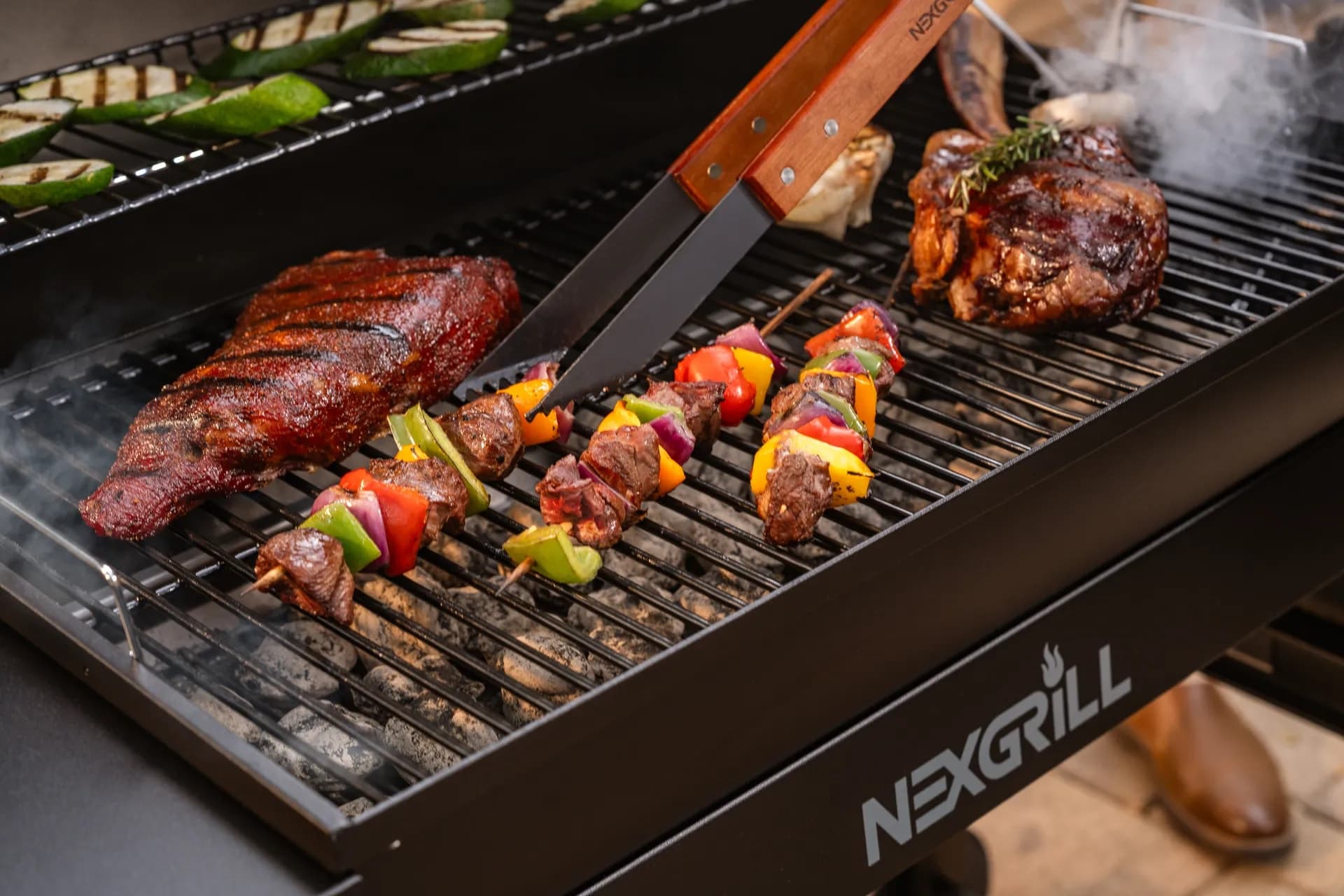
Another benefit is flavor layering. A dedicated pizza oven usually excels at speed and heat, while a smoker excels at slow flavor development. Combining them means you can do more than alternate between appliances; you can build a menu where smoke and high heat support each other. For example, a smoked mushroom pizza with caramelized onions and fontina can carry a subtle wood note without tasting like barbecue sauce. A reverse-seared tri-tip can be kissed with smoke first, then finished in stronger oven heat for a better crust.
The third advantage is menu range. This kind of oven is not just for classic round pizzas. It can support calzones, flatbreads, skillet cornbread, wings, ribs, sausages, peppers, squash, and even desserts that benefit from a touch of wood aroma. Users often discover that once they own one versatile cooker, they stop treating outdoor cooking as a single-occasion event and start using it for weeknight meals too. That is where value becomes most visible: the appliance does more work across more seasons.
| Cooking Mode | Best Temperature Range | Typical Food Examples |
|---|---|---|
| Pizza baking | 650°F to 900°F | Neapolitan pizza, flatbread, naan |
| Low-and-slow smoking | 225°F to 275°F | Brisket, pork shoulder, ribs, chicken |
| Mixed-use finishing | 350°F to 500°F | Sausage, vegetables, roasted poultry pieces |
Users also appreciate the learning curve because it broadens technique without feeling intimidating. A cook who already understands dough handling can begin experimenting with smoke timing; a smoker user can learn to use a hotter cavity for crisp finishes. The integrated format encourages experimentation, but it still rewards discipline. Good airflow, proper fuel choice, and clean ignition are what separate impressive results from frustrating ones.
Cooking Techniques
For pizza, the biggest challenge is balancing smoke with intense heat. If you add too much smoke during a fast bake, the crust can become harsh before the cheese fully melts. A better approach is to establish a stable bed of heat first, then introduce a modest amount of smoke only if you want subtle aroma in the dough or toppings. Wood chunks should be used sparingly, and they should be fully ignited before the pizza goes in. Many cooks prefer using the smoke chamber more aggressively for toppings like sausage, mushrooms, or roasted peppers, while keeping the actual bake clean and hot.
For meats, the chamber opens the door to classic smoking technique. Pork shoulder benefits from steady low heat and a wood profile that is strong but not bitter, while ribs do well with controlled airflow and periodic spritzing. Chicken takes smoke quickly, so it often needs less time in the chamber than beef. Vegetables and seafood are where the integrated design can surprise people; a short smoke session can add depth without overwhelming delicate ingredients. For example, salmon on a cedar plank or charred corn with a light wood note can become standout side dishes for a pizza night menu.
Fuel choice matters as much as technique. Hardwood chunks such as oak, hickory, cherry, and apple each behave differently. Oak is often reliable for a balanced smoke profile, while fruit woods like cherry and apple offer a sweeter finish that pairs well with poultry and some pizzas. Hickory can be powerful, so it is better used carefully. In many cases, blending woods is the smartest move: a mild base wood with a small amount of a stronger accent wood gives you more control. If your oven also supports charcoal or pellets, think about what the fuel is doing before the food goes in. You want steady energy first, aroma second.
One useful real-world pattern is the “smoke then finish” approach. Smoke the protein until it has absorbed enough character, then move it into the hotter oven zone for crisping or melting. That technique works especially well for chicken wings, sausage links, and even par-baked pizza crusts that need a final char. It lets the integrated chamber do what it does best without forcing every dish to endure the same treatment. Try comparing two products side by side below to see which fits best:
Maintenance and Safety
Once you've weighed two options against each other, the next question is how to keep an integrated smoke-chamber oven performing safely and consistently. Maintenance is not just about appearance. Smoke systems naturally accumulate grease, soot, ash, and resin, and those residues can affect airflow, flavor, and ignition. A cleaner chamber also gives you better control over temperature swings, which is important when one appliance is asked to do both pizza baking and smoking.
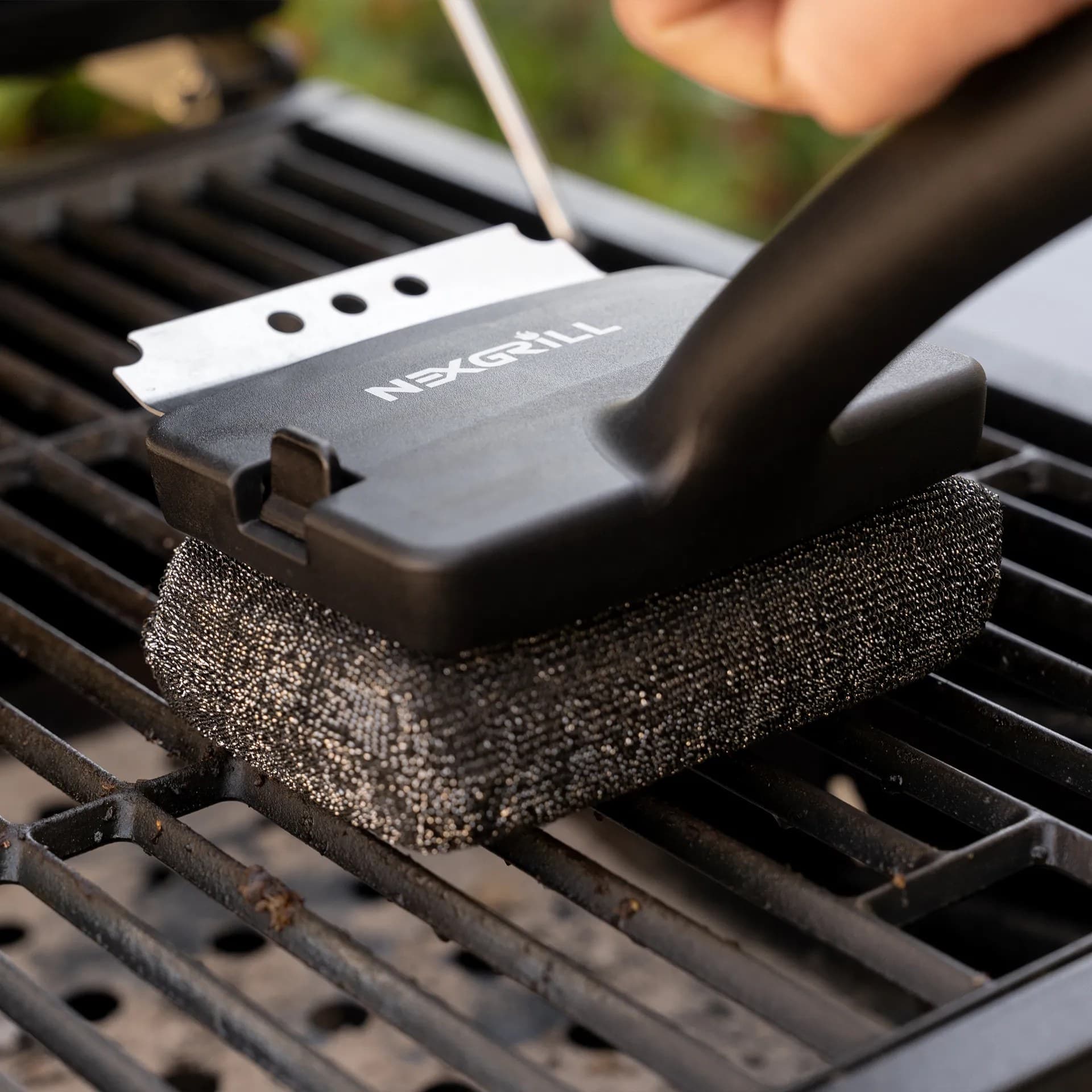
Start with the basics after every cook: remove ash once the unit is fully cool, brush debris from grates or stones, and empty grease collection points before buildup hardens. If your oven uses a stone, keep sauces and cheese from scorching directly onto the surface, because repeated spills can create stubborn spots that affect future pizza bakes. For the smoke chamber, inspect vents and air channels regularly. Restricted airflow is one of the fastest ways to turn clean smoke into dirty smoke. A light brushing and periodic deep clean are usually enough for most home use, but the exact process should follow the manufacturer’s instructions.
Tip: before lighting the oven, make sure the smoke chamber, chimney, and pizza deck are free of leftover ash and stray foil or packaging scraps.
Safety deserves the same attention as cleanup. Use the oven outdoors in a well-ventilated area, on a stable non-combustible surface, and away from overhanging branches, fences, or patio materials that can be damaged by heat. Keep children and pets at a safe distance, and use heat-resistant gloves and long-handled tools when loading or turning food. Because smoke chambers operate with live fire and elevated temperatures, it is also wise to keep a fire extinguisher nearby and never leave the unit unattended while it is active. If you cook with wood or charcoal, store fuel in a dry area and handle hot ash with care; ash can stay hot far longer than it looks.
Legal and neighborhood considerations can matter too, especially in parts of the United States where homeowners’ associations, apartment communities, or local fire rules limit open-flame cooking. Before setting up a smoker-pizza combination outdoors, check whether your location has restrictions on wood smoke, open flames, or placement on decks and balconies. These rules vary by city and property type, so it is best to verify them before the first cook. Following the rule set keeps the appliance usable and helps prevent avoidable conflicts with neighbors or property managers.
Conclusion
A pizza oven with an integrated smoke chamber stands out because it gives home cooks two very different but complementary ways to build flavor. It can deliver the fast, high-heat environment needed for crisp, airy pizza while also creating the slower, aromatic conditions that define good smoking. That blend makes the appliance appealing to cooks who want more than a single-purpose backyard tool and to households that like to turn cooking into part of the gathering itself.
The key is to treat the system with intention. Use the smoke chamber for controlled flavor, choose the right fuel for the food, and respect the temperature range that each dish demands. When you do that, the oven becomes a flexible outdoor centerpiece rather than a novelty item. It can handle pizza night, weekend barbecue, and small-batch experimentation with equal ease. For many buyers, that combination of versatility, space efficiency, and flavor control is exactly what makes the integrated design worth considering.