Exploring the Benefits of Pizza Ovens with Cordierite Stones
A comprehensive guide to understanding cordierite stone pizza ovens and their advantages.
In This Article
What is Cordierite?
Maintenance Tips
Top Recommendations
Introduction
A pizza oven with a cordierite stone is a practical upgrade for home cooks who want better crust texture without turning pizza night into a technical project. Cordierite has earned its reputation because it handles intense heat well, helps manage moisture on the dough surface, and gives the base a faster, more even bake than many standard oven trays. For homeowners comparing pizza oven materials, the stone is often the part that changes the final result the most: the underside of the crust browns more confidently, the center sets more quickly, and the bottom is less likely to finish pale or soggy.
This article takes a close look at what cordierite actually is, why it shows up in so many pizza ovens, and how it compares with other common baking surfaces such as ceramic and steel. It also focuses on the practical side of ownership: how to season your cooking habits around the stone, how to clean it without damaging it, and what safety points matter when you are moving a very hot surface in a busy kitchen or backyard setup. For readers who want something more than a surface-level product description, the goal here is to explain how cordierite affects the cooking experience in real use, not just in theory.
Nexgrill’s broader outdoor cooking philosophy emphasizes approachable, dependable gear that supports real-world gatherings and everyday use, which fits this topic well. A cordierite stone is not a flashy feature, but it is one of those components that can quietly improve consistency, especially if you like making thin-crust pizzas, flatbreads, or other dough-based recipes at home. If you are trying to decide whether this material belongs in your next pizza oven purchase, start with the material itself and work outward from there.
That matters because pizza ovens cycle between heating, loading, and recovering heat quickly.
What is Cordierite?
Cordierite is a heat-tolerant ceramic material used in many high-heat cooking surfaces because it can cope with rapid temperature changes better than many brittle alternatives. In pizza ovens, it is shaped into a stone or slab that sits in the cooking chamber and acts as the primary surface for transferring heat into the dough. That transfer is what helps create the browned, crisp underside people expect from a well-baked pizza. Unlike a thin metal tray, cordierite stores and releases heat in a way that supports a steadier bake once the pizza is launched onto the surface.
One reason cordierite is so widely discussed is that it balances a few useful traits at once. It is durable under high heat, it tolerates repeated heating and cooling cycles, and it has enough porosity to help absorb some surface moisture from dough. That moisture management is especially important when you are cooking fresh dough, which often releases steam during the first moments of baking. A surface that manages that steam well helps prevent the dreaded soft center that can happen when the bottom of the crust lags behind the toppings.
If you have heard experienced pizza cooks describe a stone as helping the crust “set” faster, this is the basic physics behind that statement. The stone acts as a reservoir of heat. Once the oven is fully preheated, the stone delivers that heat into the dough from below, giving you a stronger base structure earlier in the bake. That can be especially useful in ovens that are busy recovering heat after the door opens or after several pizzas have already been cooked.
Cordierite is valued less for flash and more for reliability: it is a material chosen to handle high heat, repeated use, and the stress of quick temperature swings.
Benefits of Cordierite Stones
The biggest benefit of a cordierite stone is its ability to improve the bottom crust without making the cooking process complicated. Home pizza makers often focus on toppings, cheese, or sauce, but the base is what determines whether the pie feels bakery-quality or underdone. Cordierite helps by giving the dough immediate contact with a hot, stable surface. That contact encourages oven spring at the edges while also firming up the center enough to support toppings.
Heat retention is another major advantage. Once a cordierite stone is properly preheated, it holds enough heat to recover between pizzas better than a thin, unstable cooking sheet. In a family setting, that matters because the first pizza and the third pizza should not feel like they were baked in two different ovens. Better recovery means more consistent color and texture across multiple cooks, especially when you are feeding a group and the oven is open frequently.
Moisture absorption is the other half of the cordierite story. Fresh dough, wet toppings, and even some sauces can introduce extra moisture into the bake. Cordierite does not remove all that moisture, but it can help reduce surface dampness at the bottom of the crust. That contributes to a more evenly cooked pizza with a drier, crisper underside. For people who prefer Neapolitan-inspired pies, roasted vegetable pizzas, or high-hydration doughs, that moisture control can be the difference between a pleasant chew and a gummy center.
There is also a practical durability angle. While no pizza stone should be treated roughly, cordierite is generally chosen because it can handle high operating temperatures and repeated use in home ovens and outdoor pizza ovens. That means it is a good match for owners who want a dependable surface rather than a delicate accessory they need to baby after every cook. Many users describe cordierite stones as forgiving in regular use, especially when compared with materials that stain easily or crack under sudden thermal stress.
| Performance factor | Why cordierite helps | What you notice in the pizza |
|---|---|---|
| Heat retention | Stores and releases heat steadily after preheating | More even browning and better bake recovery |
| Moisture absorption | Helps reduce soggy bottom crusts | Crisper base and cleaner slice lift |
| Thermal stability | Handles rapid heating and cooling cycles well | Less stress when the oven is loaded repeatedly |
A helpful way to think about cordierite is that it supports the pizza-making process rather than distracting from it. It does not replace proper dough fermentation, oven preheating, or good launching technique. Instead, it gives you a more reliable platform so those other fundamentals can shine. If the dough is prepared well, the stone helps translate that preparation into better texture and color.
Comparison with Other Materials
Cordierite is often compared with ceramic and steel because those materials are the most common alternatives in pizza cooking. Each has strengths, but they create different baking behavior. Ceramic stones are popular because they also retain heat, yet they can be more fragile under thermal shock. That means a cold stone suddenly exposed to very high heat may be more likely to crack. If you are the type of cook who values a more forgiving daily-use material, cordierite has a real edge there.
Pizza steel has a different personality. It transfers heat faster than cordierite and can produce aggressive bottom browning, which some bakers love for thin crusts and high-speed cooking. The trade-off is that steel can make timing less forgiving, especially for people who are still learning how quickly their dough finishes in a hot oven. Cordierite is generally more moderate. It still gives strong bottom heat, but it is less likely to overdo the base in a very short window. That makes it a friendlier option for home cooks who want reliable results without constantly adjusting the bake.
A useful rule of thumb is that ceramic tends to be more delicate, steel tends to be more aggressive, and cordierite often sits in the middle. For many households, that middle ground is exactly the appeal. It provides enough thermal performance to improve crust quality while staying accessible for regular use. If you are baking a few pizzas for friends, making flatbreads, or experimenting with calzones, cordierite offers a balanced profile that can be easier to live with than more extreme surfaces.
If you want the fastest, darkest bottom crust, steel may feel more aggressive. If you want a balanced bake with less thermal drama, cordierite is often the safer everyday choice.
From a user-experience perspective, cordierite also tends to feel approachable for newer pizza makers. It does not demand a highly specialized workflow to produce good results. That matters because many buyers are not trying to build a professional deck oven at home; they want a tool that helps them turn out dependable pizza on a weeknight or during a backyard gathering. A cordierite stone supports that goal well, especially when paired with a pizza oven that can maintain strong top heat and steady recovery.
Try comparing two products side by side below to see which fits best:
Usage and Maintenance Tips
Once you have weighed two oven options against each other, the next question is how to get the most out of the cordierite stone you choose. The most important habit is preheating. A cordierite stone needs time to absorb enough energy to function the way it should, so a rushed start usually leads to weaker bottom browning. In a home kitchen, that means allowing the oven and stone to come fully up to temperature before loading the pizza. In a backyard setup, it means resisting the urge to launch the first pie too early just because the dome feels warm.
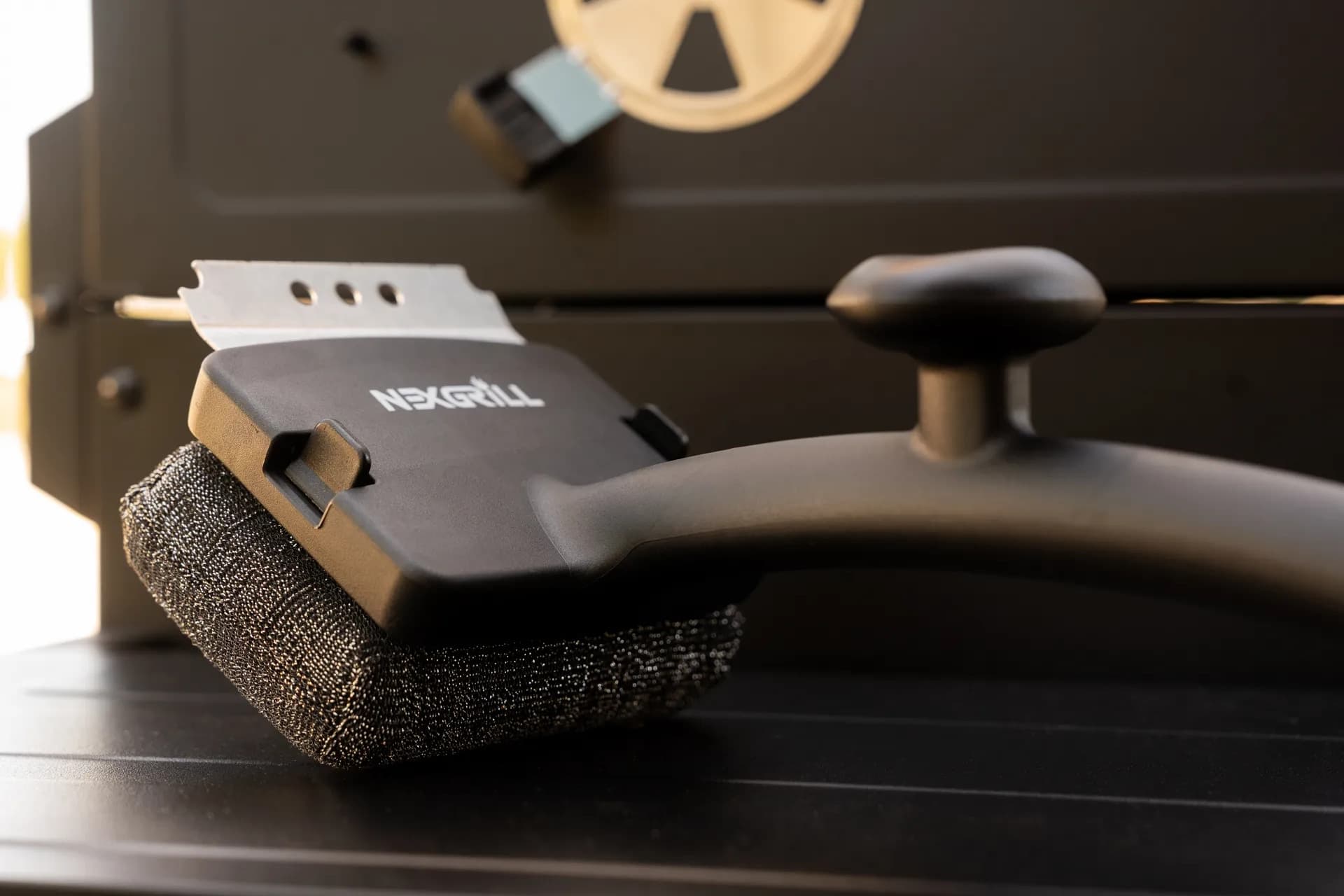
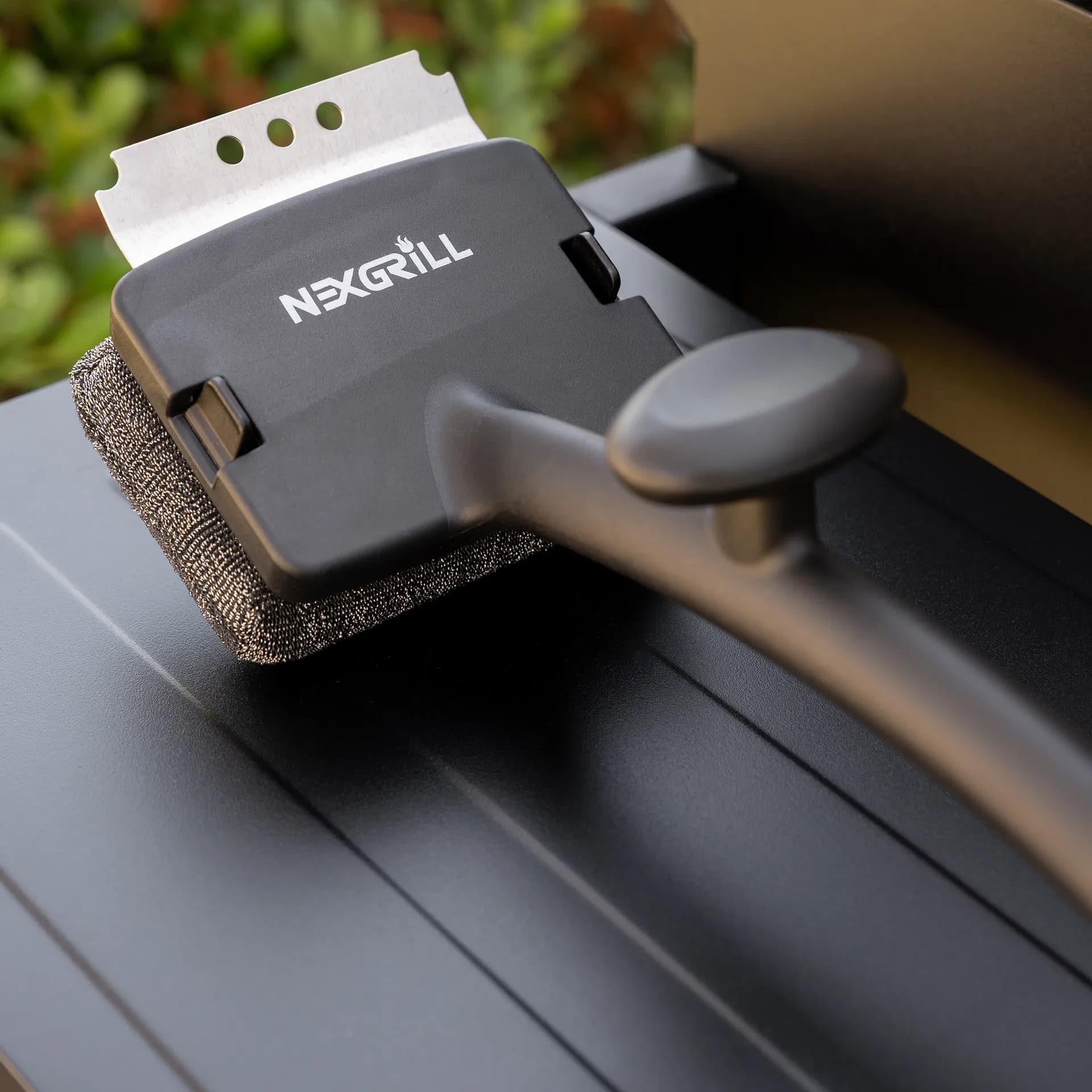
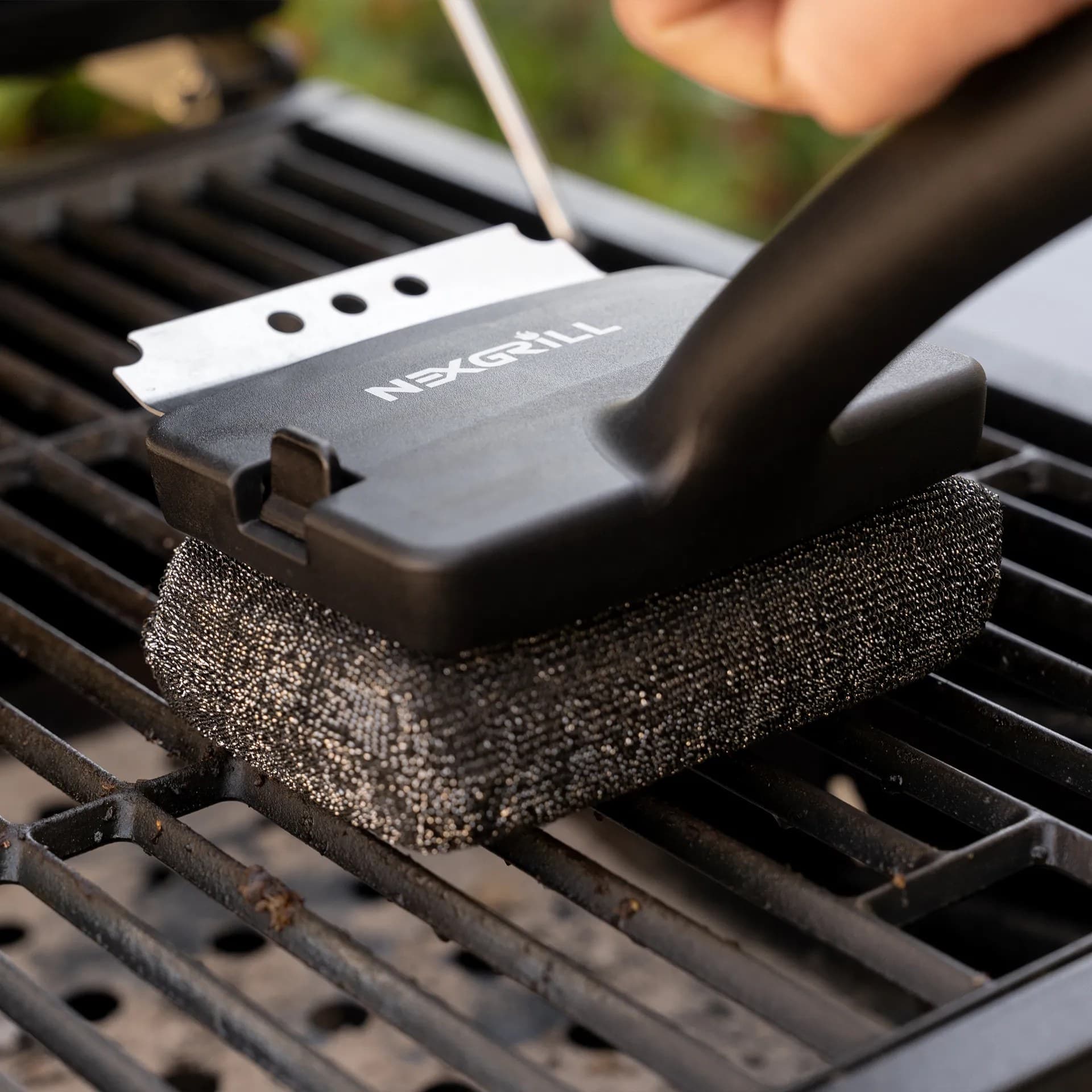
Cleaning is just as much about restraint as it is about effort. A cordierite stone should usually be cleaned dry or with minimal moisture. Scrape off baked-on residue after the stone has cooled, then use a stiff brush or gentle scraper if needed. Soaking it in water is not a good idea because excess moisture can linger in the stone and affect the next cook. Many home cooks also find that a little visual discoloration is normal over time. That staining is not a problem by itself; it often reflects regular use rather than damage.
If a spill happens, especially with cheese or sauce, let the stone cool fully before removing debris. Trying to clean a hot stone with cold water can create unnecessary stress. The goal is to maintain a dry, stable surface that can keep doing its job for many cooks. For most users, the best maintenance routine is simple: preheat thoroughly, avoid thermal shock, scrape off residue when cool, and store the oven in a dry place.
A light patina is normal. What matters most is keeping the stone dry, intact, and free of heavy buildup that can interfere with heat transfer.
It can also help to think about the kinds of foods you cook on the stone. Pizza is the obvious choice, but flatbreads, stuffed breads, and some reheated leftovers can also benefit from the same heat behavior. Just be careful with oily toppings or sugary sauces, which can darken the stone faster and leave sticky residue. Using parchment in ways that are compatible with your oven’s heat limits can sometimes help during testing, but for full pizza performance you will usually want direct stone contact for the best crust.
Safety Considerations
Safety matters because a cordierite stone is extremely hot during use and can stay hot long after the pizza is finished. Always use dry, heat-resistant tools when handling pizzas or adjusting the stone. Wet cloths, damp gloves, or sudden cold liquids can create unnecessary risk. If the stone is removable, allow it to cool gradually before moving it or cleaning it, and never place it on a cold, wet, or unstable surface.
Food safety is also worth keeping in mind. Cordierite is a cooking surface, not a decorative board, so it should be kept free from soap residue, harsh chemicals, and anything that could transfer unwanted flavors to food. If the stone becomes cracked or severely damaged, replace it rather than trying to continue cooking on an unstable surface. Small chips may not affect immediate use, but deep fractures can compromise both safety and heat performance.
There are also basic burn-prevention habits that make outdoor or indoor pizza cooking much safer. Keep children and pets away from the oven opening, use long-handled tools, and make sure your launch path is clear before sliding the pizza onto the stone. Because cordierite stones are designed for repeated high-heat use, the material itself is not the main concern; handling the hot oven correctly is. In practical terms, careful workflow matters more than any single product feature.
Never cool a hot cordierite stone with water. Sudden temperature changes can increase the chance of cracking.
Recommendations
If you are shopping for a pizza oven with a cordierite stone, the best option depends on how you cook most often. One practical choice is the Oakford Pro 875 Pellet Smoker Grill, which appeals to cooks who want broad outdoor versatility and a substantial cooking platform. While it is not only about pizza, it suits households that like moving between smoking, roasting, and pizza-style baking in one setup. The benefit for cordierite-style cooking is the broader outdoor performance mindset: if you already cook for gatherings, a durable heat-managing surface becomes part of a larger, more flexible system.
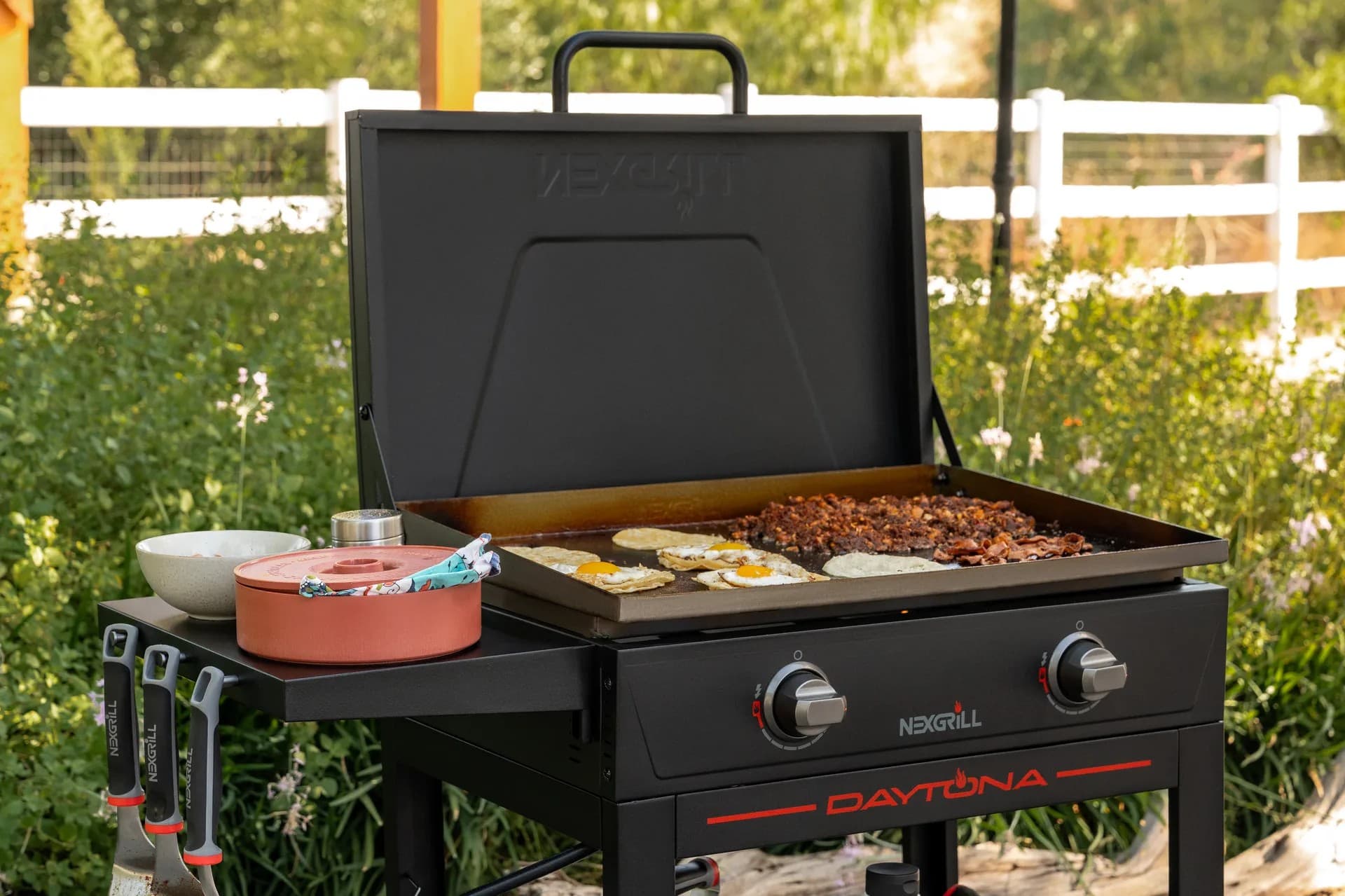
For buyers who want a simpler grilling-and-baking routine, the 4-Burner Propane Gas Grill in Black with Stainless Steel main lid can be a good fit for complementary outdoor cooking when you are not making pizza. Its value is in multi-purpose backyard use, which matters if your pizza oven needs to earn its place through regular use across different meals. Another sensible option is the Stainless Steel Nexgrill Daytona 4-burner flat top griddle grill, especially for cooks who love the same heat-management principles that make cordierite attractive. A griddle is not a pizza oven, but it serves the same kind of user: someone who values stable heat, quick recovery, and reliable surface performance.
User feedback on cordierite tends to sound consistent: people appreciate the crisp crust, the forgiving nature of the stone, and the way it holds up under repeated home use. Testimonial-style comments often mention that the bottom of the pizza looks more evenly browned and that cleanup is easier when the stone is allowed to cool naturally. That kind of feedback is useful because it reflects everyday ownership, not just lab-style performance. If a buyer wants a more classic pizza-baking experience, cordierite remains a strong material to look for in the product details.
| Buyer profile | Best fit | Why it works |
|---|---|---|
| Beginner home pizza maker | Cordierite stone oven with simple controls | More forgiving than steel and easier to manage than fragile ceramic |
| Frequent entertainer | Oven with strong recovery and a durable stone | Handles repeated pizza launches with steadier heat |
| Outdoor cooking enthusiast | Versatile Nexgrill outdoor setup | Supports pizza nights alongside grilling, smoking, and griddling |
Conclusion
A pizza oven with a cordierite stone is appealing because it solves a real cooking problem: how to get a crisp, well-browned crust without making the oven difficult to use. Cordierite’s mix of heat retention, thermal stability, and moisture management makes it a strong everyday choice for many home cooks. It is especially useful if you want dependable results across multiple pizzas and prefer a surface that balances performance with ease of ownership.
If you are narrowing down your options, focus on how often you cook pizza, how quickly you want heat recovery, and how much maintenance you are willing to do. For many households, cordierite hits the sweet spot between delicate ceramic and more aggressive steel. Compare two products side by side, and then choose the oven that best matches your kitchen or backyard rhythm. For many readers, that means the stone itself may end up being the deciding factor.