Comprehensive Review of Backyard Pizza Ovens
Explore the best outdoor pizza ovens for your backyard cooking experience.

In This Article
Types of Pizza Ovens
Performance Insights
User Experience
Introduction to Outdoor Pizza Ovens
A backyard pizza oven review should answer one practical question first: which oven makes it easiest to produce restaurant-style pizza at home without turning the process into a weekend project? The answer depends on more than flavor alone. For most homeowners, the real test is how quickly the oven heats, how steadily it holds temperature, how much effort it takes to launch and turn a pie, and whether the oven is simple enough to enjoy on a Tuesday night instead of only on special occasions. That is why a useful review has to look at both performance and user experience, not just marketing claims or glossy product photos.
Outdoor pizza ovens have become popular because they bring theater and efficiency together. A good setup can reach high temperatures, crisp the crust fast, and create the browning people expect from Neapolitan-style pizza. But not every oven excels in the same way. Some are built for intense wood-fired flavor, some prioritize convenience with gas ignition, and others are designed for indoor-outdoor flexibility with electric heat. The best choice for a suburban patio in the United States may look very different from the right pick for a compact deck, a rental home, or a cook who wants to do pizza plus roast vegetables and bake bread in the same session.
A good backyard pizza oven review should measure repeatable results: heat-up time, peak stone temperature, recovery between pizzas, and how much supervision the oven needs during a full cooking session.
From a buyer’s perspective, the most important distinction is whether the oven fits your routine. If you want a social, fire-focused experience and do not mind tending flames, a wood-fired oven delivers a hands-on cooking style that many people love. If you want speed and control, gas models are easier to start and easier to manage when guests are waiting. Electric models are often the most approachable for smaller outdoor spaces or locations where open flame may be less practical. Each type can work well in a backyard, but each asks something different from the cook.
For a review to be genuinely helpful, it should also separate the oven itself from the rest of the setup. A backyard pizza night is affected by the peel you use, the dough hydration, the fuel quality, the placement of the oven relative to wind, and the space available for staging uncooked pies. That is why real-world testing matters. In practice, a model that looks average on paper can outperform a better-known competitor if it preheats faster, retains heat better, and feels easier to use for a full family meal. That balance of speed, consistency, and confidence is what turns a pizza oven from a novelty into a repeat-use appliance.
This review takes a backyard-first view: not just which oven can hit a high temperature, but which one makes home pizza feel accessible, dependable, and worth the patio space. If you are comparing models side by side, pay close attention to how each one handles the first pizza, the third pizza, and the cleanup afterward. Those three moments reveal far more than a specs sheet ever will.
Types of Outdoor Pizza Ovens
The three main categories of outdoor pizza ovens are wood-fired, gas, and electric, and each one serves a different backyard cooking style. Wood-fired ovens appeal to cooks who want the most traditional experience. They create a live-fire environment that can add smoky character and a sense of ritual to the process. The tradeoff is that they usually demand more attention, more practice, and more cleanup. Fuel management matters, especially when the goal is to keep a consistent floor temperature while the dome or chamber remains hot enough for fast bake times.
Gas ovens are the easiest category for many homeowners to live with. They start quickly, warm up predictably, and are easier to moderate when cooking for a group. That convenience matters in real backyards where dinner can start late, guests may arrive in waves, and weather conditions can change. A gas oven is often the most forgiving choice for someone who wants solid results without learning fire management. For many households, that makes it the strongest value choice because the oven gets used more often.
Electric pizza ovens play a different role. They are generally the least demanding in terms of fuel handling and the simplest to integrate into a routine where plug-in convenience is preferred. They can be especially appealing for smaller patios, covered areas with suitable electrical access, or buyers who want a lower-commitment entry into homemade pizza. They may not deliver the same live-fire character as wood, but they can still offer excellent consistency and ease of use for weeknight meals. In a backyard review, that simplicity is a major advantage because the oven is more likely to come out often instead of waiting for a special event.
| Type | Strength | Trade-off | Best backyard fit |
|---|---|---|---|
| Wood-fired | Flavor, live-fire experience, high heat | More tending, more learning, more cleanup | Hosts who enjoy a hands-on cook |
| Gas | Fast start, stable control, convenience | Less fire ritual than wood | Families and frequent entertainers |
| Electric | Ease of use, consistency, low setup friction | Depends on power access and may heat more slowly | Smaller spaces and simpler routines |
Do not choose by fuel type alone. The best backyard oven is the one you will actually preheat, use often, and clean without frustration.
Another way to think about the categories is by the kind of cooking rhythm they encourage. Wood-fired ovens reward patience and attention. Gas ovens reward convenience and repeatability. Electric ovens reward simplicity. None is automatically best; the right answer depends on whether your backyard pizza night is meant to feel like a craft project, a casual family dinner, or a low-effort weekend ritual. That distinction matters because satisfaction usually comes from fit, not from the highest temperature number on the box.
Performance Comparison of Top Models
In performance testing, the most useful metrics are not abstract. Look at how long the oven takes to reach cooking temperature, whether it holds that heat after the door opens or the pizza is launched, how evenly the stone or deck cooks the bottom, and how many pizzas can be cooked back-to-back before performance drops. For backyard use in the United States, a strong oven should be able to turn out a first pizza quickly and keep the second and third pizzas close to the same quality without major recovery delays.
A useful field test is to compare a high-attention wood-fired model, a propane-fueled gas model, and a compact electric oven using the same dough, same sauce, and same target bake style. In that scenario, wood-fired ovens often win on atmosphere and char variation, gas ovens tend to win on timing and control, and electric ovens can be the easiest to repeat for casual cooks. If your goal is Neapolitan-style pizza with leopard spotting, the oven needs to heat fast and hot, but it also needs a stone that recovers well after each launch. If your goal is thicker pies, flatbreads, or mixed backyard cooking, even heat and ease of control may matter more than peak temperature.
Many shoppers overfocus on the headline maximum temperature. That number matters, but only if the oven can use it consistently. In a backyard setting, what matters more is the usable heat window. An oven that reaches a very high temperature but cools sharply after one pizza may be more frustrating than a slightly less aggressive model that stays steady through an entire meal. Real users tend to notice this immediately because the first pizza may be excellent, the second acceptable, and the fourth disappointing if the oven cannot recover quickly enough.
| Performance Metric | Why it matters | What strong performance looks like |
|---|---|---|
| Heat-up time | Determines how quickly dinner starts | Quick preheat with predictable readiness |
| Stone recovery | Affects back-to-back pizzas | Minimal drop after launches |
| Heat evenness | Controls browning and consistency | Balanced top and bottom cooking |
| Usable cooking space | Determines pizza size and staging room | Room for comfortable launching and turning |
In practical terms, the top backyard ovens tend to separate themselves in three ways. First, they get hot fast enough that spontaneous cooking feels realistic. Second, they recover heat well enough that a group dinner does not stall after the first few pies. Third, they offer enough build quality that the oven feels stable and reliable outdoors. Those qualities are especially valuable for buyers who want a weekend centerpiece without constant tinkering. A model that is easier to manage often becomes the one that gets used most, which is the true measure of value in a backyard kitchen.
If you are comparing premium and budget-friendly options, think about where the trade-off lands. A lower-cost oven can still be a great purchase if it heats well and is easy to master, but a less expensive model that struggles with recovery or wind sensitivity can quickly become a disappointment. The best review is the one that identifies the point where spending a bit more delivers a much better experience, and where extra money buys only cosmetic upgrades. Try comparing two products side by side below to see which fits best:
User Experience Insights
Once you have compared two ovens side by side, the next question is what living with them actually feels like. User experience is where many backyard pizza ovens either win people over or end up collecting dust. In real homes, the deciding factors are setup difficulty, stability on a patio table or cart, how intuitive the flame or heat controls feel, how easy it is to launch and rotate pies, and how annoying cleanup becomes after the excitement fades. A good pizza oven should make the whole evening feel more inviting, not more technical.
Hands-on testing usually reveals that the best ovens reduce friction at every stage. They assemble without a long parts list, they preheat with minimal guesswork, and they offer a cooking chamber that is forgiving enough for beginners but capable enough for experienced cooks. Users often notice the small things first: a door or opening that feels wide enough for a peel, a temperature gauge that is easy to read from standing height, a handle that stays manageable, and surfaces that wipe down without requiring heavy scraping. These details matter because backyard cooking is social. When guests are waiting and side dishes are on the table, no one wants an oven that demands constant correction.
The most satisfied owners usually describe the oven as “easy to keep using,” not just “impressive on the first day.” That difference is the heart of user experience.
In user feedback, the ovens people praise most often share the same traits: predictable ignition, comfortable access to the cooking surface, and enough forgiveness to recover from a slightly imperfect launch. More frustrating models tend to show their weaknesses when the cook is new to pizza-making or when the weather is less than ideal. Wind can affect flame stability, a heavy pizza can cool the stone too fast, and crowded backyard setups can limit movement around the oven. Owners who plan for those realities tend to have the best experience. That means leaving room for a prep table, a peel, and a safe landing zone for cooked pizzas.
Setup also shapes perception. A pizza oven that takes a long time to assemble or requires a complicated first burn may still be a good product, but it is less likely to fit a casual backyard lifestyle. On the other hand, an oven that is quick to position and simple to light can become part of the weekly routine. That is especially true for families with kids, where the oven becomes a focal point for shared cooking rather than a specialized appliance that only one person knows how to operate. The best reviews pay attention to those lived-in details because they predict long-term satisfaction better than a spec sheet does.
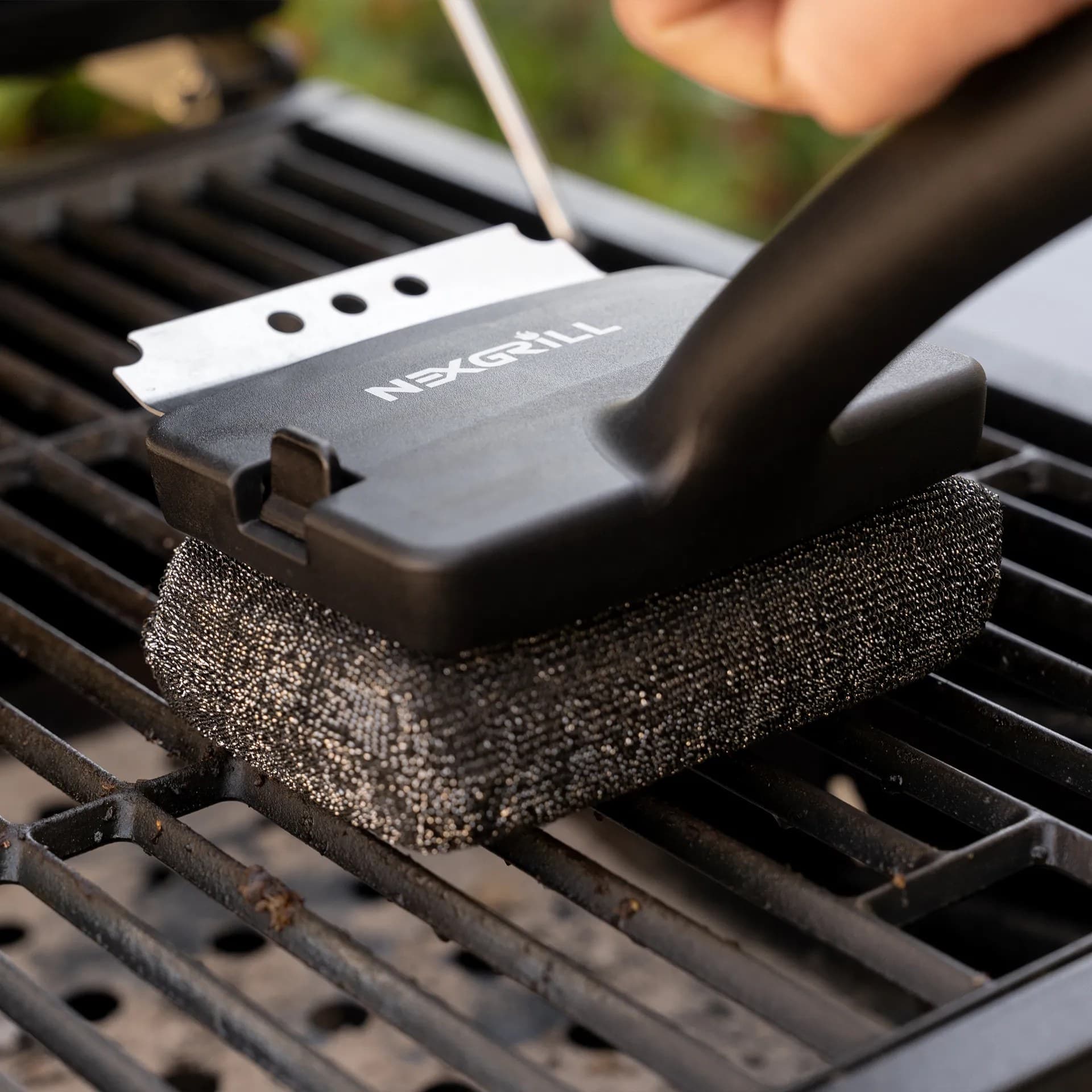
Maintenance is another major user-experience factor. Pizza ovens inevitably collect flour, soot, ash, cheese drips, and baked-on residue. If the interior layout makes cleaning awkward, owners often use the oven less frequently. If the materials and access points are sensible, cleanup becomes a routine part of the night. Good users’ reports often mention whether the oven is easy to cool, brush out, and protect after use. For many backyard buyers, that is what determines whether the oven feels like an enjoyable appliance or a chore.
Buying Guide for Pizza Ovens
When choosing a backyard pizza oven, start with the cooking style you actually want to repeat. If you value smoky character and the ritual of tending a live fire, wood-fired makes sense. If your priority is weekday convenience and faster meal timing, gas is usually the most practical path. If your backyard setup is small or your goal is low-friction consistency, electric can be a smart fit. The wrong choice is usually the one that asks more patience than your routine can realistically supply.
Next, evaluate cooking area and heat behavior together. A roomy oven is not automatically better if it is hard to heat evenly, and a compact oven is not automatically limiting if it recovers quickly between pizzas. Think in terms of your household size and how many pies you want to cook in one session. A couple making dinner for themselves has different needs than a family hosting a birthday party or a group of friends splitting several pizzas and appetizers. Also consider the pizza size you actually plan to make, because a larger opening and stone can add flexibility but may also take more patio space.
| Buyer profile | Best oven type | Why it fits |
|---|---|---|
| First-time backyard pizza cook | Gas or electric | Simpler startup and easier temperature control |
| Flavor-focused hobby cook | Wood-fired | More control over fire-driven flavor and style |
| Frequent host with limited time | Gas | Fast preheat and dependable recovery for groups |
Safety and build quality deserve equal attention. Outdoor pizza ovens should be used on stable, heat-safe surfaces with adequate clearance around the unit. Buyers should check the manufacturer’s guidance for ventilation, fuel handling, and placement, especially when cooking near railings, furniture, or covered structures. A sturdy frame, sensible handle placement, and clearly visible controls make the oven easier to trust in day-to-day use. If the unit will live outdoors year-round, weather resistance and a well-fitting cover also become part of the buying decision because they affect how well the oven holds up in humid summers, wet springs, and colder off-season storage.
Price should be judged in context. A lower-priced oven can be a strong value if it offers consistent heat and a simple workflow. A mid-range model may be worth the extra spend if it improves recovery time or broadens the kinds of food you can make. Premium models are most justified when the added cost buys better materials, easier control, and a more repeatable cooking experience. In other words, the best value is not the cheapest oven; it is the one that best matches how often you will use it and how much effort you want to invest each time you cook.
If you mainly want homemade pizza without a learning curve, prioritize control and recovery over the biggest claimed temperature number.
Conclusion and Recommendations
The strongest backyard pizza oven is the one that fits your space, your schedule, and your cooking style. Wood-fired ovens offer the most hands-on experience and the strongest sense of occasion. Gas ovens usually deliver the best mix of speed and convenience for families and frequent entertainers. Electric ovens are often the easiest entry point for smaller outdoor spaces or cooks who want repeatable results with minimal setup. Each category can be a good choice when it matches the user’s real habits.
If your goal is to host people often, choose an oven that heats quickly, recovers well, and is simple enough to keep in rotation. If your goal is to enjoy the craft of pizza-making, a wood-fired option may offer the most rewarding experience. If your goal is to make excellent pizza with the least friction, gas is often the smartest starting point. The most important lesson from backyard testing is that the best oven is not always the most dramatic one; it is the one that makes you want to cook again next weekend.
For more guidance, compare your shortlist against real-world use: how many pizzas you cook, how much prep space you have, and how much cleanup you are willing to do after the meal. That is the most reliable way to turn a backyard pizza oven from a nice idea into a genuinely useful part of outdoor living.