Essential Tips for Cleaning Your Pizza Oven
A comprehensive guide to maintaining your pizza oven for optimal performance.

In This Article
Types of Pizza Ovens
Cleaning Tools
Preventative Maintenance
Introduction
A clean pizza oven does more than look cared for. It helps the oven heat evenly, keeps old ash or grease from affecting flavor, and reduces the chance that residue will smoke, flare up, or transfer a stale taste to the next pie. That matters whether you are working with a wood-fired oven in the backyard, a gas model on the patio, or an electric countertop unit that lives closer to the kitchen door than the grill. The cleaning process changes by fuel type and by construction, but the goal stays the same: remove food residue safely without damaging the oven’s cooking surfaces or blocking airflow.
The biggest mistake many owners make is treating every pizza oven the same. A cordierite stone in a gas oven should not be scrubbed like a stainless-steel chamber, and a wood-fired oven should not be doused with water while it is still hot. A smart cleaning routine respects heat, surface materials, and the way each oven handles soot, grease, flour dust, and char. For Nexgrill-style outdoor cooking setups, that approach also supports longer product life and more dependable cooking results, especially when the oven is used often for family meals, flatbread, roasted vegetables, or quick weeknight pizzas.
main oven types to clean differently: wood-fired, gas, and electric
Tip: The best cleaning routine starts right after cooking, while residue is still warm and easier to remove. Waiting until everything is fully hardened usually means more scrubbing later.
Think of pizza oven cleaning as two jobs: removing what is visible and preventing what is invisible from building up. The visible layer includes burned cheese, flour, sauce splatter, ash, and soot. The hidden layer includes blocked vents, greasy undersides, and tiny bits of carbonized food that can keep smoking the next time you fire the oven. If you cook at high heat often, a light post-cook clean is usually better than letting debris accumulate for weeks. That is especially important for ovens used for more than pizza, because cheese, oil, herbs, and marinades can leave behind a stronger film than plain dough alone.
You also need to decide how aggressive your cleaning should be. For most ovens, a dry scrape and brush is the first move. Wet cleaning is usually reserved for exterior surfaces, removable parts, or specific manufacturer-approved routines. Harsh chemicals may make a stone look clean faster, but they can absorb into porous surfaces or leave odors that affect flavor. The safer pattern is simple: cool the oven properly, remove loose debris, handle stubborn spots with approved tools, and protect the finish afterward so the next cleanup is easier.
Types of Pizza Ovens
Wood-fired, gas, and electric ovens each create a different kind of mess, which means each one needs a slightly different cleaning strategy. Wood-fired ovens produce ash, soot, and occasional creosote-like residue on the dome and hearth. Gas ovens usually create less ash but can collect grease, sauce drips, and browned cheese near the flame path or on the stone. Electric ovens are often the simplest to maintain, but they still collect crumbs, oil spots, and carbonized flour, especially if the oven doubles as a baking appliance.
| Oven type | Main residue | Best cleaning approach |
|---|---|---|
| Wood-fired | Ash, soot, burnt flour, charred toppings | Dry brush after cooling, ash removal, gentle exterior wipe |
| Gas | Grease, cheese drips, flour dust, burner-area grime | Stone scraping, crumb removal, approved degreasing on exterior only |
| Electric | Crumbs, oil spots, baked-on sauce residue | Unplug, cool fully, wipe removable parts, avoid soaking controls |
Wood-fired ovens usually need the most attention to airflow and ash management. Ash left behind can shift around the hearth and create uneven heat on the next cook. Gas ovens are often cleaner inside at the combustion level, but they can build up sticky residue from food fats and from whatever spills over during a busy pizza night. Electric ovens are the least smoky, yet their interiors can still pick up burnt-on deposits that affect browning if the stone or tray is not cleared regularly. The exact surface matters too: unglazed pizza stones are porous and should be treated differently than enameled steel, stainless steel, or cordierite inserts.
If you are unsure what kind of surface you have, check the owner’s manual before using any liquid cleaner. That is especially true for ovens with a removable stone, hybrid cooking chamber, or decorative exterior finish. For instance, some owners assume a quick spray-and-wipe is harmless, but the wrong cleaner can stain powder-coated metal or seep into a stone surface. A little caution up front saves time later and helps keep the oven performing like it should.
Essential Cleaning Tools
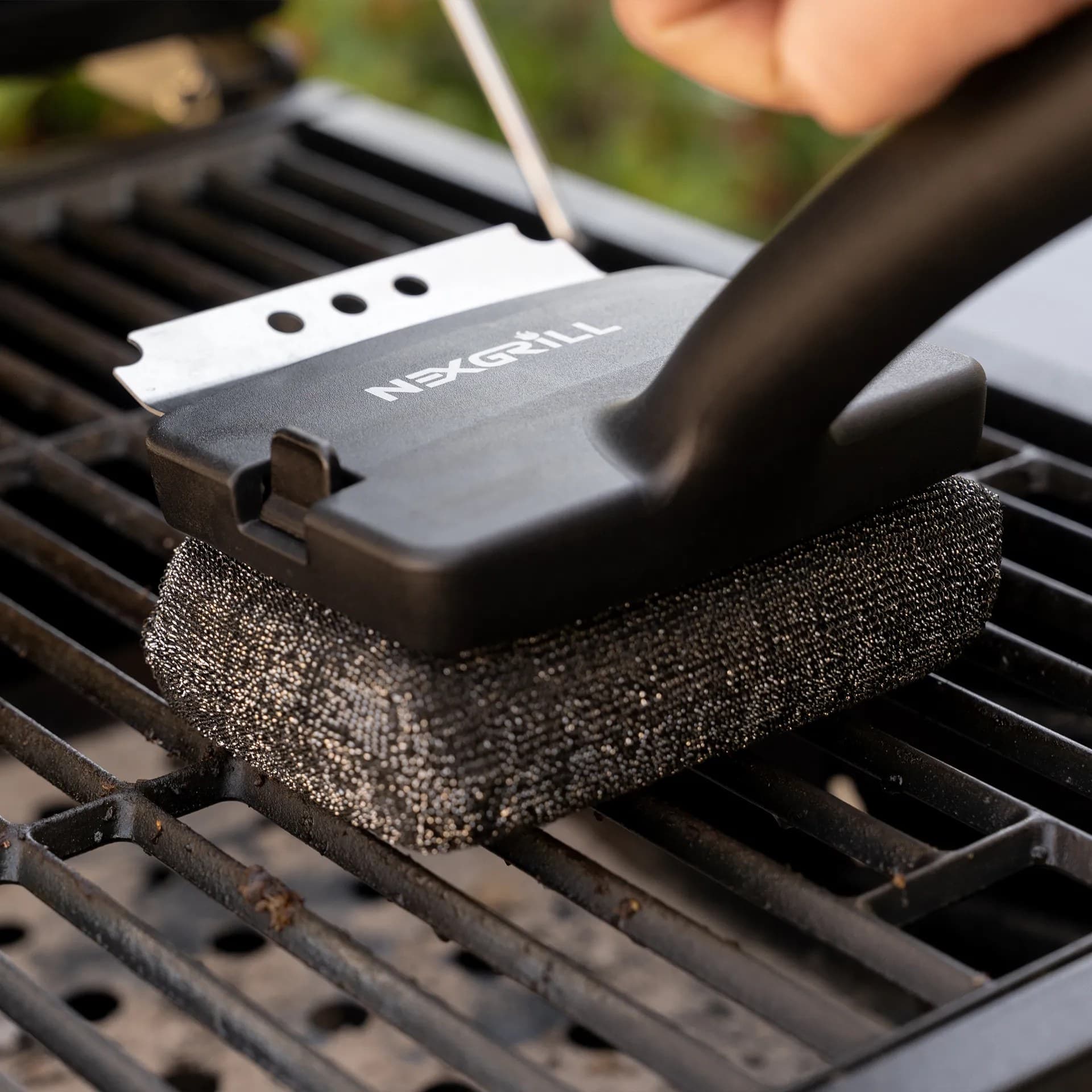
The right tools make pizza oven cleaning faster and safer. A long-handled brass or stiff nylon brush is ideal for sweeping loose ash and food debris from the cooking surface after the oven has cooled enough to handle safely. A flat scraper helps lift burnt cheese and sauce without gouging the stone. Microfiber cloths are useful for exterior panels, handles, and control areas. For wood-fired ovens, a small ash shovel or vacuum rated for fine ash is often helpful for removing spent embers and powdery residue.
Warning: Do not use a metal brush aggressively on a fragile stone or a coated cooking surface. Scratching the cooking deck can create rough spots that trap debris and make future cleaning harder.
For mild cleaning solutions, a bowl of warm water and a small amount of gentle dish soap can work on exterior metal surfaces, but keep liquid away from the stone unless the manufacturer explicitly allows it. On stubborn exterior spots, a paste made from baking soda and water may help lift grime without strong fumes. Many owners prefer natural methods first because they are easy to control and less likely to leave behind lingering odors. Chemical cleaners, on the other hand, should only be used when the oven’s materials and manual allow them, and only in well-ventilated areas.
It also helps to keep a few disposable items nearby: paper towels for first-pass residue, a separate cloth for the exterior, and a small container for ash or crumb collection. If your oven has removable racks or trays, make sure you have a sink or tub space large enough for safe cleaning and drying. The point is not to buy a complicated kit; it is to have the right mix of dry tools and gentle cleaning agents so you can clean thoroughly without over-wetting the oven or damaging the cooking chamber.
Step-by-Step Cleaning Guide
Start every cleaning session by letting the oven cool completely. That sounds obvious, but it is the most important safety step because trapped heat can cause burns and can also make you reach for too much water too soon. Once the chamber is cool, remove loose food bits with a brush or scraper. For wood-fired ovens, gather ash from the hearth first so it does not blow around while you clean. For gas or electric ovens, check corners, edges, and the area around any stone or tray insert where crumbs tend to hide.
| Step | What to do | Why it matters |
|---|---|---|
| 1 | Cool the oven completely | Prevents injury and reduces surface damage risk |
| 2 | Brush out loose debris and ash | Stops residue from re-baking into the surface |
| 3 | Scrape stubborn spots gently | Removes baked-on food without gouging the cooking deck |
| 4 | Wipe the exterior with a damp cloth | Keeps finish and hardware clean without soaking internals |
| 5 | Dry all surfaces fully | Prevents rust, stains, and moisture buildup |
For a wood-fired oven, use a dry brush to sweep ash toward the opening, then remove it with an ash tool or vacuum designed for that material. If soot has darkened the dome, do not scrub it so hard that you damage the finish; a little discoloration is normal on many fire-brick or clay interiors and is not always a sign of poor performance. For gas ovens, focus on crumb traps, drip points, and the area around the stone or cooking deck. If food has carbonized on the stone, a scraper used at a low angle can usually lift it without forcing liquid into the pores.
Electric ovens need a lighter touch. Unplug the unit, wait until it is completely cool, and remove any trays or inserts that the manufacturer says are washable. Wipe the chamber with a barely damp cloth, then dry everything before reassembly. Avoid spraying cleaner directly into vents, heating elements, or control panels. For exterior stainless steel or painted surfaces, wipe in the direction of the grain or finish to reduce streaking. If a stubborn spot remains, repeat with a mild cleaner rather than escalating to something harsher immediately.
A helpful rule is to clean from the top down and from dry to damp. Start with ash, crumbs, and dry residue; then move to mild cleaning solutions where needed; then finish with a dry cloth. That sequence keeps grime from spreading and minimizes the chance that water will carry debris into seams or under trims. For more stubborn buildup, it is often better to repeat a gentle pass two or three times than to attack the surface once with a strong cleaner.
Tip: If you cook frequently, do a light cleanup after each session and a deeper cleaning every few uses. That rhythm usually takes less time than one big restoration job.
Try comparing two products side by side below to see which fits best:
Common Mistakes to Avoid
Once you've weighed two options against each other, the next step is avoiding the cleaning habits that do the most damage. The most common mistake is using too much water on a porous stone or firebrick interior. Even if the surface looks dry afterward, absorbed moisture can linger and affect the next preheat cycle. Another frequent error is reaching for harsh oven cleaner, degreaser, or abrasive pads without checking whether the finish can handle them. That shortcut can dull coatings, discolor metal, or leave a taste behind the next time you cook.
A second mistake is cleaning while the oven is still too hot. Warm residue is easier to remove, but the oven should be cool enough to handle safely. Rushing this step can lead to burns or to warping certain removable parts if they get sudden temperature shock from liquid cleaner. A third issue is scrubbing too aggressively. A pizza stone is not a skillet; it is a cooking surface that performs better when it stays smooth enough to release food and heat evenly. Deep scratches create pockets where flour and oil can collect, which means the oven gets dirty faster after every cook.
| Mistake | Why it is a problem | Better approach |
|---|---|---|
| Using harsh chemical sprays on porous surfaces | Can absorb into stone and affect flavor | Use dry brushing and manufacturer-approved cleaners only |
| Soaking the interior with water | Can trap moisture and damage materials | Use only minimal damp wiping where allowed |
| Scrubbing with steel wool or sharp edges | Leaves scratches and weak spots | Use a flat scraper or soft-bristle brush |
Another mistake is forgetting the exterior. Grease on knobs, handles, and doors may not affect the next pizza directly, but it does build up grime and can make the oven harder to operate comfortably. The same is true for air vents and burner openings. When airflow is blocked, heat distribution suffers and residue can accumulate in places that are harder to reach later. Cleaning should be thoughtful, not just cosmetic.
Preventative Maintenance Tips
Preventative maintenance is what keeps pizza oven cleaning manageable. The easiest habit is to brush the oven after every use, once it has cooled enough to be safe. That small step removes loose ash, crumbs, and flour before they are baked on during the next preheat. It also helps you notice problems early, like a cracked stone, a loose hinge, or residue gathering in one corner because heat is uneven. Best pizza oven cleaning tips can also help maintain cleanliness and efficiency.
A second habit is to preheat and cool the oven in a controlled way. Sudden temperature swings can stress stones and refractory surfaces, making them more prone to cracking. For wood-fired models, burn only dry, appropriate fuel so you produce less smoke and less sticky soot. For gas models, keep burners clean and make sure ignition is reliable so the oven does not run inefficiently. For electric models, protect the power cord and keep vents clear so dust does not settle around the heating system.
Info: A fitted cover and dry storage area can reduce how often you need a deep clean, especially in humid climates or on exposed patios.
It also helps to reserve one cloth for the exterior and another tool set for the cooking surface. That simple separation prevents greasy residue from being spread back onto clean areas. If your oven has removable components, inspect them regularly for wear and replace any part that has cracked, warped, or become difficult to clean. One small damaged insert can make the whole oven harder to maintain. Finally, keep flour use modest. Excess dusting flour burns quickly, and burnt flour creates a stubborn film that is harder to remove than a light coating of oil.
FAQs
How often should you clean a pizza oven? Light cleaning should happen after each cooking session, especially if you used wood or baked a messy topping. A deeper cleaning is often needed every few uses, depending on how much residue builds up. The more frequently you cook, the more important it is to remove debris before it hardens.
What is the best way to clean a pizza stone? Let it cool completely, scrape off stuck bits with a plastic or flat metal scraper approved for your oven, and brush away crumbs. Avoid soaking the stone or using soap unless the manufacturer specifically says it is safe. Most stones do best with dry cleaning and controlled heat.
Can cleaning products damage a pizza oven? Yes. Strong degreasers, oven sprays, bleach, and abrasive powders can damage porous stone, discolor finishes, or leave odors. Use gentle, material-safe cleaners and always check the manual before applying any liquid to interior parts.
What are the signs that your pizza oven needs cleaning? Heavy smoke, slow heat-up, uneven browning, stuck-on residue, visible soot, or a stale smell during preheat are all good signals that it is time for a deeper clean. If the oven tastes like last week’s toppings, it is overdue.
How can you minimize cleaning needs? Use less flour, brush the oven after each session, protect it from weather, and clean spills quickly before they bake into the surface. Preventative care is the fastest way to keep the oven from becoming a weekend project.
Conclusion
Good pizza oven care is not about polishing every surface until it looks new. It is about removing the residue that interferes with heat, flavor, and safety while protecting the materials that make the oven work. A consistent routine of dry cleaning, gentle wiping, and preventative upkeep will keep your oven ready for better pizzas and less hassle over time.