Maximizing Flavor with Mesquite Pellets in Your Pellet Grill
A comprehensive guide to using mesquite pellets for an exceptional grilling experience.
In This Article
Unique Flavor Profile
Best Cooking Techniques
Meat Pairing Recommendations
Introduction
Mesquite pellets are a bold choice for pellet grill cooks who want smoke flavor to make an immediate impression. In the pellet-grilling world, mesquite sits at the intense end of the spectrum, which is exactly why it is so useful when you want a stronger wood presence without having to complicate the cook. For many backyard cooks, the appeal is not just that mesquite tastes smoky; it is that it delivers a sharper, earthier profile that can stand up to beef, game, and richly seasoned dishes. In a pellet grill, that flavor is easier to manage than traditional stick burning because you can control temperature more precisely and pair the pellets with different cooking styles.
This article takes a practical approach to using a pellet-grill-with-mesquite-pellets setup well. Instead of treating mesquite as a one-note “strong smoke” option, we will look at where it shines, where it can overpower food, and how to balance it with the rest of your cook. That matters because mesquite is often misunderstood: some cooks assume it is only for Texas-style brisket, while others avoid it entirely because they once over-smoked chicken or pork with it. The real answer is more nuanced. Used with intention, mesquite can add depth, color, and a distinct barbecue character that makes a meal taste more finished and more confident.
Smoke intensity depends on pellet amount, cook time, and the meat you choose.
Nexgrill’s brand philosophy is built around approachable outdoor cooking that brings people together, and mesquite fits that spirit well when it is used in the right context. It is a flavor that can turn a simple cookout into something memorable, whether you are feeding a family on a weeknight or preparing a weekend spread for guests. The key is matching the fuel to the food instead of assuming every pellet type should behave the same way.
Flavor Profile of Mesquite Pellets
Mesquite pellets are typically described as bold, earthy, and unmistakably smoky, with a profile that can read slightly sweet at first and then finish with a dry, savory edge. Compared with milder hardwoods, mesquite tends to announce itself quickly. That is why many barbecue cooks use it when they want smoke flavor to be more than a background note. It can be especially appealing on larger cuts and fattier meats because those foods can absorb the stronger character without tasting overwhelmed.
In practical terms, mesquite smoke often behaves like a flavor amplifier. It makes seasoned rubs taste deeper, gives grilled surfaces a darker bark or crust, and can bring a campfire-like aroma that people notice right away when they open the lid. That does not mean mesquite is harsh by default. When the grill is stabilized and the cook is controlled, the smoke can come across as rich rather than aggressive. A common mistake is assuming the pellet itself does all the work; in reality, mesquite’s intensity is shaped by airflow, cooking temperature, and how long the food is exposed to smoke.
Tip: If you want mesquite flavor without making the food taste heavy, use it on shorter cooks or combine it with a milder pellet blend.
Another reason mesquite stands out is its ability to complement seasoning. Black pepper, garlic, chili, cumin, and paprika all work well with it because they mirror mesquite’s assertive personality. Sweet glazes also have a place, but they work best when used sparingly so they do not fight the smoke. For cooks who enjoy a pronounced barbecue identity, mesquite can create a more dramatic result than oak and a more specialized result than hickory.
If you are using a pellet grill for the first time with mesquite, think of the flavor as concentrated rather than casual. The goal is not to make every bite taste like smoke. The goal is to let the smoke define the cooking style while still leaving room for the meat’s natural flavor. That balance is what separates a memorable mesquite cook from one that feels one-dimensional.
Best Meats and Dishes to Cook with Mesquite
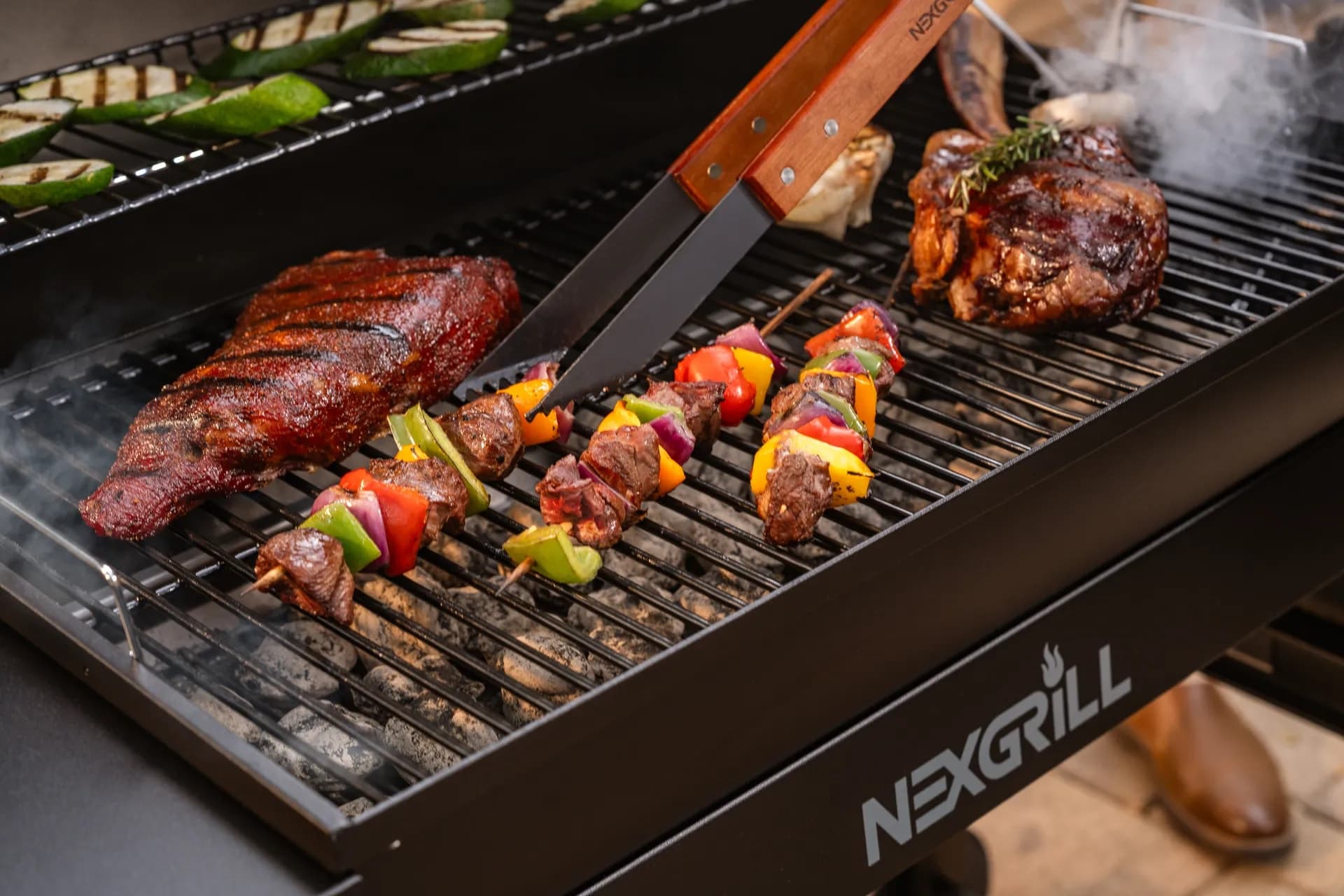
Mesquite is at its best with foods that can handle assertive smoke. Beef is the classic starting point because brisket, chuck roast, tri-tip, short ribs, and steaks all benefit from a stronger wood profile. The deeper, richer flavor of beef gives mesquite room to work, and the smoke helps reinforce the savory crust that pellet-grill cooks often want. For example, a thick-cut tri-tip gains a pronounced barbecue edge from mesquite while still staying juicy if you cook it to the right internal temperature and let it rest properly.
Pork can also work well, but the cut matters. Pork shoulder and pork ribs usually have enough fat and seasoning to stand up to mesquite, especially if you are cooking low and slow. Tenderloin or lean chops are more delicate, so mesquite should be used more lightly there, ideally with shorter exposure or a mixed pellet approach. Chicken is similar: dark meat can handle more smoke than white meat, and skin-on pieces do better than boneless breasts. If you are cooking a whole chicken, mesquite can add a strong roasted character, but a long cook with heavy smoke may turn bitter if you are not careful.
| Food | Mesquite Fit | Why It Works |
|---|---|---|
| Brisket | Excellent | Fat and bark formation carry bold smoke well. |
| Tri-tip | Excellent | Shorter cook time keeps mesquite flavorful, not overwhelming. |
| Pork shoulder | Very good | Fat and seasoning balance the stronger smoke. |
| Chicken thighs | Very good | Dark meat holds up better than breasts. |
| White fish | Limited | Delicate texture can be overpowered quickly. |
Mesquite also works nicely for vegetable-heavy plates when you want the grill flavor to be a central part of the dish. Think mushrooms, onions, peppers, corn, and even roasted potatoes. These ingredients can absorb smoke while still holding their texture. For mixed platters, mesquite is especially useful if the menu includes one or two smoked proteins and several roasted sides, because the shared wood profile ties the meal together.
If you want a simple rule, use mesquite for dishes where a strong wood note feels like an asset rather than a distraction. The more delicate the ingredient, the more careful you should be with the amount of smoke and the total cook time. That distinction will save you from the most common disappointment: expecting mesquite to act like a background seasoning when it really performs best as a leading flavor.
Comparison with Other Wood Pellets
Mesquite is often compared with hickory and oak because those are the pellets many grillers reach for most often. Hickory is also bold, but it usually reads as more familiar and bacon-like, with a slightly rounder smoke profile. Oak is milder and more versatile, often used as a steady base because it gives smoke flavor without pushing too hard in any direction. Mesquite sits above both in perceived intensity, which is why it is a better fit when the cook is supposed to taste distinctly smoky rather than simply grilled.
For beef, mesquite and oak can both be excellent, but they serve different goals. Oak is ideal when you want balance and repeatability, while mesquite is the choice when you want a stronger regional barbecue signature. Hickory lands in the middle for many people: stronger than oak, less sharp than mesquite, and especially effective on pork. If you are cooking for a mixed crowd, oak is often the safest crowd-pleaser. If you are cooking for people who actively love robust smoke, mesquite becomes much more attractive.
Info: Many pitmasters blend mesquite with oak or another milder pellet to soften the edge while keeping the distinctive smoke character.
A useful way to think about these pellets is by job, not by hierarchy. Oak is a foundation wood. Hickory is a flavorful generalist. Mesquite is a specialist. That does not make mesquite better or worse; it means it is most effective in the right recipe, with the right meat, and with the right cooking plan. If your goal is to create a smoky profile people will remember immediately, mesquite is the pellet that communicates that intent fastest.
For cooks deciding between them, the practical question is simple: do you want the smoke to support the dish or define the dish? If you want support, choose oak. If you want a strong but familiar smoke, choose hickory. If you want the cook to carry a bolder, more distinctive personality, mesquite is the natural fit. Try comparing two products side by side below to see which fits best:
When it comes to choosing the right appliance for your culinary adventures, you might want to know about buying and maintaining your pellet grill. These tips can impact your experience significantly.
One aspect to consider is the pricing of pellet grill cleaning, as this often reflects the quality of the grill.
Moreover, understanding how to maintain these grills is essential for longevity. Check out available guides on best pellet grill cleaning tips that can keep your appliance in top shape.
Lastly, tackling common issues such as performance could be addressed by looking into the perfect pellet grill with 30 lb hopper capacity.