Comprehensive Review of Pellet Grills with Cast Iron Grates
Explore the benefits, top models, and maintenance tips for pellet grills featuring cast iron grates.
In This Article
Enhanced Heat Retention
Top Model Comparisons
Maintenance Made Easy
Introduction to Pellet Grills and Cast Iron Grates
A pellet grill is often chosen for the same reason a cast iron skillet earns a permanent spot in the kitchen: it rewards patience with deeper flavor and more dependable heat. The pellet side of the equation brings steady temperature control through automated fuel delivery, while cast iron grates add a cooking surface that holds heat aggressively and transfers it back into the food. That combination matters most when you want a pellet grill to do more than smoke ribs. It becomes a searing tool, a weeknight dinner machine, and a backyard workhorse for steaks, chicken thighs, burgers, vegetables, and even seafood that benefits from a hard, responsive surface.
This review focuses on a specific buyer mindset: people who want the easy control of pellet cooking but do not want the softer browning you sometimes get from lighter-duty grate materials. Cast iron changes the feel of the grill. Instead of just warming food from below, it creates a hotter contact point at the grate itself, which can lead to stronger sear marks, better crust development, and a more satisfying finish on foods that need quick surface caramelization. That is why experienced pellet grill owners often talk about cast iron as a performance upgrade rather than a simple accessory.
Cast iron grates are most valuable when you cook foods that benefit from direct contact heat, especially steaks, burgers, pork chops, and vegetables that need browning.
The trade-off is equally important. Cast iron is heavier, more reactive to moisture, and less forgiving if you store it carelessly. That means the best pellet grill with cast iron grates is not just the one with the largest cooking area or highest pellet hopper capacity. It is the one that fits your routine, your willingness to maintain the grates, and your preferred balance of smoke flavor, searing power, and convenience. In practical terms, a buyer who grills twice a week and likes steakhouse-style crust should look at cast iron very differently from someone who mostly smokes brisket overnight.
Cast iron keeps more energy at the cooking surface, which helps food brown more quickly once it hits the grate.
There is also a reason this topic keeps coming up in brand and retailer discussions. Pellet grills have become a go-to option for people who want set-and-forget temperature control, but many owners still want the grill to deliver a more traditional live-fire feel. Cast iron grates help narrow that gap. They do not turn a pellet grill into a charcoal cooker, but they can make it feel more assertive and less passive, especially when the grill reaches higher finishing temperatures after a long smoke. That is one of the main reasons cast iron remains relevant even as stainless steel and porcelain-coated options continue to improve.
Nexgrill’s own brand voice is built around outdoor cooking as a shared, practical experience, and this review follows that spirit by focusing on how the equipment behaves in real homes rather than in theory. Around a pellet grill, families and friends want food that looks and tastes cooked with care. Cast iron can help deliver that result, but only if the grill is selected and used with its strengths in mind. If you care most about convenience, consistent smoke, and a better-than-average sear, the details below will help you decide whether cast iron grates belong on your shortlist.
Benefits of Cast Iron Grates Over Other Materials
The biggest advantage of cast iron over stainless steel or porcelain-coated grates is thermal mass. In plain language, cast iron stores heat better and releases it more intensely where the food touches the metal. That means a cold steak is less likely to cool the surface immediately, and the grill can recover contact heat faster after you open the lid. On a pellet grill, where the fire is already moderated by an auger and controller, that extra stored heat can be the difference between a pale exterior and a properly browned crust.
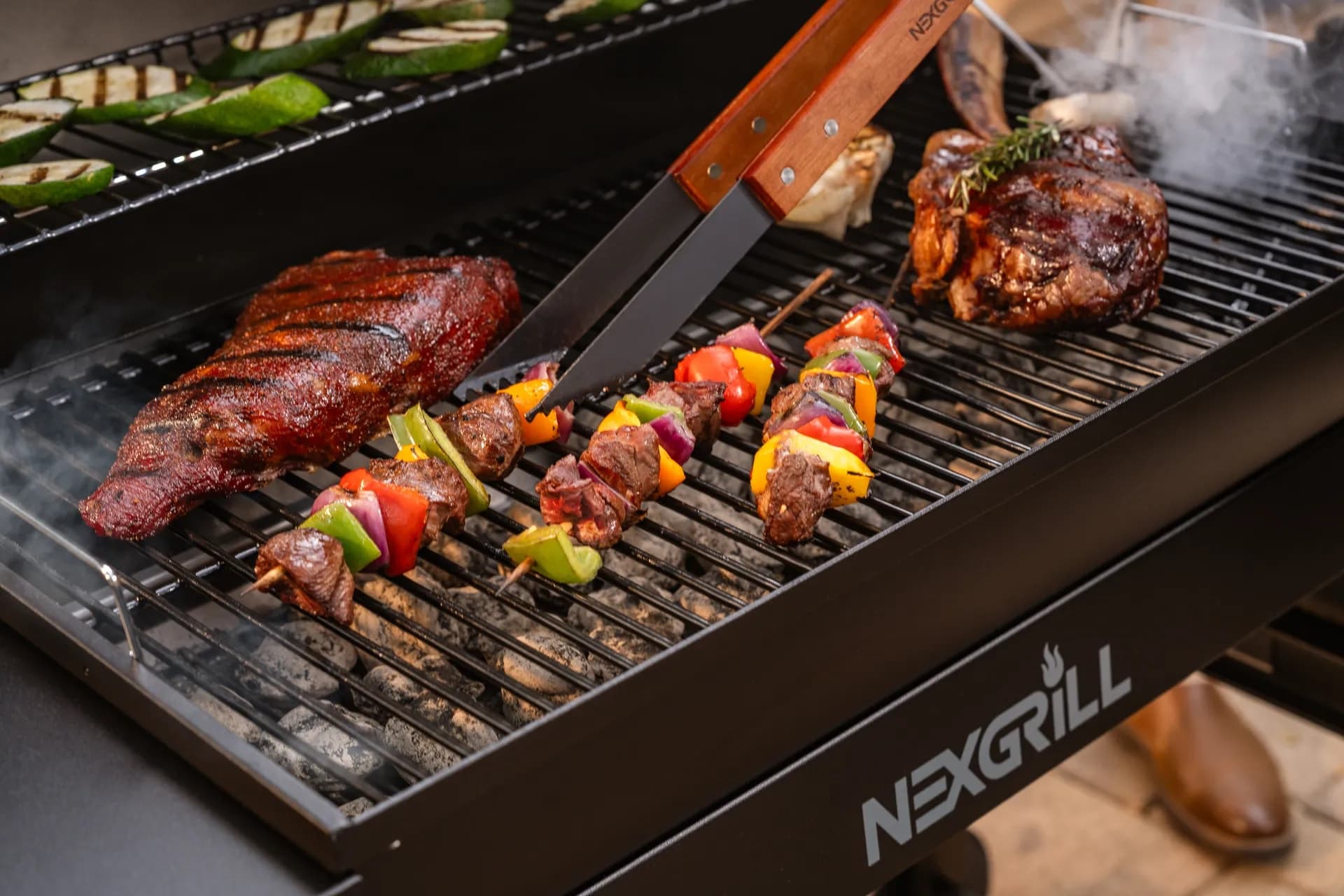
Heat retention is only part of the story. Cast iron also tends to give more dramatic sear marks and a fuller browned surface because it makes strong, even contact with the food. For home cooks, that matters on thin cuts and quick-cooking proteins where the window for surface browning is short. A salmon fillet, for example, can pick up better color before the flesh overcooks. Likewise, vegetables like zucchini, asparagus, and halved peppers can show more pronounced grill lines and better caramelization.
| Grate material | Heat retention | Searing feel | Care level |
|---|---|---|---|
| Cast iron | High | Strong, aggressive contact browning | Higher, because it can rust if neglected |
| Stainless steel | Moderate | Cleaner release, slightly less crust | Lower, easier to live with day to day |
| Porcelain-coated | Moderate to good | Even but often less intense than bare cast iron | Moderate, coating must be protected |
Another practical advantage is the way cast iron can improve versatility. Pellet grills are often praised for smoke, but cast iron helps with hybrid cooking: low and slow one day, hot and fast the next. If a grill’s temperature range is broad enough, you can smoke chicken at lower settings and then finish it on a blazing grate. That versatility is part of why cast iron grates show up in many enthusiast discussions around brands like Traeger, Camp Chef, and Pit Boss. Each brand approaches pellet-grill construction differently, but users repeatedly return to cast iron when they want the grill to handle the final sear with more authority.
Cast iron is less forgiving than stainless steel: if you skip drying and oiling, surface rust can show up quickly in humid or coastal climates.
There is also a flavor-related benefit, though it is often overstated. Cast iron does not magically create smoke flavor on its own, but it can improve the eating experience by encouraging better browning and a more pronounced Maillard reaction. That richer exterior can make a pellet-grilled ribeye taste more complete because the crust, fat rendering, and smoke note all arrive together. In user reviews, this is usually described in simple terms: “better crust,” “steakhouse finish,” or “food comes off looking more cooked.” Those observations are practical, and they matter because pellet grills sometimes get criticized for being easy but not always bold enough in the finishing stage.
The downside is equally real. Cast iron is heavier, can chip if abused, and asks for a little discipline after each cook. If you are the type to close the lid, walk away, and not think about the grill until next weekend, stainless steel may be the easier fit. But if your priority is surface heat and a more confident sear, cast iron earns its place. For many buyers, the decision comes down to whether they want the grill to act more like a smoker or more like a live-fire cooking platform with smoke built in.
Top Pellet Grills Featuring Cast Iron Grates
When shoppers compare pellet grills with cast iron grates, the conversation usually centers on three names: Traeger, Camp Chef, and Pit Boss. These brands are not identical, and the differences matter. Traeger often appeals to buyers who want a polished user experience and broad accessory support. Camp Chef is frequently praised for practicality and searing flexibility. Pit Boss tends to attract value-conscious shoppers who still want size and feature depth. The best choice depends on what you expect cast iron to do for you once the pellets are burning.
| Brand | Typical buyer fit | Why cast iron matters here | Best use case |
|---|---|---|---|
| Traeger | User who values polished controls and a familiar pellet ecosystem | Helps boost searing credibility after smoke cooking | Weekend cooking, family meals, consistent backyard use |
| Camp Chef | Cook who wants flexibility and strong finishing power | Pairs well with high-heat add-ons and direct-sear style cooking | Steaks, mixed menus, more hands-on grilling |
| Pit Boss | Buyer looking for larger capacity and stronger value | Adds needed surface heat to a spacious pellet setup | Large batches, tailgates, budget-conscious backyard cooks |
Traeger models are often discussed as dependable all-rounders, and users who add cast iron grates usually do so because they want the grill to finish proteins more convincingly after a low-and-slow session. Real-world feedback commonly points to better grill marks and less “just smoked” appearance on burgers and steaks. Camp Chef gets praised a little differently: owners tend to like how the brand supports more direct grilling behavior, so cast iron feels like part of a broader searing strategy rather than an isolated upgrade. Pit Boss, meanwhile, often shows up in reviews from buyers who want a lot of cooking space without moving into premium pricing. In that setting, cast iron helps compensate for the fact that large pellet grills can sometimes lose some punch at the grate level if the material is too thin or too mild.
If your menu often includes steak, smash-style burgers, or vegetables that need visible char, prioritize cast iron over extra accessory features you may not use.
A useful way to evaluate top models is to ask how the grill behaves at the end of the cook, not just during the smoke. Can it recover heat after the lid opens? Does the grate leave a confident finish on a pork chop? Is the surface large enough to work in batches without overcrowding? If the answer is yes, cast iron is doing its job. If not, the grill may still smoke well but feel less satisfying when it is time to serve dinner. That distinction is why cast iron grates matter more to frequent grillers than to occasional pellet users.
For buyers comparing actual purchase options, the smartest path is to think in scenarios. Traeger fits the cook who wants a familiar, reliable pellet experience and a better sear than standard grates provide. Camp Chef fits the person who likes experimenting with finish temperatures and direct cooking tactics. Pit Boss is often the practical pick for households that need room, want cost control, and still care about surface heat. In all three cases, cast iron upgrades the final result in a way that most users can taste immediately, even if they do not talk about metallurgy. Try comparing two products side by side below to see which fits best:
Maintenance Tips for Cast Iron Grates
Once you've compared two pellet grills side by side, the next question is whether you are willing to care for cast iron properly. That part matters because the same features that make cast iron so effective at the grate can also make it vulnerable if ignored. The good news is that maintenance is not complicated. It is mostly about keeping moisture away, building a thin protective seasoning layer, and avoiding the kind of scrubbing that strips away the surface you worked to preserve. If you already own a pellet grill with cast iron grates, the routine can become second nature after a few cooks.
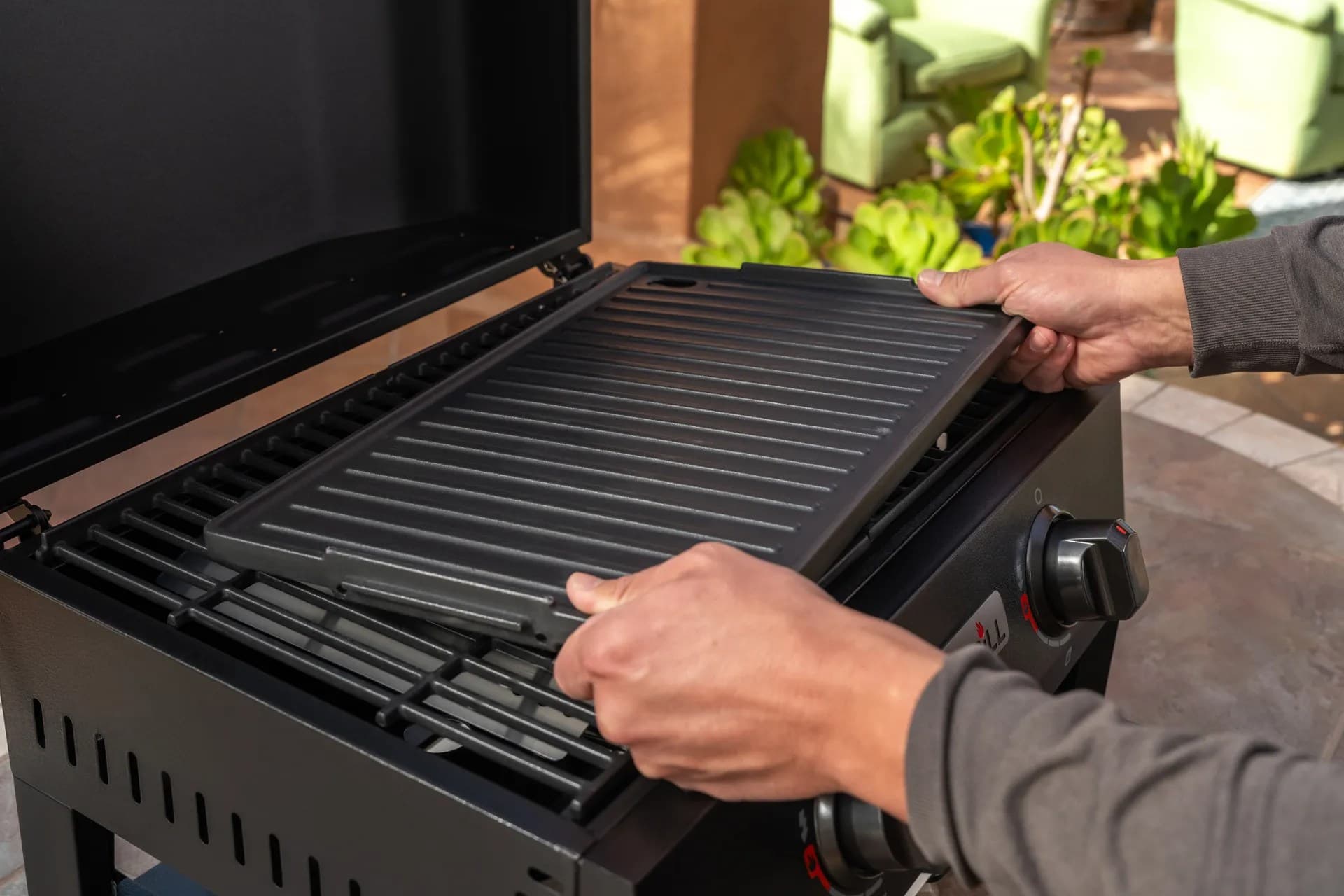
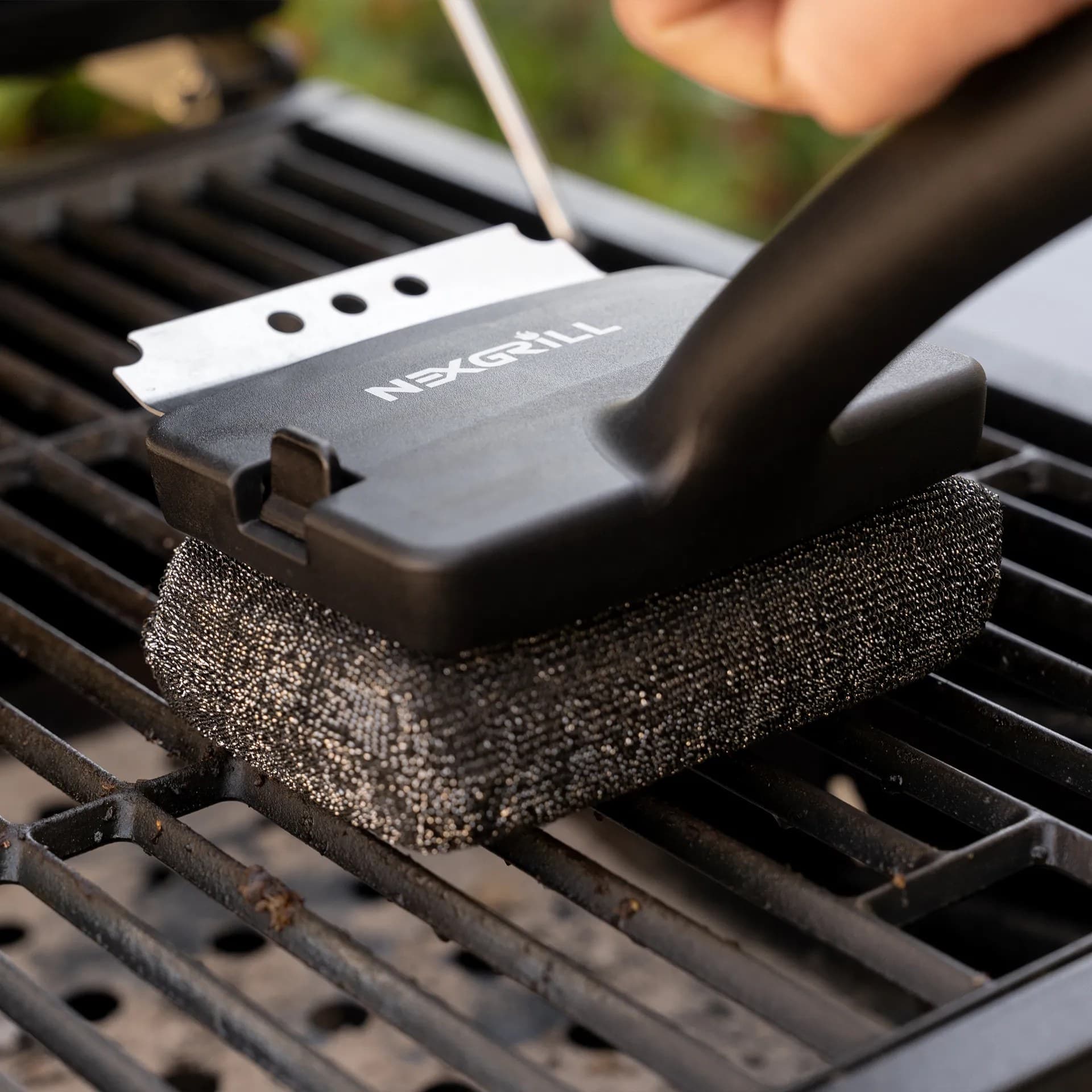
Start with cleaning while the grates are still warm, not blazing hot. A grill brush or scraper is usually enough to remove stuck-on food before it hardens. After the heavy residue is off, wipe the surface dry. Then apply a very light coat of neutral oil if the manufacturer recommends seasoning. The goal is not to soak the grate. It is to leave a thin film that helps protect against rust and supports that slick, seasoned surface cast iron is known for. In humid U.S. regions, especially where grills sit outdoors for long stretches, skipping this step can shorten the life of the grate surface surprisingly fast.
Keep cast iron dry after every cook. If you wash it, dry it completely before storing or covering the grill.
There is also a difference between cleaning and over-cleaning. Cast iron does not want harsh detergents every time you grill, because aggressive soap and abrasive pads can remove seasoning. The better approach is a gentle routine: heat, scrape, wipe, dry, and oil when needed. If you notice flaky residue or dull patches, that is usually a sign the seasoning has been interrupted, not that the grate is ruined. You can often recover it with a controlled re-seasoning process over several cooks. For many owners, that is the hidden advantage of cast iron: it can improve with use, as long as you respect the material.
| Maintenance task | How often | Why it matters |
|---|---|---|
| Brush off food debris | After most cooks | Prevents buildup that can trap moisture and flavor remnants |
| Dry completely | Every time the grate gets wet | Helps prevent rust |
| Apply a thin oil coat | As needed or after deep cleaning | Supports seasoning and moisture resistance |
| Inspect for chips or rust | Monthly during active use | Lets you fix minor issues before they spread |
Storage is another major factor. A grill cover helps, but only if the grate is already dry and cool before you close up the unit. Trapped humidity is the enemy. In coastal or rainy climates, some users go one step further and store removable cast iron grates indoors during long off-seasons. That may sound excessive, but it is a practical move if you want the seasoning to last and rust to stay minimal. If your pellet grill lives on an uncovered patio, pay even closer attention to the finish after each cook.
Never leave wet cast iron inside a closed grill for long periods. Condensation can undo your seasoning and create rust spots overnight.
Deep cleaning should be reserved for when buildup becomes visible or the grate starts to feel sticky rather than seasoned. In that case, strip off the residue carefully, dry the grate thoroughly, and rebuild a thin protective layer. Think of it as reset maintenance rather than punishment. The payoff is immediate: better release, fewer stuck foods, and more consistent browning. This is especially noticeable on pellet grills because the rest of the system is already doing its job quietly; a clean, seasoned grate makes the surface performance match the controller’s precision.
User Experiences and Testimonials
User feedback is where the value of cast iron becomes easiest to understand. Across enthusiast discussions and retailer reviews, a common pattern appears: people who switch from standard grates to cast iron often notice the improvement on day one, but they also learn that the grate asks for more attention. The praise usually centers on better searing, stronger grill marks, and a more “finished” look on food. The criticism usually centers on rust risk, cleaning effort, and weight. That mix of reactions is useful because it reflects the true ownership experience rather than a marketing claim.
One recurring testimonial from pellet grill owners is that cast iron makes the grill feel more capable during steak night. That does not mean every steak becomes perfect by default, but it does mean the food is more likely to arrive with a crust that looks and tastes intentional. Camp Chef users often mention that cast iron helps them take advantage of higher-temperature cooking modes or accessories. Traeger owners frequently note that the upgrade improves the final result without changing the easy pellet workflow they already like. Pit Boss owners, especially those who cook for larger groups, often appreciate that cast iron gives them more confidence when they need to cook in batches and still keep a strong finish.
It is also worth paying attention to how people describe convenience. A number of users say they did not buy cast iron because they wanted extra maintenance; they bought it because they wanted the grill to produce a more satisfying sear without buying a separate grill or griddle. That is an important distinction. Cast iron becomes attractive when it solves a specific real-world problem: the pellet grill smokes beautifully but leaves the exterior softer than desired. Once cast iron is in the mix, the owner can smoke a roast, finish chicken skin, or pull a better crust on vegetables without changing equipment.
The most persuasive user reviews are not the loudest ones; they are the ones that describe one clear improvement, such as better crust, quicker recovery, or more reliable browning.
There are also cautionary testimonials worth respecting. Some buyers report that they loved the cooking results but were surprised by how quickly cast iron can look neglected if stored outdoors with residue on it. Others found that they were better off with stainless steel because they cook more often in damp weather or they prefer a wipe-and-go cleaning routine. Those experiences do not disqualify cast iron. They simply clarify the buyer profile. If you enjoy the ritual of seasoning a skillet and you notice the difference between a pale sear and a proper crust, cast iron will likely feel rewarding. If you want zero fuss, it may feel like one more job.
Taken together, the user stories point to a simple conclusion: cast iron grates matter most to people who actually use the grill for a wide range of cooking styles. Casual smoke-only owners may not notice the difference enough to justify the upkeep. But cooks who move back and forth between brisket, salmon, vegetables, and steak tend to get the most out of the material. Their reviews usually read the same way: better browning, better control, and a cooking surface that makes a pellet grill feel more complete.
Conclusion and Final Recommendations
A pellet grill with cast iron grates is a smart choice when you want smoke convenience and stronger finishing power in the same setup. Cast iron does not replace the controller, the auger, or the smoke profile that make pellet grilling appealing. What it does is improve the last and most visible part of the cooking experience: the moment when food hits the grate and starts to develop character. If that is the part of grilling you care about most, cast iron is worth serious attention.
For buyers comparing Traeger, Camp Chef, and Pit Boss, the decision should be based on lifestyle as much as brand reputation. Traeger is a strong fit for someone who wants a polished, familiar pellet experience with a better sear than standard grates offer. Camp Chef is the best bet for the cook who wants flexibility and likes to push the grill toward more direct, high-heat finishing. Pit Boss is often the practical value pick for larger households or shoppers who want more cooking area and still care about surface browning. None of these brands wins every category, but all three can benefit meaningfully from cast iron when the cook knows how to use it.
If you are still deciding, ask yourself three questions before buying: Do I want stronger searing and browning? Am I willing to maintain cast iron properly? And do I cook enough varied foods to justify the trade-off? If the answer is yes, the upgrade makes sense. If your priority is simple cleanup and minimal upkeep, stainless steel may fit better even if it gives up some heat retention. In other words, the best choice is not the most expensive one; it is the one that matches the way you actually cook.
The right pellet grill should make your food better and your routine easier. Cast iron is ideal when “better” matters more than “lowest effort.”
For more outdoor cooking ideas, product context, and brand information, you can explore Nexgrill’s resources at Nexgrill, About Us, and All Products.