Essential Pellet Grill Maintenance Tips
Maximize your grill's performance with expert maintenance insights.
In This Article
Routine Cleaning
Advanced Tips
Common Issues
Understanding the Basics of Pellet Grill Maintenance
Pellet grills are a favorite among outdoor cooking enthusiasts, offering a unique blend of the flavor of wood smoking and the convenience of modern technology. To ensure your pellet grill operates efficiently and lasts for years, regular maintenance is crucial. Understanding the basic components and how they interact is the first step toward effective maintenance.
A pellet grill consists of several key parts: the hopper, auger, fire pot, and heat diffuser. Each component plays a critical role in maintaining even temperature and smoke distribution. Regular cleaning and inspection of these parts are essential. Start by emptying the ash from the fire pot after every few uses to prevent buildup that can obstruct airflow.
Tip: For optimal performance, clean the burn pot after every 20 hours of use.
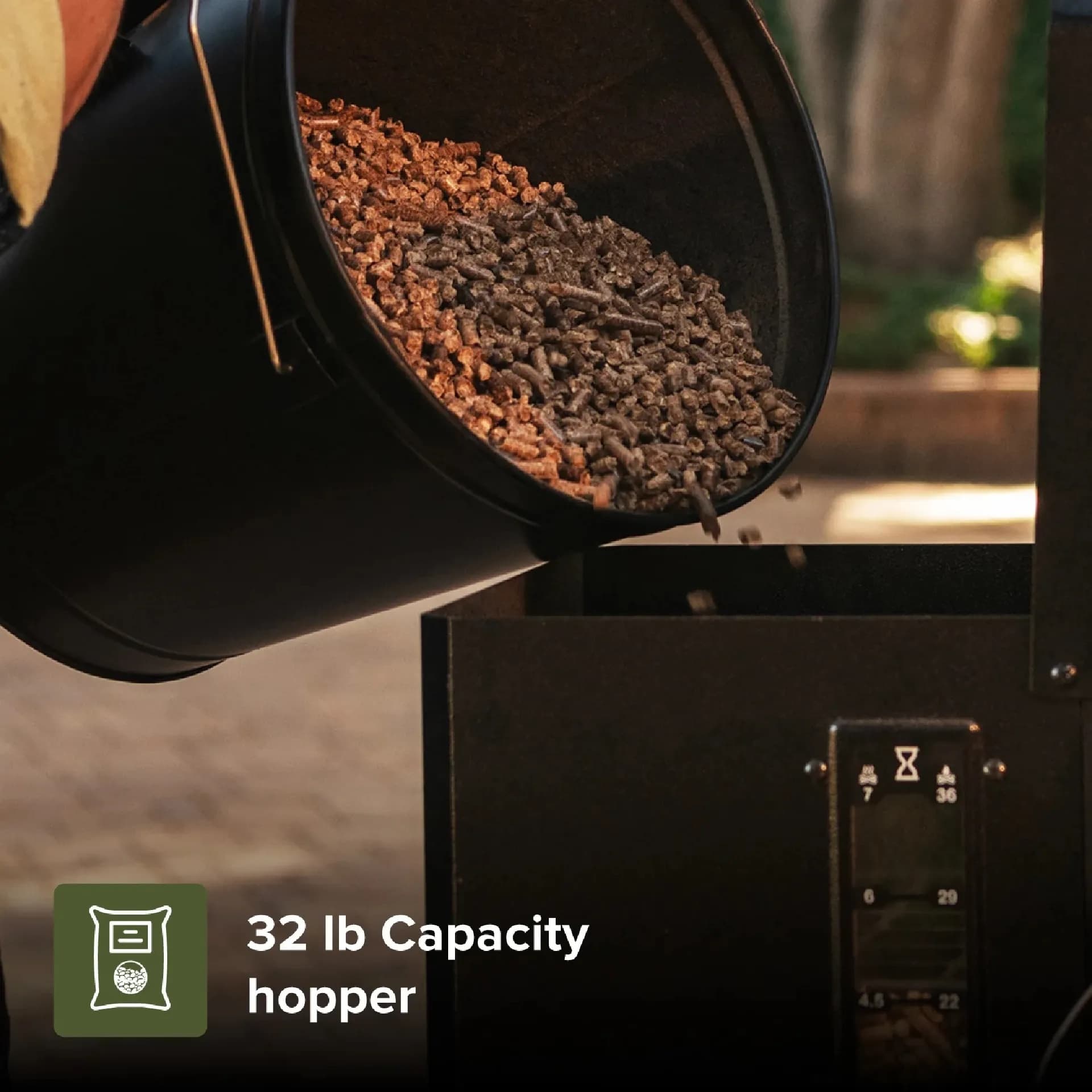
The hopper, where pellets are stored before being fed into the auger, should remain dry to prevent jams. A moisture-laden pellet can swell and cause the auger to clog, disrupting the grill's function. Ensuring that the hopper is dry and the pellets are fresh is a simple yet effective maintenance practice.
Cleaning and Maintenance Schedule
Developing a cleaning schedule tailored to your grill's usage frequency is vital. A comprehensive maintenance routine can be broken down into daily, weekly, and monthly tasks. Daily tasks include quick checks before and after use, ensuring all components are functioning correctly.
- Inspect the hopper for moisture.
- Check the fire pot for ash buildup.
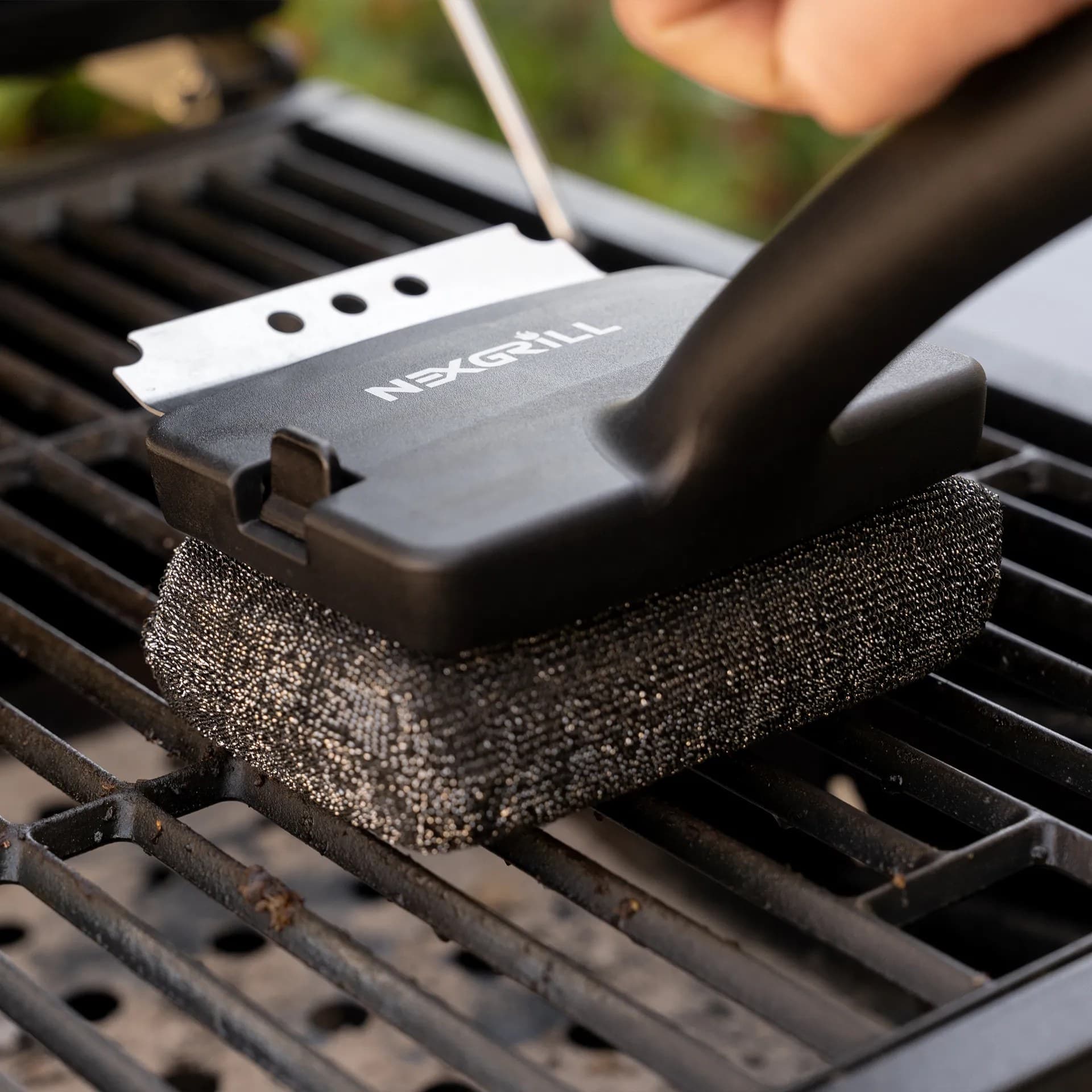
- Examine the grill grates for residue.
Weekly Maintenance
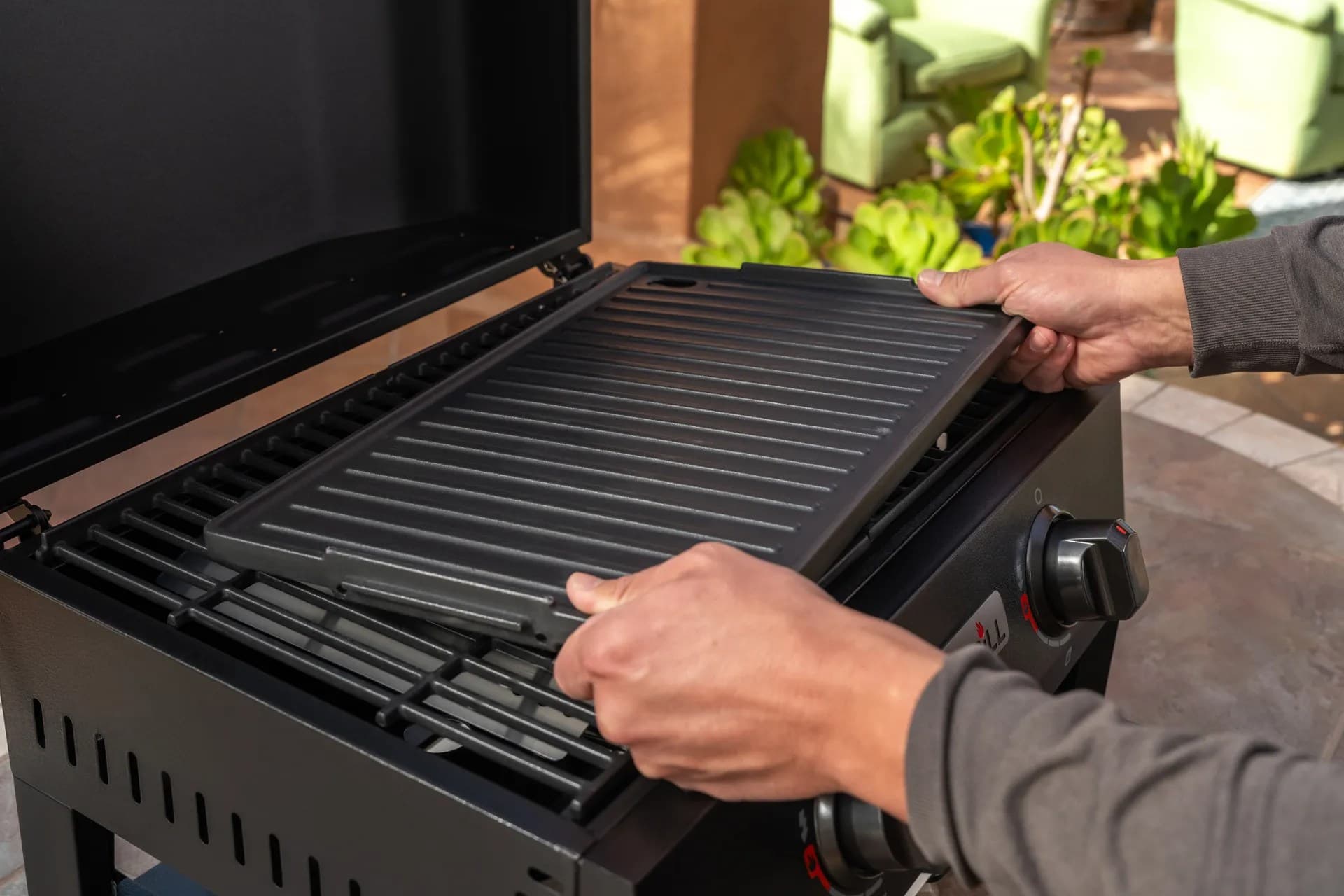
Every week, it's essential to perform a more thorough cleaning. This involves removing the grates and heat diffuser to access the insides of the grill. Use a shop vacuum to clean out any ash or loose debris, ensuring that there are no blockages causing uneven airflow.
Monthly Deep Clean
A monthly deep clean includes all weekly tasks plus a detailed inspection of electrical components and wiring. Check for signs of wear or damage, particularly around the igniter and auger motor. Lubricate moving parts to prevent corrosion and ensure smooth operation.
| Maintenance Task | Frequency | Description |
|---|---|---|
| Empty Ash | Every 20 hours | Prevents airflow blockage and maintains temperature control. |
| Check Hopper | Before each use | Ensure pellets are dry and free from moisture. |
| Inspect Components | Monthly | Check for damage and lubricate moving parts. |
Advanced Maintenance Tips for Pellet Grills
Beyond basic maintenance, there are advanced steps you can take to ensure your pellet grill remains in top condition. Regular software updates for grills with digital controllers can improve performance and provide new features. Check the manufacturer's website for the latest firmware updates to enhance your grilling experience.
Another crucial aspect is the calibration of temperature sensors. Over time, sensors may drift, leading to inaccurate temperature readings. Testing and recalibrating these sensors ensures that your grill maintains consistent cooking temperatures, which is vital for achieving the best results.
Tip: Use an external thermometer to verify grill temperature accuracy.
Protecting Your Grill from the Elements
Outdoor grills are exposed to various weather conditions, which can accelerate wear and tear. Investing in a high-quality grill cover is a simple yet effective way to protect your investment. A durable cover shields the grill from rain, snow, and UV rays, reducing the risk of rust and damage.
For those in humid climates, applying a protective coating to metal parts can help prevent corrosion. Products designed specifically for grills offer a barrier against moisture, extending the life of your grill. Additionally, storing your grill in a sheltered area during extreme weather conditions can prevent potential damage.
Troubleshooting Common Pellet Grill Issues
Even with regular maintenance, issues can arise. Common problems include temperature fluctuations, pellet jams, and ignition failures. Identifying the root cause quickly can prevent prolonged downtime and potential damage.
- Check for blockages in the auger if pellets are not feeding properly.
- Ensure the igniter is clean and functioning correctly if the grill fails to start.
- Inspect the fan and motor for any obstructions or wear if temperature is inconsistent.
| Issue | Possible Cause | Solution |
|---|---|---|
| Pellet Jam | Moisture or debris in the auger | Clear the auger and ensure pellets are dry. |
| Ignition Failure | Dirty or damaged igniter | Clean or replace the igniter. |
| Temperature Fluctuation | Blocked airflow or sensor issues | Check fan, sensors, and ensure proper ventilation. |
Sources
- Traeger Grill Care (utm_source=straider&utm_medium=referral&utm_campaign=prebo-digital)