Explore the benefits, pricing, and top models of tall patio heaters.

Here's what sets us apart from the competition
We position ourselves as delivering high-end outdoor cooking features and performance without premium-brand pricing, emphasizing “Quality Grills. Unbelievable Value.”
We offer gas grills, pellet grills, griddles, smokers, pizza ovens, portable/tabletop grills, electric grills, accessories, and replacement parts — allowing customers to stay within one ecosystem for all outdoor cooking needs.
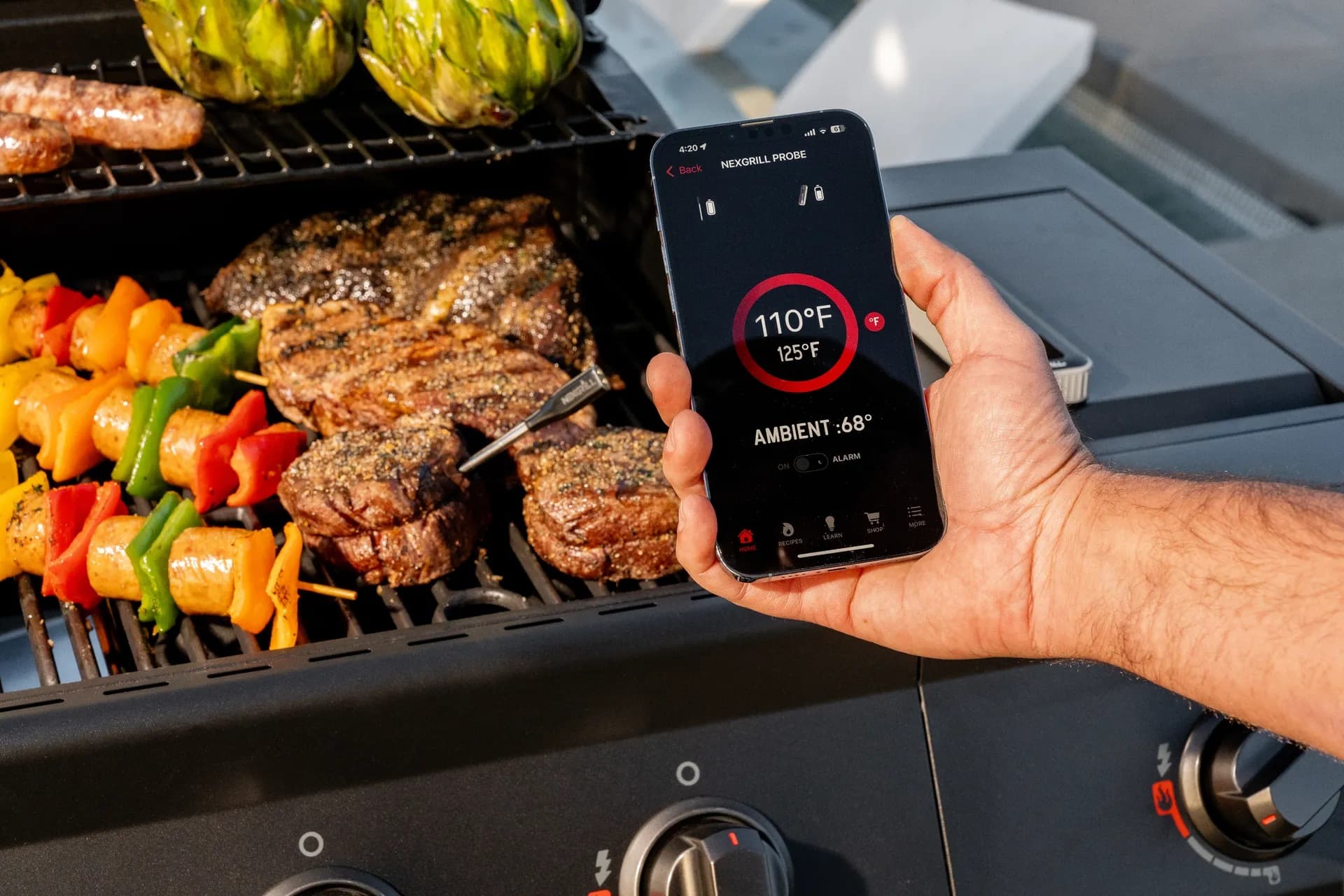
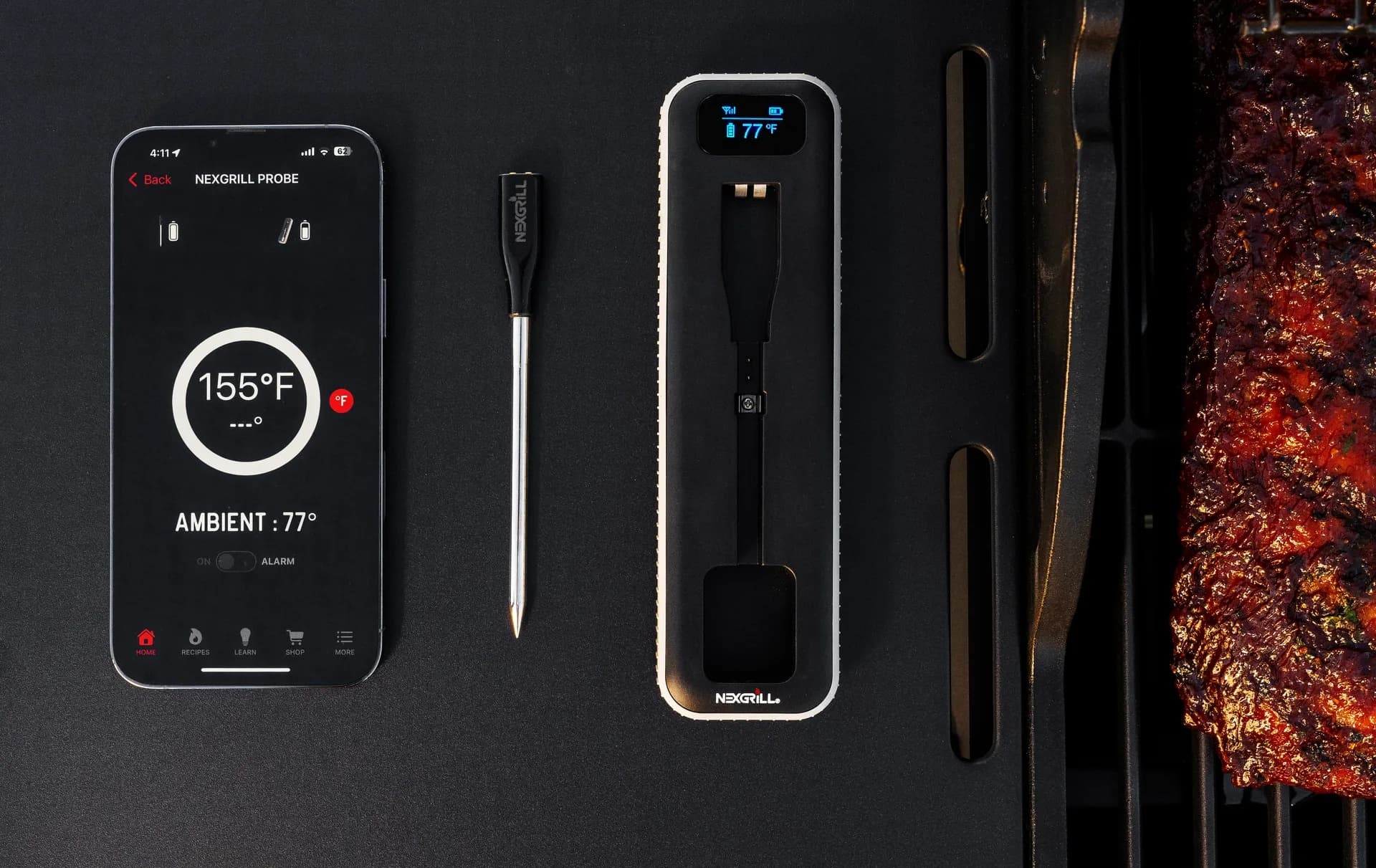
We differentiate ourselves through smart grilling products like the Oakford smart pellet grill, including app-connected cooking controls and modern outdoor cooking technology.

Expert tips, buying guides, comparisons, and inspiration for choosing and getting the most out of your grill.

Practical guides for cleaning, maintenance, common grill issues, and performance optimization.

Step-by-step grilling recipes, cooking techniques, and meal ideas for every occasion and skill level.

Backyard entertaining ideas, seasonal grilling inspiration, and stories that celebrate outdoor cooking culture.

Helpful articles covering grilling tools, cookware, maintenance gear, and must-have accessories for outdoor cooking.

Find griddle recipes, cooking techniques, cleaning tips, and outdoor meal ideas designed for Nexgrill griddles.
Find answers to common questions
Nexgrill offers a variety of accessories including grill tools, covers, cooking utensils, and replacement parts designed to enhance your grilling experience.
Many Nexgrill accessories are widely compatible with various grill brands, but it is recommended to check the specifications for proper fit and functionality.
To maintain your Nexgrill accessories, regularly clean them with warm soapy water, avoid using abrasive materials that could scratch the surface, and store them in a dry place when not in use.
Yes, Nexgrill accessories can be purchased separately from the grills, allowing customers to customize their grilling setup as needed.
Instructions for using Nexgrill accessories are typically included in the packaging, and additional resources can be found on the Nexgrill website or in the product user manuals.
In This Article
Types of Patio Heaters
Price Ranges
Maintenance Tips
If you are shopping for a patio heater with a 92-inch height price, you are probably looking for more than a basic outdoor heater. Taller patio heaters are often chosen for their wider radiant reach, their ability to sit above table height, and their stronger visual presence on larger decks, restaurant patios, and backyard entertaining areas. In practical terms, that extra height can help the heater disperse warmth more comfortably across a standing or seated group, especially when people are spread out around a conversation area rather than packed tightly around one table.
The trade-off is that tall heaters usually ask more from the buyer. They may cost more than compact models, require more careful placement, and need extra attention to stability, wind exposure, and clearance. That is why price is only one piece of the decision. The better question is whether the heater’s height, fuel type, heat output, and build quality match the space you actually have. For many U.S. shoppers, the best value comes from a model that feels sturdy, heats the right footprint, and is easy to live with through a full season of use.
A 92-inch patio heater is typically chosen for coverage and comfort, not just appearance. The extra height can help lift the heat source above seated guests and reduce the feeling of direct heat blast at close range.
In this guide, we focus on what makes taller patio heaters different, how fuel choices affect everyday use, and where price tends to land in the U.S. market. We also compare the kinds of features buyers actually notice after purchase: ignition style, material finish, mobility, reflector design, and whether the heater feels stable enough for real-world outdoor use. That kind of comparison matters because a patio heater is rarely used in perfect conditions. It is used on cool evenings, in uneven breezes, after the sun goes down, and often in spaces that are already crowded with furniture and guests.
For homeowners, the right tall heater can extend the usefulness of a patio without forcing a full outdoor remodel. For restaurant and hospitality settings, height can matter even more because overhead visibility, guest comfort, and floor-space efficiency all affect the experience. The result is a category where a few inches of height can change the feel of the whole setup, but only if the heater is built and placed well.
When people compare 92-inch patio heater price points, they are usually comparing three very different heating approaches: gas, electric, and infrared. The fuel type is one of the biggest drivers of both cost and daily convenience, and it also changes how the heat feels once you are outside. A tall heater can be impressive on paper, but if the fuel format does not fit your space, you will not get the value you expect.
| Type | Typical use | Main advantage | Main drawback |
|---|---|---|---|
| Gas | Backyards, decks, larger open patios | Strong output and portability | Uses propane and needs more clearance |
| Electric | Covered patios, smaller zones, utility-conscious spaces | Simple operation and no fuel tank | Requires outlet access and often heats a smaller area |
| Infrared | Targeted seating areas, wind-prone spaces | Direct warmth with less wasted heat | Can feel more directional than ambient |
Gas models are the most familiar tall patio heaters for a reason. They are easy to place where you need them, do not depend on an electrical outlet, and often provide the kind of broad outdoor warmth people expect from a freestanding heater. In a 92-inch design, the burner sits high enough to spread heat over a wider circle, which can make the area feel less cramped than with a shorter unit. That is especially useful if guests are seated around low lounge furniture or moving between a dining table and a conversation area.
Tall gas heaters usually need more careful placement in breezier spaces. The height improves reach, but it also makes the unit more sensitive to tipping, sway, and interrupted flame performance if the base is not properly weighted.
Electric patio heaters are easier to operate and often easier to maintain because they do not involve propane cylinders or burner cleanup. They are a strong fit for covered patios, screened porches, and places where a plug-in solution makes more sense than a freestanding fuel tank. In a 92-inch class, however, electric heaters are less common as open-air centerpieces and more common as mounted or semi-fixed solutions. Buyers who want a simple on-off experience often like electric heaters, but they should compare coverage carefully because a taller body does not automatically mean a larger heating footprint.
Infrared patio heaters work differently from traditional convection-style heaters. Instead of warming the air first, they send energy toward people and objects in the line of heat. That makes them appealing for patios where you want fast-feeling warmth in a specific seating zone. A 92-inch infrared heater can be valuable in a commercial setting because it keeps the heat source above guest height while focusing warmth where people are actually sitting or standing. The price may be higher than a basic portable unit, but the comfort experience can justify the difference when the heater is used often.
The best way to compare a patio heater with 92-inch height price is to look beyond the sticker price and focus on what each model is built to do. Some heaters are priced for simple backyard use, while others charge more for better finishes, better reflectors, stronger mobility, or commercial-grade construction. Since brands vary by retailer and region, the most useful comparison is based on the features buyers are likely to see when shopping at Home Depot, Lowe’s, or Amazon in the United States.
| Model type | Approx. U.S. price range | Typical heat output | Best fit |
|---|---|---|---|
| Basic propane freestanding heater | USD 120 to USD 200 | About 40,000 to 46,000 BTU | Budget-conscious backyard use |
| Mid-range tall heater with improved finish | USD 200 to USD 350 | About 40,000 to 48,000 BTU | Frequent family gatherings |
| Commercial-style or infrared tall heater | USD 350 to USD 700+ | Varies by design and fuel | Restaurants, hospitality, premium patios |
In the lower end of the market, many 92-inch heaters are aimed at buyers who want a straightforward propane unit that starts reliably and keeps the seating area comfortable for a few hours at a time. These models may use a standard reflector hood, simple push-button ignition, and a basic wheeled base. The value is in accessibility rather than premium construction. For a homeowner who only uses the heater on cool spring or fall evenings, that may be enough.
At mid-range pricing, buyers usually start seeing better powder-coated finishes, heavier bases, smoother ignition systems, and in some cases better mobility or more refined styling. This is where height can start to feel like a real design choice instead of just a physical measurement. The heater becomes part of the patio layout, not just equipment sitting in the corner.
Premium models may not always promise dramatically more heat, but they can deliver better durability, better weather resistance, and a more polished appearance. In user feedback, the most common praise for higher-end tall heaters is not that they heat magically more area, but that they feel sturdier, are easier to position, and hold up better through repeated use. That matters if you are comparing brands and wondering whether a higher price is justified. Often the answer is yes when the heater will live outdoors for long stretches or be moved around frequently.
If two heaters list similar BTU output, compare the base size, reflector diameter, and material finish before choosing. Those details often explain why one unit feels more effective in real life.
Try comparing two products side by side below to see which fits best:
Once you've compared two tall patio heaters side by side, user reviews become one of the best ways to separate marketing claims from everyday performance. For a 92-inch patio heater, people tend to comment on the same practical details over and over: whether the heater feels steady in a light breeze, whether the ignition works consistently, whether assembly instructions make sense, and whether the warmth actually reaches the seating area they expected. Those patterns are more useful than a simple star count because they show how the heater behaves after the box is opened and the patio is in real use.
Across large U.S. retailers such as Home Depot, Lowe’s, and Amazon, reviews for tall patio heaters often split into three themes. First, buyers like the elevated look and the fact that the heat source sits above table height. Second, they appreciate heaters that are easy to roll into position and easy to store when the season changes. Third, they are disappointed when a tall design feels unstable or when the heater warms only a tight circle directly beneath it. That last complaint is common when expectations are based on BTU ratings alone instead of on the actual geometry of the patio.
A helpful review signal is consistency: if multiple buyers mention dependable ignition, solid wheels, and stable performance in light wind, that usually matters more than one dramatic five-star or one-star opinion.
Brand differentiation also shows up clearly in reviews. Some budget-focused heaters earn praise for value and fast setup but receive lower marks for finish quality or long-term wear. More premium units are often rated better for sturdiness and appearance, even when the heat output is similar. In other words, the price difference frequently reflects the ownership experience as much as the heat itself. Buyers comparing brands should look for mentions of rust resistance, reflector quality, and how well the unit holds up after repeated seasonal use, because those are the details that influence satisfaction over time.
Installing a tall patio heater correctly matters more than many buyers expect. A 92-inch model has more leverage in the wind, a higher center of visual attention, and a stronger need for open clearance than a shorter tabletop or compact heater. Before assembly, read the manufacturer’s instructions fully and confirm that all hardware is included. Most freestanding propane heaters are assembled from a base, support pole, burner assembly, and reflector top, and the work is easier if you do not rush the alignment of each section.
| Safety check | Why it matters |
|---|---|
| Stable, level surface | Reduces tipping risk for a tall unit |
| Adequate overhead clearance | Helps prevent heat damage to awnings, ceilings, and eaves |
| Propane connection check | Supports safe ignition and leak prevention |
| Wind-aware placement | Helps the flame and structure stay stable |
One of the most common mistakes with tall patio heaters is treating them like decorative furniture instead of active heating appliances. A heater should never be placed where people will brush against it in a crowded walkway, and it should not be positioned too close to umbrellas, low roofs, or hanging lights. In a typical U.S. backyard, the safest and most comfortable placement is often near the edge of a seating zone, angled to provide warmth across the group rather than directly into one person’s lap or face.
Do not assume a taller heater can sit closer to a covered structure just because the burner is higher off the ground. Clearance rules still matter, and wind can push heat in unexpected ways.
Maintenance is simple but important. For propane heaters, inspect the hose, regulator, and tank connection periodically, and keep dust or debris from collecting around the burner area. For electric and infrared units, make sure the housing stays clean and dry, and check cords or mounting points if the model is fixed in place. When the season ends, cover the heater or store it in a sheltered area if the manufacturer allows it. That helps protect the finish and reduces wear from moisture and UV exposure. If you want a longer season of dependable use, the maintenance routine is not complicated, but it should be consistent.
A patio heater with a 92-inch height price is really a decision about comfort, coverage, and how the heater fits your outdoor space. Taller models can feel more natural around seating areas, offer better reach above tables and chairs, and create a more polished patio layout. They also come with trade-offs: more exposure to wind, a greater need for stable placement, and a price that rises with better materials and better construction. For many U.S. shoppers, the best buy is not the cheapest heater, but the one that balances heat output, finish quality, and real-world stability.
If you are comparing options now, focus on how the heater will actually be used. A homeowner with a small patio may be happiest with a basic propane model. A frequent entertainer may prefer a sturdier mid-range heater with a broader reflector and easier mobility. A buyer furnishing a restaurant patio or larger gathering area may find that a premium or infrared style is worth the higher price because it feels better, lasts longer, and works more predictably across busy evenings. In that sense, the right 92-inch patio heater is the one that makes your outdoor space usable more often, with less fuss and more comfort.
Here's what sets us apart
We position ourselves as delivering high-end outdoor cooking features and performance without premium-brand pricing, emphasizing “Quality Grills. Unbelievable Value.”
We offer gas grills, pellet grills, griddles, smokers, pizza ovens, portable/tabletop grills, electric grills, accessories, and replacement parts — allowing customers to stay within one ecosystem for all outdoor cooking needs.
We differentiate ourselves through smart grilling products like the Oakford smart pellet grill, including app-connected cooking controls and modern outdoor cooking technology.
Don't just take our word for it
Keep reading
From our catalog