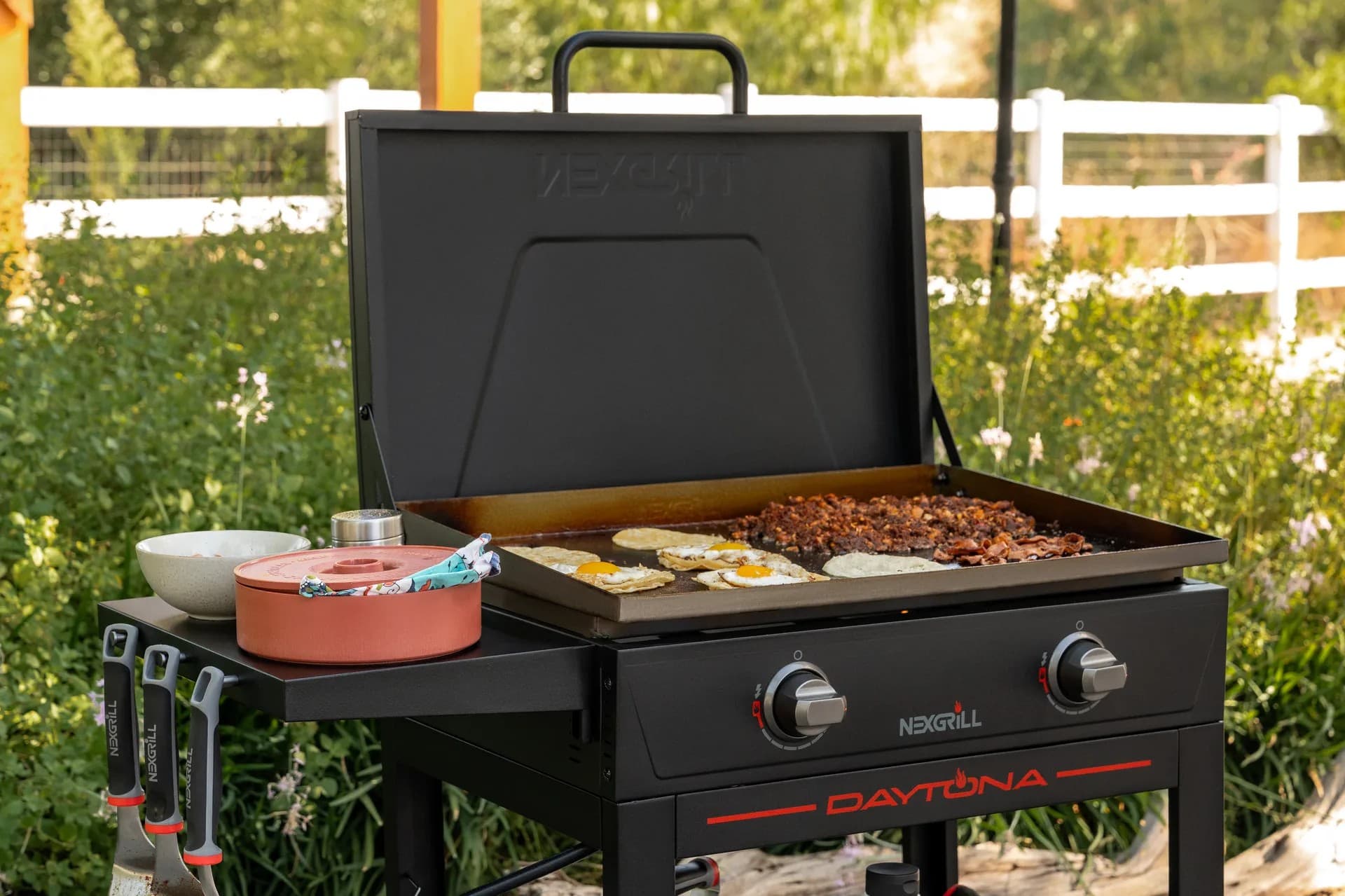
Outdoor Pizza Oven with Smoker Review
A detailed evaluation of top models blending pizza and smoking functionality.
In This Article
Versatile Cooking Options
Top Picks Reviewed
Maintenance Made Easy
Introduction
An outdoor pizza oven with smoker functionality sits in a very specific sweet spot: it is for people who want the fast, high-heat drama of pizza night without giving up the slow, layered flavor that only smoke can add. That combination sounds simple, but in practice it creates real trade-offs. Pizza wants intense radiant heat, a hot stone or deck, and quick recovery between bakes. Smoking wants stable low temperatures, controlled airflow, and enough thermal mass to stay even for hours. The best models do not merely bolt a smoke box onto a pizza shell; they manage those two cooking personalities in a way that still feels coherent when you are actually cooking for family or guests.
This review focuses on how these ovens behave in real use, not just how they look in a spec sheet. That matters because the best purchase is rarely the one with the longest feature list. It is the one that can preheat predictably, recover quickly after the door opens, hold a low temperature when you want ribs or salmon, and clean up without turning every weekend cook into a project. Users shopping in this category are often comparing very different machines: compact countertop-style units, wood-fired ovens with accessory smoke add-ons, and heavier outdoor cookers that lean more toward smoking but can still finish pizza well. Those categories overlap, but they do not perform the same way.
The key question is not whether an oven can make both pizza and smoked food. It is whether it can do both without making one of those jobs noticeably awkward.
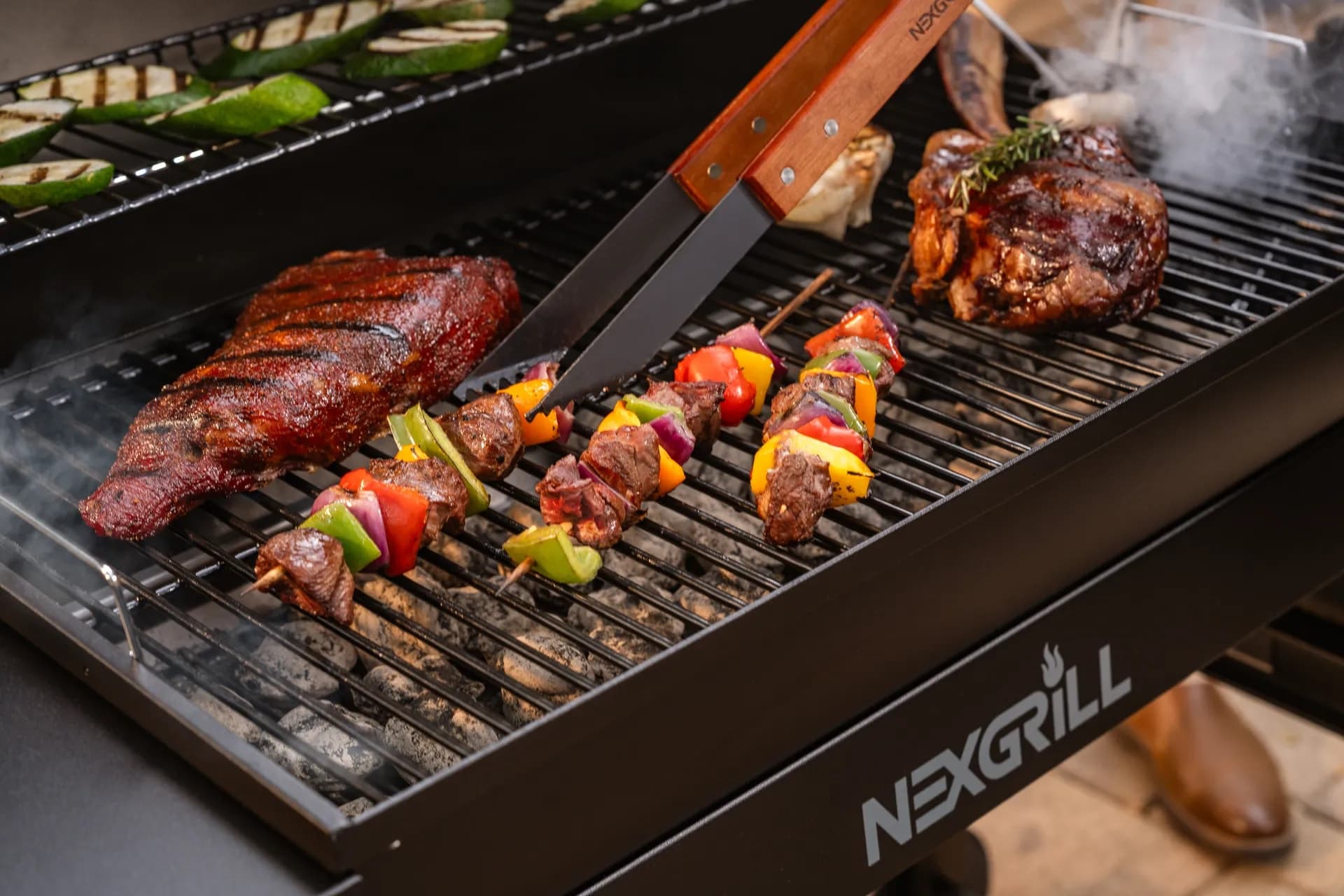
For this review, the most useful lens is versatility under pressure. A good hybrid should handle a weeknight margherita, then pivot to a smoked chicken, then maybe finish vegetables or a skillet side while the main course rests. That means you should pay attention to temperature range, heat recovery, fuel type, airflow control, stone quality, and how the oven transitions between clean heat and smoke-heavy cooking. In the United States, buyers also need to think about outdoor space, local weather, and how often they will actually use each cooking mode. A large unit can be impressive, but if it takes too long to set up or clean, it may stay covered most of the season.
One product has to satisfy very different heat and airflow demands.
What makes this topic especially interesting is that the market is not standardized. Some products are true pizza ovens that can smoke with added fuel trays or chambers. Others are smokers that can get hot enough to finish pizza if they use a stone or steel. A few are designed around hybrid cooking from the start. That means the best choice depends heavily on your primary use case: if pizza is the main event and smoke is an occasional flavor boost, you should prioritize oven recovery and deck performance. If smoked brisket or pork shoulder is the real goal, you should prioritize temperature stability and smoke management, then make sure the pizza function is genuinely usable rather than cosmetic.
Top Picks Overview
The strongest outdoor pizza oven with smoker options generally fall into three broad groups. First are compact gas-fired pizza ovens that can accept wood chips or pellet inserts for light smoking or finishing aromatics. These are best for buyers who want speed and convenience. Second are hybrid wood or pellet cookers that place equal emphasis on smoking and high-heat baking. These are usually the most interesting for flavor-focused cooks because they offer a broader temperature range and more authentic smoke behavior. Third are larger outdoor smoker-oven combinations that excel at slow cooking and can be pushed hot enough for pizza with the right accessories. These are less nimble, but they often deliver better smoke control and longer sessions.
Among commonly discussed brands, Ninja tends to appeal to buyers who want indoor-outdoor convenience and easy operation; Gozney is often favored by people who prioritize serious pizza performance with strong heat retention; and Yoder is frequently associated with heavy-duty smoking capability and durable construction. In a practical review, the best model is not the one that wins at only one end of the temperature spectrum. It is the one that fits how you cook on busy weekends, what foods you actually make, and how much setup time you are willing to spend before dinner starts.
| Model family | Primary strength | Best use case |
|---|---|---|
| Compact hybrid pizza ovens | Fast preheat and simple operation | Weeknight pizza with occasional smoke flavor |
| Pellet or wood-fired hybrids | Balanced smoke and oven heat | Mixed cooking, from ribs to flatbreads |
| Heavy smoker-oven systems | Low-and-slow control and capacity | Long smoking sessions and occasional pizza |
If you want the shortest path to a recommendation, the middle category is usually the most satisfying for enthusiasts. It is the group where you most often see a meaningful compromise between speed, smoke quality, and actual pizza performance. That said, people who cook pizza every Friday should still lean toward a dedicated pizza-forward design, while cooks who smoke meat every holiday weekend may be happier with a smoker-first model that can adapt upward in temperature.
In-Depth Reviews of Leading Models
Gozney-style pizza-forward hybrids
Pizza-forward hybrids are usually the most satisfying choice if your first priority is crust quality. In practical cooking tests, these ovens tend to recover heat fast, hold a crisp deck surface, and produce the kind of leopard-spotted crust that makes people believe you have done a lot more work than you actually have. When smoke capability is added, it is usually best thought of as an enhancement, not the main event. A small smoke box, wood tray, or pellet insert can add depth to roasted vegetables, chicken thighs, or a finishing pass on a calzone, but it generally will not mimic the full smoke profile of a dedicated offset smoker.
The strength of this category is consistency. If the oven is well insulated and designed with a sturdy stone or deck, you get repeatable results with very little fuss. The weakness is that smoke flavor can be more subtle than serious barbecue fans expect. That is not a flaw if your cooking style is focused on fast service, crisp pizza edges, and occasional smoky finishing notes. It becomes a flaw only when buyers expect a pizza oven to double as a full-time smoker without compromise.
If you want deeply smoky brisket, do not assume a pizza-first hybrid will replace a real smoker. Think of it as a flavor partner, not a full substitute.
Yoder-style smoker-first cookers
Smoker-first cookers are the opposite approach: they usually excel at heat stability, capacity, and long cooks, and then rely on accessories or chamber design to reach pizza-ready temperatures. In user experience terms, these are often the models that earn loyalty from people who smoke pork shoulders, ribs, turkey, or sausage on a regular basis. The flavor is excellent, the temperature profile is dependable, and the construction often feels more substantial than lighter hybrid machines.
For pizza, the challenge is recovery and deck heat. A smoker-first cooker can make very good pizza, but it usually needs careful preheating, a stone or steel, and patience between bakes. That means it is best for the cook who values versatility over speed and who is comfortable treating pizza as one more application inside a broader outdoor cooking system. If you host football weekends, holiday meals, or long family gatherings, that trade-off can make sense because the same machine handles multiple courses well.
Ninja-style easy-use hybrids
Convenience-focused hybrids tend to be the easiest to live with. They are the models most likely to get used often because setup is straightforward and temperature controls are less intimidating. They can be especially attractive to first-time buyers who want to explore smoking without committing to a large dedicated smoker. In practical terms, these units shine when you want a forgiving cooking experience for pizzas, wings, vegetables, or smaller cuts of meat. The downside is that they may not have the same thermal mass or deep smoke character as heavier units.
For many households, that is still the right compromise. If your outdoor kitchen is a patio, not a dedicated barbecue station, ease of storage, quick cleanup, and simple fuel management matter a lot. A hybrid that encourages frequent use often produces better real-world results than a technically superior machine that sits idle because it is too cumbersome.
Comparison of Features and Pricing
When comparing outdoor pizza ovens with smoker features, price should be evaluated against how much of the hybrid experience is genuinely usable. Entry-level models in the United States often cost less because they offer limited smoke control or lighter build materials. Mid-range hybrids usually provide the best balance of deck quality, temperature range, and usable smoke flavor. Premium products can be expensive because they use thicker insulation, better airflow design, and more durable metalwork, but those features matter if you plan to cook year-round.
| What you pay for | Why it matters | Typical buyer takeaway |
|---|---|---|
| Thicker insulation and shell materials | Better heat retention and quicker recovery | Worth it if you bake pizzas back-to-back |
| Better airflow and dampers | More stable smoking and easier temperature control | Important for long smoke sessions |
| Higher-quality stone or deck | Improves crust texture and browning | A key factor if pizza is the main use |
| Larger cooking chamber | More flexibility for smoke and roast cooking | Helpful for families and entertainers |
A practical buying rule is simple: if your pizza nights happen frequently, spend more on deck performance and heat recovery. If smoked meats are the anchor of your cooking, spend more on airflow, capacity, and thermal stability. If both matter equally, choose the model that does not force you to give up too much on either side. That is usually where the real value lives, even if the sticker price is not the lowest on the page.
Try comparing two products side by side below to see which fits best:
User Experience Insights
Once you have compared two ovens side by side, the next question is how they feel to use on an ordinary weekend. That is where the strongest differences appear. In user feedback, the most appreciated hybrid ovens are the ones that reduce friction at every step: they preheat without drama, accept fuel changes cleanly, recover after the door opens, and do not require constant fiddling. People are usually happiest when the oven behaves predictably. They can plan a meal around it, rather than plan their entire evening around the appliance.
Pizza-focused users often describe the same set of winning experiences: a stone that heats evenly, a flame pattern that cooks the top without burning the bottom, and enough insulation to keep the chamber stable through multiple pies. If the oven is too airy or underpowered, pizza becomes a race against falling temperature. If it is too aggressive on top heat, the crust can char before the center cooks. The best models make those problems feel manageable. That is why a well-designed hybrid can be surprisingly easy to trust once you learn its rhythm.
Smoke-focused users care about different things. They want dampers or vents that actually change the cook, not just decorative controls. They want a chamber that can sit low and slow for hours without bouncing around, and they want enough room to separate food from the heat source. In user experience terms, the most common complaint is overpromising: a machine that claims smoke versatility but behaves more like a hot oven with a little aroma added. That is why reviews should always distinguish between subtle wood-fired flavor and true smoke performance. Those are related, but not equivalent.
The most practical sign of a good hybrid is not a dramatic spec sheet. It is whether your second and third cooks feel almost as easy as the first.
Setup also matters more than many buyers expect. Some ovens require a short learning curve with lighting, chimney management, stone placement, or heat-zone adjustment. Others are ready faster, but may give up smoke depth in exchange for convenience. Real users tend to forgive a learning curve if the payoff is significant. They are much less forgiving when a product is heavy, awkward to clean, or inconsistent across cook sessions. For households with limited outdoor storage, easier movement and a straightforward cover situation can matter as much as raw performance.
Maintenance and Care Tips
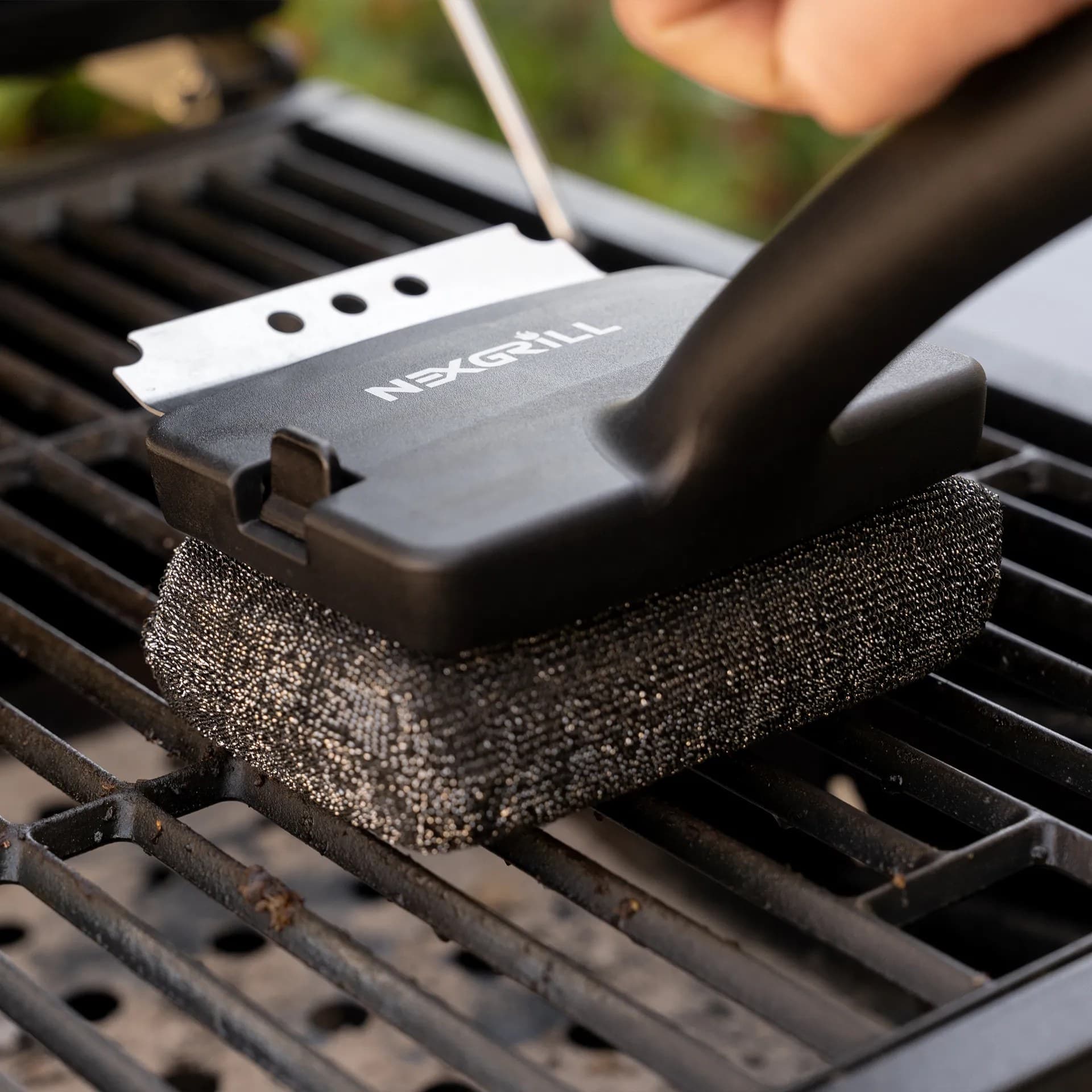
Hybrid ovens need a maintenance routine that reflects their two jobs. Pizza leaves flour, cheese drips, and carbonized residue on the stone or deck. Smoking leaves grease, soot, and ash in places that can affect airflow and flavor. If you treat the oven like a normal grill, it may slowly drift out of peak performance. The good news is that the routine is manageable when you break it into small habits.
| Task | How often | Why it matters |
|---|---|---|
| Brush the stone or deck after cooking | After each pizza session | Prevents buildup that affects browning |
| Empty ash or spent pellets | After smoke cooks | Supports airflow and cleaner flavor |
| Wipe grease trays and interior surfaces | Every few cooks | Reduces smoke flare-ups and residue |
| Inspect gaskets, seals, and vents | Monthly during the season | Helps preserve temperature control |
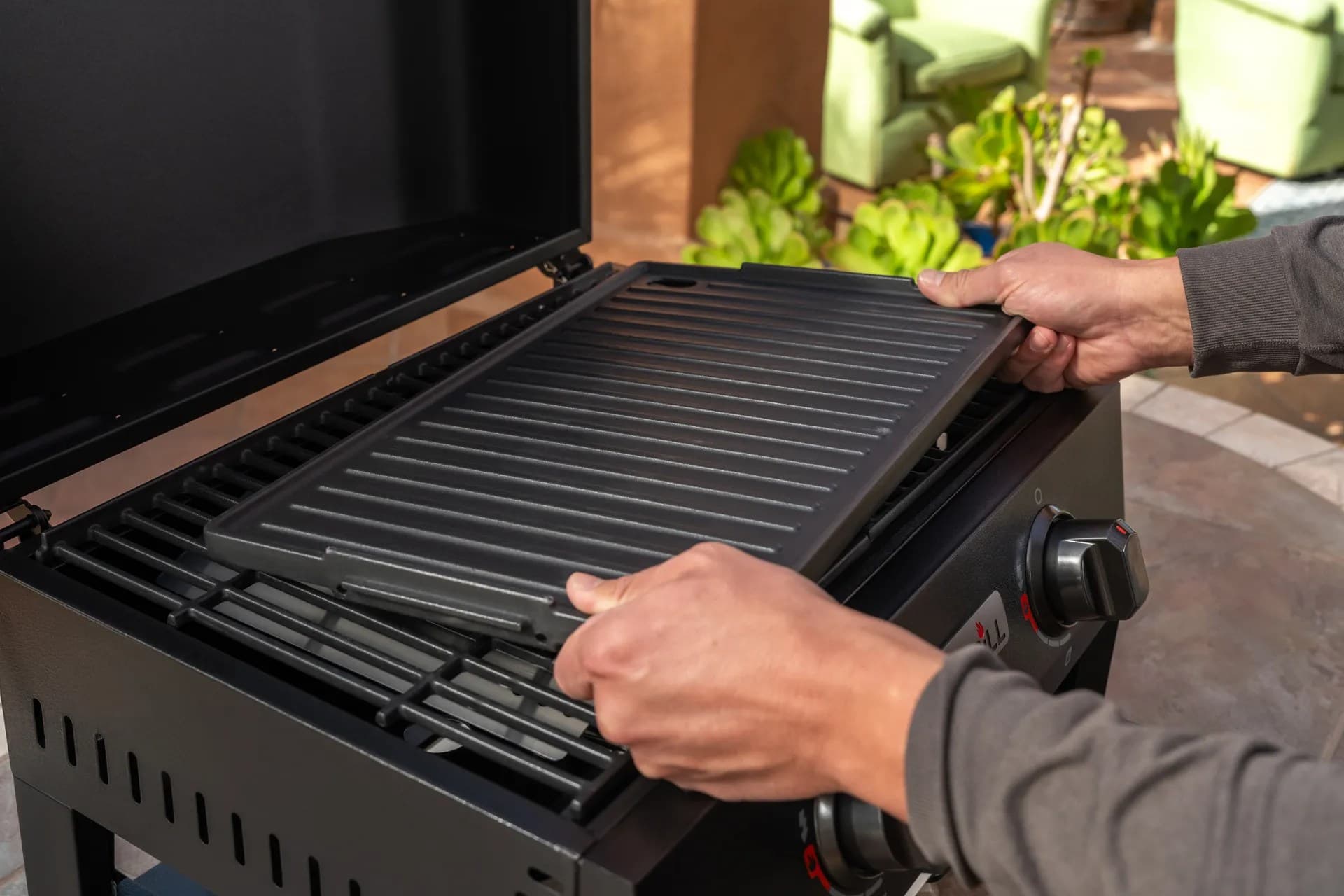
For pizza stones, avoid soaking a hot stone or using harsh cleaning methods that can crack or weaken the surface. A warm brush-off, followed by a dry wipe when cooled, is usually the safest routine. For smoking components, focus on ash removal and grease management more than heavy scrubbing. Residue matters because it can choke airflow, and airflow is the difference between a stable long cook and a frustrating session full of temperature swings.
Do not rush cooling and cleaning. Thermal shock can damage stones and cleaning hot grease can be unsafe.
Seasonal care is just as important. If you live in a wetter part of the United States, store the oven under cover and keep moisture away from metal parts and accessories. If the oven is portable, make sure wheels, handles, and seams are checked before heavy use resumes in spring. It is also smart to test ignition or heat sources before hosting guests. A five-minute preflight check can save an entire dinner party.
Conclusion and Recommendations
Outdoor pizza ovens with smoker capability are best evaluated by honesty about how you cook. If pizza is your main reason for buying, choose a pizza-first hybrid with enough smoke flexibility to add flavor when you want it. If smoking is the heart of your outdoor routine, choose a smoker-first model that can reach pizza temperatures with patience and the right accessories. If you want the broadest middle ground, a balanced hybrid with stable heat, decent thermal mass, and workable vent control is usually the smartest long-term pick.
The common mistake is chasing the most ambitious spec sheet instead of the most usable experience. The best ovens in this category are the ones that make you cook more often. They are reliable enough for a Tuesday night flatbread, capable enough for a Saturday brisket, and simple enough that you are not afraid to use them all season. That combination is what separates an impressive appliance from a genuinely valuable outdoor cooking tool.
For buyers in the United States, the most practical recommendation is to start with your dominant use case, then choose the model that does that job best and still leaves room for the second one. That approach usually beats buying a compromise machine for both tasks and ending up satisfied with neither. A strong hybrid should feel like an upgrade to your routine, not a complicated project.
Sources