Nexgrill Ora 16 Review: How to Verify the Model Before You Buy
A practical how-to for identifying an unconfirmed Nexgrill model, decoding its rating plate, and cross-checking it against the official Nexgrill catalogue before you spend a dollar.
In This Article
Verify Before You Review
Read the Rating Plate
Benchmark Against Known Models
Why a Nexgrill Ora 16 Review Starts With Verification, Not Specs
If you are searching for a Nexgrill Ora 16 review, the honest starting point is this: as of this writing, no grill by that name appears in Nexgrill's current public catalogue. That does not automatically mean the grill does not exist. It means nobody should hand you BTU figures, burner counts, or a price before the model itself is confirmed. A review built on an unconfirmed name is fiction dressed as advice.
Nexgrill has been building outdoor cooking equipment since 1993, and its catalogue spans gas grills, charcoal models, pellet smokers, and flat-top griddles across the Nexgrill and KitchenAid brands. With a range that broad, model names circulate loosely. A listing title gets typed by a reseller, a box label fades in a garage, and a name arrives in a search bar with no paper trail behind it. This guide teaches the verification workflow instead of inventing a spec sheet - so you can review any Nexgrill model on evidence rather than a stranger's description.
The absence of "Ora 16" from nexgrill.com is a prompt to verify, not proof that the grill was discontinued, recalled, or faked. Treat every possibility as a hypothesis to test.
What the Nexgrill Catalogue Actually Lists (And Where 'Ora 16' Fits)
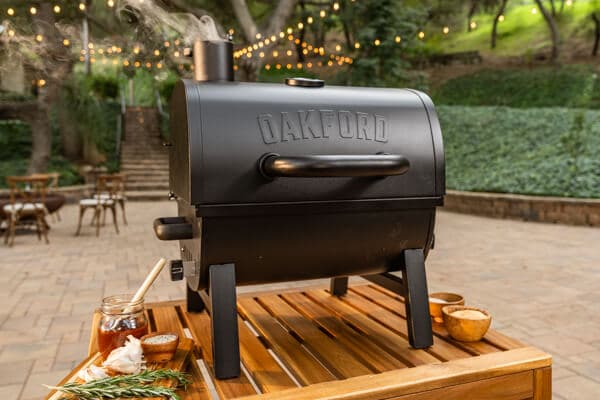
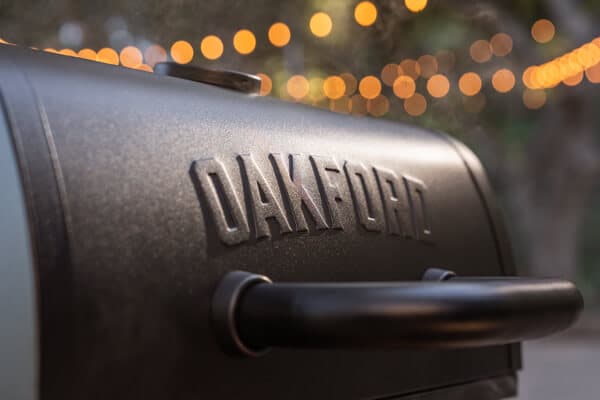
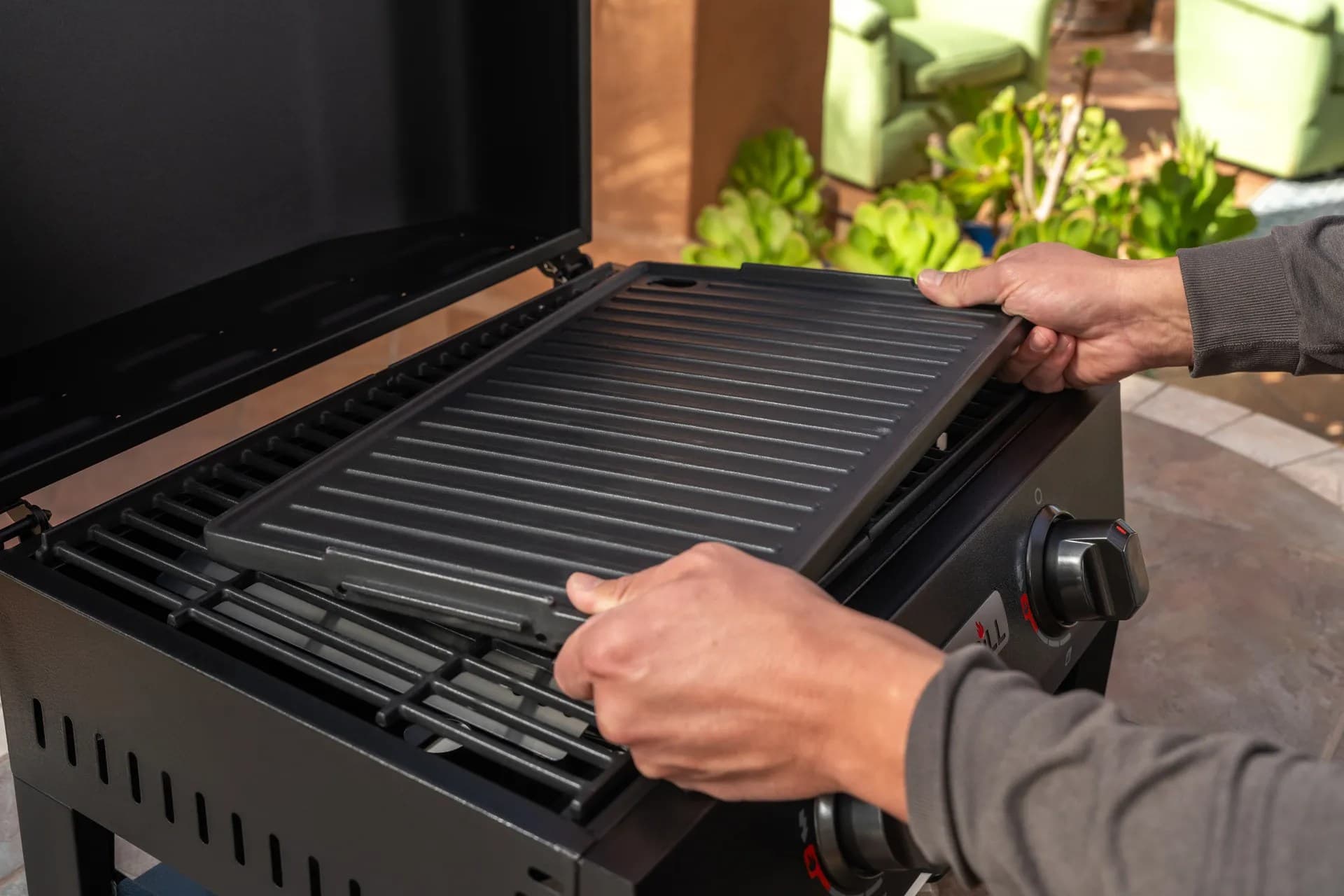
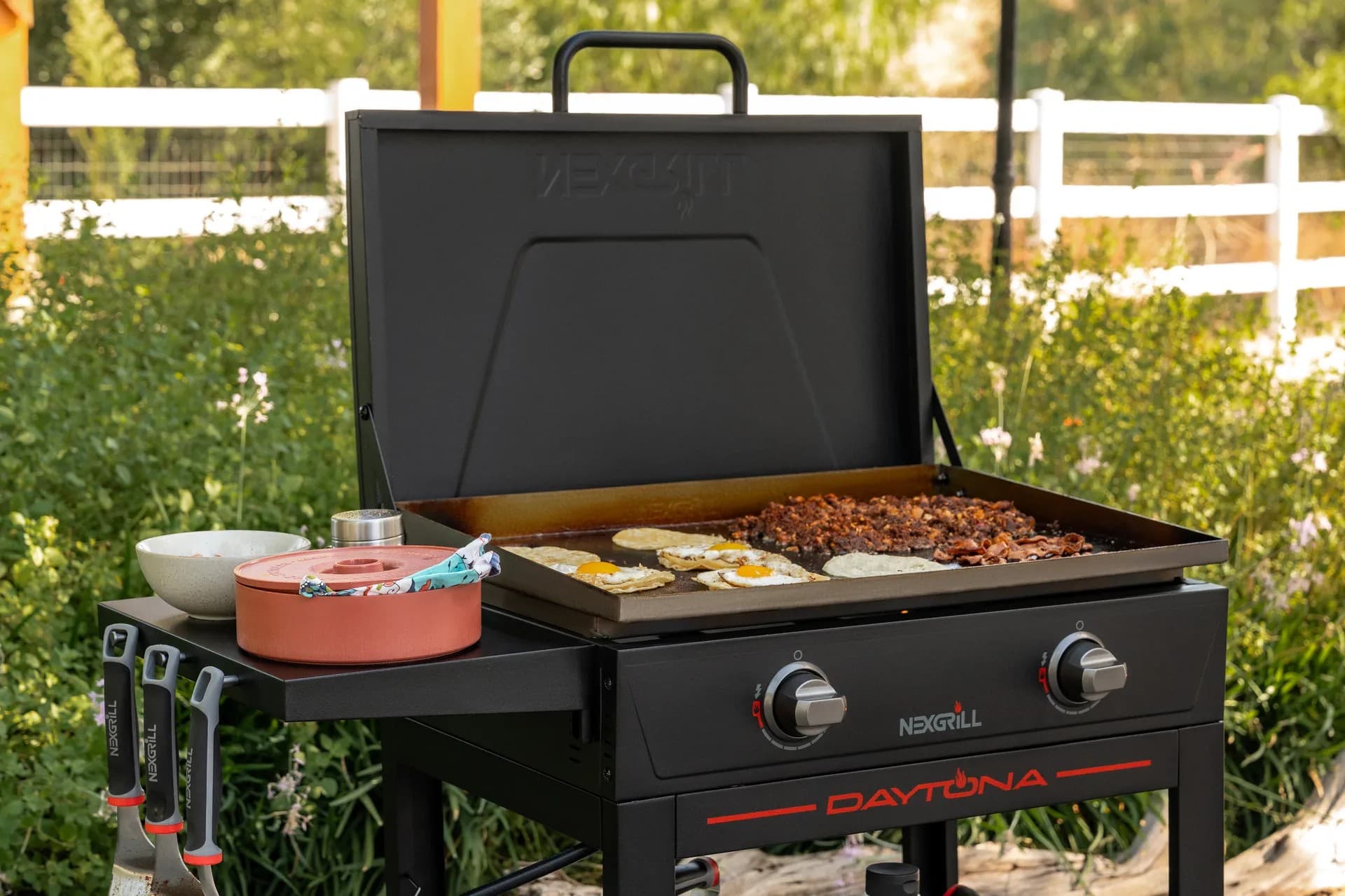
The confirmed lineup includes named families such as Daytona (griddles and gas grills) and Oakford (pellet smokers and charcoal grills). These are the anchors you benchmark against when a model name is unfamiliar. The Daytona 36-inch 4-burner griddle and the Oakford 875 Pro Pellet Smoker Grill are both listed with full specs, owner documentation, and parts pathways - which is exactly what an unconfirmed model lacks.
If "Ora 16" is real, it most likely fits one of four explanations. Test each one rather than picking a favourite:
- Retailer-exclusive SKU: some models are built for a single chain and never surface on the brand's own product grid under the same name.
- Model-code confusion: the number 16 may describe something other than a product name - a series code, a size class, or a carton identifier.
- A misremembered or transposed name: buyers regularly arrive with a name assembled from a box label that is partly illegible.
- An older SKU no longer listed: possible, but unproven until a rating plate or manual confirms it.
Three Things You Need Before You Can Review Any Nexgrill Model
You cannot review a grill from a listing title alone. Gather these three items first, and the rest of the process becomes straightforward:
- A legible photo of the rating plate. This carries the model and serial numbers - the only identifiers Nexgrill itself relies on.
- The exact model number as printed, not as retyped in a message. One transposed digit changes the answer.
- The seller's fuel type and connection details: propane, natural gas, charcoal, or pellet. Fuel compatibility is a purchase decision on its own.
A Facebook Marketplace or Craigslist listing with no serial photo is incomplete, not a bargain. Ask for the plate image before you ask for a discount.
Step-by-Step: How to Identify the Grill You're Actually Looking At
Step 1 - Find the Rating Plate on the Chassis
Nexgrill rating plates are commonly mounted on the back panel, inside the cabinet door, or under a side shelf. Because location varies by model, work systematically: open every door, check the rear exterior, and look beneath the side tables. Photograph the plate straight-on with a flashlight raking across the surface - stamped metal is hard to read at an angle. If the grill is still boxed in a garage with a faded label, the carton ends and any manual inside often carry the same code.
Step 2 - Decode the Model Number Format
Nexgrill model numbers are commonly reported in a 720-xxxx style pattern, though not every product follows it and the prefix alone does not tell you the size, burner count, or year. Treat the number as a lookup key, not a decoder ring. Write it down exactly, including any suffix letters or digits, and note the serial beside it.
Step 3 - Cross-Check the SKU Against nexgrill.com
Search the model number and the name separately against the full Nexgrill product catalogue. A match means you can review real specs. No match means you escalate to Step 4 rather than guessing.
Step 4 - Pull the Matching Owner's Manual
Manuals are the cheapest verification on earth. A model with a real manual has documented assembly, gas connection, and care procedures. If no manual or documentation trail exists anywhere, that is a meaningful finding - not a dead end, but a warning about long-term parts support.
Step 5 - Benchmark Key Specs Against a Confirmed Nexgrill Model
Take what the seller claims and place it beside a confirmed model. The table below shows how to structure that comparison.
| Spec | Seller's "Ora 16" Claim | Confirmed Anchor (e.g. Daytona 36-inch griddle) | What a Mismatch Tells You |
|---|---|---|---|
| Fuel type | Verify propane vs natural gas | Listed explicitly | Wrong fuel = unusable or unsafe hookup |
| Cooking surface | Measure or ask | Published in square inches | Vague sizing suggests no spec sheet |
| Burner count | Count on the photo | Stated per model | Photo mismatch = wrong model |
| Parts availability | Ask for a parts source | Supported product line | No path = replacement risk |
Once you have the plate number and a benchmark, the remaining question is fit. Compare a candidate against a confirmed model side by side to see which one earns its place on your patio.
Once You've Weighed Two Options, Here's What Else Matters
Comparing two grills on paper settles specs; it does not settle ownership. What separates a good purchase from a frustrating one is what happens in year two - when a burner tube corrodes, a regulator fails, or you discover the cart design does not hold a 20 lb propane tank the way you assumed. When one of your two candidates is unconfirmed, the tie-breaker is always documentation and parts support, because a verified spec sheet is worth more than a persuasive listing.
The Five Mistakes That Sink a Marketplace 'Ora 16' Purchase
Mistake 1: Trusting the Listing Title Over the Rating Plate
A title is marketing copy typed in thirty seconds. A rating plate is stamped by the factory. When a seller's description conflicts with the plate, the plate wins every time. Ask for the plate photo before any negotiation.
Mistake 2: Reading BTU as a Quality Score
A 60,000 BTU open-cart grill sounds superior to a 45,000 BTU cabinet model, but BTU measures gas input, not heat retention. A thinner open-cart body loses heat through its walls; a heavier cabinet build traps it, so a lower-input grill can hold temperature more evenly across the surface. BTU without build context tells you how much fuel it burns, not how well it cooks.
Mistake 3: Buying a Discontinued SKU With No Parts Path
Before paying, ask the seller or the manufacturer how to source a replacement burner or grate for that model number. If no answer exists, budget for full replacement rather than repair.
Mistake 4: Ignoring Fuel Type and Connection Compatibility
A natural gas grill cannot run off a propane tank without conversion hardware, and conversion kits are model-specific. Confirm the connection type at the regulator, not from a photo of the lid.
Mistake 5: Skipping the Manual Match
Download the manual for the exact model number before purchase. If the manual's diagrams do not match the unit in front of you, you are not looking at that model.
Red Flags in Third-Party Listings: A Quick Scan Table
| Red Flag | Why It Matters | What to Do |
|---|---|---|
| No rating plate photo | No verifiable model identity | Request a straight-on, well-lit image |
| Model number absent from catalogue | Unverified or retailer-exclusive SKU | Ask for the manual and carton label |
| BTU listed with no build details | Input rating used as a sales decoy | Compare construction and heat retention instead |
| No parts source given | A failed burner becomes a full replacement | Walk away unless the price reflects the risk |
| Fuel type unstated or ambiguous | Conversion kit may not exist | Inspect the regulator and hose directly |
If the seller cannot supply a plate photo, manual, or fuel type, treat the listing as a parts unit priced accordingly - not a working grill.
Who Should Buy, Verify Further, or Walk Away
- Buy now: you have a clear plate photo, a catalogue match, a manual, and a parts pathway. Review the confirmed model on its real specs and buy with confidence.
- Verify further: the plate is legible but the SKU is absent from the catalogue. Contact Nexgrill via their support channel with the model and serial numbers and wait for a written answer.
- Walk away: no plate, no manual, no fuel clarity, and no parts source. The risk of an unsupported grill outweighs any discount.
Pre-Purchase Verification Checklist for Any Nexgrill Model
- Photographed the rating plate straight-on with the model and serial numbers legible.
- Searched the exact model number (and any suffix letters) in the catalogue.
- Downloaded the owner's manual for that specific number.
- Confirmed fuel type at the regulator, not just the listing.
- Counted burners or griddle zones against the product photos.
- Identified a parts source for burner tubes, grates, and regulators.
- Benchmarked cooking surface and build against a confirmed Daytona or Oakford model.
- Recorded the price paid and the date, in case a return is needed.
If verification points you toward a new grill instead of a marketplace gamble, start where the specs are published - the Nexgrill homepage - and read the brand's history on the About Us page to understand how long the product line has been supported.