Nexgrill Oakford Outpost 29 Manual: Get a Used or Inherited Grill Running This Weekend
No paperwork? Start with a safe first burn, a parts inventory, and the mistakes that ruin a used grill before you ever light it.
In This Article
Verify Before You Trust a PDF
Used-Grill Triage First
Run a Burn-Off Before Cooking
You Bought a Used Oakford and the Seller Kept the Manual: Start Here
You found an Oakford grill on Marketplace, inherited one with the house, or hauled a dusty unit home from a garage sale - and the paperwork is long gone. That's fine. The goal this weekend is not to rebuild it from scratch; it's to confirm what you actually own, triage the parts that fail on used grills, and get a safe first burn done. This guide walks you through that sequence, fuel type unknown included.
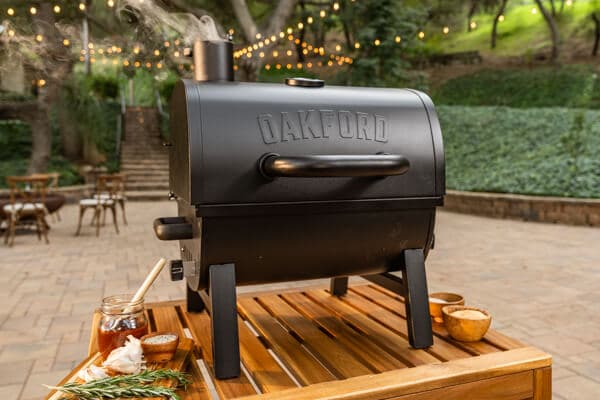
One reality check before we start: "Nexgrill Oakford Outpost 29" is the name on your label, and that's the name we'll use. But it's worth being cautious. A quick scan of Nexgrill's current product catalog turns up the Oakford 875 Pro and 1125 Pro pellet smokers and the Homestead 24 charcoal grill - not an Outpost 29. That doesn't mean your grill is fake. It likely means it was a retail-exclusive model, a discontinued line, or a regional variant. The practical takeaway: do not assume any spec - BTU, burner count, hopper size - until you've read the rating plate on the unit itself.
A marketplace listing name or a sticker on the lid is not a reliable identifier. Nexgrill support and parts lookups key on the model and serial numbers stamped on the rating plate - usually a silver or black label on the back panel, inside the cabinet, or under the side shelf.
Before You Buy a Single Part: Is This Grill Gas, Charcoal, or Pellet?
Used grills often arrive missing the one thing that tells you how they run. Here's how to identify the fuel type without a manual:
- Gas: Look for a regulator and hose assembly, a propane tank tray or bracket, and burner tubes running under the cooking grates. A side burner or sear station is a strong gas signal.
- Charcoal: An open firebox with a charcoal grate and vents (top and bottom). No gas plumbing, no electrical cord.
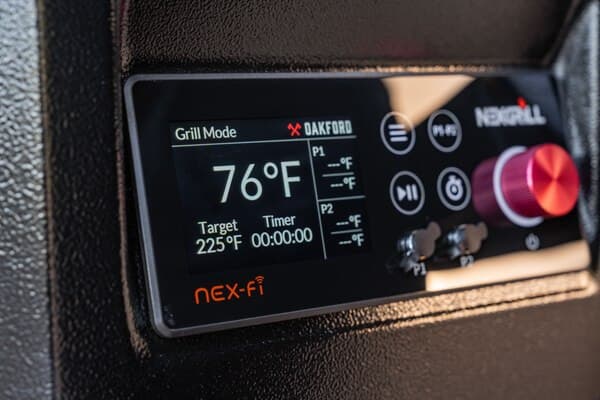
- Pellet: A hopper (often with a lid), an auger motor, a fire pot, and a control board with a temperature dial or digital display. You'll see a power cord.
Write down what you find. If you see a gas valve but no regulator, that's a parts order, not a dealbreaker. If you see a hopper but the auger is seized, that's a bigger project - decide now whether you're up for it.
The Four Things to Have on Hand Before You Search for a PDF
You can't get far without these. Gather them first so you're not running back and forth:
- Photos of the rating plate - front and back, readable. This is your ticket to any real manual or parts diagram.
- A tape measure - cooking surface dimensions and overall footprint help narrow down which manual applies when the model number is ambiguous.
- A notepad or phone note - list every part you can see, including what's missing (e.g., "no heat plates," "cracked hose," "no charcoal grate").
- Your fuel source - a full propane tank (for gas), a bag of charcoal and a chimney starter (for charcoal), or pellets and a power outlet (for pellet).
Where the Real Nexgrill Oakford Outpost 29 Manual Lives (and What to Do If It Doesn't)
Start at the source: Nexgrill's product pages often include a "Manuals & Guides" tab or a downloadable PDF link. Search the site for your model name. If the Outpost 29 doesn't appear, try the closest Oakford sibling - the Oakford 875 Pro or Homestead 24. Many assembly and safety steps are common across the family.
If you strike out, contact Nexgrill directly via their contact page with your rating-plate photo and serial number. Support can often email a PDF even for discontinued models. Avoid third-party manual sites that ask for payment or personal info - the manufacturer is the authoritative source.
Prerequisites: Tools, Space, and Safety Gear the Manual Assumes You Already Have
Any grill manual - gas, charcoal, or pellet - assumes a few basics. Have these ready before you start turning wrenches:
- Tools: Adjustable wrench, Phillips and flathead screwdrivers, pliers, and a spray bottle of soapy water for leak testing (gas).
- Space: A flat, non-combustible surface outdoors - concrete or pavers, not grass or a wooden deck. At least 10 feet from walls, eaves, and flammables.
- Safety gear: Heat-resistant gloves, safety glasses, and a fire extinguisher rated for grease fires (Class B) nearby.
Never assemble or run a grill in a garage, shed, or screened porch. Carbon monoxide is invisible and odorless. Both the CPSC and CDC warn that charcoal and gas grills are for outdoor use only.
Steps 1-6: Triage a Used Grill in the Order That Keeps You Safe
Follow this sequence even if you haven't found the manual yet. It's fuel-agnostic and designed to catch the failures that make used grills dangerous.
- Inventory and photograph. Lay out every removable part. Compare against the parts list in the manual (once you have it) or a diagram from a similar model. Note missing hardware - you'll need it before assembly.
- Inspect the structure. Check the cart, legs, and firebox for rust-through, cracks, or bends. Surface rust is cosmetic; deep pitting or holes are not. A wobbly cart is a tip-over risk.
- Check the fuel system (gas). Look for cracked or brittle hoses, a damaged regulator, and corroded burner tubes. Spider webs and insect nests inside venturi tubes are a common cause of uneven flames or no light. Clean them out with a bottle brush.
- Test for leaks (gas). Connect the tank, turn the gas on at the source (not the burners), and spray soapy water on every connection - regulator, hose, manifold. Bubbles mean a leak. Tighten or replace the faulty part. Never use a flame to test for leaks.
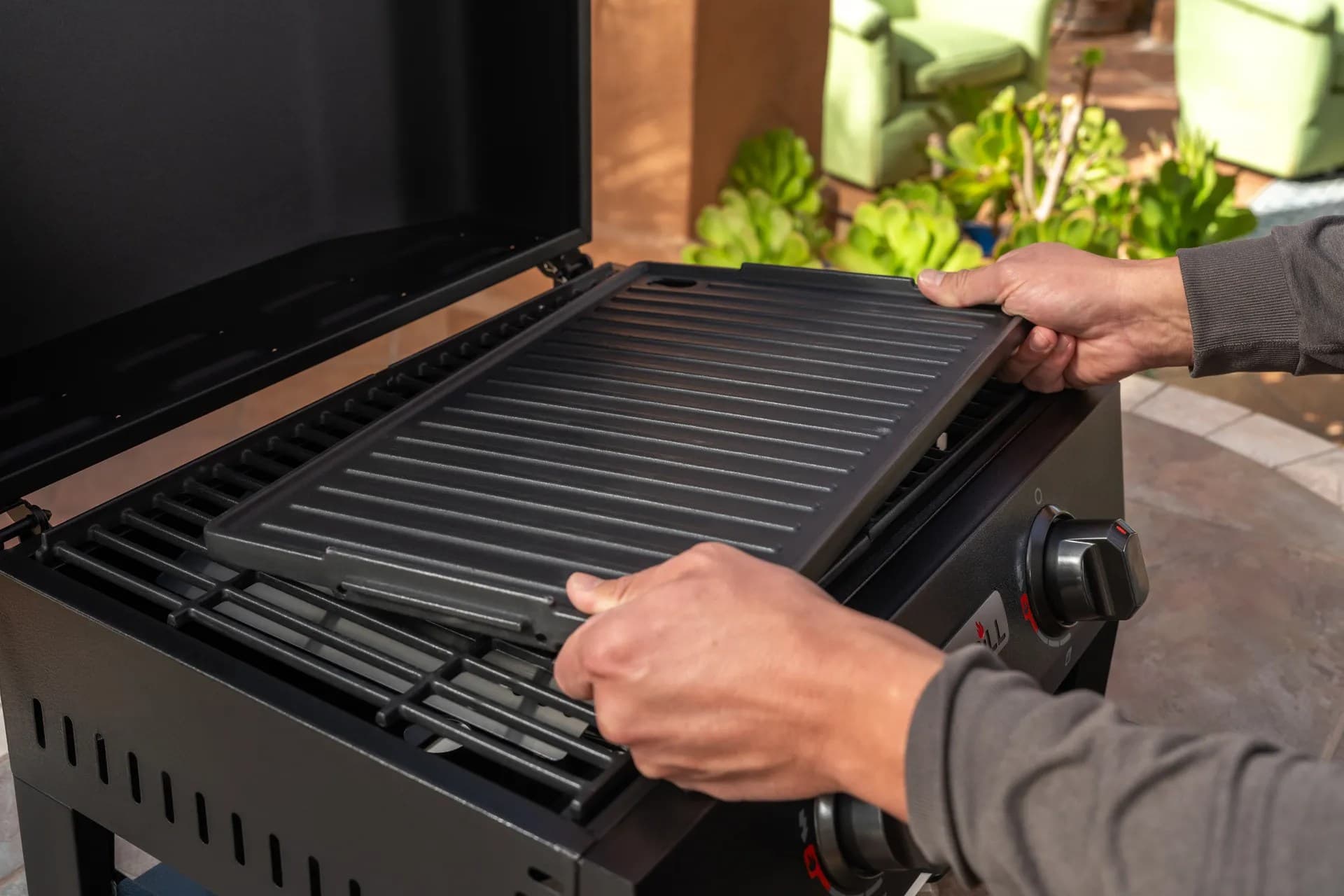
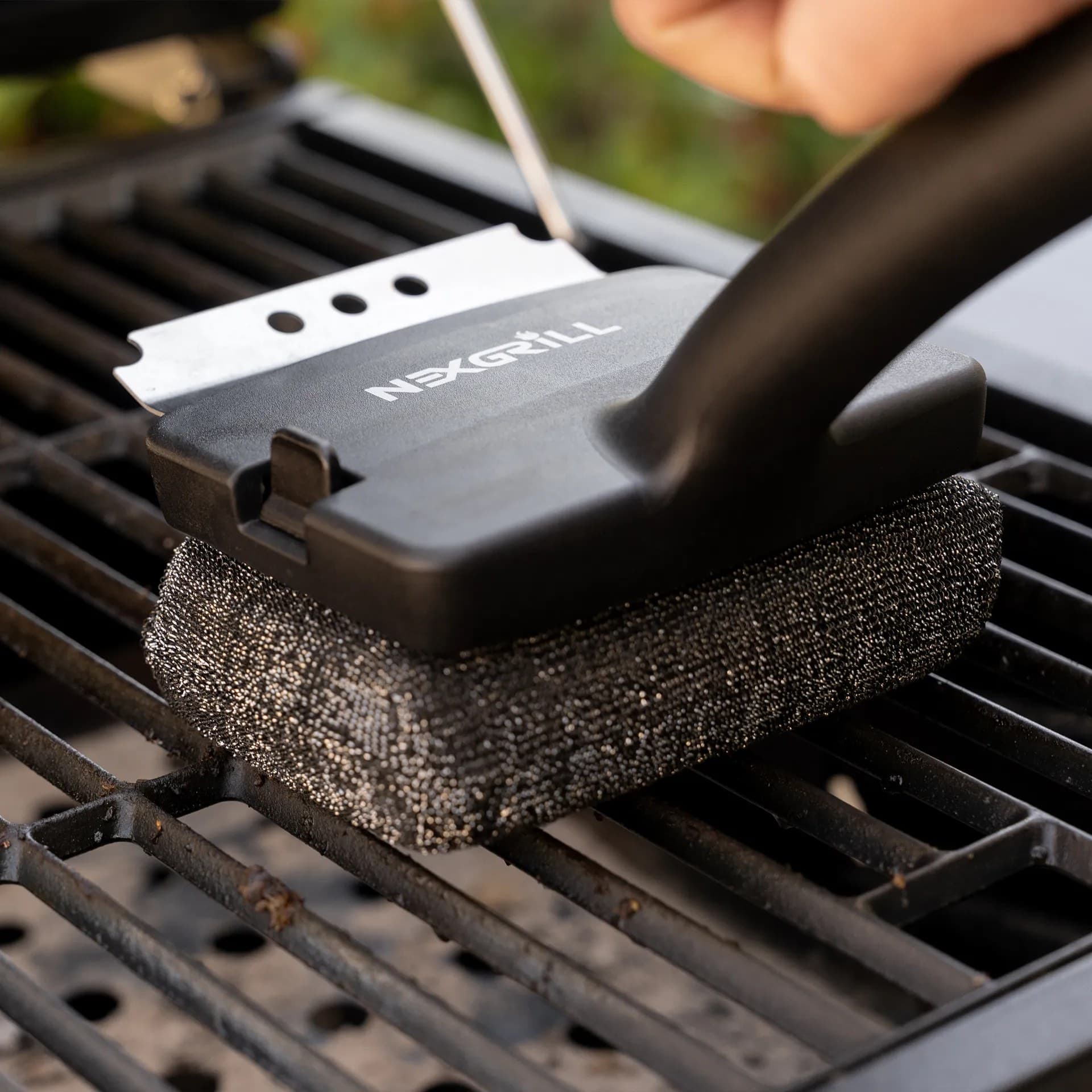
- Clean the cooking surfaces. Scrape the grates, then wash with hot soapy water and rinse. For porcelain-coated grates, avoid metal brushes that can chip the coating. Remove and clean heat plates or flavorizer bars - grease buildup there is a fire hazard.
- Burn off and season. Reassemble, light the grill, and run it on high for 15-20 minutes with the lid closed. This burns away old residue and manufacturing oils. For charcoal, light a full chimney and let it burn hot before the first cook. For pellet, run the startup cycle and bring it to 400°F for 15 minutes.
What to Check on a Used Grill Before You Cook on It: Rust, Hoses, Venturi Tubes, Heat Plates
The six steps above cover the process. Here's a quick-reference table for the four failure points that matter most on a grill of unknown history.
| Component | What to Look For | Why It Matters |
|---|---|---|
| Burner tubes | Blocked ports, rust, spider webs | Uneven flames or no ignition |
| Hoses and regulator | Cracks, stiffness, corrosion | Gas leaks and fire risk |
| Heat plates | Heavy grease, holes, warping | Flare-ups and uneven heat |
| Cooking grates | Deep rust, chipped coating | Food safety and sticking |
If you're on the fence between fixing up your used unit and buying something new, try comparing two products side by side below to see which fits best:
Once You've Weighed Two Options Against Each Other, Here's What Else Matters
If the comparison tool led you to consider a new grill, remember that the same steps apply - you still need to verify the model, check the fuel system, and run a burn-off. But when you're working with a used Oakford, the stakes are higher because you don't know its history. The next sections cover the first-run mistakes that trip people up, a pre-cook checklist, and fuel-specific quirks.
The Five First-Run Mistakes That Keep an Oakford Outpost 29 From Lighting (or Make It Unsafe)
These are the errors we see most often when someone fires up a used grill for the first time.
- Assembling on grass and losing hardware. Small screws and washers vanish into the lawn. Work on a hard surface with a tray for parts. A missing burner screw can cause a tube to shift and create a dangerous gas pocket.
- Skipping the burn-off. New grills have manufacturing oils; used grills have old grease and food residue. Running a 15-20 minute high-heat burn-off kills bacteria and burns off residue that would otherwise flavor your first meal.
- Over-tightening gas fittings. Hand-tighten plus a quarter turn with a wrench is enough. Over-tightening can crack the hose or damage the regulator, creating a leak you can't see.
- Ignoring the regulator. A regulator that's been sitting for years can fail. If the flames are weak or yellow, or you hear a humming noise, replace the regulator before cooking.
- Storing uncovered. A grill left open to the elements will rust internally. Even a simple cover extends the life of burners and grates significantly.
Never burn charcoal or run a gas grill in an enclosed space. Carbon monoxide can build up quickly and is potentially fatal. Always cook outdoors.
Quick Pre-Cook Checklist: Tick These Off Before Your First Burger
Use this checklist every time you fire up a used grill until you're confident in its condition.
- Rating plate model and serial photographed and saved
- Grill on a level, non-combustible surface, 10+ feet from structures
- All gas connections leak-tested with soapy water (gas models)
- Burner tubes free of webs and debris
- Cooking grates cleaned and oiled
- Heat plates or flavorizer bars in place and clean
- Fuel level sufficient for the cook (tank weight checked, charcoal chimney ready, pellet hopper filled)
- Fire extinguisher within reach
- Burn-off completed (15-20 minutes on high)
Fuel-Specific Notes: What Changes Between Gas, Charcoal, and Pellet Units
Your Oakford could be any of the three. Here's what differs in the first-run process.
| Fuel Type | First-Run Focus | Ongoing Maintenance |
|---|---|---|
| Gas | Leak test, burner tube cleaning, regulator check | Inspect hoses annually, clean burners, cover |
| Charcoal | Ash removal, vent operation, grate cleaning | Empty ashes after each use, oil grates, store covered |
| Pellet | Auger prime, fire pot clean, control board test | Vacuum fire pot every few cooks, check pellet quality, cover |
For pellet grills, always follow the manufacturer's startup and shutdown cycles to avoid burn-back into the hopper. For charcoal, a chimney starter and lump charcoal give you the most control. For gas, a full tank and a spare are worth having on hand.
After the First Burn: A Simple Maintenance Schedule for a Used Grill
Once your grill is running, keep it that way with a lightweight routine. After every cook: brush the grates while warm, then cover the grill once cool. Monthly: deep-clean the firebox, inspect gas hoses for cracks, and check pellet auger for sawdust buildup. Annually: replace worn parts like igniters, heat plates, and grates as needed. Store under a cover, and if possible, bring gas and pellet grills into a garage or shed for winter (remove the tank first).
Replacement Parts When the Rating Plate Says Something Else
If your label reads "Outpost 29" but Nexgrill's catalog shows different Oakford models, don't panic. Many parts are shared across the Oakford family. Measure your existing parts - burner tube length, grate dimensions, heat plate size - and compare with the specs on the product pages for the Oakford 875 Pro or Homestead 24. If in doubt, contact Nexgrill support with your serial number - they can often identify the correct part even for discontinued models. For more on the brand, see Nexgrill's About page.