Nexgrill Fortress™ 1-Burner Review: A Compact Powerhouse
Discover the features, performance, and user insights of the Nexgrill Fortress™ 1-Burner.
In This Article
Compact Design
Powerful Performance
User-Friendly Features
Understanding the Nexgrill Fortress™ 1-Burner
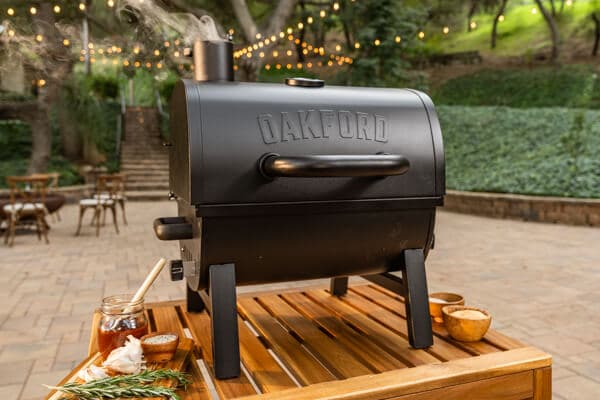
If you want a compact propane grill that is easier to move, store, and set up than a full-size backyard model, the Nexgrill Fortress™ 1-Burner is built for that exact job. Nexgrill positions the Fortress as a road-ready, table-top style grill made for smaller patios, tailgates, camping trips, and quick weeknight cooking when a large cart grill would be more hassle than help. The product page identifies it as a cast aluminum table top portable propane gas grill, which matters because cast aluminum is a practical choice for a small grill: it keeps weight manageable while still giving the body a sturdy feel for outdoor use
The simplest way to evaluate this grill is to think in terms of use case rather than size alone. A one-burner tabletop grill is not trying to replace a four-burner backyard centerpiece. Instead, it solves the problem of cooking well in limited space. That makes it appealing for apartment balconies where propane grills are allowed, for RV owners who want a dependable compact cooktop, or for households that already have a larger grill but want something lighter for side dishes and travel. The Fortress line also reflects Nexgrill’s broader brand approach: accessible outdoor cooking gear that is practical, welcoming, and easy to use without requiring a complicated learning curve
For compact-grill buyers, the biggest win is not just portability. It is having enough output and control to cook real food well, without dragging out a full-size setup.
The Fortress is positioned around a single-burner output that suits fast preheat and direct grilling on a compact surface.
Key Features of the Fortress™ 1-Burner
The strongest feature of this grill is its simplicity. With one burner, there are fewer controls to learn, fewer parts to monitor, and less setup overhead before you can cook. The official Nexgrill blog describes the Fortress as a road-ready tabletop grill, and the product page highlights its portable propane format, which suggests the design intent is convenience first, not bulky capacity
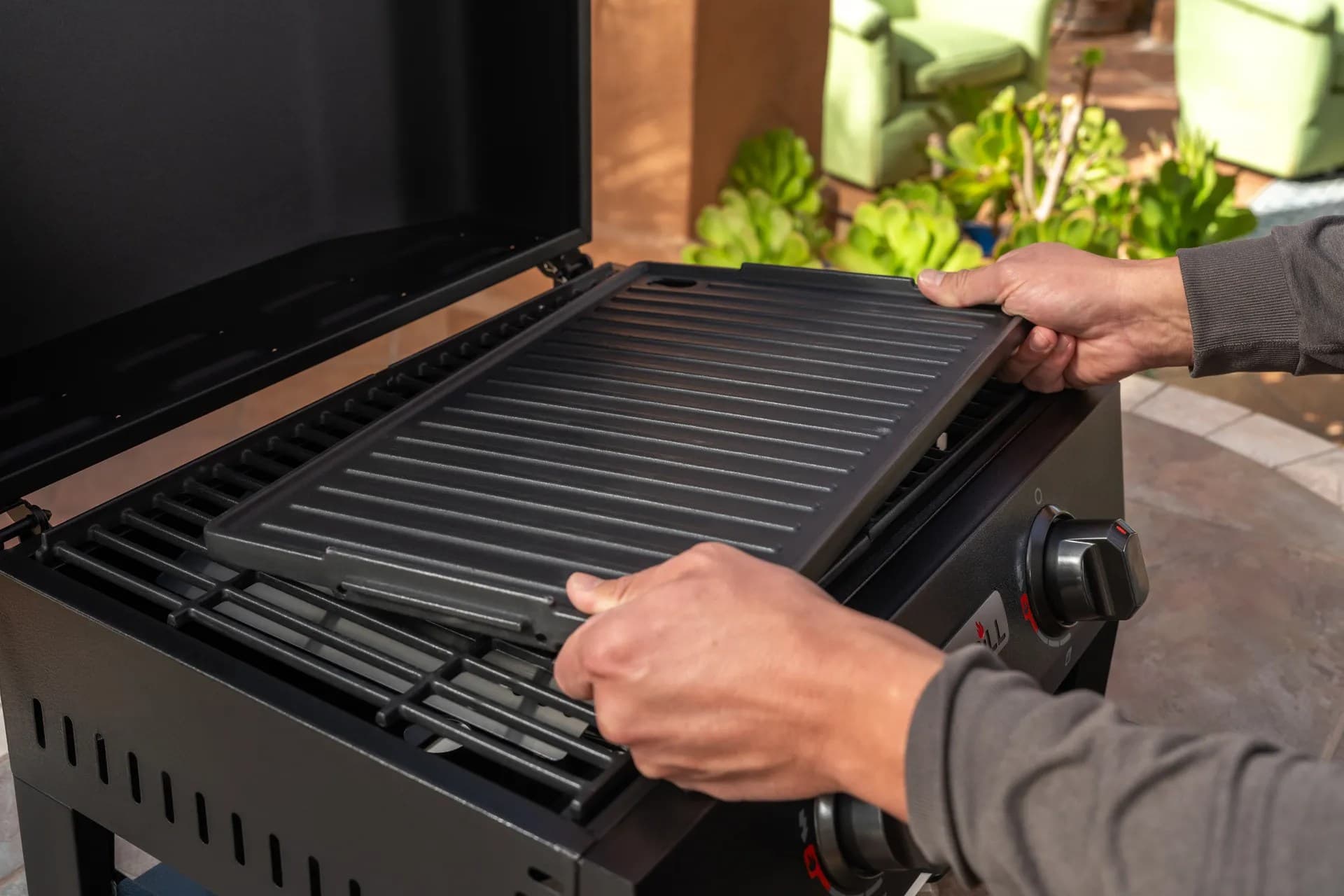
Cast aluminum construction is another notable advantage. In a small grill, the body material matters because you want something that can move from storage to tabletop without feeling flimsy. Cast aluminum is also commonly associated with easier handling and better resistance to rust than many basic steel housings, though any grill still benefits from sensible storage and a cover when it is not in use. For buyers comparing small gas grills, that material choice can be more important than cosmetic extras such as shiny trim or oversized shelves.
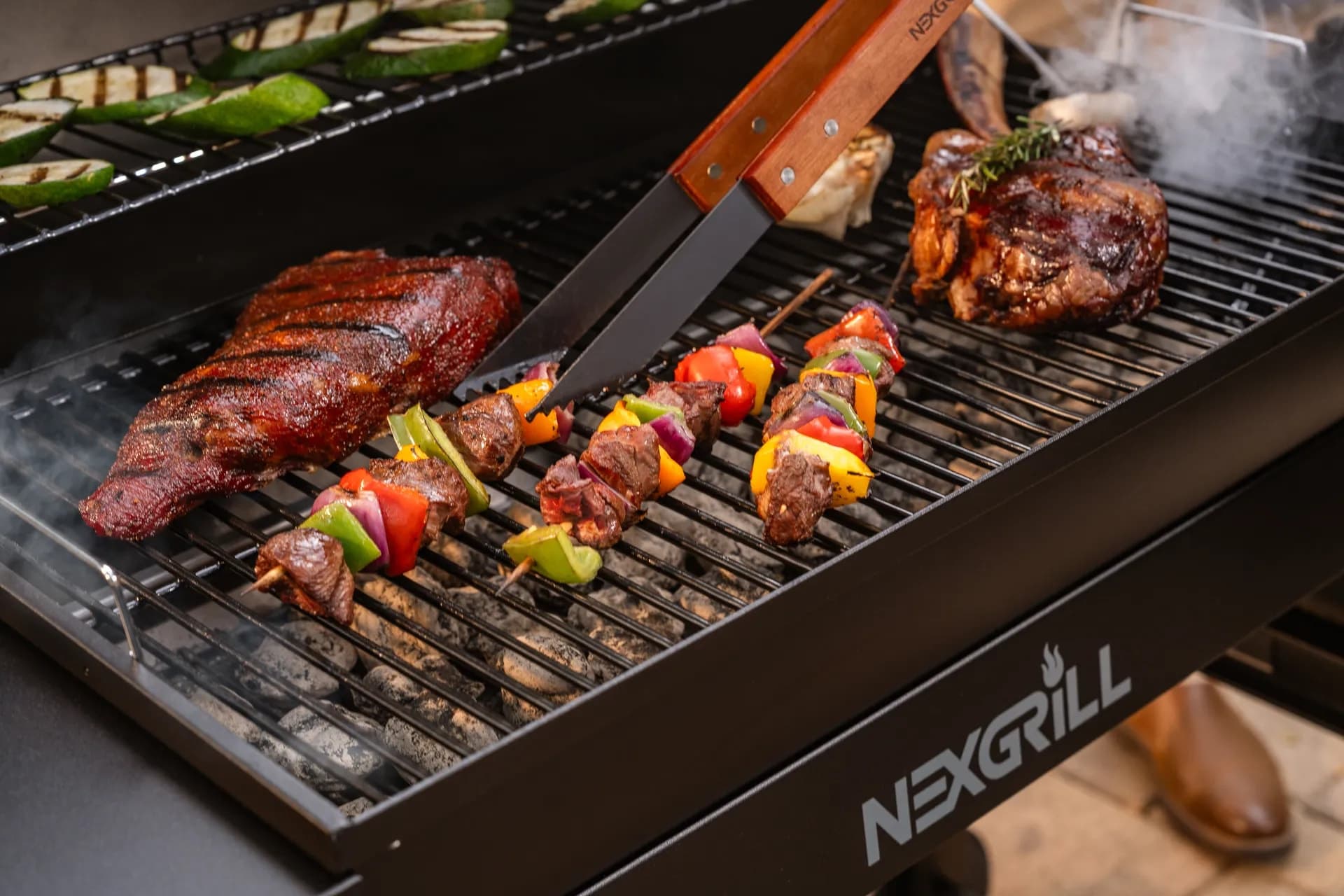
The 10,000-BTU class output gives the grill enough power for direct cooking tasks like burgers, chicken thighs, pork chops, vegetables, and kebabs. For a compact burner, what matters most is not chasing a large BTU number; it is having a burner that can preheat quickly and hold usable heat across a modest cooking area. In real terms, that means you can get dinner going faster and avoid wasting fuel warming up a much larger chamber than you actually need.
| Feature | Why it matters | Best fit |
|---|---|---|
| Cast aluminum body | Keeps the grill light enough for portable use while still feeling substantial. | Travel, patio, and tabletop cooking |
| One burner | Simplifies ignition, heat control, and cleanup. | Quick meals and first-time gas grill users |
| 10,000 BTUs | Provides enough direct heat for compact grilling tasks. | Fast weeknight grilling and travel cooking |
How to Use the Fortress™ 1-Burner Effectively
The best results start before the first flame. Set the grill on a stable, heat-safe surface with good airflow, confirm your propane connection is secure, and give the burner time to preheat before you place food on the grate. On a compact grill, preheating is especially important because a small cooking area can lose heat quickly when cold food is added. A short preheat window helps create better browning and reduces sticking.
Think in zones even though there is only one burner. You will not have a true multi-zone setup, but you can still manage hotter and cooler spots by using the center for searing and moving food toward the edges when you need gentler heat. That is useful for bone-in chicken, thicker steaks, or vegetables that finish faster than your main protein. The key is to avoid crowding the grate; compact grills cook better when air can circulate around the food.
For the cleanest sear, let the grate heat fully before adding oil or food, then close the lid briefly if your cooking plan calls for a more even finish.
A practical first-cook sequence is simple: preheat, oil the grate lightly, place food with space between pieces, and resist the urge to move everything too soon. On smaller grills, frequent flipping can undo the heat recovery you just built. Instead, let the burner do its work and turn items only when they release cleanly. If you are cooking for a small group, batch cooking is often the smartest strategy because it keeps the temperature steadier than trying to overload the surface all at once.
Common Mistakes to Avoid
The most common mistake is expecting a tabletop 1-burner grill to behave like a full backyard station. If you overfill the grate or demand indirect roasting performance from a compact direct-heat setup, you will likely end up with uneven results. Another frequent issue is skipping preheat because the grill seems small and easy to use. Small grills still need time to stabilize, and underheated grates make food stick, tear, and brown poorly.
A second mistake is ignoring location and airflow. Portable grills still need open space around them, and they should never be used in a cramped or enclosed spot where heat and exhaust can build up. It is also easy to forget that compact grills are sensitive to overloaded burners or dirty ports, so routine checks matter even when the grill looks low-maintenance. Finally, do not buy a tabletop model and then judge it by family-feast standards; match the grill to the job, and it becomes much more satisfying to use.
If your usual cookout is for six or more people, a 1-burner tabletop grill will work best as a secondary grill, not your only grill.
Try comparing two products side by side below to see which fits best:
Performance Insights: What Users Say
Once you've weighed two options against each other, the Fortress™ 1-Burner becomes easier to judge in real-world terms. User feedback on compact portable grills tends to revolve around three things: how quickly they heat, how evenly they cook for their size, and whether the footprint is genuinely easy to live with. That is the right lens for this model. It is not built to compete with a large multi-burner cart on raw capacity; it is built to be useful often, with less effort and less bulk.
A review of the similar Nexgrill 1-Burner portable propane gas grill notes the appeal of its compact form factor and quick-cooking character, while also pointing out that a small grill can have quirks if the user expects full-size performance from a limited cooking area That is a helpful reminder that the Fortress works best when you value convenience and portability as much as output. In practice, users who enjoy simple direct grilling often appreciate how fast a small single-burner unit can move from cold metal to usable heat. For burgers, sausages, vegetable skewers, fish fillets, and small batches of chicken, the format makes sense.
The best performance reports usually come from people who treat the Fortress as a “grab-and-go” grill. Those buyers want predictable ignition, manageable cleanup, and enough heat to cook supper without a lot of staging. The grill’s compact footprint also makes it useful as a secondary burner for campsites, road trips, and small outdoor gatherings where a larger grill would be awkward to transport. If you are the type who values a low-fuss setup and small-batch cooking over showpiece entertaining, the user experience is likely to feel positive.
Compact grills earn trust when they make everyday cooking easier. For many users, the Fortress succeeds because it removes friction from short, practical cooks.
Maintenance Tips for Longevity
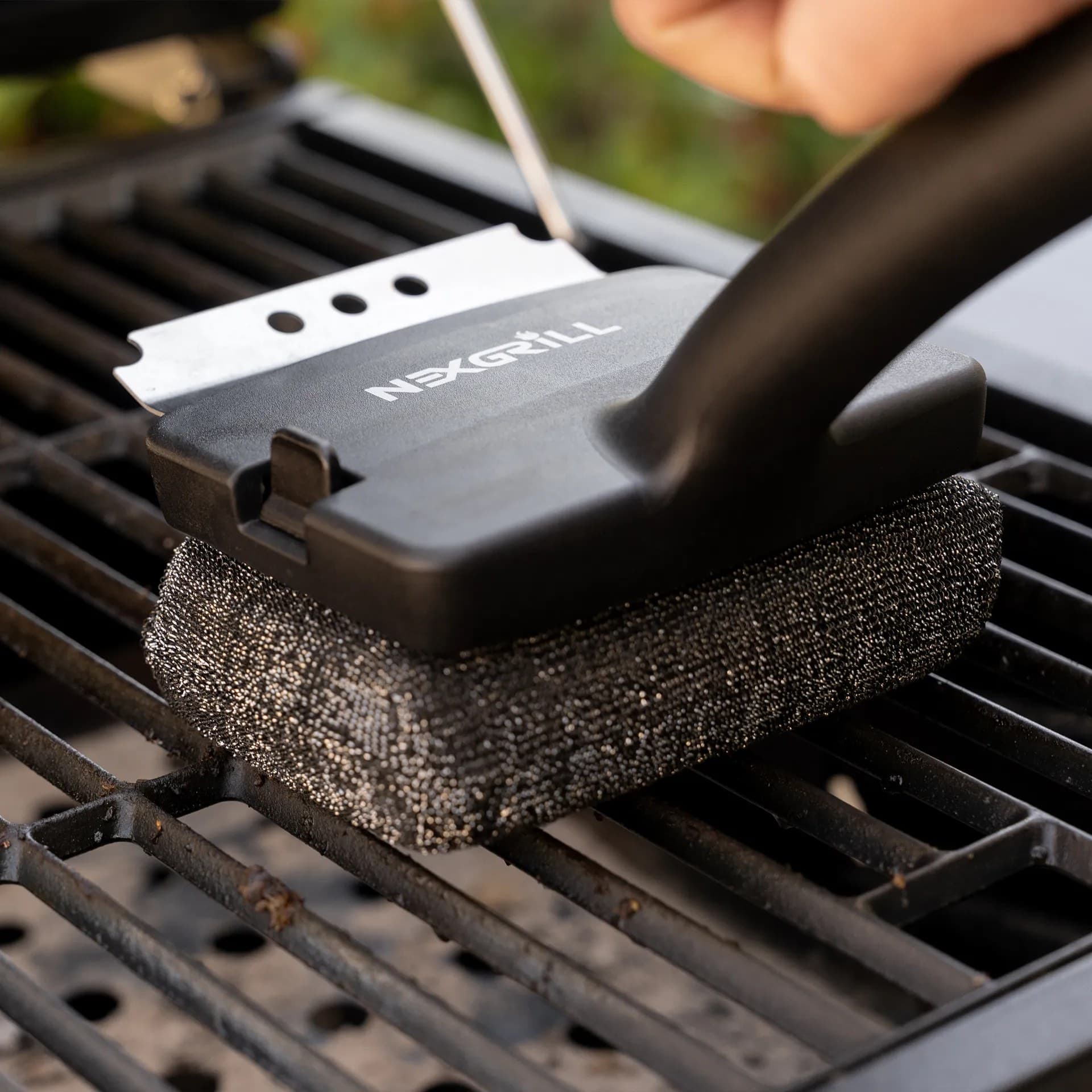
Maintenance on a small grill is straightforward, but it should still be deliberate. Start by cleaning the grate after each use while the grill is still warm enough to loosen residue. That small habit prevents carbon buildup that can affect flavor and airflow. Once the grill cools, empty grease or food debris from the catch areas so residue does not harden and create a mess on the next cook. For compact grills, cleanliness matters more than people expect because the cooking space is limited and buildup shows up faster.
Check the burner and propane connection regularly. Even if the grill has not been used heavily, outdoor storage, dust, and grease can affect ignition and airflow over time. If the flame pattern looks weak or uneven, the issue may be as simple as a blocked port or an improper gas connection. A quick seasonal inspection is usually enough to catch problems early. When the grill is not in use, a fitted cover and dry storage location can help preserve the finish and reduce weather exposure.
| Maintenance task | When to do it | Why it helps |
|---|---|---|
| Brush the grate | After every cook | Improves flavor and reduces sticking |
| Inspect burner ports | Monthly or seasonally | Supports even flame performance |
| Check propane connection | Before each use | Helps prevent startup issues |
| Use a grill cover | When stored outdoors | Limits weather wear and debris buildup |
Do not store the grill wet after cleaning; trapped moisture can create odor, corrosion, or sticky residue on later cooks.
Final Thoughts on the Fortress™ 1-Burner
The Nexgrill Fortress™ 1-Burner makes the most sense for shoppers who want a compact propane grill that is light on complexity but capable enough for real meals. Its cast aluminum tabletop build, portable design, and 10,000-BTU class output position it as a useful small-space solution rather than a downsized replacement for a backyard centerpiece. That distinction matters, because the grill delivers better value when you choose it for portability, quick cooking, and limited-space convenience.
If you live in a smaller home, travel often, or want a second grill that is easier to deploy than your main setup, the Fortress is a sensible fit. If you routinely cook for large groups, want multiple heat zones, or need to smoke and roast for longer sessions, you will probably be happier with a larger Nexgrill model. The right choice comes down to how often you need portability versus capacity, and this grill earns its place when portability is the priority.
Best for: smaller households, weekend travelers, apartment-friendly outdoor cooking, and anyone who wants a dependable backup grill.