Nexgrill Fortress™ 1-Burner Manual: Your Guide to Efficient Grilling
Learn how to maximize your Nexgrill Fortress™ 1-Burner grilling experience with this comprehensive manual.
In This Article
Compact Design
Performance Specs
Easy Maintenance
How to Set Up Your Nexgrill Fortress™ 1-Burner
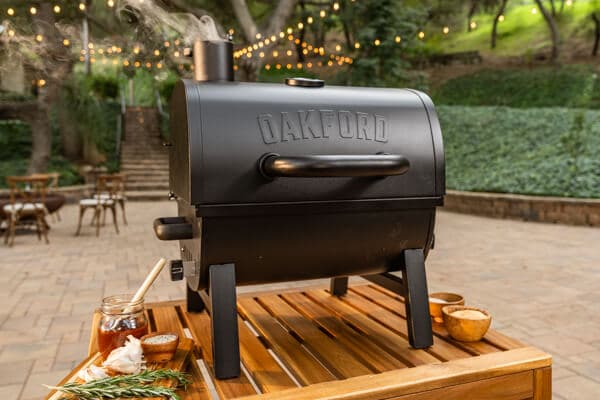
The Fortress 1-Burner is built for cookouts where space is tight but the goal is still real grilling, not compromise. Nexgrill positions the Fortress as a road-ready tabletop propane grill with a cast aluminum body, and the product page highlights its portable format for users who want a compact setup that still feels sturdy on a patio, campsite table, or tailgate surface. The owner’s manual for the Fortress 820-0062D is the best companion for initial setup, and it is especially useful because small portable grills reward careful assembly more than big cart grills do. When you assemble and connect the grill correctly the first time, you reduce flare-ups, uneven ignition, and the kind of gas connection problems that can turn a quick meal into a reset-and-check session. Nexgrill’s own Fortress product information emphasizes the tabletop format and propane design, while the road-ready blog post reinforces that this model is meant to travel without feeling fragile.
Before you start, clear a stable surface, confirm you have a compatible propane cylinder, and keep the grill away from overhangs or loose fabric.
The Fortress’s compact output is sized for fast preheat and efficient tabletop grilling.
Step-by-Step Assembly Instructions
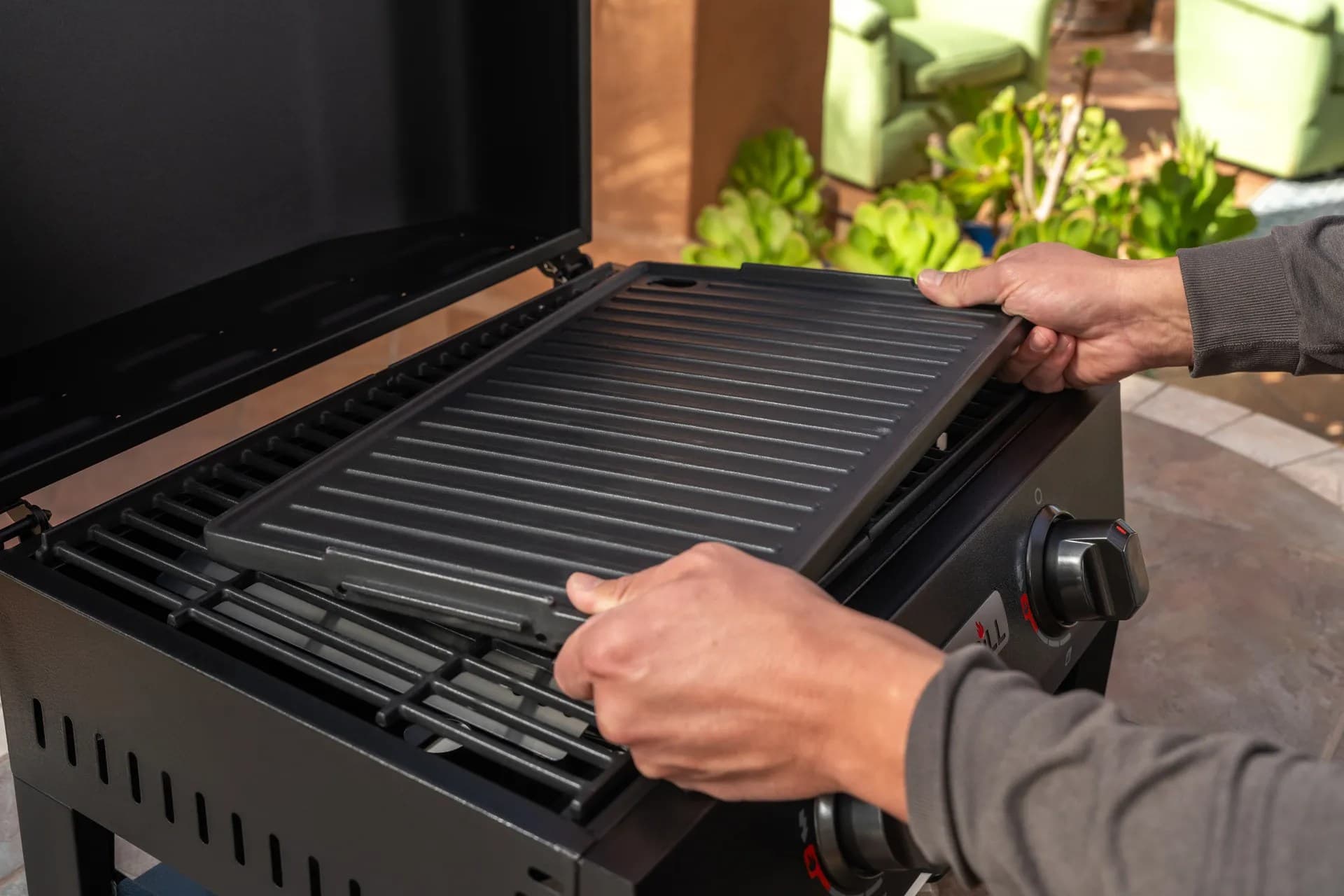
A portable grill usually has fewer parts than a full-size model, but every connection still matters. Begin by laying out the body, grate, burner components, ignition parts, and hardware on a flat surface. The cast-aluminum construction makes the unit easier to position than heavier steel carts, yet that lighter footprint also means you should avoid assembling it on uneven ground where parts can shift. Check the manual diagrams before tightening anything all the way. That lets you align hinges, burner openings, and control hardware before the final turn of the wrench. If your model includes removable cooking parts, seat them in the order shown in the manual so that the burner sits cleanly under the grate and the heat path remains unobstructed. The goal is not just a grill that looks assembled; it is a grill that allows gas, flame, and airflow to meet in the intended path. The Fortress owner’s manual available through manuals databases is a practical reference for these sequence details, and the Nexgrill product page is the best place to confirm the product family and construction style before you begin.
- Inspect every part for shipping damage before assembly.
- Hand-thread fasteners first so the frame stays aligned.
- Verify that the burner and ignition components are seated before testing heat.
- Tighten hardware in stages instead of forcing one side fully first.
If a screw will not line up cleanly, stop and re-check orientation. For portable grills, forcing misaligned parts is one of the easiest ways to create burner or lid-fit issues later.
Gas Connection Safety Tips
For a one-burner propane grill, the gas connection is the part most users rush, but it deserves the most patience. Make sure the control knob is off before attaching the cylinder. Connect the regulator firmly and inspect the hose routing so it will not touch hot surfaces or pinch under the body when the grill is moved. After connection, use a leak-check solution or a soap-and-water mix around the fitting area and watch for bubbles. That quick test is worth doing every time a cylinder is reattached, especially if the grill has been stored or transported. The compact form factor makes the Fortress convenient, but it also means the cylinder and hose can be bumped more easily during setup and transport. Keep the grill on a level, noncombustible surface and never try to test ignition inside a closed garage, enclosed patio, or inside the bed of a vehicle. For a tabletop unit, stable positioning is just as important as the gas fitting itself because tipping can alter burner performance and create unsafe flare-ups.
A quick leak check and a stable setup surface are the two easiest habits that prevent most first-use problems.
First-Time Use: Getting Started
The first fire is less about cooking and more about conditioning the grill for repeatable results. Open the lid, if your setup has one, and preheat the burner according to the manual before placing food on the grate. A short empty preheat helps burn away manufacturing residue and gives you a better sense of how the flame behaves at medium and high settings. On a 10,000 BTU portable grill, heat comes on quickly, so give the grate a few minutes to stabilize instead of assuming the surface is ready the moment the flame lights. First-time users often judge the grill too early and then complain that the center is hot while the edges lag; in many cases the issue is just insufficient preheat. Once the grate is hot, lightly oil the cooking surface or the food itself, then place a simple test item such as sliced vegetables or thin-cut chicken to learn the grill’s hot zones. This is the best way to understand how the burner behaves before you commit to thicker proteins. Nexgrill’s Fortress product listing and road-ready article both frame the grill as a portable, efficient cooker, so the smartest first use is short, controlled, and observational rather than a full heavy-load cook.
Essential Cooking Techniques for the Fortress™
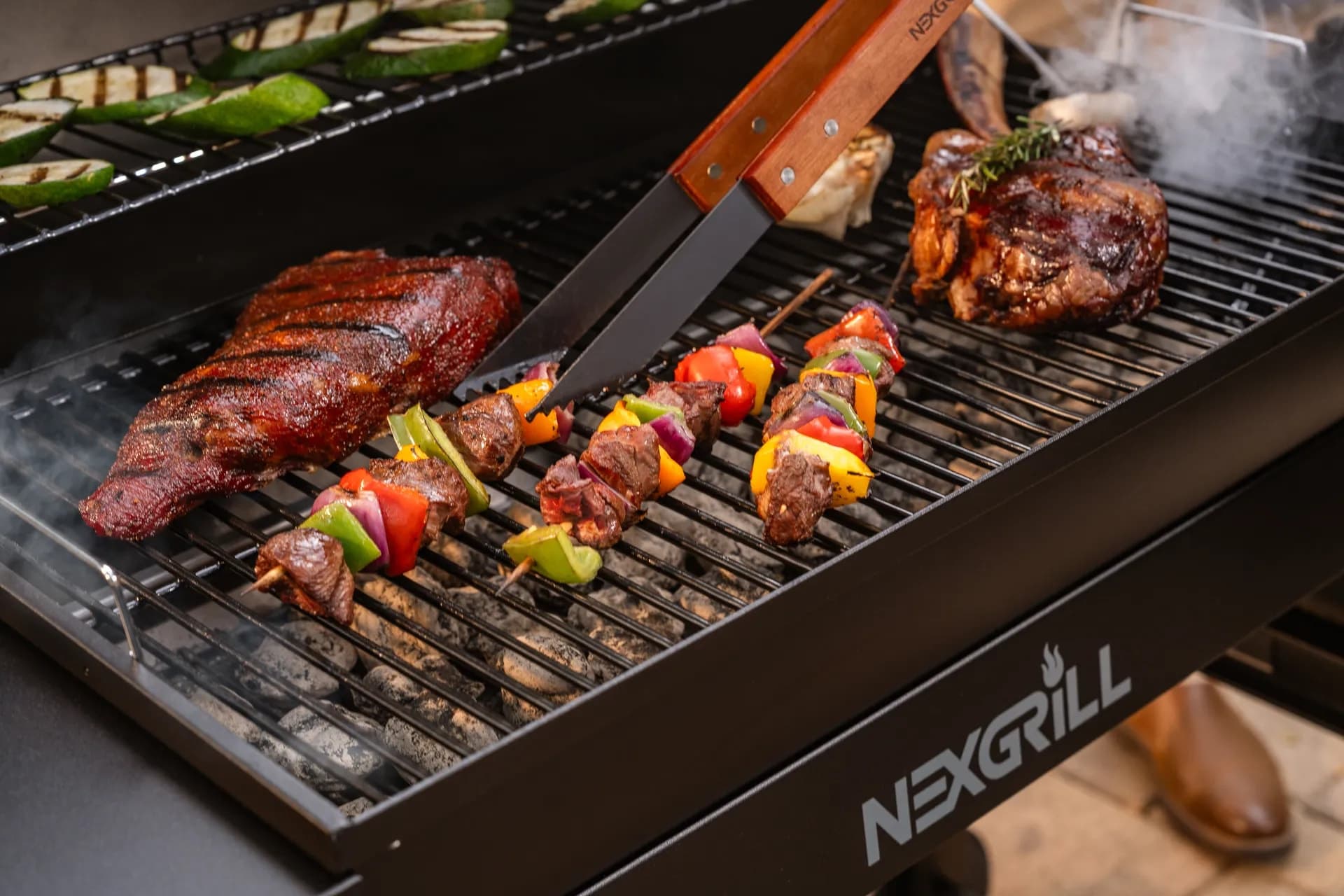
With a one-burner grill, success comes from planning around a single heat source rather than fighting it. Direct grilling is the Fortress’s strongest use case: burgers, kebabs, shrimp, sausage, boneless chicken, and vegetables all benefit from the quick response of a compact burner. For thicker foods, use a two-stage approach. Sear briefly over the hottest section, then move the food slightly off-center and lower the lid, if present, to finish more gently. Because the grill is small, overcrowding is the most common way to lose temperature. Leave open space around each item so hot air can circulate and the burner does not have to recover from a cold, packed grate. Think of the Fortress as a precision tool for smaller meals, campsite dinners, and fast weeknight grilling. It is not designed to behave like a large backyard station, and that is actually part of its value. By embracing a compact cooking style, you get quicker preheat times, easier transport, and less cleanup than a bulkier unit. Try comparing two products side by side below to see which fits best:
Common Mistakes to Avoid with Your Fortress™ Grill
Once you’ve weighed setup and performance against a few other grill options, the next step is avoiding the mistakes that make a compact unit feel more limited than it really is. The first mistake is overfilling the cooking grate. A single-burner grill works best when food has room to breathe, because a crowded surface steals heat and leads to pale spots instead of even browning. The second is cooking before the preheat is complete; portable grills often reach usable temperature quickly, but that does not mean the grate has stabilized. The third is ignoring wind. On a tabletop grill, even moderate wind can disturb the flame and make one side of the grate run cooler. If possible, set up in a sheltered but open-air location, not in a dead-air corner where smoke and heat will hang around you. A fourth mistake is treating the grill like it can be picked up and moved immediately after cooking. The Fortress is road-ready, but hot metal, hot grates, and warm hose fittings still need time to cool. Nexgrill’s portable-grill positioning makes mobility a feature, not an excuse to rush the setup or breakdown process.
If flame looks weak after a cylinder change, do not keep turning the knob harder. Recheck the connection, airflow, and burner seating first.
Maintenance Tips for Longevity
A cast-aluminum tabletop grill is easier to care for than many full-size models, but longevity still depends on consistent habits. Brush the grate after each use while it is warm, then empty loose debris once the grill has cooled. Wipe exterior surfaces with a soft cloth so grease does not harden into a stubborn film that attracts dust during storage. The compact body benefits from being kept dry, so if the grill is stored in a garage or shed, let moisture evaporate before covering it. Check the burner ports periodically for residue, especially after cooking foods that render more fat. On a small grill, even light buildup can affect flame shape because there is less room for uneven gas spread to self-correct. Also inspect the regulator hose for kinks, cracking, or pinch points after each move. The Fortress is a portable model, which means transport wear matters more than it would on a stationary grill. A careful owner treats every trip like a mini reinstallation rather than assuming the unit will be perfect out of the box every time it is set down.
Troubleshooting Common Issues
If the burner will not light, start with the simplest checks: confirm fuel is connected, the cylinder has propane, and the control knob is in the ignition position described by the manual. If ignition clicks but no flame appears, the burner opening may be partially blocked or the gas path may not be fully seated. Uneven flame usually points to residue in the burner ports, a disturbed burner alignment, or a gas delivery issue caused by a loose connection. If you smell gas but do not see ignition, shut everything off immediately, move the grill to a safer area if necessary, and allow the gas to dissipate before trying again. For heat that seems too low, remember that portable one-burner grills are meant for efficient direct grilling, not heavy-load roasting at the pace of a larger unit. A lid that is opened too often, a windy setup, or too much food on the grate can all make the flame seem underpowered. If repeated checks do not resolve the problem, consult the Fortress manual reference and compare your symptoms to the assembly sequence and component diagrams before assuming the grill has a major defect.
How to Clean Your Nexgrill Fortress™
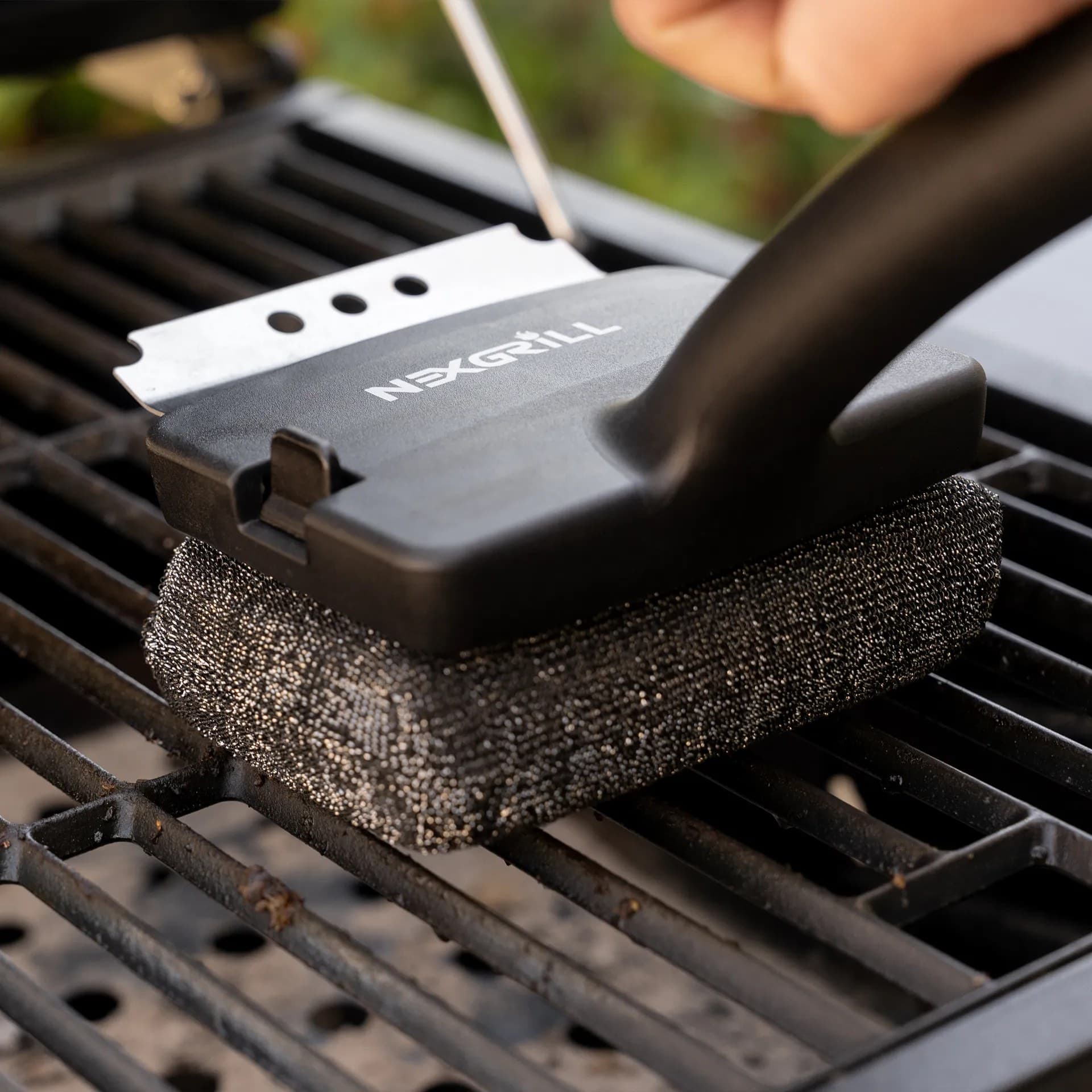
Cleaning the Fortress is straightforward if you do it in the right order. Let the grill cool until it is safe to handle, then remove the grate and clear loose food particles into a disposable container. Use a grill brush or scraper on the grate while it is still slightly warm if the surface material allows, because residue lifts more easily at that stage. Wipe the cookbox and exterior with a damp cloth, taking care not to saturate the ignition area or burner openings. If your model has a grease collection point, empty it after each few uses so buildup does not migrate back onto the burner area. For the cast-aluminum body, avoid abrasive pads that can scratch the surface and make future cleaning harder. The goal is not a deep restoration every time; it is a regular reset that keeps the grill ready for the next use. That rhythm matters especially for a portable unit, because a clean grill is much easier to load, transport, and set up on short notice.
Maximizing Your Grilling Experience
The best way to get more from the Fortress is to cook to its strengths. Plan meals around smaller, well-managed batches, use preheated grates, and keep a close eye on the burner so you can adjust quickly instead of overcorrecting. Because this grill is portable, it shines for tailgates, apartment-friendly outdoor spaces where propane grills are allowed, quick weekend meals, and travel cooking where space is limited but flavor still matters. You will get the best results from foods that cook evenly and finish quickly, such as fish, chicken cutlets, peppers, onions, asparagus, and simple skewers. If you need to feed a crowd, prepare ingredients in stages and cook in waves rather than trying to cover every inch at once. That approach preserves heat, improves browning, and keeps the single burner from struggling. For buyers comparing compact options, the choice usually comes down to whether they want a rugged tabletop gas grill with fast startup or a larger cart grill with more zones. The Fortress is the better fit when portability, simplicity, and efficient grilling are the real priorities, and that is exactly where it earns its place in the Nexgrill lineup.