Nexgrill 720-0898 Review: A Comprehensive Guide
Explore the features, performance, and maintenance of this versatile 6-burner grill.
In This Article
Spacious Cooking Area
Powerful Performance
Maintenance Tips
Overview of the Nexgrill 720-0898
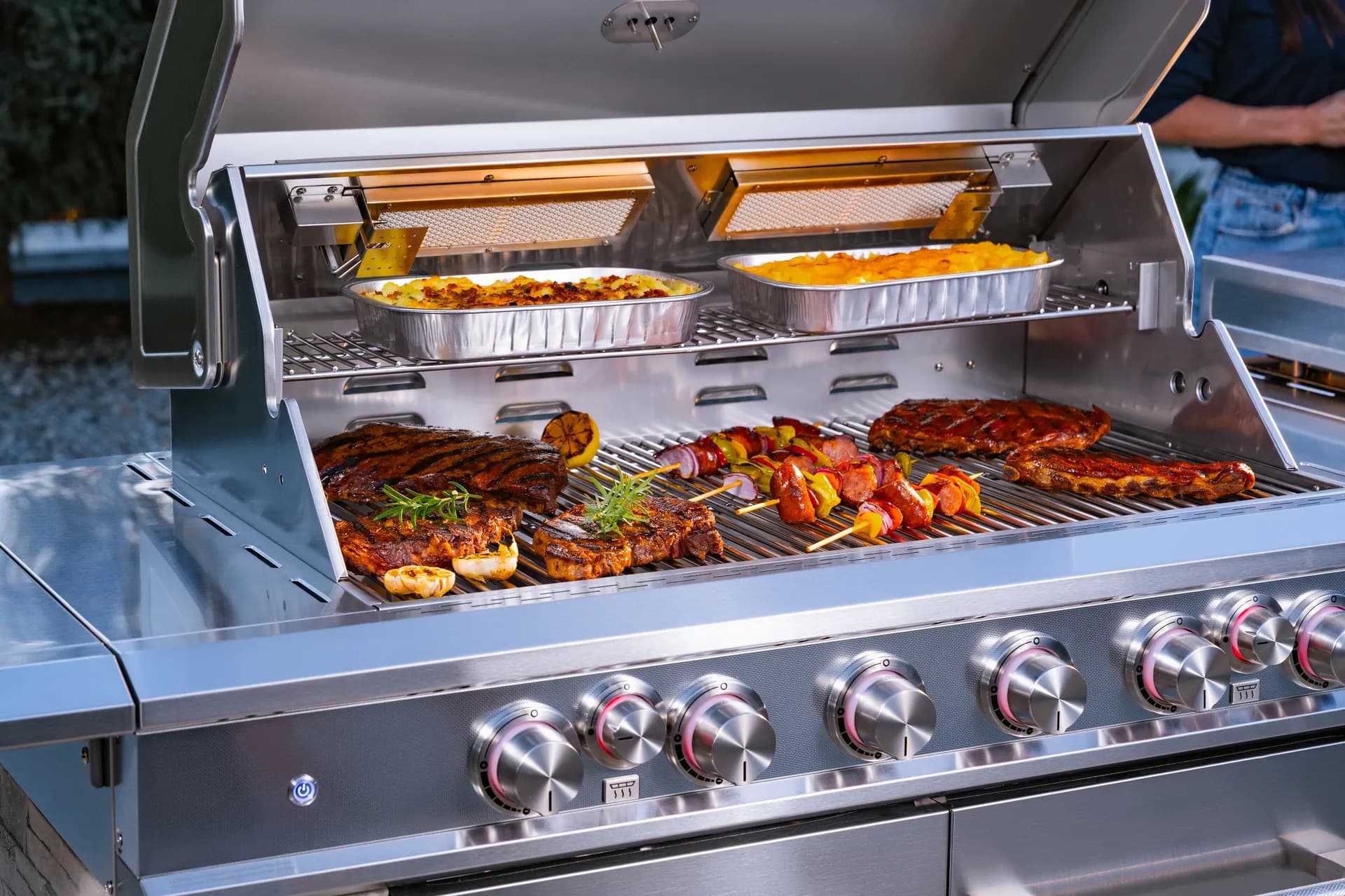
The Nexgrill 720-0898 sits in the category of large, family-ready propane grills built for people who want a roomy cook surface without moving into premium-price territory. The core appeal is straightforward: six burners, a listed 72,000 BTUs, and 582 square inches of primary cooking space. In practical terms, that means it is designed for weeknight cooking for a household and weekend cooking for a crowd, not just occasional burgers. The published capacity estimate of 18 to 28 burgers is a useful way to picture the size, because it tells you this grill is meant to handle real entertaining loads rather than a couple of steaks at a time.
If you are comparing grills in this size class, the right question is not simply whether the 720-0898 is big enough. It is whether you will actually use a six-burner layout well. For some buyers, that many burners creates welcome flexibility for direct and indirect heat zones. For others, especially those grilling for two or three people most nights, the footprint and fuel use may be more than necessary. That is why this review leans practical: the model is best judged by how often you cook, how many zones you need, and whether you value spread-out heat management over a simpler two- or four-burner setup.
A high-output six-burner layout intended for large meals and flexible heat zoning
Info: a larger burner count is most valuable when the grill is used to build separate heat zones, not just to chase a bigger number on the spec sheet.
Key Features of the Grill
The headline features are what make the 720-0898 appealing in the first place. Six burners give you more control over the cooking surface, which helps when you want one area hot for searing and another area steadier for finishing thicker cuts. The 582 square inches of main area also gives you enough room to cook mixed foods at once, such as chicken thighs, vegetables, and sausages without crowding the grate. The capacity claim of 18 to 28 burgers is especially useful for backyard hosts because it translates abstract square inches into a real dinner scenario.
The grill’s propane format is another practical advantage. For many users, propane is the simplest path to fast startup, fast temperature changes, and lower friction when cooking on a schedule. You can get from preheat to first sear without the longer setup required by charcoal. That convenience matters most on busy evenings, and it is also why this type of grill is often chosen by casual grillers who still want a large surface and a substantial feel. The tradeoff, of course, is that propane grilling tends to reward attentive temperature management more than it rewards “set it and forget it” thinking.
| Specification | What it means in practice |
|---|---|
| 6 burners | More control over direct and indirect cooking zones |
| 72,000 BTUs | Strong overall heat output for preheating and multi-item cooking |
| 582 sq. in. | Room for family meals and medium-to-large gatherings |
| 18 to 28 burgers | A practical capacity benchmark for parties and cookouts |
Performance Insights
In everyday use, the main performance question for a grill like this is not only how hot it gets, but how well you can manage that heat across a broad cooking field. A six-burner propane grill can be very effective for staggered cooking, but only if you treat the surface as multiple work zones. That means preheating long enough for the grates to stabilize, then assigning burners based on the food you are actually cooking. Burgers and steaks benefit from the hottest sections, while chicken, fish, and vegetables often do better on medium heat or a cooler edge of the grate.
The higher BTU figure suggests brisk recovery after lid openings and a strong response when several items hit the surface at once. That said, BTUs alone do not define performance. Heat distribution, grate quality, and how well the grill retains heat during repeated openings matter just as much. With a grill in this class, the best results usually come from using the space intentionally rather than filling every inch at once. If you overload the cooking area, you reduce airflow and make the temperature swing harder to manage, especially when cooking foods that release moisture.
Tip: for mixed cookouts, assign one burner bank to high-heat searing and another to gentler finishing heat before food ever touches the grate.
Assembly and Maintenance
Assembly is where many buyers decide whether a large grill feels manageable or frustrating. With a six-burner model, the process is usually less about technical difficulty and more about staying organized. Unpack every part first, sort hardware by size, and read through the full sequence before tightening anything. On larger grills, one incorrectly installed panel or reversed burner component can create alignment issues later, so it pays to build slowly and check your work as you go. Having a second person available is often useful simply because of the size of the frame and cooking components.
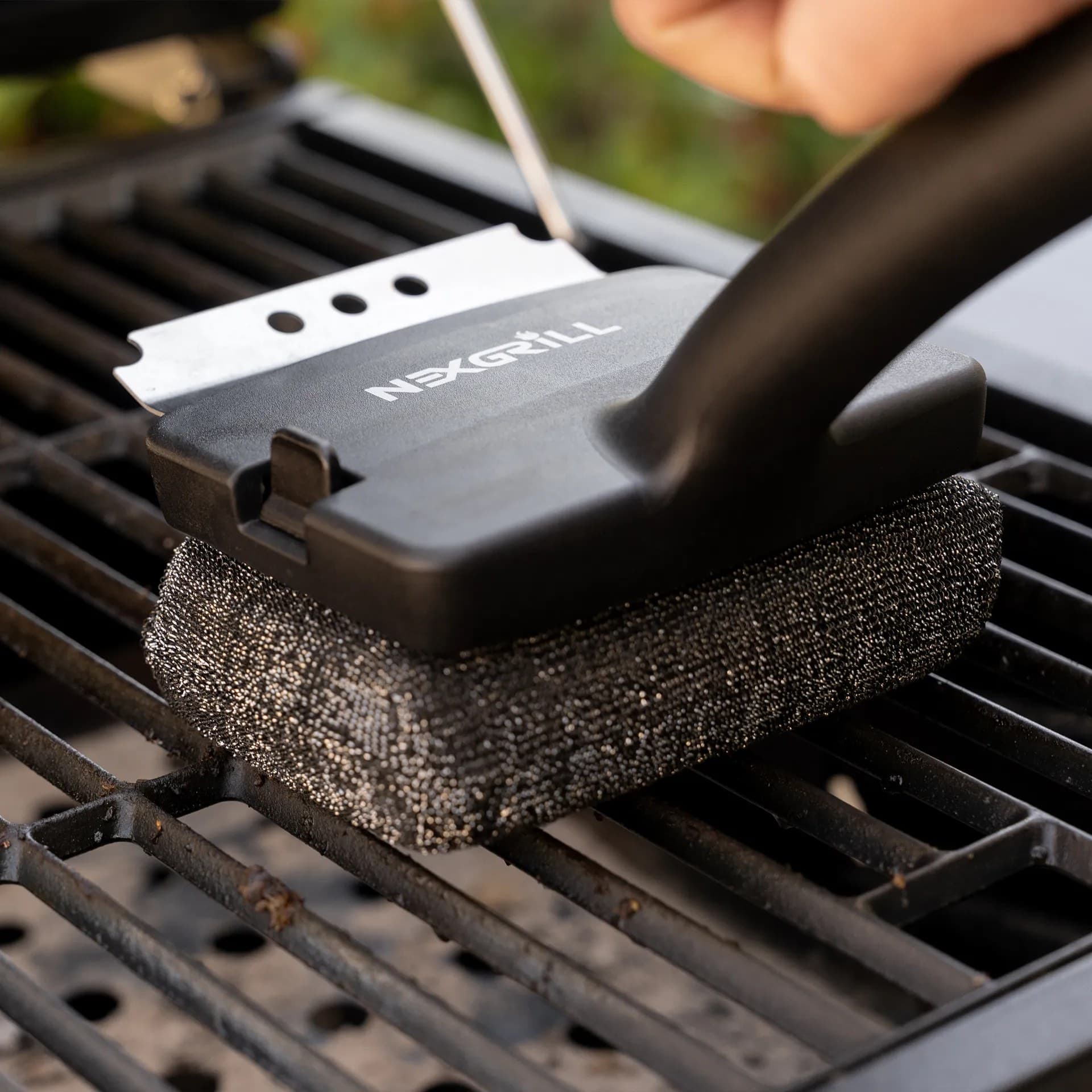
Maintenance starts on the first cook, not months later. The safest habit is to brush the grates after each use while they are still warm, then empty and inspect the grease system on a regular schedule. You should also keep an eye on burner ports and ignition components, since heavy use can lead to debris or uneven ignition patterns over time. If you live in a region with frequent rain or temperature swings in the United States, covering the grill when it is not in use helps reduce wear from moisture and dust. None of that is complicated, but consistency matters more than occasional deep cleaning.
Warning: do not skip the first leak check after connecting propane; large grills should be tested before any burn-in or cooking session.
Try comparing two products side by side below to see which fits best:
Common Mistakes to Avoid During Assembly
Once you've weighed two options against each other, the next step is making sure the grill you chose is assembled in a way that allows it to perform as intended. The most common mistake is rushing through the frame and burner installation because the grill looks straightforward. Large propane grills can appear simple from the outside, but alignment matters. If the firebox, burners, or igniter parts are not seated correctly, you may end up troubleshooting heat issues that were actually introduced during assembly. That is especially frustrating on a model like the 720-0898, where buyers expect the six-burner layout to create smooth zone control.
Another frequent error is over-tightening hardware before the whole structure is squared up. When panels are locked in too early, later pieces may not line up cleanly, which can lead to gaps, doors that do not sit right, or a slightly uneven cooking platform. The better method is to follow the assembly order closely, snug everything first, and only fully tighten once the major pieces are in place. It also helps to keep the grill on a level surface during setup, because small tilts can become bigger fit problems once heavier components are attached.
For propane grills, connection mistakes are another area where patience pays off. Make sure the regulator and tank connection are secure, then perform a leak check before the first ignition. Do not assume that a burner lighting means every connection is correct; a small leak can still exist elsewhere in the system. The safest habit is to inspect before use, especially if the grill has been stored for the season. If you are building the grill outdoors on a windy day, protect small fasteners from getting lost and keep the hardware organized in the order it appears in the manual.
Warning: a quick assembly job can create long-term heat, ignition, or alignment problems that are much harder to trace later.
Maintenance Best Practices
The easiest way to keep a large grill cooking well is to build a repeatable routine. After each session, brush debris off the grates while they are still warm, then let the grill cool before wiping down exterior surfaces. On a weekly or heavy-use basis, check the drip tray and clean out grease before it accumulates enough to interfere with airflow or create flare-up risk. Because this is a six-burner grill with substantial output, clean airflow pathways are especially important; even small blockages can make one side feel hotter or less responsive than the other.
Seasonal maintenance matters too. At the beginning and end of grilling season, inspect burners, ignition points, and gas connections for signs of wear. If flames look uneven or delayed, address the problem before cooking more food rather than hoping it clears itself. In humid or coastal parts of the United States, the exterior should be protected from moisture as much as possible, since corrosion tends to start in overlooked corners, seams, and fastener points. A fitted cover is a simple defense, but it works best when the grill is clean and fully dry before covering.
| Maintenance task | How often | Why it matters |
|---|---|---|
| Brush grates | After each cook | Keeps residue from building up and improves next-use performance |
| Check grease tray | Weekly or after heavy use | Reduces flare-ups and cleanup burden |
| Inspect burners and ignition | At season start/end | Helps catch uneven ignition or wear early |
| Use a cover | Whenever stored outdoors | Protects against weather, dust, and UV exposure |
Conclusion: Is the Nexgrill 720-0898 Right for You?
The Nexgrill 720-0898 makes the most sense for buyers who want a large propane grill with real flexibility and enough space to cook for gatherings without feeling constrained. If you host weekend cookouts, meal prep for a family, or simply prefer a broad, multi-zone cooking surface, its 6-burner, 72,000-BTU setup and 582 square inches of cooking area give you a strong practical foundation. The grill is less compelling for buyers who only need a compact patio setup or who rarely cook for more than two people at a time.
Who is this for? It is a better fit for frequent grillers, backyard hosts, and shoppers who value versatility over minimal footprint. It is also well suited to people who want propane convenience and a larger layout that can handle burgers, vegetables, seafood, and thicker cuts in one session. Which option suits you? If you are deciding between the 720-0898 and a smaller grill, choose the 720-0898 when your priority is capacity and zone control; choose a more compact model if storage space, lower fuel use, or simple everyday cooking matter more.
Info: the best grill is the one you will actually use often enough to justify its size, heat output, and cleaning routine.