Mastering Grill Grease Removal: Expert Techniques for a Clean Grill
Discover effective methods to keep your grill grease-free and ready for every cookout.
In This Article
Understand Grease Risks
Effective Cleaning Tools
Preventive Maintenance
Understanding the Challenge of Grill Grease
Grill grease is a common challenge faced by outdoor cooking enthusiasts. It accumulates over time from cooking oils, marinades, and food drippings, potentially affecting the performance and lifespan of your grill. Understanding the nature of grill grease and how it interacts with your equipment is the first step towards effective removal and maintenance.
Grease buildup not only affects the aesthetics of your grill but can also pose safety risks. Excess grease can catch fire, leading to flare-ups that might damage your grill or create hazardous cooking conditions. Therefore, regular cleaning is essential for both safety and optimal grilling performance.
Regular cleaning can extend the lifespan of your grill by up to 50%.
Tools and Materials for Effective Grease Removal
To tackle grill grease effectively, the right tools and materials are crucial. Here’s a list of what you’ll need:
- Grill brush with metal bristles
- Heat-resistant gloves
- Dish soap and warm water
- Baking soda and vinegar
- Scraper or putty knife
- Microfiber cloths
- Non-abrasive sponge
Tip: Use a grill cover to protect your grill from the elements and reduce grease accumulation.
Step-by-Step Guide to Removing Grill Grease
Begin by heating the grill for about 15 minutes to loosen the grease, making it easier to remove. Once the grill is warm, turn it off and allow it to cool slightly so it’s safe to handle.
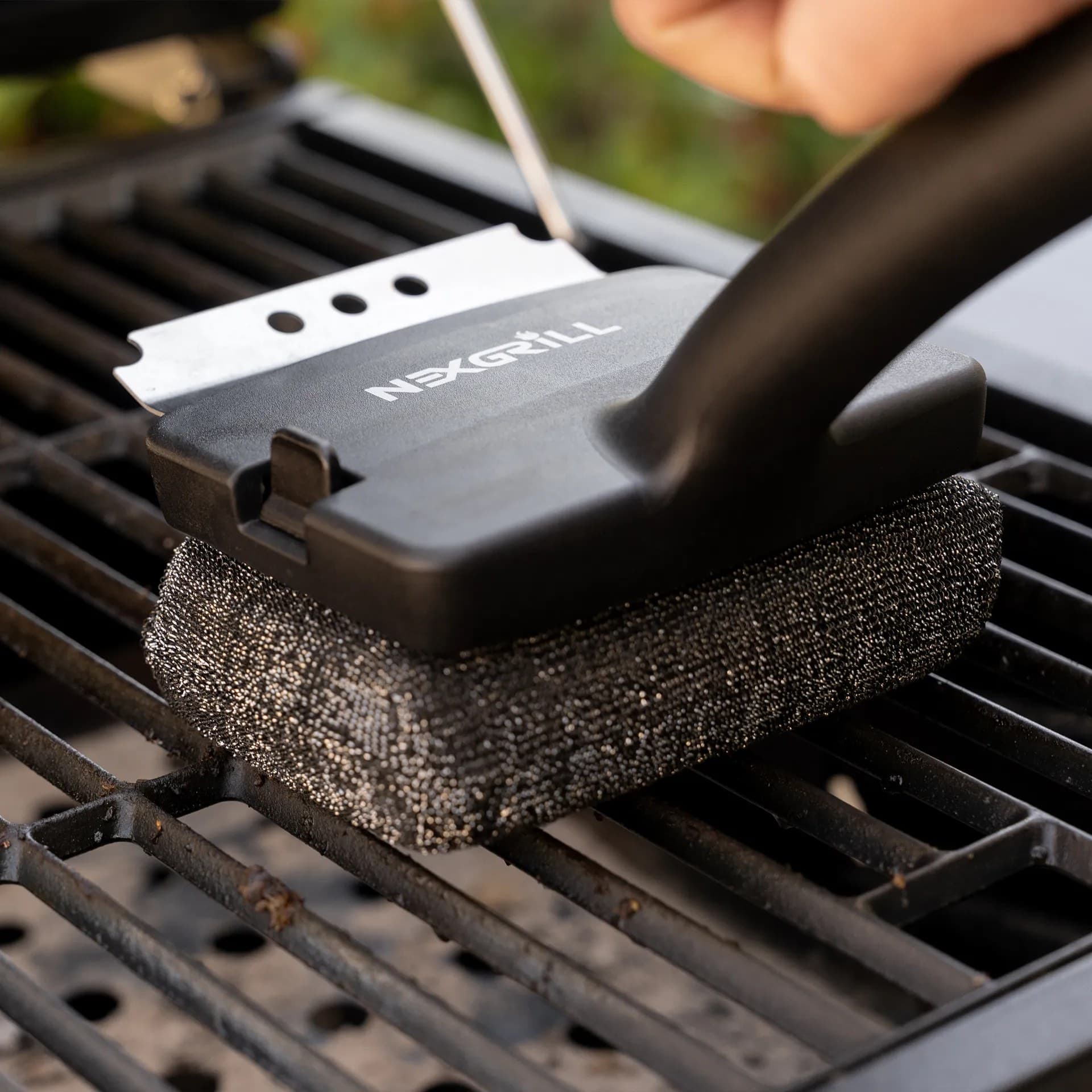
Use a metal-bristled brush to scrub the grill grates vigorously. This helps dislodge stubborn grease particles. For areas with heavy buildup, apply a paste of baking soda and water, let it sit for 5-10 minutes, and scrub again.
| Method | Description |
|---|---|
| Soap and Water | Mix dish soap with warm water and use a sponge to clean the surfaces. |
| Baking Soda Paste | Apply paste to stubborn areas, let it sit, then scrub. |
| Vinegar Spray | Spray vinegar over the grill and wipe with a cloth. |
After scrubbing, rinse the grill with clean water and dry it using a microfiber cloth. This prevents rust and ensures your grill is ready for use. Repeat this cleaning process regularly to maintain your grill in top condition.
Tip: Regular cleaning not only enhances the lifespan of your grill but also improves the taste of food by eliminating old grease flavors.
Try comparing two products side by side below to see which fits best:
Once You've Weighed Two Options Against Each Other, Here's What Else Matters
After comparing the options for grill grease removal, it’s important to consider the specific needs of your grill type. Different grills might require tailored approaches for effective cleaning without damage.
Tailoring Your Approach by Grill Type
Gas grills, for instance, often have removable burner protectors which can accumulate grease. It’s critical to remove these and clean them thoroughly. For charcoal grills, the grates should be cleaned after each use to prevent grease buildup that can affect the charcoal’s combustibility.
Warning: Avoid using harsh chemicals on grill surfaces as they can damage the finish and contaminate food.
Pellet grills need particular attention to the drip tray, which collects grease. Regularly empty and clean this tray to prevent flare-ups and maintain the grill's efficiency.
Preventive Measures for Long-Term Cleanliness
Prevention is as crucial as cleaning. Using a grill mat can capture excess grease before it touches the grill, making future cleaning much simpler. Additionally, a regular schedule for deep cleaning ensures grease doesn't have a chance to build up excessively.
The Role of Regular Maintenance
Regular maintenance of your grill not only keeps it looking pristine but also ensures it functions optimally. Maintenance includes checking the ignition systems, inspecting for rust, and ensuring all bolts and screws are tight.
For those who grill frequently, a monthly deep clean is advisable. This involves a more thorough disassembly and inspection of all the components.
Choosing the Right Products for Grease Removal
Selecting the right cleaning products can make a significant difference. Opt for non-toxic, biodegradable cleaners that are safe for food surfaces. Avoid bleach or other corrosive cleaners that can damage your grill.
Many manufacturers offer grill-specific cleaning kits that come with brushes, scrapers, and safe cleaning solutions designed for grill maintenance.