How to Cook on a Propane Grill for Beginners: A Comprehensive Guide
Master the basics of propane grilling with our expert tips and techniques, perfect for new grillers.
In This Article
Beginner-Friendly Tips
Essential Grilling Tools
Maintenance Matters
Getting Started with Propane Grilling
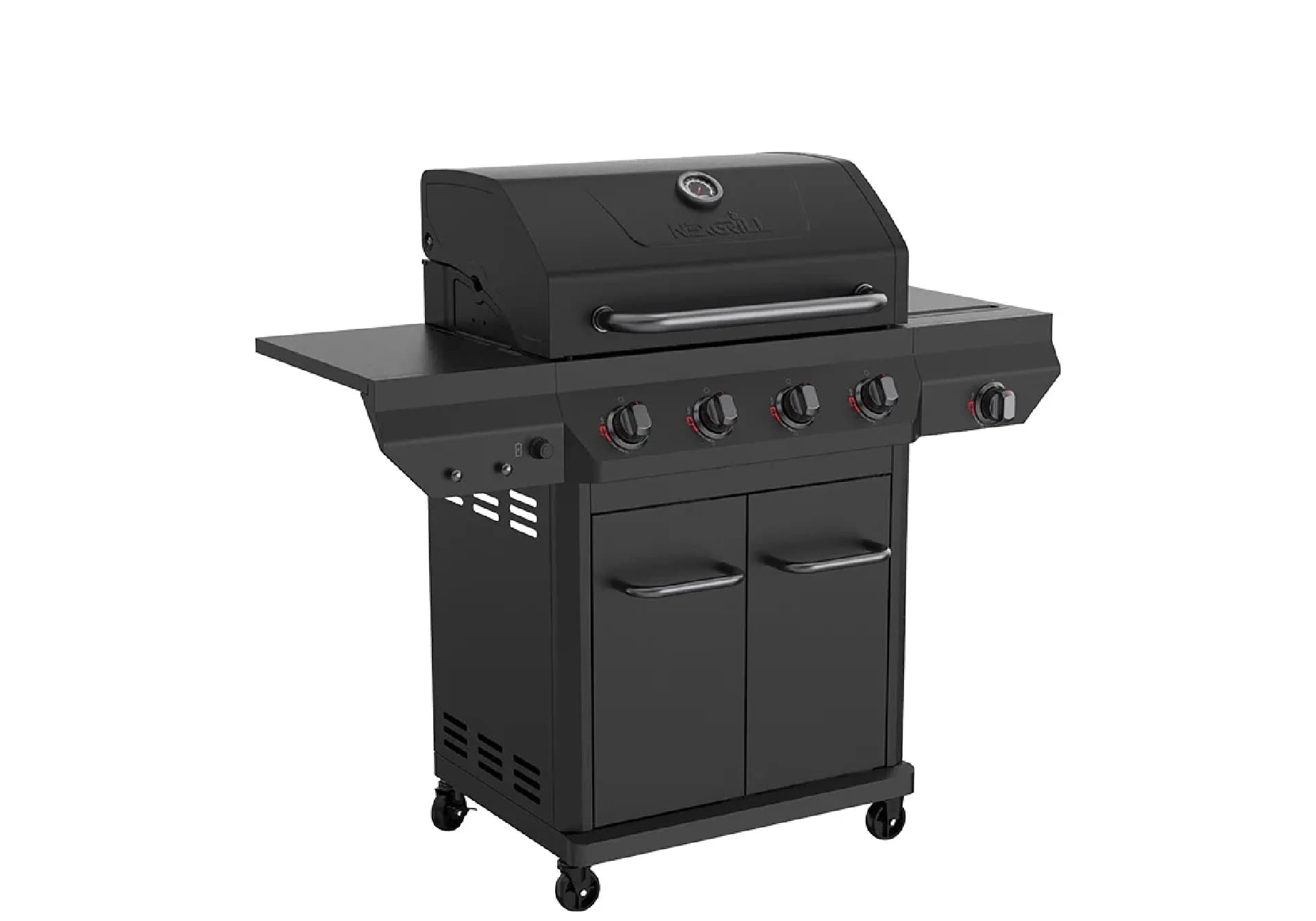
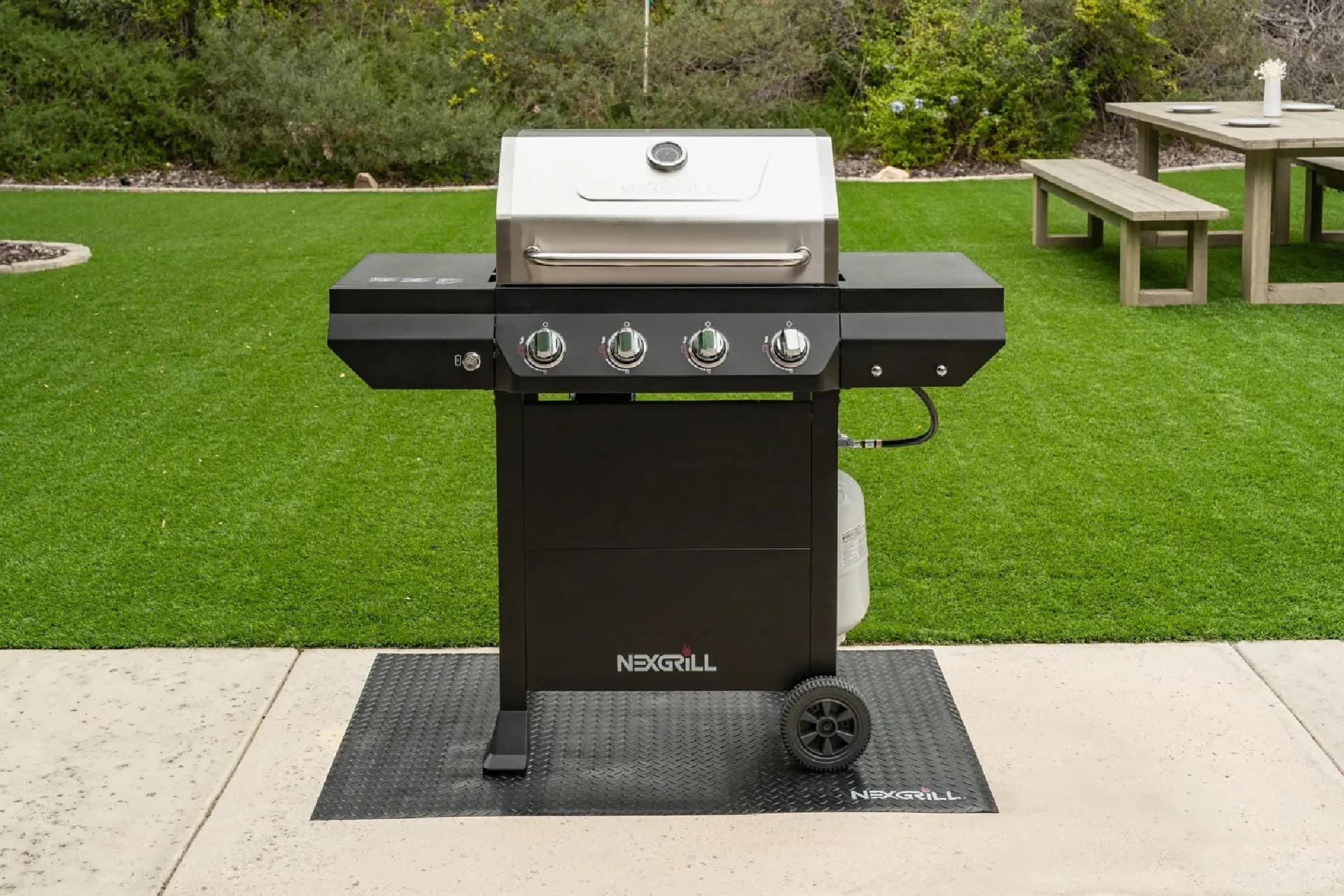
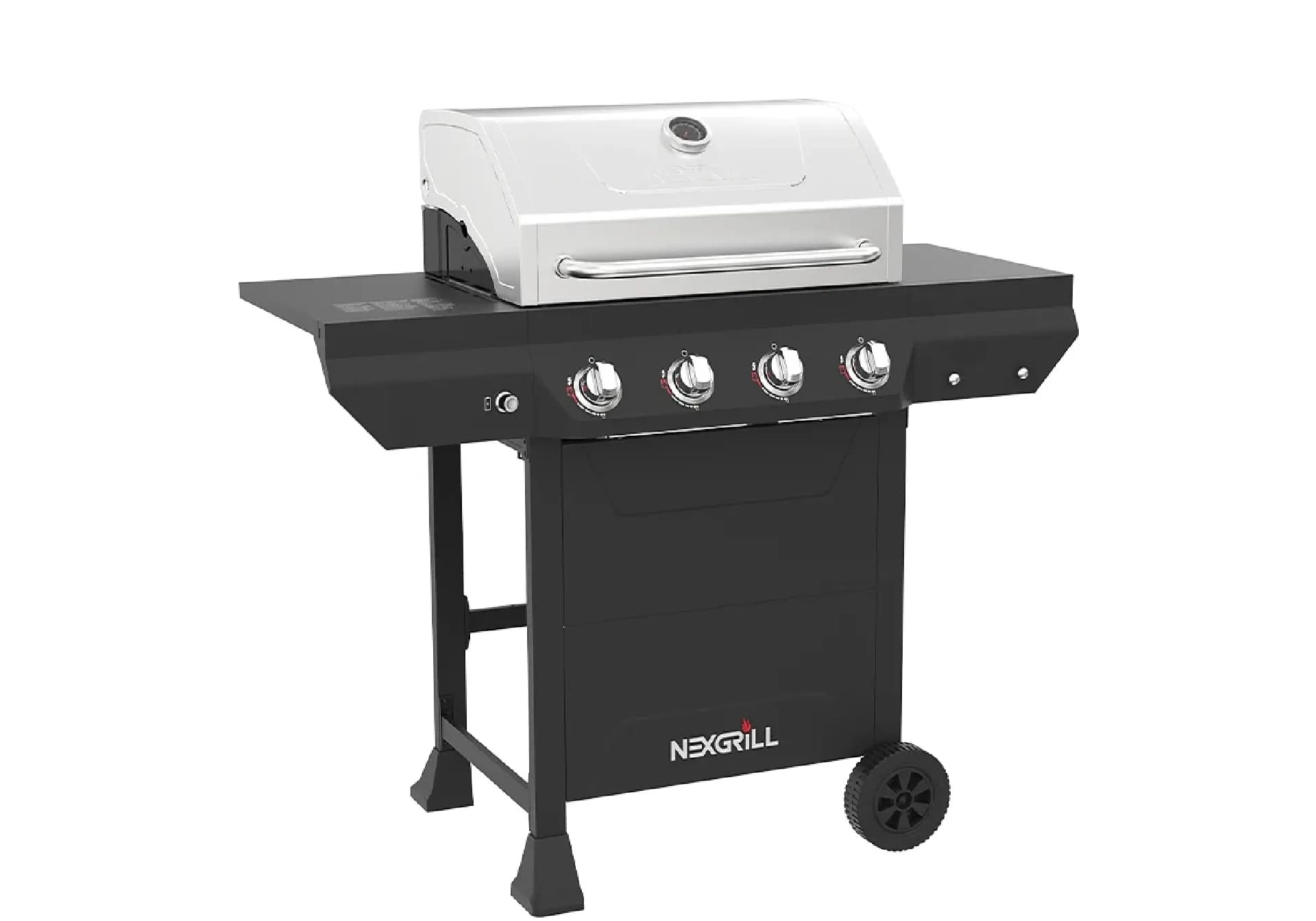
Propane grilling offers a convenient and efficient way to enjoy outdoor cooking, especially for beginners. Understanding the basics of your propane grill is essential for a successful grilling experience. Let's start by unpacking the core components of a propane grill, which typically include burners, cooking grates, a gas regulator, and a propane tank. Each plays a critical role in controlling the heat and cooking your food evenly.
Setting Up Your Grill
Before you begin grilling, ensure that your grill is set up correctly. Place your grill on a stable, flat surface in an open area away from any flammable materials. Connect the propane tank securely to the gas regulator, and make sure the connections are tight to prevent any gas leaks. Always perform a leak test by applying soapy water to the connections and checking for bubbles when the gas is turned on.
Safety Tip: Always keep your grill lid open when lighting it to prevent gas buildup.
Ignition and Heat Control
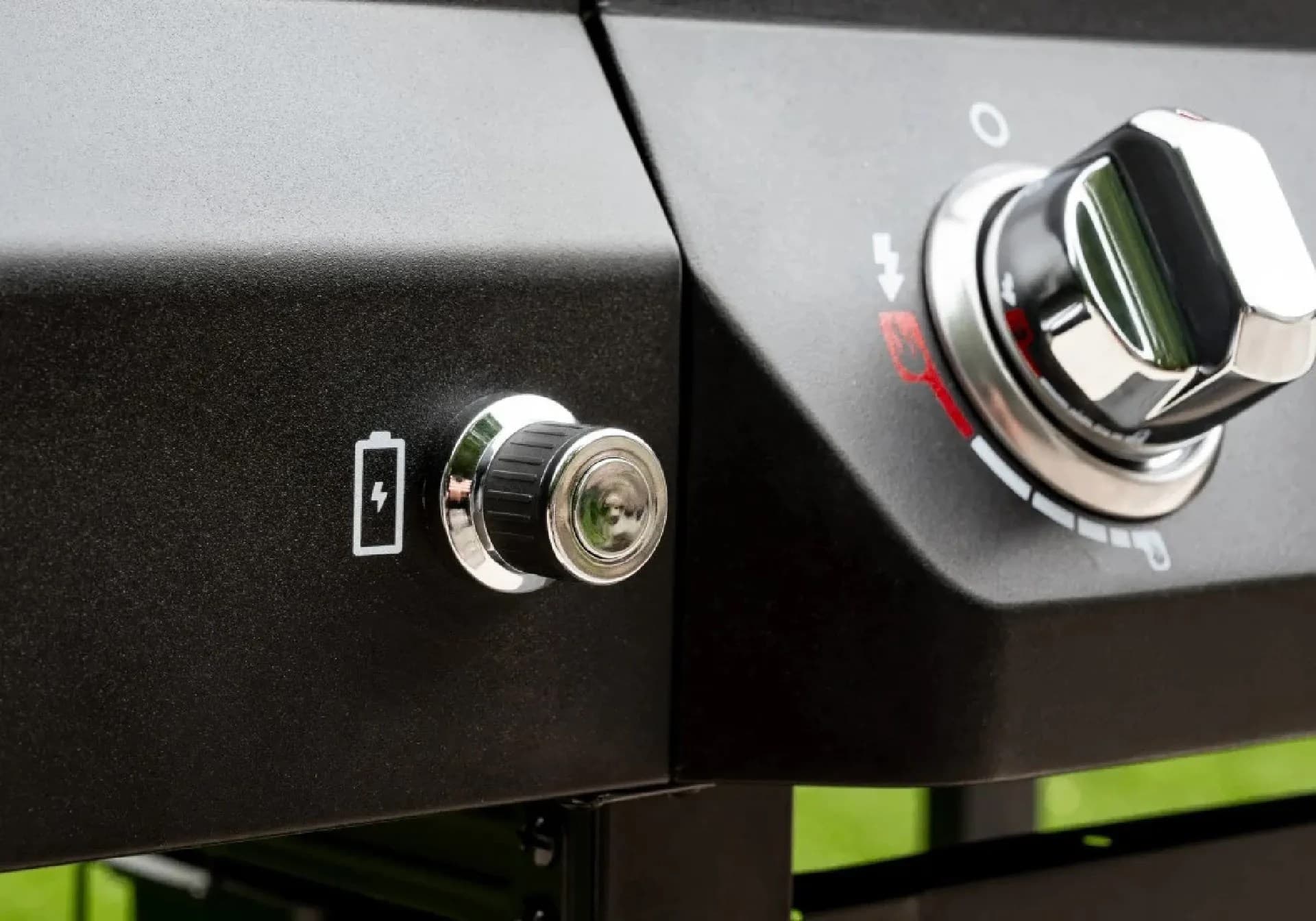
To ignite your grill, turn on the propane tank, open the grill lid, and turn the burner knobs to the start position. Use the ignition button to light the burners. Adjust the heat by turning the knobs to achieve the desired temperature. Most propane grills feature multiple burners, allowing for varied heat zones, which is useful for cooking different types of food simultaneously. This is part of mastering your gas grill.
Preparing Your Food for the Grill
Proper food preparation is crucial for grilling success. Begin by choosing cuts of meat that are suitable for grilling, such as steaks, chicken breasts, and burgers. Marinating your meat not only enhances flavor but also helps tenderize tougher cuts. For vegetables, use olive oil and a sprinkle of salt to improve taste and texture.
Grilling Techniques
Direct grilling is ideal for smaller cuts of meat that cook quickly, while indirect grilling is perfect for larger cuts that require a longer cooking time. Utilizing both techniques allows you to perfect your grilling skills and expand your culinary repertoire, potentially enhancing flavor as discussed in unlocking the full flavor potential of your gas grill.
| Technique | Use For | Examples |
|---|---|---|
| Direct Grilling | Quick-cooking foods | Steaks, burgers, vegetables |
| Indirect Grilling | Slow-cooking foods | Whole chicken, roasts |
Tip: Experiment with wood chips in a smoker box to add a smoky flavor to your grilled dishes.
Monitoring Cooking Times
Cooking times vary based on the type of food and thickness. Use a meat thermometer to ensure your meats reach the recommended internal temperatures, ensuring safety and optimal taste. For example, chicken should reach 165°F, while beef is best at 145°F for medium rare.
Enhancing Your Grilling Experience
Once you've mastered the basics, it's time to enhance your grilling experience. Start by investing in quality grilling accessories like a meat thermometer, grill brush, and tongs. These tools not only make grilling safer but also allow you to handle food with precision.
Maintaining Your Grill
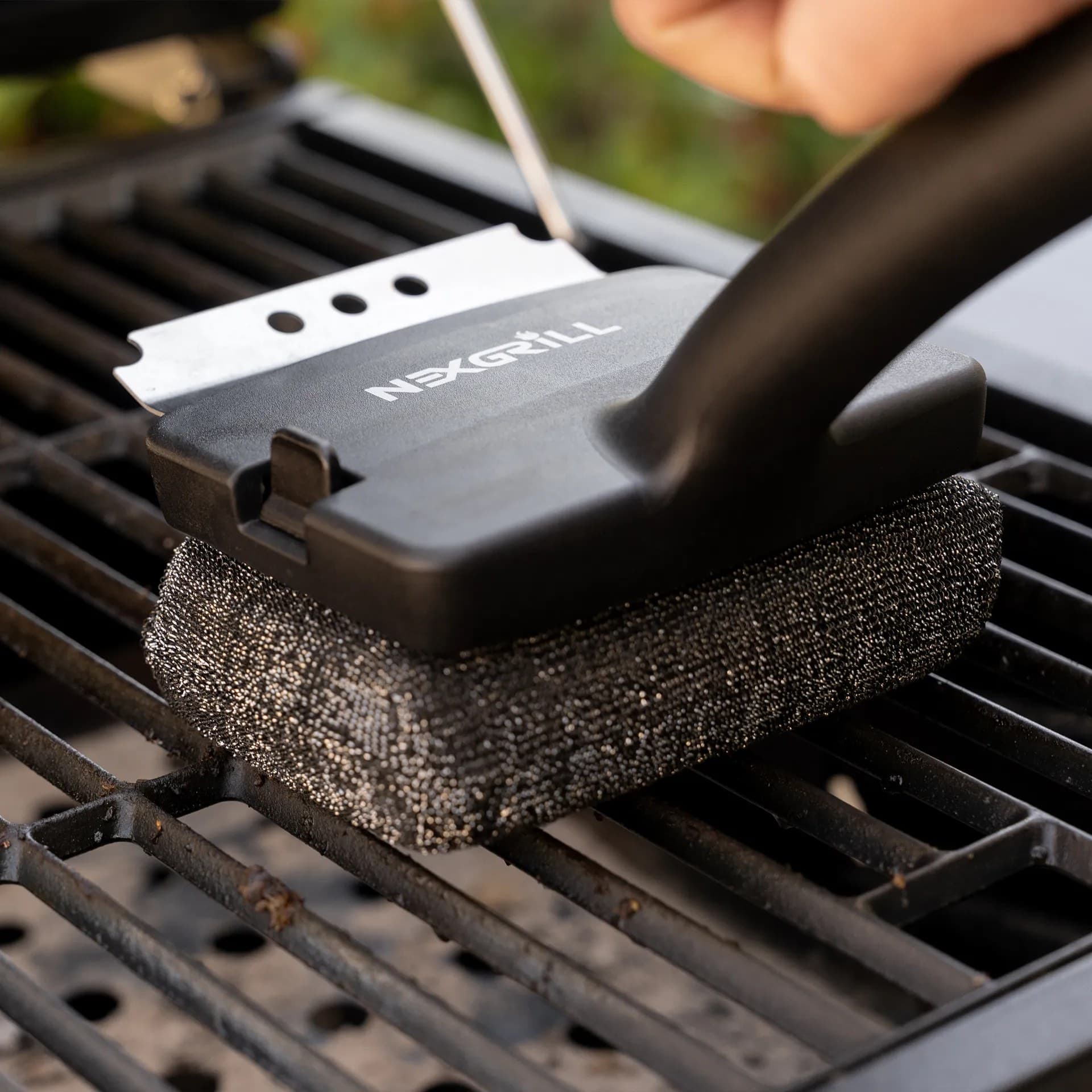
Regular maintenance of your propane grill ensures its longevity and performance. After each use, clean the grates with a grill brush to remove food residues. Periodically check the burners for clogs and ensure the propane tank is properly stored and inspected for leaks.
Warning: Never store propane tanks indoors or in direct sunlight as they can overheat and cause a hazard.
Creating Flavorful Meals
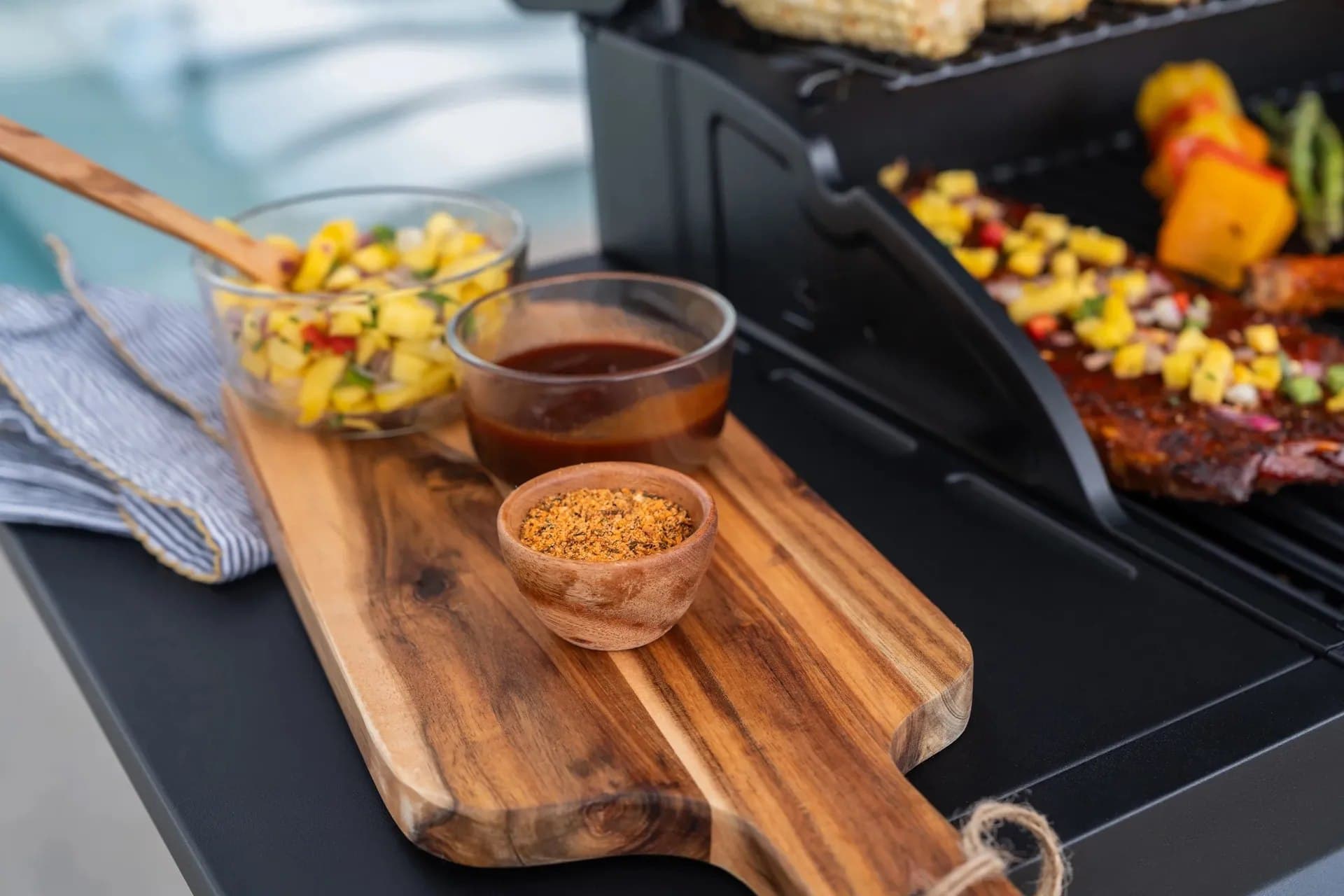
Experiment with different marinades, rubs, and sauces to create a variety of flavors. From tangy BBQ sauces to spicy rubs, the options are endless. Pair your meals with grilled vegetables or corn on the cob for a complete and satisfying meal.
Troubleshooting Common Issues
Even seasoned grillers encounter challenges. If your grill isn't igniting, check the gas supply and burner connections. Uneven cooking often results from dirty burners, which require regular cleaning. Always keep a spare propane tank on hand to avoid running out of fuel during a cookout.
| Issue | Solution |
|---|---|
| Ignition Failure | Check gas and connections |
| Uneven Heating | Clean burners |
| Low Heat | Check propane level |
Advanced Grilling Techniques
Once you're comfortable, try advanced techniques like reverse searing or using a rotisserie attachment for whole chickens. These methods offer more control and allow you to experiment with different flavors and textures, elevating your grilling game to the next level.
Conclusion
Cooking on a propane grill is a rewarding experience that combines convenience and flavor. With practice, you'll become more confident in your grilling skills and ready to explore a wide range of recipes and techniques. Remember to prioritize safety, maintain your equipment, and most importantly, enjoy the process and the delicious meals you create.