Essential Grilling Tips for Beginners
A comprehensive guide to kickstart your grilling journey.
In This Article
Understanding Grill Types
Must-Have Grilling Tools
Avoiding Common Mistakes
Introduction
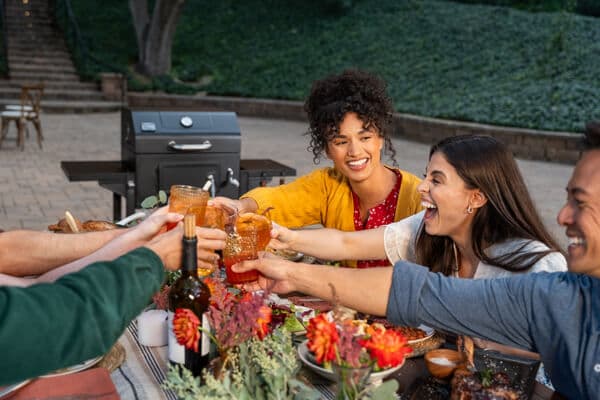
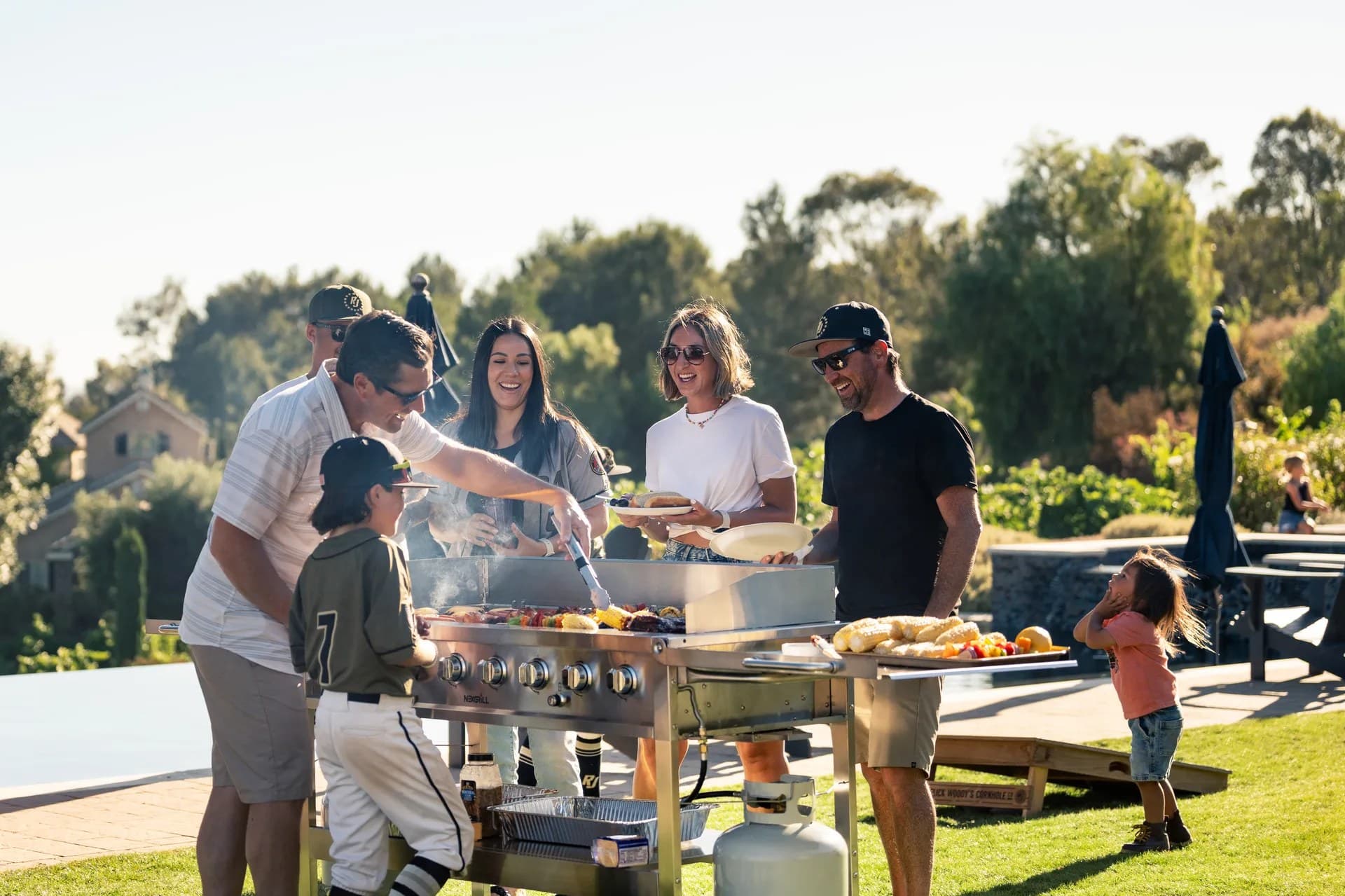
If you are new to grilling, the fastest way to build confidence is to keep your first few cooks simple, controlled, and repeatable. The goal is not to show off with a complicated menu on day one. It is to understand how fire, heat, and food behave together so that you can cook safely and enjoyably every time you step outside. That mindset fits Nexgrill’s brand philosophy well: grilling is meant to be approachable, welcoming, and shared, not intimidating or reserved for experts alone or exploring gas grill recipes.
For beginners, the most useful grilling advice is practical rather than flashy. Learn the difference between gas and charcoal, buy a few tools that improve control, and establish a short pre-cook routine that includes cleaning, preheating, and checking safety basics. Once those habits are in place, a whole category of weeknight dinners and casual weekend meals becomes much easier to handle. This guide focuses on those foundations, including the 3-3-3 method, which is a simple way to help new grillers understand timing and doneness without turning every meal into a guessing game.
Beginners usually improve fastest when they master heat control before trying elaborate recipes.
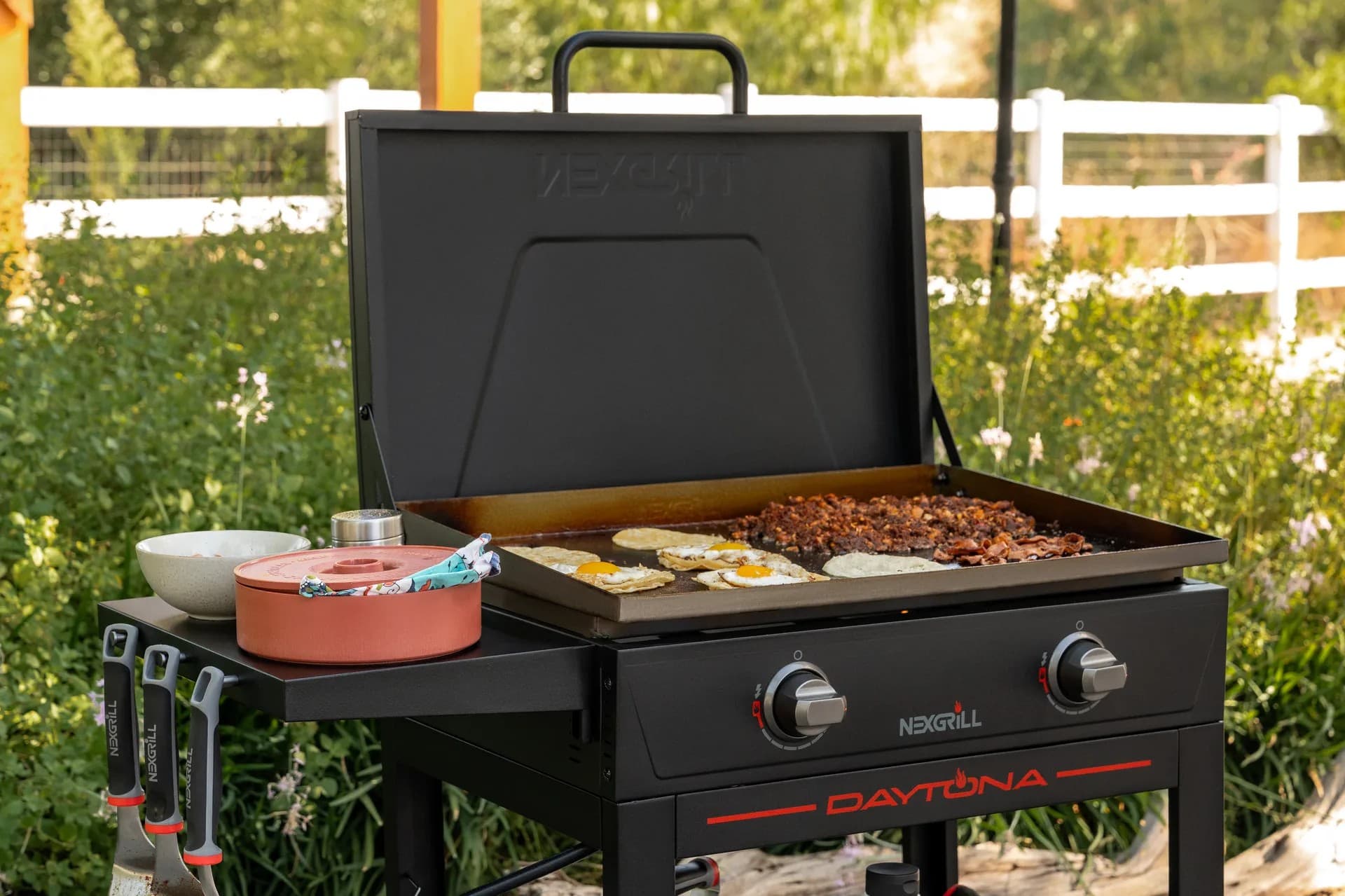
A beginner-friendly grilling setup does not need to be expensive or complicated. A reliable grill, a thermometer, a cleaning brush, and a pair of long-handled tongs can take you from nervous first cook to steady weeknight griller. Nexgrill’s product lineup reflects that practical, accessible approach, with gas grills and charcoal options that support different experience levels and cooking styles. The real win is not owning every accessory; it is understanding how to use the basics well.
Types of Grills
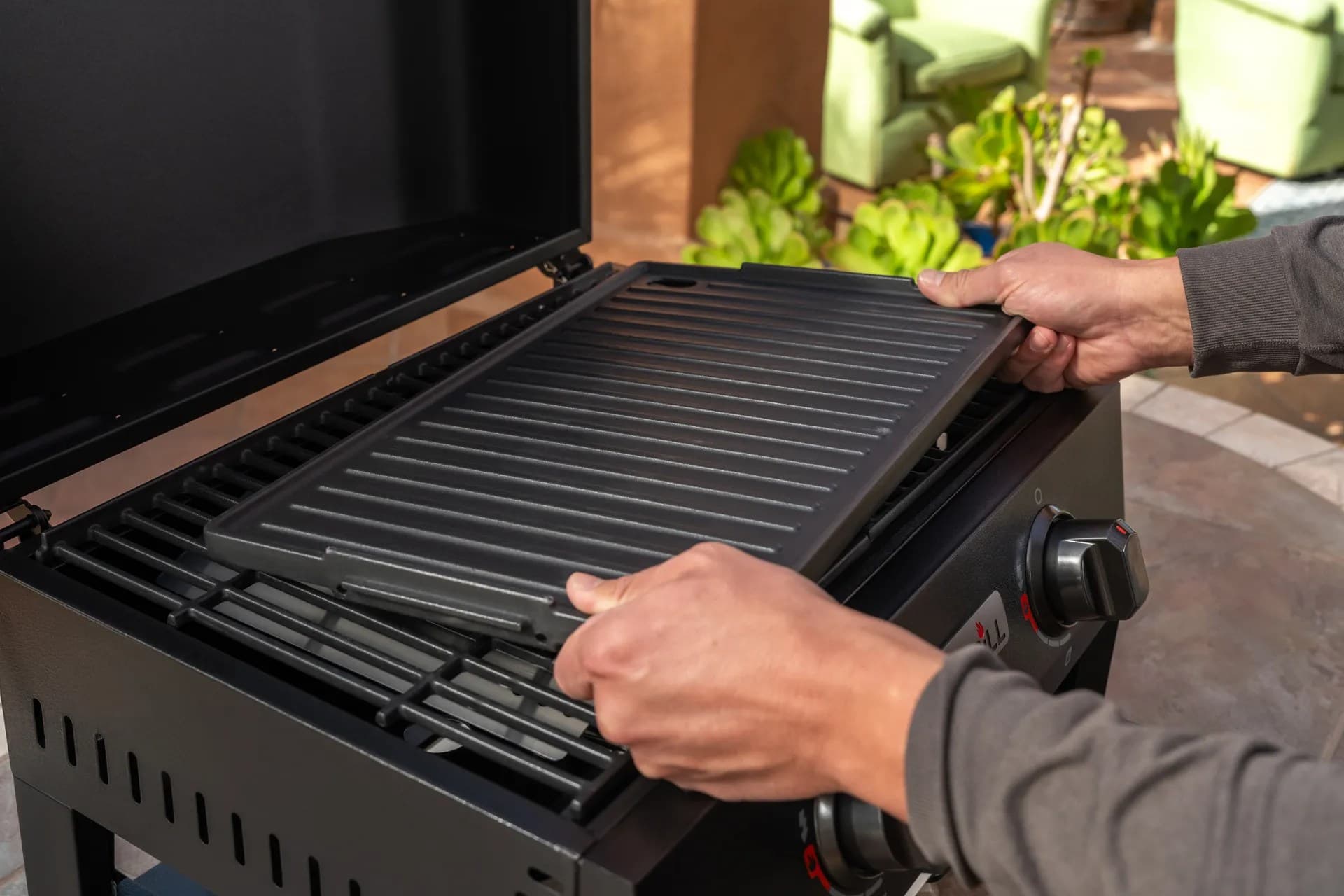
For beginners, the biggest decision is usually gas versus charcoal. Gas grills are the easiest starting point for most people because they heat quickly, are easier to regulate, and let you make small adjustments without rebuilding the fire. That matters when you are learning how to cook chicken thighs through without burning the outside or keeping vegetables from over-softening. A 4-burner gas grill, such as Nexgrill’s 4-Burner Gas Grill with Side Burner in Black, can also make zone cooking easier because you can keep one side hotter for searing and another side gentler for finishing thicker cuts.
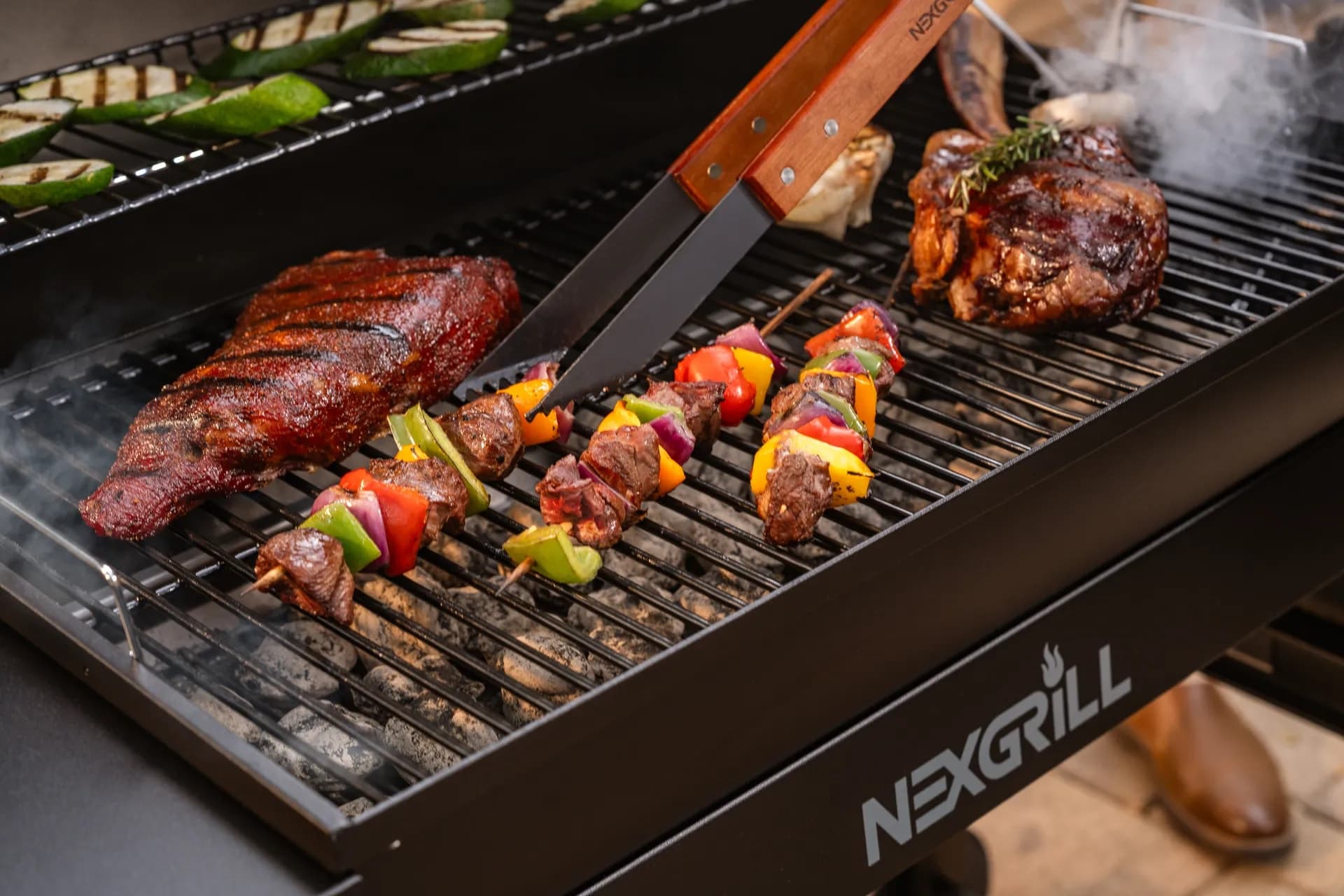
Charcoal grills reward patience with deeper smoke flavor and a classic cookout feel. They ask for more setup time and more attention, but they also teach fire management in a very direct way. If your goal is to understand how heat changes as coals settle, a charcoal grill can be a great teacher. Nexgrill’s Oakford Homestead 24 Heavy Duty Charcoal Grill in Black is a good example of a format that supports that hands-on style. For beginners who want flavor and do not mind a learning curve, charcoal can be satisfying and educational.
| Grill Type | What It Does Well | Beginner Trade-Off | Best First Use |
|---|---|---|---|
| Gas | Fast heat, easy control, quick weeknight cooking | Less smoky flavor than charcoal | Chicken breasts, vegetables, sausages, simple burgers |
| Charcoal | Strong flavor, excellent searing, hands-on fire learning | Slower start and more temperature management | Bone-in chicken, steaks, vegetables with char |
If you want the simplest possible entry point, choose gas. If you want to learn how fire works and you like a richer barbecue profile, choose charcoal. Either path can produce great results; the more important factor is choosing the format you will actually use often enough to improve.
Essential Grilling Tools
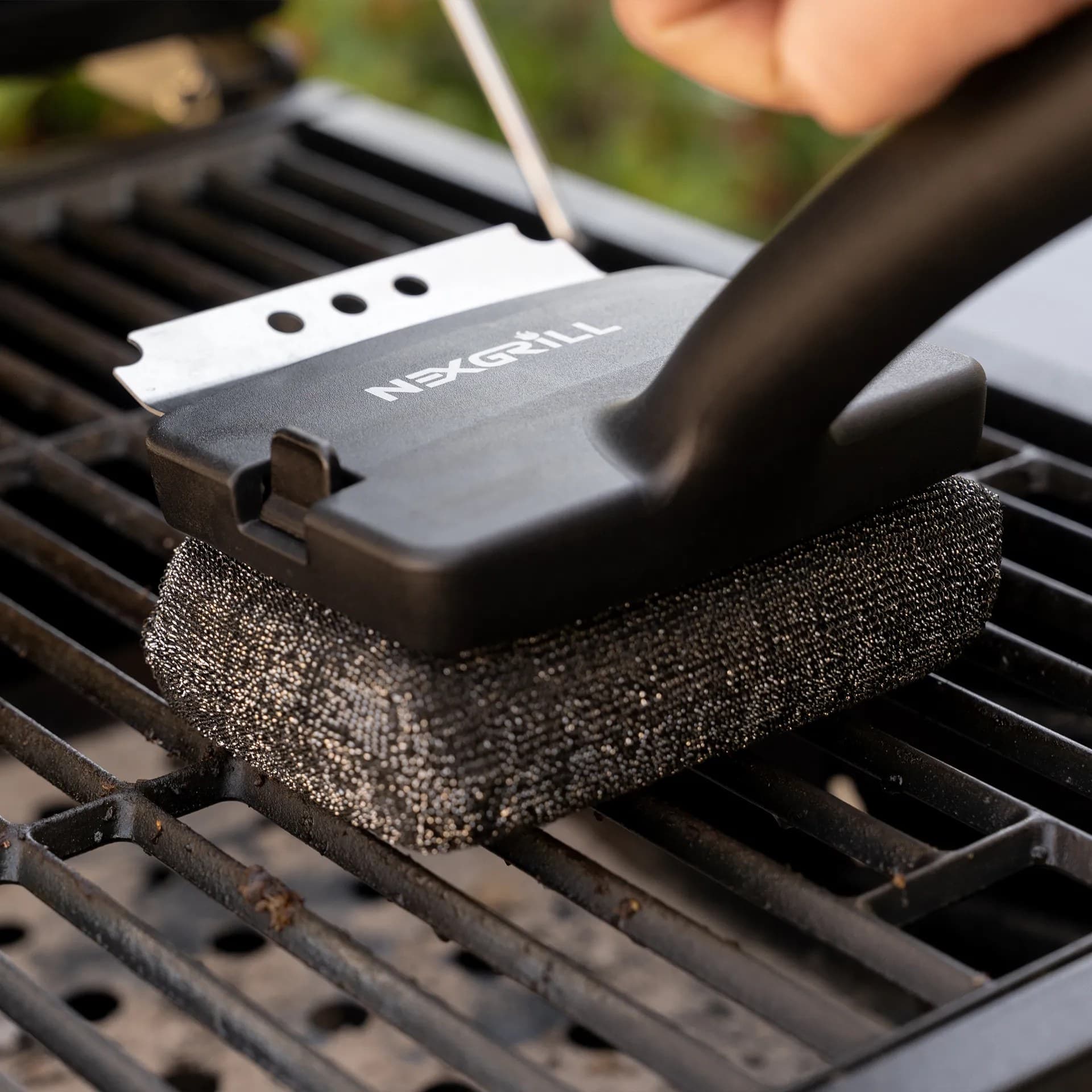
The best beginner tool kit is small, practical, and focused on control. Start with long-handled tongs, a sturdy spatula if you plan to cook burgers or fish, a grill brush or scraper for cleanup, and an instant-read thermometer. That thermometer is the one tool most beginners underestimate. It prevents the common mistake of cutting into food too early and helps you cook to the right internal temperature instead of relying on color alone.
Tip: A thermometer removes guesswork. For beginners, it is usually more useful than an extra gadget or specialty basket.
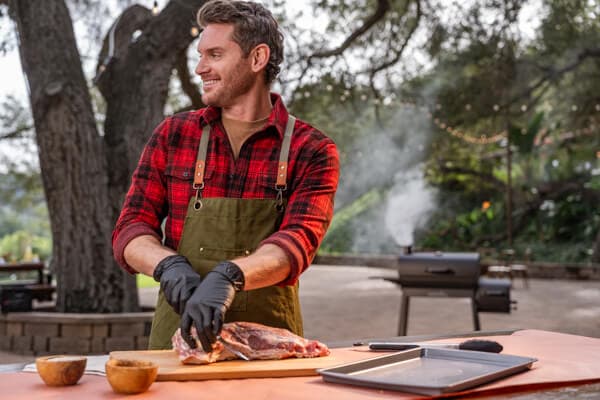
Other helpful tools include heat-resistant gloves, a sheet tray for carrying raw and cooked food, and a clean plate or tray reserved only for finished food. A simple squeeze bottle for water can help tame small flare-ups, but it should never replace careful setup and spacing. If you are using charcoal, a chimney starter makes lighting coals more predictable than using lighter fluid, which is helpful when you are trying to build a repeatable routine rather than a one-off fire.
Think of tools as confidence builders. They are not about looking professional; they are about reducing friction. The easier it is to move food, check temperature, and clean as you go, the more likely you are to enjoy the process and keep practicing. That matters because grilling skill is built through repetition, not theory.
Preparation and Safety
Good grilling starts before the flame comes on. Begin by brushing the grates clean, checking for grease buildup, and making sure the cooking surface is free of last time’s residue. Preheat the grill with the lid closed so the cooking chamber reaches a stable temperature before food goes on. This helps with searing and makes sticking less likely, especially for proteins that are still learning to release cleanly from the grate.
Warning: Never place food on a cold grill and expect even results. A preheated surface is one of the easiest ways to avoid sticking and uneven browning.
Safety should stay part of your routine every time. Keep the grill on a stable, outdoor surface, away from overhead branches or structures. Use proper gloves, keep children and pets at a safe distance, and never leave an active grill unattended. For gas grills, inspect the propane connection before lighting and smell for leaks if something seems off. For charcoal, allow ashes to cool completely before disposal and keep a metal container nearby for safe ash handling. A grill cover is also useful when the cooking session is done because it helps protect the grill from moisture and outdoor debris between uses .
Food safety is equally important. Keep raw and cooked food separate, use separate trays, and do not put finished food back onto the same plate that held raw meat. Beginners often focus so much on the cooking step that they overlook cross-contamination. The short version: keep your prep area organized, keep your hands clean, and use the thermometer so you know when food is actually ready. Try comparing grill maintenance side by side below to see which fits best:
Grilling Techniques
Once you have compared a couple of grill options, the next step is learning how to use heat on purpose instead of just turning everything to high and hoping for the best. Beginner grilling improves quickly when you understand direct heat, indirect heat, and the idea of setting up zones. Direct grilling means food sits over the flame or hot coals for fast cooking and browning. Indirect grilling means food is moved away from the hottest area so it can finish more gently. That difference is the key to cooking chicken through without burning the exterior or giving thicker foods enough time to finish properly.
A simple way to build a useful gas grill setup is to preheat the grill, then leave one burner area hotter and another cooler. On a charcoal grill, pile the coals to one side or create a hotter center and a cooler edge. This lets you sear first and finish later, or hold cooked food warm while the rest of the meal catches up. For beginners, zone cooking is more important than mastering a dozen advanced methods because it gives you room to recover if one item is moving faster than the others.
A simple beginner rhythm for steaks: 3 minutes on one side, 3 on the other, then 3 minutes of rest or indirect finishing depending on thickness.
The 3-3-3 method is popular because it gives beginners a memorable framework, especially for thinner steaks. The basic idea is straightforward: cook one side for about 3 minutes, flip and cook the second side for about 3 minutes, then allow roughly 3 minutes of rest before serving. On a thicker cut, the last 3 may function as a short indirect finish instead of a pure rest period. The exact timing depends on thickness, starting temperature, and grill heat, so you should treat it as a guide rather than a rigid rule. What makes it valuable is that it keeps you from repeatedly lifting, pressing, or guessing at the steak, which can disrupt browning and heat retention.
If you are cooking chicken, the same mindset applies: let the grill do the work. Put the food down, close the lid, and give it time to cook before moving it. Frequent flipping can be useful for some foods, but beginners often do it out of anxiety rather than strategy. Start with a moderate preheat, use your thermometer, and watch for color change around the edges before you touch the food. For vegetables, medium heat usually works best because high heat can char the outside before the inside is tender.
| Technique | How to Use It | Best For Beginners |
|---|---|---|
| Direct heat | Cook food directly over the hottest area | Hot dogs, thin chicken cutlets, vegetables, burgers |
| Indirect heat | Move food away from the flame or hottest coal pile | Thicker chicken pieces, bone-in cuts, foods that need slower cooking |
| Zone cooking | Create hot and cooler areas on the same grill | Mixed meals with different cooking times |
If you can manage those three ideas, you can handle most beginner meals with confidence. The real skill is not perfect timing; it is knowing when to move food, when to cover it, and when to trust your thermometer instead of your eyes.
Beginner-Friendly Recipes
The easiest things to grill first are the foods that forgive small mistakes. Hot dogs, vegetables, and boneless chicken thighs are all beginner-friendly because they cook relatively quickly and give you obvious visual cues. A smart first recipe is grilled hot dogs with toasted buns: preheat the grill to medium, place the hot dogs over direct heat, turn them occasionally until browned, and finish by warming the buns for a few seconds on the cooler side. It is a low-pressure way to practice moving food around the grill and learning how quickly your cooking surface responds.
Another strong starter option is vegetable skewers or a vegetable basket. Cut zucchini, bell peppers, red onion, and mushrooms into even pieces, toss lightly with oil, salt, and pepper, then grill over medium heat until tender with light char. Vegetables teach beginners how fast smaller items cook and how quickly flavor develops once caramelization begins. They also help you get comfortable with turning food before you move on to proteins that require more precise temperature control.
For chicken, boneless thighs are often easier than breasts because they stay juicy a little longer and are more forgiving if the grill runs a touch hot. Season them simply with oil, salt, pepper, garlic powder, and a small amount of paprika. Grill over medium heat using a two-zone setup so you can move them if the flames spike. Cook until the internal temperature reaches a safe doneness level with an instant-read thermometer. If you want a dinner that feels complete without being complicated, pair the chicken with grilled zucchini and onions so everything can be cooked from the same heat plan.
Tip: Begin with foods that are either small and fast, like hot dogs, or steady and forgiving, like chicken thighs and vegetables. That combination builds confidence quickly.
Common Mistakes
One of the most common beginner mistakes is using heat that is too aggressive. High heat can create a dark exterior before the inside has time to catch up, especially on chicken or thicker vegetables. Another mistake is constantly flipping food. While some items benefit from a few adjustments, too much movement interrupts browning and can make it hard to judge progress. Letting food sit long enough to develop color is part of grilling well.
Beginners also tend to skip preheating, which makes sticking and uneven cooking more likely, or they open the lid too often and release heat that they need to stay consistent. They may also rely on appearance alone instead of using a thermometer. Color can help, but it does not replace actual internal temperature. Another issue is overcrowding the grate. If food is packed too tightly, airflow drops and it becomes harder to manage hot spots or pull items off at the right time.
Warning: Pressing down on burgers and steaks usually squeezes out juices and can leave the food drier than expected. Let the grill sear; do not flatten the food.
Another overlooked mistake is failing to rest cooked meat. Resting allows juices to settle so they stay in the food when you slice or bite into it. Even a short rest can improve the final result. Finally, many beginners do not clean the grill after use, which makes the next session harder and less pleasant. A quick brush while the grates are still warm can save a lot of trouble later. Nexgrill’s brand focus on dependable, approachable outdoor cooking is a useful reminder here: the best grilling experience is often the one that feels repeatable, not the one that tries to do too much at once .
Conclusion
Grilling gets easier when you treat it as a skill set built from a few reliable habits: choose the grill type that matches your comfort level, use the right tools, keep your cooking surface clean, and trust heat zones and a thermometer more than guesswork. Once those habits become routine, simple meals like hot dogs, vegetables, and chicken stop feeling like practice and start feeling like dinner.
The real advantage for beginners is that you do not need to master everything at once. Learn one method, repeat it, and then expand. Start with the 3-3-3 rhythm, move on to better zone control, and build from there. If you keep the process approachable, grilling becomes less about pressure and more about shared meals, easy confidence, and better results each time you light the fire.