The Ultimate Gas Grill Buying Guide: Find Your Perfect Match
Navigate the complexities of gas grill selection with expert insights and practical tips.
In This Article
Understanding BTU Ratings
Essential Grill Features
Common Mistakes to Avoid
Quick Picks: Top Gas Grills by Budget and Size
If you are comparing gas grills with a shopping mindset, start with the use case, not the sticker price. A grill that is too small becomes frustrating on busy weekends, while an oversized model can waste fuel, patio space, and money on features you never use. The quickest way to narrow the field is to match burner count, usable cooking area, and build quality to how you actually cook in a typical week.
| Buyer profile | What to prioritize | Practical fit |
|---|---|---|
| Small household, tighter budget | Two burners, compact footprint, durable grate material | Good for weeknight burgers, chicken, vegetables, and occasional entertaining |
| Family of four to six | Three to four burners, 300 to 500 square inches of primary cooking space | Better for mixed meals, zone cooking, and indirect heat |
| Frequent host or avid griller | Four or more burners, strong lid retention, side burner or sear zone | Handles larger cookouts and more precise temperature control |
Quick rule: pay more attention to usable cooking area and burner layout than to raw BTU alone. That is where real-world cooking comfort usually shows up.
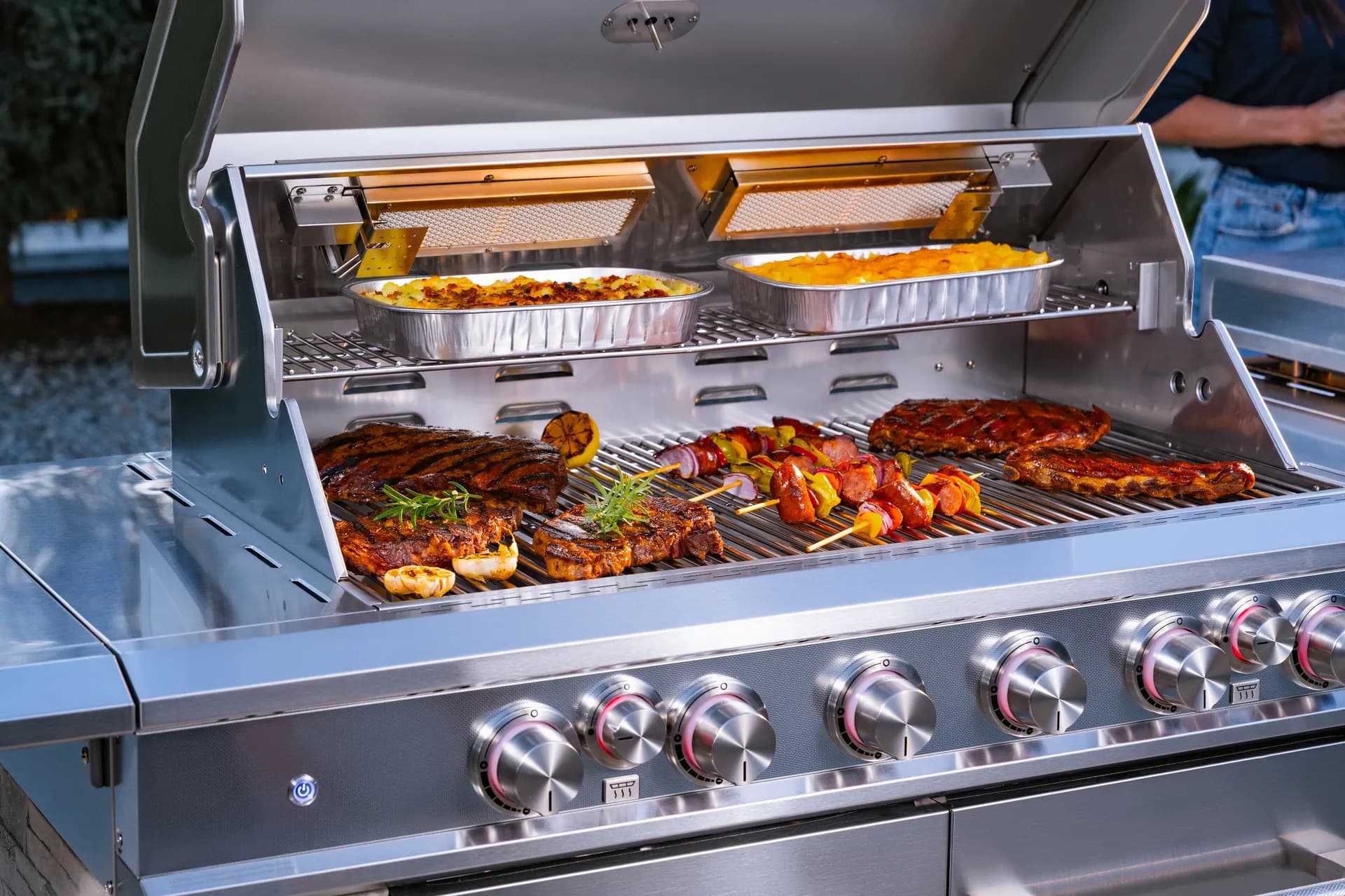
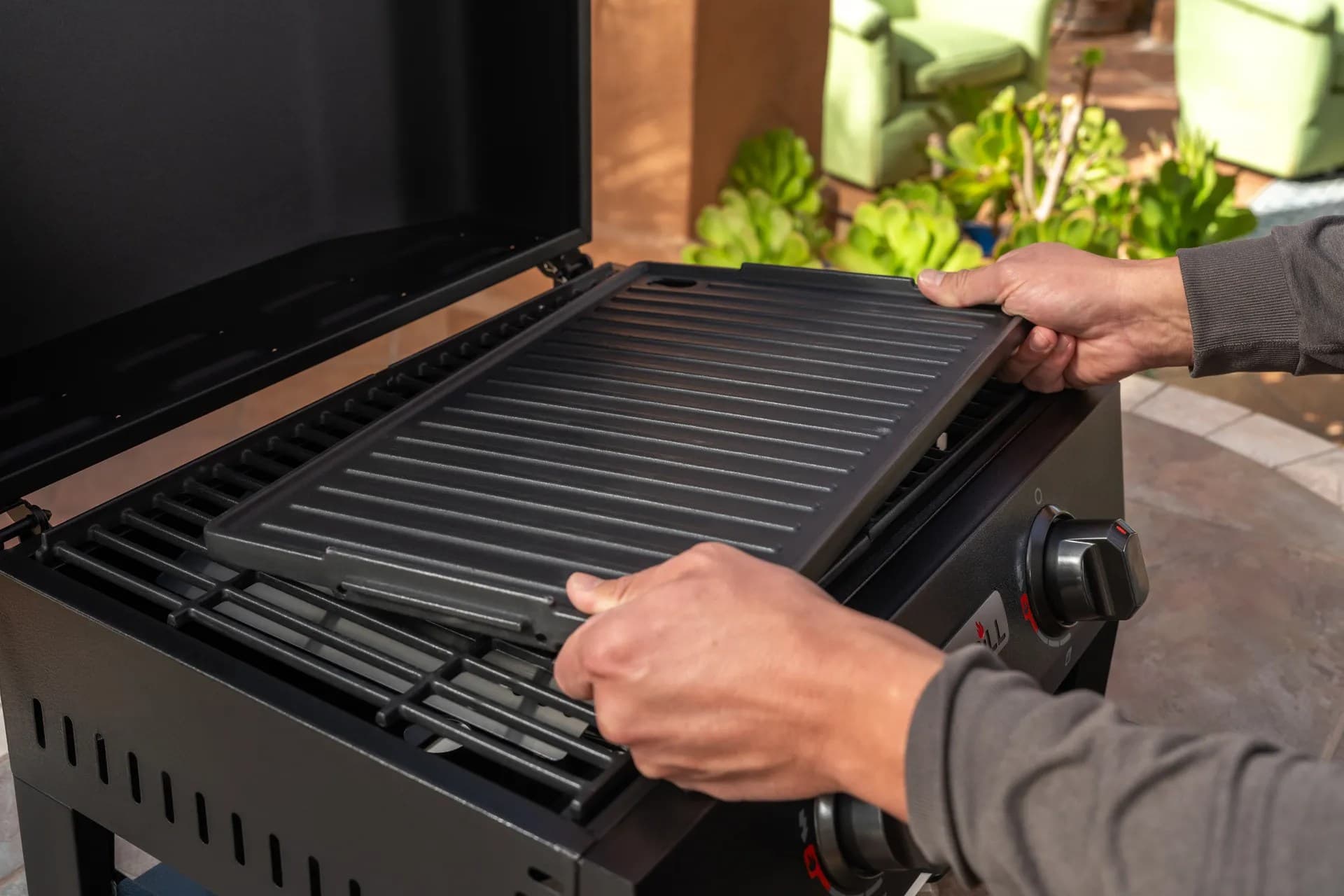
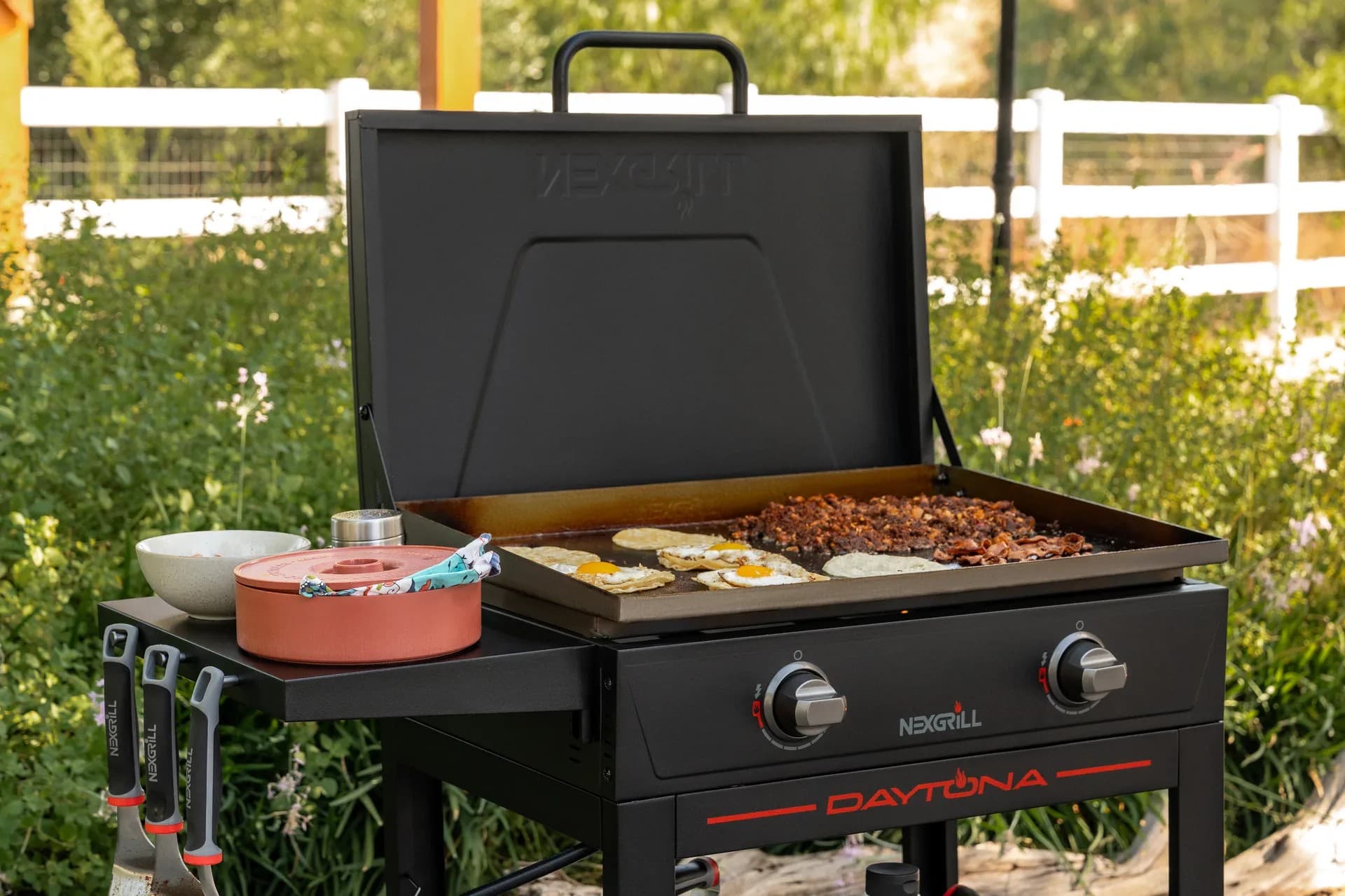
For shoppers who want a ready-made short list, consider this simple filter: two-burner grills work best when space and budget matter most; three-burner grills are the sweet spot for many households; and four-burner or larger layouts make sense when you regularly cook for a crowd. A griddle-style option is worth considering if you want breakfast, smash burgers, stir-fry, and vegetables to share one flat cooking surface. Nexgrill’s lineup illustrates that spread well, from the compact Deluxe 2-Burner Gas Grill to the 4-Burner Gas Grill with Side Burner and the Daytona griddle series for flat-top cooking.
A practical target for many U.S. families who cook several times per week.
How to Choose the Right Gas Grill
The best way to buy a gas grill is to work through the decision in order. First, decide how many people you cook for most often. Next, measure the space where the grill will live, including clearance for opening lids, side shelves, and propane tank access. Then compare the grill’s burner count, cooking surface, and materials. This sequence keeps you from overbuying on flashy features while missing the details that affect everyday use.
Step 1: Size the grill to your routine
For a couple or small household, a two-burner grill is often enough, especially if you value fast preheat time and simple temperature control. If you cook for four to six people or like to sear proteins while holding vegetables in a cooler zone, a three-burner or four-burner model gives you more flexibility. Larger cookouts benefit from extra surface area, but only if your patio can support it and you will actually use the space.
Step 2: Look for meaningful features, not just extras
A side burner is useful if you want to simmer sauce, warm beans, or finish a pan reduction outdoors. A sear zone helps when you want better crust on steaks or chops. An integrated thermometer is helpful for lid-level monitoring, but it should not replace an instant-read probe. Electronic ignition is worth paying attention to because reliable starts matter more than many shoppers expect. In Nexgrill’s range, those choices show up across different formats, including classic cart grills and griddles, which is why feature-by-feature comparison matters more than brand names alone.
Avoid buying by appearance only. A shiny lid does not tell you how evenly the grill heats, how long the firebox will last, or whether the grates are easy to clean after greasy foods.
Understanding BTU Ratings and Cooking Performance
BTU ratings get a lot of attention, but they are only useful when you compare them against the size and design of the cooking chamber. A higher BTU number does not automatically mean better grilling. What matters more is how efficiently the grill turns fuel into even, usable heat. As a practical shopping benchmark, many buyers should look for roughly 80 to 110 BTU per square inch as a rough starting range, then adjust for lid depth, burner layout, and cooking style. That range is not a law, but it helps you spot grills that are underpowered or aggressively spec-sheeted without real-world payoff.
| What to compare | Why it matters | What to watch for |
|---|---|---|
| BTU per square inch | Shows whether output roughly matches cooking area | Extremely low numbers can struggle with recovery after lid openings |
| Burner count | Supports heat zoning and indirect cooking | Too few burners limit flexibility; too many can add cost without a need |
| Firebox depth | Affects heat retention and how air moves inside the grill | Shallow boxes may feel hot but cook less evenly |
Think in outcomes rather than raw numbers. A well-designed mid-BTU grill with solid burner spacing can preheat faster, hold temperature better after the lid opens, and sear more predictably than a high-BTU model with weak heat distribution. That is why owners often describe better grills as being easier to manage, not just hotter. For everyday home use, you want enough heat to brown food quickly, but not so much output that you are constantly fighting flare-ups and hot spots.
Essential Grill Features: Burners, Materials, and More
Burners are the engine of the grill, but materials decide how long that engine stays reliable. Stainless steel burners are common because they resist corrosion better than lower-grade alternatives, though the grade of stainless matters. In the body and lid, 304 stainless generally offers better corrosion resistance than 430 stainless, especially in humid or coastal conditions, while cast aluminum fireboxes can provide strong rust resistance and good heat retention without the weight of full stainless construction. The best choice depends on climate, storage, and budget.
| Feature | Why shoppers care | Buying note |
|---|---|---|
| Cast iron grates | Strong sear marks and heat retention | Best when seasoned and kept dry |
| Stainless grates | Easier to clean and more rust resistant | Often a smart low-maintenance choice |
| Porcelain-coated grates | Balanced cleanup and heat performance | Avoid chipping the coating |
| Electronic ignition | Convenient, repeatable starts | A simple but important quality signal |
Also pay attention to the small details shoppers often skip. Are the knobs easy to turn with gloves? Is the thermometer readable in daylight? Do the shelves feel sturdy enough to hold platters and tools? Those everyday details shape whether the grill feels refined or annoying. Try comparing two products side by side below to see which fits best:
Propane vs Natural Gas: Factors to Consider
Once you've weighed two options against each other, fuel choice becomes the next major decision. Propane is the more flexible path for many U.S. households because it works with a portable tank and is easy to place almost anywhere outdoors. Natural gas is usually better for homeowners who already have a gas line at the patio and want a more permanent setup with fewer tank swaps. The right answer is mostly about convenience, installation, and how often you grill.
| Fuel type | Best for | Trade-off |
|---|---|---|
| Propane | Flexible placement, easier setup, most shoppers | Tank refills add ongoing cost and planning |
| Natural gas | Frequent grillers with a gas line already in place | Less portable and may require professional setup |
If you want flexibility for moving the grill around the patio or taking it with you later, propane is the easier default. If your setup is permanent and you grill several times a week, natural gas can be more convenient over time because you never have to monitor a tank level. Many grills are sold in one configuration or the other, so confirm the fuel type before comparing features. If conversion is possible on a model, make sure the needed kit and instructions are clearly specified rather than assumed.
For either fuel, check the regulator, hose routing, and connection points before first use. Small setup issues cause many of the annoyances people blame on the grill itself.
Must-Have Accessories and Hidden Costs
The real price of a gas grill is more than the box price. Shoppers should budget for a weather cover, a good thermometer, cleaning tools, and possibly a spare propane tank. Those extras are not glamorous, but they often determine whether the grill stays useful after the first season. A cover is especially important if the grill will sit outdoors through rain or intense sun, because exposure is one of the fastest ways to age even a decent unit.
- Weather cover for storage and UV protection
- Instant-read thermometer for safer doneness checks
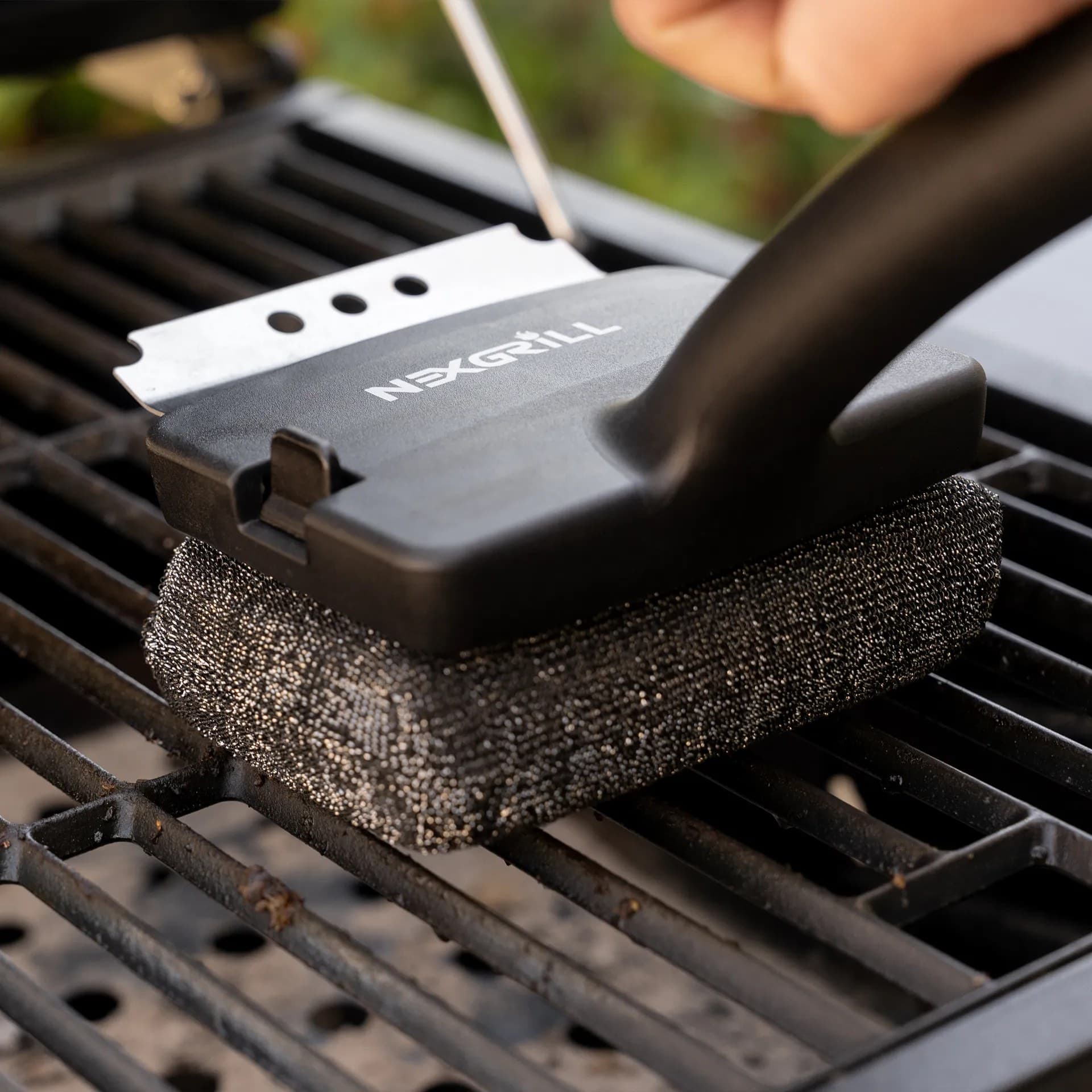
- Grill brush, scraper, and grease tray liners
- Extra propane tank or gas-line accessories if applicable
- Heat-resistant gloves for safer handling
Hidden costs also include replacement igniters, burner tubes, and grates over time. Higher-quality materials may cost more up front but can reduce how soon you need those replacements. If you are comparing two similar grills, factor in the likely ownership cost over three to five seasons, not just day one pricing.
Common Grilling Mistakes to Avoid
The most common mistakes are simple, and that is what makes them expensive. Skipping preheat time leads to weak sear marks and food that sticks. Ignoring flare-ups can char the outside before the inside is done. Buying the wrong size is another frequent regret, especially when a grill looks spacious in the showroom but feels cramped once platters, tools, and guests enter the picture. A lesser-known mistake is choosing a grill with impressive specs but poor burner alignment, which creates hot and cold patches that make cooking harder than it should be.
Do not judge performance by one hot test spot. A good grill should recover heat and cook consistently across the grate, not just in the center.
Another error is letting grease and debris build up under the grates. That buildup changes airflow, creates flare-ups, and can shorten the life of the burners. If you notice uneven flames, delayed ignition, or more smoke than usual, the grill is usually asking for cleaning, not replacement. Seasoned shoppers avoid that headache by checking maintenance access before buying.
Grill Maintenance for Longevity
A gas grill can last many seasons if you clean and store it properly. Brush grates after cooking, empty the grease tray regularly, and inspect burner ports for blockages. Before the heavy grilling season starts, look over hoses, knobs, and ignition parts to catch wear early. If the grill lives outdoors year-round, a fitted cover is one of the cheapest ways to slow rust, fading, and grime buildup.
For a practical maintenance rhythm, clean lightly after every cook, do a deeper wipe-down every few uses, and perform a seasonal inspection before peak summer use. That simple habit extends lifespan far more than occasional deep cleaning after problems have already started. In general, a well-made grill can deliver many years of service, but neglect usually shortens that timeline more than brand name does.
Brand Reliability and Warranty Comparison
Warranty coverage is not the only measure of quality, but it is a useful signal. Stronger warranties often reflect confidence in the materials and parts, especially on burners, firebox components, and ignition systems. When comparing brands, read the fine print on what is covered, which parts are excluded, and whether labor, shipping, or wear items are treated differently. Nexgrill’s broad range, from compact two-burner models to higher-capacity grills and griddles, gives shoppers a way to match features and budget without defaulting to a one-size-fits-all purchase. Brand reliability also shows up in how clearly the product explains assembly, parts replacement, and care.
Compare warranty terms alongside materials. A short warranty on a heavily painted body is not the same risk as a shorter warranty on solid stainless components.
If you are stuck between two grills, choose the one with the better combination of construction, easier maintenance access, and clearer parts support. That choice usually pays off more than chasing the highest BTU number or the longest spec sheet.