Mastering Grill Rust Prevention: Tips and Tricks
Ensure your grill's longevity with expert rust prevention techniques.
In This Article
Causes of Grill Rust
Advanced Prevention
Routine Care Benefits
Understanding Grill Rust and Its Causes
Rust is the nemesis of all grill enthusiasts. It not only affects the aesthetic appeal of your grill but also compromises its functionality. Understanding the causes of rust is the first step in prevention. Rust occurs when iron or steel reacts with oxygen and moisture, resulting in iron oxide formation. This process accelerates with exposure to heat and salt, common in grilling environments.
Tip: Regular maintenance can significantly reduce the risk of rust formation.
Grills are typically made from materials like stainless steel, cast iron, or porcelain-coated steel. Each material reacts differently to environmental conditions, with stainless steel being the most resistant to rust. However, even stainless steel can develop rust if neglected.
Common Rust-Prone Areas
- Grill grates
- Bolt and screw connections
- Hinges and lids
- Burner tubes and covers
Regular inspection of these areas can help catch early signs of rust before they become severe.
Effective Rust Prevention Techniques
Preventing rust involves a combination of protective measures and regular maintenance. Here are some effective strategies:
1. Proper Cleaning After Use
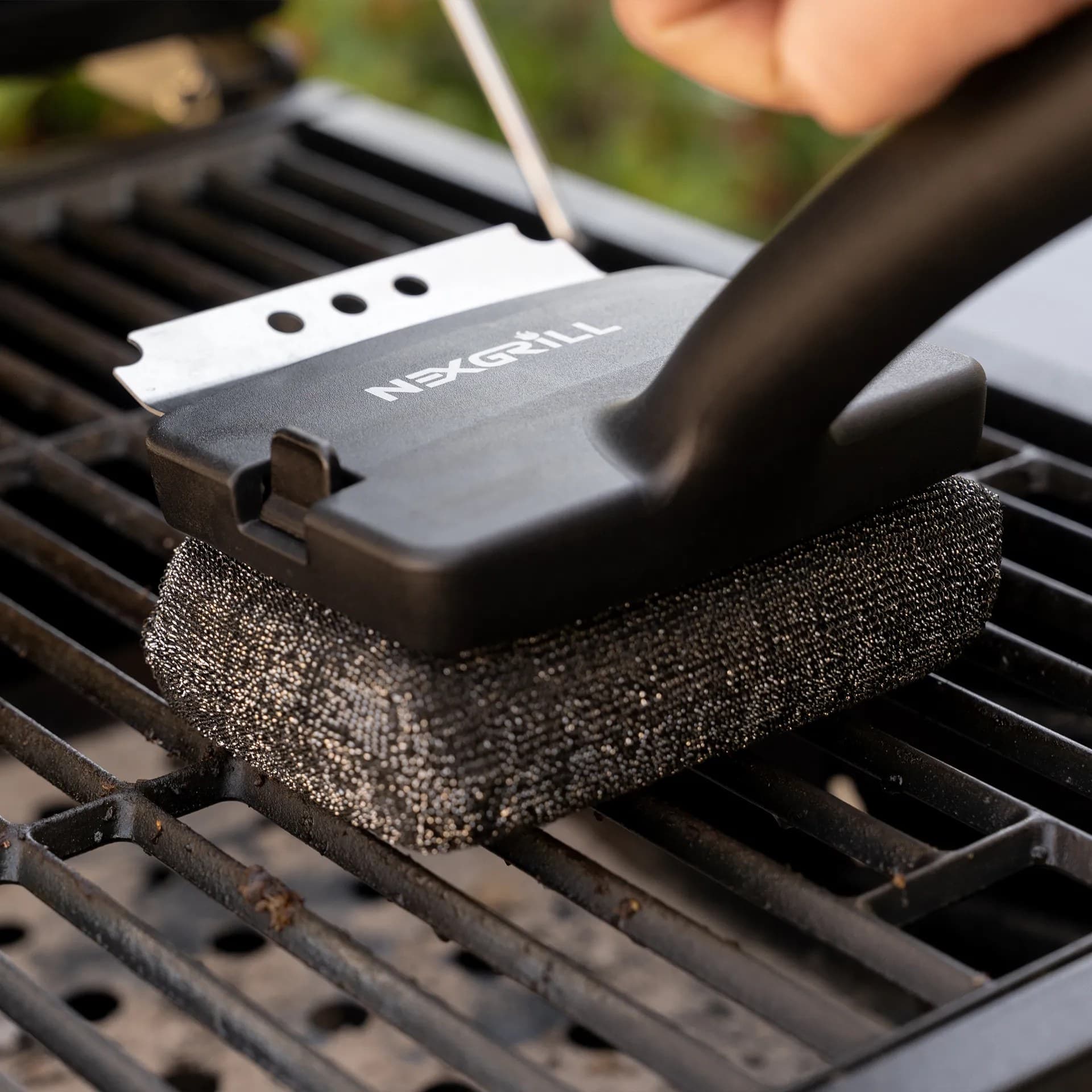
After each use, clean the grill thoroughly. Remove food particles and grease, as these can trap moisture against the metal surfaces. Use a grill brush to scrub the grates while they are still warm, and wash them with soap and water. The crucial role of grill brushing cannot be overstated in maintaining your equipment.
Tip: Apply a thin layer of vegetable oil to the grates after cleaning to create a moisture barrier.
2. Use of Covers and Storage
Invest in a high-quality grill cover to protect your grill from the elements. Ensure the cover is water-resistant and fits snugly to prevent moisture from seeping in. If possible, store your grill in a shed or garage during the off-season to reduce exposure to harsh weather. You might want to check out our Comprehensive Seasonal Grill Maintenance Guide for more tips on year-round care.
3. Regular Maintenance Checks
Conduct regular maintenance checks to spot any signs of rust or damage. Inspect the burner tubes, igniters, and other components for rust or corrosion. Tighten loose bolts and screws to prevent moisture from accumulating in these areas. You can refer to our Ultimate Grill Maintenance Checklist to stay on top of your grill's condition.
Choosing the Right Grill Material
Choosing the right material for your grill can significantly impact its rust resistance. Stainless steel is highly recommended for its durability and rust-resistant properties. However, if you prefer cast iron for its heat retention capabilities, ensure it is properly seasoned and maintained to prevent rust.
| Material | Rust Resistance | Maintenance |
|---|---|---|
| Stainless Steel | High | Low |
| Cast Iron | Low | High |
| Porcelain-Coated Steel | Medium | Medium |
Advanced Rust Prevention Techniques
For grill enthusiasts looking for advanced rust prevention techniques, electrochemical methods and protective coatings can be explored. These methods provide long-lasting protection and are particularly useful for high-end grills exposed to salty environments, such as coastal areas.
Electrochemical Methods
Electrochemical rust prevention involves using sacrificial anodes made of zinc or magnesium. These anodes corrode in place of the grill's metal components, thus protecting them from rust. Installation requires attaching the anode to the grill, ensuring electrical contact with the metal parts.
Info: Sacrificial anodes are commonly used in marine environments to protect boat hulls from corrosion.
Protective Coatings
Applying protective coatings, such as high-temperature paint or powder coating, can help shield your grill from the elements. These coatings provide a barrier against moisture and oxygen, slowing down the rusting process. Ensure the coating is applied evenly and maintained regularly for maximum effectiveness.
Routine Inspection and Care
Routine inspection and care are paramount in maintaining your grill's condition. Create a checklist to ensure all components are functioning correctly and free from rust. Focus on high-risk areas such as joints, hinges, and grates. Routine lubrication of moving parts can prevent rust and ensure smooth operation.
Seasonal Maintenance Tips
With seasonal changes, your grill's maintenance needs may vary. In humid summers, prioritize keeping the grill dry, while in winter, ensure it is adequately covered and stored. Seasonal adjustments help adapt your maintenance routine to environmental conditions.
Warning: Avoid using bleach or harsh chemicals as they can accelerate rusting by stripping protective layers.
Benefits of Regular Maintenance
A well-maintained grill not only lasts longer but also performs better. Regular maintenance improves heat distribution, prevents flare-ups, and enhances the overall cooking experience. By investing time in care and maintenance, you ensure your grill remains a reliable cooking companion.
Economic Advantages
Regular maintenance reduces the need for costly repairs and replacements. By preventing rust, you maintain the grill's value and functionality, saving money in the long run.
Environmental Impact
Proper maintenance extends the lifespan of your grill, reducing waste and the environmental impact associated with manufacturing new grills. By taking care of your grill, you contribute to a more sustainable lifestyle.