Comprehensive Guide to Grill Rotisserie Replacement Parts
Ensure your rotisserie operates like new with our expert insights on replacement parts, compatibility, and maintenance.
In This Article
Essential Rotisserie Components
Compatibility Considerations
Maintenance Tips
Introduction to Grill Rotisserie Systems
Grill rotisserie systems are a versatile addition to any outdoor cooking setup, offering the ability to evenly cook meats and other foods by rotating them over heat. This method not only enhances flavor but also ensures a juicy and tender result. Understanding the components and maintenance of a rotisserie system can significantly enhance your grilling experience.
Key Components of a Rotisserie Setup
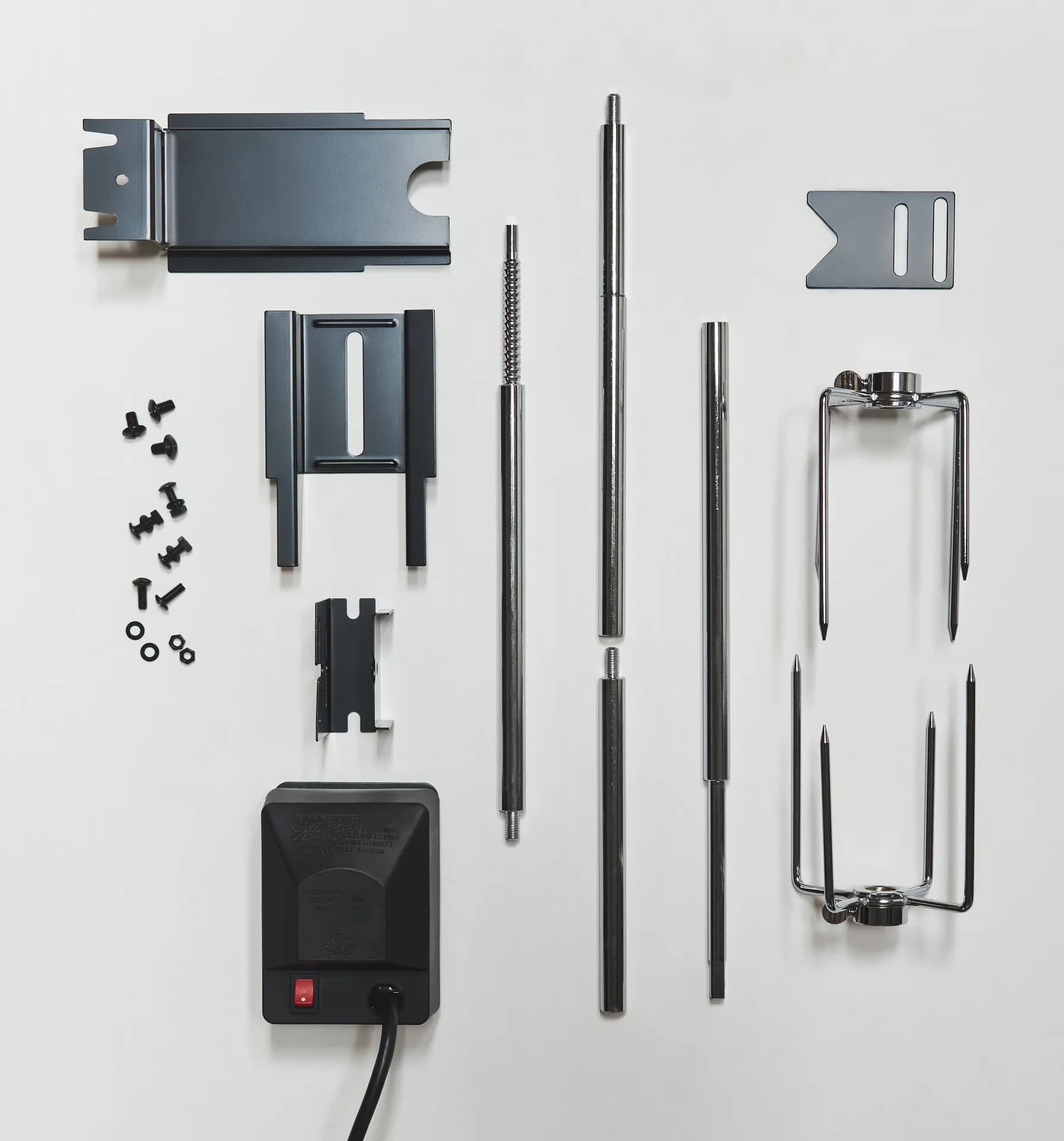
A typical rotisserie system comprises several essential parts: the motor, spit rods, forks, and counterbalance. The motor is crucial as it powers the rotation, ensuring even cooking. Spit rods are the bars onto which the meat is skewered. Forks secure the meat in place, while a counterbalance helps maintain stability during rotation. Each component plays a vital role in achieving perfect grilling results.
Ensuring Compatibility with Your Grill Model
When selecting rotisserie parts, compatibility with your specific grill model is essential. Different brands and models have varying requirements for motor mounts, spit rod lengths, and power connections. It's crucial to consult your grill's manual or contact the manufacturer to ensure the parts you choose will fit correctly.
Installation and Replacement of Rotisserie Parts
Installing or replacing rotisserie parts can be straightforward if you follow the correct steps. Start by ensuring the motor is securely mounted and aligned with the spit rod. Insert the spit rod through the center of the meat, attach the forks, and secure them tightly. Finally, engage the motor, ensuring smooth and consistent rotation.
Maintenance Practices for Longevity
Proper maintenance of your rotisserie components can extend their lifespan and improve performance. Regularly clean the spit rod and forks after each use to prevent grease buildup. Inspect the motor for any signs of wear and ensure all connections are secure. Storing your rotisserie in a dry place when not in use will further prolong its life.
Conclusion
Maintaining and replacing grill rotisserie parts as needed ensures your grilling experiences are consistently delicious and hassle-free. By understanding the key components and ensuring compatibility with your grill, you can enjoy the full benefits of rotisserie cooking. Try comparing two products side by side below to see which fits best:
Understanding Rotisserie Motors and Their Functions
Rotisserie motors are the heart of the system, responsible for the continuous rotation that ensures even cooking. When selecting a motor, consider factors such as power source (battery or electric), durability, and compatibility with your grill's setup. High-quality motors provide consistent speed and can handle various weights, making them essential for larger cuts of meat.
Selecting the Right Spit Rods and Forks
Choosing the correct spit rods and forks is vital for securing meat during cooking. Spit rods should be made from durable materials like stainless steel, and their length should match your grill's dimensions. Forks should have adjustable locking mechanisms to accommodate different sizes of meat, ensuring stability throughout the cooking process.
Choosing Between Universal and Brand-Specific Parts
Deciding between universal and brand-specific rotisserie parts depends on your grill model and personal preference. Universal parts offer flexibility and are often more cost-effective, while brand-specific parts ensure precise fit and compatibility. Weighing these options against your needs and budget can guide your decision.
Step-by-Step Installation Guide
Begin by attaching the motor to the designated mount on your grill. Insert the spit rod through the meat and secure it with forks. Align the rod with the motor and ensure it is locked in place. Test the setup by engaging the motor to check for smooth operation and make any necessary adjustments.
Routine Maintenance and Care Tips
Regular maintenance of your rotisserie system involves cleaning all components post-use, checking motor functionality, and storing parts properly. Use mild detergent and warm water for cleaning, and lubricate moving parts if recommended by the manufacturer. These practices prevent corrosion and ensure reliable performance.
Final Thoughts on Rotisserie Maintenance
A well-maintained rotisserie system can elevate your grilling, providing consistent results and delicious meals. Regular checks and replacements when necessary will ensure your equipment is always ready for use, making it a valuable addition to your outdoor cooking arsenal.