Comprehensive Review of Grill Grates Replacement Options
Explore the best grill grates for optimal grilling performance.
In This Article
Types of Grill Grates
Performance Insights
Maintenance Tips
Introduction to Grill Grates
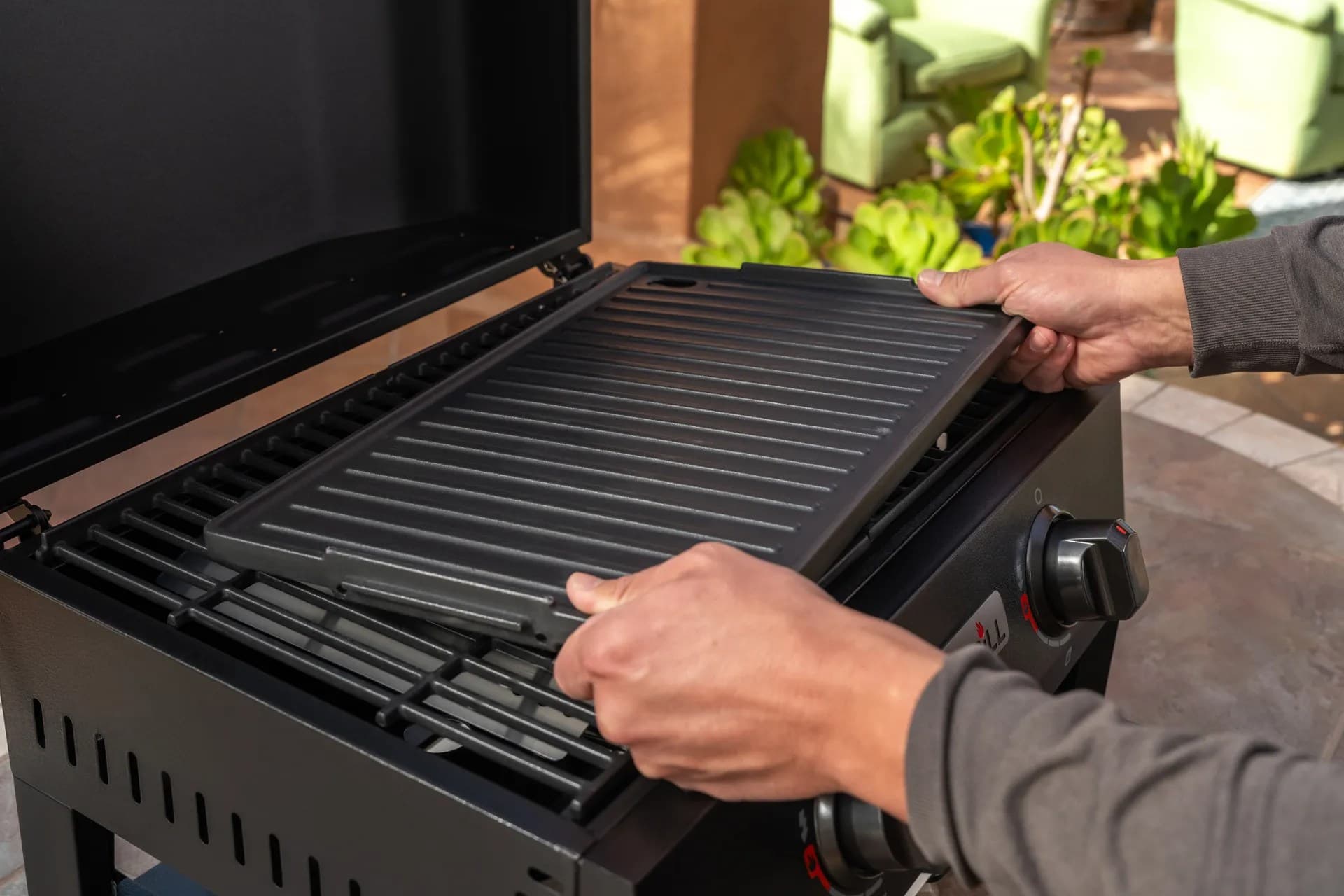
Replacement grill grates do more than hold food above the flame. They shape how heat moves, how evenly a steak sears, how easily vegetables release, and how much cleanup you face after dinner. If your current grates are warped, flaking, heavily rusted, or no longer creating consistent grill marks, replacing them can restore the feel of the whole cooker without buying an entirely new grill. For many backyard cooks in the United States, that makes grate replacement one of the most practical upgrades available: it is cheaper than replacing the grill, but it can still change the way the grill performs every time the lid opens.
The goal of this review is not to crown one material as perfect for everyone. Instead, it looks at what different grate materials actually do on the grill, how they behave over time, and which choices make sense for different cooking habits. That matters because a grate that excels at hard searing may need more care than a grate that is easier to clean, and a grate that looks durable on paper may not feel right if you cook delicate fish or sliced vegetables often. The best replacement is the one that matches your routine, your maintenance style, and the kind of food you cook most often.
A good replacement should solve a real problem: uneven heat, sticking, rust, or a lost sear pattern. If none of those are issues, replacement may not be urgent yet.
Grates influence heat transfer, release, and cleanup more than many buyers expect.
Types of Grill Grates
Most replacement grates fall into three familiar material categories: cast iron, stainless steel, and porcelain-coated steel or iron. Each one changes the cooking experience in a different way. Cast iron is the classic choice for strong heat retention and bold sear marks, which is why it appeals to cooks who want steakhouse-style browning. Stainless steel is often chosen for its corrosion resistance and lower-maintenance profile, especially in climates where moisture is a constant concern. Porcelain-coated grates try to bridge the gap by giving the user a smoother, easier-to-clean surface while preserving a metal core that can still hold heat reasonably well.
Design matters as much as material. Traditional round or rod-style grates create contact points that mark the food and allow drippings to fall through. Some replacement systems use wider bars or engineered inserts to change the direction of heat and reduce flare-ups. Others are shaped to fit specific grill models, which is especially important when buying for a Nexgrill or another brand-specific platform. A grate that fits loosely can shift during cooking, leave gaps, or create hot spots; one that fits correctly restores the intended cook surface and helps the grill behave the way it was designed to behave.
Compatibility should be checked against the exact firebox dimensions, support ledges, and original grate layout. Even when a replacement part is advertised by size, the difference between nominal dimensions and actual usable fit can matter. If your grill uses two smaller grates instead of one large continuous grate, buying the wrong configuration can affect airflow and make cleaning more frustrating. For owners comparing options, a grate is not just a cooking surface - it is part of the grill’s thermal system.
| Grate type | Main strength | Trade-off | Best fit |
|---|---|---|---|
| Cast iron | Excellent heat retention and sear marks | Needs seasoning and rust prevention | High-heat cooks and steak lovers |
| Stainless steel | Durability and easier upkeep | Usually less aggressive sear pattern than cast iron | Frequent grilling and wetter climates |
| Porcelain-coated | Cleaner release and smoother surface | Coating can chip if handled roughly | Easy cleanup and everyday use |
Material Comparisons: Cast Iron vs Stainless Steel vs Porcelain-Coated
Cast iron usually wins when the primary goal is heat retention. Once fully heated, it stays hot under the food, which helps with browning and can make burgers, thick chops, and steaks develop a more pronounced crust. The trade-off is upkeep: cast iron needs to be dried carefully, oiled lightly, and stored in a way that limits corrosion. If you cook only occasionally and leave the grill exposed to humidity, cast iron can disappoint over time even if it performs beautifully on day one.
Stainless steel is the most forgiving option for many households. It handles weather better, tolerates regular cleaning, and is less likely to develop the dramatic rust problems associated with neglected cast iron. The performance difference is less about whether it can cook well and more about how the cook feels in day-to-day use. Stainless grates tend to reward the owner who wants a reliable surface with fewer care steps. That makes them a strong fit for families who grill several times per week, especially when the grill lives on a patio or deck that sees morning dew, rain, or coastal moisture.
Porcelain-coated grates are often chosen for convenience. Food tends to release more easily when the coating is intact, and cleanup can feel faster because grease and residue do not cling as aggressively to a raw metal surface. The biggest risk is physical damage. Once the coating chips, the exposed base material can corrode or become harder to maintain. That is why porcelain-coated grates are best for careful users who want straightforward cleanup and are willing to avoid metal tools that can gouge the surface.
If you use abrasive scrapers or flip food aggressively with metal tongs, porcelain-coated surfaces usually wear faster than stainless steel.
For buyers trying to decide between these materials, a useful rule is to match the grate to your cooking personality. If you love maximizing crust and do not mind maintenance, cast iron is the strongest performer. If you want the best blend of durability and convenience, stainless steel is the safer long-term bet. If easy release and a smoother surface matter more than aggressive searing, porcelain-coated grates can make weekday cooking simpler. Try comparing two products side by side below to see which fits best.
Performance Features of Grill Grates
Once you have weighed two options against each other, the next question is how those grates will behave in real cooking. Heat retention is the first performance feature most grillers notice. A grate that stores heat well can recover faster after the lid opens, which helps when you are cooking multiple batches of burgers or moving from vegetables to steak without waiting for the surface to cool. That recovery can also improve searing consistency because the food meets a hotter surface the moment it lands. In practical terms, this is the difference between a grate that merely supports food and a grate that actively contributes to browning.
Searing capability depends on both material and design. Narrow contact points can create sharper grill marks, while wider bars or specialized grate shapes spread heat differently and may reduce sticking. Some replacement systems are designed to intensify direct heat beneath the food, which can help with crust formation but may also increase flare-up sensitivity if the grill’s grease management is poor. Ease of cleaning is the other major performance variable. Stainless steel and intact porcelain coatings often clean more quickly after warm brushing, while cast iron can require a more deliberate routine to avoid stripping seasoning or introducing rust.
The best grate is not always the hottest one. A grate that balances sear, release, and cleanup often delivers the best real-world ownership experience.
Customer feedback around replacement grates tends to follow a familiar pattern. Many owners say the upgrade feels immediate the first time they grill after installation: better marks, less sticking, and more even browning across the grate surface. Reviewers who moved from heavily rusted factory grates to stainless steel often mention that cleanup became less stressful, especially after high-fat meals. Cast iron fans often describe the opposite kind of satisfaction: they are willing to do more upkeep because the searing payoff is obvious, especially on thicker cuts. These testimonials are useful because they show that the “best” grate is often the one that aligns with a cook’s tolerance for maintenance.
When reading ratings, look beyond star averages. A grate that earns high marks from users who cook steaks every weekend may not be the best choice for someone grilling fish, vegetables, and quick weekday dinners. Pay attention to whether reviewers mention fit accuracy, coating durability, rust resistance, and how the grate performs after several months rather than only on first use. Long-term comments are usually more valuable than first-impression praise because replacement grates can look excellent out of the box and still fail after repeated heat cycles.
| Performance factor | What to look for | Why it matters |
|---|---|---|
| Heat retention | Dense material and stable preheat behavior | Supports strong searing and quicker recovery |
| Food release | Smooth finish and proper preheating | Reduces tearing on delicate proteins and vegetables |
| Cleaning ease | Corrosion resistance or intact coating | Lowers maintenance time after grilling |
| Flare-up control | Good geometry and grease flow | Helps protect food from burning |
Brand Comparisons: GrillGrate vs Competitors
In brand terms, GrillGrate often stands out because it focuses on changing how heat interacts with the food rather than simply replacing a broken surface. That makes it appealing to cooks who want sharper sear lines, less sticking, and a more engineered approach to grilling. By contrast, many traditional replacement grates from competing brands stay closer to the original grill architecture, offering familiar rod spacing, standard fitment, and a lower-friction swap for damaged parts. Neither path is automatically better; the right answer depends on whether the buyer wants a performance upgrade or a straightforward like-for-like replacement.
Competitors in the replacement-grate market usually fall into two camps. The first camp emphasizes OEM-style accuracy, where the priority is restoring the grill to its original size, shape, and cooking feel. That is often the best option when the grill is already dialed in and the owner just wants a dependable fresh start. The second camp offers aftermarket designs that promise better searing, improved grease management, or more durable materials. These can be compelling if the existing grate was the weak point in an otherwise solid grill. For Nexgrill owners, the choice often comes down to whether the cook wants to preserve the original grill character or alter it for a more customized result.
A smart comparison is not “which brand is best?” but “which design solves my actual cooking problem?” That question usually produces a better purchase.
Customer Testimonials and Ratings
User testimonials are especially valuable for grill grates because they reveal how the part behaves after repeated heat cycles, cleaning sessions, and seasonal storage. One common theme in positive reviews is surprise: buyers expect a simple replacement, then notice better browning and a more confident cooking surface. Another frequent comment is fit. Reviewers often praise grates that drop into place without shimming or forcing, because exact fit improves stability and reduces annoying movement when the food is being turned. Negative reviews, meanwhile, often center on chipped coatings, rust after one season, or a grate that looked compatible but did not sit correctly on the support ledges.
When evaluating ratings, pay attention to the cooking style behind the review. A user who grills two ribeyes each month will judge the grate differently from someone who cooks salmon, asparagus, and chicken breasts for a family of six every weekend. The first person may prioritize sear marks and heat retention, while the second may care more about easy release and simple cleanup. That distinction helps explain why the same grate can be rated highly by one group and only moderately by another.
Maintenance Tips for Longevity
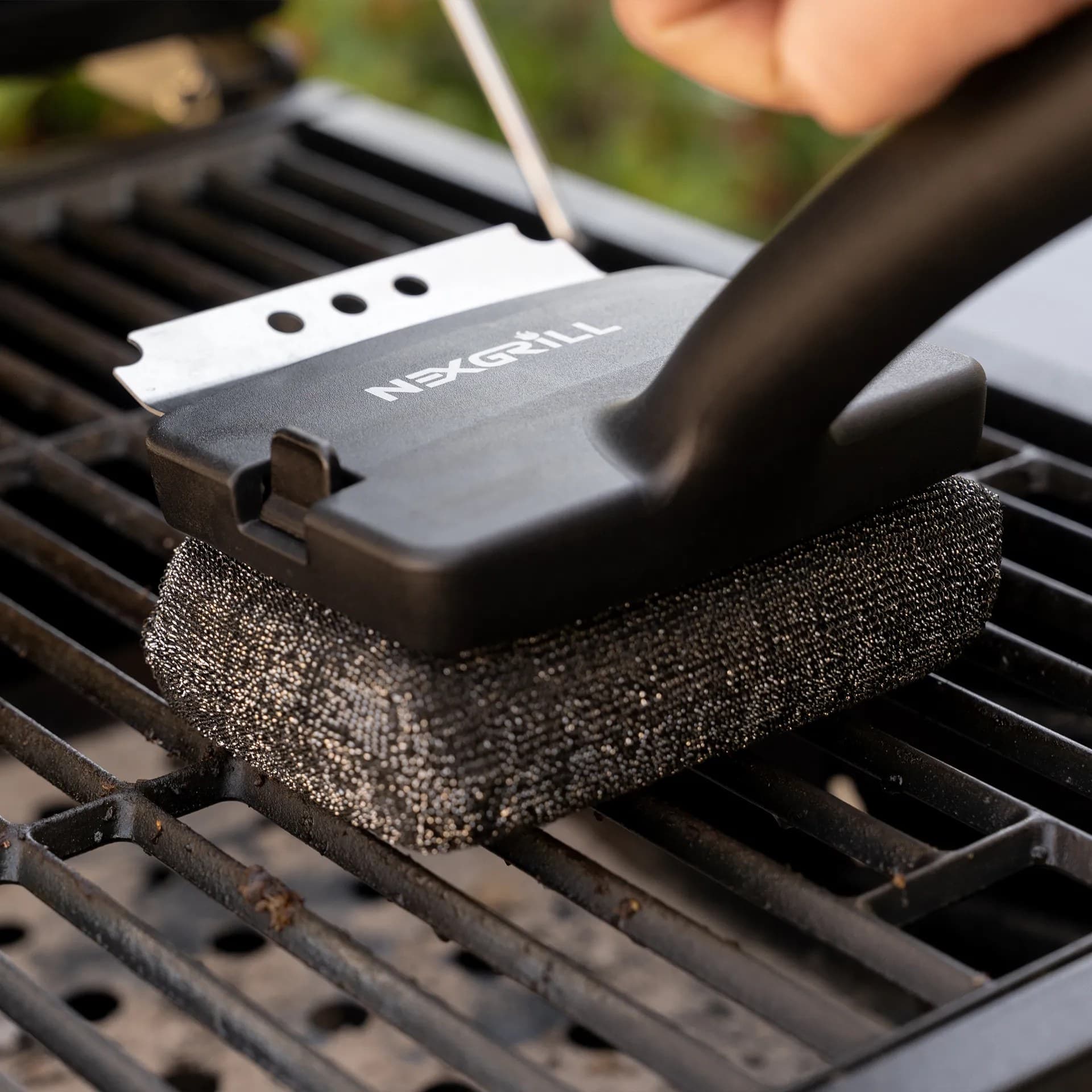
Good maintenance begins before the first cook. If you are installing cast iron grates, season them lightly and heat them gradually so they build a protective layer. After cooking, brush them while still warm to remove residue before it hardens. Stainless steel grates benefit from the same warm-cleaning habit, though they generally tolerate a wider range of cleaners and scrubbing tools. Porcelain-coated grates should be treated gently: use soft or nylon-safe brushes and avoid scraping the surface with anything that can chip the finish. For any grate, moisture control matters. Dry the grates fully before closing the lid, and if the grill will sit unused for a while, cover it in a way that limits trapped humidity.
A practical seasonal routine helps extend life. At the start of the grilling season, inspect for bends, rust, chips, or worn contact points. Mid-season, remove built-up grease from both the grates and the supports below them. Before winter storage, clean the grates thoroughly, dry them completely, and store them where airflow is not restricted. These small steps are often the difference between a grate that lasts several seasons and one that fails early.
The fastest way to shorten grate life is leaving grease and moisture together on the surface after the grill cools. Clean first, then dry.
Cost Analysis and Value for Money
Cost should be judged against lifespan, maintenance burden, and cooking results, not only sticker price. Lower-cost replacement grates can be attractive, especially if your current grill is older or used occasionally. But if a cheap grate warps quickly, rusts early, or chips under normal use, the apparent savings disappear fast. Stainless steel often sits in the middle-to-upper range of replacement pricing but can deliver better long-term value because it avoids some of the maintenance costs associated with cast iron and some of the fragility of coatings. Cast iron can be excellent value for cooks who will maintain it properly. Porcelain-coated grates may offer a strong convenience value if you prioritize cleanup and are careful with utensils.
A simple way to think about value is cost per season of use. If a grate costs more upfront but lasts longer and keeps the grill cooking evenly, it may be the better purchase. The same logic applies to brand comparison: a premium performance grate can be worthwhile if your frustration with sticking and uneven heat is high enough that you stop grilling less often. That kind of hidden value is easy to miss when shoppers focus only on initial price.
Conclusion & Recommendations
The best replacement grill grate is the one that matches your cooking style, maintenance habits, and grill dimensions. Cast iron is the strongest choice for serious searing, stainless steel is the most balanced choice for durability and lower upkeep, and porcelain-coated grates are the convenience pick for cooks who want easier release with careful handling. GrillGrate-style products make sense when you want a more engineered heat-and-sear experience, while traditional replacement grates are better when you simply want to restore the grill to familiar operation.
If you cook often and want the most forgiving ownership experience, stainless steel is usually the safest recommendation. If you value dramatic crust and do not mind seasoning and drying, cast iron remains a strong performer. If your biggest frustration is cleanup and sticking, porcelain-coated options are worth a close look. Whichever route you choose, measure carefully, check compatibility, and think about the next two or three seasons - not just the next weekend. That is how a replacement becomes a real upgrade instead of just another part swap.