Ensure safety and optimal performance with the right grill hose replacement.
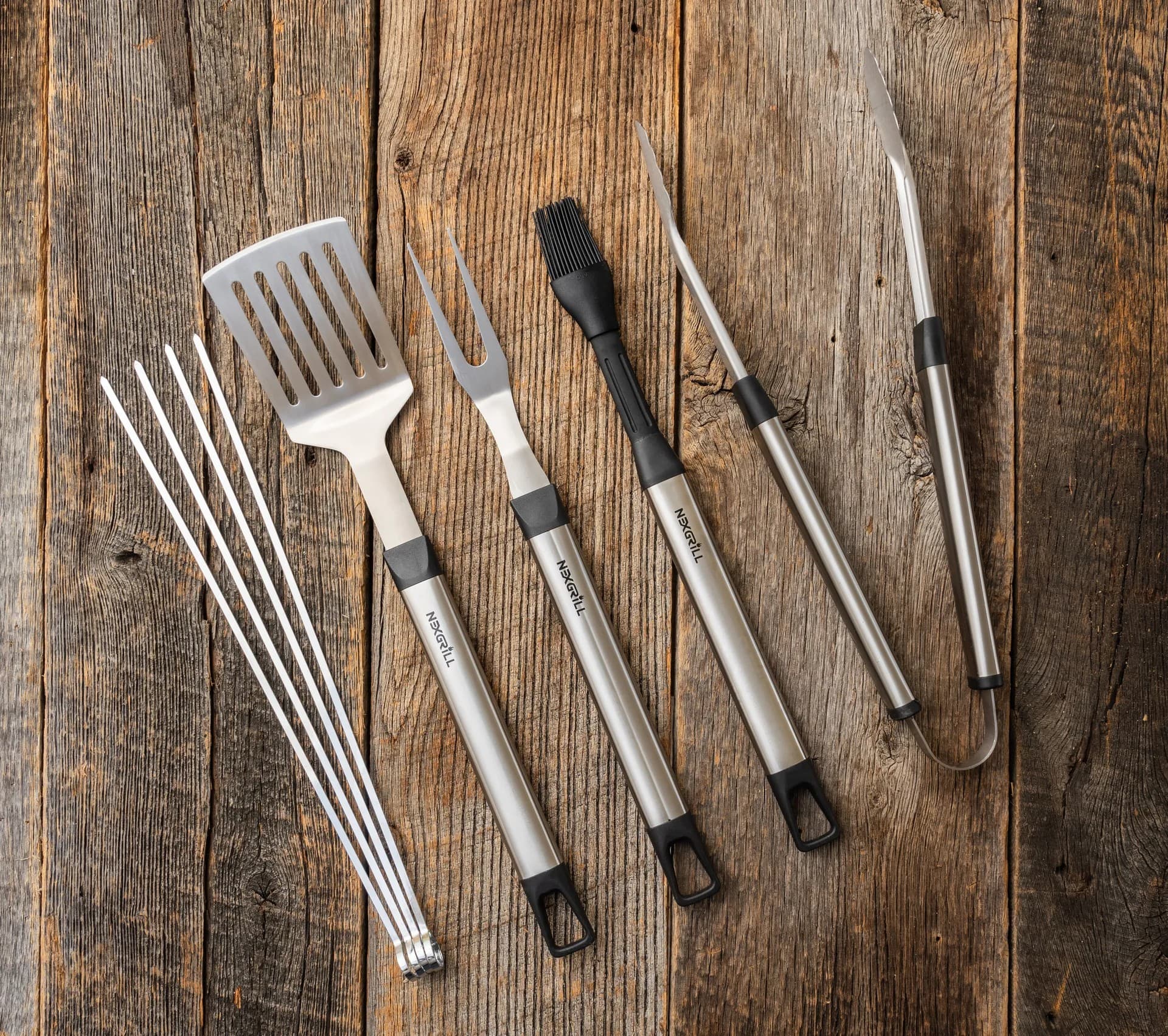
Here's what sets us apart from the competition
We position ourselves as delivering high-end outdoor cooking features and performance without premium-brand pricing, emphasizing “Quality Grills. Unbelievable Value.”
We offer gas grills, pellet grills, griddles, smokers, pizza ovens, portable/tabletop grills, electric grills, accessories, and replacement parts — allowing customers to stay within one ecosystem for all outdoor cooking needs.
We differentiate ourselves through smart grilling products like the Oakford smart pellet grill, including app-connected cooking controls and modern outdoor cooking technology.
Expert tips, buying guides, comparisons, and inspiration for choosing and getting the most out of your grill.
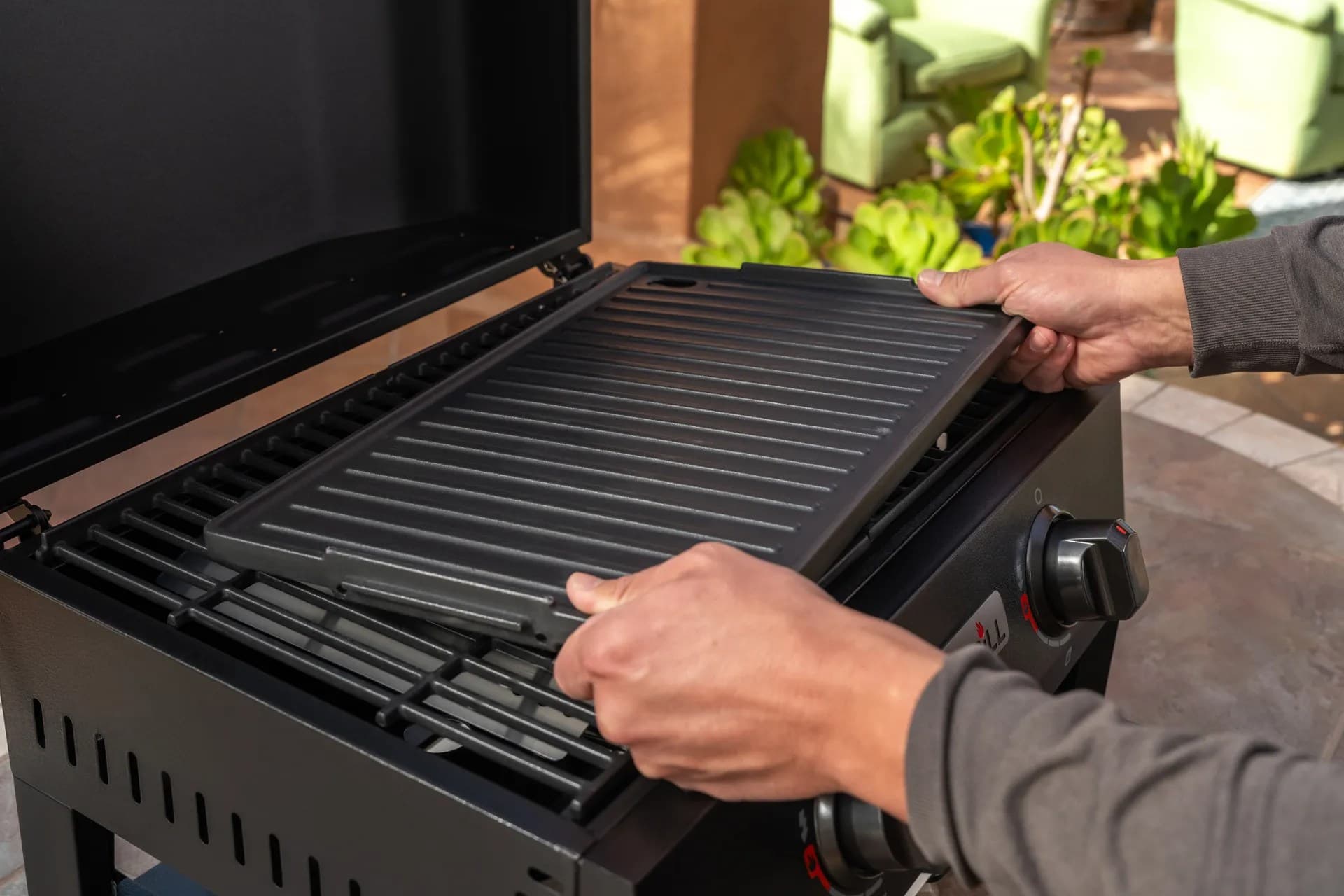
Practical guides for cleaning, maintenance, common grill issues, and performance optimization.
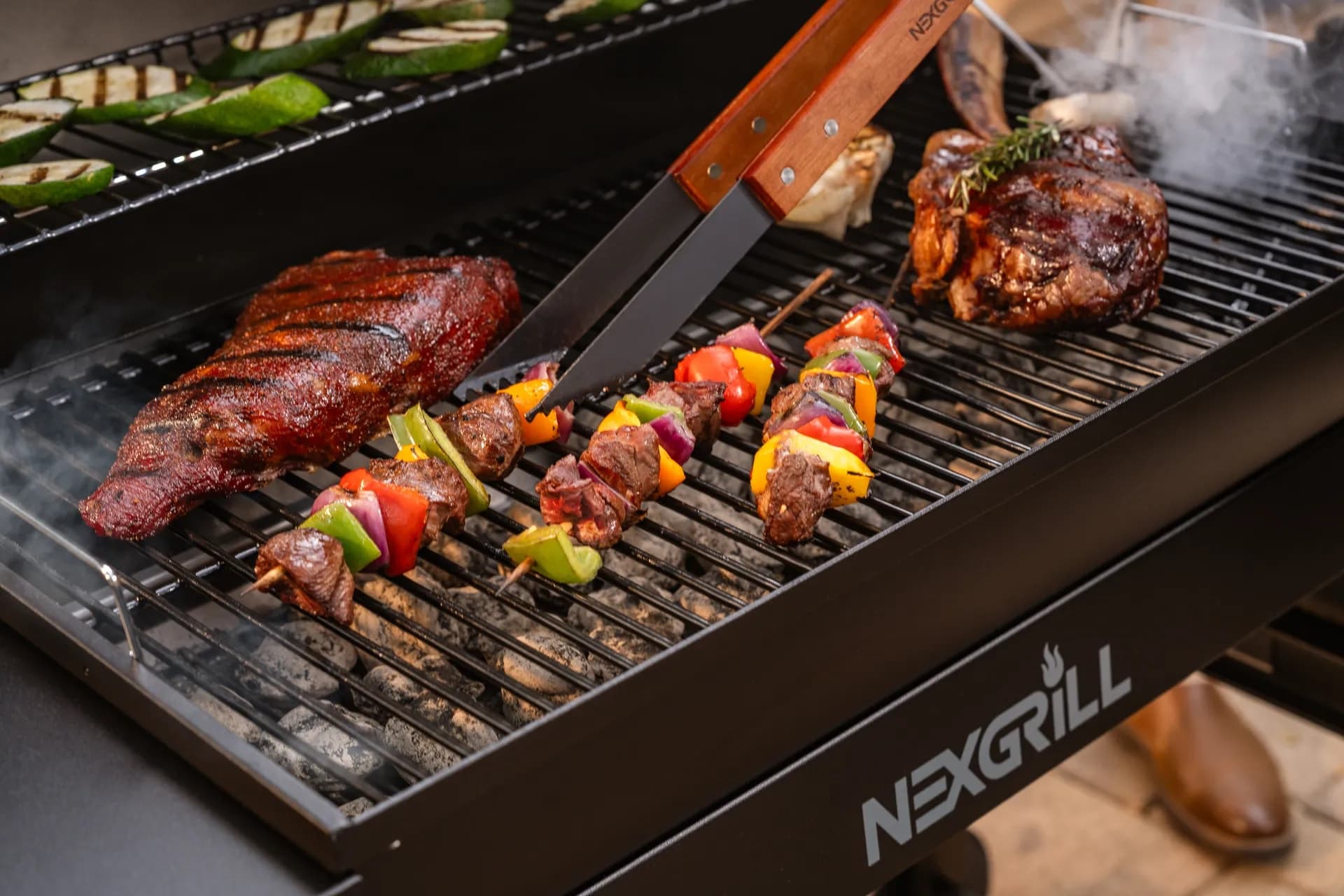
Step-by-step grilling recipes, cooking techniques, and meal ideas for every occasion and skill level.

Backyard entertaining ideas, seasonal grilling inspiration, and stories that celebrate outdoor cooking culture.
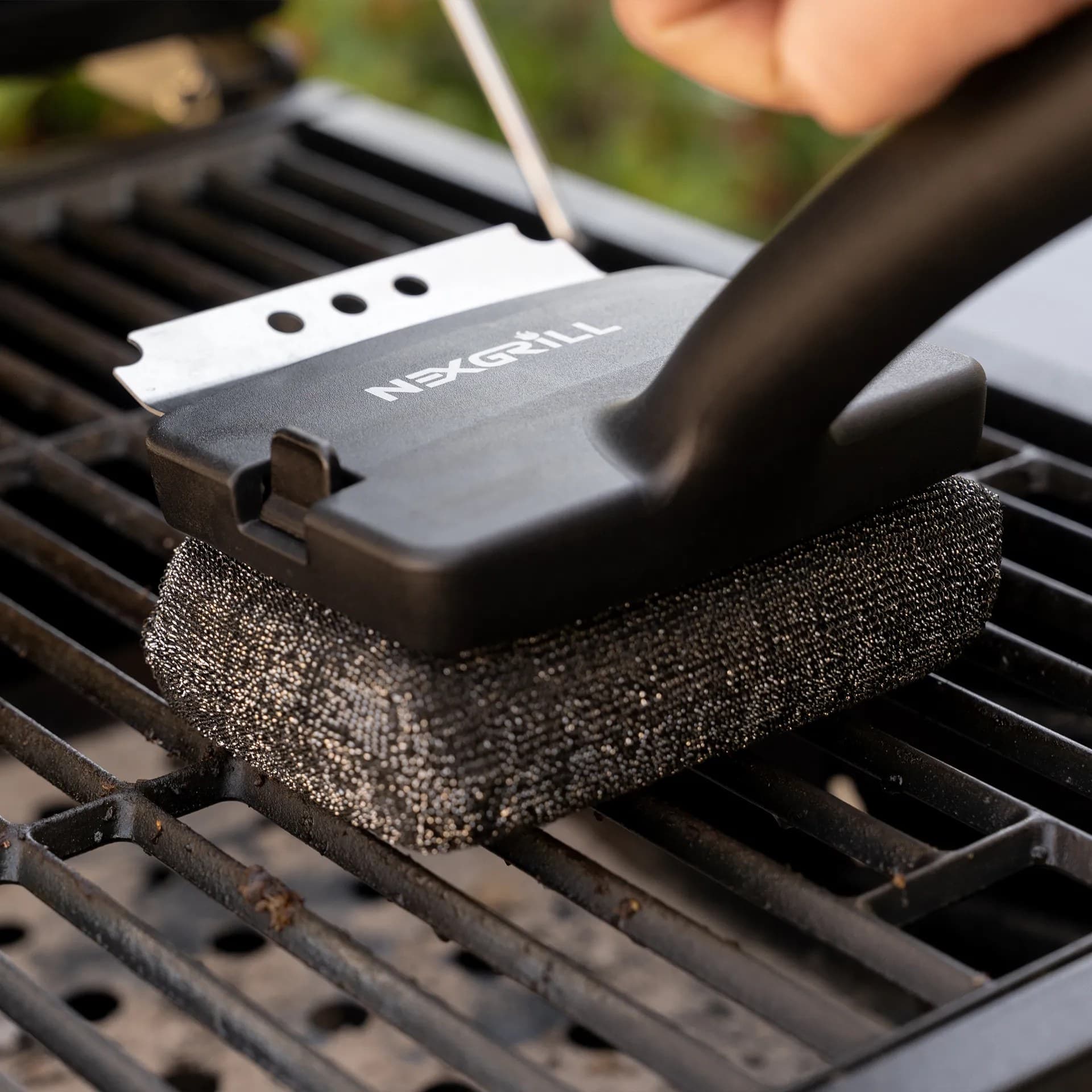
Helpful articles covering grilling tools, cookware, maintenance gear, and must-have accessories for outdoor cooking.
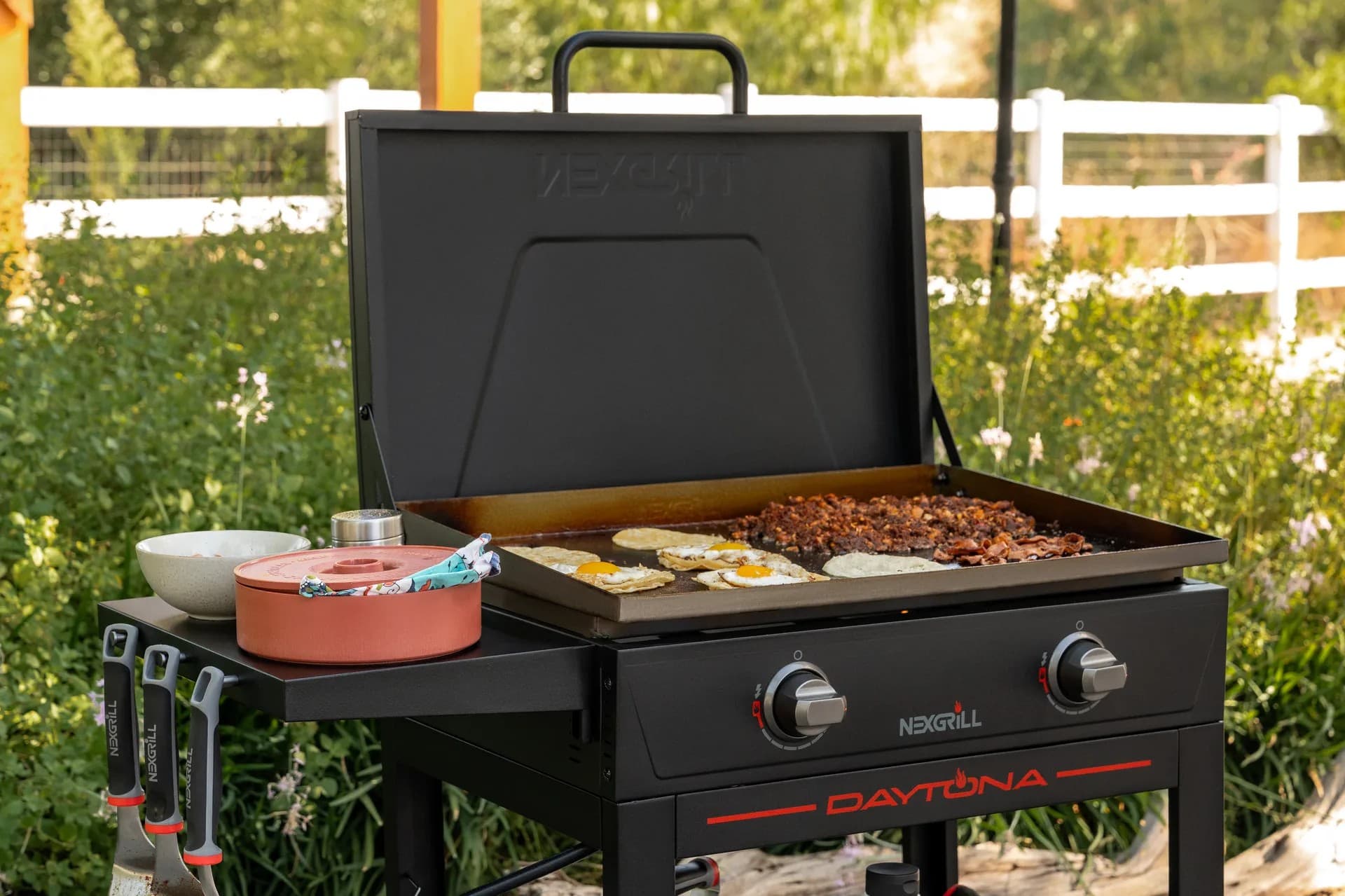
Find griddle recipes, cooking techniques, cleaning tips, and outdoor meal ideas designed for Nexgrill griddles.
Find answers to common questions
Nexgrill offers a variety of accessories including grill tools, covers, cooking utensils, and replacement parts designed to enhance your grilling experience.
Many Nexgrill accessories are widely compatible with various grill brands, but it is recommended to check the specifications for proper fit and functionality.
To maintain your Nexgrill accessories, regularly clean them with warm soapy water, avoid using abrasive materials that could scratch the surface, and store them in a dry place when not in use.
Yes, Nexgrill accessories can be purchased separately from the grills, allowing customers to customize their grilling setup as needed.
Instructions for using Nexgrill accessories are typically included in the packaging, and additional resources can be found on the Nexgrill website or in the product user manuals.
In This Article
Types of Grill Hoses
Top Grill Hose Recommendations
Installation and Maintenance Tips
A grill hose replacement is one of those parts you rarely think about until the connection starts acting up, but it is central to how safely and consistently your gas grill performs. The hose is the path that delivers fuel from the propane tank or gas supply to the regulator and burners, so when it weakens, cracks, or no longer seals correctly, the entire cooking experience changes. A grill can have great burners, solid grates, and a well-designed cart, but if the hose is damaged or incorrectly matched, you risk poor ignition, unstable flame, or a leak that should never be ignored.
If you are searching for the best-grill-hose-replacement, the real question is not simply which hose is cheapest or longest. It is which hose matches your grill model, fuel setup, and usage pattern while giving you dependable, low-drama operation. That means paying attention to hose material, connection type, length, pressure rating, and whether the hose includes the right regulator or is meant to work with your existing one. For many grill owners, the most common mistake is assuming any propane hose will do. In practice, a slightly wrong fitting or an overly short run can create installation headaches and an unsafe setup.
A good replacement hose should solve a problem, not create a new one. Match the connector style first, then evaluate hose material, length, and condition.
Nexgrill’s broader brand focus on dependable outdoor cooking makes this topic especially practical for everyday grillers. The right replacement should support the way you cook, whether that means quick weeknight burgers, weekend rib cooks, or a high-use patio setup that sees frequent start-ups and shut-downs. The goal is not just replacement, but a cleaner and safer fuel path that helps your grill light properly and maintain steady heat. In a market full of generic parts, it pays to be deliberate.
Not all grill hoses are built the same, and the best choice depends on how your grill is used and where it sits. The most common replacement categories are standard rubber hoses, braided stainless-steel hoses, and hose-and-regulator assemblies. Each has a different balance of flexibility, durability, and installation convenience. Understanding those differences will help you choose a replacement that feels like an upgrade instead of a compromise.
| Hose type | Best use | Strengths | Trade-offs |
|---|---|---|---|
| Rubber propane hose | Everyday backyard grills | Flexible, usually affordable, easy to route | Can weather faster if exposed to heat, sun, or abrasion |
| Braided stainless hose | Higher-use setups and exposed installs | Added protection against wear and kinks | Often costs more and may be less flexible in tight spaces |
| Hose with regulator | Full replacement of a worn fuel assembly | Convenient, matched components, simpler swap | Must match the grill’s inlet and fuel system carefully |
Rubber hoses are common because they are flexible and easy to route around cart brackets, shelves, and tank positions. They work well for standard patio grills when they are kept away from direct flame, sharp edges, and excessive UV exposure. Their downside is long-term wear: rubber can become stiff, cracked, or brittle after repeated heat cycles and outdoor exposure. If your grill lives uncovered most of the year, rubber deserves a closer inspection schedule.
Braided hoses, especially stainless steel braided styles, add a protective outer layer that helps resist nicks and abrasion. That extra layer is useful if your grill moves around often or if the hose sits in an area where it may brush against metal frame members. The trade-off is that braided hoses are not automatically better for every setup. A stiff hose in a cramped cart can make installation harder, and if the length is wrong, the added durability does not solve a poor fit.
Connector style, length, and regulator match matter as much as hose material.
Hose-and-regulator assemblies are often the easiest way to restore a grill that is failing at the supply connection rather than just the hose itself. If the regulator is aging, the hose has developed a leak, or the assembly has been bent repeatedly, replacing the pair together can simplify troubleshooting. It also reduces the chance that a new hose is paired with an old regulator that is already compromised. For many home grillers, this is the most practical choice when the original part is no longer performing reliably.
When comparing replacement hoses, think like a mechanic rather than a shopper. The best option is the one that fits your grill’s connection style, uses durable materials, and avoids the kind of repeated rework that comes from buying the wrong size. Because many hoses look similar online, the details matter: inlet and outlet fittings, regulator type, hose length, and whether the assembly is intended for propane or natural gas use. If you are looking at multiple models, the safest approach is to compare them by use case rather than by brand name alone.
| Recommendation profile | Best feature to prioritize | Why it helps |
|---|---|---|
| Everyday backyard replacement | Flexible rubber hose with correct regulator | Simple, cost-conscious, and easy to route on standard carts |
| Frequent griller with exposed setup | Braided stainless construction | Better outer protection where abrasion is a concern |
| Full system refresh | Hose-and-regulator assembly | Replaces two aging components at once and reduces mismatch risk |
One practical way to shop is to rank your needs in this order: connection compatibility, fuel type, hose length, then material. A hose that is five inches too short can pull against fittings and create unnecessary tension. A hose that is too long can sag or rub against hot surfaces. A hose with the wrong regulator may appear to fit but still produce poor burner performance. That is why user reviews matter, but they should be treated as the last checkpoint rather than the first filter.
If a hose listing does not clearly state connector type, gas type, and intended grill configuration, skip it and look for a better-defined option.
For a Nexgrill owner, the smartest recommendation is usually the one tied to the actual grill model and fuel setup instead of a generic universal claim. Many problems happen when buyers try to force a broadly marketed part onto a specific cooker. A well-matched replacement should mount cleanly, seal securely, and leave enough slack for safe movement of the grill without creating a loop near heat sources. That combination of fit and function is what makes a replacement feel premium in real-world use.
A clean installation is just as important as selecting the right hose. Before you disconnect anything, make sure the grill is off, the propane tank valve is closed, and all burner controls are in the off position. Let the grill cool completely. Then inspect the existing hose path and note how the original assembly was routed. Taking a quick photo before removal can save time later and reduce the chance of pinching or twisting the replacement hose.
For the swap itself, work methodically. Remove the old hose from the tank side and the grill side, paying close attention to the seal surfaces and threads. If the replacement uses hand-tightened fittings, avoid overtightening, since that can damage seals or distort the connector. If the setup requires threaded connections, make sure the fittings align naturally before tightening. The hose should sit without strain, with enough clearance from sharp edges, the firebox, and any moving cart components. A hose that rubs each time you roll the grill may not fail immediately, but it will wear faster than it should.
Never test for leaks with a flame. Use a soap-and-water solution on the connections after installation and watch for bubbling.
Maintenance is straightforward but important. Inspect the hose at the start of each grilling season and again after any move, storage change, or accidental tug. Look for cracking, discoloration, stiffness, abrasion, loose fittings, or places where the hose has flattened. If the grill is stored outdoors, keep the hose covered when not in use and avoid leaving the tank connected under constant tension for long stretches. Even a strong hose benefits from simple protection against sun, water, and repeated bending.
A good replacement should last longer when treated as part of the fuel system rather than a disposable accessory. Keep the area around the hose free of grease buildup and nesting debris, especially around the lower cart area where airflow and visibility are poor. When in doubt, replace the hose earlier rather than later. Fuel delivery parts are inexpensive compared with the risk and inconvenience of a compromised connection. Try comparing two products side by side below to see which fits best:
Once you've weighed two options against each other, the next step is to make sure the replacement hose meets the right safety expectations for gas appliances. This is where certification, material quality, and clear product labeling matter more than promotional language. In the United States, grill hoses and related fuel components should be listed for the gas type they are meant to handle and should be sold with documentation that identifies the intended use. If a product description is vague about whether it is for propane, natural gas, or a specific appliance configuration, treat that as a warning sign rather than a minor omission.
For most buyers, the easiest rule is simple: choose a hose assembly that clearly states compatibility with your grill and fuel source, and confirm that the regulator rating matches the appliance. A replacement that looks sturdy but lacks explicit safety labeling is not a bargain. In practice, the safest hoses are the ones that leave fewer assumptions to the installer. They should identify the connection standards, the intended pressure range, and whether the assembly is appropriate for portable or stationary use. That detail matters because a hose built for one style of appliance may not perform safely in another.
The safest hose is the one that tells you exactly what it is designed for.
This is also the point where a careful buyer should verify that the assembly includes the proper seals and fittings for the connection points on the grill. A brass fitting, for example, is only useful if it matches the grill side and tank side correctly. Likewise, braided protection is helpful only when the inner hose and regulator are appropriate for the appliance’s fuel demand. If you are replacing a hose on a Nexgrill setup, using the model documentation or product support information can save time and avoid unnecessary returns. The point is not to overcomplicate the process; it is to avoid guessing with a part that controls gas flow.
A reputable replacement should come with enough information to identify gas type, connector style, and intended appliance use before you open the package.
If your grill lights inconsistently after a hose replacement, the issue is not always the hose itself. Start with the simplest checks: confirm the tank valve is fully open, inspect the regulator for reset behavior, and make sure all burner knobs are off before attempting ignition. Low flame can come from a restricted hose path, a kink near the cart frame, or a regulator that has tripped into a low-flow state. If the flame is weak across multiple burners, the problem may sit upstream at the regulator or tank connection rather than inside the firebox.
A gas smell around the connection usually means the system needs immediate attention. Shut everything down, close the tank, and inspect for loose fittings or a damaged seal. Recheck the installation after the grill has cooled and use a soap test at every junction. If bubbling appears, do not keep experimenting with burner starts. Correct the seal issue first. Persistent odor, especially near the tank valve or hose bend, is a reason to stop using the grill until the source is found.
If you smell gas, turn everything off, move away from ignition sources, and inspect the system only after it is safe to do so.
Another common complaint is a hose that seems to fit but causes recurring startup problems. In many cases, this happens because the replacement is slightly too long, poorly routed, or paired with the wrong regulator style. A hose can also fail from repeated heat exposure if it has been routed too close to the firebox or left pressed against a sharp corner. When troubleshooting, look for evidence of wear marks rather than relying only on visual neatness. A hose can look fine from the front and still be stressed underneath the cart.
If the grill has been sitting idle for a season or more, another issue can be debris in the burner tubes or spider webs near the orifices, which can feel like a hose problem because the grill will not light cleanly. In that case, the new hose did its job, but the appliance still needs a full cleaning and restart procedure. This is why it helps to think in systems: hose, regulator, valves, burners, and air inlets all affect performance together. Replacing one part is only the beginning if the rest of the fuel path has not been inspected.
Choosing the best grill hose replacement comes down to safe fit, clear labeling, and the right material for how you grill. Rubber hoses remain practical for many standard backyard setups, braided hoses add useful abrasion resistance in tougher environments, and hose-and-regulator assemblies are often the cleanest solution when multiple fuel components are aging together. The most reliable purchase is the one that matches your grill model, fuel type, and installation space without forcing compromises.
If you remember only a few things, make them these: inspect the hose regularly, replace it at the first signs of cracking or stiffness, test for leaks after installation, and never assume that a part is safe just because it appears to fit. Gas grilling should feel easy once everything is set up correctly, and a well-chosen replacement hose is a small part with a big role in making that happen. For product-specific guidance, review your grill documentation before buying any replacement and prioritize clarity over guesswork.
Here's what sets us apart
We position ourselves as delivering high-end outdoor cooking features and performance without premium-brand pricing, emphasizing “Quality Grills. Unbelievable Value.”
We offer gas grills, pellet grills, griddles, smokers, pizza ovens, portable/tabletop grills, electric grills, accessories, and replacement parts — allowing customers to stay within one ecosystem for all outdoor cooking needs.
We differentiate ourselves through smart grilling products like the Oakford smart pellet grill, including app-connected cooking controls and modern outdoor cooking technology.
Don't just take our word for it
Keep reading
From our catalog