A comprehensive guide to grill hose replacement pricing, types, installation, and maintenance.
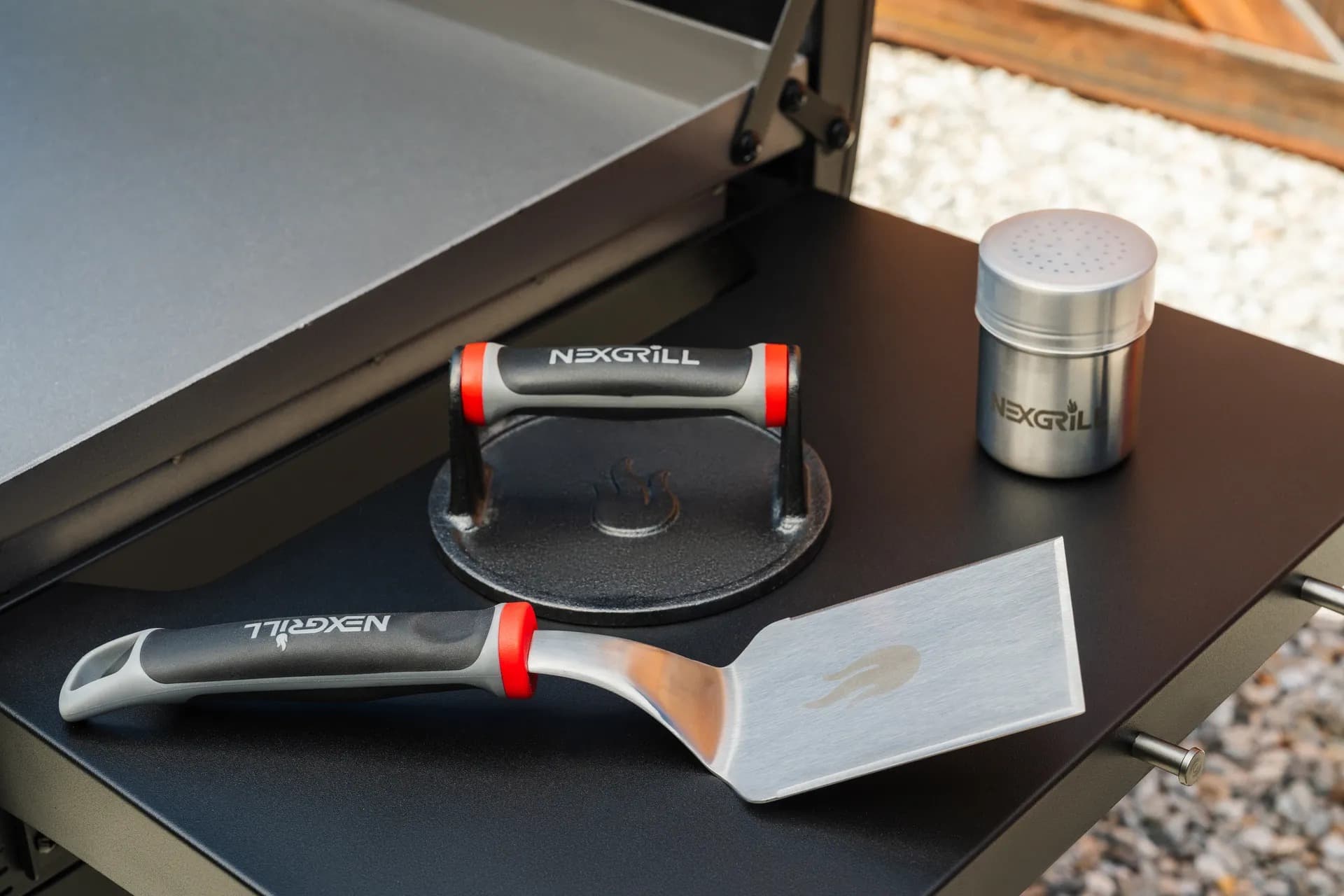
Here's what sets us apart from the competition
We position ourselves as delivering high-end outdoor cooking features and performance without premium-brand pricing, emphasizing “Quality Grills. Unbelievable Value.”
We offer gas grills, pellet grills, griddles, smokers, pizza ovens, portable/tabletop grills, electric grills, accessories, and replacement parts — allowing customers to stay within one ecosystem for all outdoor cooking needs.
We differentiate ourselves through smart grilling products like the Oakford smart pellet grill, including app-connected cooking controls and modern outdoor cooking technology.
Expert tips, buying guides, comparisons, and inspiration for choosing and getting the most out of your grill.
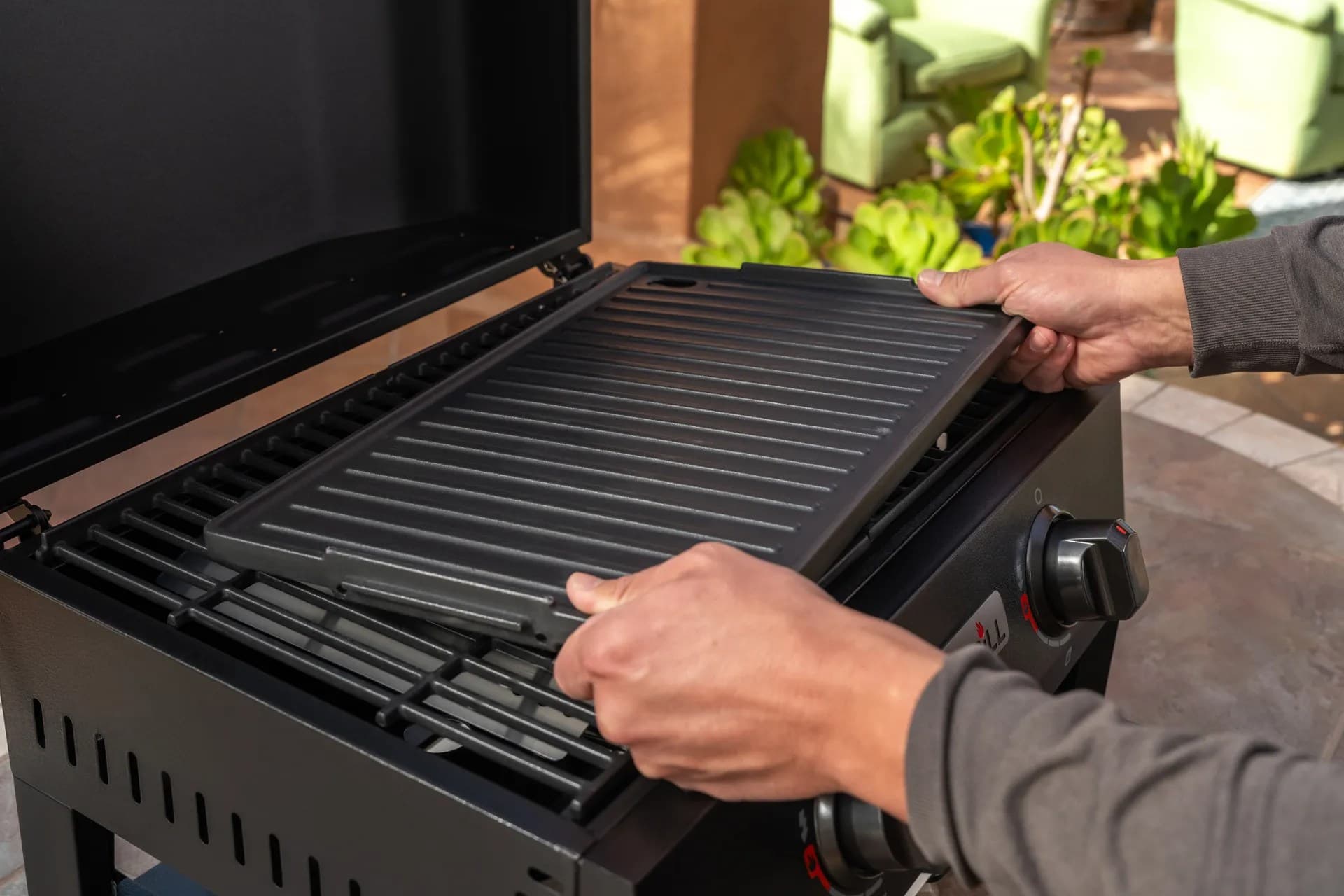
Practical guides for cleaning, maintenance, common grill issues, and performance optimization.
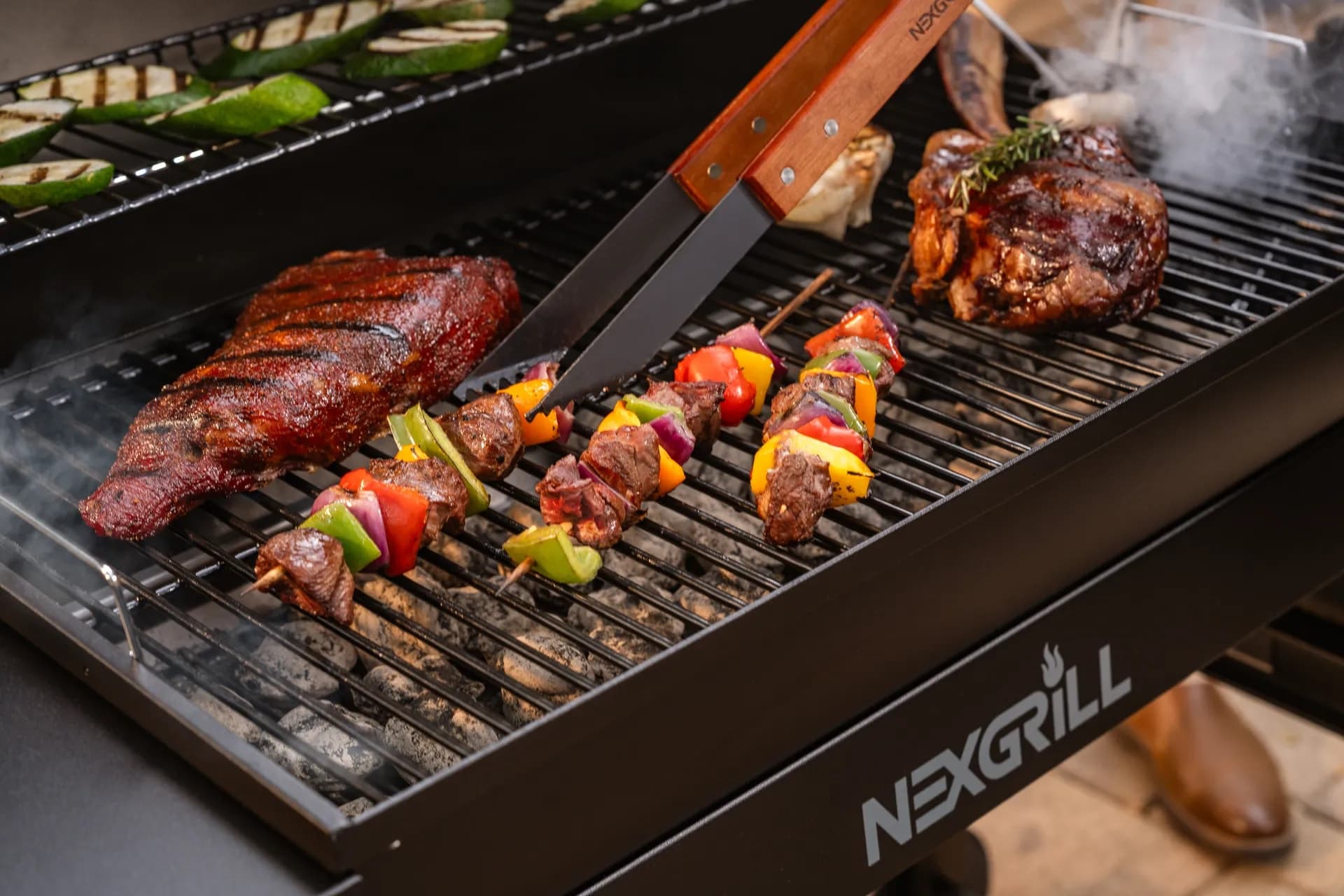
Step-by-step grilling recipes, cooking techniques, and meal ideas for every occasion and skill level.

Backyard entertaining ideas, seasonal grilling inspiration, and stories that celebrate outdoor cooking culture.
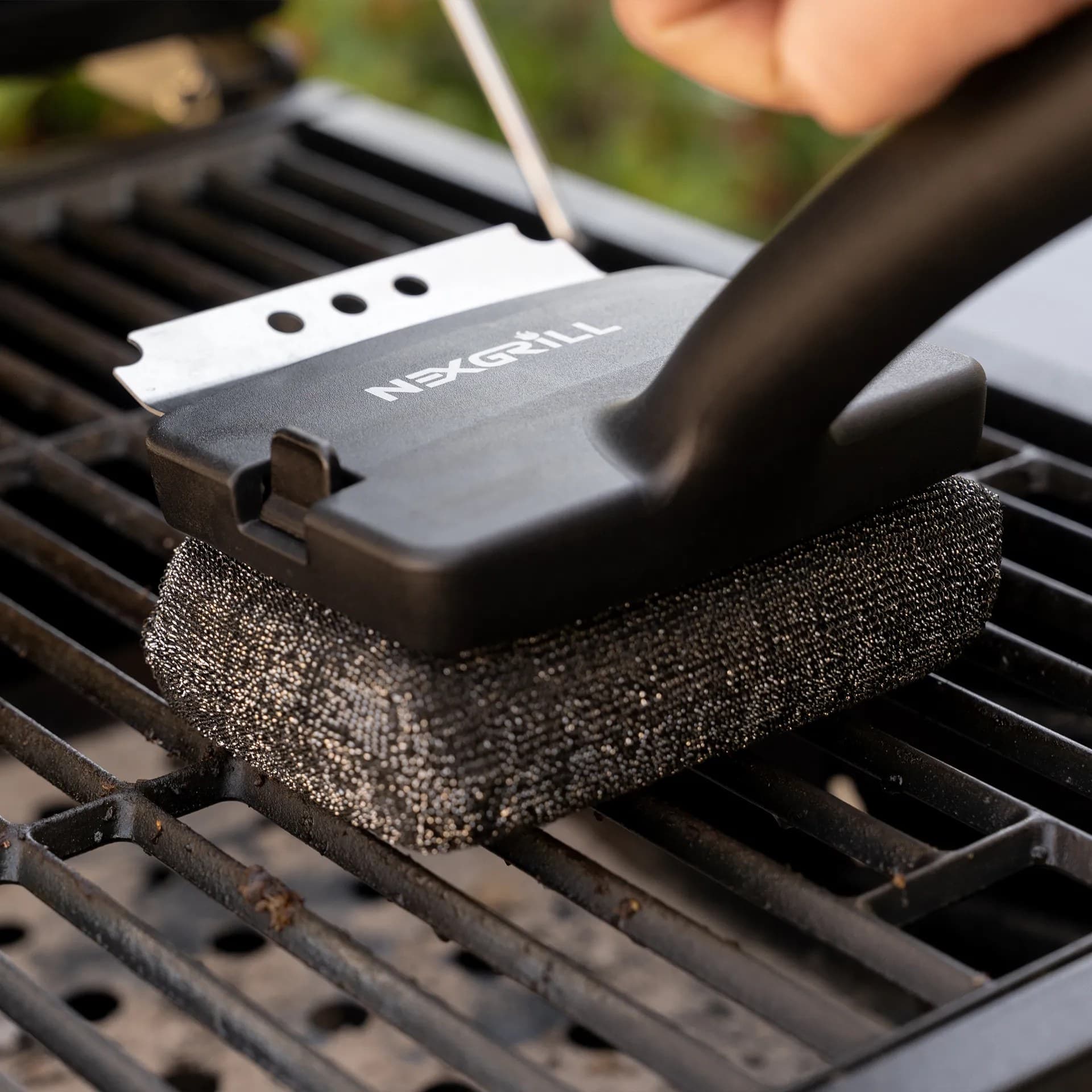
Helpful articles covering grilling tools, cookware, maintenance gear, and must-have accessories for outdoor cooking.
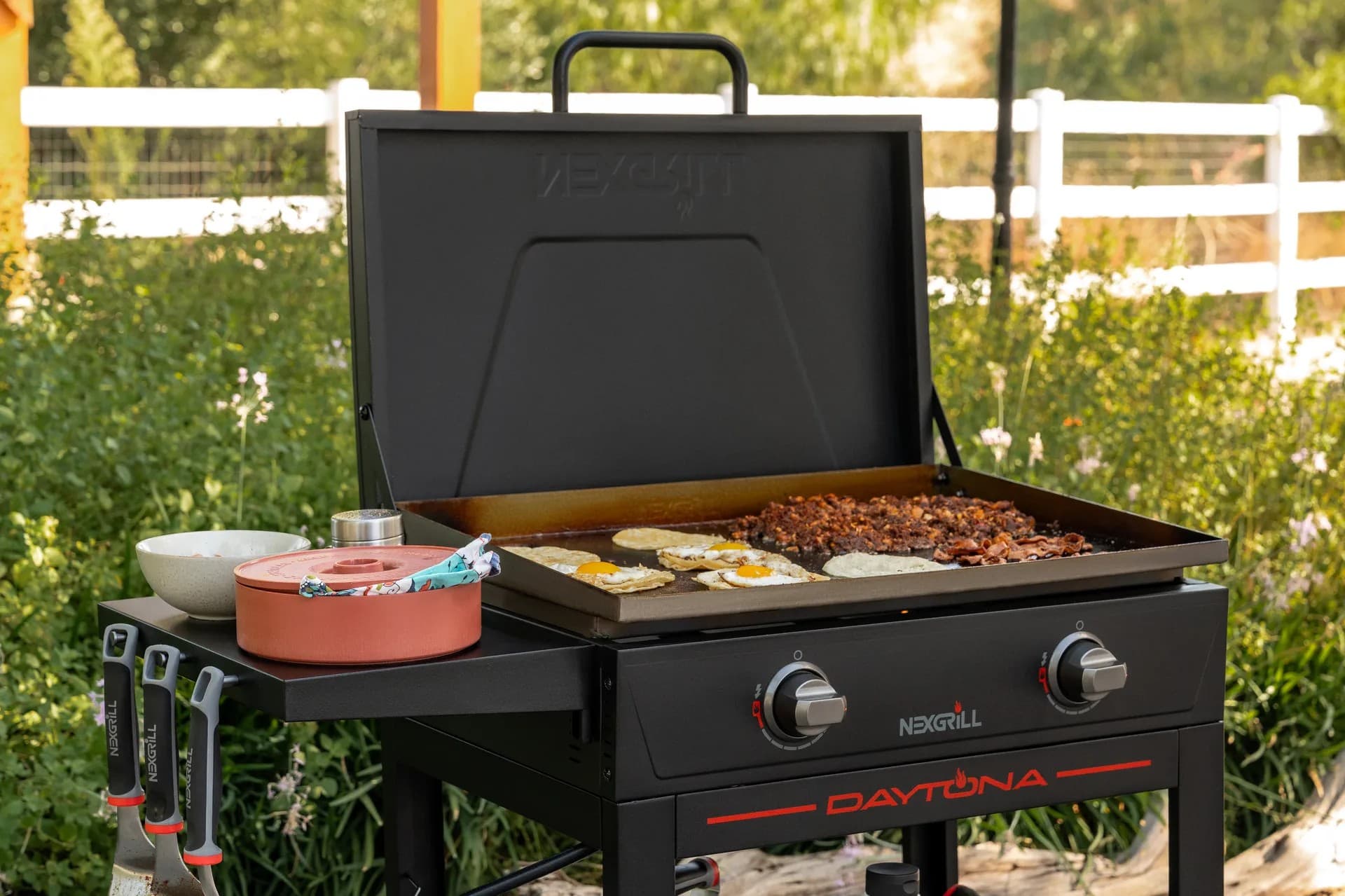
Find griddle recipes, cooking techniques, cleaning tips, and outdoor meal ideas designed for Nexgrill griddles.
Find answers to common questions
Nexgrill offers a variety of accessories including grill tools, covers, cooking utensils, and replacement parts designed to enhance your grilling experience.
Many Nexgrill accessories are widely compatible with various grill brands, but it is recommended to check the specifications for proper fit and functionality.
To maintain your Nexgrill accessories, regularly clean them with warm soapy water, avoid using abrasive materials that could scratch the surface, and store them in a dry place when not in use.
Yes, Nexgrill accessories can be purchased separately from the grills, allowing customers to customize their grilling setup as needed.
Instructions for using Nexgrill accessories are typically included in the packaging, and additional resources can be found on the Nexgrill website or in the product user manuals.
In This Article
Grill Hose Types
Cost Factors
Installation and Maintenance
When a grill starts acting up, the hose is often one of the first parts people overlook. Yet the hose is the line that carries fuel safely from the supply source to the grill, which makes it a critical wear item rather than a part you should ignore until it fails. A grill hose replacement price can vary for simple reasons like hose length and fuel type, but the bigger story is value: the right hose should match your grill, your fuel setup, and the amount of use your backyard cooking routine actually sees. For many homeowners in the United States, the replacement decision comes down to three questions at once: how much the part costs, whether installation is straightforward, and whether the hose is built for propane or natural gas.
That matters because grill hose pricing is not one-size-fits-all. A basic propane hose assembly for a compact grill may cost far less than a longer, reinforced natural gas connection designed for a larger outdoor kitchen or built-in setup. In practice, the market tends to break into tiers: budget replacement hoses for occasional use, mid-range hoses with better fittings or better abrasion resistance, and premium assemblies that are designed for higher heat exposure, longer reach, or more durable connection hardware. If you know which category you are buying from, you can read the price tag more accurately and avoid overpaying for features you do not need.
That is why price should be weighed against condition, fit, and the fuel system you use.
A useful way to think about replacement cost is to separate the hose itself from the full job. The hose may be inexpensive on its own, but the total project can also include shutoff checks, fittings, sealing materials, and, if you prefer not to do it yourself, labor. For a straightforward replacement on an accessible propane grill, the total cost may stay relatively low. For a natural gas setup with tighter routing, built-in cabinetry, or older fittings that need adjustment, the cost can climb because installation takes longer and sometimes requires a more careful parts match. That is why the cheapest hose is not always the cheapest solution overall.
This guide focuses on the practical pricing side of hose replacement, but it also treats safety as part of value. A well-chosen replacement hose can help keep ignition consistent, reduce nuisance shutdowns caused by poor fuel delivery, and support better long-term grill performance. Nexgrill’s broader product philosophy emphasizes dependable outdoor cooking and approachable ownership, and that same idea applies here: a replacement part should be easy to understand, sensible to install, and appropriate for the way you cook.
The first factor that affects grill hose replacement price is the type of fuel system the hose supports. In the U.S. market, the two main categories are propane hoses and natural gas hoses. They may look similar at a glance, but they are built for different pressures, connection styles, and installation environments. That difference is one reason prices vary. A propane hose is commonly designed for portable or freestanding grills that use a propane cylinder. A natural gas hose is usually intended for a fixed gas line connection and may require different length, fittings, and routing depending on where the grill sits in relation to the home supply.
Propane hoses are often the simpler purchase. Many are shorter, connect directly to a tank regulator, and are sold as replacement assemblies for standard freestanding grills. Because the setup is more common, the market usually offers a broad range of options at accessible price points. The main things that drive price up are thicker outer materials, better brass fittings, quick-connect hardware, or extra length for carts and side-mounted tank storage. If you are replacing a hose on a backyard grill that already uses a standard propane tank, you may find a straightforward solution without paying for extra complexity.
Natural gas hoses tend to be more application-specific. They often need longer reach, precise connector compatibility, and more attention to installation layout because the grill is tied to a home fuel source rather than a portable tank. That can make the hose itself more expensive, but the real cost difference often comes from the installation environment. A natural gas hose that runs under a deck edge or through a built-in kitchen enclosure may need more careful measurements, better routing, and a more thoughtful connection plan than a simple propane swap.
| Hose type | Typical use case | Price tendency | What drives the cost |
|---|---|---|---|
| Propane replacement hose | Freestanding grills using a propane cylinder | Usually lower | Length, fitting quality, regulator integration |
| Natural gas replacement hose | Grills connected to a home gas line | Usually higher | Connector style, length, routing needs |
| Quick-connect hose assembly | More convenient fuel hookup and disconnect | Mid-range to higher | Hardware quality and connection design |
Material also matters. Many hoses use a rubber or rubber-like outer layer, while higher-end versions may add reinforced construction for better abrasion resistance or longer service life. In practical terms, better materials do not just mean the hose is tougher; they also help the hose hold up to movement, temperature swings, and the outdoor conditions that are part of normal grilling life. If your grill sits in full sun, near a patio edge, or in a spot where the hose bends every time you move the grill, durability is worth paying for.
Tip: Match the hose to the fuel source first, then compare length and build quality. A lower price is not a bargain if the fittings do not match your setup.
Several variables affect how much you pay for a replacement hose, and understanding them can keep you from comparing the wrong products. Length is one of the most obvious cost drivers. A short hose designed for a compact grill will generally cost less than a longer assembly intended to reach a side-mounted tank, a farther gas line, or a built-in island. As hose length increases, material use goes up, and so does the need for reliable pressure performance across that extra distance.
Fittings are another major driver. A hose with standard threaded ends may be less expensive than one with specialty connectors, quick-disconnect hardware, or integrated regulators. Those extra pieces add convenience, but they also add manufacturing complexity. If your grill uses a specific connection format, you may need to spend more simply to stay compatible with the existing fuel system. That is particularly true for certain natural gas installations and for some replacement assemblies that are designed to connect cleanly to branded grill components.
Brand reputation can influence cost as well. Known brands often charge more because buyers expect more consistent fit, clearer instructions, and more dependable materials. That does not mean a higher price automatically means a better choice, but it does mean you are often paying for fewer surprises. If you have ever had to return a hose because the connector thread size was wrong or the line was too short, you know that a slightly higher upfront price can save time and frustration.
Where you buy the hose matters too. Online sellers often offer more variety and competitive pricing, especially for standard propane hoses. Local retailers may charge a bit more, but they can be useful when you need the part the same day or want to compare the fitting in person. If a hose is urgently needed before a weekend cookout, a local store may be worth the extra cost. If you are planning ahead, online shopping usually gives you a better chance to compare lengths, materials, and connector styles side by side.
Warning: The wrong fitting can create a bigger problem than a high price. Always check connector type, thread size, and whether the hose is intended for propane or natural gas.
Installation complexity also affects what you truly pay. A hose replacement on a freestanding grill with easy access is usually straightforward. A built-in or partially enclosed setup can involve moving cabinetry panels, checking shutoff access, and testing the line after installation. Those details may not change the hose sticker price, but they change the total project cost. In other words, grill hose replacement price should be viewed as both product cost and service cost when the job is not simple.
Seasonality can also play a small role. In peak grilling months, popular sizes and configurations may sell faster, which can narrow discounts and lead to more premium pricing for specific assemblies. Buying before peak season or planning your replacement before a failure happens often gives you more choice and a better chance to compare carefully.
Installation is where many shoppers underestimate the full cost of replacing a grill hose. The actual part may be affordable, but if you are not comfortable disconnecting fuel components, pressure testing the line, and confirming that all fittings are sealed correctly, the labor component can become the main expense. The good news is that many standard hose replacements are manageable for a careful DIYer, especially on a simple propane grill with accessible connections.
A basic DIY installation generally includes shutting off the fuel source, disconnecting the old hose, inspecting the fittings, installing the new hose, and performing a leak test before lighting the grill. The main cost is the replacement hose itself plus a small amount for soap solution or leak-detection fluid if you do not already have it. DIY can be a good value when the hose is a direct fit and the grill design keeps the connections easy to reach.
Professional installation usually makes more sense when the grill is built in, the hose routes through a tight space, or you are moving from one fuel configuration to another and need extra confidence in the hookup. Labor costs vary widely across the United States, but the premium is often justified when the job is difficult to access or when you simply do not want to guess. A professional can also confirm that the replacement parts are appropriate for the appliance and may catch issues like worn regulators, damaged valves, or poor hose routing that a quick visual check would miss.
| Installation path | Best for | Typical cost profile | Trade-off |
|---|---|---|---|
| DIY replacement | Simple propane hose swaps on accessible grills | Lowest total cost | Requires careful leak testing and correct part selection |
| Local handyman or grill tech | Moderately complex installs | Mid-range total cost | Costs more than DIY, but reduces guesswork |
| Professional gas service | Built-in or natural gas setups | Highest total cost | Best for complex routing and safety checks |
If you choose the DIY route, the key is not speed; it is verification. After installation, apply a leak check at the connection points and make sure the hose is not kinked, pinched, or resting against hot or moving surfaces. Many installation problems are not obvious until the grill is moved or heated for the first time, so a slow, careful setup is worth the extra few minutes.
For buyers trying to estimate the total project, it helps to think in scenarios. A simple propane hose replacement can remain a low-cost project if you buy the hose online and install it yourself. A more complex natural gas hose replacement with professional labor can move into a noticeably higher range because the labor, fitting precision, and testing all contribute to the final bill. That is why the right question is not only, “How much does the hose cost?” but also, “How much certainty do I need in the finished installation?”
Regular maintenance is the easiest way to stretch the value of a hose replacement. Since hoses live outdoors, they face sun exposure, temperature changes, grease splatter, movement, and the occasional accidental tug when a grill is repositioned. Inspect the hose before each grilling season and again after long periods of storage. Look for cracking, brittleness, discoloration, loose fittings, or flattened sections that suggest the hose has been pinched or bent too sharply.
It also helps to keep the area around the hose clear. A hose should not rub against the back of the grill, sharp metal edges, or hot surfaces. If your grill is on a cart, confirm that wheels and frame components do not pull on the hose when the grill is moved. Many hose failures start as small abrasions rather than dramatic breaks, so even a tiny worn spot deserves attention. Protecting the hose from wear is one of the least expensive ways to avoid replacing it too soon.
Info: A clean, properly routed hose can last much longer than one that is dragged, kinked, or stored in direct stress. Routing matters almost as much as material quality.
Cleaning is simple but useful. Wipe down the exterior with a damp cloth when you clean the grill body, and avoid harsh chemicals that can degrade rubber or protective coatings. If grease buildup gets heavy, clean the surrounding grill area so residue does not collect on the hose or fittings. Store the grill with a cover when possible, but make sure the hose is not trapped in a bent or compressed position under the cover or against the frame.
Replacement frequency depends on usage and condition rather than a universal calendar date. A lightly used backyard grill may keep a hose in service for a long time if it is protected and inspected. A grill that gets used weekly, moved often, or stored outdoors in harsh weather may need attention sooner. The safest approach is to treat the hose as a consumable part and replace it at the first sign of deterioration rather than waiting for a leak or ignition problem.
When comparing brands, the best value usually comes from balancing compatibility, materials, and support rather than chasing the lowest sticker price. Some brands specialize in universal-style replacement hoses, while others focus on application-specific assemblies for certain grill categories. In the replacement market, a trusted name often signals more consistent fitting standards, clearer product descriptions, and better material consistency. That can be worth paying for if you want a low-friction replacement process.
| Brand type | Typical value proposition | Price position | Best use case |
|---|---|---|---|
| Budget replacement brands | Low upfront cost, basic functionality | Lowest | Simple swaps where fit is already confirmed |
| Mid-tier appliance brands | Better consistency, clearer fit guidance | Mid-range | Most backyard grill replacements |
| Premium or specialty brands | Heavier-duty materials, specialty connectors | Higher | Longer runs, built-ins, or higher-use grills |
A brand comparison should start with exact fit, not marketing language. Check the connection type, hose length, and whether the hose is intended for propane or natural gas. Then compare construction details such as reinforced outer layers, corrosion-resistant fittings, and whether the assembly includes the regulator you need or only the hose itself. If a product listing is vague on these details, that is a warning sign regardless of the brand name.
For value-focused buyers, a reputable mid-tier option is often the sweet spot. It may cost a little more than the cheapest hose on the shelf, but it usually offers better clarity and fewer compatibility headaches. For frequent grillers or anyone using a natural gas setup, a specialty assembly can be worth the higher upfront cost if it reduces the chance of leakage, awkward routing, or frequent replacements.
There is no single replacement schedule that fits every grill, because wear depends on sunlight, storage, frequency of use, and how well the hose is routed. A hose that looks cracked, brittle, flattened, or damaged should be replaced right away. Even if it has not failed outright, visible deterioration is a sign that the material is no longer in its best condition. Many grill owners replace hoses only when they show wear, but inspection should happen regularly enough that the decision is proactive rather than reactive.
Often, yes, especially if the more expensive hose gives you a more accurate fit, better construction, or a safer connection. The extra cost may be worthwhile if it avoids leaks, repeat replacements, or installation frustration. If you grill often, the value of a more durable hose is easier to justify because it is part of the core fuel system. For occasional cooks, a mid-range option may be enough as long as it is compatible and well made.
Only if they are in good condition and the replacement hose is designed to work with them. Worn fittings, damaged threads, or corroded connectors should not be reused. Reusing questionable parts can undermine the whole replacement and create avoidable safety issues. If you are uncertain, replacing the full assembly is usually the cleaner option.
The most common mistake is buying based only on the lowest advertised price. A hose that is too short, poorly matched, or difficult to install can cost more in the long run through returns, labor, or wasted time. The smarter approach is to verify fit first, then compare total project cost, not just the sticker price.
Try comparing two products side by side below to see which fits best:
Once you have compared two hose options side by side, the real decision is usually simpler than the market makes it look. Grill hose replacement price is driven by a few practical variables: fuel type, length, connector style, material quality, and whether you install it yourself or pay for labor. A basic propane hose can be a modest purchase, while a longer or more specialized natural gas assembly can cost more because it must do more work and fit a more specific setup. The smartest purchase is not the cheapest one on the page; it is the one that matches your grill, your fuel source, and how often you cook.
If your hose is showing age, do not wait for a complete failure. Cracking, stiffness, flattening, or loose fittings are all signs that replacement should move from the “someday” list to the “this week” list. That is especially true for grills that stay outdoors year-round or see heavy summer use. A careful replacement protects both your cooking consistency and your peace of mind every time you light the burner.
Tip: The best long-term value usually comes from buying the correct hose once, installing it correctly, and inspecting it before each grilling season.
For many U.S. homeowners, the total project stays manageable when the hose is a direct replacement and the grill is easy to access. For built-in or natural gas setups, it is reasonable to spend more for a properly matched assembly and, if needed, professional help. That extra spending often buys a smoother installation and fewer surprises later.
For more background on grill ownership, product options, and outdoor cooking inspiration, explore Nexgrill’s broader resources and product collections. If you are comparing replacement parts with a larger refresh of your cooking setup, it can also help to review the grill’s current condition as a whole, including burners, grates, and regulators, so you know whether a simple hose replacement is enough or whether other components are due for attention too.
No sources were added because no valid URLs were provided in the sources plan for this article.
Here's what sets us apart
We position ourselves as delivering high-end outdoor cooking features and performance without premium-brand pricing, emphasizing “Quality Grills. Unbelievable Value.”
We offer gas grills, pellet grills, griddles, smokers, pizza ovens, portable/tabletop grills, electric grills, accessories, and replacement parts — allowing customers to stay within one ecosystem for all outdoor cooking needs.
We differentiate ourselves through smart grilling products like the Oakford smart pellet grill, including app-connected cooking controls and modern outdoor cooking technology.
Don't just take our word for it
Keep reading
From our catalog