Understanding Grill Grate Replacement Prices
A comprehensive guide to the costs and considerations for replacing grill grates.
In This Article
Types of Grill Grates
Price Ranges
Maintenance Tips
Introduction to Grill Grates
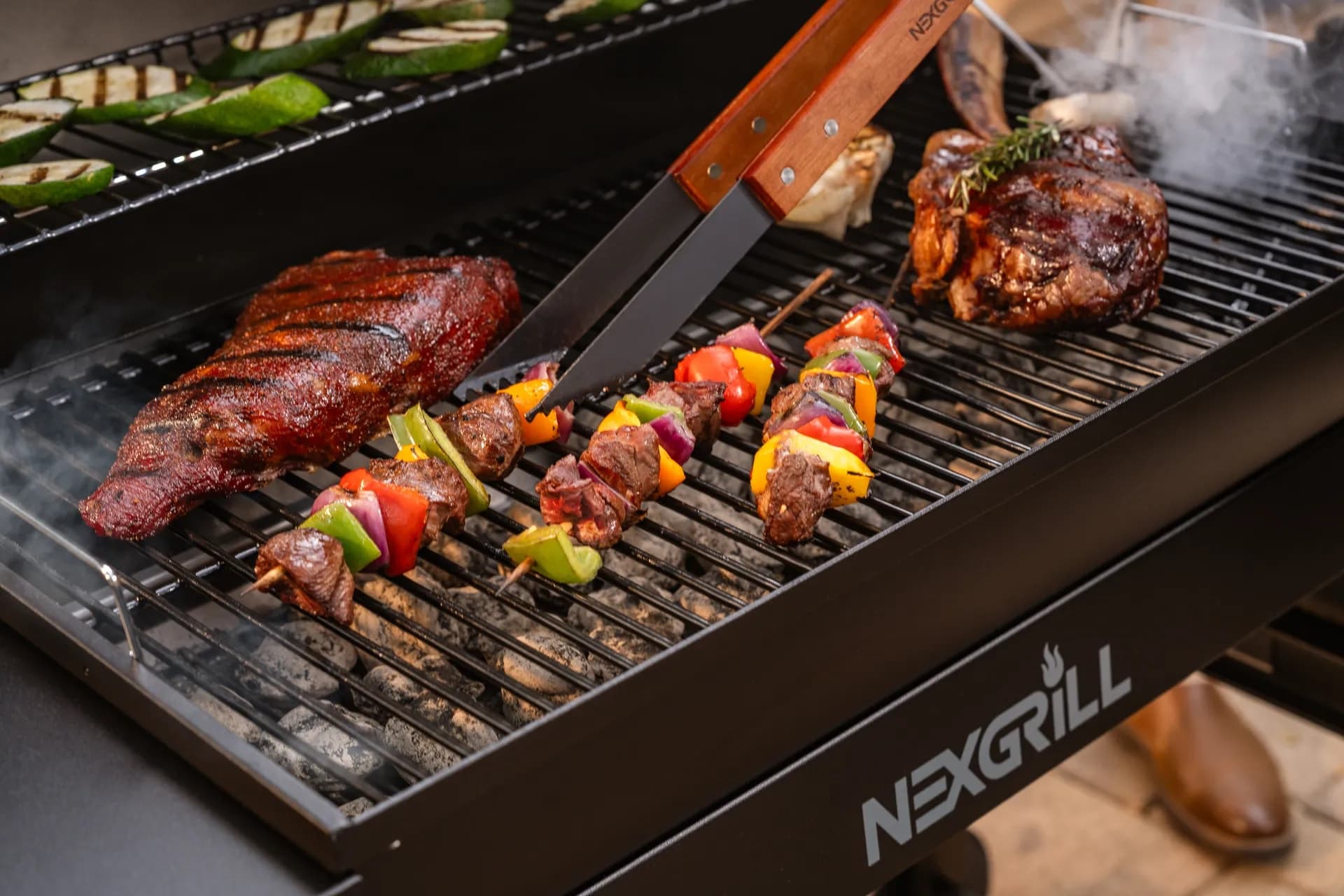
Grill grates do far more than hold food above the flame. They shape how heat moves, how quickly food sears, how easy cleanup feels after dinner, and even how the finished marks look on steaks, vegetables, and seafood. When the surface starts to warp, flake, or rust heavily, the question is not just whether to replace it, but what the grill-grates-replacement-price really should include: the material, the fit, the finish, and the durability you expect from the new set. For many backyard cooks, this is one of the most practical grill maintenance purchases because the grate is the part you touch and cook on every time you fire up the grill.
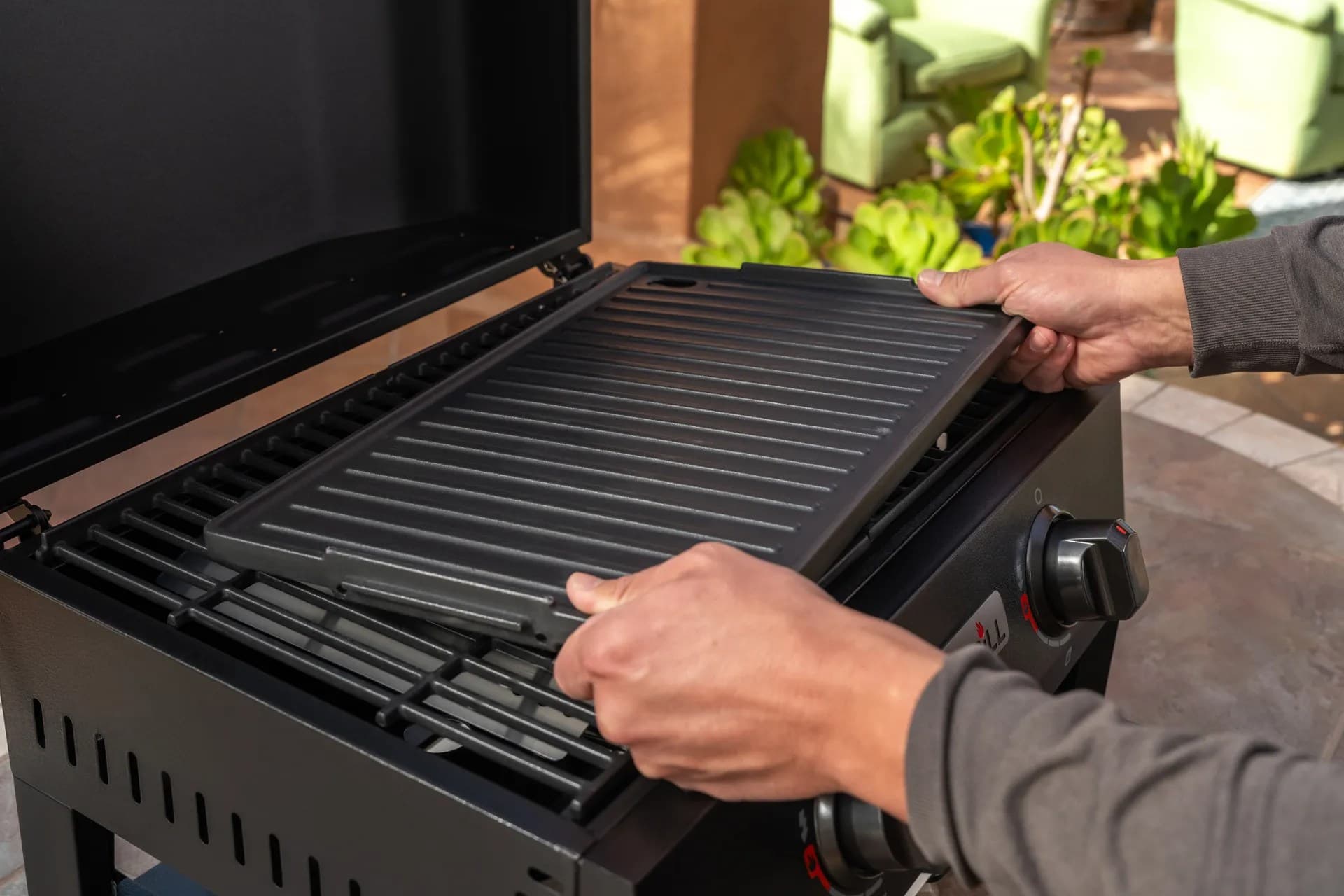
The right replacement grate can make an older grill feel new again. If your current grates have lost their coating, developed deep rust pits, or no longer sit flat enough for even cooking, replacement is often smarter than trying to keep patching the problem. That is especially true for gas grills and griddles that depend on stable heat transfer from the grate surface. A grate in poor condition can create sticking, uneven browning, and cleanup frustration, while a well-matched replacement restores a more predictable cooking experience.
A replacement grate is not just a spare part. It is part of the cooking system, so the fit and material matter as much as the price.
Nexgrill’s broader product philosophy is built around practical, accessible outdoor cooking for everyday use, and that same mindset applies when you shop for parts and accessories. The goal is to choose a replacement that balances value with real performance, not just the lowest sticker price. If you are comparing options, think about the foods you cook most often, how frequently you grill, and whether you want easier cleanup or stronger searing. Those choices will change how much a replacement grate is worth to you.
For example, a casual weekend griller who cooks burgers and chicken a few times each month may be satisfied with a budget-friendly porcelain-coated set, while someone who cooks steaks, ribs, and vegetables every week may prefer a sturdier stainless steel or cast iron option even if the upfront cost is higher. The actual price difference often reflects both material science and how long you expect the surface to stay usable under repeated high heat.
Overview of Replacement Costs
Replacement grill grate prices in the United States can vary widely, but a useful working range is about USD 20 to USD 150 for many common residential grills, with some specialty or oversized parts costing more. Smaller grates for compact gas grills often sit at the low end of that range, while heavy-duty cast iron sets or custom-fit replacement systems can move toward the higher end. The total price depends on whether you are replacing one section or an entire grate set, and whether the part is sold as a direct-fit component or as a more specialized cooking surface.
| Grate Type | Typical U.S. Price Range | Common Use Case |
|---|---|---|
| Porcelain-coated steel | USD 20-USD 60 | Budget replacement for frequent casual grilling |
| Stainless steel | USD 35-USD 100 | Balanced durability and easier upkeep |
| Cast iron | USD 40-USD 150 | Strong heat retention and searing performance |
Those ranges are only a starting point. Retailers such as Lowe’s, Home Depot, and Ace Hardware typically carry replacement grill grates across a spread of brands, materials, and dimensions, while specialty suppliers like GrillGrate focus on engineered cooking surfaces for specific performance goals. A shopper comparing a mass-market replacement and a specialty product may see a very different price because the products are not built for the same use case.
If a grate looks unusually cheap, check whether it is sold as a single insert, a partial set, or a full replacement package. The unit price can hide the real cost.
Material Comparison: Cast Iron vs Stainless Steel vs Porcelain
Material is the biggest driver of both grill-grate price and cooking behavior. Cast iron, stainless steel, and porcelain-coated grates each bring a different mix of heat retention, cleanup effort, and lifespan. The best choice depends less on “best overall” and more on what kind of grilling you actually do. For example, if you want a deep sear on burgers and steaks, cast iron usually delivers the most aggressive browning. If you want a lower-maintenance surface that resists corrosion better, stainless steel is often the safer long-term buy. Porcelain-coated grates sit in the middle for price and convenience, but their coating can chip if handled roughly.
| Material | Strengths | Trade-offs | Price Expectation |
|---|---|---|---|
| Cast iron | Excellent heat retention, strong sear marks, high heat performance | Heavier, needs seasoning, can rust if neglected | Usually mid to high |
| Stainless steel | Corrosion resistance, easier cleaning, durable for frequent use | Often less heat retention than cast iron | Usually mid range |
| Porcelain-coated | Good value, smoother cleanup, attractive finish | Coating can chip or wear, exposed metal may rust | Usually low to mid |
Cast iron tends to cost more than basic coated steel because it is heavy, holds heat well, and performs especially well for searing. That same mass, however, means more care is required. If you cook infrequently and do not want to oil and dry the grates after each use, cast iron may become a false economy. Stainless steel is usually easier to live with because it is less reactive to moisture and cleaning routines are simpler, which often makes it the best value for frequent users. Porcelain-coated grates are attractive for buyers who want a smoother, lower-cost replacement, but they are most vulnerable once the coating chips or cracks.
For buyers who grill often, stainless steel often offers the best balance of durability, upkeep, and predictable pricing.
Factors Influencing Grill Grate Prices
Several details can move the grill-grates-replacement-price up or down even when the material stays the same. Size is the most obvious factor. A full-width grate for a large four-burner grill can cost much more than a compact two-burner insert because it uses more material and must often be engineered to fit a specific firebox. Shape also matters. Curved, split, or custom-formed grates often cost more than standard rectangular panels because the fit has to match the grill precisely.
Brand reputation and retail channel also influence price. A direct replacement sold by a grill manufacturer or a specialty parts supplier may cost more than a generic equivalent at a big-box store, but the premium can buy better fit confidence and clearer specifications. Specialty suppliers sometimes focus on upgraded cooking surfaces, while general retailers usually compete on breadth and accessibility. In practical terms, that means a buyer may pay more for a part from a focused supplier like GrillGrate if the goal is performance refinement, while a hardware store may offer a more economical conventional grate for day-to-day replacement.
Finish and construction details matter too. Thicker bars, heavier gauge steel, porcelain fusion quality, or welded stainless construction can all raise cost. A grate that is designed to last through repeated high-heat sessions may cost more up front but reduce the need to replace it again soon. Shipping can also affect the final total, especially for large or heavy grates that are expensive to transport. In some cases, a lower online list price becomes less attractive once freight is added.
A grate that is cheaper but poorly sized can cost more in frustration than a better-matched replacement.
There is also a practical safety element behind price. Heavily rusted or flaking grates can transfer debris to food and may not support pans or delicate ingredients as evenly. While some surface rust can sometimes be cleaned and managed, deep pitting, flaking coating, or structural bending are signs the grate has moved from maintenance to replacement. In those cases, the extra few dollars for a higher-quality replacement is often easier to justify than repeatedly working around a surface that no longer cooks properly.
If you are comparing choices online, think in terms of total ownership value rather than only upfront cost. The cheapest grate may need replacing sooner, while a sturdier option can preserve cooking quality longer. For many United States households, the smartest purchase is the grate that matches both the grill model and the frequency of use, not necessarily the one with the lowest displayed price.
Try comparing two replacement grates side by side below to see which fits best:
Maintenance Tips for Grill Grates
Once you've weighed two options against each other, the next question is how to make your new grates last long enough to justify the purchase. Good maintenance has a direct impact on replacement cost because it slows rust, reduces coating damage, and helps the grate keep its shape under repeated heat cycles. A grate that is cared for properly can stay functional for years longer than one that is left wet, scraped too aggressively, or stored without protection.
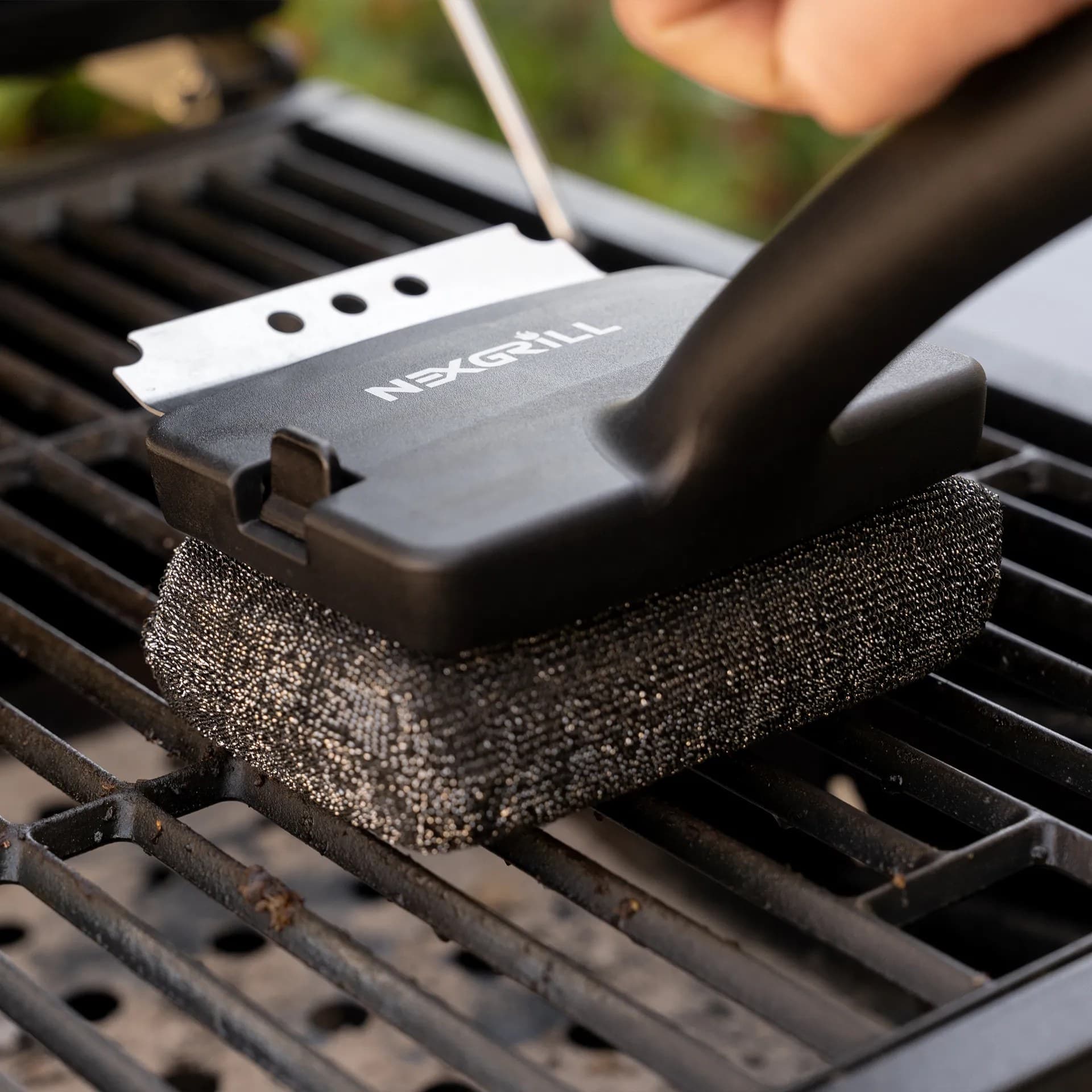
The most important habit is cleaning while the grate is still warm, not after it has cooled completely and hardened with residue. A brass or nylon brush, a grill scraper, and a light wipe-down after cooking will often prevent buildup that traps moisture. For cast iron, drying and a very thin oiling step after cleaning can help limit rust. For stainless steel, a non-abrasive cleaner is usually enough to preserve the surface without scratching it. Porcelain-coated grates should be cleaned gently because aggressive metal tools can chip the coating and expose the underlying metal.
Do not soak heavy grates in standing water. Moisture is one of the fastest ways to turn a low-cost replacement into a premature repair.
It is also smart to inspect the grate at the start of each season and after any long period of storage. Look for warped bars, broken welds, surface flaking, and rust that comes back immediately after cleaning. If your grate no longer sits flat or creates uneven hot spots, replacement is usually the more practical choice. That is especially true for cooks who rely on even heat for fish, vegetables, or batch-cooked meals. Another useful rule: if cleaning leaves the surface rough enough to catch a spatula or food starts sticking despite proper preheating, the grate may be past the point where maintenance can solve the problem.
Storage matters as much as washing. If the grill lives outdoors, use a fitted cover and make sure the cooking chamber is dry before covering it. Even a good cover cannot fully help if moisture is trapped inside. For cast iron, a thin coat of oil before storage is often worth the extra minute. For porcelain and stainless steel, focus on keeping the grill dry and clear of grease so rust has fewer places to start. This kind of routine is usually cheaper than waiting for corrosion to force a full replacement.
Where to Buy Replacement Grates
Buyers generally have two good paths: local home improvement stores or online specialty retailers. Local stores such as Lowe’s, Home Depot, and Ace Hardware are convenient if you want to compare surfaces in person, check dimensions quickly, or leave with a replacement the same day. Their selection often includes common sizes and finishes, which works well if your grill model is widely sold. The main advantage is speed and the ability to confirm the part before purchase.
Online shopping gives you a wider view of the market, especially if you need a less common fit or want to compare a conventional grate with a performance-oriented option. Specialty sites like GrillGrate focus on replacement surfaces and can be helpful if you are trying to upgrade the cooking experience rather than simply replace worn hardware. The trade-off is that you need to verify dimensions more carefully, since online listings can look similar while fitting very different grills.
| Where to Buy | Best For | Watch For |
|---|---|---|
| Local hardware stores | Fast pickup and in-person comparison | Limited size and brand selection |
| Big-box retailers | Common models and reasonable pricing | Check measurements carefully |
| Specialty suppliers | Performance-focused or unusual fit needs | May cost more than standard replacements |
When shopping, bring or record the exact grill model number, the width and depth of the grate opening, and whether the original grate was a single piece or split design. Many replacement mistakes happen because the buyer measures the outside of the old part instead of the actual cooking cavity. If you are replacing grates on a Nexgrill or any other gas grill, check the manual or product label first so you can match the part more confidently.
FAQs on Grill Grate Replacement
How often should grill grates be replaced?
There is no single schedule, because replacement depends on material, climate, and cleaning habits. A well-maintained stainless steel grate may last several seasons or longer, while a neglected porcelain-coated grate can fail much sooner if the coating chips and rust spreads. Replace when the surface is warped, deeply rusted, or no longer supports even cooking.
Is it safe to use rusted grates?
Light surface rust can sometimes be cleaned away, but heavy rust, flaking metal, or loose coating is a concern. Besides the food-safety question, a badly rusted grate can make heat transfer uneven and may shed particles into food or onto the cook surface. If rust keeps returning after cleaning, replacement is usually the safer and easier option.
Can you replace grates on any grill?
In many cases, yes, but only if the replacement is sized and shaped to fit the grill’s firebox and support points. Some grills use standard drop-in grates, while others require brand-specific parts. That is why model numbers and dimensions matter so much when comparing prices.
What if I want better performance, not just a replacement?
Then look beyond a basic one-for-one swap. Some buyers step up from porcelain-coated steel to stainless steel or cast iron for better heat retention, easier maintenance, or stronger searing. In that case, the price is part replacement and part upgrade, and it should be judged by how much grilling performance improvement you expect to get for the difference.
Conclusion: Selecting the Right Grill Grate
The smartest grill-grates-replacement-price decision is not always the cheapest one. The right purchase is the grate that matches your grill, your cooking habits, and the amount of maintenance you are realistically willing to do. Cast iron rewards careful owners with excellent heat retention, stainless steel gives many frequent grillers a practical balance of durability and cleanup, and porcelain-coated grates remain a sensible budget option when you want a straightforward replacement without a large investment.
Before you buy, verify the fit, compare the actual material and thickness, and think about how the surface will hold up after a full season outdoors. If your current grate is rusted, warped, or failing to cook evenly, replacing it is usually a better use of money than trying to stretch a worn part a little longer. A good grate improves not only the price-to-performance equation, but also the everyday experience of grilling.
For shoppers comparing options today, the best next step is to measure the opening, check the model number, and compare materials side by side so the final choice reflects real value rather than just the lowest list price.