A detailed guide to maintaining your grill's performance throughout the year.
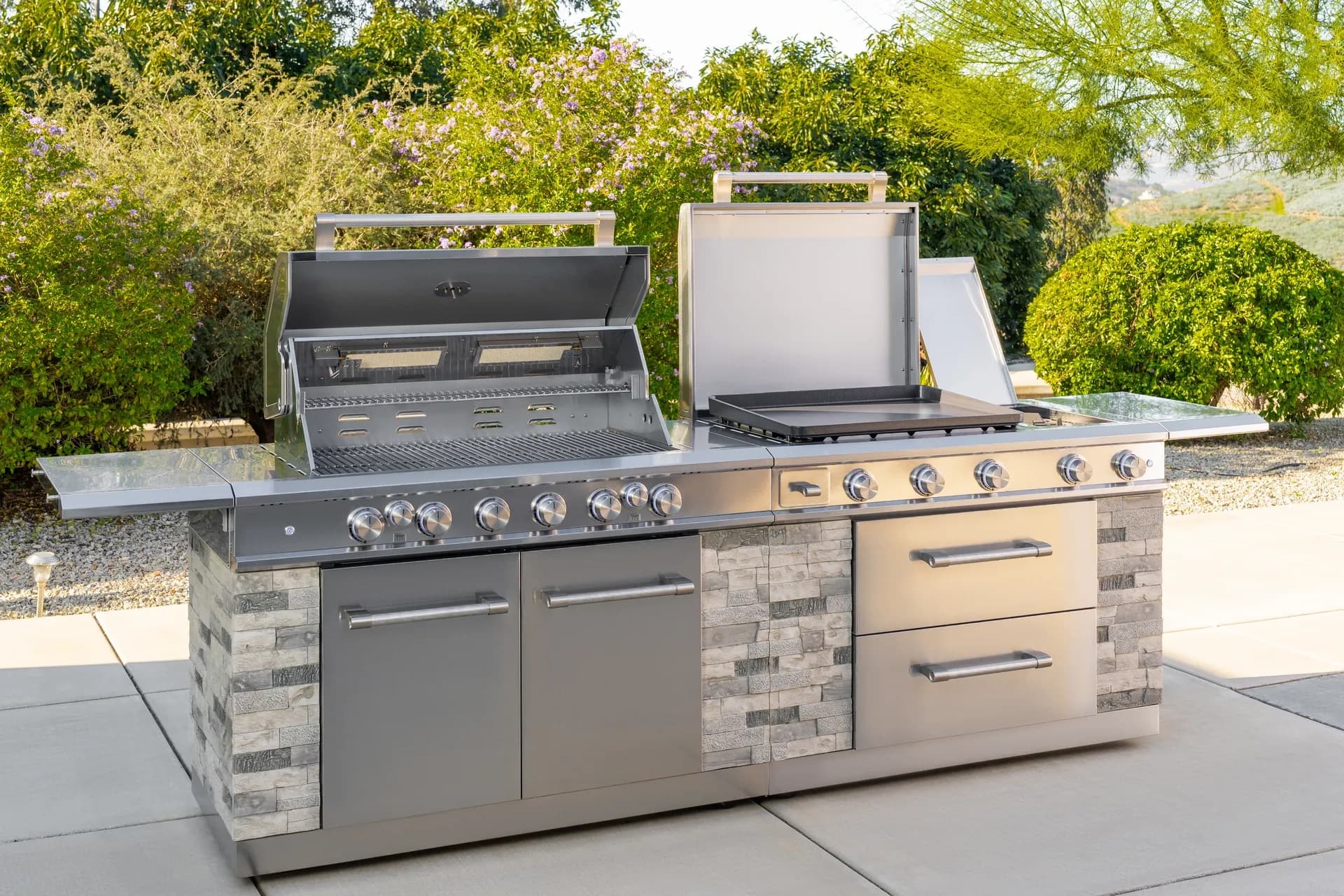
From sizzling breakfasts to smash burgers and teppanyaki-style dinners, the Daytona Pro 5 Burner NitroGuard™ Griddle delivers powerful heat, fast cooking, and a durable cooking surface built for every backyard cookout. Watch how easy outdoor cooking can be.
Here's what sets us apart from the competition
We position ourselves as delivering high-end outdoor cooking features and performance without premium-brand pricing, emphasizing “Quality Grills. Unbelievable Value.”
We offer gas grills, pellet grills, griddles, smokers, pizza ovens, portable/tabletop grills, electric grills, accessories, and replacement parts — allowing customers to stay within one ecosystem for all outdoor cooking needs.
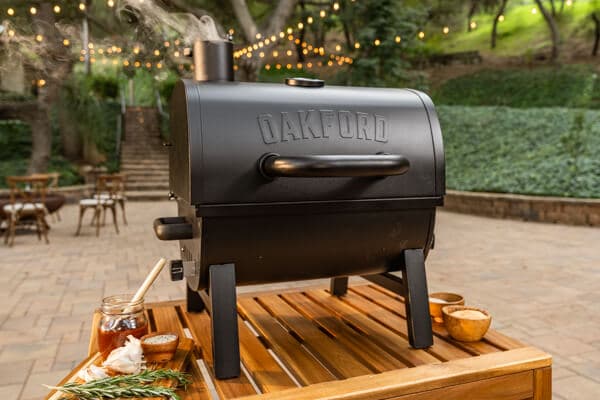
We differentiate ourselves through smart grilling products like the Oakford smart pellet grill, including app-connected cooking controls and modern outdoor cooking technology.
Expert tips, buying guides, comparisons, and inspiration for choosing and getting the most out of your grill.
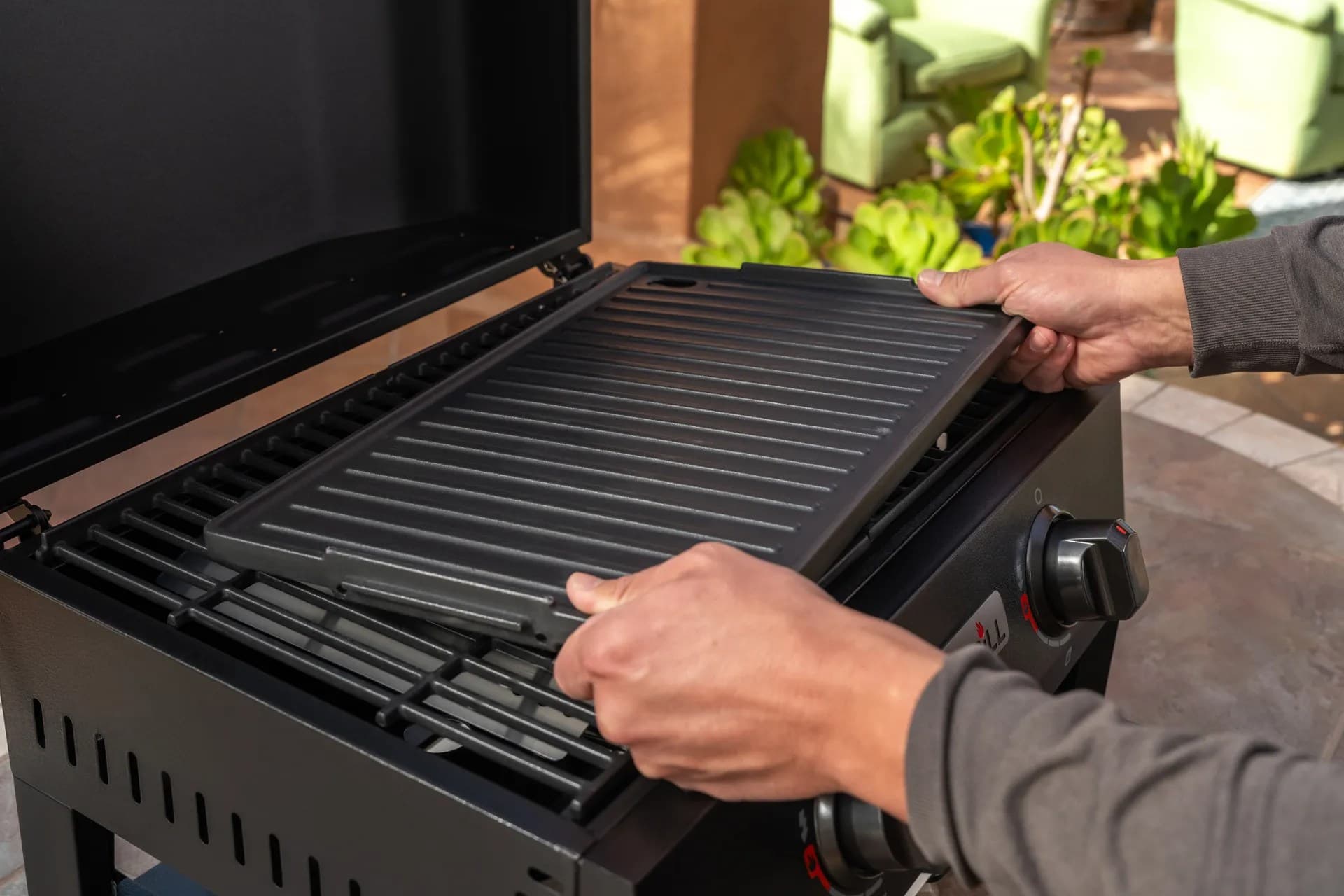
Practical guides for cleaning, maintenance, common grill issues, and performance optimization.
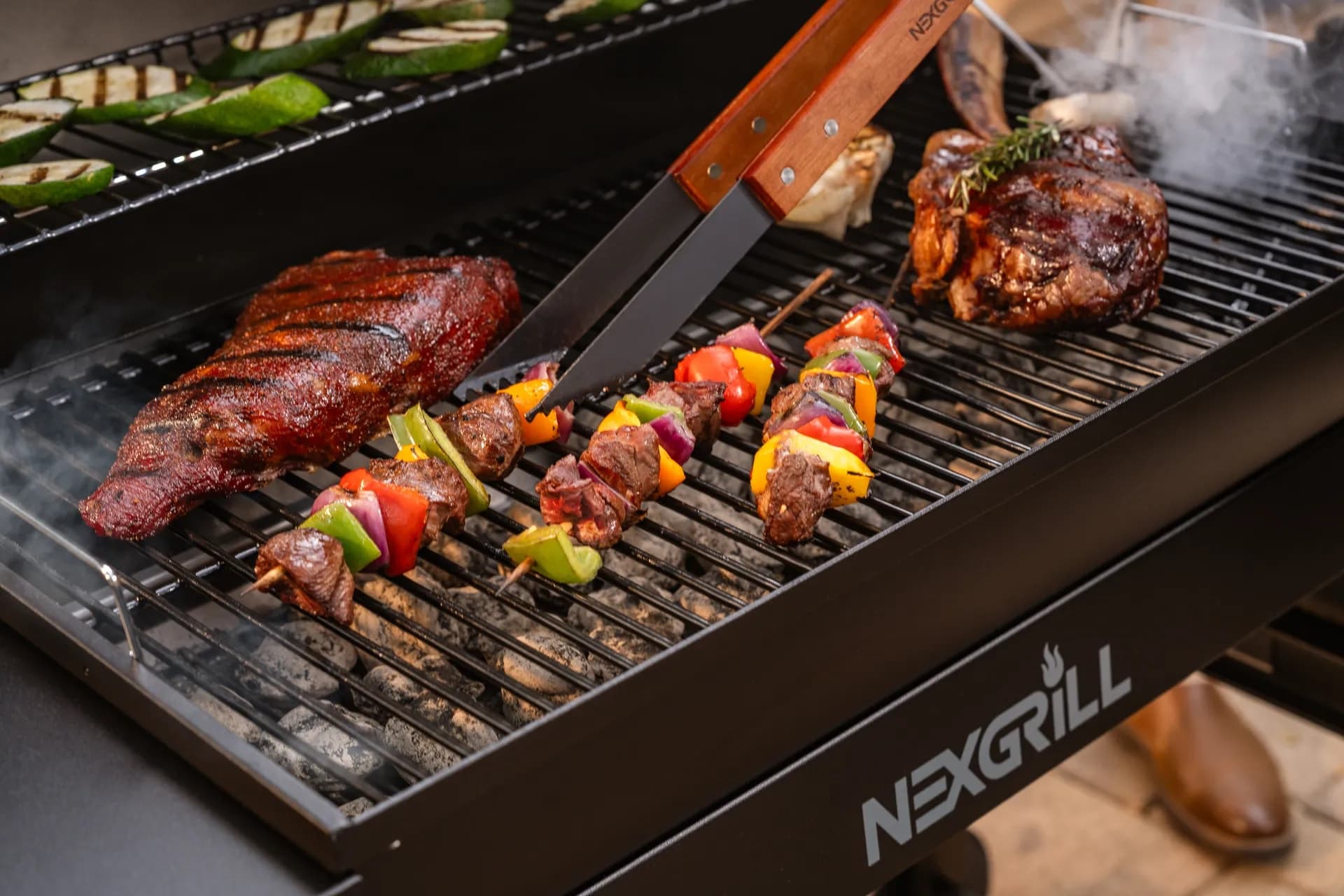
Step-by-step grilling recipes, cooking techniques, and meal ideas for every occasion and skill level.

Backyard entertaining ideas, seasonal grilling inspiration, and stories that celebrate outdoor cooking culture.
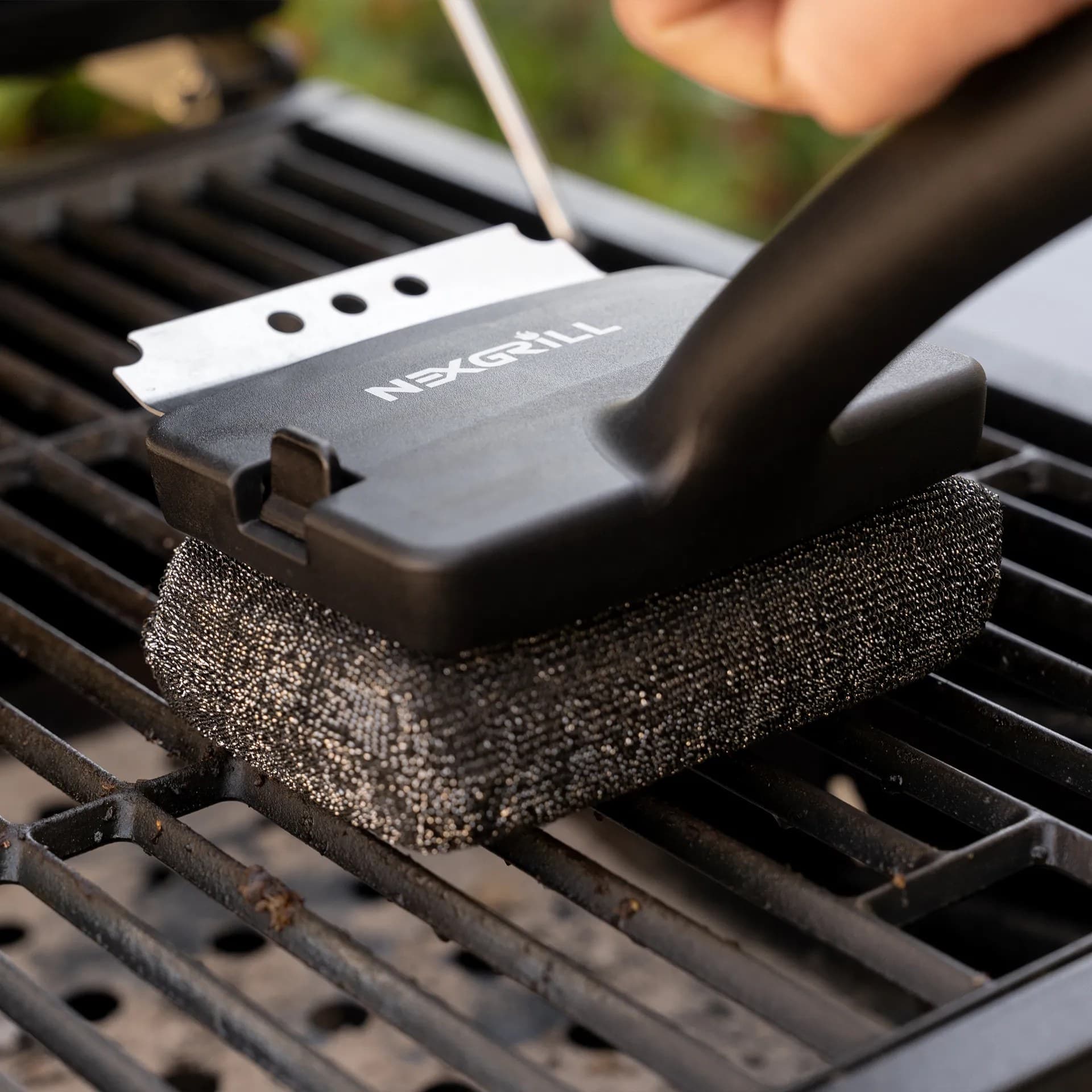
Helpful articles covering grilling tools, cookware, maintenance gear, and must-have accessories for outdoor cooking.
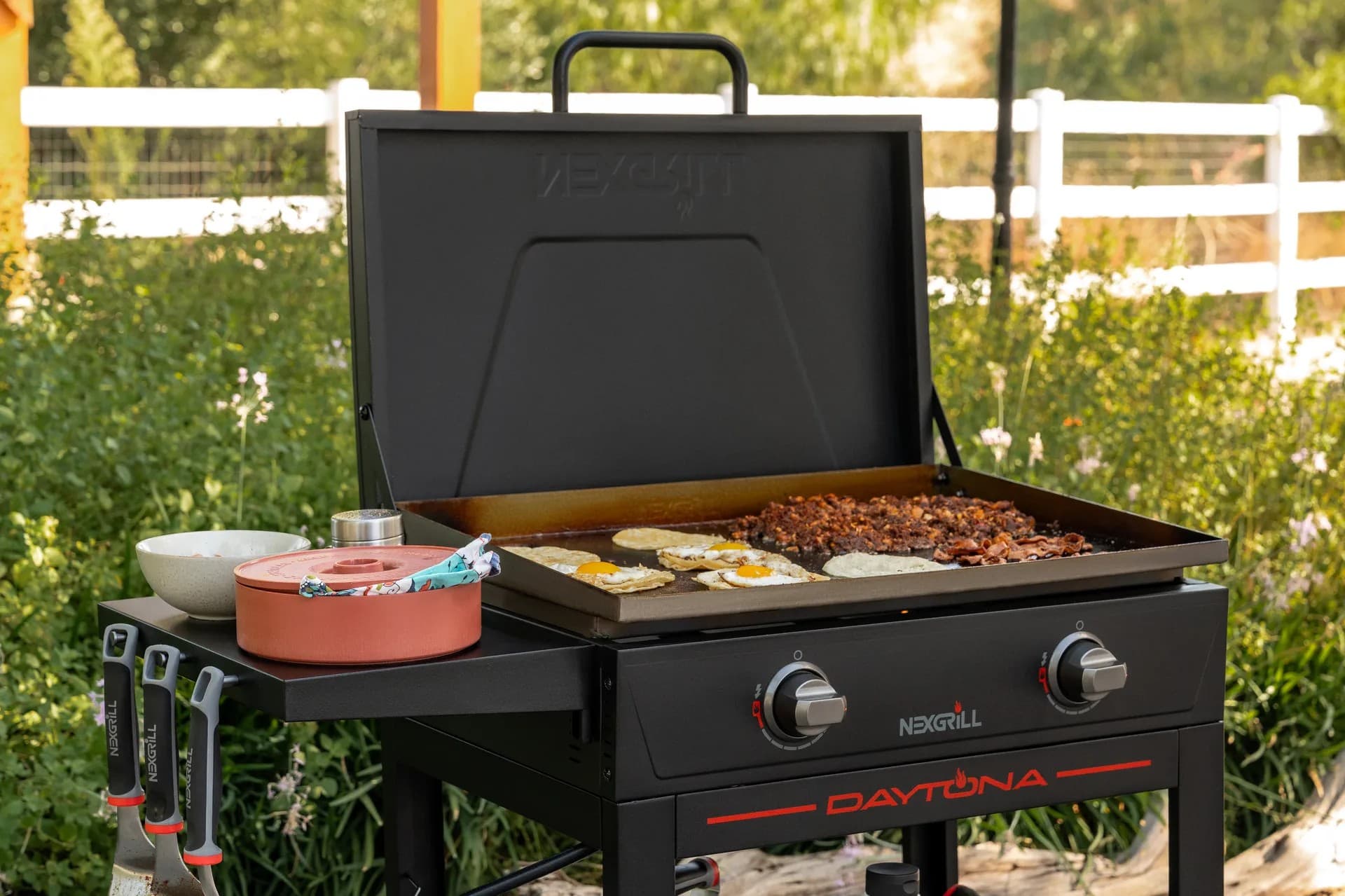
Find griddle recipes, cooking techniques, cleaning tips, and outdoor meal ideas designed for Nexgrill griddles.
Find answers to common questions
Gas grills provide instant heat and precise temperature control, making them easier to use. Charcoal grills offer a smoky flavor and high heat for searing but require more time to heat up and manage.
Pellet grills combine the convenience of gas with the flavor of wood, allowing for smoking, baking, and grilling. Traditional gas grills, however, are quicker to start and often easier to clean.
Charcoal grills typically reach higher temperatures quicker than gas grills, making them better for searing meat. However, high-quality gas grills can also provide adequate heat for effective searing.
Nexgrill offers models designed specifically for gas, charcoal, and pellets, allowing users to choose based on their cooking style and flavor preferences. Each type is built to optimize the characteristics of its respective fuel.
Choosing between gas and charcoal grills depends on your cooking preferences and lifestyle. If you value convenience and quick cooking, a gas grill may suit you better; if you prefer the taste and experience of traditional grilling, a charcoal grill would be ideal.
In This Article
Seasonal Cleaning Essentials
Advanced Grill Care
Winter Storage Tips
Grill maintenance isn't just about keeping your equipment clean; it's about ensuring optimal performance and prolonging its lifespan. By understanding the nuances of seasonal changes and how they impact your grill, you can create a cleaning schedule that keeps your grill in top shape all year round. Whether you're a casual backyard enthusiast or a serious griller, adapting your maintenance routine to the seasons can make a significant difference.
Each season brings unique challenges to grill maintenance. Winter's cold can cause metal to contract and moisture to accumulate, leading to rust. Spring's moisture and pollen can contribute to grease buildup. Summer's heat can intensify wear and tear, while fall's foliage can introduce debris. Recognizing these factors allows for targeted maintenance efforts.
Tip: Regular maintenance ensures consistent cooking performance and reduces long-term repair costs.
As the weather warms up, it's time to prepare your grill for a busy cooking season. Start by inspecting the burners and grates for rust or corrosion. Clean the interior with a mild soap solution to remove grease buildup from winter storage. Check the propane connections for leaks using a soap and water mixture. Replace any components that show significant wear.
During the summer, grills are often used extensively. Regular cleaning of the grates after each use is essential to prevent grease buildup. Keep an eye on the flame tamers and clean them periodically. Ensure the grill is covered when not in use to protect it from rain and sun damage.
Consider investing in a high-quality grill cover to shield against the elements. Additionally, check the grease tray regularly and empty it to prevent fires. Mastering the art of grill cleaning will help maintain your grill effectively throughout the summer.
Tip: Use a wire brush to clean grill grates after each cooking session.
As temperatures drop, it's time to prepare your grill for less frequent use. Clean the grates thoroughly and apply a light coat of oil to prevent rust. Check all components for wear and make necessary replacements. Consider storing removable parts in a dry place to avoid moisture damage.
| Task | Frequency |
|---|---|
| Inspect burners | Monthly |
| Clean grates | After each use |
| Check propane connections | Quarterly |
Winterizing your grill involves more than just covering it. Disconnect the propane tank and store it in a cool, dry place. Clean all removable parts and store them indoors. Apply a protective cover over the grill to shield it from harsh weather. These steps ensure your grill is ready to go when grilling season returns.
By following a seasonal cleaning schedule, you can enjoy consistent, delicious results from your grill all year long. Try comparing two products side by side below to see which fits best:
Once you've weighed two options against each other, here's what else matters when it comes to advanced grill maintenance strategies. Beyond the basics, there are specific techniques and tools that can enhance your grill's performance and longevity. Tailoring your approach to each season's unique demands will ensure your grill remains in peak condition.
Winter storage is crucial for preserving your grill's condition. Start by performing a deep clean of all components. Remove and clean the grates, burners, and flame tamers. Apply a light coat of cooking oil to prevent rust. Store these parts in a dry area to avoid moisture exposure.
For the grill body, apply a protective wax or cover to repel moisture. Consider using a moisture absorber inside the grill cover to prevent condensation.
Warning: Avoid storing propane tanks indoors to prevent potential hazards.
As spring approaches, it's time to bring your grill out of hibernation. Begin with a thorough inspection, looking for any signs of rust or damage. Replace any parts that have deteriorated over the winter months. Reconnect the propane and check for leaks before the first use.
Clean the grill thoroughly to remove dust and debris that may have collected. This ensures a fresh start for the grilling season. This is important to prep your grill after winter.
During summer, grills are exposed to intense heat, which can accelerate wear and tear. Use a high-quality grill cover to protect against UV rays and rain. Consider setting up a shade or canopy over your grilling area to reduce direct exposure to sunlight.
Regularly inspect the grill for signs of heat damage, such as warping or discoloration. Promptly address any issues to prevent them from escalating.
| Maintenance Task | Recommended Product |
|---|---|
| Protective wax application | Nexgrill Grill Cleaner |
| Moisture absorber | DampRid Moisture Absorber |
As grilling season winds down, focus on preparing your grill for winter. Clean all components thoroughly and inspect for damage. Apply a protective cover and store removable parts indoors. This prevents rust and ensures your grill is ready for use when spring returns. This is key to preventing your grill from rusting.
By adhering to these seasonal maintenance practices, your grill will continue to deliver outstanding performance year after year. Explore additional resources and product information at Nexgrill.
Here's what sets us apart
We position ourselves as delivering high-end outdoor cooking features and performance without premium-brand pricing, emphasizing “Quality Grills. Unbelievable Value.”
We offer gas grills, pellet grills, griddles, smokers, pizza ovens, portable/tabletop grills, electric grills, accessories, and replacement parts — allowing customers to stay within one ecosystem for all outdoor cooking needs.
We differentiate ourselves through smart grilling products like the Oakford smart pellet grill, including app-connected cooking controls and modern outdoor cooking technology.
Don't just take our word for it
Keep reading
From our catalog