How to Prevent Your Grill from Rusting: Expert Tips from Nexgrill
Maintain your grill's longevity with these effective rust-prevention strategies.
In This Article
Material Importance
Daily Care
Proper Storage
Understanding Why Grills Rust
Rust is a common enemy for grill owners, especially given the exposure to moisture and outdoor elements. Rust occurs when iron, oxygen, and water come into contact, forming iron oxide. Since most grills are made of metal components, they are prone to this chemical reaction. Environmental factors, such as humidity, rainfall, and salty air, especially in coastal regions, can accelerate rust formation.
Understanding the conditions that lead to rust can help you implement effective prevention strategies. Regular maintenance and proper storage are crucial to extending the life of your grill. Knowing the materials of your grill, such as stainless steel or cast iron, can also determine the specific care it needs to resist rust.
Material Matters
Different materials have varying levels of resistance to rust. For instance, stainless steel grills offer more resistance due to the chromium content, which forms a protective layer. Cast iron, while excellent for heat retention, is more susceptible to rust and requires routine seasoning and care.
Tip: Always check the manufacturer's recommendations for material-specific care.
Daily Maintenance Tips
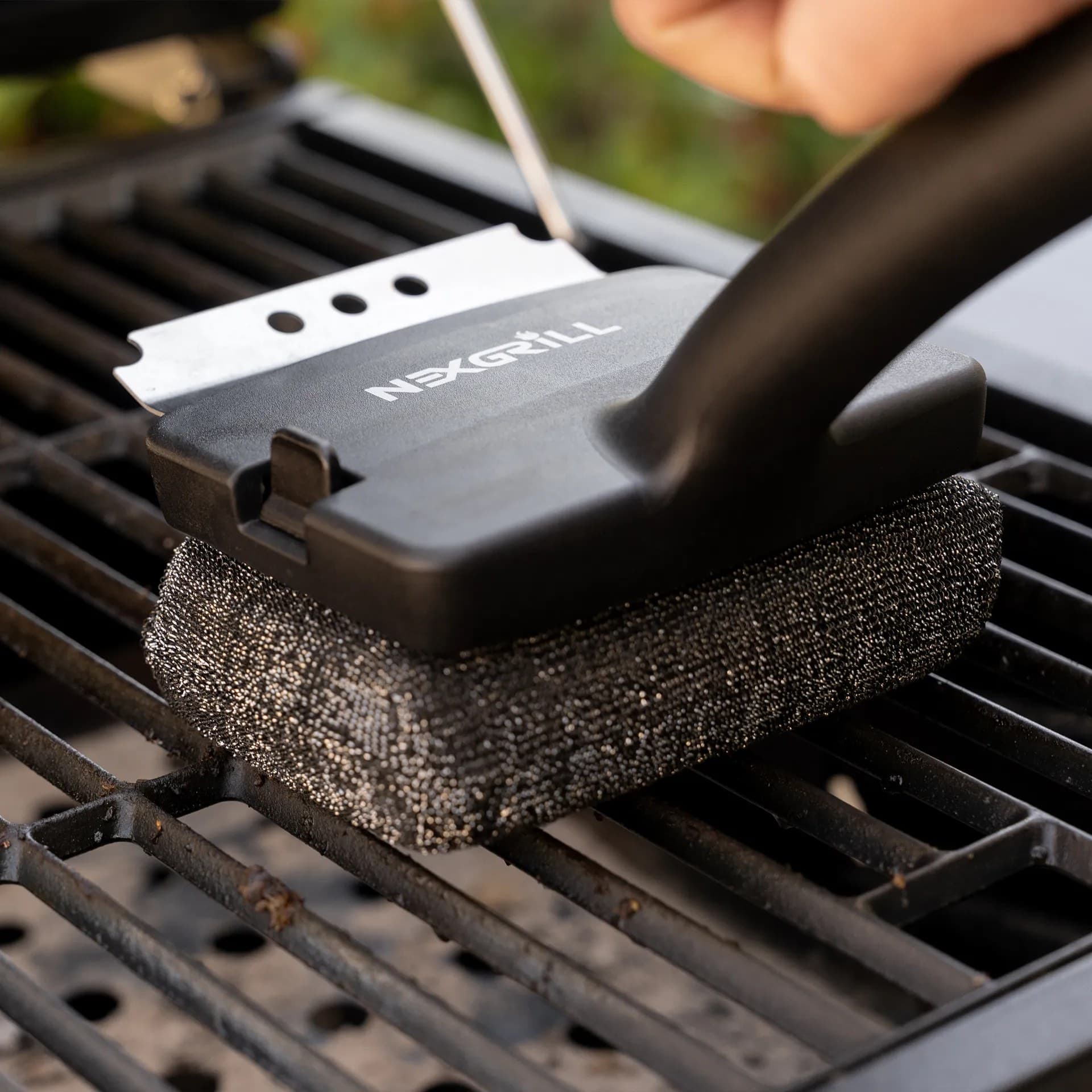
Daily maintenance forms the backbone of rust prevention. After each use, clean your grill thoroughly to remove food particles and grease, which can trap moisture and promote rust. Use a grill brush to clean the grates while the grill is still warm. Employ essential tips for effective cleaning.
- Brush the grill grates immediately after use to remove debris.
- Wipe down the exterior with a damp cloth followed by a dry one to remove moisture.
- Apply a light coat of vegetable oil on the grates to deter moisture.
of grill rust issues can be prevented with proper cleaning and oiling after each use.
Covering your grill with a weather-resistant cover can further protect it from moisture and environmental contaminants. Ensure the cover is breathable to avoid trapping humidity inside.
Selecting the Right Cover
A good grill cover is your first line of defense against rust. Choose a cover made from heavy-duty, water-resistant material that fits your grill snugly. Avoid covers that are too tight, as they can retain moisture, leading to condensation and eventually rust.
Tip: Invest in a cover with UV protection to prevent sun damage and material degradation.
Try comparing two products side by side below to see which fits best:
Long-Term Storage Solutions
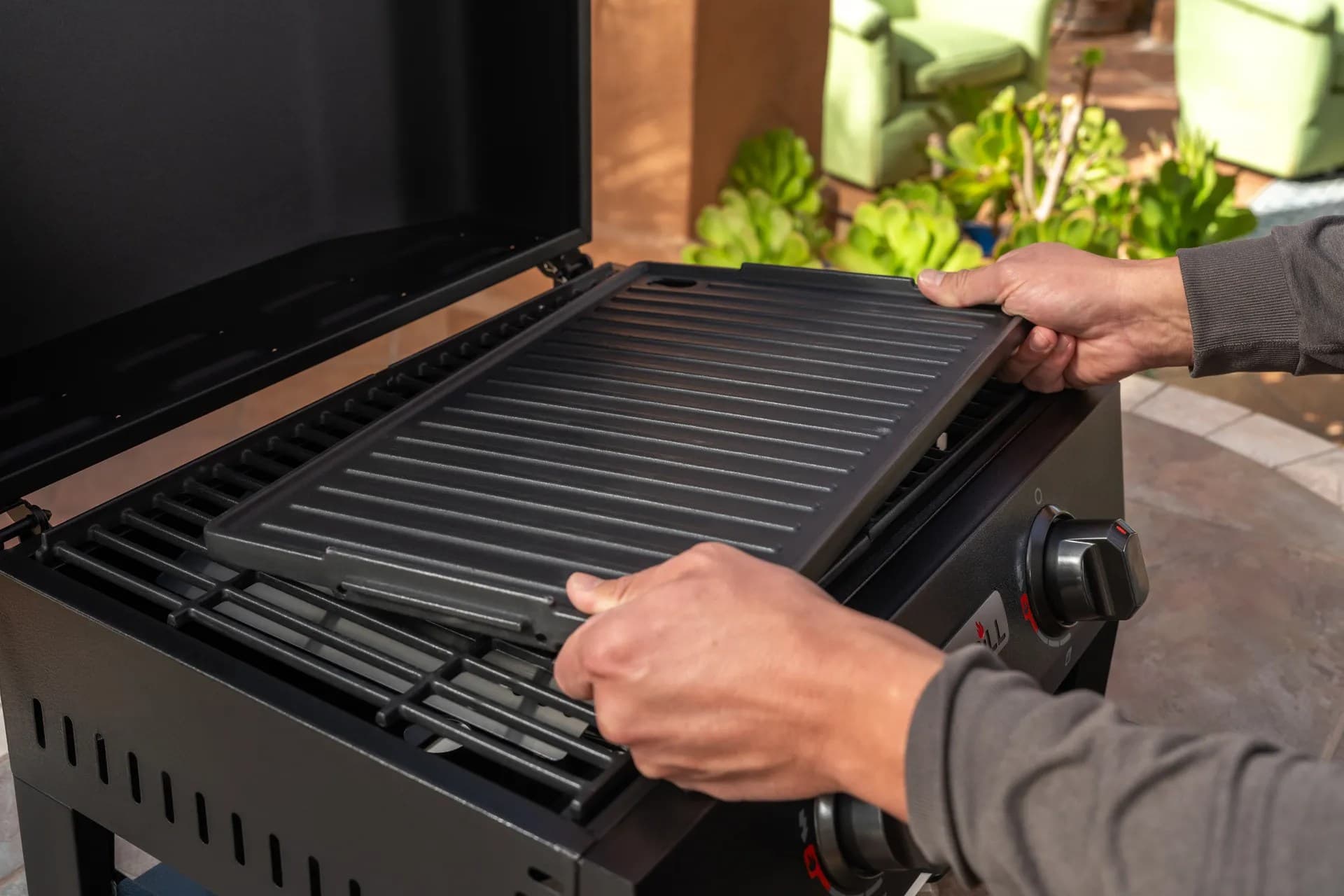
Proper storage is crucial in preventing rust, especially if your grill will sit unused for extended periods, such as during winter. Thoroughly clean your grill before storing it. Remove any removable parts, such as grates and burners, and clean them separately. This prevents moisture from being trapped in hard-to-reach areas.
Store your grill in a dry, sheltered area like a garage or shed. If indoor storage is not an option, ensure it is covered with a high-quality grill cover and elevated to avoid contact with wet ground.
Winterizing Your Grill
Winterizing involves preparing your grill for cold weather. Disconnect propane tanks and store them safely. For charcoal grills, empty ash and charcoal debris to prevent moisture buildup. Consider using a rust-inhibiting spray on metal parts for added protection.
| Action | Frequency |
|---|---|
| Clean grill thoroughly | After every use |
| Apply oil to grates | After every use |
| Use grill cover | Always when not in use |
| Store in sheltered area | During off-season |
Choosing Rust-Resistant Materials
Investing in grills made from rust-resistant materials can save time and money in maintenance. Stainless steel and porcelain-coated cast iron are excellent choices for their resistance to rust and ease of cleaning.
Stainless steel grills, while often more expensive, offer durability and lower maintenance. Porcelain-coated grills provide a balance between affordability and rust resistance, though care must be taken not to chip the coating.
Regular Inspection
Conduct regular inspections of your grill to catch early signs of rust. Check joints, screws, and other metal connectors for rust spots and address them promptly with a rust-remover or sanding.
Warning: Ignoring small rust spots can lead to extensive damage over time.
Once you've weighed two options against each other, here's what else matters…