The Ultimate Grill Cleaning Guide for Outdoor Cooking Enthusiasts
Keep your grill in top shape with expert cleaning tips and techniques.
In This Article
Understanding Grill Types
Essential Cleaning Tools
Advanced Cleaning Techniques
Understanding Different Grill Types for Cleaning
Cleaning your grill effectively starts with understanding the specific type of grill you own. Whether it's a gas, charcoal, or pellet grill, each has its own cleaning requirements. Gas grills, popular for their convenience, require regular maintenance of burners and grates to avoid grease build-up. Charcoal grills, known for their smoky flavor, need ash removal and grate cleaning after every use. Pellet grills, with their advanced technology, require cleaning of the fire pot and hopper to ensure smooth operation. Knowing your grill type is the first step to effective cleaning.
Essential Tools for Grill Cleaning
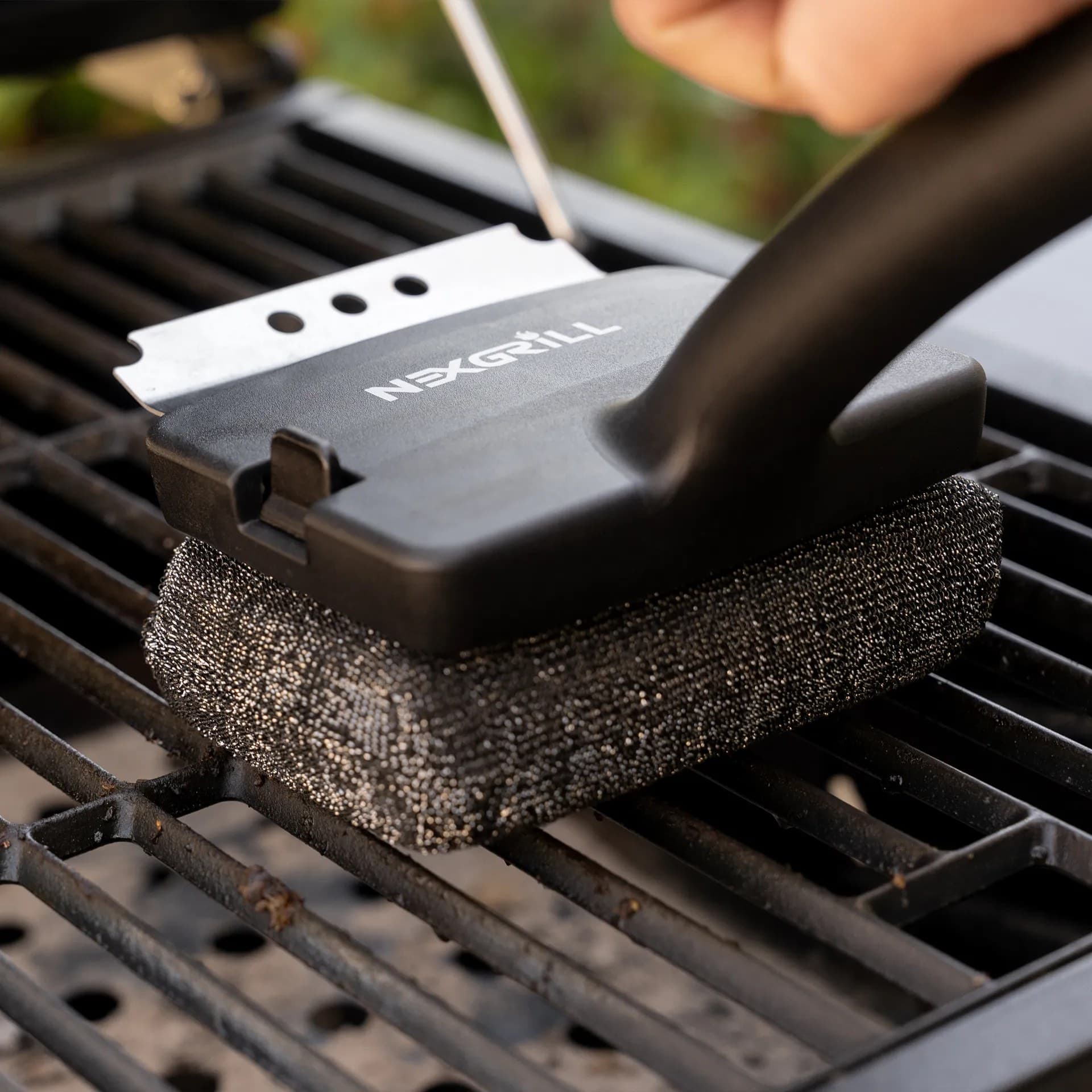
To clean your grill efficiently, you'll need the right tools. A stiff wire brush, preferably brass-bristled, is essential for scrubbing grates without damaging them. Grill scrapers help remove stubborn residue from grates. A shop vacuum is ideal for removing ash from charcoal grills, while a cloth and mild detergent are perfect for cleaning exterior surfaces. For gas grills, a needle or thin wire can clear burner holes of debris. For more on this, check out our top grill cleaning products.
| Tool | Purpose |
|---|---|
| Wire Brush | Scrub grates |
| Grill Scraper | Remove residue |
| Shop Vacuum | Remove ash |
| Cloth & Detergent | Clean exterior |
Routine Cleaning Techniques
Routine cleaning can extend the life of your grill and enhance its performance. Begin by preheating the grill to burn off excess food particles. Use the wire brush to scrub the grates after the grill has cooled slightly. For gas grills, regularly check and clean the grease tray to prevent flare-ups. Pellet grills require cleaning of the fire pot and auger system to avoid jams. Charcoal grills should have their ash removed after every use to maintain proper air flow.
Tip: Always clean your grill while it's still warm for easier residue removal.
Advanced Grill Cleaning Techniques
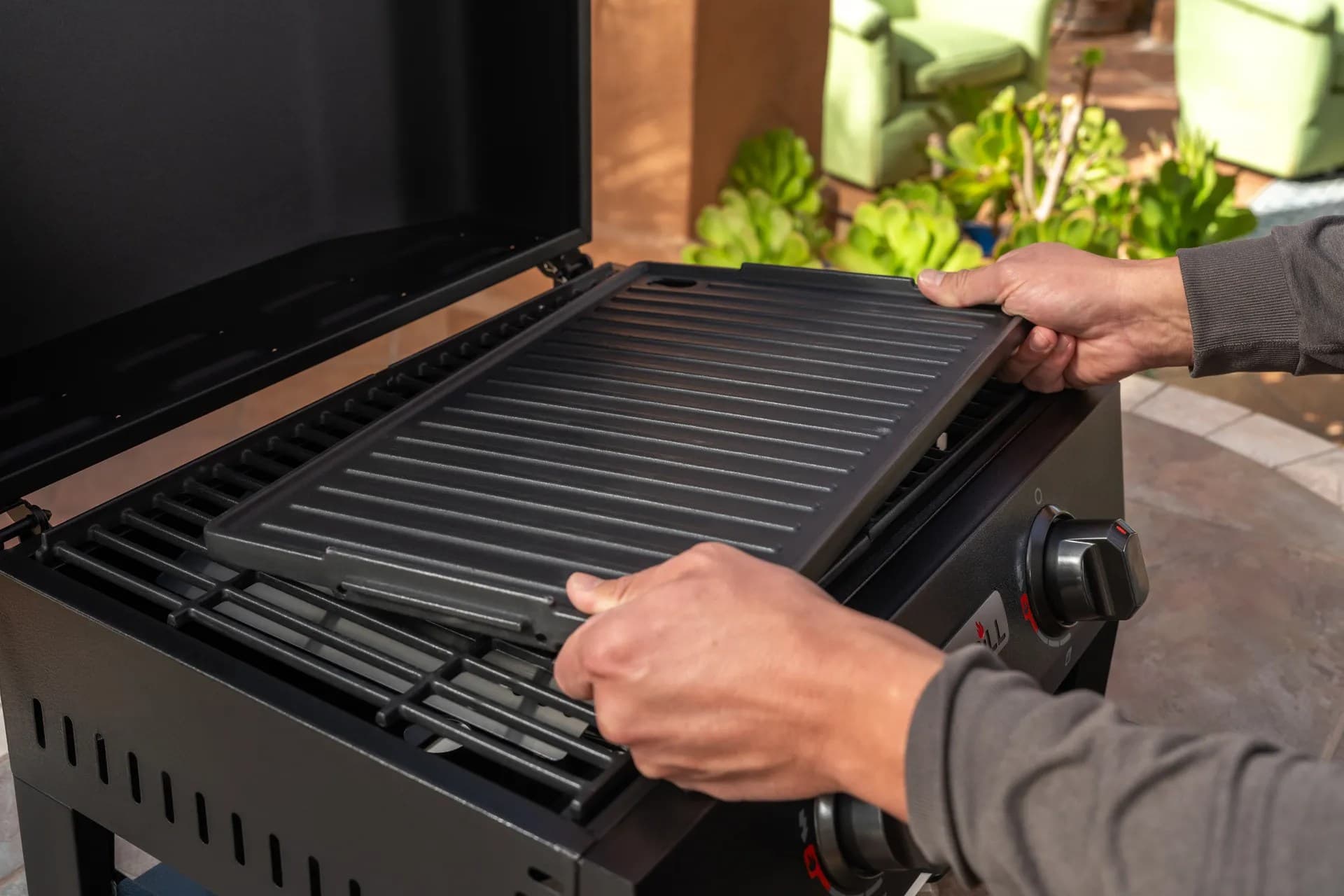
For those looking to take their grill maintenance to the next level, advanced cleaning techniques are essential. Consider deep cleaning your grill at least twice a year. This involves disassembling removable parts, soaking them in hot soapy water, and using a grill-specific cleaner for stubborn stains. Gas grill owners should inspect burners for blockage, while pellet grill users should ensure the auger and hopper are free of debris.
How to Maintain Grill Performance
Maintaining your grill's performance is more than just cleaning. Regular inspections can prevent long-term issues. Check for rust and repaint surfaces if necessary. Ensure all parts are functioning correctly, replacing any worn or damaged components promptly. Cleaning and oiling the grates after every use can prevent rust and food sticking. For pellet grills, ensure the pellets are dry to avoid clogs. You might find our rust prevention tips very useful.
Tip: Use a high-temperature grill cover to protect your grill from the elements and extend its lifespan.
Choosing the Right Cleaning Products
Selecting the right cleaning products can make a difference. Opt for biodegradable grill cleaners that are tough on grease but gentle on the environment. Avoid using harsh chemicals that may damage grill surfaces or leave toxic residues. Natural solutions like vinegar and baking soda are effective alternatives for cleaning grates and other components.
Common Mistakes to Avoid
Avoid common cleaning mistakes such as using steel wool on stainless steel grates, which can cause scratches. Never use water to clean hot grill surfaces, as this can cause thermal shock and damage. Additionally, neglecting to clean drip trays and grease catchers can lead to dangerous flare-ups. Regular maintenance prevents these issues and ensures a safe grilling environment.
| Mistake | Consequence |
|---|---|
| Using Steel Wool | Scratches grates |
| Cleaning with Water | Causes thermal shock |
| Neglecting Drip Trays | Leads to flare-ups |
Conclusion: Keeping Your Grill Pristine
Regular and thorough cleaning not only keeps your grill looking great but also enhances its performance and longevity. By understanding your grill type, using the right tools and techniques, and avoiding common mistakes, you can enjoy safe and delicious grilling all year round. Frequent maintenance ensures that your grill remains a reliable partner for every cookout.